Do Limes Have Seeds?

Do limes have seeds?

Do Limes have Seeds? 

Do limes have seeds?

Do limes have seeds? If you don’t have any idea, go through this post carefully as this article deals with it in detail.

If you think of limes, it is a huge green fruit that resembles a lemon or an orange. Although there are a few varieties of limes that are smaller but the majority of the commercially available ones are larger in size.

Since limes belong to the family of citrus fruits, it is expected that they have seeds as other fruits in the citrus group. But, remember that there are many variations of limes and they differ on numerous aspects.

So, do limes have seeds?

Yes, they do. But, the majority of limes that are available to drink include Persian limes. Persian limes do not have seeds.

Therefore, it’s natural to believe that the lime doesn’t have seeds due to the types you’ve had to deal with.

Let’s take a look at the different lime varieties as well as their seed compositions as well as what is different in seeds.

In particular, it’s your lime that doesn’t contain seeds. However, the lemon, by contrast is a good example.

This brings up some interesting questions. What is the reason why limes don’t have seeds like lemons? What is the process that makes limes grow when they don’t appear to have seeds?

Both of them are excellent questions. We’ve researched both and we’ll share the results we’ve uncovered here.

Why Don’t Limes Have Seeds While Lemons Do?

Certain limes don’t have seeds due to the fact that they are parthenocarpic fruit. This means unlike lemons, they do not require seeds to reproduce.

These kinds of limes can grow without the plant being fertilized. Be aware that this may not be the case for all limes. It just occurs in a few varieties that you’ll find in shops, such as Persian and Tahitian limes.

What does Parthenocarpic mean?

Most likely, it’s the very first time that you’ve ever heard of the term “parthenocarpic.” The term is certainly not a phrase that is commonly used even though it’s so fascinating.

If you’re interested in learning more about parthenocarpy, I’ll explain how it functions in more depth to help you comprehend the seeds-free limes.

To provide you with a greater understanding, you should look at the ways different plants reproduce. For the majority of fruits you are aware about, the fruit starts to grow once an egg cell located in the ovular region that the plant has fertilized. It is the product of this fertilization.

The most interesting aspect of partshenocarpic species is that fertilization doesn’t seem to be needed. Parthenocarpy can happen naturally however, sometimes it is created artificially. In certain parthenocarpic plants the fruit develops by itself, but in some it is necessary to pollinate.

Parthenocarpic fruit can develop without fertilization this is extremely beneficial for several reasons. For instance, they are more likely to possess a more long shelf duration. Many people also like eating these plants, as they don’t have to be concerned about accidentally choking on the seeds that are hard.

If a plant is extremely difficult to fertilize, using parthenocarpy may help. Some examples of plants well-known for being difficult to fertilize include tomatoes and figs.

Examples of Other Parthenocarpic Plants

Limes aren’t all the parthenocarpic species that you can come across. There are several varieties of parsnips that are seedless in the wild which are believed to evolve naturally as a method to stop creatures from eating seeds. Instead, animals are enticed by the seedsless fruits.

Commercially, seeds-free vegetables and fruits are in high demand as well. You might have heard of seedless cucumbers, bananas or pineapples, or oranges.

You may also have encountered one or two seedless watermelon however, they aren’t caused by parthenocarpy. They are made by a process known as the stenospermocarpy.

The Persian Limes: the Most famous Limes You’ll Find

As we’ve mentioned earlier it is the case that the majority of limes used for consumption as well as other uses include Persian limes (Citrus latifolia). They are believed to be a distinct species, however sources have proven that they’re actually an “natural mix of genuine lime and citron.”

Also called Bearss limes and Tahiti limes These Persian limes can be described as parthenocarpic. They are basically produced without fertilization. They are, therefore, completely without seeds.

On the other hand the real limes (Citrus aurantifolia) contain seeds. They are also known by the names of West Indian limes and Mexican limes. They are less tinier than Persian limes and have a thinner skin. They also are less resistant to illness as Persian limes, and consequently have shorter shelf life.

Where do Persian limes originate from?

Normally, fruits begin to develop after pollen fertilizes the egg of the flower. However, parthenocarpic fruits like Persian limes grow without fertilization. The fruit can be parthenocarpic due to many reasons, including issues with the egg or sperm or pollination issues, or chromosome imbalances.

Persian limes have three sets of DNA, instead of two. Therefore, even though a majority of parthenocarpic fruits naturally occur, Persian limes are unable to reproduce due to this deficiency in the chromosomes. To address this problem many farmers opt for the practice of transplanting.

In the process of grafting farmers pull a piece of a seedless plant out and then place it in an additional tree.

The process of grafting lets farmers clone the tree to ensure that more seedless limes could be created. Farmers are also used to restore trees that are damaged. On the production side it is grafting that allows farmers to grow the seedless limes at a commercial scale.

This is the primary reason for why the majority of limes that you find in the market don’t have seeds. It is interesting to note that others in the citrus family do not contain seeds either. For instance, certain lemons don’t have seeds as well. There is the possibility of finding the occasional seed in the “seedless” lemon because of cross-pollination. However, most lemons do not have seeds.

However, lemons that do not have seeds are more rare than those that have seeds which is exactly the opposite of limes.

Famous Kinds of Limes: Do they have Seeds?

We are familiar with the Persian limes and Mexican limes in relation to their composition of seeds. However, there are varieties of limes that are available. Here’s a brief overview of a few of them:

Kaffir Limes

There is a Kaffir lime (Citrus Hystrix) is a kind of lime popular in the Asian continent. It has a lime-green color and a noticeable bumpy skin. Like many kinds of limes become somewhat yellow when they begin to ripen. However, they tend to be tart, and their juice can have an acidic flavor. Cooking isn’t a viable option using kaffir limes.

Kaffir limes also contain small quantities of juice, in comparison to Persian and Mexican limes. They also have seeds which can be used to produce larger quantities of them.

Philippine Limes

There is a Philippine limes (Citrus macrocarpa) is a hybrid variety of lime. The flesh color is orange. As the name implies, this kind of lime thrives in the Philippines and in other parts in Southern Asia. In certain countries in the Philippines, it is known as the Philippine lime is known as the Calamondin.

Philippine limes are commonly used in a variety of local dishes because they are a great source of juice. Apart from their nutritional importance, some limes are also used to embellish dishes. They can also be used to decorate dishes. Philippine limes also contain seeds each one being a source of eight to twelve seeds.

Finger Limes

A finger lime (Microcitrus australasica) is possibly the most unusual kind of lime. Also called the caviar lime (also known as caviar lime) or Australian finger lime, it has an entirely different shape from other lime varieties. It’s cylindrical in form and has a frame that is long and a rough, bumpy sin. There is also an apex on one side.

Finger limes’ flesh appears like tiny pearls of caviar instead of the typical round fruit juice sac the majority of citrus fruits possess. The juice is sweet but it also has an energizing aftertaste.

It is important to note that the finger lime is not seeded. Although it is available in a variety of color, it is seedless in all respects.

Blood Limes

It is a mixture with the red-finger and “Ellendale Mandarin” (itself an amalgamation of the mandarin and orange fruit. It’s also a unique kind of lime due to its delicious taste and red hue.

In comparison to the numerous kinds of limes that are traditional, blood limes are tiny. However, unlike other traditional limes, it is possible to consume the skin of a blood lime as well as its flesh.

The blood lime is a source of seeds, too.

Rangpur Limes

Rangpur limes (Citrus jambhiri Lush) are an intermixture of mandarin oranges and another fruit called citron. In some books, you may have read about it as a kind of Indian Mandarin lime. Although the Rangpur lime appears to be an orange in size, it has a tangy taste that is similar to the traditional lime.

It is believed that the Rangpur limes are mostly used for making Marmalade. They have seeds too.

Can You Eat Lime Seeds?

Many of us are aware that limes are one of the most adaptable ingredients to cook with when you’re cooking. It is possible to make wonderful lemonade, add a few lemons to your water or an iced tea, or make a lime a part of your meal.

Limes are fantastic citrus fruits and are a great food source for vitamin C. They also have powerful antioxidant and healing properties.

Since lime seeds are tiny and small, it is difficult to not swallow several of them at a time. Fruits such as apples, cherries and nectarines are fruit that are toxic if consumed in large amounts. For example, the seeds of apples contain cyanide, which is a poisonous substance that can be fatal to humans. What about limes?

To calm any irrational fears, you shouldn’t experience any negative effects after eating lime seeds. They’re not in that same category as fruit mentioned earlier, therefore, the seeds of lime aren’t considered to be harmful. But, it is important to note that the digestion of lime seeds can be problematic for people suffering from digestive problems like diverticulitis, IBS.

Lime seeds aren’t poisonous or hazardous for pets, but as with people, your animal may exhibit some reactions if there is digestive issues.

Wrapping up

Do Limes have Seeds? 

There are a variety of limes with seeds.

The Persian limes are the most readily available commercially. These limes do not have seeds as they are produced without fertilization.

Lime seeds aren’t harmful to consume, but they could cause problems for people suffering from digestive problems.

If you’re eating fruits, you’re likely willing to eat the seeds or the pit. But, not all fruits contain seeds. This may be caused by a process known as parthenocarpy.

Parthenocarpic plants grow without fertilization, so they do not have seeds. It’s truly amazing how the plants have adapted to their environment and have discovered new methods of growing. I personally believe that seeds-free limes are fantastic!

Best Substitute for Kale

substitute for kale

Best SubstituteSubstitute for Kale for Kale


Looking for the best substitute for kale? And why not? Because kale is among the healthiest and most nutritious greens are available in the marketplace. So, it is quite likely that people would be searching for the best kale substitute. Read on for more information.

It can be difficult to find in certain areas of the world , or it could be that you end up running out. If that’s the case, then there are no worries. We’ll show you many kale substitutes you’ll enjoy using in your dishes.

The most effective kale substitute for kale would be collards. But, you can also make use of spinach and other types of greens too. Let’s take a look at what else you could pick instead of kale to make your delicious recipes.

Kale Substitutes

Here are the top alternatives to kale that can count on each time you’re out of the vegetable.

  1. Collard greens

Collard greens are the most suitable choice if you’re looking for an alternative to kale. They share similar texture and flavor like kale and you can incorporate them into many recipes. They are delicious as salads, as well as various cooked recipes. For spices, you can make use of the same seasonings as you would apply to the kale.

  1. Spinach

Frying spinach that has been frozen and thawed

Spinach is a great source of minerals and vitamins and is tasty. It is a great substitute of kale and in every recipe you’d like.

Spinach is delicious in salads, soups as well as baked items. It’s easy to cook, and even though it is different than kale, it’ll enhance your food with delicious flavors.

  1. Baby spinach

Like spinach, which is an excellent alternative to kale baby spinach doesn’t make a any difference. Although it isn’t as large,, but it’s the same flavor and texture. It can be cooked in the same manner you would cook Kale, and add the same seasonings in your meals.

  1. Cabbage

Cabbage can be an excellent substitute for the kale. There are a variety of varieties of cabbage to pick from, so you’ll be able to find one at your local supermarket.

It is possible to use cabbage in cold dishes, as well as cooked dishes and anticipate a delicious taste. Cabbage is a good source of vitamin A, so it is extremely nutritious. The flavor of cabbage isn’t as identical to kale however it’s compatible with all recipes that call for kale.

  1. Romaine lettuce

Romaine lettuce can be substituted for Kale with ease and you will discover it in abundance. It is a bit bland in flavor, so you’ll need to add additional seasonings to make it taste the way you desire. It is best served in sandwiches and salads rather than soups, baked dishes or baked items.

  1. Iceberg lettuce

If you are looking for the iceberg lettuce, you could certainly use it instead of kale. It will have a pleasant flavor so you can use all the spices you’d like to increase the flavor.

Iceberg lettuce has a softer texture that will alter the flavor of your dish. Consider that in choosing iceberg salad instead of the kale.

  1. Tatsoi

An unpopular but equally tasty substitute for kale is tatsoi. It is an Asian leafy green vegetable which is crunchy with a firm texture. It also has a mild flavor.

It is evident that it’s easier to digest meals with tatsoi, rather than the kale. Additionally, this vegetable is rich in vitamins, including vitamin C, A, and K. It is a great vegetable to eat cooked or raw to your personal preferences.

  1. Mustard greens

The mustard greens can be substituted for Kale in virtually every kind of dish. Be aware that these greens possess spice too.

Due to this feature it gives your food a an enhanced flavor. It also has a distinct taste too. In addition to the spicy taste mustard greens could be described as similar to kale.

  1. Chard

If you’re looking for an alternative to kale, think about Chard. Chard is available in various varieties ranging from green to pink and they all taste great.

This vegetable is softer and crisper in texture. It can therefore be cooked in a variety of ways without becoming too mushy. It can be used raw or cooked the way you’d like to make the meals you are planning to cook.

  1. Escarole

Escarole is a different green vegetable which can be consumed raw or cooked. Include it in sandwiches, salads or baked foods, as well as soups. It will give you an amazing taste each time.

It is a great substitute for the texture of kale and texture, as well as in terms of taste. It won’t alter the taste of meals, making it even more convenient to use in a variety of recipes.

  1. Arugula

Arugula is a green leafy vegetables with mild peppery flavors that you’ll love to incorporate into almost any food. Because it’s a little spicy, you might like more than the kale.

However, be aware that it can alter the taste that your meals have. Arugula can be eaten raw as well as cook it over a brief period of time in various baking or stir-fried recipes.

  1. Brussel sprouts

In the event that you do not have Kale on your shelf, but you do already have Brussel sprouts, think about having the possibility of saving your recipe. They can be substituted for the kale ingredient in any recipe.

They have a distinct appearance and flavor. But, Brussel sprouts can adapt to any type of food and you’ll love the cabbage-like taste that you may keep them in your fridge in all times.

  1. Broccoli

It can be used to substitute kale for kale in pureed soups.

With its long stems and nutty leaves, broccoli is distinct from kale with regard to texture. If you’re making a pureed soup, you can make use of broccoli for a kale substitute since it’s going to blend anyway. Also, make sure you make use of the stalks of broccoli to make your soup as they’re delicious and are full of nutrients.

  1. Mache

A fantastic alternative to kale in salads or smoothies.

While mache does have a milder flavor than kale its delicate leaves are an excellent alternative to Kale in raw recipes like smoothies and salads. Actually, due to its mild taste, mache is regarded as to be one of the most nutritious ingredients in smoothies that are green. Together with baby spinach, it’s probably the best replacement for the kale used in smoothies. Apart from blending perfectly with fruit in smoothies, Mache is a great source of nutrients.

How To Prepare Kale

To Use raw

Wash, dry, and break the leaves of kale into bite-sized pieces. You can either compost them or keep them for a different use.

You can also cut or shred raw leaves, with or without stems. If you don’t leave the stems in the stems, you’ll get plenty of chewing!

I prefer to toss the lettuce in lemon juice and salt, and then let them soften for about 30 minutes before serving them raw. Sometimes, I mix in salad dressing and let it sit for at least 10 mins and, ideally, up to 30 minutes.

If you’re struggling to find time massaging the kale with your hands can accelerate the process of softening. In fact, it’s a practice.

To cook

Rinse the plant with cold water, but don’t dry. In the case of raw kale you can cut leaves or cut (with or without stems).

It is the quickest method however if I have the time I prefer to cut the leaves, then finely cut the stems.

For cooking, I soak the stems first with some oil and then a couple of tablespoons of water in a covered saucepan for about 10 minutes or until they are soft. After that, you add your leaves to the pan and cook for another 5 minutes or until they are wilted and tender.

In any case, be generous with your salt as it helps mask the bitterness commonly associated with Kale.

How To Store Kale

I wrap mine within a plastic container inside the refrigerator. It will last for around an entire week in this manner subject to how fresh the kale was at the time you purchased it.

I’ve eaten organic kale from the farmers market for two weeks, however this is not often!

If the leaves begin to turn yellow, remove them and eat green ones.

FAQs

Can I substitute lettuce for kale?

If you aren’t able to find Kale, you can substitute any kind of lettuce, like Romaine lettuce or Iceberg lettuce. You can however use any kind of lettuce as long as you cook it right. Lettuce can be substituted for the kale ingredient in many cold dishes like salads or sandwiches.

Take note of dishes that have been cooked. If you plan to make an omelette or bake something that contains kale, make sure you make use of lettuce that can withstand high temperatures , but not lose its taste.

Any of the lettuces from the above list can successfully substitute Kale in any dish.

What is the best vegetable to replace Kale?

Kale’s biggest rival in the world of vegetable is spinach. It can be substituted for kale, just as spinach can be substituted in every dish you could imagine.

They are similar in terms of minerals and vitamins but the amounts differ. Vitamin A, C, K as along with folic acid and other nutrients from both in different amounts.

Each vegetable has merits and distinct flavor. Additionally, choosing one that is superior to the others is a challenge. The best method to take your food choices is to eat various vegetables that are consumed frequently.

Do spinach and kale taste similar?

Both spinach and kale are similar, but not exactly the same flavors, however they differ in. If you eat the two raw, you’ll be able to tell that kale has a more bitter and a stronger flavor than spinach.

If cooking them they are better suited to creamy recipes and soups since it is more easily blended along with the other components.

The flavorful Kale makes it perfect for sandwiches and salads. It can also be used in smoothies and get a tasty, nutritious dessert. The spinach will have a less sour flavor however, ultimately it all comes down to individual taste and preferences.

Wrapping up

Best Substitute for Kale 

So, among so many in the list, which do you think should be the best substitute for kale then? Well, I have already answered that question in the first part of the blog post.

As you can see, there’s no reason to change an entire recipe simply because you don’t have Kale. You can select one of the substitutes listed in this article. The recipe will taste as delicious as it would if you have made use of Kale.

Adjust the seasonings to get the flavor you’re looking for. Since kale has a stronger flavor, you may need to include more spices in dishes that contain substitutes for.

What Does Zucchini Taste Like? 

What Does Zucchini Taste Like? 

What Does Zucchini Taste Like? 

What Does Zucchini Taste Like? 

What does zucchini taste like? Don’t have a clue? Are you looking for a versatile vegetable that you can incorporate into your healthy daily diet? Look no further then. Zucchini is the ultimate solution for you!

Zucchini is among the most sought-after vegetables extensively used in many different cuisines across the world.

It is frequently confused with cucumbers because of their striking similarity.

In actuality, they are two different vegetables. Yes, I am talking about both in terms of species, and also their texture and taste.

If you’re thinking that zucchini tastes anything like cucumber, you are completely wrong.

So, what exactly does zucchini taste like? What can you do to begin with it as a component of your diet? Let us explore.

What is Zucchini?

Zucchini, also known as courgette, is part of the small group of squashes that are summer in nature. Other well-known fruits and vegetables that belong to this squash family include crookneck squash as well as Aehobak (Korean zucchini).

In contrast to other similar vegetables like butternut squash like pumpkins, zucchini is typically harvested before they have fully mature or before their rinds begin to harden.

There are two major kinds of zucchini. The most popular is the dark/light green zucchini. Another variety one is called the golden hybrid zucchini with a deep orange/yellow color.

Golden zucchini is frequently mistaken for the yellow squash. However, one method of separating the two is to examine their physical appearance.

Zucchini is usually cylindrical in length from the end to the end. The yellow squash however is distinctively tapered neck.

What does zucchini taste like? Does Zucchini Taste Good?

The first thing to note is that the flavor that zucchini has isn’t quite as intense or overwhelming as other common vegetables are known to contain. Actually in fact, it is completely different.

Zucchini has a mild taste with a slight taste of sweetness, similar to as eggplant. As a whole, it has a very bland taste which is why it is not often eaten by itself.

But, the mild texture makes it a great vegetable to blend with nearly every other flavorful ingredients since they don’t interfere with the flavor.

Health Benefits of Zucchini

As with all vegetables, zucchini too has its fair share of health benefits.

In addition to its numerous health benefits, zucchini also high in a variety of nutritional ingredients including vitamin B6, fiber C, K, as well as minerals like manganese as well as potassium.

Luckily, this adaptable food can be beneficial to our health in range of ways.

According to the renowned website, Healthline, one cup of zucchini is a good source of:

  • 17 calories
  • 1 grams of protein
  • A little less than 1 gram fat
  • Three grams of carbs
  • 1 Gram of sugar
  • 1 Gram of fiber
  • Vitamins and minerals
  • Antioxidants

This macronutrient profile of zucchini is on almost every diet and weight loss list. It’s even keto-friendly!

Does Zucchini Taste Like Pasta?

In a word, the answer is no.

Zucchini doesn’t taste as much as other vegetables. It isn’t similar to pasta if it is cut to make “lasagna noodles” or spiralized into something resembling spaghetti and is also referred to as “zoodles,” or “courgetti” in UK.

But plain pasta may not offer as much flavor. On the other hand, flavor-wise, they have very little in common. So some cooks have devised creative alternatives.

Affectionately eating Zucchini Noodles is about managing expectations.

You shouldn’t expect carob to taste like chocolate, even though it appears and behaves as chocolate. Coconut milk doesn’t have the ability to taste exactly like dairy milk either.

Everyone has their own unique talents but shutting your eyes and hoping that one will be the best is sure to result in disappointment.

From one angle the traditional pasta is primarily an excuse to cook delicious sauces and other toppings. Zucchini noodles are bland and tasteless, but as a base, could satisfy a large portion of the needs for pasta.

If you have any digestive or nutritional issues the traditional spaghetti, noodles are the perfect opportunity for reconnect with Alfredo, Marinara, Pesto, Bolognese, and other delicious sauces.

Does Zucchini taste good when it is raw?

Zucchini is delicious when raw, but it requires some flavoring, such as salt and pepper or onion dip to truly enjoy it.

However, some people aren’t in a good mood with raw zucchini.

In the absence of being broken down during the cooking process, vegetable’s cellulose and soluble fibers can cause gas and bloating.

The people who suffer from this problem actually suffer from gut microbiomes which cannot handle raw zucchini, and therefore they might not be able to eat the vegetable regardless of the great taste.

How Can You Tell If  Zucchini Is Bad?

There are many signs of trouble with zucchini. It is obvious that the zucchini is in trouble when:

There are wrinkles. A zucchini that is over the hill will start to dehydrate, and the skin becomes wrinkled as well as puckered. It’s not as hard as it used to be. The wrinkles are a sign that the texture, nutrition and flavor are compromised. However, you are able to make use of the zucchini if it isn’t too bad.

It’s not hard. It is limp but not squishy-looking – zucchini isn’t able to hold its shape for many recipes but it’s nevertheless good for bread.

There may be dark spots on your zucchini. The dark spots that are black or brown indicate trouble. It is possible to peel the zucchini and look at the inside to determine whether the texture and flavor are acceptable to the recipe you’re using. Cut out any spots that are deeper.

If there are soft spots that look squishy, the zucchini may have been kept in a drawer of vegetables for over a long period of time. It  will begin to rot, resulting in small, grayish spots. There’s no cure at this point. In time, these spots will engulf the whole zucchini.

It smells like fermented zucchini, either purchased from a supermarket or your own preparations for your batch and can spoil within a couple of days. It’s more likely that it will begin to turn sour and acidic rather than turning a color, so you should use your senses to judge the quality of it.

How do I cook Zucchini?

As I mentioned, zucchini is one of the most versatile vegetables that you are able to cook. You can cook it in a variety of ways, based on your preferences.

It doesn’t matter if you cook it or use it in a wrap, in salads, deep-fried baked, or even for dips, zucchini can do everything. Because of its light flavor it is a perfect match with the other vegetables and combines the texture perfectly.

When you cook with zucchini, you’re only restricted only by the imagination of your mind. Here are a few of the top zucchini recipes that you can make right now.

There are legitimate issues with eating raw zucchini. Because of its bland taste raw zucchini is virtually flavorless and could pose some health risks too.

So, unlike cucumbers the zucchini should be consumed in the kitchen after having cooked.

It is also recommended to take preventive measures prior to cooking zucchini.

The vegetable contains a harmful chemical called cucurbitacins. It creates a distinct bitter taste. If your zucchini tastes bitter, it’s usually an indication of toxins that are excessively present.

Another thing to bear in mind is that zucchini could cause allergic reactions in certain people, mostly because of their protein content.

Wrapping up

So, what does zucchini taste like? I suppose I have already answered that in the earlier part of my article and hence would not like to repeat that.
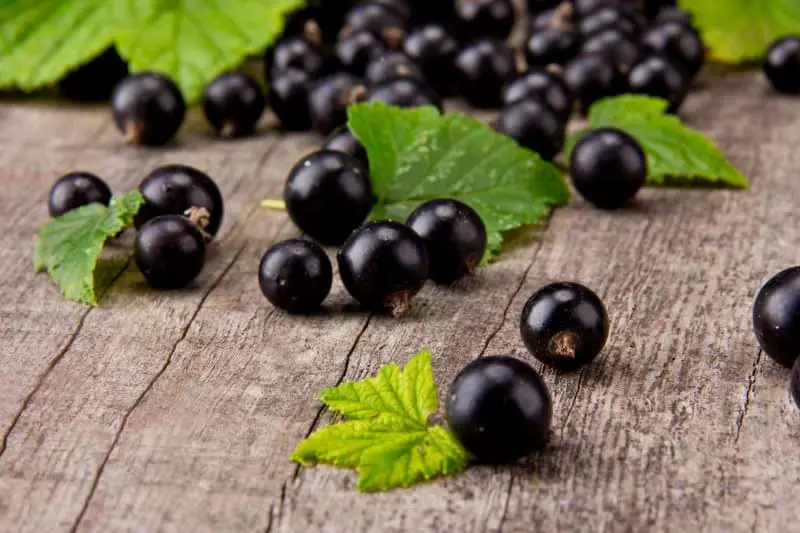
Anyway, if you’re in search of vegetables that you could incorporate into almost all of your recipes, without altering the flavor, the zucchini is an ideal choice.

Because of its mild taste and flavor, it’s the best method to keep the wonderful flavor of your dish and also helps to get your children to eat vegetables and fruits without screaming.

What Does Sushi Taste Like?

What Does Sushi Taste Like?

What Does Sushi Taste Like?


Have you ever had the pleasure of eating sushi? If you’ve never tried sushi, then you may be wondering: what does sushi taste like? If you inquire about this topic to various people, you would also get different answers, which needless to say, add to your confusion.

There are those who do not have a good understanding of what would actually be considered sushi, as the term “sushi” is very wide.

It is possible that you will not receive the same answer, especially if you don’t clarify the kind of sushi you’re interested in.

Even in the event you aren’t familiar with Japanese culture, you are unlikely to have been exposed to sushi. It’s an extremely popular food and most cities around the world will have a Japanese/Asian eatery or two that you could conveniently visit if are in the mood for a bite of this delicious dish.

For those who haven’t had sushi before might not have a clue about the taste of it and are unsure whether it is worth giving the experience a go or not.

The experience of tasting and eating sushi in the beginning could be a bit intimidating for a lot of people. It’s normal – the majority of sushi contains raw fish as the principal ingredient.

People are familiar with having their food, especially seafood that is cooked well. Once you overcome this worry, you’ll be blessed with an unforgettable dining experience like none other.

What Is Sushi?

According to the wiki, the sushi dish is a classic food that originates from Japan. Its primary ingredients are rice sugar, salt and salt However, what makes sushi a hit and a favorite across the globe is the second ingredient raw fish and other vegetables.

All the ingredients are combined and then rolled into a circular shape. Then, it will be broken into smaller pieces prior to serving.

It was the case that in past times, sushi makers used to made sushi during big celebrations or events however, with the demands of modern life were met, it was presented as a standard meal in a restaurant in Japan.

What Does Sushi Taste Like?

Sushi is a classic and well-known Japanese food. It isn’t too spicy or fishy despite being a raw food. The majority of sushi is composed of raw fish rice, rice, and other vegetables which is why it has a fishy taste however it is mostly sweet, neutral and sweet.

The taste of sushi could be difficult to pinpoint due to the different ingredients that are utilized in all types of Sushi but, in the end you’ll taste a range of tastes.

Kinds of Sushi

Because there are a variety of sushi varieties that are now available, the flavor of sushi could be so delicious that you try some cooked fruits and vegetables the mix.

With just a single bite, you’ll feel satisfied and not have the sensation of fullness. There are several fresh flavors, with different flavors.

There are a variety of sushi, and the most popular types include Temaki, Chirashi, Inari, Maki, and Nigiri.

Nigiri

This is probably the next step towards sushi once you’ve had a go at eating maki rolls that contain fresh fish.

Nigiri can literally translate to hand-pressed sushi that is hand-pressed. There are several sushi chefs who would put wasabi into the seafood slice and rice to give it a more flavorful taste or add spice and kill any bacteria present on raw fish.

It is almost a must to the majority of people choose salmon for Nigiri since the taste of raw salmon is great.

Inari

Another kind of sushi that looks delicious in its flavor. It comes in a brown bag that’s a tofu packed by sushi rice.

You could also add more ingredients, making the sushi flavor more interesting, such as carrots or mushrooms, as well as sesame seeds.

Maki

These sushi rolls are made from fish, meat, and vegetables. The ingredients are wrapped into seaweed or nori, or you can make the ingredients into cucumbers, soy paper, or egg eggs. Omelets are a popular choice.

You’ll definitely enjoy the flavor from the various ingredients.

If you’re new to sushi, you can begin to eat California roll Maki which is made from crabs , avocados as well as sushi rice.

There is a possibility of the tuna sushi or tekka maki rolls, where tuna is an extremely delicate and sweet meat, and a delicious taste.

If you are a foodie I’m betting you don’t dislike raw tuna. It’s non-smooth, not hard and definitely not fishy.

The taste of raw tuna can be different from strong flavor to mildly taste. To get the best taste is to take a small piece of tuna from the store and taste it.

Chirashi

This is more similar to the sashimi. It’s covered in raw fish inside an ice-cold bowl made of rice sushi.

In the majority of instances, there are nine ingredients, but this can be different. The raw flavor is too strong , however if you prefer a less strong flavor look for less oily fish.

Red snapper, tuna, and squid are excellent examples of foods that have a light taste that lets you experience the authentic flavor of sushi without being drowned by those fishy sea foods.

Temaki

Temaki is considered to be the most unique form of sushi. It is “cone-shaped”. Based on my personal experiences, Temaki has the flavor similar to Maki however it is a little better due to the more nori on the outside.

When you’re trying Maki in your kitchen, do not hesitate to use your hands instead of chopsticks for the most effective experience.

These are only a few of the most popular types of sushi with distinct tastes due to the various ingredients employed for each variety.

Beyond that there are other elements that can alter the taste of sushi, including the preferences of the person who is making it.

How to Tell If It’s Quality Sushi

There are restaurants and convenience stores that offer cheap sushi for those who are who are on a tight budget and need an easy sushi fix. This is rather unfortunate and should be avoided, since it’s better to save for a dining experience! If you happen to find unsatisfactory sushi, how can you be able to tell the difference?

Here’s what you should know about the difference between bad and quality sushi:

Balance: As previously mentioned in the previous paragraph, there must be a perfect harmony of rice and fish. If there’s too much rice, it will become too thick. If there are too many fishes, it can be a bit sour and too thick and cloying.

The smell: Sushi should not smell too much like fish. Even though it is for sushi. The smell of sushi restaurants must be like watermelon or cucumber!

Serving Size Sushi doesn’t mean you have to eat it all. It must be small and easy to bite. If the sushi is too large and packed, the sellers concentrate more on quantity than quality. Any sushi shop that offers all-you-can-eat food is not recommended either because they might use inferior ingredients.

Ingredients of Rice: If the rice is damp or you notice bruises on the fish, it’s likely to be rotten and not edible. The best sushi should be delicious and appear fresh, created using crisp seaweed, and other ingredients that are of top quality. The isabi, along with the rest of the ingredients, must be among the best to enhance the taste!

Savor the Real Taste of Sushi with These Tips

Alongside knowing what sushi tastes like, there are specific ways to prepare sushi. A few of the suggestions include:

You should not mix soy sauce with wasabi because the flavor will be diminished. Instead, use the chopstick to spread only a tiny amount of wasabi on the sushi, and then put it in Soy Sauce.

To cleanse your palate, take a bite of ginger pickled slices or gari, or you could sip hot green tea while you consume different kinds of sushi.

Japanese soy sauce might be much better than other soy sauces since it is sweeter and can complement sushi much better.

Take note of these suggestions when you are eating sushi to enjoy the authentic taste of sushi.

Related Questions

We hope you can find this guide for knowing the different flavors, textures and taste of sushi an invaluable source. There are many variables that influence the flavor.

We encourage you to take an overview of some frequently asked questions and answers below to find some additional information that might be helpful.

Does sushi contain raw fish?

Sushi can contain raw fish, but it is not required.

There is a variety of sushi which typically uses raw fish. However, you will also discover a variety of alternatives that incorporate cooked meat, or shrimp in place of a different kind of fish.

Sashimi is, on the contrary, is prepared with fresh fish. There are other varieties of sushi specifically designed to reflect sashimi such as Nigiri.

Is there a good sushi to serve newcomers?

If you’re not sure how to begin it’s best to start small and progress when you’re ready. Try something similar to a Philadelphia roll, which is made with avocado, salmon and cream cheese and our own recipe to make the perfect Boston roll.

It is also possible to try an Asian tuna roll, or a California roll, if you wish to begin small. Be sure to look over the ingredients and search for tempura, if you prefer cooked shrimp to your sushi.

Do you enjoy all sushi at once?

In the traditional sense, sushi and sashimi are both intended to be consumed in one bite. In many restaurants, chefs cut the sushi and sashimi according to the size.

It will remain a mouthful, however, eating the entire piece or slice in single bites is ideal method to experience the entire taste the way it was meant to be enjoyed.

What is the best way to eat sushi?

If you’re determined to get the right thing, you must follow these steps!

Use chopsticks or your fingers to scoop up one sushi portion.

The fish should be tossed in soy sauce and then add wasabi on top, if you’d like (both aren’t required).

Place the whole portion of sushi in your mouth in one go while keeping the fish’s surface resting on your tongue.

Then, finish with a slice of ginger pickled to clean your palate.

Wrapping up

What does sushi taste like? I suppose you have already got the answer! You’ve read about the flavor of sushi, the different kinds of it and ways to consume it. So, why not begin your sushi journey now? Why not give sushi a shot today? Try it out and you’ll be awed by the wonderful taste.

The flavor of sushi is definitely delicious because the various ingredients blend to produce a sense of tasty harmony and delightful gourmet food.

What Do Artichokes Taste Like? 

What Do Artichokes Taste Like? 

What Do Artichokes Taste Like? 

What Do Artichokes Taste Like? 

What do artichokes taste like? I am sure you are looking for an answer to this question. If the answer is yes, you should not run about here and there for authentic information. Read this post carefully and get your facts right.

The humble artichoke is a bit of a mystery to a lot of Americans. While artichokes are among the most popular vegetables of the Mediterranean basin, a lot of people in the United States still ask questions about what they taste like. Many don’t know what to do with them and cook them. But the mystery ends here.

Artichokes are a distinctive flavor, but you’ve probably eaten similar vegetables. Continue reading to learn what they taste like, and some simple methods to cook them to enhance the flavor.

What Are Artichokes and What Does an Artichoke Look Like?

In Greek mythology the artichoke was the invention from Zeus himself. The god of capriciousness was angry with a woman who he made into an idol, he drove her back to Olympus as an artichoke.

If you recognize the name, but don’t know the plant Artichokes are generally green, and they’re shaped a bit like the shape of a pine cone.

They’re the size of a fist once fully grown. They are covered with leaves, which form an edgy, cabbage-like plant. The edible part is the flower that flowers, and it looks like large hops.

They’re indigenous to the Mediterranean region Their use in the Mediterranean region dates back to in the eighth century BC. They were widely used in Italian food The artichoke was introduced to England through Dutch traders, from which it spread across the globe.

They were transported from Louisiana in Louisiana and California through French and Spanish colonists during the 19th century.

Certain varieties are adorned with purple flowers, and the majority part of US harvest of artichokes originates from California.

What Do Artichokes Taste Like?

Their flavor isn’t exactly distinct, but they have certain nuances that distinguish them from other varieties.

Artichokes are a great source of flavor. They have an earthy taste with a hint of herbaceous. The artichoke’s petals are crunchy, while the heart is softer and has a stronger taste. Their hearts are in the end the most sought-after component and are sold separately from the other parts in the whole artichoke.

When eaten fresh artichokes maintain a more firm texture, and have an unpleasant flavor. Cooking also softens the texture, and creates an astringent flavor that is like boiled potatoes.

In terms of whether you’ll love artichokes, they’re similar like brussels sprouts and asparagus with a slight nutty taste. Due to their texture and taste, people compare them with celeriac and celery.

Artichoke comes in many varieties. They have been described as having a similar taste.

Overall, the flavor isn’t overwhelming, which makes artichokes a great ingredient in numerous recipes. It is well-suited to various cooking techniques.

What Are Artichokes Used For?

Artichoke halves in the form of a picture on a platter

Then, you might be thinking about what you can make using an artichoke.

You don’t have to worry since artichokes are delicious as a stand-alone dish or easily added to many delicious recipes.

In simpler terms, you could easily boil, steam and stir fry, grill or roast artichokes. You can then enjoy the edible pieces by themselves and with dip or seasoned or even as part of an appetizer.

Other fantastic ways to make use of artichokes include:

  • Pizza topping
  • Pesto
  • Spreads and dips
  • Stews and casseroles

In reality, there are numerous ways to cook and serve artichokes that result in a mouthwatering meal and I’ll share some more later.

Let’s first begin by discussing some health issues!

What Are the Health Benefits of Artichoke?

Artichokes are top of the list in the category of vegetables as it has the highest antioxidant content of plant foods and are ranked seventh overall, beating beans and berries.

It’s not even the start. Here are other great ways that artichokes can benefit your well-being:

Rich in Vital Magnesium

An average-size (128 grams) artichoke is a good source of magnesium, providing the equivalent of 77 milligrams per serving. Magnesium is an essential mineral that is found in every area of your body.

Although magnesium isn’t as well-known or extensively studied as its kin calcium, it’s important to know that the nutrient is part in more than 600 bodily reactions that occur in your body. Unfortunately, a substantial portion of U.S. population has been identified as lacking magnesium.

Filled with Dietary Fiber

Fiber increases the bulk of your stool, and aids in the movement of things through your digestive tracts, assisting to avoid constipation as well as diarrhea. Additionally, you will benefit from other factors like controlling blood sugar level. One medium artichoke can provide 25 percent the daily fiber requirement and yield 6.9 grams.

Beneficial for Your Bones and Cognitive Health

Vitamin K is a fat-soluble vitamin that has lately been the focus of attention because of its positive effects on nervous system health and the brain. Together with Vitamin D Vitamin K plays an essential role in maintaining your bones’ strength.

Artichokes are an excellent method to boost the intake of vitamin K. Each medium artichoke provides 18.9 micrograms, or 14 percent of your daily requirements.

Contains Anti-Cancer Properties

This veggie may pack more punch than you believe. Artichoke extracts have also demonstrated advantages in cases of cancer, specifically in the fight against cancerous breast cells. Maybe, by now, you might consider adding artichoke to your diet routine to prevent such harmful effects!

Can Help Regulate High Blood Pressure

That’s right. One medium artichoke provides 473 milligrams, or around 10 percent of the potassium you require daily. Potassium is the 3rd most abundant mineral found in your body.

It assists in keeping sodium levels under control, which can in turn help lower blood pressure. Other components in artichokes could help maintain healthy blood pressure.

Many vegetables, including capers and eggplant are available all year long. Artichokes are not an exception.

If you’re looking for the highest quality artichokes that have the most delicious flavor, then March to September is when you need to make artichokes a regular feature of your food.

How to Choose Artichoke?

If you’re picking an artichoke, ensure that the leaves are tightly packed brightly green, and free of splits. It is also important to look out for signs of blemishes on leaves.

Utilizing both hands, press the leaves of the artichoke and you’ll hear a squeak.

The stem should be damp. Similar to other fruits do not remove the stem until you’re prepared to cook your artichoke because it can help keep your artichoke fresher for a little longer.

Also, ensure that the stem is free of wormholes at the top of the stem which may extend into the heart of the artichoke and ruin the taste.

How to Store Artichoke?

As I stated earlier, the ideal time to make use of your artichokes is on the same day that you purchased it.

If you let it sit for longer than that the chances are that it will be perish.

However, until you’re ready simply keep it in the refrigerator for up to 4-7 days, and be sure to not forget it!

It is best to consume any leftover artichoke that has been cooked in the next 24 hours. You can wait for longer, and you’ll begin to notice that the flavor is becoming more unpleasant.

A Few Artichoke Recipes

But don’t rely on anyone’s word for it.

The best way to find out how they taste and if they’re the right one best suited to your tastes is to taste the one for yourself. The best time to eat artichokes runs from March to May. While they’re available all year long, it’s recommended to purchase your vegetables during the season because you’ll have more varieties.

Purchase a few fresh artichokes and make any of the following recipes.

Boiled Artichokes

Boiling artichokes is the easiest method to cook them. They will not keep their gorgeous green hue no matter the method they are cooked.

To cut them down to be used, cut off the tips of the outer leaves , then cut off the top half-inch of one inch, exposing an inside view of the bloom. It is easy to cut the leaf’s tips with kitchen shears.

Bring the water to a simmer in a pot big enough to accommodate all of your artichokes in one go. Additionally, make sure you make sure you use enough water to cover the artichokes. If your kitchen doesn’t contain a container large enough, make batches rather than leaving a few of them unprotected.

When the water begins to boil, lower it to a simmer, and then add the artichokes. It should take approximately 30-minutes or so, until petals begin to break away from the flower.

Cool them off and drain them prior to serving them with the sauce you prefer. If you are eating, you may take each leaf separately and dip it in the sauce. After that, remove the bottom of the petal with your teeth, then dispose of the edge that is touched.

Once you’ve reached the center of the artichoke, you’ll see a fuzzy layer that’s known as the choke. You will have to scoop the choke out with the help of a spoon. Then, take a bite of the heart of the artichoke.

Boiled Artichokes

Pan-Fried Artichokes

Pan-frying artichokes is the best way to relish the flavor of them. It caramelizes a portion of the sugars in the artichokes and adds an additional texture and flavor.

For making this dish, it is necessary to remove the majority of the flowers from the artichokes. While pan-frying, you’ll remove that outer layer dense petals.

When you’ve reached the lighter, inner leaves remove the stem and leave about one inch. Then cut the artichoke in half, then in quarters.

You can remove the choke either before or after cooking the pieces. Mix the artichoke wedges in olive oil, and then add seasoning according to your preference.

3 tablespoons of olive oil to a skillet and add the artichokes the cut side facing down. They should be cooked for 3 to five minutes, until they’re perfectly browned under.

Afterward, turn them to the other side, and cook until the meat is again browned. Incorporate about 1/4 cup of liquid and then cover. Turn the flame down to a simmer and cook until they are tender.

Serve the artichokes as soon as they are still warm.

Grilled Artichokes

Artichokes aren’t a good match for dry heat, so oven roasting and grilling isn’t a good idea for artichokes. However, if you steam them for a few minutes prior to grilling, you’ll get flawless grill marks all over the exterior and soft artichoke flesh inside.

Prepare them the same way you would prepare them for boiling. Take out any petals that are wilted and cut off the tips of the remaining petals.

Cut off the stems and leave approximately 1 inch. Cut the artichokes in the half, and then massage them using the lemon wedge to stop burning. With a spoon, take out the choke with a fuzzy ring prior to steaming.

Artichokes shouldn’t be too dry Don’t boil them. Instead cut them in half and then use a steamer to cook them for 20 minutes. It’s not necessary for them to be fully soft since they will be grilled at the final.

The artichokes that have been steaming are brushed with olive oil, and then place it on grill with the flat side facing down. Cook them covered for a couple of minutes and then rotate them 45 degrees so that they create perfectly seasoned grill marks. Keep them covered on a grill for five to 10 minutes.

Grilled artichokes are delicious with Aioli, Remoulade, or any other sauce that is creamy.

It’s About Time You Tried Artichokes

Artichokes are a delicious vegetable that is an essential ingredient in Mediterranean food, particularly during the spring.

Wrapping up

What Do Artichokes Taste Like? 

So, what do artichokes taste like? I think you have already got your answer to that. Artichokes are extremely versatile vegetables which are deserving of space inside your cooking.
Once you’ve had a chance to experiment with them and you’ll realize that they’re exactly what you require to bring a refreshing and delicious flavor to your favorite recipe.

If you’ve never experienced the joy of cooking artichoke hearts prior to this time, it’s the perfect opportunity to try it.

Find the freshest artichokes in the local supermarket to cook the best dinner at home, and let their subtle taste be evident.

We hope that you’ve absorbed all you can about the taste of artichokes and now you should be ready to give them a try!


Ponzu Sauce Substitute

Ponzu Sauce Substitute 

Ponzu Sauce Substitute 

Ponzu Sauce Substitute 

So, you are looking for a Ponzu sauce substitute and I presume this is why you are here for. Anyway, I think you have come to the right place because in this blog post, I have discussed in detail about all the possible substitutes for Ponzu sauce. Read on to learn more.

Sauces are one reason that many dishes taste better when we eat them. Sauces are a key ingredient in many cuisines around the globe. No dish can be complete without them.

Japanese cuisine uses many sauces to accompany their dishes. Sauces can be used to eat as a dip, a marinade, or simply for salad dressing.

Ponzu sauce can be used with fish, other seafood, or as a marinade.

This sauce is unique and contains unique ingredients. But what if it’s not available? Is there a substitute that would taste like ponzu sauce instead?

What can I use to replace ponzu sauce? You can substitute ponzu sauce with other sauces or ingredients. I’ll provide a list below, including Nam prik pla, Worcestershire sauce and Soy sauce. Also, I’ll share a recipe that uses alternative ingredients to help you get the flavor you want.

You’ll also find the best homemade ponzu sauce recipe that can easily be used to replace the one you buy.

Substitutes for Ponzu Sauce

Because of its unique flavor and texture, there is no substitute for Ponzu Sauce. This means that it is difficult to find a substitute for Ponzu sauce. Therefore, you can make your own.

If you don’t feel like making Ponzu sauce, the following list has alternatives. You can save your recipe.

  1. Worcestershire sauce

This sauce is very similar in taste to ponzu sauce. It is made up of tamarind, anchovies and tart citrus juice that replaces the ponzu sauce’s bonito flakes and tart citrus juice.

This sauce is often used because it imitates the flavors and aromas of ponzu sauce. It is widely available and a staple in many culinary cuisines.

One thing that makes this sauce different is the addition of spices to it. This can cause some confusion about the flavor of the ponzu sauce. The main ingredients are the same. This sauce is great for marinating meat.

  1. Nam Pla Prik Sauce

This Thai sauce can be used as a substitute for fish sauce. It is made from lime juice, fish sauce, and hot chilies. You can leave out the chilliness, but it isn’t part of Japanese cuisine. You can still use the other ingredients to make your dish more delicious.

Your dish can be enhanced by the perfect balance of sweetness, saltiness, and soreness. It doesn’t matter if you don’t like one cuisine or another.

  1. Soy sauce

Soy sauce is usually part of the ponzu. You can substitute for soy sauce by adding lemon juice.

Because these ingredients are already in the ponzu sauce, the flavors will almost be identical. This sauce is great as a dipping condiment. To give it the acidity it needs, you can add lemon juice or vinegar.

You can also use this sauce as a marinade to give your meat a nice flavor.

  1. Lemon Juice

Lemon juice is basically the juice of lemons mixed in with water.

Lemon juice is extremely acidic and has a low pH. The fruity tones of lemon juice will save your dinner.

It can be used to show a similar flavor and taste as ponzu sauce. Lemons can be used as a sweetener, drink, or to enhance meat and fish dishes.

Lemon juice can be used as a substitute for the product, increasing its shelf life and your immunity.

Lemon juice is a potent ingredient. Avoid migraines and be aware of possible allergies. Lemon juice is acidic so be careful.

  1. Rice Vinegar

Rice vinegar is made from aged rice from East Asia. It is similar to the vinegar that’s produced in Vietnam.

Rice vinegar is great in soups, mixed fries, and rice dishes. Rice vinegar will not impart any sweetness or fruity flavor.

To make it even fruitier, add 1 teaspoon lemon juice.

Rice vinegar is a type of vinegar made from matured rice.

Although it doesn’t have the same medical benefits as apple juice, it is a good way to bring out the flavors in a salad with mixed greens dressings.

  1. Orange Juice

It is possible to substitute orange juice for lemon.

Orange juice is a fruity, citrusy flavor that’s perfect for baking and fruit-based treats. Use a towel to dry the orange.

For the best results, use a cheese grater.

Orange Juice is great for baking and making coats. It can be used to make biscuits and cakes, adding a bit of sharpness.

When the plate is removed from the oven, the aroma makes it more delicious. It caramelizes and adjusts the meat to its delicious, intense flavor.

  1. Yuzu Kosho

The Japanese Yuzu is the most well-known Japanese citrus fruit. It has an extraordinary scent.

Japanese Yuzu Kosho is made from the skin of yuzu, green chili and yuzu. It is neither hot nor spicy, and tastes nothing like peppers.

Japanese Yuzu Kosho is topped with a stronger, fruitier (citrus) flavor.

Because yuzu Kosho can be used in the same way as ponzu sauce and is versatile, it can be eaten with sashimi, steaks, or noodles.

Japanese yuzu Kosho will be a great substitute for ponzu.

Coincidentally, people in Kyushu, Japan often use this Japanese yuzu pepper instead of ponzu sauce.

  1. Seaweed

Seaweed is a very rich source of minerals. It can be used as a substitute for Ponzu Sauce by veggie-lovers. It is nutritious and contains no calories or fats.

You can use seaweed as a substitute for ponzu sauces.

You can also find seaweed in different flavors.

Many people think of seaweed as a weed that can be found in the ocean, but have never used it. There are specific types of Seaweed that can be used in recipes.

  1. Sake

Sake is the Japanese name for a cocktail that was created in Japan. It is made from matured rice.

The blending interaction is very similar to that of lager. Starch is first converted into sugar, and then the liquor is developed.

Sake has a fruity, nutty aroma that is less prominent than wine. Sake can be used to replace ponzu sauce on meat.

Sake can also be used to make sweets, mixed drinks, and even chicken, pork, and fish.

Sake, like white wine must be paired with the food in order to enhance and complement its flavors.

  1. Mentsuyu

Mentsuyu, which is a great flavoring, is usually made using soy sauce and sugar, mirin (dashi), salt, etc.

You can create a richer and more complex flavor with mentsuyu because it contains dashi stock as well as different flavors including sugar.

Each mentuyu is a mixture of spice and sweetness. You can adjust the amount by adding vinegar to it.

You can add water to your ponzu sauce if it is too thick. When blending the ponzu sauce with mentuyu, you can use lemon squeeze instead of vinegar.

A little vinegar can be added if you feel the sauce needs more sharpness.

  1. Shoyu

Shoyu is a well-known compound in commercial ponzu sauce. It helps to increase the stability of the sauce and its usability.

It is also a major component of ponzu sauce’s flavor profile. If you want to get the same substance, you can also try some Shoyu.

Shoyu makes a great marinade. You should also add other delicious fixings.

If you want to use Shoyu as an acidic sauce, you can add vinegar or lemon juice.

It is possible to replace ponzu with a sauce made from the same ingredients. You’ll be able to get the flavor you want.

Ingredients

1/4 cup low-sodium soy sauce

2 tablespoons orange juice (fresh juice is preferred, but pulp can also be used).

1 tablespoon of lemon juice

1 tablespoon rice vinegar

1 tablespoon water

Instructions:

Mix all ingredients together and let them sit for at least 8 hours. This sauce can be used to replace ponzu sauce if it is combined with fish and other exotic ingredients.

How to make Ponzu Sauce at home

This classic Japanese dressing has a tart-tangy taste that is very similar the vinaigrette. This sauce actually consists of ponzu (citrus juices of sudachi, vinegar, yuzu and kabosu), soy sauce and sugar.

The sauce is made with a variety of  ingredients that make it unique and refreshing. This sauce has umami elements like salt, sweet, and sour all in one.

It can be used to dip seafood, shabu-shabu, or meats, or to make a dressing for salads and cold noodles.

It can be purchased online or in Asian grocery shops that stock it. You have a better choice: make your own ponzu sauce by following the instructions below.

Homemade Ponzu sauce

You can make this Japanese sauce at home, even if it isn’t available in a grocery store. Follow the instructions and gather the ingredients.

Ingredients

3 tablespoons mirin

2 tablespoons rice vinegar

1 tablespoon soy sauce

2 tablespoons bonito flames

1/4 cup fresh or bottled Yuzu juice

Instructions

Combine the mirin, vinegar and soy sauce in a saucepan over medium heat. Once it’s done stir the mirin, vinegar, soy sauce and bonito flakes in a pan over medium heat. Let it cool.

Place the sauce through a strainer and into a bowl. Add lime or yuzu juice.

It can be stored in a glass jar for up to 3 days in the refrigerator

If you wish to add more lime juice, you can do so when you are serving this sauce.

Notes

You can also add lime juice or orange juice to the traditional yuzu. You can also substitute soy sauce for tamari if you prefer a gluten-free recipe.

Extra tips

This sauce can be frozen. It is easy to freeze the sauce in ice cubes, and then use them as needed.

This sauce is used to enhance the flavor of the dish and compliment the traditional Japanese grilled or steamed fish dishes.

Ponzu can be used as a dressing for salads, as I mentioned previously. Ponzu is the perfect sauce for any type of salad, whether it’s a simple green or a cold noodle dish. To make the perfect dressing, you can use 1/2 cup ponzu and 1/4 cup oil.

You should not allow the marinade to remain for more than six hours when marinating chicken. For fish, it is best to allow the juices to run for 30 to 60 minutes.

Also, check out these 10 best black bean sauce substitutes

Similar Questions

Do I need to refrigerate the Ponzu sauce?

Yes, it is necessary to keep the Ponzu sauce in the refrigerator once you use it. This will prevent any bacteria from getting into the bottle.

What is the shelf life of ponzu sauce?

It can last for six to twelve months. It is best to clean it after use.

FAQ

Is Ponzu sauce similar to teriyaki sauce?

Ponzu sauce is another Japanese fix, and it has similar fixings to teriyaki. It also has a flavor profile that works well in many other dishes.

Ponzu sauce is made from juices of any of the Japanese citrus organic products such as yuzu or kabosu.

Is ponzu sauce like hoisin?

The sweet and delicious hoisin sauce is a must-have in Chinese cuisine, especially in Guangdong Territory.

Japanese ponzu sauce, which is made with soy sauce and vinegar and the juice of organic citrus fruits from Asia, such as yuzu, is deliciously tart.

What’s the difference between soy sauce & ponzu?

Because of its ingredients, ponzu has a lighter, more delicate, and citrusy flavor when used as a marinade, or as a dipping sauce.

Soy sauce is basically an aged soybean fluid mixed with salt water. It is spicy and rich in flavor.

Wrapping up

Ponzu Sauce Substitute 

So, I think you have now got a good understanding of all the possible Ponzu substitutes. I hope you found this list useful in learning about alternative options to Ponzu Sauce. These are all great ideas! Please share your own experiences. If you are interested in trying them out yourself, I’m sure you will remain busy in the kitchen for quite sometime. Get cooking!

What Do Lingonberries Taste Like? 

What Do Lingonberries Taste Like? 
What Do Lingonberries Taste Like? 

What do lingonberries taste like? Are you confused about the flavor of lingonberries? In this article, we’ll go into details about the texture, taste and cooking tips to make you understand exactly what I am talking about.

What do Lingonberries taste like?

Imagine you’re imagining a cranberry inside your head. Small round, round with a bright, red. It’s exactly what a Lingonberry is similar to as well. But, it’s not the only thing that a fruit has in common with the cranberry. They also share a similar taste.

The lingonberries have a sour taste, like cranberries but maybe not quite as pucker-like in that they do possess some sweet (cranberries tend to be only sweet flavor with a bitter flavor). But lingonberries taste bitter, and sweet flavors aren’t there inside the mouth.

Lingonberry Texture

Like cranberries, Lingonberries are firm once they’ve been cooked. When simmered, they’ll pop into a puddle and release their juices. They will begin to thicken after cooking.

Since lingonberries are so simple to thicken, they are commonly used in jams, jellies and sauces (just like cranberries). Here’s a very easy recipe for a delicious lingonberry jam recipe that is almost effortless to make.

Where do the lingonberries come from?

The Lingonberry plant is native to Boreal forest ecosystems that are found in Norway in addition to Canada.

The majority of them are located mostly in Scandinavia, Lingonberries grow best in the vicinity of Scandinavian countries such as Sweden as well as Finland.

The berries are picked in the fall, when they begin to ripen, and then turn dark red.

Lingonberry plants prefer to thrive on soils that are acidic with pH lower than one (i.e blueberries).

They are located at elevations between 400m above sea level to 1100 meters high above sea level.

The Lingonberry plant usually grows around fifty centimeters high and yields fruit, which matures in the fall months from September to October.

It is most well-known for its use for its use as an ingredient within Scandinavian cuisine, Lingonberries have eaten since beginning of the Middle Ages.

Health and nutritional benefits of lingonberries

Lingonberries are one type of berry which is harvested in the late summer.

They’re rich in antioxidants as well as vitamin C, which reduce the risk of heart cancer and other diseases by enhancing the cell membranes in our bodies, while also keeping free radicals in check.

Lingonberries can also be an herbal cure for respiratory problems like sore throats and colds.

As well as having vitamin C in them as well, they also are anti-inflammatory and beneficial to the body, which may reduce inflammation in the nose and sinuses.

Lingonberry juice is typically utilized throughout Scandinavian countries during the winter months in which other fresh produce is in short supply due to the limited sun hours.

As with many berries they are high in fiber which acts as prebiotics. They feed beneficial bacteria naturally found throughout the digestive tract.

Fiber is a binding agent that binds certain substances to the intestines of our body, where we take them into our bloodstream.

This helps prevent fats from getting taken up as quickly, and also helps control blood sugar levels after an eating.

Lingonberries are a fantastic supply of Vitamin K which aids in strengthening connective tissues throughout the body. It also helps to prevent bleeding disorders such as hemophilia.

It is rich in Vitamin A. It is helpful in eye-related diseases such as cataracts and Glaucoma.

Lingonberries are often touted as a remedy for urinary tract infections. They pecked red.

Ripe fruits contain proanthocyanins with short chains which help to keep bacteria from adhering to the bladder’s wall.

How do you Eat Lingonberries?

They are tart and acidic in flavor, making them ideal for sauces and jams with fruit.

To eat them, rinse the berries under cold water, and then remove any dirt using your fingers. Then, boil the berries in water that is boiling until they are soft enough to mash easily with two spoons The cooking time, of course,  is dependent what size the berries.

Here are some more ways to enjoy lingonberries:

Take them directly off the spoon if they are they’re cooked and cool enough.

Mix with sugar to create the sauce, which can be served on waffles, pancakes, or pancakes. Pour over vanilla ice cream for a yummy dessert.

Create jams by cooking it in thin layers until the jam coats the bottom of your spoon. Remove and cool before placing in jars. This recipe will yield around six jars of jam (depending on the thickness of the jam). You can also add honey when boiling the fruit to create a slightly sweeter version rather than making use of water.

If you’re looking to cook different kinds of dishes using fruit, there are numerous things that they can work well with.

Try it out.

Can you eat Lingonberries raw?

Although you may eat the fruit raw, it is recommended to cook them or at minimum blended with a sugar to reduce the bitterness. When eaten this way, they taste great.

Should you opt to test raw lingonberries, you’ll detect a distinct bitterness and an acidic taste. Along with the tartness, this flavor may quickly overpower the sweetness in the fruit.

Is LINGONBERRY the same as CRANBERRY?

In reality, lingonberries and the cranberries have many things they have in common. Both are found on the farms of the Northeastern region of the U.S. all the way up to Alaska and both have a similar appearance and taste.

But, they’re not the same fruit. For starters, Lingonberries tend to be smaller in size than Cranberries. There are slight distinctions in their flavor, however it is evident there are not any differences important. But, they’re totally different fruit.

Is there any substitute for Lingonberries?

It is possible that you have realized that the most suitable alternative to lingonberry is cranberry. The only fruit that has the same taste as lingonberry.

However, they aren’t the only fruits that can be substituted in place of lingonberries. You could also test the pomegranate raw or juiced form however it is possible to add some lemon juice to add a bit of flavor. If that doesn’t work, any tart berry is an option.

Tips for LINGONBERRY SERVING

You’ve received the lingonberries. You’re now thinking about how to use the lingonberries. There are many videos available in Youtube. They’ll provide you with an idea of the types of dishes you can make with lingonberries.

First, we have a basic recipe for the lingonberry jam. All you need are Lingonberries, as well as some sugar. Easy, right?

The jam is to serve it alongside Swedish meatballs. There’s no problem, they’re vegan! The ingredients are Soymucil (TVP and Soy Beef in Crumbles) onion and cream made of the breadcrumbs of soy, Chia seeds and other ingredients you might already have.

Wrapping Up

What do Lingonberries taste like?

So, what do lingonberries taste like? Well, I have already discussed that in the earlier part of this article. Hence, I would not repeat that again.

If you’re a lover of cranberries, then you’re probably to love the lingonberries. Both fruits are similar in that they’re interchangeable when cooking. You should think of lingonberry sauce as the same as cranberry sauce and serve it with foods that are sweet or savory. It should be a vegan meal of Swedish meatballs that would make a memorable culinary experience.


What Does Couscous Taste Like?

What Does Couscous Taste Like?

What Does Couscous Taste Like? Does Couscous Taste Good? 

What Does Couscous Taste Like?

What does couscous taste like? You have never tasted this, you should go through this post to know more about it.

Truly, couscous is one of the easiest and convenient to make food products available there. It is found in nearly every household as an alternative to noodles or rice, quinoa, etc. A lot of people love Couscous because of its versatility in the making of a diverse range of dishes.

It doesn’t matter if you’d like to fry, boil or bake, or sprinkle the couscous in salads, you are able to enjoy the couscous however you’d like.

Even with its popularity are some misconceptions about what is couscous or what it taste like.

We’re here to help clear up any doubts about the North African staple.

If you’re interested in learning more about couscous as well as some amazing cooking techniques for couscous you may want to go through the article.

What is Couscous?

In essence it is a kind of tiny dried pasta that is made of semolina and wheat flour. Both ingredients are moistened and tossed in a pot until they are formed into tiny balls.

With regards to the variety there are three main varieties of couscous including those of Israeli, Lebanese, and Moroccan.

The Moroccan Couscous is one of the smallest size couscous found in the majority of grocery stores. Due to their dimensions, this kind of couscous also comes in an instant-cook variety.

But, be sure to look over the label to see whether the Moroccan the couscous can be cooked in an instant. Otherwise, you’ll need to follow the standard method of steaming or cooking the couscous.

The other type is Israeli Couscous, which is larger than Moroccan Couscous. It’s available as Whole Wheat varieties, and has a more pasta-like flavor in comparison to other kinds.

Lebanese couscous also known as Moghrabieh is available in fresh or dried forms. It’s usually bigger than other types of couscous, and has a similar appearance to chickpeas.

What Does Couscous Taste Like? Does Couscous Taste Good?

The taste as well as texture could differ from one kind of couscous to the next. In general the majority of small-sized couscous varieties have a soft and coarse texture, whereas larger varieties tend to be more on the chewy and chewy.

Couscous is frequently compared to quinoa since they appear very similar. However, you must understand that they are not the same things.

Couscous is prepared by hand using flour, whereas quinoa is a kind of whole grain. But, you can make couscous to replace quinoa and vice versa in many recipes.

Couscous is a light and neutral flavor. Although it’s a kind of pasta, in actual it does not taste like pasta.

It’s only because it’s made from semolina and wheat flour, it can give off an astringent, nutty taste.

Because of its light flavor, you can mix the couscous in almost any recipe without a strong flavor.

If you’re looking to serve it as a basic food item or transform it into a complete main dish it’s achievable!

But there’s more to couscous that just its taste. It is also a great source of nutrients and is a fantastic sources of protein.

While it’s not gluten-free, couscous is able to be a nutritious option for vegetarians as well as vegans.

Let’s examine what nutrition a cup of dry couscous is packed with. The information provided is from USDA’s USDA National Nutrient Database.

5.52g protein

33.49g carbs

163 calories

0.28g fat

2.2g in dietary fiber

As you can see, couscous very low in fats and high in protein. Therefore, there is no doubt that couscous can be healthy.

Can couscous be considered a grain or is it a pasta?

Couscous is often confused with rice bowls, but it’s actually a pasta!

Because it is made by rolling semolina into water, many chefs believe it belongs in the small pasta category.

Rice, such as brown rice and white rice, is grown directly in the ground and harvested as seeds.

There is still some debate to be had The issue isn’t yet resolved.

Couscous types

There are three kinds of couscous with each one originating from different places, in addition to the traditional couscous that comes from African countries.

They also come in various sizes. The most commonly used size is the small size and originates from Morocco known as Moroccan smaller Couscous.

The middle-sized, Israeli couscous, is commonly called pearl couscous.

The largest comes made from Lebanon, Mograbiah (or Lebanese couscous) is made from bulgur wheat.

Is there a different kind of Couscous?

Yes you can, you can find the Palestinian Maftoul and the Sardinian Fregola are both available in various locations.

How do you store couscous?

Couscous that is not cooked should be stored in an airtight container in a dry, cool area.

If exposed to humidity or heat the product will soak into the air and then spoil.

If the food has been spoiled, you’ll be able to smell a rancid smell that may be evident upon opening the container, or might not be evident until the food has been cooked.

After cooking the couscous allow it to completely cool before you keep it in the refrigerator for up to 5 days.

How to Cook Couscous?

As mentioned previously it is a versatile food item. There are many methods to prepare it. But, it’s also dependent on the kind of couscous that you’re cooking.

In the case of instant Moroccan couscous, it’s likely to take about 10-15 minutes for cooking. It can be eaten by itself and mix it up with fruits, nuts salads, or other spices.

For bigger couscous, such as Israeli or Lebanese it is necessary to cook it in plenty of water over the stove. After you’ve cooked it you can add them to sauces, soups and stews.

It is also possible to cook couscous in the same way as rice. You just need to heat some butter in a pan, and include 1 cup of cooked couscous with 1 1/2 cup of stock or water (any flavor you like). Let the mixture come to a simmer, and then allow it to simmer for a few minutes on low heat settings.

All you need be waiting for is until the liquid is in. Be careful that you don’t cook it too long, as it could cause the couscous to become mushy. That’s not what you want!

A few experts suggest that you spice the liquid or stock prior to mixing in the couscous. This could produce a more flavorful the couscous.

When you’re done with the couscous, we recommend that you eat it while it’s still warm or at ambient temperature. The cold couscous you serve can cause undesirable lumps.

How do you serve couscous?

Couscous is delicious by itself, paired with butter or olive oil with a sprinkle of salt.

There are many recipes that use Couscous in the same manner as rice.

It can also serve as a replacement for breadcrumbs.

It is compatible with other food groups , such as protein and vegetables!

It’s extremely versatile since it sucks up seasoned liquids and spices easily.

It’s a very popular addition or base for numerous salads that highlight the freshness of the season’s vegetables.

It is also a great addition to soups, served with vegetables and protein or blended into a single-pot dish using all the ingredients.

Nutritional Benefits of Couscous

Couscous isn’t at the same level as barley or rice. It’s more of a pasta and doesn’t have the same nutritional value as other foods of the same category. Couscous is a good source of nutrition and has benefits for humans.

The most significant nutrient found in the couscous food is selenium. It is due to the fact that selenium is an important nutrient that has numerous benefits for health.

Selenium is a potent antioxidant. Antioxidants are renowned for their capability to protect cells within our body against damage caused by free radicals.

Selenium can also repair damaged cells as well as has anti-inflammatory properties. It also plays an important role in maintaining thyroid health and keeping the thyroid gland working properly and in the proper way as it should.

The selenium found in couscous also helps in reducing LDL cholesterol, boost the health of your heart, and reduce the risk of heart-related diseases through reducing oxidative stress and preventing inflammation from the blood vessels of the heart.

Selenium may appear like it represents the most nutritional benefit that couscous can provide however, it is not the only thing your body requires.

Selenium can provide your immune system with a boost and help keep common illnesses from recurring. Selenium is able to reduce the stress of oxidative through this process, and it enhances the effectiveness that your body’s immune system. It also assists in the regeneration process of Vitamin C as well as Vitamin E. The two vitamins boost your immune system.

Apart from helping your immune system get an extra boost, selenium may reduce the risk of developing cancer.

Research has shown that those with high selenium levels have a lower chance to contract cancer. If you are a fan of couscous as part of your daily diet you’re doing yourself a favor by preventing cancer.

Culinary Uses of Couscous

Couscous absorbs the taste of the food it is served alongside So its flexibility is unmatched. Couscous is a great addition to salads, or in a dish that is served as a side dish for an entire meal.

It is also a great addition to soups. It sounds exciting, right? Couscous is as a blank canvas when it comes to flavor.

In the case of plain couscous it is difficult to discern any distinct flavor from it. There’s no limit on the extent to which you can go with mixing flavors with couscous.

You can experiment with different degrees of sweet and the spicy. Whatever one can imagine is likely to be a good choice.

Couscous is a breeze to prepare and can prepare it in a matter of minutes. All you require is water that has been seasoned. After that, allow it to boil. Then, turn off the heat, and then include the couscous.

You can leave the couscous the refrigerator for around 5 minutes to ensure it gets more hydrated. Making couscous traditionally requires use of a couscoussier. This is a specific pot that can assist you in making perfect consistency every time.

Wrapping up

What Does Couscous Taste Like?

If you’ve tried often with couscous, or this is your first venture across the world trying it, I truly hope you feel confident after by having read these questions with their answers.

Let me add that you can enjoy couscous just as it is , with herbs and spices. However, you can kick it to the next level by adding taste and texture that is bold, with lemon pine nuts, almonds slivered, dried seeds, dried fruit or olives.

No matter if you are using Moroccan or Israeli Couscous, I hope you’re pleasantly surprised by the flavor and keep looking into its use in your cooking.

Couscous can be made in a matter of minutes, is nutritious, and convenient food item. It’s not the same as whole grains such as barley or brown rice.

However, it does possess nutritional benefits that we can’t deny. So, if you’ve never ever tried couscous before this is the perfect time to experience this tasty North African staple food.

What Does Almond Butter Taste Like?

What Does Almond Butter Taste Like?

What Does Almond Butter Taste Like?

What Does Almond Butter Taste Like?

What does almond butter taste like? You might come across this question before either through your friends or acquaintances. May be, you have never had a taste of almond butter and would like to know more about If that is true, then go through this post carefully as it contains all important details.

Are you tired of peanut butter spreads and in your smoothies? Do you suffer from allergies to peanuts? Using other nut butters like almond butter, may assist in changing the routine or provide you with the peanut fix without aggravating the symptoms of your allergy.

A new experience can be stressful for some. However, to assist you in deciding whether almond butter is worth the effort. I will try to explain the taste of almond butter to you below.

In addition to that, I will also answer other questions that are frequently asked about the peanut butter substitute. Read on to find out more.

What does almond butter taste like?

If you’ve ever eaten peanut butter before, you’re already aware of the flavor of almond butter. Much like peanut butter, almond butter is smooth and sweet.

The difference comes from the fact that the almond butter’s flavor is much more prominent. Also, it’s far better than peanut butter.

What is almond butter taste good on?

Have you decided to go for it and test some almond butter? That’s great! Once you’ve received some, you’ll probably be wondering what you should spread it over or add it to.

Anything you can utilize peanut butter for, it is possible to make use of almond butter. It’s also an ideal topping for toast. We encourage you to explore the possibilities.

Try adding almond butter to the top of your vegan pancakes. Dip apple slices into it. Add a spoonful of almond butter into smoothies and shakes for a blast of the nuttiness. It is also possible to make use of almond butter to create the most delicious almond butter four ingredient cookies!

Is almond butter healthy?

Another frequent question is whether almond butter is healthy for your health. There are a lot of health recipes, like the agave syrup, which is in reality not very healthy. And this is why it’s normal to ask if this is the case with almond butter.

Many beneficial health effects that you receive from almonds are found in almond butter also. There are a variety of benefits to health that almond butter could be connected to.

The calcium content in almond butter is great for your bones. Furthermore, almond butter is loaded with omega-3 acids which can reduce your chance to develop heart-related disease. Vitamin E is present in almond butter. This helps in reducing the risk of diabetes.

It’s true that almond butter is more expensive and hard to locate in comparison to peanut butter. But if you’re prepared to make some effort, you can utilize the blender to make your own nuts at home.

Does Almond Butter Taste like Marzipan?

Marzipan is a frothy mix of ground almonds, confectioners’ sugar or frosting sugar (or both) vanilla extract, egg whites and occasionally lemon juice or rosewater to give it flavor.

Does it taste similar to marzipan? The almond butter is made up of pure almonds. It is smooth texture, with some sweetness, but it does not have the marzipan flavor.

Almond butter isn’t similar texture to almond paste which is a solid material used for decorating or baking cakes and cookies.

Almond paste can also contain sugar (or honey) to provide it with more of the sweetness that is typical of marzipan.

Almond Butter vs Nut Butter vs Peanut Butter

Peanut butter, almond butter, and various other types of peanut butters can be delicious.

They can be used to make sandwiches or even top toast with applesauce, jelly or honey. However there are those who prefer one over the other. The choice is personal.

There are some who believe that almonds are healthier than peanuts, due to the fact that it has lower fats, and higher levels of an antioxidant known as Vitamin E which may help reduce the bad cholesterol levels that are present within your bloodstream.

Almond butter is a popular choice. It’s great with toast or fruit in the morning, and sandwiches at lunchtime, but it’s also great to bake with.

Nut butter is usually comprised of almonds, peanuts cashews, peanuts, and other nuts.

Cashew butter is an extremely popular alternative that goes well with desserts such as the apple pie or chocolate chip cookie to provide added protein.

Peanut butter is among the most well-known nut spread made from seeds across North America, with 72 percent of those polled including it on their list.

It’s delicious with crackers, bread and waffles. It’s an ingredient that is used in a myriad of recipes.

How to Use Almond Butter in Recipes?

Almond butter is smooth and nutritious, adding an intriguing flavor to your meal.

It’s a delicious and healthy alternative to peanut butter.

Did you know that it can be utilized in the same variety options as peanut butter?

Almond Butter can be used as sandwiches or wraps. Use layer creamy cheese, almond butter and honey on whole wheat bread to create a simple breakfast snack or lunch. Combine with turkey breasts and lettuce leaves to make the perfect healthy sandwich.

Almond Butter can be used for Breakfast as well. Spread almond butter over English bread or muffins for breakfast. Serve with honey and banana slices to enhance the flavor. It is also possible to add raisins to make a delicious taste combination.

Almond Butter can also be used in Soups. Almond butter makes a wonderful addition to soups due to its creamy texture, which blends well with liquid-based dishes such as soup. Use it in the same way as peanut butter, but just prior to serving, to ensure that it doesn’t get hard again.

Almond Butter again can be used for Desserts. Try almond butter in place of chocolate spread when making desserts like cookies and brownies. Add some nuts to give them a crunch as well, if you’re looking for something extra sweet. It’s also a great substitute for butter , and is a great ingredient to create your almond milk.

Almond Butter can also be used as spread. Almond butter tastes great with toast or as an open sandwich like tuna salad sandwiches topped with chopped cucumbers or spinach leaves. Also, they’re great in savory dishes, such as burrito wraps.

Where to Buy Almond Butter?

The almond butter market is a large one. With the variety of varieties brands, flavors, and brands available in the market nowadays, it’s difficult to figure out what to look for especially for those who are novices or simply don’t like to read the labels.

Almond butter is much more than just nut butter because it is made of almonds, which are a complete food.

It is evident that most almond butter brands don’t contain sugar. They also do not contain preservatives or hydrogenated oils.

The most effective brand to choose can be Justin’s Classic Almond Butter because there aren’t any additives like salt or sugar that are added and maintaining it as nice and creamy , which means you can enjoy it on toast while enjoying your morning cup of coffee.

Furthermore, this almond butter comes with an almond-like flavor that isn’t overly sweet. If you are seeking a nut butter that goes well with yogurt and fruit it’s the best choice.

The brand can be found in Whole Foods or on Amazon.

It is also available in Trader Joe’s, Publix, and a variety of other stores in your vicinity.

How to Store Almond Butter?

Almond butter is a tasty spread; however, it will take longer to last than natural nut butters.

The most efficient method to store almond butter is to store it in the refrigerator in the refrigerator, where it can last for around a month after opening the jar , if not opened and for about two months if it is opened.

If you aren’t able to find space in your refrigerator or you want to avoid loss due to excessive exposure to heat during cooking, you can keep the food at temperatures at room temperature instead.

For instance, Almond butter stored at in a warm place is able to last up to a week, without chance of spoiling the growth of bacteria because there aren’t any preservatives found in these products.

Almonds contain only a tiny amount of water, which means they do not require any additional moisture during preservation (like refrigeration).

However, if a lot of oil is separated from certain jars after being placed on the counter shake the jar prior using it or mix it to the almond butter.

Wrapping up

What Does Almond Butter Taste Like?

It is created of ground almonds, and it has an extremely creamy texture. It is a great choice as a substitute for peanut butter for people suffering from allergies, or be simply a flavor that you like more than the other types of peanut butter.

For instance, some people make use of almond butter in baked items like cookies, cakes muffins, bread, and cakes since it’s healthier than other baked goods made from processed ingredients like margarine.

However, if you’re seeking natural ingredients, this might not be the right choice for you.

The great thing with almond butter is the fact that it’s nutritious and delicious. It can be used for a myriad of uses. It can be used in shakes, smoothies, sandwiches wraps, or even be used as a topping on breakfast bowls.

Although it’s true, this can be difficult to locate and may be more expensive, but still we believe it’s worth a try. If you aren’t able to find it in the local market, it is possible to create your own using a trusted blender. Why don’t you try that? May be, you would enjoy a great meal using almond butter, which is tasty as well as healthy!


What Does  Rambutan Taste Like?

what does rambutan taste like

what does rambutan taste like

What Does  Rambutan Taste Like? If you want to know more about this exotic fruit, you should go through this post as it will give you all the details about it.

To begin with, rambutan is a tiny tropical fruit that thrives in the hot Southeast Asian climate. Markets on the streets of Malaysia, Indonesia, Vietnam and Thailand are packed with them in the summer months.

They’re striking with vibrant red spikes that appear like they’re threatening, but they’re actually flexible and soft. What does rambutan taste like? Do they merit a try or are they just an ideal table decoration? This article will take a look at their taste and texture in greater detail.

The exotic flavor of Rambutan is sweet and sour in a single bite, and an aroma of flowers that transports you to the tropical lands. The flavor is similar to grapes longan, lychee or lychee however, it is not as sweet.

The process of peeling away the flesh is easy even though it’s covered with soft spines. The flesh is mildly chewy texture that many are able to enjoy.

There’s some resistance at first when you bite into it however, when you break through the membrane that surrounds it there is a smooth soft gelatinous consistency, filled with juice.

What is the flavor of rambutan? Look for a long-stemmed seed that is located in the middle of the fruit. It is bitter in flavor which many are not a fan of, so it is recommended to get rid of it.

Though some people consume the pit, it is a source of saponin that can be harmful to humans as well as animals.

Rambutan is different in its flavor according to whether it’s canned or fresh. If it is picked from the trees there’s more resistance when you chew it. The fresh texture and natural sweetness are impossible to beat.

In the course of a single day, fruits shed certain of the sweet flavor. The canned version taste sweet because it usually has sugar added. In a canned version the texture becomes softer due to the process of preservation.

What should you look for in the best type of rambutan?

The biggest problem in many areas of worldwide is finding a shop that sells Rambutan. The best choice for anyone who isn’t located in Southeast Asia, is to go to your local Asian retailer. Choose fruit that has vivid red skin. However, the slightest hint of orange or yellow is acceptable as well. Avoid rambutan that has spines that are black as they’re too ripe. If the fruit is green, this is a sign of fruit that isn’t ripe.

Rambutan is not recommended for storage for too long since the flavor diminishes fast. To prolong their shelf life put them in the perforated bag. They can be kept in the refrigerator for upto two weeks. Do not peel the skins off until you are ready to serve.

Quick facts: What Does  Rambutan Taste Like?

The term “rambutan” is a Malay word. Malay refers to “hair” which is a fitting term for the fruit that appears like it’s covered in substance.

It is part of the Sapindaceae group and is closely related to the longan, the akee and the litchi (lichi). The botanical name for it is Nephelium lappaceum.

Rambutan skin is utilized by fashion designers to create an extremely dark dye.

It is a great source of health benefits as it is rich in iron, vitamin C and fiber.

The Rambutan tree is a medium evergreen. It can reach 45 feet in height and bears fruit two times in a year.

Culinary uses

If you have the chance the best method to consume the rambutan is fresh and not without a handle. The skins easily peel off just like an orange but wait until it’s time for eating.

In the kitchen using a paring knife, peeling the fruit is quite easy. The blade is positioned through the center of the fruit, and you can remove each portion of its skin. If the fruit is ready the fruit can be twisted, without cutting it will pop up.

They can also be a fantastic ingredient in desserts. Mix them with sugar and cloves, then put them in pie or cook them in the form of a Creme anglaise to make a delicious flavorful ice cream with a tropical flavor.

Like lychees and longans they’re great to add to the salad of tropical fruits or processed to make a the sorbet.

A traditional method to serve Rambutan is to take out the stone, then stuff it using fresh, ripe pineapple. The combination of these two kinds of fruits is delicious and Indonesians enjoy this meal.

If you’ve got a pineapple in your home and it’s like it’s a bit green, read our article on how you can speed up the ripening process of a pineapple.

Rambutan is also beneficial in savory dishes. You can add them to soup, casseroles or stir-fry toward the end of cooking. They add a new flavor to the dish.

Chutney and jam are excellent alternatives for making use of rambutan.

Health and Nutritional Benefits of Rambutan

Rambutans are high in antioxidants, which help to ease cancer symptoms and also boost the immune system to other illnesses like Alzheimer’s disease or diabetes.

Recent research has shown that eating a rambutan meal daily for 3 years decreased the size of tumors in mice to approximately 60 percent.

Rambutans also contain Vitamins A, C, and E that help maintain eye health and stop macular degeneration.

They also help strengthen the immune system through providing an adequate amount of Vitamin C.

Vitamin B is crucial to bone growth, which is why it’s essential not just for kids, but adults too.

The juice of the fruit lowers the amount of free radicals accumulating in blood vessels thanks to its antioxidants.

They are extremely nutritious and have a low fat content which makes them ideal for those following a weight loss program or trying to shed some weight without feeling hungry all day.

Consuming rambutan keeps you energetic because they are packed with plenty of sugars (fructose) which provide immediate energy. In addition, the complex carbohydrates in rambutan help to reduce fatigue and to keep you energized.

It’s also a fantastic source of dietary fiber that helps people feel fuller and help regulate the flow of bowels.

The fruit is high in minerals like potassium which is vital to the balance of electrolytes within cells as well as normal blood pressure (since it regulates the retention of fluid) as well as heart health in addition to muscle tensions.

Potassium can also increase energy levels by improving the way our muscles perform during exercise.

What does Rambutan smell like?

Rambutan is a berry that smells similar to pineapple when it is ripe. It also is the same in texture as cherries.

The taste of it can range from sweet to sour depending on the method of growing it or when you are eating them.

The uncut rambutan does not have an aroma that is distinctive, however those that are cut have a distinct smell.

They’re a little more fruity and herbaceous as opposed to the shell, which is a green scent.

What does Rambutan taste like?

Rambutan is a delicious fruit that is discovered throughout Southeast Asia.

It’s also often referred to as “the “Queen of fruits” because it is delicious and has such a gorgeous hue.

The inside is like pure white, while the exterior is a range of magenta to pinkish-red, with black spiky bumps that are dark at the top.

Rambutan’s flavor is a mixture of sweet and tart with floral undertones.

It has a similar flavor to that of grapes, but is distinct in its flavor.

The shell-like, thin skin that covers the sweetness of the fruit is coated lightly with needles that are removed with ease.

In its outer layer, there is the chewy inner layer with an attractive gelatin-like appearance and liquid that explodes when you bite into.

If you’re someone who likes to experiment with various fruits then the rambutan will definitely be worth the effort.

It’s easy to find at the supermarket or at the farmers market between June and August and will surely become one of your top fruits.

Rambutan has a distinctive texture and flavor that could be difficult for some to accept but once you’ve tried it, there’s any turning back.

It is recommended to have this fruit with every breakfast as it will aid in reducing hunger throughout the day.

It’s a must to try this exotic fruit, particularly if you enjoy spicy foods.

Be aware that these should be eaten fresh (preferably within 3 days).).

Make sure you keep the rambutan fruit in your refrigerator always so that you’re never ever hungry again or be without any new fruit to taste.

Does Rambutan Taste like Lychee?

The unique red and yellow skin of rambutan has been covered with spines elastic.

The flavor of rambutan is distinct from lychee as it has more flesh and offers a distinctive crunch.

Additionally, lychee comes with an unique scent and sweet flavor, while the flesh of rambutan has a bitter flavor when consumed.

The texture and shape of rambutan differ from lychee. It has an oval-shaped, more round fruit that is slightly larger than an apricot however its skin makes up for the smaller dimensions by its thicker texture.

What is the best way to Eat Rambutan?

Rambutan is an extremely juicy fruit with unrefined flavor.

The skin of this tasty sweet must be removed by hand before it is eaten with hand.

Rambutan is also consumed through cutting the meat in two prior to peeling off the skin and scooping it out using an ice cube.

If you’re eating this fruit in the form of an appetizer to accompany your meal or dessert, it’s ideal to cut it in smaller pieces that can easily be placed on plates or in bowls.

Now, you are able to have the opportunity to eat.

There’s usually a seed (the pit) in the middle but it’s best to get it out.

How can you use the Rambutan ingredient in Recipes?

Rambutan can be consumed fresh or used in delicious and sweet dishes.

It is possible to make an energizing and delicious smoothie, and use them to make delicious salads, or even eat the smoothies as an appetizer served with dip.

Rambutan is typically consumed as a fruit for snacking It is sometimes refrigerated prior to eating.

While it isn’t typically utilized in Thai cuisine, it can frequently be included in other desserts and fruit salads.

Additionally, they can be puréed and used in a variety of desserts, such as drinks, juices, sorbets, cocktails and Granitas.

Rambutans can be added into curries to reduce the spice.

Comparing 5 different rambutan varieties

As with all kinds of fruit, the taste of the aroma, scent, weight and texture can differ depending on the variety that you select. Here are some common types of rambutan that you can compare.

  1. Rapiah

Rambutan is a popular choice due to its beautiful soft texture and tiny seeds. The Indonesians love the rapiah and favor it over longan and lychee. It’s interesting that the rapiah has small or no hairs on it.

  1. Binjai

The binjai is an everyday species that is bigger than the majority of fruits with lots of hair. The flesh is dense and is dripping with juice. The seed however is larger than those found in the Rapiah.

  1. Si Nyonya

If you like the bitterness of the food you eat, si nyonya could be an ideal choice for you. It is extremely sour in taste , and is extremely sweet.

  1. Antalagi

The antagli is sweet fruit that has flesh that’s dense and separate from its pit. It has a short hair, and has a strong aroma that is distinctive.

  1. Bahrang

Bahrang is a larger variety than other varieties listed and can be orange when it is mature. The yellow flesh provides distinct jelly-like taste and is very sweet.

Wrapping up

What Does  Rambutan Taste Like?

The rambutan is a native of the Malay Peninsula. But it is currently being grown across Hawaii, Central America, and some other warmer countries. As the fruit becomes more widely available, it becomes increasingly visible on the market. It can also be seen on the menus in restaurants.

Though some exotic fruits possess strange and bizarre flavors Rambutan is one fruit that will be a hit with the majority of people. The taste of rambutan can vary based upon the type. However, it is typically described as a blend of sweet and sour flavors in one bite, along with an undertone of floral. The closest comparables should  be grapes or lychee or longan.

If you’ve not had the flavor before, we’d recommend trying it.

The flesh of this delicious tropical treat will melt into your mouth with each bite.

If you do go looking for groceries, make sure that you check for Rambutans in the produce department.

Does Rice Vinegar Go Bad?

Does Rice Vinegar Go Bad? 

does rice vinegar go bad

Does rice vinegar go bad? If this is what you want to know, you are in the right place. Just read on to know more about it.

Vinegar is a substance that has seen a significant improvement. It has a well-documented history tracing back to various parts of the globe and a plethora of preparation styles and variants.

Vinegar is now more famous and you’ve probably utilized it for everything from cooking to washing dishes or even to treat your skin.

The production process is extremely demanding and time-consuming, and its main raw materials are various food items ranging from grapes to sugarcane or even rice.

Vinegar is a popular ingredient in Asian food items If you go to any Asian supermarket will reveal the variety available at present.

They come in various colors, flavors, and are used for diverse reasons.

In particular the rice vinegar is a popular ingredient. Although it’s not as well-known as white vinegar but its numerous applications and benefits are what make it a highly sought-after ingredient.

Like everything else, you might be wondering, does rice vinegar get spoiled?

There are times that it is unfit for consumption and can be harmful to your health. Various reasons can cause this.

Although rice vinegar can be beneficial, you must be aware of the ways it can be harmful if degraded, the proper methods of storing it, and the indicators of “badness” to be on the lookout for.

What exactly is Rice Vinegar?

If you’re looking for recipes and skin care or other activities you will be familiar with the term “vinegar”.

The word “sour” was originally it was a French term, the word translates to “sour wine” and, if you’ve tried a glass of it, then you can be sure of its tart flavor.

This is the resultant product that occurs when food containing sugar is fermented into drinkable alcohol. Then, it is further fermented to vinegar.

According to research vinegar can be described as an aqueous liquid that contains acetic acids that comprise approximately 2 to 5 percent of the total volume.

Acetic acid is the result of the fermentation of sugars and ethanol’s oxidation by acetobacter, a specific bacterium responsible for producing Acetic acid. It also has traces of flavoring chemicals.

There are a variety of variations in vinegar’s flavors and varieties like red wine vinegar white wine vinegar apple cider vinegar as well as rice vinegar.

Rice vinegar, as its name suggests it is the product of the controlled fermentation of rice water.

It’s a spice that is that is used to cook various dishes, including barbecue ribs to salad dressings, and even sushi rice.

How to store the rice vinegar properly?

vinegar makes it a substance which is not able to sustain the growth of mold or bacterial that is required for decay, consequently, it has a long time to last.

But that doesn’t mean it is invulnerable to decay. It is important to take more care of its storage.

So, unless you plan to make use of all your rice vinegar Here are some helpful tips to assist you:

The ideal place to store closed or unopened bottles of vinegar made from rice is your pantry.

If no pantry is readily available, then store it in a dry location at room temperature.

Make sure to protect your rice vinegar from hot and direct sunlight.

Storage of rice vinegar must be done in glass, Stainless steel, wooden or food-safe packaging. Don’t store it in any metals such as copper, brass aluminum, iron, or brass.

When you open the bottle, make sure it is completely sealed.

Refrigerate your rice vinegar as soon as it’s close to the expiration date or if you are planning to keep it for more than five years.

It is not required since it will saturate the acidic taste after defrosting.

If you’re freezing, make sure you utilize an appropriate freezer container because glass can break when temperatures are low.

Because of its acidic character, there is an overwhelmingly belief that rice vinegar will not degrade, but it is a fact that with time, it will lose its acidity.

It’s used to preserve various perishable food items, and it is a substance that lets it to last for a long time after its expiration date.

If not properly stored If it is not stored properly, rice vinegar will lose its appealing flavor and quality. This happens because of exposure of vinegar to the air, and from there it is able to absorb water.

This, in turn stimulates it to grow acetobacter, which further break down the acetic acid into carbon dioxide and water and reducing its flavor.

Rice vinegar doesn’t have a specific shelf life and it shares similar characteristics to other varieties of vinegar such as cider vinegar.

The dates provided by manufacturers as expiry dates are just an estimation of how long the vinegar will last fresh.

This date is typically extended to two years from the date of manufacture.

Rice vinegar, even though it isn’t as acidic as many alternatives, if it is stored correctly it can be stored for as long as you’d like it to.

Unopened bottles of rice vinegar will have an expected shelf life of more than 10 years, while open bottles have an expected shelf life of more than five years.

How can you tell if Rice Vinegar is bad? Rice Vinegar Shelf Life

Food isn’t something to be consumed that is rotten and not viable anymore. But how can you tell if your rice vinegar is bad?

Here are three important points to help you recognize rice vinegar which is no longer safe to be consumed.

Certain types of rice vinegar exhibit transparent colors. A few variations are reddish, whereas others appear to be black. Any deviation from its initial color is a indication of poor quality.

The majority of rice vinegars have an aroma that is pleasant, however when the odor turns “rotten” and/or “off”.

Although it is still of the highest quality, the rice vinegar has the characteristic tart and sour taste and anything that is more unpleasant or unusual could indicate that it’s gone bad.

These tips are a representation of scent, color and taste. They  are the most trustworthy methods to determine the freshness or the viability of rice vinegar.

Don’t be worried If you see a cloud or slime on the base of your bottle. It’s safe to consume as well as external use.

Some consumers even prefer their vinegar with chunks of mother. However, If you are disturbed by it You can always get rid of it using filters for coffee.

FAQs

Does rice vinegar need refrigeration?

As with red wine vinegar, rice vinegar will require refrigeration once it is opened. Rice vinegar that is stored in a refrigerator will be in good condition for a long period of time. However the container of rice vinegar that is kept in the refrigerator at room temperature will last 3 months.

In fact, it is acidic and contains antimicrobial properties. It has a pH of 2. At this pH that is, the majority of microorganisms can’t expand or multiply. This means that the product is free from microbial contamination, and is referred to as self-preserving. However, after opening it is ideal to store it in the refrigerator so that it can preserve its original flavor and quality for an extended period of time.

How do you refrigerate rice vinegar?

All types of vinegar must be stored in ceramic or glass bottles. Metallic packaging isn’t suitable for storage of vinegar due to its corrosive characteristics.

The cap or lid must be tightly sealed to prevent air from getting into the bottle and causes the bottle to evaporate.

Freezing rice vinegar

It is possible to freeze rice vinegar however, the product doesn’t require freezing in any way. It is not required to freeze it because it will dilute the acidic tang once it has been defrosted. If you’re freezing it, be sure to use the safest freezer container as glass can break in freezing temperatures.

Use of rice vinegar

Rice vinegar is not widely used in the same way as other types of vinegar. It is most commonly utilized in China and Japan. It is less acidic and gives a pleasant taste and, as such, makes an excellent dipping sauce that can be is used in salad dressings. It is among the most essential ingredients used in many sauces, recipes and marinades.

Rice vinegar is the thing is needed when you desire just an amount of acidity and sweetness in your food. It can balance your food and can also enhance its texture dish by taking out the complicated substances.

Check out this video to learn about how to make Home made Rice Vinegar

Wrapping up

In this article, I have dealt with the question of “does rice vinegar go bad” and other questions that are related to the topic to be addressed, such as how long time it takes for rice vinegar to spoil or deteriorate, or how its acidity alter with time, and what are the storage techniques required to extend the shelf life of rice vinegar.

You may also like to read: Does corn syrup go bad?


How Long Does Cookie Dough Last in the Fridge?

How long does cookie dough last in the fridge? 

How long does cookie dough last in the fridge? 

How long does cookie dough last in the fridge? 

I presume that the question  you want to ask right now is: How long does cookie dough last  in the fridge? If you’re not sure what the correct answer is, you will either give an incorrect answer, or mumble an apology saying that you don’t know. Embarrassing, isn’t it?  Yes, there is every possibility that the dough might get a little moldy, or go bad, but you can still enjoy delicious cookies for many months if you store it properly.

This question is likely to have been asked more than once if you are a baker. The answer is simple. Cookie dough can last for 3-5 days in the fridge and in the freezer for 2 months. It can also be damaged by freezing if it is too cold. To prevent this, add a lot more flour to the dough.

What is Ripening Cookie Dough?

Ripening simply refers to the process of putting cookie dough in the fridge before baking. Some recipes require a quick scary, while others call for 72 hours of rest before draining the dough. Two things are important for biscuits:

It allows the biscuits’ fat to cool down and become firm. Scary recipes often contain a lot of fat. This is because cold fat melts during baking and prevents your cookies from being too thin.

Second, and most importantly, the resting time allows the flour to fully absorb the soup liquids.

Cookie dough, unlike other baked goods, is quite dry. The majority of the liquid material comes from the eggs. Also, eggs are thick so it takes some time for the bread to eat them.

This is solved by allowing the flour to dry for a long time so that it can hydrate fully and moisten the dough.

It is similar to the autolyze method in bread baking, where you allow the bread and water to sit, but it’s about completely drying the flour. This results in biscuits that are more evenly browned and with a slightly more complex taste.

What makes cookie doughs go bad?

My mother never allowed me to eat a lot of it eggs. The main ingredients of cookie dough are the raw eggs. They keep the dough together and ensure that each ingredient is in its proper place.

Raw eggs can cause diseases such as salmonella or e-coli that can be very harmful to your health. You might be able to avoid eating a lot of cookie dough. Uncooked eggs, however, are not as dangerous once the dough has been cooked.

However, eggs can become stale over time. This makes cookies and dough bad for you. If you are aware that your cookie dough is not good, it’s time for you to make a new batch.

What is the Shelf Life of Cookie Dough?

It is a great question, but let’s get to the bottom of it. It is important to note that not all cookie dough is created equal and that there are many forms of it.

You’ll find them using different components and serving slightly different functions in your cookie dough recipes. Their shelf lives can be very different and it’s difficult to compare them.

We’ll simplify it by dividing it into three main types of cookie bread: regular frozen cookie dough, mass-produced cookie dough (believe Pillsbury), and homemade cookie dough.

You’ll be unable to answer all your questions in these three classes. However, it is possible to give you a general idea.

Keep in mind, however, that cookie contents, dimensions, tastes, and other features can alter these time periods marginally to sometimes significantly.

Past Due Date

You would expect that the date on your cookie dough would tell you when it was due.

It is a fact that cookie dough and sausages contain a lot of cookie dough, so the expiry date will be “best by” rather than “use by” or “expiry”, which can sometimes be slightly different.

. Let’s look at different instances when cookie dough can go bad.

You should know how to store it

You should also remember that cookie dough, as with most foods, can last longer if stored properly. It is best to keep your cookie dough in a small, airtight container in the refrigerator or freezer depending on whether you want to eat it.

A rule of thumb is that any cookie bread left out at room temperature for more than 2 hours will be fine. However, if it’s past its “best before” date, it might go bad.

To maximize the shelf life of your cookie dough, it is best to store it in a dark, cool place.

 Frozen Cookie Dough

It’s likely to be regular frozen cookie dough. This will be the one you buy from your child’s school fundraiser, or any other freezer section that has commercially manufactured cookie doughs.

You can usually expect the cookie dough to last for about one to two months if it is kept in the refrigerator. Frozen uncooked cookie dough can be stored in your freezer for up to 9-12 months. This gives you plenty of time to use it before it turns bad.

Pillsbury Cookie Dough

Pillsbury cookie dough is different from other cookie doughs in the sense that they are meant to be stored in the fridge for a little longer than other frozen raw cookie doughs.

You can safely keep the dough in the refrigerator for up to two weeks, even after the “best before” date. This dough is not recommended for freezing, and can last approximately 6 to 9 month in the freezer.

This type of dough will always be available to you, but it’s not necessary to freeze it.

FAQs

How can Cookie Dough be preserved to extend its shelf life?

Refrigerating cookie dough in tightly sealed containers can help retain its freshness. Place your cookie dough in the smallest possible container to ensure that air can’t escape.

If you have an airtight freezer, you can freeze your cookie dough to preserve its flavor and allow it to suspend for a longer time.

Proper food storage can help you eat well, cut down on food costs, and save the environment by reducing waste.

Why can’t you chill the cookie dough before baking?

To prevent flat cookies, chill your cookie dough prior to baking. To allow the butter to solidify, use melted butter.

This will help the cookie keep its shape during baking. You can also chill your cookie dough if it feels sticky. This will help the cookie retain its shape while baking.

What does “Aging the dough” mean?

Resting your dough is the same thing as aging it. This helps develop complex flavors. Your dough’s consistency and color will also change with age. The dough becomes more sticky and darker.

Cookies made with aged dough will be more flavorful and have a better shape. Your dough can be left to rest for 24 hours, or it can be kept for up to 2 days. Cookies made with fresh dough have a distinct texture, flavor and color difference.

Wrapping up

This article answers the question, “How long does homemade cookie dough last in the fridge?” and also explains how to store cookie dough.

Because it doesn’t contain fancy preservatives, homemade cookie dough is more susceptible to being spoiled quickly. However, freshly baked cookies melt in your mouth and are much healthier than store-bought cookie dough. Now that you know how to store cookie dough properly, you can bake cookies for your family at home. Get going!


How Long Does Fresh Caught Fish Last in the Fridge?

How long does fresh fish last in the fridge?

How long does fresh How long does fresh caught fish last in the fridge?caught fish last in the fridge? 


How long does fresh caught fish last in the fridge? You must have confronted this question before. And most likely to be so, if you have fresh fish as one of your staple food. Truly, though fish can be healthy for dinner, most people can’t afford to go to the grocery store every night. So, how long can fresh fish be kept in the refrigerator?

Experts suggest that you first remove the paper wrapper and seal the fish in a plastic bag. Place the fish in the bag in a bowl of cold water. These are 15 tips for food storage that you might not have known.

One renowned chef and cookbook author says that fish can be kept in the refrigerator for up to 2 days if it will not be used within 24 hours of purchase. Fresh fish, shrimp, scallops and squid should be kept in the refrigerator for no more than one to two days, according to the FDA.

You may be able to have more flexibility with different types and freshness of fish. According to a few experienced chefs, salmon, bass, flounder and tuna can be kept for three to five days. The time-frame for oily fishes such as mackerel and bluefish is slightly longer. Make sure you cook your fish within three days. Pay attention to the 9 things you might be doing wrong when cooking fish.

He says that if your fish is not going to be eaten within two days, wrap it in moisture-proof freezer paper or foil. The foil will protect it from air leaks, and then store it in the freezer. Thawing frozen fish requires that you place it in the refrigerator for 18-24 hours.

You should also be aware of what to look out for when buying fish. This will ensure that you are purchasing the best quality fish. The chef says that good fish filets and steaks should look shiny and bright.

They shouldn’t be dull or dry looking. Red should be the color of the gills, and the tail and fins should be bright and shiny. Unblemished flesh is also a must. The gills must also be moist and the flesh of finfish should be firm and elastic.

It means if you smell seafood in a market, it is probably not properly stored.

You may still have leftovers after you’ve cooked the fish. These leftovers will last for how long? According to some chefs, most cooked fish can be kept at 32-34 F for up to three days. Grilled wild salmon can keep good for around four days.

How long can you wait to clean fish?

It is best to clean your fish as soon possible. After a long day fishing, you are ready to relax. But first, you need to clean the fish. This can be tiring so people often put off cleaning. However, fish can stay fresher for longer periods of time if they are cleaned quickly and properly. You can clean fish for 24 hours depending on how long you store it.

For a fish that is not cleaned in a matter of hours, the rule of thumb is to wait between 2-6 hours. Because fish can quickly spoil, and it is not a good idea to let a great catch go bad. It is best to get it done quickly or hire someone to do it for you. Fish won’t stay fresh for long.

The cleaning standard operating procedure (SOP), for keeping fish after they have been caught, will vary if you follow the correct protocols. This will depend on how well you store your fish and whether or not you keep them clean. It is best to not wait more than two days before cleaning the fish.

How can you tell if fish has gone bad?

Fish can spoil if you don’t clean your catch quickly enough or don’t keep them properly after they are caught. It is important to understand the signs of spoiled fish. The smell of spoiled fish can be a good indicator. The smell of fish can quickly cause bad smells, faster than other seafood.

Have you ever heard the expression “Smells Fishy”? It is due to the distinctive odors that fish carry. This delicious seafood is both slimy and smelly. It is easy to tell when the fish is spoilt by its smell.

The common characteristics of a spoiled fish are:

  • The fish smells good
  • Slippery and thick coating
  • Milky color
  • Slimy flesh
  • There is a smell of ammonia

The Best Ways to Keep Fish Fresh after Catching

It is a good idea to keep your catch on ice. This is the best way for fish to stay fresh after they have been caught. It is important to cool fish meat immediately after it has been cleaned. This will ensure that it remains firm and delicious. An insulated cooler can be used, but the drain should not be turned. This will allow the water to drain from the ice.

Follow these five steps once you bring your catch home.

Note: Combining these tips is the best way for your fish to stay fresh.

  • Wash the fish cold and dry hot.
  • Wrap the fish in aluminum foil, waxed or plastic wrap and place it in the refrigerator
  • Freezing fish will keep it in top condition for a long time. If frozen correctly, freshness can last for 3-12 months.
  • To block fish odors from other foods in your freezer, you can use an airtight container.

You can also do it yourself with a solid block of ice. Simply pour water into a fish storage container, and it will freeze. This will create a block of concrete around the catch.

How long can fresh caught fish stay out?

Freshly caught fish is better than fish bought from a shop. Even if you plan to cook the fish within hours, it is best to keep it on ice. Fresh fish cannot be kept out of reach for too long as it is fragile and perishable.

How long a fresh-caught fish can stay out depends on how the weather is on that day. According to a calculated estimate, a temperature of 25°C will allow fresh fish to remain out for up to five hours.

How long can cooked fish stay out?

After a long day fishing, the evening is spent cooking your catch. Everybody wants to enjoy the fruits of a long, tiring but exciting day. If you are unable to finish your meal and still have some fish left over, keep in mind that fish can’t stay out too long after being cooked.

Your room temperature should not exceed 40 degrees F. Bacteria will quickly grow on cooked fish and make it unsafe to eat. Cooked fish should never be left out for longer than two hours after being cooked.

How long does fish last in the fridge?

It all depends on how fresh your fish is kept in the refrigerator. It should be kept in the fridge for no more than one day, according to many people. This is a fluid question and each research will give a different answer. It is safe to say that most fish can be kept in the refrigerator for at least two days.

This article provides more information about: How long does fresh fish last in the fridge?

How long can you keep fish after cooking?

Cooked fish should not be kept at room temperature. This can cause serious health problems for your seafood. You should store your fish in the fridge after cooking to avoid this danger zone. To prevent any decay or “off-smells”, keep your fish at a temperature below 0°C (freezing temperature). Fish will stay fresh for up to two days after cooking.

How long can you keep ungutted fish on ice?

Ungutted fish tend to go bad quicker than those with guts. It is a good idea to pack the fish with ice inside its stomach. It is usually kept “unspoiled” for 24 to 48 hours.

Pro tip: Make sure to gut your fish as fast as possible

These are the essential steps to ensure that your catch remains ungutted for a longer time.

Don’t eat ungutted fish.

Keep the fish ice-cold.

Keep the fish cold (or place it in the fridge).

Don’t leave the fish unattended for longer than 48 hours.

Final Thoughts: How long does fresh fish last in the fridge?

Many people love fishing on weekends. What better way to end a week than by catching your trophy fish? You want to keep your fish fresh after you catch it. This article will help you do just that. Have fun fishing!

How long does garlic last in the fridge?

How long does garlic last in the fridge? 

How long does garlic How long does garlic  last in the fridge? last in the fridge? 


Everybody needs garlic in his or her kitchen. Well, almost everyone. But how long does garlic last in the fridge? How long can your garlic be kept there? If you are nor sure, you should better go through this post. Food for thought!

Perhaps it has been there in a ceramic vessel for the past year. Perhaps there are a few bulbs hanging from the fridge’s top for four months. Perhaps there is a peeled garlic clove that has been left behind from last night’s dinner preparations.

These are all possible scenarios. But are they good enough to be used again? Let us explore what you should do and what you shouldn’t.

Here are some guidelines to help you determine how long garlic can last. A whole head of garlic will last for six months if it is left unpeeled. This is assuming that it is properly stored. We’ll get to that in a moment. Well, here is the answer you have been looking for.

One clove of unpeeled garlic will last for three weeks. The skin starts to fall off garlic faster once it is removed. If the garlic is covered with olive oil, it will keep for two to three days. Individually peeled cloves can last for up to a week in a refrigerator. Chopped garlic will only last one day. This is assuming that your garlic is kept in the correct place. All this is to say, you should only buy whole heads of garlic. You shouldn’t peel more than you need.

There are a few things you can do that will ensure your garlic lasts longer. Unpeeled garlic heads prefer to be kept dry, cool, ventilated and dark. Although it sounds like the fridge, this is not.

Garlic should be kept at room temperature and away from heat. These rules will ensure that your garlic has a long, healthy life in your pantry.

How long does processed garlic last?

The shelf life of chopped and peeled garlic is usually about one week in the fridge and 10 to 12 month in the freezer. This is also true for frozen cooked garlic.

There are many types of processed garlic on the market: dried garlic, frozen garlic cloves and minced garlic. Also, jars can have expiration dates. These best-by dates should be respected and observed most of the time. A prepared jar of minced or chopped garlic can be kept in the refrigerator for up to three months.

Commercially jarred garlic is usually preservatives like citric acid, which can prolong its shelf life. We encourage you to make your own minced garlic and soak it in extra-virgin olive oil. It will last 2-3 weeks in your refrigerator.

Signs of bad garlic

Three simple steps can help you determine if your garlic is bad: look, smell, and feel.

  1. Take a look

The brown spots that form on the cloves from soiled garlic are called brown spots. They turn the cloves from their usual white color to a yellow- or brownish hue. The green roots that form in the middle of the clove are another thing. These are new sprouts. These roots are not dangerous but they can be bitter so it is best to get rid of them before you cook.

  1. Smell

Garlic has a unique scent that is universally recognized. It can be pungent, spicy, or mellow. It is possible that your garlic has gone bad if it loses its distinctive smell or becomes sour. To avoid contamination of your other bulbs, it is best to throw out the garlic bulb.

  1. Feel.

Good garlic should feel firm to your touch. Garlic will become soft with time. Garlic that is already mushy should be discarded.

Bad Garlic has Side Effects

Botulism can be caused by eating bad garlic. Foodborne botulism can be fatal, although it is rare.

Clostridium botulinum is the bacteria responsible for botulism. It forms inactive spores in low-acid vegetables such as garlic. These spores can become active under certain conditions. Botulism can be caused by low acidity, lack of oxygen, humidity, and temperature. Garlic is low in acidity, and can become active toxic spores if it’s not properly stored.

Botulism is a condition that affects nerves connecting to the eyes, mouth and throat. Botulism is caused by garlic and can cause nausea, vomiting and double vision. It can also lead to difficulty swallowing and breathing. These symptoms can be caused by spoiled garlic. See your doctor immediately.

How to properly store garlic

These tips will help you maximize the shelf life and quality of your garlic bulbs.

Keep it in a cool, dry place. Mold growth in garlic can be caused by light and moisture.

Keep your garlic at room temperature. Your garlic’s quality and shelf life will quickly decline if it is stored at high temperatures. While it can prolong the shelf life of your garlic, freezing it can also cause sprouts to form quickly.

You should use containers that allow for air circulation. Garlic should be stored in a wire mesh basket, a paper bag or a garlic keeper that has holes.

Frosting can affect the flavor and texture of garlic, but it can also prolong its shelf life. Wrap the whole garlic bulb in aluminum foil or plastic wrapper before freezing.

These tips will increase the shelf life for your garlic.

Place the peeled garlic cloves onto a baking sheet. Freeze them for 20 minutes. Then transfer the garlic cloves onto a baking sheet and freeze them for 20 minutes.

Place minced garlic in an airtight container. Keep in refrigerator.

If you don’t need oil, chopped and minced garlic can be frozen. You can either keep the chopped and minced garlic in a sealed container or wrap it tightly with freezer plastic wrap.

How to prolong the shelf life of garlic?

How to prolong the shelf life of garlic? These tips and tricks will help you get the most out of your favorite herb.

Keep minced and chopped garlic in an airtight container.

Also, cover chopped or minced garlic in olive oil and place it in your refrigerator. It should last for approximately 2 to 3 weeks.

Don’t fancy using olive oil? You can also freeze your minced and chopped garlic.

This should be placed in an airtight container or wrapped in aluminum foil or plastic wrap prior to placing in the freezer.

You can use fresh, peeled garlic cloves to spread on a baking sheet and then freeze them for about 20 minutes.

Take them out of the freezer and place them in a freezer bag or container.

Most Frequently Asked Questions

How can you tell if garlic is bad?

There are several signs that your garlic is bad. First, the garlic cloves will feel soft and mushy to the touch. Fresh garlic stays quite firm.

Another sign is the bitter smell of garlic, rather than its fresh, garlicky aroma.

Also, take a look at your garlic cloves to see if you find any brown spots. Bad garlic may also appear yellowish or brown rather than white.

Some garlic may also sprout green shoots which can taste bitter. These green shoots should be removed before you can use garlic.

Is garlic best kept refrigerated?

Refrigerating garlic can be done, but it is more likely to sprout green shoots.

Minced garlic should always be kept in the refrigerator. Jarred garlic must also be kept in the refrigerator after it has been opened. You will need to use it within two days.

How can you store fresh garlic?

Fresh garlic should be kept at room temperature in a dark, dry place. Garlic can be stored at room temperature in a store cupboard for up to five months.

Fresh cloves can be used to make your own minced garlic. This can be stored in the refrigerator for up to three weeks if you mix it with olive oil.

Is garlic bad enough to make you sick?

Although it may seem unbelievable, garlic can become contaminated and cause serious illness. Properly stored garlic may lead to harmful toxins being produced by the bacteria, Clostridium botulinum.

Although these spores are inactive most of the time, they can become active if garlic is exposed to certain conditions.

Botulism can be caused by these harmful bacteria, which can lead to serious health problems. Although it is rare, it is best to avoid it.

Food borne botulism symptoms include dizziness and double vision, difficulty in swallowing and breathing, nausea and vomiting.

If you have experienced any of these symptoms after eating bad garlic, it is important to see a doctor right away.

When is it okay to throw out garlic?

Garlic should be thrown out if it becomes soft or squishy, and the color of the cloves has changed from white to yellow or brown, or if there are green shoots.

Bad garlic can be dangerous, so avoid it.

How long do garlic cloves last in the fridge?

Garlic cloves that have been already peeled can last about a week in the fridge. If the garlic has been chopped or minced, it won’t keep for more than two days unless it is stored in olive oil.

Garlic cloves that have not been peeled will keep for about a week if stored at room temperature in a store cupboard.

Wrapping up

So, how long does garlic last in the fridge? Well, I have already talked about it in detail earlier. Hence, it would be redundant to discuss that again.

Garlic, as I have mentioned, is a household favorite. Garlic has many health benefits and can last a long time if stored correctly.

If stored properly, your garlic bulb will keep fresh for up 5 months.

If in doubt about whether your garlic is safe to consume, look for brown spots and a bitter scent. Also, check if the garlic feels soft.

These are signs that your garlic is bad. Get rid of your garlic that is not good and get some new bulbs. That would help you avoid a lot of health hazards.


How Long Does Pumpkin Pie last In The Fridge? 

How Long Does Pumpkin Pie last In The Fridge? 

How Long Does Pumpkin Pie last In The Fridge? 

How long does pumpkin pie last in the fridge? Is it necessary to refrigerate pumpkin pie? Can you freeze pumpkin pie? These are questions that you might ask your friends or relations during the holidays. Let’s now discuss how to freeze pumpkin pie. It will solve some of your cooking problems related to pumpkin pie.

Do you plan to make a pumpkin pie from scratch this holiday season or bring a pre-made one? It is always the highlight of a dinner when I bring it out. The pie plate is usually clean.

This year, with people still socially distancing and large holiday dinners not being held, or at least the large number of guests like other holidays, perhaps this will be my year to have dessert leftovers. Is there anyone up for pumpkin pie for breakfast?

How do you store pumpkin pie? Does it need to be refrigerated? Can you freeze pumpkin pie, if necessary?

Continue reading to learn how to keep pumpkin pie fresh and delicious.

HOW TO STORE PUMPKIN PIE

Pumpkin pie’s longevity is one of its best qualities. If stored properly, this dessert can be kept for many days. How can I make sure my dessert stays as delicious as the first time I tried it?

Before you store pumpkin pie, it must be completely cooled in the oven. Because this dessert contains ingredients that need to be kept safe from the elements, it must be covered in the fridge. I don’t want to spend the time to make or buy a pumpkin pie that is ruined.

Pumpkin pies are a custard dessert. They are made from thickening cream, milk and eggs. Pumpkin pie should be covered and kept in the refrigerator in an airtight container.

A good home cook must know how to preserve food. It would be a shame that these delicious treats don’t last for another day, especially if you have spent so much time creating beautiful recipes and baking wonderful desserts. Properly wrapping your pumpkin pie and keeping it in the refrigerator for up to 4 days will ensure its nutritional and flavor integrity.

WHAT LONG DO PUMPKIN PIE LASTS ON THE COUNTER?

Pumpkin pie must be kept in a refrigerator, unlike cookies and cakes that can stay on the counter for extended periods. Pumpkin pies, which are typically made of custard, can be left on the counter for as long as two hours.

Most pumpkin pies purchased from large grocery stores are packaged with some preservative to prolong their shelf life. Your pie can be kept on the counter for up to the expiration date if it was not refrigerated at the store. You can treat your pie like a homemade one if it came from a family-owned bakery, farmer’s market, or other local establishment.

Vegan pumpkin pies, like all of our Vegan Pumpkin Recipes have fewer safety hazards than pies made with sweetened condensed milk or eggs. However, they must be properly stored for food safety. Your vegan pumpkin pie should be treated the same way as a traditional recipe.

HOW LONG DOES PUMPKIN PIE LAST IN THE FRIDGE?

Pumpkin pie is a traditional, dairy- and egg-based dish that must be kept in the refrigerator. A pie, like any other perishable food, will last only as long as it’s stored properly and protected from the dry cold air.

The same delicious taste will be preserved for up to three days in the refrigerator. Although I limit my pumpkin pie storage to four days, some people suggest that you can keep it for up to five or six days in the fridge. It is best to consume it within the three-to four-day limit.

The Pumpkin Pie Decorations won’t last, so don’t add them to your pumpkin pie.

CAN YOU TELL A PUMPKIN PIED IS SPOILED?

It is the safest way of keeping track of the quality and freshness of pumpkin pie. This is a safe food safety practice that all commercial kitchens use to keep track of the many ingredients.

Bacteria and other pathogens that could make us sick are not visible to the naked eye. My family is safe by not taking any risks with their food. I also recommend keeping an eye on the cooling times and making sure leftovers are properly stored.

Spoiled pumpkin pie will usually first show signs in the filling. This is known as mold. If the pie smells strange or has no visible signs of being bad, it’s likely past its best before date.

CAN PUMPKIN PIE BE KEPT IN THE FREEZER?

What do you do if your pumpkin pie is in the freezer and not in my refrigerator? I save space in the freezer.

You can freeze pumpkin pie, it’s true! Pumpkin pie can be frozen for up to one year. To save time, I make several pies when baking pumpkin pie. After the pie is completely cooled, which usually takes between one and a quarter to two hours, I wrap it in food-grade plastic wrap so that it can be stored in the freezer for later.

You can also use aluminum foil or reusable wax wraps. It is important to prevent the refrigerated air from coming in contact with the pie. You can preserve the freshness of your dessert by using two layers of plastic wrap or aluminum foil.

HOW TO STORE PUMPKIN PIE IN THE FREEZER

Custard-filled pie crusts can be stored in the freezer for a long time. The pie crust is sturdy and rich with the custard fillings. They will keep their texture and shape under freezing conditions.

Make half a dozen pumpkin pie recipes and freeze them in advance to save time during the holiday season. You’ll be able to enjoy this favorite dessert anytime you want!

You can either store the pie in the pan or transfer it into a container with a lid to keep it in the fridge. You want to ensure that the pie doesn’t come in contact with the air. This will keep it fresh and moist until you are ready to eat it again.

If you wish, you can cut the pumpkin pie into smaller pieces.

I have done this before. I wrapped each slice individually in foil and frozen them separately. If you live alone, or have a small family, you can take out one or two slices at once to defrost. These won’t keep their shape as well as a cut pie, but this is not a problem if you don’t care about how they look.

My method of keeping my pumpkin pie fresh is double wrapping it. My pie is best left in its pan until it has defrosted. Then it can be put into the oven to heat up again. However, cold pumpkin pie can be just as delicious!

HOW TO THAW  PUMPKIN PIE

You might be wondering how to properly thaw pumpkin pie. It’s easy and a simple task.

I always make sure to take my pumpkin pie out from the freezer the day before I plan to eat it. After that, I move the pumpkin pie to a shelf in my fridge and let it rest. That’s it!

It will take approximately twelve hours for the frozen pie to fully defrost in your fridge. This is why it is so important to plan ahead. You won’t be able to defrost individual slices of pie unless you have frozen them separately.

If you find that your pumpkin pie has not fully defrosted, or if you are unable to see the face of the pie, you can decorate it with pie crust decorations, or add sweet Chantilly Cream.

Pumpkin pie tastes great cold, as well as warm. If you are wondering how long pumpkin pie should be kept in the fridge, it can last for up to 4 days, and up to 3 months in the freezer. However, pumpkin pie is best enjoyed as soon as possible.

DELICIOUS PUMPKIN PIED RECIPE – ENJOY

INGREDIENTS

  • 1 unbaked pie crust
  • 1 tbsp (15 oz.) Pumpkin puree (about 2 cups).
  • 1/2 cup granulated Sugar
  • 1/2 c light brown or deep brown sugar
  • 1/2 teaspoon salt
  • 2 teaspoons ground ginger
  • 1 cup ground ginger
  • 14 teaspoon ground nutmeg
  • 1/8 cup ground cloves, allspice
  • 3/4 c whole milk
  • 3/4 cup heavy cream
  • 3 large eggs
  • 1 teaspoon vanilla extract

EQUIPMENT

  • Food processor
  • 1 9 1/2 to 10-inch deep dish pie plate
  • Pie weights
  • Saucepan
  • Parchment paper
  • Baking sheet
  • Whisk
  • Cooling rack

INSTRUCTIONS

Prepare the pie crust. To bake the pie crust, heat the oven to 425°F.

Blind bake the crust.

Make the puree. Mix the pumpkin puree, brown Sugar, granulated sugar, salt and cinnamon ginger in a food processor. Blend it until all of the brown sugar is incorporated.

Combine the mixture and heat in a saucepan. Heat on medium heat. Once the steam has formed, mix the puree. Continue stirring the mixture until it turns steamy. Keep stirring the mixture until it becomes steamy.

Mix the milk with the eggs. Mix in the pumpkin mixture. Then, slowly whisk together the eggs with the pumpkin mixture in a bowl until they are smooth.

Make the pie dough. Bake the pie dough. Use the leftover pumpkin mixture to fill the pie shell.

Bake the pie.

Let the pie cool. As it cools down, it will set more quickly.

RECIPE NOTES

This pie can be made ahead. It can be wrapped in plastic wrap until it is ready to serve. Leftovers are safe to keep in the fridge for at least four days.


How Long Does Meat Sauce Last In The Fridge?

How Long Does Meat Sauce Last In The Fridge?

How Long Does Meat Sauce Last In The Fridge?

How Long Does Meat Sauce Last In The Fridge?

How long does meat sauce last in the fridge? Cooked meat sauce can be kept in the fridge for up to four days if it is properly stored. You can extend the shelf-life of cooked meat sauce by freezing it.

How long does cooked meat sauce last in the freezer?

It will keep its best quality for approximately 4 to 6 months if properly stored. However, it will remain safe and sound for some time even after that time.

Can I eat leftover spaghetti sauce from a week ago?

The spaghetti sauce that has been previously refrigerated will keep for seven to ten days after it is opened. If you freeze it properly, it can last for up to six months. If in doubt, smell it before eating. Bad sauces will emit a foul odor. In that case, you will have to throw it away.

How long does spaghetti sauce last in the fridge?

You’re not the only one who has ever wondered how long pasta sauce can last in the refrigerator. You can keep homemade pasta sauce in the fridge for 3-4 days, while store-bought sauces can last up to 4 days.

How long can you keep Bolognese Sauce in the fridge?

Bolognese sauce can be stored in an airtight container for up to four days or in the freezer for up to three months.

How Long Does Meat sauce Last In The Fridge–Related Questions

What is the shelf life of meatballs with sauce?

You can store the sauce in the fridge for up to 10 day and in the freezer up to 8 month. When ready to use, heat in the microwave or pot.

Can I eat 6 days-old spaghetti?

Cooked spaghetti can be kept in the refrigerator for up to 3 to 5 days if it is properly stored. Temperatures between 40 and 140 degrees F are ideal for bacteria growth. Cooked spaghetti should not be left at room temperature for more than two hours.

What is the shelf life of cooked spaghetti with meat sauce?

For maximum shelf life and safety, it is important to refrigerate cooked meat sauce immediately in sealed airtight containers. Cooked meat sauce can be stored in a refrigerator for up to 3-4 days if properly stored.

How can you tell if your spaghetti sauce is bad?

A milk-based sauce will smell bad and have a yellowish color. You may notice a milk-based sauce turn sour or darkening color. Important to note that mold is a quick indicator that your food has gone bad. Do not eat sauces containing mold.

What happens to pasta sauces that aren’t brand new?

If you don’t see any mold on the pasta sauce, it won’t cause you any harm. “If you drink putrid milk or something really bad, for example, your body will trigger a gag reflex, which would cause you to throw up potential toxic substances, but it wouldn’t necessarily lead to food poisoning.

Is it okay to leave Bolognese sauce outside overnight?

While cooking can kill bacteria and other harmful bugs, the waste that they leave behind cannot be destroyed by heat and can still cause illness. It’s possible, but not likely. Personally, I wouldn’t risk it and would throw it out.

Can you freeze bolognese after 2 days?

Bolognese sauce should be frozen the day it is made. If it has been stored in the refrigerator for at least 2 days, and suddenly you realize it is not going to be eaten, you can freeze it. Make sure the bolognese sauce is completely cooled before freezing it.

What is the shelf life of Ragu sauce?

Tomato-based sauces must be used within five days of opening, provided they are properly refrigerated. Cheese-based sauces must be used within three business days of opening, provided they are properly refrigerated.

Can I eat five-day-old meatballs?

Cooked meatballs can be stored in a refrigerator for up to 3-4 days if they are properly stored. The fridge can hold cooked meatballs for 3-4 days. However, meatballs that have been thawed in the refrigerator should be stored in the refrigerator until they are ready to be used.

How can you store raw meatballs in your fridge?

You can either refrigerate the meatballs or freeze them.

How long can meatballs be left in sauce?

Cooked meatballs can absorb moisture from a broth, thin sauce or in just 30 minutes. You can put the meatballs in a sauce for 2 to 3 hours, until they are softened.

Can you eat pasta that is less than 4 days old?

Cooked pasta can be kept in the refrigerator for up to five days if properly stored. Pasta cooked in the fridge can be stored for up to 3-4 days. However, pasta that has been thawed in cold water or in the microwave should be consumed immediately.

Can I eat 7-day-old spaghetti?

The shelf life of cooked pasta is generally three to five days if it is kept at 40 degrees F. or lower. It will last between 1 and 2 months if frozen. However, this is only a guideline and may not apply to all cases.

Is it okay to eat week-old pasta?

It is safe to eat as long as there is no green mold. A bad smell is possible if it has a bad smell. If the container is covered with a lid, it will last for up to 14 days. For just as long, I will try to keep the pasta sauce in the same container.

How long can beef pasta keep in the fridge?

What is the shelf life of beef pasta in the refrigerator? Just 3-5 days. The leftovers should be eaten within two days or the next day.

What is the shelf life of cooked ground beef?

Ground beef can be safely stored in the refrigerator for three to four days if it is kept cool after cooking. It should retain its quality for approximately four months if frozen.

Is tomato sauce good for the fridge?

Tomato-based sauces can be opened once they have been opened. They are good for up to five days. Do not wait for mold to develop. You may not see the mold in your sauce for five days. However, it could still be there.

Is spaghetti sauce good if it is refrigerated?

Spaghetti sauce kept in a refrigerated container will keep for 7-10 days. Spaghetti sauce that is kept at temperatures higher than 40 degrees F will quickly spoil.

Is it possible to use an expired sauce?

We don’t recommend eating anything beyond its “use by” date. However, we do not recommend that you ever ignore any signs of spoilage. “Best by” dates aren’t expiration dates. Your bonus hot sauce bottle is likely to be perfectly safe.

Can you eat unopened expired pasta sauce?

Unopened, properly stored spaghetti sauce should last for 12-18 months. However, it should be safe to use. All spaghetti sauce in cans or containers that have rust, bulging, or are severely dented should be thrown out.

Can Spaghetti Bolognese cause food poisoning?

Food poisoning is the most common cause of gastroenteritis. According to medical experts, if you eat pasta sauce contaminated by an infectious organism, your stomach and intestines can become infected and inflamed.

Wrapping up

How long does meat sauce last in the fridge? Well, I have already answered that question for you. Hence, I don’t need to repeat that. Hope this post will help you keep your meat sauce in the fridge in a proper condition so that you can use it before it goes bad.


Can You Eat Edamame Pods?

Can You Eat Edamame Pods? 

Can You Eat Edamame Pods? 

Can you eat edamame pods or shells? If you’re here to find an authentic answer to this query, you are in the right spot. Read on for more information.

Edamame beans are very interesting due to their nutritional value and their unique way of eating. They’ve been eaten in Asian countries for thousands of years.

Perhaps you’ve had Edamame in a Japanese or Sushi Restaurant, and wondered why you were forbidden to eat the pods or shells.

Can they be harmful? What happens if you consume them? Let’s discover!

Can you eat edamame pods or shells?

Edamame pods or shells aren’t food-grade and shouldn’t be eaten. Though they aren’t toxic, they can be difficult to consume and could cause digestive problems. The pods, or shells, of Edamame are generally discarded after having been cooked. They are typically cooked for 5-6 minutes before serving.

Do you eat Edamame shells?

Edamame shells can be eaten but it isn’t advised. There are reports of accidental consumption. However, eating it only once or twice cannot not trigger any problem. Consuming a lot or frequently of Edamame shells could cause various issues.

Can you eat edamame pods raw?

Absolutely not. Edamame is not to be eaten raw, and neither should the beans contained within it. Edamame pods Edamame are not to be eaten as well. They must be cooked correctly prior to serving. It is best to eat only the beans in the pods.

Are edamame pods safe to eat while pregnant?

Again, Edamame pods shouldn’t be consumed as they’re not edible. You can consume Edamame beans during pregnancy because they’re rich in nutrients, including folate, iron, as well as calcium. Soy is safe for consumption when you keep the quantity under control.

Can you eat edamame pods on keto?

It is possible to eat Edamame when you are on keto but only in a moderate amount. Strict keto-dieters do not prefer it. However, the shells and pods of Edamame are not to be consumed.

Can you eat cooked edamame shells?

You can’t consume the cooked Edamame shells. They can be cooked to experience the flavor of pepper or salt as you bite into the beans. In the majority of recipes, they’re only cooked to add flavor and then removed.

Can diabetics eat edamame?

You can consume Edamame when you suffer from diabetes. It is suitable for people suffering from diabetes due to the wealth of nutrients Edamames offer. One cup of Edamame is packed with approximately 18 grams of protein as well as 8g of fiber.

The blood sugar levels may decrease and this could also cause the resistance to insulin. But, there isn’t enough research to know the precise effects of Edamame in diabetic patients.

Can youeat the skin of edamame?

The skin of beans is edible; however, their shells are not to be consumed. There are many ways to consume the beans.

Is it safe to eat Edamame shells?

It’s not a good idea to consume Edamame shells. However, you can take them in if you are competent to chew them. It’s not the most appealing food item and is extremely difficult to chew. Children and pets shouldn’t consume Edamame shells, too. Most people throw away the Edamame shells.

They can also be composted in case you don’t want to dispose of them. Another thing you could do is grind or grate them, then wash them.

In addition to the shells, the inside bean of Edamame shells is also harmful to consume. It is due to their soy ingredient.

What happens if you eat the shells of edamame? Why is it harmful?

In general, Edamame shells are not edible. Therefore, it is not recommended that you eat them. However, should you decide to do it you could face the following situations that might be triggered:

Blocked digestive tract

While it is unlikely, eating edamame shells regularly or having a significant number of shells at once could result in a blocked digestive tract. The symptoms can range from stomach cramps as well as constipation, feeling full as well as other digestive problems.

If a solid block of material forms within your digestive tract, it’s called ‘Bezoar’..

It’s possible to feel okay when you eat it.

Consuming a tiny portion of Edamame shell is likely to be ineffective whatsoever. If you’re in a position to chew it into bits, you might be able to consume it as well. However, don’t repeat it!

Choking danger

Because Edamame shells are difficult for chewing, they could be a danger to your health in the event that you attempt to consume them without breaking them up into pieces. Do not eat it whole, particularly for young children. Take the shells off completely prior to serving them, if it is helpful.

What is the best way to eat edamame?

Consuming Edamame is easy. The traditional way to eat Edamame is to cook them. It is possible to boil them or steam them. The pods aren’t eaten, however the exteriors of the pods is often coated with salt. The beans are eaten after they are cooked. There is no need to cook them for a long period of time.

5 and 8 minutes of cooking should suffice in order to ensure they are safe for consumption. The skins, or pods, of Edamame are generally thrown away.

Edamame should not be eaten without cooking. It is a form of soybeans. It is necessary to cook it prior to consumption as soy is harmful when it is consumed raw. It can cause health problems in the future and can also trigger digestive issues like diarrhea, nausea and abdominal pains.

How often should I eat the Edamame? Can you eat it every day?

Edamame can be safely taken on a daily basis unless you’re allergic. A cup or two of Edamame can be consumed per week, as a small portion provides all the nutrients it contains.

There are many issues that you could experience like stomach pains, however this is usually the case if you’re not used to eating foods that are packed with fiber on a regular basis.

The degree to which it is safe and healthy to consume Edamame every day is dependent on your personal health and diet. As such, it is recommended to consult an expert before adding Edamame into your diet. It is suggested that you consume soy at a moderate rate.

Is Edamame beneficial for weight loss?

Although Edamame is an appealing low-calorie snack, it has not proved to be a contributing factor to weight loss.

However, you can incorporate Edamame as part of your diet plan for weight loss since one portion of Edamame (155 grams) is only around 190 calories.

The protein content is high, which allows you to feel fuller and may even cut down on calories.

Edamame has an antioxidant known as Kaempferol which has been proven to help lose weight in animal studies. It could also be beneficial for those suffering from diabetes or high blood sugar.

Therefore, Edamame can be good to lose weight if it is part of an calorie-controlled diet, such as 1/2 cup daily and is incorporated into recipes with low calories. In comparison to its green counterparts it’s a lot higher on the chart of calories.

Is edamame high in estrogen?

Edamame beans don’t contain estrogen, however they are high in phytoestrogens which are comparable to estrogen. Phytoestrogens are also known as isoflavones. Their structures are comparable, this is the reason Edamame beans contain around 18 mg isoflavones in 100g.

They can have the same effects as estrogen that is natural. Edamame can impact your blood estrogen levels. A study was conducted, and levels of estrogen in the blood were lower for those who ate soy protein supplements.

This study indicates that it could aid those suffering from breast cancer.

There is, however, no conclusive evidence to prove that Edamame is able to fight breast cancer. Effects of Edamame on the human body are not clear and not conclusive.

Are edamame’s carbs high?

Edamame contains only 8.9 grams for 100g of cooked or steaming Edamame. They are in the low-carb group. It is because of the large levels of the dietary fiber. Of 9 grams of carbohydrates the 4 grams are food fiber. However, they’re not ideal to eat a low-carb diet.

If you are planning to eat Edamame be sure to limit your daily amount of servings.

If you’re on the keto diet, it is recommended to consume only one-half cup, approximately 75 grams of Edamame every day. This is that Edamame can be considered to not support keto as it is an legume.

A serving of Edamame could be one-quarter of the daily limit of net carbs (for those who are keto).

Does edamame have anti-inflammatory properties?

Anti-inflammatory foods are great to fight C-reactive protein that causes cardiovascular disease. Beans are loaded with phytonutrients that fight inflammation, including isoflavones.

A study was conducted on this particular topic and it found that soybeans have an anti-inflammatory action when they are found in blood circulation.

The isoflavones in the beans decrease the inflammatory marker C-reactive protein within the body. Because of this, Edamame is a part of a variety of anti-inflammatory diets. The Edamame diet, A diet rich in anti-inflammatory ingredients that is comprised of Edamame is a good way of improving the health of your heart.

Are edamame’s iron levels high?

It is true that Edamame has a lot of nutrients, and one is Iron! A cup of Edamame is approximately 1.5 or 2.5 milligrams iron. We require between 8 and 18 milligrams of iron per day, as iron is vital to survive.

Consuming Edamame is a fantastic method to boost iron intake but you must keep the quantity of grains and seeds and legumes to an absolute low level. This will ensure that phytates don’t rise.

Additionally, you can add enhancements to your diet using the edamame.

It’s believed to boost the absorption of iron up six times. You can accomplish this by eating Edamame and an orange salad, or other meals which are rich in Vitamin C.

What are the Health Benefits of Edamame?

If you’re a vegan seeking a healthy protein, or you are one seeking to cut down on your carbs, Edamame is an excellent option.

Being a protein derived from plants, it’s regarded as a superfood because it’s loaded with amino acids. Because it is low in carbohydrates and fats, it doesn’t increase the blood sugar, but release it slowly in the bloodstream. This is perfect for those suffering from diabetes , or even insulin resistance.

Edamame is a great meal when you’re looking to losing weight. It can help lower cholesterol levels and help you feel fuller it is less likely to eat too much.

In addition, it provides your body with nutrients that are healthy like vitamin K manganese, iron, folate, copper and manganese. These are essential to maintain a healthy body, especially in the case of pregnant women.

Folate aids in the development of the brain in the fetus. It also helps to prevent neural problems, while iron assists in maintaining the required blood levels.

Additionally, the anti-oxidant and anti-inflammatory properties of edamame aid in the prevention of disease. It is also associated with the reduction of the negative side effects of menopausal and breast cancer.

Don’t be afraid to incorporate edamame into your diet frequently as you can.

How to Prepare Edamame

Edamame is a variety of legume, and it may be cooked differently than other kinds of beans. You can be imaginative in the recipe you create through eating it in the form of snack or including it in salads.

How do you cook edamame? It is possible to boil the shelled pod for five minutes, fry it in a pan or microwave it. In its most basic form, it is spiced with just salt. But, you can include other ingredients like garlic, create an avocado puree, or an avocado-based dip.

If you’re planning to spice it up with garlic make sure the garlic is as a powder or fully crushed. Mix well and relish your food.

In the process of making your avocado dip, wash the avocado before cutting into smaller pieces. Then, remove the edamame from its shells and serve it together. You can spice your edamame using salt, black pepper or any other flavor you like.

You can also make a puree of edamame shells to mix with cheddar for an excellent snack.

Wrapping up

Can You Eat Edamame Pods? 

Can you eat Edamame pod or shell? Hope you have already got your answer.

Edamame is a soybean that is still in its embryo which is utilized for snacking. The bean is delicious, but you will have to throw away the shells.

Edamame shells are not edible. They are tough that is difficult to chew and difficult to digest. This means that you’ll get no benefit from eating them.

Edamame is a great addition to your diet which is healthy and can help reduce cholesterol levels, lose weight as well as fighting off diseases and ensuring women are performing at their best during menopausal or pregnancy.

Edamame can be prepared by boiling it for five minutes, and then seasoning with salt or garlic, and making an edamame puree, or making it into a cheese mix. It’s all you need to do is be imaginative.

The pods or shells of Edamame are nearly indigestible and tasteless too. They’re difficult to chew, and they can hinder digestion. The salt that is placed on the shell is added to provide taste while eating the beans from the shell. Boil or steam your Edamame well before serving them.


How Long Do Lentils Last in The Fridge?

How Long Do Lentils Last in The Fridge? 

How Long Do Lentils Last in The Fridge? 

How Long Do Lentils Last in The Fridge? 

How long do lentils last in the fridge? If this is what you are looking for right now, you should go through this post now as, in this article, I have written in detail about it, how to store it and how to cook it.

To begin with, lentils are simple to cook and don’t require a lot of time. However, if you find a method to cut down on time and energy at the table, it’s a good idea. Cooking lentils in batches or, at the very minimum, keeping any leftovers to make fast meals for the future is a fantastic idea.

How long do lentils cooked last? If they’re stored correctly in the fridge, the lentils that you’ve cooked can last for about three to five days, and less than one week. If you store the cooked lentils, it will keep their original quality for around six months, before beginning to lose flavor and texture in a short time.

In this post, I am going to discuss about the best practices for keeping cooked lentils stored for the best use of their time.

How to store cooked Lentils

Lentils cooked in the oven will be delicious for the next meal when stored in a proper manner.

Follow these easy steps If you have leftover lentils you’d like to have at the end of the week:

Let your lentils completely cool to room temperature before packing them away.

It is important to cool or freeze the cooked lentils within two hours after cooking.

Transfer your lentils into the Ziploc bag or a shallow Tupperware container with an airtight seal, without enough headspace within the container.

You’ll want to limit air exposure as is possible to your lentils. If you’re storing them in a Ziploc bag, ensure that you squeeze every inch of air feasible and double-check there aren’t any holes in the seal.

If you’re keeping your lentils in the Tupperware container, then you may apply an extra layer of plastic wrap on top of your lentils in order to reduce exposure to air. This is especially helpful when you’ve moved them to the largest container and you have more distance between them and their lid.

How Long Will Lentils Cooked In Fridge

When properly chilled and stored in your refrigerator following the guidelines above they will remain healthy and fresh for 3 to 5 days in the average, and 1 week at the maximum.

If you’d like your cooked beans to stay for longer you can put them in the freezer.

How long will lentil soup last inside the Fridge?

Although lentils will remain fresh for a minimum of one week, all else included in soup might not. To ensure your safety and enjoyment you should drink your soup of lentils within three to four days of having been properly chilled.

How long will Canned Lentils Last in the Fridge?

A lentils can that is not opened doesn’t require to  be stored in a refrigerator and will last for a long time but it is ideal to follow the best before date written on the can.

After your lentils can has been opened, it is best to be treated in  the same manner that we do with cooked lentils. It should be stored according to the instructions above and then use the lentils within 5 days after opening, and a one week maximum.

Can You Freeze Cooked Lentils?

Absolutely, you can store cooked lentils in the freezer. This can prolong their lifespan without significantly compromising on their flavor or texture.

However, if you plan on pureeing your lentils once they’ve been thawed, it will provide the best consistency since freezing can weaken the structure and cause lentils to become softer than they were when they were originally made.

If you’re planning to freeze your lentils after they’ve been cooked, it’s recommended not to boil them for too long.

If you freeze them while they have at least five minutes to go before achieving their perfect texture, they’ll retain their shape better when frozen and will not be as likely to be overcooked when you heat and defrost them.

How to Freeze Cooked Lentils

If you’re planning to use the lentils in their entirety, and not puréed, you’ll be able to get the most out of them by freezing each lentil separately first.

When you freeze cooked lentils, try the following suggestions:

Spread your cooked, rinsed and cooled lentils on an unlined baking sheet lined with parchment so that they’re in one layer. Make sure that they don’t touch each other.

Place the baking sheet in the freezer. Freeze it for about 1-2 hours.

After each lentil is completely frozen, move the entire batch into the freezer-safe Ziploc bag, and seal it as tight in the bag as you can.

If you’re planning to puree your lentils, following thawing, it’s not necessary to fret about individually freezing the lentils first. Instead, you can transfer the cooked, rinsed and cool lentils to an air-tight freezer Ziploc bag right away.

Release the most air possible before freezing. Be sure they’re not submerged under other food or objects until they have been thoroughly frozen.

The best part is that heating lentils once you’re ready will be easy.

Can you freeze Canned Lentils?

It is possible to freeze canned lentils after they have been opened. Treat canned lentils exactly as lentils cooked from dry. Follow the directions given above.

It is vital not to put any canned product inside the can that is not opened. The canned goods are pressure-sensitive and freezing can increase the volume of liquid contained in the container which could cause an explosion that could be messy at best and hazardous at the most.

How long do cooked lentils Last In the Freezer?

It’s always an excellent idea that you label the Ziploc bag or containers of Tupperware before they are placed in the freezer to ensure that you know the duration of time the items are frozen. The lentils that have been cooked will maintain their finest quality for approximately six months.

After that, they’ll remain suitable to consume for many years if they’re stored properly.  However, their taste and texture will diminish over time.

Do Dried Lentils Go Bad?

When properly packaged and stored, dried lentils can last for a long time however, most packages will have a maximum before date.

Once the container has been opened and the freshness starts to degrade, and it is recommended that they should be eaten within one year, but they require careful storage inside an airtight container.

If your lentils are exposed to moisture, this could cause bacteria to develop. If you don’t have an airtight seal inside your container for storage your lentils might be a magnet for small bugs and other bugs. To get the best results, keep your lentils in a jar of glass with an air-tight, closed lid.

How do you cook lentils?

The most popular method of cooking lentils would be over the stove or in the pot. Lentils are small legumes that cook more quickly that dried beans. They must be rinsed thoroughly to get rid of any contaminants or other debris; however, they don’t require to be soaked before cooking.

It is recommended to use three cups of water for 1 teaspoon of lentils that have been dried. Bring the water, including the lentils to a high boiling point and then instantly reduce the heat to simmer.

You should cook on low for 15 to 20 minutes, or until the lentils are cooked according to your preferences.  Whole lentils require about 5 minutes longer to cook than split lentils.

Be attentive to your pot and add more water as required to ensure that your lentils are able to absorb when they cook.

The lentils are expected to grow by a third when they’re cooked. If you’re satisfied with the texture but there’s still some leftover water, just drain the lentils and use the water to give flavor and depth to the sauce.

Do you get food poisoning from lentils?

Food poisoning can result from almost any food item that has not been properly stored when bacteria have gained entry into the food item and you consume it.

Lentils cooked and served shortly after being prepared will be very unlikely to cause any problems or possibility of causing food poisoning.

But, if they’re kept at room temperature for a prolonged period of time, and eaten later, without being cooked properly, the chance of getting sick after eating them will increase.

Even if stored improperly there is less risk of suffering from food poisoning due to lentils than when you store meat, poultry or dairy products. However cooked lentils are higher risk of being infected by harmful bacteria than dry lentils.

What is the Lentil serving size?

The size of the serving can differ based on the brand and this is often employed to promote a product rather than as a recommendation for health.

For instance, Food to Live suggests one ounce from their French legumes (dry) that lets them market their products with 48 servings per 3 pound container.

Ziyad Gourmet Red Lentils in contrast contains only 8 servings of the 2-pound bag, as their recommended portion size of 1/4 cup lentils that are dry.

Serving sizes should be determined in accordance with the other ingredients that will be served in your meal, along with what your nutritional and calorific objectives are, not based on the information printed on the package. In this way the serving size will vary for each person.

In the example above as an example, 1 cup of lentils cooked provides about 200 calories. That is just under 17g of protein as well as 38 grams of sugars. With this information you can incorporate it into your meals according to your personal preferences.

How Do You Tell If Lentils cooked in a pot aren’t good?

Remove cooked lentils if they are:

The mold is present or there’s some other coloration that’s visible on the surface. It’s fairly obvious.

They have a smell.

They are kept in the refrigerator for too long. If your lentils are in the fridge for an entire week I’d recommend throwing them away to be safe. They may still be fine, but you can never tell.

The flavor is not right. This is a rare issue If the lentils you cooked after reheating appear sour is a sure indication there’s something wrong with they are.

How long does lentil soup Last?

Unopened lentil soup can last over several months (if not for years) following the date printed on the label, similar to other canned food items like baked beans. So long as the can is not damaged and does not have bulges or rust,  the soup will be good to go.

After you open the can, or cook your lentil soup at home take the leftovers and eat them within about 4 to 5 days, and store them in a refrigerator covered.

How To Make Lentil Soup

This soup is extremely easy and is delicious throughout the year. Here’s what you have to do in order to prepare the soup.

In the large stockpot or Dutch oven, set on medium-high heat, cook the vegetables until they are tender, approximately 8-10 minutes. Add some seasonings as well as lentils. Then, cook for 5 minutes, and then pour in the broth.

In the meantime, simmer for 25-30 minutes or until lentils are cooked through. Serve warm with a sprinkle of fresh parsley, if desired.

Wrapping up

How long do lentils last in the fridge?

Lentils are tiny legumes that are with nutrients such as proteins, fiber and minerals. They’re basically superfoods. Although there are many varieties of lentils available, the most popular kinds are brown red, green, French green and black.

Hope this longish blog post about how long do lentils last in the fridge will provide you with enough information about them and how to cook it.


What Color Are Blueberries?

What Color Are Blueberries? 

What Color Are Blueberries? 

What color are blueberries? I have seen many people asking this question in different forums and also a lot of queries about their health benefits. This is why I have decided to write this blog post for my readers who are interested in this topic. Now read on.

Blueberries are characterized by the skin color of purple or blue but the color of the inside of the fruit may be different. Do you recall what color the inside of the fruit was last time you took a bite of the blueberry? It’s likely that it wasn’t purple or blue. What was it then? Green, yellow or white? Let us explore.

While the skin of blueberries tends to be deep blue, or dark violet the inside may vary in color. In this blog post, I will explain the common shades of blueberry flesh, and also explain why the color of this fruit is different.

To comprehend the different shades of blueberries, you need to understand their distinctions.

Actually, there are more than 30 kinds of blueberries. The ones that are sold in the supermarkets are the cultivated blueberries (also known as highbush blueberries) which are grown in various regions of the world.

While blueberries grown in the wild have a blue/purple skin color, but their flesh is typically light green, light yellow or white. This is because blueberries grown in the field have a lower quantity of anthocyanins, which is the antioxidants that give it its distinctive blue/purple hue.

Research has shown that the antioxidant content in blueberries is influenced by a variety of aspects, including the method of cultivation, the composition of soils, the use of fertilizers and pesticides, and genetic variety.

However there are a number of blueberries with lowbush varieties have dark purple or blue inside. Blueberries that are wild are found throughout Northern European forests and are often referred to as Bilberries.

The color inside of wild blueberries can be as dark as their skins and is so vibrant that a small amount will add a stunning color to your desserts pastries, smoothies, or your teeth. If you’re interested, you should learn more about the distinctions between blueberries grown in the wild and those that are cultivated.

Why does wild blueberries have their blue color?

Blueberries are rich in anthocyanins. They are a class of highly effective and highly beneficial antioxidants to human health.

Anthocyanins function to absorb light from the ultraviolet (UV) radiation and generate the unique dark blue/purple hue that attracts bees to pollinate.

For the longer that the berries remain in direct sunlight, the more the amount of anthocyanins they’ll be able to absorb, which means the darker the flesh of the berry.

The peculiar summer conditions of the Arctic Circle, where the sun is shining at night, makes wild Nordic blueberries distinct in their color as well as the amount of anthocyanins they possess.

Nordic blueberries are frequently referred to as the Arctic’s most nutritious superfood and there’s a good reason behind this.

Adding some Arctic blueberry powder from the wild is a great option to enhance your meals and snacks with powerful antioxidants along with natural fiber and vitamins!

Arctic Flavors’ freeze-dried blueberry powder contains only wild blueberries made from Finland. No sugar, preservatives or other colorants are added. A teaspoonful of this powder is one handful of fresh blueberries.

Health Benefits

A kind of flavonoid called anthocyanin provides blueberries with many of their health advantages. Flavonoids are plant substances that have an antioxidant impact.

Anthocyanin is the main reason behind the blueberry’s distinctive blue hue. It is also responsible for the numerous benefits of blueberries.

Consuming a wide variety of vegetables and fruits has long been linked to a lower chance of developing many health issues.

Many studies have shown that consuming more plants, such as blueberries, reduces the chance of developing obesity as well as heart disease, diabetes and general mortality.

Plant foods could also aid in healthy skin and hair health as well as energy levels, and overall weight loss.

While further research is needed blueberries are linked to many different factors that help people to maintain their health.

1) Maintaining healthy bones

Blueberries are rich in calcium, iron, phosphorous manganese, magnesium zinc and Vitamin K.  A healthy intake of these vitamins and minerals aids in maintaining and building bone strength and structure.

Zinc and iron perform vital roles, and are trusted sources for keeping the toughness as well as the elasticity of bone as well as joints.

2) Skin health

Collagen is the supporting system for the skin. It is dependent on vitamin C, which is an essential nutritional element, and is able to help in preventing skin damages caused by sun as well as smoke and pollution.

Vitamin C can also enhance the ability of collagen to reduce wrinkles and improve the overall texture of your skin.

A cup of blueberries contains 24 percent of your daily dose of vitamin C.

3.) Reducing blood pressure

A low level of sodium is vital to keep blood pressure at a healthy level. Blueberries contain no sodium.

They are composed of calcium, potassium and magnesium. A few studies have revealed that diets that are low in these minerals are linked with increased blood pressure.

A balanced consumption of the minerals is believed to reduce blood pressure.

4) Managing diabetes

Researchers have discovered that people affected by type one diabetes eating high-fiber diets experience lower blood sugar levels, while people suffering from the type 2 form of diabetes who eat similar diets may have higher blood sugar, lipids levels and insulin. A cup of blueberries provides 3.6 grams (g) of fiber.

In the course of the study 6.5 percent of participants were diagnosed with diabetes. The researchers also found that eating three servings every week of blueberries raisins, grapes, apples or pears cut down the risk of developing type 2 diabetes by 7 percent.

5) Preventing heart disease

Blueberries are a great source of nutrition for the health of your heart.

The potassium, fiber folate Vitamin C Vitamin B6, vitamin C, and phytonutrients in blueberries can help improve heart health.

Elimination of cholesterol in blueberries can also benefit the heart. The fiber content can help reduce the amount of cholesterol present in the blood, and reduce the risk of developing heart diseases.

Vitamin B6 and folate can prevent the accumulation of a substance called homocysteine.

The excessive accumulation of homocysteine within the body may cause damage to blood vessels, causing heart issues.

The study showed those who consume at the least 3 portions of strawberries or blueberries per week had the highest results.

6) Prevention of cancer

Vitamin C and vitamin A and the many phytonutrients present in blueberries act as potent antioxidants, which can shield cells from damage caused by free radicals linked to disease.

7.) Improved mental wellbeing

Research conducted on population studies has shown that blueberry consumption is linked to a slow decline in cognitive function among women who are older.

Researchers have also discovered that, in addition to decreasing the chance of cognitive impairment blueberries also help improve people’s short-term memory.

8.) Healthful digestion and weight loss and feeling full

Blueberries aid in preventing constipation and help maintain regularity for an optimal digestive system due to the fiber they contain.

Dietary fiber is also widely considered to be a major element for weight reduction and management because it acts as a “bulking agent” in the digestive system.

Foods high in fiber can increase feelings of satiety, also known as the sensation of fullness and decrease appetite.

The feeling of being fuller longer may lower calorie consumption.

Blueberries are used in Blueberries in recipes and diets

Blueberries can be blended into smoothies, or used as a topping to various meals and snack choices.

Blueberries can be purchased in fresh or frozen form, dried, as jellies, syrups, as well as jams. Make sure you check the label on frozen and dried blueberries to ensure they are free of sugars that are added to the product.

When choosing jams or jellies, you should make sure to select spreads made of all fruits that do not contain any added sugars, juices, or fillers.

Here are a few quick suggestions to include blueberries in the menu:

Serve blueberries as fresh and delicious toppings for oatmeal, waffles or pancakes, yogurt or cereal to add an extra boost of flavor and nutrients for breakfast.

Create simple and quick smoothies with frozen berries, low-fat milk and yogurt.

Mix dried or fresh blueberries in a spinach salad, topped with walnuts and Feta cheese.

Mix blueberries in muffins or sweet breads.

Blend the ingredients with a food processor, along with some water to make an ingredient in a syrup fresh for desserts or breakfast food items.

You might want to try these healthy and easy recipes:

  • Blueberry almond bread
  • blueberry pumpkin oat muffins
  • Blueberry Chia Smoothie
  • Wild blueberry turkey hamburgers
  • Kale salad topped with creamy blueberry vinaigrette

Wrapping up

What Color Are Blueberries?

Hope this blog post about what color are blueberries has given you enough information on this topic and you should also try to make this superfruit as a part of your daily diet or use them in making different types of recipes and smoothies that might give you a lot of health benefits.