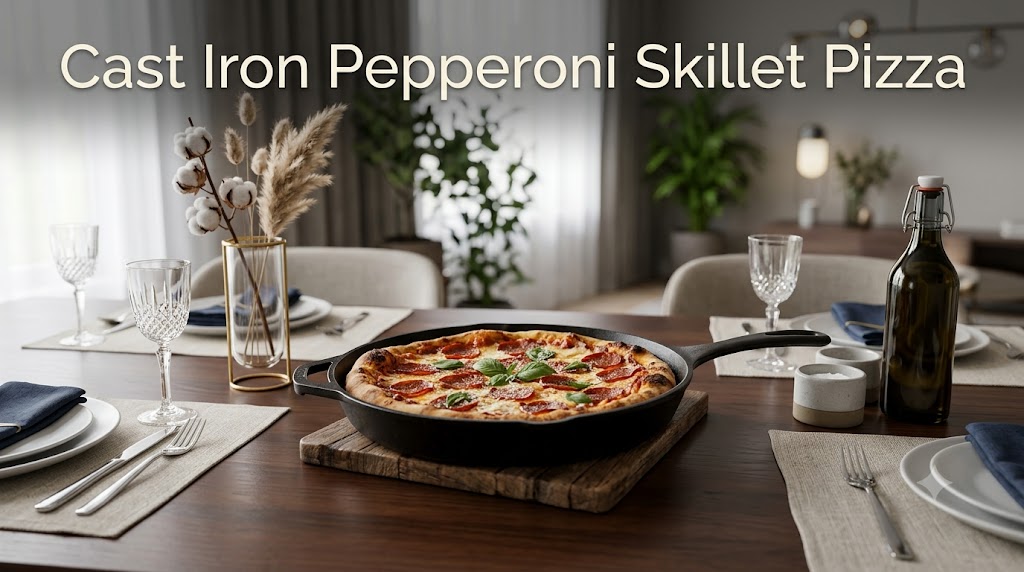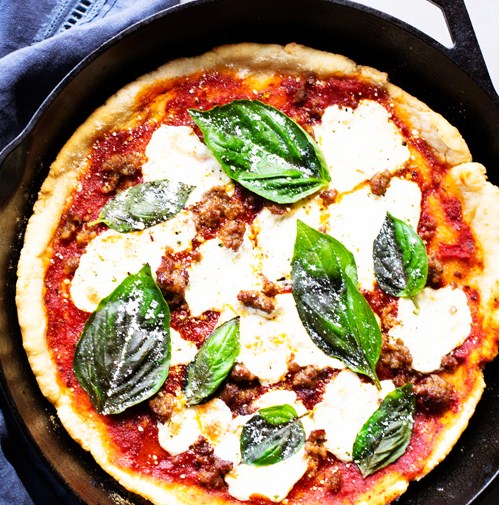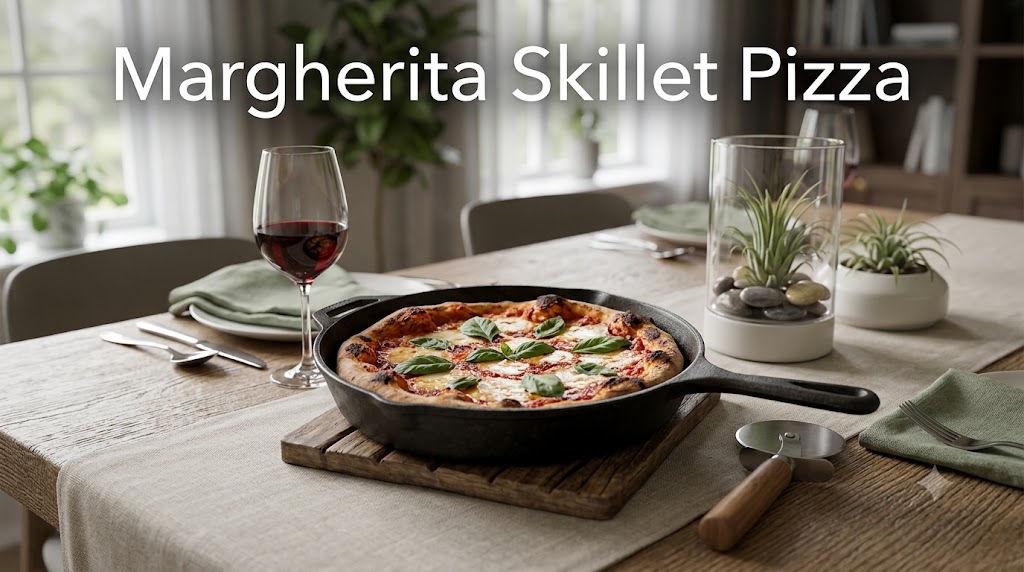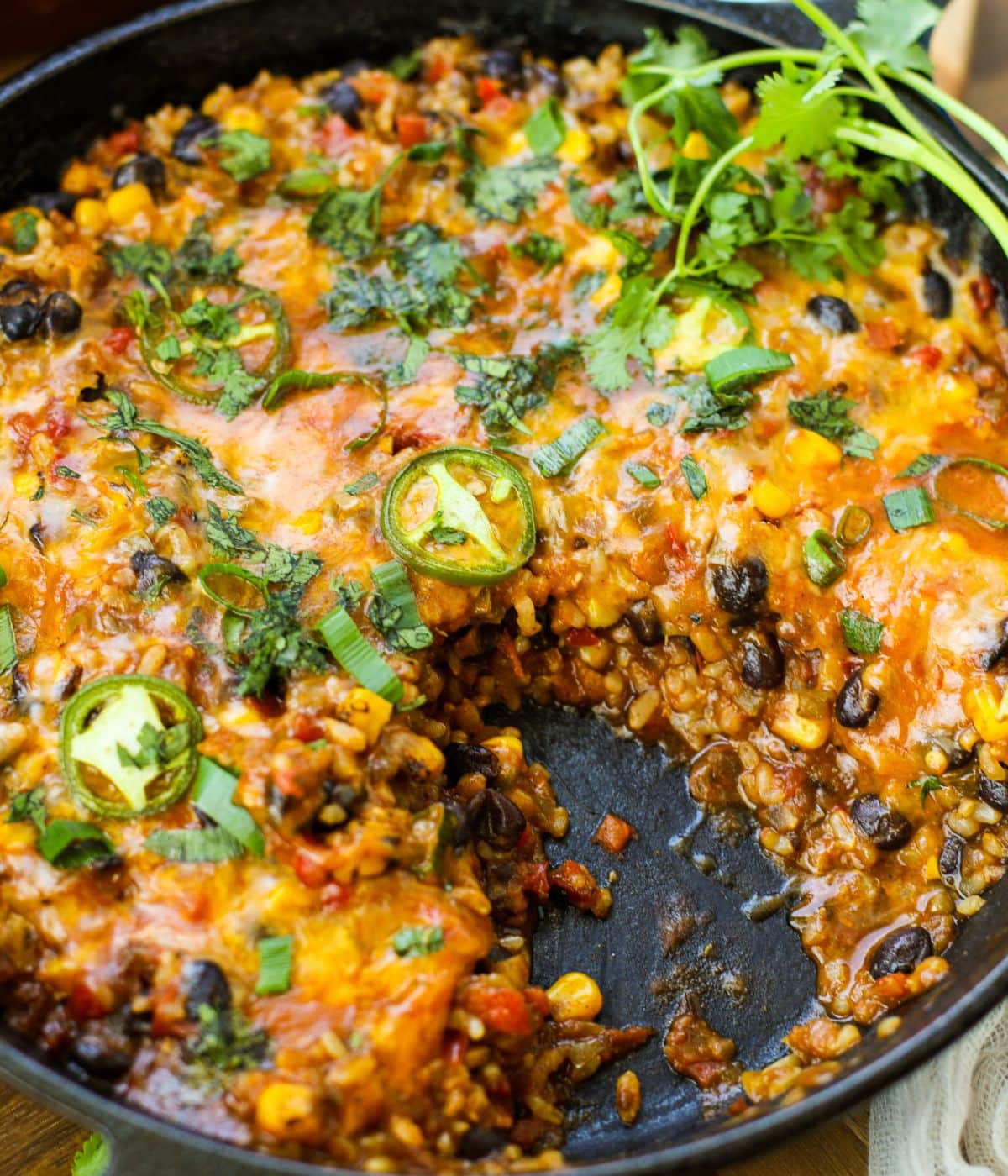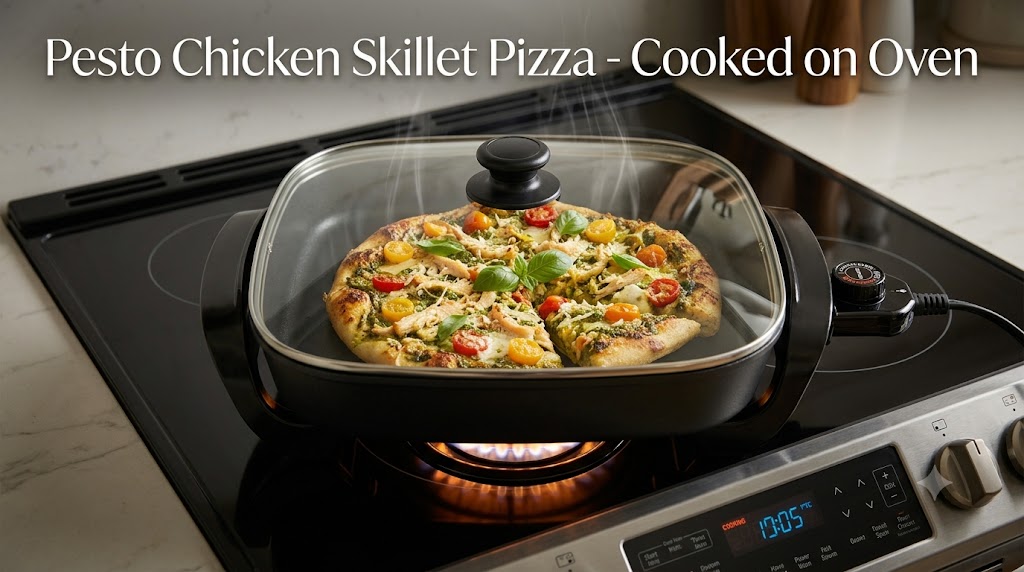
My cast iron skillet has burn marks on the handle from a dozen kitchen mishaps, and honestly, this pesto chicken skillet pizza might be the best thing that’s ever come out of it. I stumbled onto this recipe by accident, really — I had leftover rotisserie chicken, a half-used jar of pesto sitting in the fridge door, and zero motivation to turn on the oven for a full-size pizza. So the skillet became the answer, and it’s been my go-to ever since.
This isn’t your typical takeout-style pizza night. There’s no yeast to wait around for, no delivery guy to tip, and honestly, it comes together faster than most people can decide what toppings they want. I make this at least twice a month now, usually on a Thursday when the fridge looks a little sad and I need something that feels like a treat without much effort.
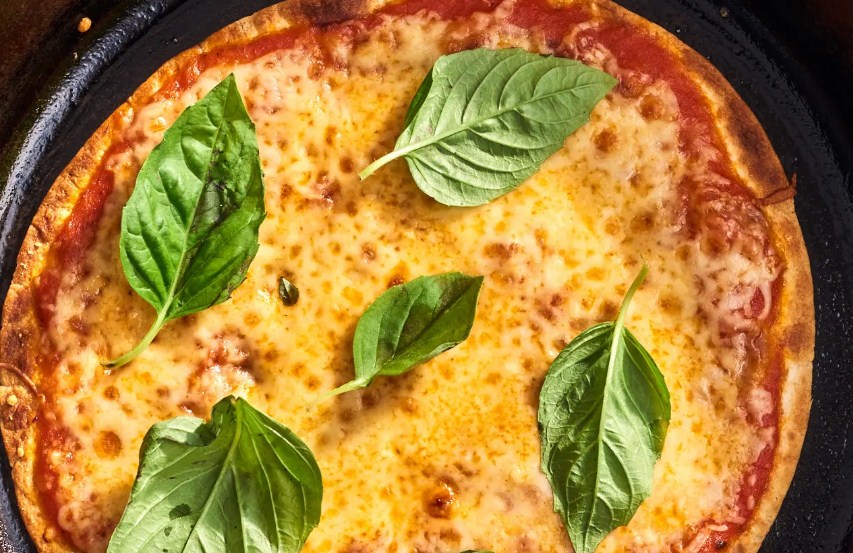
What I love about a skillet pizza is the crust. It gets crispy on the bottom in a way that’s genuinely hard to get in a regular oven pan, thanks to that direct contact with hot cast iron. Combine that with garlicky basil pesto, tender chunks of chicken, and pools of melted mozzarella, and you’ve got something that tastes like it took way more work than it actually did.
Why You’ll Love This Recipe
Let me tell you why this one earns a permanent spot in the rotation. First off, it’s fast — we’re talking 30 minutes start to finish if your chicken’s already cooked. Second, it uses one pan. One. That means less cleanup, and fewer excuses to skip cooking dinner and just order something instead.
The flavor combo is where it really shines, though. Pesto brings this bright, herby punch that plain tomato sauce just can’t match, and it pairs shockingly well with chicken. Add a blistered edge of crust and gooey cheese, and you’ve basically built a restaurant-quality pizza in your own kitchen. My neighbor tried a slice once and asked which pizzeria delivered it. I did not correct her right away. Don’t judge me.
It’s also forgiving. Burnt the edge a little? Still tastes great. Used string cheese because you ran out of shredded mozzarella (yes, I’ve done this)? Still works. This pesto chicken skillet pizza doesn’t demand precision, which is exactly what a weeknight recipe should offer.
Ingredients
- 1 pound pizza dough, store-bought or homemade, room temperature
- 2 tablespoons olive oil, divided
- 1/2 cup basil pesto, store-bought or homemade
- 1 1/2 cups cooked chicken, shredded or diced (rotisserie works great)
- 1 1/2 cups shredded mozzarella cheese
- 1/4 cup grated Parmesan cheese
- 1/2 cup halved cherry tomatoes
- 1/4 cup thinly sliced red onion
- 2 tablespoons fresh basil leaves, torn, for garnish
- Red pepper flakes, optional, for a little kick
- Salt and black pepper, to taste
Equipment Needed
You’ll need a 10 or 12-inch cast iron skillet, oven-safe of course, plus a rolling pin or your hands for stretching the dough, a spatula, and an oven mitt you actually trust — that handle stays hot way longer than you’d expect.
Step-by-Step Cooking Instructions
- Preheat your oven to 475°F and place the rack in the lower-middle position so the crust gets good heat from below.
- Heat 1 tablespoon of olive oil in your cast iron skillet over medium heat on the stovetop for about 2 minutes.
- Press or roll your pizza dough into a round shape slightly larger than the skillet, since it’ll shrink back a bit once you transfer it.
- Carefully lay the dough into the hot skillet, pressing it up the sides just slightly to form a small lip for the toppings.
- Cook the dough on the stovetop for 2 to 3 minutes, until the bottom starts to firm up and turn golden in spots.
- Remove the skillet from the heat and spread the pesto evenly over the dough, leaving a small border around the edge.
- Scatter the cooked chicken over the pesto layer, distributing it as evenly as you can.
- Sprinkle the mozzarella and Parmesan cheeses over the top, followed by the cherry tomatoes and red onion slices.
- Drizzle the remaining tablespoon of olive oil around the edges of the crust for extra crispness.
- Transfer the skillet to the preheated oven and bake for 12 to 15 minutes, until the cheese is bubbly and the crust edges are deep golden brown.
- Remove from the oven (careful, that handle is scorching) and let it rest for 3 minutes before slicing.
- Top with fresh basil, a pinch of red pepper flakes if you like heat, and a little salt and pepper, then slice and serve.
Section B
Cooking Tips
Room-temperature dough stretches so much easier than cold dough straight from the fridge — give it at least 30 minutes on the counter, trust me, it saves you a fight. I also like to pat my chicken dry with a paper towel before adding it, since extra moisture can make the crust soggy in spots, which nobody wants. Don’t overload the tomatoes either; too many and you get a watery pizza instead of a crispy one. And keep an eye on the crust in the last few minutes of baking, ovens vary quite a bit and mine tends to run about 10 degrees hot, so I check at the 11-minute mark just to be safe.
Substitutions & Variations
You’ve got a lot of room to play around here, honestly. Swap chicken for shredded turkey, chickpeas, or even crumbled Italian sausage if you want something heartier. No pesto on hand? A garlic-and-olive-oil base with a handful of fresh herbs works in a pinch, though it won’t have quite the same depth. Feta or goat cheese crumbled on top adds a tangy twist that goes surprisingly well with the pesto. If you’re avoiding gluten, a cauliflower or almond-flour crust holds up fine in the skillet, just watch your bake time since those tend to cook faster. And if you like a spicier bite, swap the red onion for thinly sliced jalapeños.
What to Serve With It
A simple arugula salad with lemon and olive oil is my usual pick, since the peppery greens balance out the richness of the cheese. Garlic knots on the side never hurt anyone, and a light Caesar salad works too if you’re feeding a crowd. For drinks, a crisp white wine or even sparkling water with lemon rounds things out nicely without competing with the pesto’s flavor.
Storage & Reheating
Leftovers keep in the fridge for up to 3 days in an airtight container. I don’t recommend the microwave for reheating — it turns the crust rubbery and honestly kind of sad. Instead, pop slices back into a skillet over medium-low heat for about 5 minutes, covered, or into a 375°F oven for 8 to 10 minutes until the cheese re-melts and the crust crisps back up. You can also freeze baked slices for up to 2 months; just wrap them individually so they don’t stick together.
Cook and Prep Time
Prep time runs about 10 minutes, assuming your chicken’s already cooked. Cook time is roughly 15 to 18 minutes total between stovetop and oven. So you’re looking at around 25 to 30 minutes from start to finish, which honestly makes this pesto chicken skillet pizza faster than most delivery apps promise, let alone deliver on.
Nutrition Facts (per serving, based on 6 servings)
Calories: 410 | Protein: 24g | Carbohydrates: 32g | Fat: 20g | Fiber: 2g | Sodium: 610mg
Nutrition information is an estimate calculated using standard ingredient values and is provided for convenience only. Actual values will vary based on specific brands, portion sizes, and substitutions made. For precise dietary needs, please consult a registered nutritionist or use your own tracking tools.
Why This One Actually Works
The trick here isn’t just tossing pesto and chicken onto dough — it’s the order things go in and the fact that the dough gets a stovetop head start before it ever sees the oven. That two-step cooking method is what gives you a crust that’s crispy on the bottom but still soft enough to fold if you want. Most skillet pizza recipes skip that stovetop step, and you can taste the difference. It’s genuinely a small thing that changes the whole texture of the final pizza.
The Small Change That Made a Big Difference
I used to add my toppings before the dough had any time in the skillet at all, straight from raw dough to fully loaded. Turns out that was a mistake — the middle would stay pale and slightly gummy while the edges scorched. Once I started giving the dough those 2 to 3 minutes on the stovetop first, everything cooked more evenly, and the whole pizza held together better when I sliced it. Such a small tweak, but it fixed a problem I’d been quietly annoyed about for months.
What I’d Do Differently Next Time
Next time around, I’ll probably go lighter on the cherry tomatoes. I added a full cup once, thinking more produce equals healthier pizza, and ended up with a soggy center that took an extra five minutes in the oven just to dry out. Half a cup is plenty. I might also try brushing the crust edge with garlic butter before baking, just to see if it adds anything worth the extra step, though I suspect it’s more effort than payoff.
What I Skip When I’m Short on Time
On the busiest nights, I skip making my own pesto and grab a jar instead, no shame in that at all. I’ll also use pre-shredded rotisserie chicken instead of cooking my own, and skip the fresh basil garnish entirely if I’m just feeding myself and not trying to impress anyone. The pizza still tastes great without the fuss — sometimes better, honestly, because I’m not stressed about it.
FAQ
Can I make this pesto chicken skillet pizza without a cast iron skillet? Yes, though you’ll lose some of that signature crispy bottom. An oven-safe nonstick or stainless steel skillet works as a substitute, just keep a close eye on the crust since cooking times may shift slightly.
Is homemade pesto better than store-bought for this recipe? Homemade pesto has a fresher, brighter flavor, but store-bought works perfectly fine and saves a good chunk of time. I use both depending on my mood and how much basil I’ve got lying around.
Can I use raw chicken instead of cooked? I wouldn’t recommend it here since the bake time isn’t long enough to cook raw chicken through safely. Stick with pre-cooked, whether that’s rotisserie, grilled, or leftover baked chicken.
How do I keep the crust from getting soggy? Pat your chicken dry, go easy on the tomatoes, and don’t skip that initial stovetop searing step for the dough. Those three things make the biggest difference.
Final Thoughts
At the end of the day, this pesto chicken skillet pizza has earned its spot as one of my most-made dinners, and I think it’ll earn a spot in your rotation too once you try it. It’s quick, it’s flexible, and it turns basic pantry odds and ends into something that actually feels like a treat on a random weeknight. Give it a shot the next time your fridge looks a little bare — you might just find yourself making excuses to have leftover chicken on hand more often, the way I do.





 Pumpkin Protein Pancake Recipe