What Does Tamarind Taste Like?

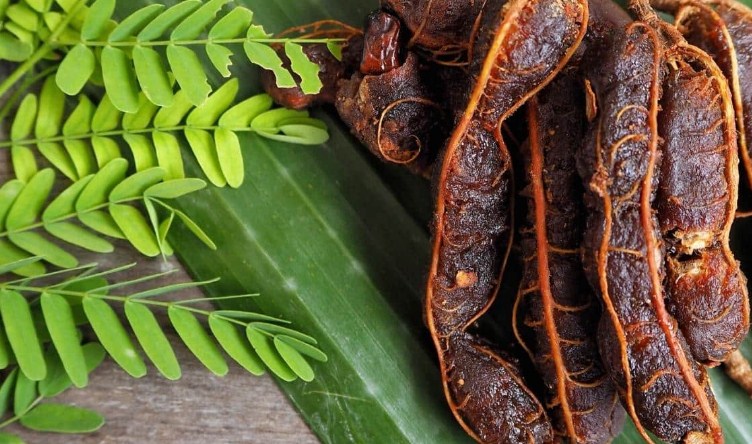
So my neighbor Jennifer knocked on my door last Tuesday holding a sticky brown pod and asking, “What does tamarind taste like, and why does my mom put it in everything?” Fair question. If you’ve never tried tamarind before, it’s genuinely hard to guess from looking at it — the pod looks like a dried-up bean, and the pulp inside looks kind of like date paste that’s had a rough week. But the flavor is where things get interesting, and it’s why cooks from Mexico to Thailand to South India all reach for it constantly.
I’ve been cooking with tamarind for close to fifteen years now, mostly because my mother-in-law refused to teach me her sambar recipe without it, and I’ve made every mistake a person can make with this ingredient. I’ve used way too much. I’ve used way too little. I once made a chutney so sour my husband’s face did something I can only describe as “inside out.” So I figure I’m qualified to actually answer this properly, instead of just throwing out the word “tangy” and calling it a day.
Why You’ll Love Tamarind Once You Understand the Flavor
Here’s the thing about tamarind — once the flavor clicks for you, you start wanting it in stuff you never expected. It’s not a one-note ingredient. It’s sour, sure, but it’s also sweet, a little fruity, and it has this deep, almost caramel-like backbone that sneaks up on you after the sourness fades. That combination is rare. Most sour ingredients (lemon, vinegar, lime) are just sour and stop there. Tamarind keeps talking after that first pucker.
I’ll be honest, the first time I tasted it straight off the pod, I did not love it. It was too intense, too puckery, kind of like biting into an under-ripe plum crossed with battery acid — I’m exaggerating, but only a little. It took me trying it in a proper pad thai sauce, cooked down with palm sugar and fish sauce, before I understood what people were so excited about. Context matters a ton with this fruit.
What Tamarind Actually Tastes Like
Okay, let’s get specific, because “sour and sweet” doesn’t really tell you much on its own. Tamarind’s flavor sits somewhere between a green mango, a date, and a really tart cherry, with a slightly funky, almost fermented edge that reminds me a bit of good balsamic vinegar. Ripe tamarind pulp is sweeter and mellower, while the younger, greener pods are sharper and more acidic — almost sour enough to make your eyes water if you eat it plain.
There’s also a mild tannic quality to it, kind of like the way strong tea leaves your tongue feeling dry. That’s the part people don’t mention enough. It’s not just sweet-sour, it’s sweet-sour-with-a-slight-grip, which is exactly what makes it so good at cutting through rich, fatty, or spicy food. Think fried snacks, curries loaded with coconut milk, grilled meats — tamarind cuts right through all that heaviness and resets your palate.
And here’s a random detail for you: commercial tamarind candy (the Mexican pulparindo kind) coats the fruit in chili and sugar specifically because the base flavor can handle both extremes without getting lost. That’s not an accident. Manufacturers picked tamarind because it’s one of the only fruits that plays nice with sweet, sour, AND spicy all at once.
A Simple Way to Taste It Yourself: Quick Tamarind Dipping Sauce
If you want to actually taste tamarind in a way that makes sense (rather than gnawing on a raw pod like a raccoon), try this quick sauce. It takes ten minutes and gives you a really honest read on the flavor.
Ingredients:
- 3 tablespoons tamarind paste or concentrate (not the whole pods, unless you enjoy extra labor)
- 1/4 cup warm water
- 2 tablespoons brown sugar or jaggery, roughly chopped
- 1/2 teaspoon salt
- A pinch of red chili powder, optional
- 1 small garlic clove, minced, optional — my friend Deepa swears by this addition, I go back and forth
Step-by-Step Instructions:
- Whisk the tamarind paste into the warm water until it loosens up and turns into a thick, dark liquid. If you’re using concentrate instead of paste, use less — concentrate is much stronger, and I learned that the hard way when I made a sauce so intense it stripped the roof of my mouth.
- Stir in the sugar and salt, then taste it. This is the important part. Really taste it, don’t just glance at the spoon and move on.
- Adjust from there. Too sour? Add a touch more sugar. Too sweet? A tiny splash more water and a pinch more salt usually balances it out.
- Add the chili powder and garlic now if you’re using them, then let the sauce sit for about five minutes so the flavors settle into each other instead of sitting separately on your tongue.
- Taste again before serving. I always skip this step when I’m rushing and always regret it.
Cooking Tips and a Few Things I’ve Learned the Hard Way
Start with less tamarind than you think you need. This is the single biggest lesson I wish someone had told me back when I started — tamarind concentrate especially is deceptively strong, and it’s way easier to add more than to fix an over-sour dish. I used to just dump in what the recipe said without tasting as I went, and that was a mistake, honestly a pretty embarrious one, since I once ruined an entire pot of rasam for eight guests because I trusted the recipe card blindly instead of my own tongue.
Also, heat mellows tamarind’s sharper edges. If a sauce tastes too aggressive raw, let it simmer a few extra minutes — the sourness softens and the sweeter, deeper notes come forward more. This one small change, cooking it longer instead of correcting with more sugar, made a genuinely bigger difference in my chutneys than almost anything else I tried.
Substitutions and Variations
If you can’t find tamarind, there isn’t a perfect one-to-one swap, but you can get close. A mix of lime juice and a touch of brown sugar gets you part of the way there, missing that deep tannic note but nailing the sweet-sour balance. Some cooks use pomegranate molasses instead, which brings a similar tang plus a fruitier finish, or a combination of Worcestershire sauce and lemon juice in a pinch, since Worcestershire actually contains tamarind extract already. Rice vinegar with a spoon of honey works too, in a rougher, less complex way, more of a stand-in than a true substitute.
What to Serve With Tamarind Flavors
Tamarind-based sauces and dishes pair beautifully with fried foods — think pakoras, spring rolls, or fritters — since the acidity slices through the oil. It also works wonders drizzled over grilled meats, stirred into lentil soups like sambar or dal, or tossed with noodles the way pad thai does it. I like it with roasted sweet potatoes too, which sounds odd until you try it; the natural sweetness of the potato and the sour punch of tamarind just get along.
Storage and Reheating
Tamarind paste keeps for months in the fridge if it’s sealed well, and honestly gets a little better with age, similar to how a good chili paste deepens over time. A prepared sauce like the dipping one above holds for about a week refrigerated in a covered jar. Reheating isn’t usually necessary since most tamarind sauces are served at room temperature or cold, but if you do warm one up, do it gently on low heat — high heat can scorch the sugars and turn the flavor bitter fast.
Why This Flavor Actually Works the Way It Does
Tamarind’s sourness comes from tartaric acid, the same acid found in grapes, but tamarind carries way more of it per bite than most fruits do. That’s part of why it feels so much more intense than, say, biting into an orange. Combine that acid load with the fruit’s natural sugars and you get this push-pull effect on your tongue, sour hitting first, sweetness catching up right after, which is exactly the kind of flavor complexity that makes food taste “interesting” instead of flat.
What I’d Do Differently Next Time
If I were starting from scratch again, I’d skip the whole-pod tamarind entirely for my first few tries. It’s more “authentic,” sure, and I get why purists love it, but it’s messy and time-consuming to deseed and strain, and it scared me off the ingredient for almost two years before I gave paste a try. Concentrate or paste gets you 90 percent of the flavor with about 10 percent of the hassle.
What I Skip When I’m Short on Time
Honestly? I skip the garlic in that quick sauce recipe above more often than not. It’s nice, don’t get me wrong, but plain tamarind-sugar-salt gets the flavor point across just fine, and when I’m cooking for one person on a random Wednesday, I’m not chopping garlic for a condiment.
FAQ
Does tamarind taste like a lemon? Not really. Lemon is purely sour and bright. Tamarind has that same tang but layered with sweetness and a deeper, almost date-like richness underneath.
Is tamarind more sweet or more sour? It depends on ripeness, but most commercial paste leans sour with sweet undertones. Ripe, fresh pulp can taste noticeably sweeter.
Can kids handle the taste of tamarind? Some do, some really don’t — it’s an acquired flavor for a lot of people, kids included. Starting with a sweetened tamarind candy or a mild sauce is usually an easier entry point than raw pulp.
Why does tamarind taste different in different dishes? Because the ratio of sugar, salt, and heat around it completely changes how the sourness reads. Raw tamarind tastes sharp and one-dimensional; cooked into a sauce with sugar and spice, it tastes rounded and complex.
Final Thoughts
If someone asks you what does tamarind taste like, the honest answer is: it’s complicated, in a good way. Sour, sweet, a little funky, a little rich — it’s not an ingredient that fits into one neat little box, and that’s exactly why it shows up in so many different cuisines around the world. Give it a real chance in a cooked sauce before you decide you don’t like it, the way I almost did. Trust me, it’s worth the second try.













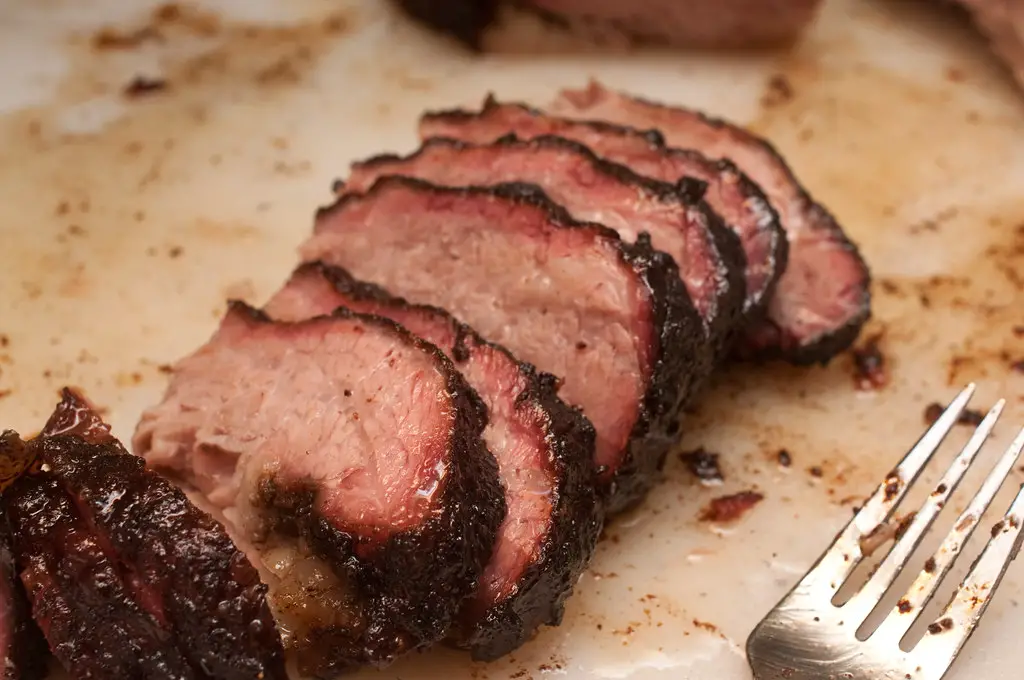
 What does brisket taste like? A long, slow cook provides brisket with a rich beef flavor and a moist texture. The flavor of marinades is enhanced by the marinades. You should allow your brisket to marinate for at least two hours, but it remains best over the course of a night.