Do Clams Feel Pain? All You Need To Know!

Do Clams Feel Pain? 

Do Clams Feel Pain? 

Do Clams Feel Pain? 

Have you ever thought about whether shellfish like clams feel pain? They appear to be such basic creatures, and it’s easy to imagine that they don’t. However, do clams actually feel pain? We have heard of all kinds of other animals and also try to accommodate their needs, but clams are not often acknowledged by animal rights groups.

Here, in this post, I will try to share with you all what I have gathered about these shellfish and their capacity to react to injuries.

We aren’t sure whether clams feel or aren’t able to feel pain. There has been a lot of research taken place in the fish world to discover how they respond to injuries and how they feel when injured. However, there are no concrete answers. We don’t know for sure. But, many people are cautious about eating clams because they feel discomfort.

How do we process Pain?

Let’s begin by understanding the way pain affects other animals who feel it. In the end, we all recognize that the majority of animals experience pain in the same manner or in a similar manner as humans.

In the case of people suffering from pain, the pain is detected through skin sensors that are at the end of nerve cells.

These receptors relay signals of pain along the nerve to the spinal cord. There is a dorsal-horn located in the spinal cord in which electrical signals are transmitted to neurons. After that, the signal travels up the spinal cord, and eventually into the brain.

Then, the spine transmits signals to the right side of the brain. Then, your brain reacts to this sensation. It is important to note that an intense feeling of pain triggers reactions, leading your body to shut down before you have even noticed the discomfort.

The trigger actually happens in the spinal cord and causes you to get away from the cause of pain instantly.

The signal continues to the brain, where the pain is registered there. The brain continues to react to the stimulation regardless of whether the cause is removed, allowing your body to heal itself from injuries and direct blood flow to the location.

Animals are often seen to exhibit similar reactions to discomfort. They withdraw quickly from the source of pain and usually display discontent or even unhappiness in the wake of constant discomfort. We are aware that animals feel pain, but they are required to have the brain and nervous system for that. Is it the same with clams?

Do Clams have Brains?

Clams “sort of” have brains, but they’re much less complex as our own brains. They have a variety of elements, and have an organ system of nerves that connects organs and nerves. It’s not likely that animals think in the same way as we do.

We aren’t quite aware of the certainties of one way or another. However, it’s reasonable to suppose that clams don’t plan their day, or worry over the next day. They are probably not thinking about the workings of the world. The brain of a clam may not be as sophisticated as ours, but can it process pain?

How can the brain of a clam process pain?

The brain doesn’t have to be able of thinking in complex ways to feel pain. It’s just in a position to react to a stimulus. And through the nerve receptors the clam’s brain has that it is likely to feel. If it is able to feel it, it is likely to sense pain, or at the very least, respond to an unpleasant stimulus.

But, it’s all an assumption. Scientists aren’t sure whether clams are able to sustain a sensation of pain, or if they feel pain in the same way we do. Even if clams feel pain, they might not experience it in the same way other animals do, and might not experience it as intensely like we do.

The only thing we’ve discovered so far (from the perspective of science) is the fact that clams react to touch and could be able detect the pain.

Do other kinds of Shellfish Have Pain?

Shellfish is a wide word, so it could be that some feel pain while others don’t. However, it’s certain that some shellfish experience pain. Lobsters and crabs both have an endocrine system that is central to their bodies and are certainly able to be in pain. The method cooking live lobsters is frequently questioned.

If other mollusks experience pain is not certain. There is a consensus among scientists that, since invertebrates evolved from vertebrates an extended time long ago, they are not likely to possess the same pain receptors vertebrates do. They have tiny brains and nervous systems which may result in lower cognitive abilities.

Additionally, a major reason for pain is to direct our behavior. We steer clear of activities that trigger pain, and are, therefore, more likely to live in a dangerous world.

The question of whether mollusks (and the other vertebrates) are able to reason, and hence using the same method to alleviate pain, is a question.

This is merely speculation. Invertebrates might be developing pain-receptors as well as an experience of pain that is similar to humans, but, we don’t yet know what they are. Perhaps, over time, the science of today will provide us with more of an solution to this question.

Do You Need to Eat Clams?

A lot of people decide the food they consume by the amount of pain that the food was affected in the process of getting onto their plate.

This means that some people decide to consume the clams (and various other types of shellfish) even if they do not take other meats as they believe the animal did not suffer by being killed or harvested.

But, it’s not yet a factual reality and it’s therefore quite a bit difficult in establishing an ethical decision on it. If you wish to prevent causing pain to animals, it might be best to stay away from eating shellfish completely.

For all we know, clams could be able to feel pain, which we don’t even recognize or have different sensations that we don’t have. Consuming clams solely because we don’t know whether they hurt them could be unwise.

If you are looking to prevent inflicting pain on other creatures, it’s probably best to adhere to a diet that is based on plants. The process of harvesting clams can be harmful to other animals even though the clams themselves aren’t actively hurting.

A plant-based diet reduces the harm you cause to other animals and is the best choice regardless of any pain receptors, to be compassionate to animals.

Are vegetarians allowed to eat clams?

By the strict meaning of the word however, there are not. Some vegetarians eat seafood, such as shellfish but the proper term used for the latter is called pescetarian. Being vegetarian means you don’t eat any animals killed, be it fish or meat.

Do Vegans Eat Clams?

No. Vegans are not allowed to consume animal products. Some vegans go further and will not make use of animal products even if the item is available without causing harm to animals. Vegans are not allowed to eat fish, including shellfish.

Do the clams feel?

Clams may be aware of certain sensations and respond with a certain degree, but there’s virtually no conscious thinking. Clams don’t have a central brain like mammals. However, they have nerve system, which gives them the ability to sense things and to react.

Are clams self-aware?

The nervous system of these animals is not centralized in comparison to ours, and is devoid of any type of brain and to an untrained eye it may appear that their only visible response to the world is closing or opening.

What does the expression happy as a clam mean?

The phrase probably began with the phrase “happy as an clam during high tide” and became popular at the beginning of the 19th century, specifically in the Northeastern United States. So, at high tide the clams are (theoretically) extremely content that they aren’t being sucked up for a beach picnic.

Do clams have brains?

Yes, clams do have an area of their body that is referred to as a brain which controls all functions of the body of a clam. Clams are classified as invertebrate Molluscs having two separate shells. Clams’ soft tissues have nerves with knots of nerve centers referred to as “ganglia” that are located on the body of the clam.

Wrapping up

Do Clams Feel Pain? 

So, do clams feel pain? Well, we do not know if clams suffer pain. Maybe, future research could reveal the answer. If you want to avoid harming other animals, the most effective option is to go with the vegan or vegetarian diet. Also, avoid eating any other animal.


Related Post: Can You Freeze Clams?


What Does Honeydew Taste Like ?

What Does Honeydew Taste Like ?

What Does Honeydew Taste Like ?


In this article, I am going to provide everything you’d like to know about the flavor and feel of honeydew with some exciting ways to have honeydew! I am sure you would love to go through this post as I will

Let’s get down to the task at hand.

What Does Honeydew taste Like?

The most straightforward way to describe the flavor of honeydew is to think of it as cantaloupes, but honeydew melons are sweeter. In addition, honeydew melons do not have the sour taste of cantaloupes.

Honeydew Texture

The texture of honeydew melon will vary according to the time of make use of it and how mature it is.

Ripe Melons: A mature honeydew is rough on the skin’s exterior however, the flesh will be much smoother and more juice-like.

Unripe Melons: The surface of a melon that isn’t ripe tends to be smooth and hard to the contact. Furthermore the flesh of a honeydew melon that is not ripe is extremely hard and unforgiving to touch, and does not have the same attractive scent.

How Do You Make Honeydew Taste Better?

Honeydew by itself tastes delicious, in case aren’t satisfied with how your honeydew is tasting, there are some options to enhance the flavor of your honeydew.

In the above video, you can see how a homemade honeydew smoothie is the ideal way to stay cooler during this hot summer weather and also enjoy the incredible flavor of honeydew paired with lemon juice, pineapple and honey.

Another way to experience honeydew’s flavor but be sure that you really appreciate the sweet taste of honeydew is to spice the flavor with various herbs. In this video, mint and cilantro, which can be a surprise pairing but they are a great match when served with fresh honeydew.

What Fruit Is Perfect For Honeydew?

Whatever you’re doing, whether you’re making the fruit salad or making some popsicles made from vegan ingredients, mixing other fruits with your honeydew could offset the sweetness and taste. Think about these alternatives to your next dinner or dessert

  • Apples
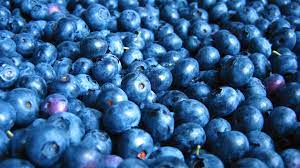
  • Blueberries
  • Cantaloupe
  • Pineapple
  • Kiwi

Can You Freeze Honeydew Melon?

If you’re faced with excess honeydew, and you don’t want it to spoil, then you might want to think about freezing it. It’s really simple to accomplish and can produce a delicious frozen sweet treat. The steps to follow are:

  • Place the parchment paper on an unbaked cookie sheet.
  • The honeydew is cut into pieces and then remove the rind.
  • Cut the honeydew in smaller pieces.
  • Put honeydew pieces onto a baking sheet, and put them in the freezer for about an hour.
  • Take honeydew off cookie sheet and place in a container that is airtight.
  • Let your honeydew thaw just a little before you eat it, but do not allow it to completely defrost. Because honeydew is very watery it may be a bit soft if you let it melt.

The nutritional Benefits of Honeydew

Honeydew is high in nutrients. It has a nutritional profile which is different in comparison to other melons. It hosts plants and minerals that aid in the overall health and well-being of our body.

In a cup of honeydew, there are 64 calories and 16 grams of carbohydrates; therefore, you won’t need to be concerned about your waistline.

Honeydew contains a high amount of vitamin C. A cup of it provides approximately 53 percent of your reference daily consumption (RDI). There aren’t any fats found in honeydew, but it is packed with protein and fiber. Also, you get vitamin B6, K and folate as well as minerals such as magnesium and potassium.

Honeydew has certain plant components like beta-carotene phytoene, quercetin, and caffeic acid.

These substances could have powerful antioxidant properties, and can help alleviate oxidative stress in the body. Through reducing oxidative stress they safeguard cells in our body from being damaged caused by free radicals.

It’s well-known that a diet high in vegetables and fruits is an effective way to keep heart ailments and the possibility for high blood pressure from occurring.

Honeydew in a cup can offer as much as 12 percent of your daily potassium intake, it has a positive effect on blood pressure control. Honeydew is low in sodium; therefore those who are trying to manage their sodium intake do not stand at risk.

Folate magnesium, folate Vitamin K and magnesium are present in every honeydew. These minerals are essential to maintain healthy bones in our bodies.

Folate helps break down homocysteine which is connected to decreased the density of bone minerals. Vitamin K assists to produce osteocalcin which is the main bone-building protein. Honeydew is also high in electrolytes and water. It is a fantastic method to hydrate yourself after a long exercise.

Culinary Benefits of Honeydew

Like watermelon, honeydew can also be eaten as is. Before we discuss how to use it in more sophisticated recipes, there are other ways to take pleasure in honeydew.

It is recommended to try freezing honeydew cubes. By adding some lime and sugar it is possible to puree honeydew and then freeze it into ice cube tray.

Ice cube honeydew is a great addition added to cocktails, drinks smoothies, or any other juice you like. With the honeydew ice cube you can add the honeydew taste to your drinks. You can make a slushy using honeydew, and then consume it.

Honeydew is a green-colored fruit that is perfect for green salads. Like other melons honeydew is considered to be ugly due to its lack of color.

In salads with greens honeydew provides sensational sweet flavors in a flash. In terms of salads, honeydew is mixed with other melons, watermelon and cantaloupes by adding spices or ginger root shavings sprinkled with maple syrup for melons salad.

Honeydew can be used in the making of fresh salsa which goes very nicely with seafood. For melon salsa, you’ll mix honeydew with fresh cut red onion, a cup of lime along with fresh and fresh-cut cilantro. Honeydew can be incorporated into fruit kebabs or pyramids.

Where is Honeydew grown and how can You Purchase It?

Honeydew is among the primary cultivars of the Cucumis Melo Inodorus group. The other major cultivar within this group is the casaba melons.

The honeydew’s flesh tends to be pale green in shade and the skin can range between a greenish and an orange hue, based on the maturation that the fruit is at.

Honeydew thrives in semiarid climates. Instead of being harvested according to size, it is picked in accordance with how mature it is at date of harvest.

Since the beginning of time, honeydew has been grown throughout the south in France, Spain, and Algeria.

The plant was brought to China around the time of the war by the Secretary of Agriculture at that time, Henry A. Wallace. Wallace, who was vice president in the administration of Franklin D. Roosevelt and the founder of an important seed company, called Pioneer Hi-Bred.

Honeydew is typically in its peak season between August and October, but it is available in supermarkets across the country, in the same section that you can find cantaloupes as well as other melons.

Which is better: Honeydew or Cantaloupe?

Cantaloupe is a fruit with a bright orange color, though it’s not quite as sweet as honeydew. However, it does provide color and life to the food items it’s integrated into. If compared to cantaloupe, honeydew is a little sweeter and has a more firm texture. But, cantaloupe is the most nutritious of both because it contains more vitamin C as well as A.

Amazing Information About Honeydew

Honeydew can be frozen but because of its high content in water it turns mushy upon it has thawed. If you do freeze honeydew, it is recommended to consume it as it is thawed.

Honeydew has zeaxanthin and lutein two antioxidants that help support healthy eyes and enhance the quality of vision.

Related Questions

Can you eat honeydew on a daily basis?

A few studies suggest that eating fruit like honeydew melon, on a regular basis can increase glucose levels.

A study conducted over the course of seven years in half a million individuals found that people who ate fresh fruits daily were 12% more likely not to be diagnosed with diabetes in comparison to those who seldom consumed fruits.

How do you tell if honeydew isn’t good?

The best way to determine the honeydew melon has been spoiled is to examine the appearance and color. Experts say that the honeydew’s appearance will change from its usual bright green color to a dark murky yellow. The rind itself will become soft, and it will fall apart easily upon contact.

What are the signs that tell you when honeydew has reached its peak?

The most typical characteristic of the bad honeydew is its extremely soft appearance and the excessive bruising that indicate that it is an overripe melon. The older honeydew melons become soft and juicy, making them hard to eat fresh. However, they can be a fantastic smoothie once they reach this point.

Which is more nutritious –Honeydew or Cantaloupe?

They share the same nutritional benefits, with the exception of beta-carotene and vitamin C. Cantaloupe is twice as full of vitamin C compared to honeydew.

Why do honeydew melons cost so much?

What makes this fruit so costly? Honeydew melons are cultivated all over Japan and are very profitable. The farmers give melons continuous attention and care. Each melon takes around 100 days to mature. The fruit is harvested throughout the year. And they are a symbol of Japanese rich tradition and culture. This is why they are usually very expensive.

What is the most healthy melons?

Honeydew and cantaloupe are great choices; however, cantaloupe is more antioxidant-rich. One option that can help reduce your risk of getting foodborne illness is to choose honeydew melon that has the honeydew skin and cantaloupe flesh.

Wrapping up

What Does Honeydew Taste Like

There’s nothing more to learn regarding honeydew melons! Once you know the different between ripe and unripe melons and have a few ideas about what you can do with this amazing fruit, you’re ready to give it a go. And I am sure if anybody asks you, what does honeydew taste like, you can give a better and –-more confident—answer this time.

Is Honey a Condiment?

Is Honey Condiment? 

Is Honey Condiment? 

Is Honey Condiment? 

Is honey a condiment? This question is often asked by people who are not quite familiar with honey and its usage. When we talk about something very sweet, we say, well, it is as sweet as honey! Produced by bees from the nectar of flowers honey is an golden-colored syrup that’s been utilized for many thousands decades by humans across the world. Read on if you are interested in knowing more about this topic.

Since the beginning of time this thick, sweet liquid was used as a medicine and food because of its numerous health benefits.

It is high in antioxidants, and is void of sugar and fiber or protein. Apart from that, honey also has numerous medicinal properties, and is believed to be a great antibacterial, wound healing, and anti-inflammatory drug.

Honey is a superior substitute for sugar, and it can also be utilized  to sweeten food. However, make sure you select a good-quality honey that is clean and has no sugar added to it.

The most common question people have regarding honey is whether or not it’s an ingredient in a condiment. A condiment is any kind of seasoning or sauce that is that is added to food items to enhance its taste.

The most common examples of condiments are mayonnaise, salt, pepper as well as mustard, ketchup and mayonnaise.

What is honey, then? Yes, it is a condiment. Honey is not only an ingredient and can also be used in the preparation of other condiments. More often, it is utilized as a primary ingredient in many other food items.

Find out how honey is used an ingredient and methods to utilize the sweet and sticky fluid to let your meals look more appealing!

How Can Honey Be Used As A Condiment?

Honey is delicious, and it is sweet as well. And its sticky consistency makes honey an excellent condiment to accompany a variety of food items.

The most popular ways to use honey as a condiment are as an ingredient in meals, salads, and breakfast cereals. It can also be used to glaze desserts like cakes and pancakes, or muffins.

It can also be used to dip food items that are sweet and savory like fruit, chicken fried wings, ribs as well as French fries.

Making delicious glazes for roasts is one the most well-known ways to make use of honey in cooking. You can impart a refreshing flavor by adding lime to it, or mixing it with soy sauce to add an Asian flavor.

It is slightly thicker and milder that maple syrup, and honey can be used as a fantastic topping for pancakes, especially when served with fruit, butter and nuts.

Apart from that,  honey can be used as a dip for other fruits, such as apples or mix it in a small amount to serve with foods that are fried, such as chicken or fries.

The sweet and savory combo is quite powerful and provides a balanced and full-bodied taste.

The most well-known honey-based condiments are honey mustard sauce, honey garlic sauce, honey garlic butter, as well as honey vinegar.

Additionally,  it is also used to replace sugar in many condiments like barbeque sauce jams, ketchup, jams marmalades and jellies. It can also be used to sweeten beverages such as coffee and tea.

If you’re looking for a light lunch then make a peanut butter sandwich instead of jelly, pair it with some honey that is healthy to create a tasty honey and peanut butter sandwich.

Related Questions

If you’ve figured out how honey can be used as a condiment, along with the most effective ways to utilize it in your kitchen, I think I’ve got a few more questions you may be asking about honey!

How can you make use of honey in baking?

Honey can be used in baking recipes as an alternative for white sugar. Because the honey is able to absorb moisture in air, it helps keep the baked goods soft and humid.

In addition, since honey tastes sweeter you’ll require less in baking. If you want to substitute with 1 cup of sugar white, make use of 1/2 cup, and 1 tablespoon honey.

How do you store honey?

Honey is among the most convenient foods to store around the globe since it is never spoils. All you have to do is store it in a cool, dry location in a dark, shaded area and inside the tightly sealed container.

You can store it in the glass jar it was in, or transfer it into the glass jar or food safe plastic container that you like.

Also, you can refrigerate honey, but it’s not required. It’s simpler to handle honey that is stored at room temperature, as the colder temperature of the refrigerator makes it more solid.

Honey that is solidified is difficult to use and needs to be heated up in order to restore it to its liquid state. Honey can also be frozen however there isn’t a requirement for it.

What exactly is Hot Honey?

Hot honey has been in use for quite some time. It’s been traditionally served in fried chicken dishes from the in the south (not not to be misunderstood with Nashville Hot Sauce) and it is also used in some of the boutique pizzarias as a crust-dipping sauce instead of garlic butter. It’s honey that has been infused with chili peppers. It can be dried or fresh.

However, this delicious sauce was only recently made famous by a brand named Mike’s Hot Honey and, all of a  sudden, it appeared in many different forms and applications. The sauce isn’t novel, it’s just transformed. And I’d like you to take pleasure in it.

Is Hot Honey Made Of?

It is made in many ways. Some are made using just honey, infused with fresh chile, others make use of dried chilies in their entirety. Of course, the intensity can vary based on the type of pepper used, ghost and habanero peppers carolina reapers. And naturally, you’ll require raw honey, honey that is uncooked or pure honey can be used. I do not use those with an undertone of floral.

My homemade hot honey is made with honey ground red pepper flakes some salt, and  apple cider vinegar. Acidic vinegar balances sweet and spicy just right. You can make use of a different kind of vinegar like champagne or white vinegar, but I’d advise against using balsamic as well as red wine. Clear and mild is the best.

Which Do You Make It?

Only heat is what you need and nothing else. This is all there is, the honey has to be infused and that is accomplished with heat. You can technically add chilies to honey and let it sit however you’ll need to wait for quite a while. The heat speeds up the process, so you can have honey immediately!

But honey is a sweetener which means it is able to get boiling and then over or melt, which is why a low temperature is required until the liquid in the vinegar is reduced and leaves the flavors. The whole process is done at a very low temperature. Much lower than you think you require. I’ve burned my own once before, so don’t repeat my mistakes again.

Hot Honey within small Saucepan

The honey mixture may be dotted with crushed red chile and might be a bit thin, but this is normal. The mixture will become thicker when it cools. There is the option of the mixture by straining, which you should be doing when it’s hot and thicker and also leaving tiny red flecks that are in the mix.

If you choose leaving the chilies, the honey will expand and become hotter. For some, this is great, but to others, they’d like to manage the temperature.

Why hot honey the new spicy condiment and how you should use it?

Hot honey can be described as the most delicious-bottled concoction since Sriracha. We’ve been glued to the spicy sweet combo since it landed on store shelves, made its way onto menus, and caused the buzz.

There are a variety of made in New York like Bees Knees Spicy Honey by MixedMade which sources chemical-free natural wildflower honey from Hudson Valley and then infused with a bottled as well as packaged by Brooklyn. Additionally, based in Brooklyn Mike’s Hot honey is spiced with chili peppers made from honey sourced in New York and New Jersey apiaries.

What do what do you make of this amazing and oozing blend of flavors? There are endless possibilities to pair it with chicken, pizza biscuits, ribs, biscuits fruit, salads cheeses and even Ice cream.

Yes, ice cream is possible, you can make it with vanilla Ice cream and crushed Pistachios. It is also a great idea to test hot honey drizzled on chocolate and ice cream. In the end, chili-infused chocolate bars are deliciously right which is why the naturally spicy honey chocolate ice cream won’t go wrong either.

Chef Debbie Franzese a popular chef in a specialty food store, utilizes hot Honey in her recipe for spicy honey-glazed sesame chicken. She’s aware of the effectiveness of this condiment on chickens, as do popular chefs around the world.

 You can this hot honey recipe at home:

Wrapping up

Is Honey Condiment? 

So, I suppose I have given you enough information about the topic that people often ask: Is honey a condiment? In this post, I have also tried to give details about using hot honey in different recipes to prepare some mouth-watering dishes. You can try them out at home!

What Does Cauliflower Taste Like?

What does Cauliflower taste like?

What does Cauliflower taste like?

What does Cauliflower taste like? To answer your question first.

The overall flavor of cauliflower is described as being a bit sweet and nutty. It has a nutty texture, and its flavor is mild enough to go well with a variety of other dishes.

Cauliflower has become popular in recent years due to its versatility in flavor and its ease of cooking. It has gained a new taste and appeal, and is utilized in many different cuisines around the globe.

Cauliflower is best consumed raw. It is a nutrient-rich vegetable that contains lots of nutrients. And to maximize its advantages, it should not be cooked or steaming.

A quick boil for three minutes can remove the phytonutrients and glucosinolates out of the vegetable.

Since it is widely utilized in various countries, many people who haven’t yet tried it wonder what cauliflower will taste like. The answer can be “pure tasty.”

What is Cauliflower?

Cauliflower is one of the vegetables that is part of the family of Brassicaceae and has the white head, which is edible. the plant.

The head is covered with hard green leaves that keep the head clean and free of other dirt. The green stems are edible when they’re soft and tender.

There are many varieties of cauliflowers that vary in appearance and color. The four varieties that are that are categorized by the color include white, green purple, and orange. The white one is the one most often utilized.

Beta-carotene’s presence as well as anthocyanins gives the colors of purple and orange of cauliflowers, respectively.

 Does Cauliflower Taste Good?

But, cauliflowers can go bad or may become bitter because of a variety of factors including changing conditions during the growing season, color changes and over-cooking, or because of the individual genetic makeup.

However it’s recommended to test the cauliflower prior to making it into any other recipe.

Cauliflower is an inexpensive and readily available plant that has a wealth of nutritious ingredients.

Nutritional Value of Cauliflower

Cauliflower is a rich source of phytonutrients thanks to the presence of the glucosinolates. These sulfur-rich compounds aid in the body’s immune system, digestive, inflammatory, as well as other systems.

It is among the most nutritious veggies in comparison to other cruciferous plants. A cup of cauliflower cooked will provide you with:

  • 3 grams of fiber
  • 25 gms calories
  • 77% Vitamin C
  • 14% folate acid
  • 20% Vitamin K
  • 11% Vitamin B6
  • 7 % pantothenic acid
  • 9.9% potassium
  • 8% magnesium and other essential nutrients

Cauliflower is also rich in Choline, which most people are lacking in. It can also help with weight loss, and is abundant in antioxidants and fiber.

Why does Cauliflower Taste So Bad?

If you think that cauliflower tastes disgusting You’re probably wondering why it tastes so terrible. There are many reasons.

If you don’t cook your cauliflower correctly, it can cause a bitter, foul taste. Cooking it too long, for example could increase the bitterness of its aftertaste.

The environment in which cauliflower grows can affect the flavor of the cauliflower. When the cauliflower is exposed to excessive sunlight may become bitterer.

Your repulsion for the white cruciferous plant could be a result of genetics. A small portion of the population can be classified as supertasters. They have taste receptors that are extremely sensitive. If you’re supertaster the bitterness of cauliflower will be greater in comparison to someone else.

Do Broccoli And Cauliflower Taste The Same?

Cauliflower appears to be like you’ve painted broccoli in white. Because of their similarity one can naturally think that broccoli and cauliflower have the same flavor.

There’s a slight difference in their flavor. The flavor of broccoli is more green and more grassy than cauliflower’s as a result, cauliflower’s can be a bit sweet.

How Do You Take The Bitterness Out Of Cauliflower?

If you’re looking to introduce more cauliflower in your diet The good news is that there are methods to enhance the flavor of cauliflower. Making use of cauliflower in your food preparation instead of eating it in its raw form is your first move.

It is possible to bake or steam, roast or even fry cauliflower. We’ve compiled a list of the spices associated with cauliflower to enhance the taste of cauliflower as you cook it.

After it’s softened through cooking, you can use it to create different kinds of foods. The cauliflower “steaks,” mashed potatoes rice, and mashed potatoes are all options. We’ve even used cauliflower create a vegan pasta alfredo before.

How To Cook Cauliflower?

Before cooking, pick cauliflowers that do not have spots on their heads and that aren’t too heavy for their size. Take the leaves off and cut the cauliflower into the desired sizes of pieces.

The best methods to cook cauliflower include:

Steamed cauliflower

Put the pieces that you cut into steamer baskets placed in the boiling water in a pot. Then, steam for 8 to 10 minutes. Check whether a knife is able to move through it. If yes then it’s ready.

Sautéed cauliflower

To make this, simply add a some olive oil to the pan, along with spices like pepper and garlic. Incorporate the pieces, and sauté for a couple of minutes.

It preserves the crunchiness the cauliflower and gives flavor to it.

Cauliflower rice

This is a nutritious low-carb alternative to rice that is tasty when you have the right combination of ingredients.

Top Ways to Eat Cauliflower

It is possible to enjoy cauliflower. Here are some easy ways to incorporate cauliflower into your meals:

Raw cauliflower is an ideal addition to salads or coleslaw.

Another method to relish cauliflower is to roast it. It is possible to add spices to boost their flavor. You can add a squeeze of lemon on the top, and then garnish with Parmesan.

If you’re a fan of stews, you’ll enjoy the idea of cooking them in tomato sauce. It is possible to serve this delicious stew with rice or make it as a sauce for pasta.

If you love stir-fried veggies, feel free to chop them and throw them into a pot filled with the veggies you prefer.

We love making garlic cauliflower mashing. Imagine potatoes mashed, but made from cauliflower instead. It’s delicious, delicious, and healthier for you.

Have you ever tried cauliflower rice? It’s so similar to being as rice that you’ll be amazed. If you don’t let anyone know, they will not be able to tell the difference.

Check out this video to discover how to make use of cauliflower in different dishes.

Wrapping up

What Does Cauliflower Taste Like?

Cauliflower is a favorite ingredient to many dishes due to its unique and mild taste. It is incredibly simple to cook and has numerous health advantages.

Since cauliflower is well-known for its milder taste, it can be added to a variety of recipes.

It’s not too strong and it can help create healthier, low-calorie dishes simple and quick ways.

Because it’s so simple to prepare, those who aren’t familiar with cooking ought to give it a go.

If you’re interested in making dishes that use cauliflower, try making mashed cauliflower, or cauliflower fried rice. Surely, when you taste cauliflower in different mouth-watering recipes, you will understand why this veggie is popular these days!

Are Gushers Vegan? All You Should Know!

Are Gushers Vegan? 

Are Gushers Vegan? 

Are Gushers Vegan? 

Finding food that is vegan, particularly candy, isn’t an easy task. Actually, it’s virtually impossible!

Even if it’s made with vegan ingredients, it does not mean it’s non-animal! However, with the rumor going around regarding the possibility that Fruit Gushers are vegan, we had to dive deep into the issue.

So, are gushers truly vegan? Gushers don’t contain animal products, which makes them suitable for a variety of vegan diets. However, they contain glycerine, sugar, and palm oil. These could be made from animal byproducts or may have negative effects on the environmental.

In this article, I’ll take an in-depth look into each ingredient used in the making of this sweet treat and will also go over the controversy surrounding them.

We’ll then be able to address another question about these snacks , and take to see if the various flavors are vegan, too.

What Are Gushers?

Fruit Gushers are fruit snacks that taste similar to Fruit Roll-Ups.

They are incredibly soft chewy and nearly gummy gel-like exterior which is encased by a delicious fruity juice inside. If you chew on the sweet, juice spills out, and this is why they are called that.

Gushers possess a distinctive shape , which actually is a term: hexagonal bipyramid with an elongated shape. It’s a mouthful, isn’t it? Yet, no one seems to be concerned all that as much about the shape of it, rather its unique flavor and delicious texture.

The candies were first launched in the year the year 1991, by a manufacturing firm known as General Mills under their popular brand name, Betty Crocker. At first, they released two flavors: Gushin’ Grape as well as Strawberry Splash.

These candy candies became a massive success due to their iconic shape and distinctive textures. There are a variety of kinds available and also different flavors.

There are Gushers in sour, tropical fruit, lemonade, raspberry orange, lemonade, and more. Of course, you must examine every flavor to determine if a particular one can be considered vegan.

Ingredients Used To Make Gushers

Gushers have a lengthy list of ingredients and we’ll discuss each of them. It is only the way to identify and comprehend why they’re or aren’t vegan. Let’s begin.

In spite of the many types, all Gusher products are produced using almost the same ingredients. Color and flavoring are the two major ingredients that vary between varieties.

The primary ingredients in Gushers comprise sugar and corn syrup. They also include dried corn syrup, puree of pear concentrate modified corn starch maltodextrin, fructose, and palm oil.

Other ingredients, which are included but are not more than 2 percent include cottonseed oil and glycerine carrageenan, grape juice concentrate, citric acid, monoglycerides, malic acid, sodium citrate, ascorbic acid as well as natural flavor. You can say that this is quite a long list when in comparison to other vegan-friendly candies.

Are These Ingredients Vegan?

On first inspection, there doesn’t seem to be any ingredient that isn’t vegan. Most candy manufacturers make use of setting agents such as gelatin (which isn’t vegan and made from animal bones). However, these candies do not make use of it.

The most difficult thing about these candies and perhaps the biggest issue with vegan candy is what is considered “vegan.”

Even if an ingredient doesn’t appear to be an animal byproduct, certain people will consider the ingredient as non-vegan if they’re not sustainable or sustainably produced.

This opens the door to our query which is one of the reasons there’s so much debate over the topic.

The Questionable Ingredients

Also despite these substances not being the byproducts of animals, some of them aren’t considered vegan at all. Let’s review some of the more questionable ingredients.

  1. Sugar

Sugar is a plant-based item. The reason it is not vegan to many is that the majority of the sugar-based products processed with bone charcoal. Bone char is a way to help sugar cane preserve its white hue.

Although the sugar does not contain bone char, the simple fact that it’s processed with an animal product can cause a large number of vegans to avoid refined sugar or processed sugar.

Certain sugars aren’t processed with bone char – be aware of that. The type of sugar that is used to make Gushers isn’t known (whether or not it made use of bones char) and it’s difficult to determine.

  1. Glycerine

Glycerine is an inert and flavorless syrup that adds sweetness to candy, aids in helping keep them moist, and prevents growth of sugar crystals.

Glycerine is typically derived from plants, but it is not always. In addition, since General Mills has never released the exact glycerine that they make, there is possible that it’s animal-derived.

  1. Carnauba Wax And Palm Oil

Both palm oil as well as Carnauba wax are extracted from palm trees, which means they are both plant-based. This is the point where the debate begins.

Palm forests are considered as a destructive crop, but not due to the plant’s own characteristics. However, palm trees are quick-growing, easy to harvest, which is why that more and more companies want to plant these trees.

That means thousands of acres of nature forest are cut down to make room for this lucrative tree. Deforestation is a devastating threat to the species that surround it.

This is the reason why many people do not think of them as vegan, as their impact on the planet is as damaging as the meat industry.

Furthermore, since General Mills doesn’t show any evidence of using sustainably sourced palm products, there’s no way to tell whether or not the product is 100% vegetarian (according to your personal definition).

  1. “Natural” Flavorings

You may be surprised there are a lot of these “natural flavorings” aren’t actually natural in the way you believe they are.

“Natural” can refer to anything that’s not manufactured and includes animals within that category. Many flavorings are made from animals’ products or products from animals.

One example of an animal-based flavoring that is marketed as “natural” is known as castoreum. It comes from beavers and used to make the most delicious vanilla, strawberry and raspberry flavors.

There are reports that this flavor is being used in Strawberry Splash in the Gushers range, but there’s no proof that can be verified.

The good thing lies in the fact that castoreum can be scarce and is mostly used to make Ice cream and ice cream, which you’re unlikely to consume when you’re already adhering to the vegan diet.

  1. Artificial Colorings

In the case of flavors, there’s a controversy over artificial colorants in processed foods.

The most common food coloring ingredients employed in Gushers are Red 40 and Blue 1, as well as Yellow 5, 6 and. Like normal paint and colors, these primary colors are combined to make a range of shades.

Red 40 is often confused with Red 4, which is an insect-derived colorant. Red 40 is a petroleum-derived product that is safe to eat as well as vegan.

Yellow 5 (Tartrazine) and Yellow 6 (Sunset Yellow) are also petroleum-based products. Yellow 6 could also be produced from strawberries. Blue 1 (or brilliant blue FCF) is chemically synthesized and is also regarded as vegan.

So, Are Fruit Gushers Vegan?

It’s nearly impossible to determine which components were created from animal byproducts and it is difficult to pinpoint exactly which type of a product they utilized or from where it came from.

If you are adamant about the concerns or concerns we have discussed, avoid these sweets. However, if you just take a look at ingredients made from animals and candies, they are great!

Which Flavors Are Vegan?

Based on our research we could not find any flavors or varieties that aren’t non-vegan. As we’ve already mentioned the flavors that are natural typically come from plants. This is especially true of candy that is fruit-flavored.

Gusher products that are made from vegan ingredients (from our study) include:

Fruit Gushers Variety Pack, Super Sour Gushers, Fruit Gushers Flavor Mixers and Super Sour Berry Fruit Gushers.

Related Questions

Are Gushers Vegetarian?

Gushers, for sure, are vegetarians. The major difference between vegetarianism and veganism is that vegetarians do not consume any of the animals as such, and vegans do not consume any product or ingredient created or made by animals.

For instance, dairy and eggs are both animal-derived which is why they are not eaten by vegans.

The debate over some ingredients being vegan or not isn’t always relevant to the standard definition of vegetarianism. Gushers are 100% vegetarian.

Are Gushers Gluten-Free?

Gushers are gluten-free as well. Sugar candies aren’t the only ones that are gluten-free since they’re mostly made up of sugar pure, along with certain artificial ingredients.

If you are ever unsure about ingredients that are gluten-free take a look for the following ingredients: barley, wheat, rye and spelt, kamut, spelt and triticale. All of these are gluten-containing ingredients which are commonly used in sweet treats.

Are Gushers Dairy-Free?

Gushers do not contain dairy. Naturally, if they’re generally regarded as vegan, it implies that they don’t contain dairy.

Are Gushers Kosher?

Based on our research we could not find any evidence to suggest that Gushers aren’t kosher. However the packaging doesn’t say any information about it, nor do any other article.

Wrapping up

Are Fruit Gushers Vegan?

The company that makes Fruit Gushers, General Mills has recently made the decision to inform the public about the ingredients used in the famous fruit snack. What did the results say? It’s been determined that Fruit Gushers surely don’t contain any animal by-products. Thus, Fruit Gushers are vegan.


What Do Bamboo Shoots Taste Like? 

what do bamboo shoots taste like

What Do Bamboo Shoots Taste Like? 

what do bamboo shoots taste like

Bamboo shoots possess a taste which is like water chestnuts, but with an extremely light flavor. It’s a little woody, earthy and slightly sweet and nutty.

Be aware that if the taste is very bitter, it’s either been kept in the refrigerator for too for too long or may contain toxic substances that are unsafe and shouldn’t be consumed. We’ll discuss this in the next section.

What Are Bamboos?

Bamboo is a species of grass with a woody texture that can grow to up to 100 feet in height. Bamboo has been utilized for centuries for construction furniture, furniture and arts and crafts.

It’s also the food pandas consume. Bamboo comes in a range of tastes according to the type of bamboo you’re eating.

In the end the texture and taste could be compared to the flavor of cooked vegetables.

What are Bamboo Shoots?

Bamboo plants are plentiful throughout Southeast Asia and are praised for their many uses. Bamboo plants can be utilized to create a range of eco-friendly items, such as toilet paper, flooring or even sunglasses.

Additionally it produces edible sprouts, which are often called bamboo shoots. Bamboo shoots provide a wide range of health benefits and are commonly utilized in Asian dishes.

There are many kinds of bamboo that yield edible shoots. Depending on the type, they may be thin and stringy, or large and broad, and may vary in bitterness. Bamboo shoots are readily available in fresh form, canned, or fermented.

In the bamboo plant there are three components of bamboo: stalks, roots (or stems) and leaves.

The new growth or shoots rises up from the ground to create what we refer to as culms. These eventually grow into mature canes, reaching an altitude of 20-30 feet or six meters.

Bamboo shoots are young culm that has unbranched internodes which haven’t reached their maximum height or diameter at the time of being taken for harvest.

Bamboo shoots should be cooked or steamed to get rid of the bitterness that they contain.

It has been observed that bamboo shoots contain more protein than other green vegetables, making them an ideal option if you’re looking to incorporate more plant matter in your diet.

Bamboo shoots are an essential ingredient in the diets of various cultures. In Asia they are eaten raw, cooked or eaten for an appetizer.

It can also be used in stir-fries and soups. When cooked or boiled the bamboo shoots are an icy texture, making it ideal for salads and making sandwiches.

Can you eat bamboo safely?

When bamboo is cooked, it’s safe to consume. We suggest that you conduct a thorough investigation if you’re considering the preparation of fresh bamboo.

The process of making safe for human consumption requires the use of heavy-duty cooking. There is also the option of buying bamboo shoots in cans that drastically reduces the cooking process.

Are Canned Bamboo Shoots Cooked?

Most likely, a can of bamboo shoots is prepared to allow you to add it to your recipe without worrying about cooking away the toxins in it.

You can contact the company that produces bamboo shoots that are canned if you’re uncertain. If you don’t find an answer available on the company’s website, the customer support contact number or email will usually be given to contact them directly.

Nutritional Benefits of Bamboo Shoots

Bamboo shoots are a great source of vitamins and minerals.

They are rich in Vitamins B, A, and C. They are also a fantastic source of iron, calcium as well as potassium.

Bamboo shoots are rich in levels of antioxidants, as well meaning that they possess anti-aging properties.

The phytonutrients in bamboo shoots can help fight against free radicals, which is why it’s a great food source to combat the signs of aging like wrinkles and the sagging of skin due to sun-induced damage.

There are numerous other advantages to eating bamboo shoots such as their ability to improve digestion.

They encourage good bacteria growth in your gut. They can also help aid in bowel movements because of its fiber-rich content.

The diuretic effects of these foods could be beneficial if have bloating issues or water retention, on top that they are delicious.

To reap all the advantages, it is essential to cook with bamboo shoots.

You can grill or fry them, or steam or boil the vegetables, and they taste delicious when cooked in stir-fries, soups and salads.

Do Bamboo Shoots Taste Good?

Bamboo shoots are consumed across the world which includes China as well as Japan.

Bamboo shoots are a tasty and nutritious food ingredient which has been called “nutty”. Bamboo is known to have an earthy taste, with some hints of sweetness.

The delicate taste will help bring out the flavors of the food, providing texture, crunch and sweetness to your meal. It could be compared to the flavor of artichokes or water chestnuts.

The flavor of bamboo can be best described as refreshing and sweet. It also has a slight tangy flavor and it’s very mild.

Bamboo can be a fantastic alternative to water chestnuts in recipes that call for something chewy.

Bamboos are delicious and easy to mix with other tastes however, it’s the texture that people are most fond of about this plant that is firm but still crunchy.

Bamboo shoots’ taste is best when paired when paired with dishes with strong flavor and spice, like hot chili, stir-fry noodles or spicy chillies.

Bamboo shoots can be utilized in soups to provide the texture, while also providing an enveloping taste.

How to Cook Bamboo Shoots?

You can relish this delicious product in numerous ways, so it’s important to include some tips for preparing your fresh items at home.

In the beginning, you should look for shoots that are at their highest ripeness, which is a good indication of that they are firm and tender. These will have more flavor than the softer ones.

Peel off any leaves around the base and snap out each stalk.

Finally, you must prepare in accordance with the recipe you’ve chosen.

Some popular dishes include mixed with soy sauce and garlic, or cooked in a light broth that can also be delicious cold.

It is recommended to cook them quickly in order to keep their flavor and nutrition. Be sure not to overcook them.

Bamboo shoots are buffers against saltiness, if you are using them in dishes that have strong flavors, such as meatballs or black beans.

You can cook it as a protein in itself. Try cutting it thinly prior to stirring fry with oyster sauce and eggs to make deliciously soft “bok Choy”.

Where to Buy Bamboo Shoots?

In the US one firm that is specialized in the sale of bamboo shoots is known as Native Forest.

They provide traditional and organic varieties of canned or fresh shoots. Alongside offering various bamboo shoots Native Forest also offers bamboo shoots that have been preserved in brine or water.

Native Forest does not offer bamboo shoots that are jarred; however, they create a variety of sauces and marinades to use with fresh bamboo shoots.

The canned versions are packaged in brine or water and the jars are filled with minced, whole, cut diced, or julienne varieties of the caned product.

If you are looking to buy small quantities of the product , without needing to order it in bulk from outside, the best option is to visit your local Asian supermarket.

If you’d prefer to purchase online, you’re in good company. There are many websites that sell bamboo shoots. Additionally, these sites will ship to foreign countries.

Be aware of the possibility of additional shipping costs and delays in delivery due to it.

How to Store Bamboo Shoots?

Bamboo plants are perennial, meaning they will grow again every year. They also need to be stored during the winter months in order to be able to endure.

Bamboo shoots must stand upright and not collapse while stored for this lengthy period, or they’ll decay. Here are some guidelines for storing bamboo shoots in the winter. Place them in cold water and replace the water every few days.

If they’re stored in a fridge, make sure to keep them submerged in liquid to prevent drying out. It is also possible to freeze, and cook them as you need. Be sure to cook by the date indicated on the bags or packages for freezers.

They should be stored in cool, dark dry areas and stay clear of any excessive heat.

Wrapping up

So, what do bamboo shoots taste like? Well, I have already answered this question for you at the very outset. If you go through this post, you will have all your queries answered.

Anyway, bamboo shoots are consumed all year long and can be cooked in combination with other vegetables or eaten on their own. Bamboo shoots are an excellent nutritious food item and are easily found in the majority of Asian supermarkets.

In general, it tastes sweet. However, it may also be bitter, depending on the way you prepare it.

Fresh bamboo requires some serious cooking and preparation before it is safe to be consumed because of a naturally-present toxin. But don’t worry; properly cooked bamboo shoots are safe.

There are also canned bamboo shoots, which are already cooked to your liking. Sprinkle these crunchy pieces of food into your stir-fries for a delicious crisp, fresh texture. Hope you will now be able to cook your favorite bamboo dish with aplomb.

What Do Raspberries Taste Like?

What do raspberries taste like?


What do raspberries taste like? Well, if you are interested in knowing more about this topic, you have landed on the right spot. For, in this blog post, I am going to discuss everything related to the taste of raspberries including flavor, texture and how you can enjoy this tasty fruit.

What do Raspberries Taste Like?

Raspberries are a tasty fruit, which is described as both sweet and tart. They’re certainly not as tart as blackberries. However, they can be slightly tart, especially when picked at a time that is a little less ripe. The more ripe the sweeter they’ll taste, and the more powerful their flavor.

Raspberry Texture

Although the raspberries are soft, and seem to disappear in your mouth once they’re in their prime.They are also packed with seeds. These seeds give substance to the berries that otherwise, they have a delicate and delicate taste which can easily be overwhelmed.

Is Raspberry Sweet Or Sour?

Raspberries can be sweet and tart, based on the ripeness at the time they were picked and also the kind of raspberry you’ve got. There are several varieties of raspberries you can purchase from the market or grow in your backyard. They’ll come in a variety of flavors, and may include:

Black raspberries

Red raspberries

Golden raspberries

Purple raspberries

But you will find the majority of raspberries with a tart flavor.

What Do You Eat Raspberries With?

Raspberries work well with various foods and are delicious by themselves or as a component of a salad, as desserts, or as a component in the main course.

Salad: When you eat a salad the raspberries provide a vibrant color and flavor and make the salad appealing and delicious.

Mixed fruits: When mixed together with different fruits, the raspberries might appear more tart than usual.

Dessert: When baked to make a delicious dessert, the raspberries will turn almost smooth and delicious.

Savory dishes: Roasting raspberries and adding balsamic vinegar to them can make great accompaniments to the roasted vegetables.

What Herb Goes Well With Raspberry?

Since raspberries may taste more delicate and floral or have a stronger taste, it is possible to combine these fruits with other herbs. The herb most commonly used with raspberry is mint. Its delicate flavor compliments the delicate flavor of raspberries without overpowering the fruit and makes it possible to make interesting desserts.

If you’re looking to spice up the way your raspberries taste, you may add different flavors to your dessert instead of mint. It will taste deliciously fresh and refreshing. Try these spices to get an even more robust and intense flavor of your raspberry:

  • Ginger
  • Nutmeg
  • Cinnamon

Why should we include the berries of raspberries into our daily diet?

Raspberries are rich in antioxidants and are high in vitamins A B, C and A. They have been known to increase the body’s defenses and boost your immune system increase metabolism, and help to maintain an overall healthy digestive system.

The acidic content of raspberries are predominantly citric and can influence the urea-cycle with diuretic and cleansing effects. Along with a myriad of active acids, like the natural ingredient aspirin (salicylic acid) along with pectin and tannins which aid liver functions, raspberries detoxify unwanted toxins.

Refrigeration storage tips for sweet sour raspberries

The best taste of raspberries is when freshly picked. They usually last for one day in a traditional refrigerator. If you decide to store them in a freezer, the useful freezer tray is the best choice for spreading raspberries out and then frozen one by one.

What Do Raspberries Taste Like: Related Questions

What are the potential dangers that come from eating raspberries?

Are raspberries safe to consume? As with other fruits like avocados, apples, peaches and blueberries, are a source of natural chemicals known as salicylates. Certain people are sensitive to salicylates and might have an allergic reaction for example, skin itching or swelling.

What’s better: more nutritious, raspberries or strawberries?

Strawberries can beat raspberries regarding health.

They are more nutritious than strawberries, which is 6.5 grams in the case of strawberries, compared to 2.25 grams of the former. Regarding vitamins, raspberries offer greater variety, while strawberries are higher in vitamin C.

How come raspberries have this odd texture?

While raspberries are sweet and can melt in your mouth once they’re fresh, they’re also with seeds. The seeds provide a substance to the berries which otherwise will have a delicate and delicate taste which can easily be overwhelmed.

What are the advantages of raspberries?

They are a source of potassium that is vital for heart health and have been shown to lower blood pressure. The omega-3 fatty acids present in raspberries help to stop heart disease and stroke. Also, they contain a minerals known as manganese, which is vital for healthy skin and bones and aids in regulating blood sugar.

Why do raspberries smell like soap?

The chemical raspberry ketone comes extracted from red raspberries, and is believed to aid in weight loss. The ketones in raspberry are believed to be derived from raspberries, and assist in curbing cravings. However, these are actually a chemical because the majority of other co. produce them. They are a soapy taste. I was sick and took them back.

What is the most delicious fruit you’ve ever tasted?

Huckleberries: Huckleberries are tiny blue-purple berries which are astonishingly sweet. They’re great when paired with cream, sprinkled over ice cream or in tarts, pies, sauces, jams, and other desserts.

What’s the flavor of strawberries?

Strawberries in peak season and at quality are sweet, fruity and succulent, with a hint of acidity. Try a bite of these juicy and plump red berries and you’ll experience an explosion with sweetness that will fill your taste.

How much do raspberries cost?

The price of pre-pick strawberries were $6.46/pint ($8.42/lb). The majority (58.0 percent) of growers were sold for $5.00-$8.00/pint. The median price for pre-pick blackberries ranged from $4.86/pint ($6.46/lb).

Do strawberries and raspberries taste similar?

Despite their names and raspberry aren’t berries. They are part of the category of fruit that is aggregate. Strawberry is easily identifiable because of its red, fragrant and extremely delicious sweet (or slightly sweet or slightly sour) fruit. Strawberries are rich in potassium, and raspberries have more fibers from the diet.

Can you consume raspberries every day?

One portion of Raspberries has numerous health benefits, according to OSU researchers. CORVALLIS, Ore. Consuming the equivalent of 1 serving of raspberries red per day reduced weight gain in lab mice, even when they consumed excessive fat-rich, unhealthy diets Researchers at Oregon State University found.

Why are raspberries so expensive?

The price of raspberries is due to reasons that go beyond the cost of importing. News.com.au states that they have pick by hand, not picked by machines. Additionally, their seasonal nature means that they are limited in the time that they can be picked which is why growing them in greenhouses or on hydroponically will increase the cost.

What will happen if I consume too many fruit?

A large amount of fruit consumption can cause stomach discomfort in certain people. In reality, heartburn, reflux, diarrhea, and bloating could be negative results from eating too much fruit.

How many Berries should I consume in per day?

If you’re not following Ketogenic diets or suffering from an intolerance of some kind of ailment, there is no reason to restrict the amount of fruits that you consume. Though most studies suggest that the ideal quantity is between two and five servings of fruit a day, and there appears to be no reason not to eat more.

Is it okay to take a bite of raspberries that has a bit of mold?

Although you should always throw out any yogurt, bread or even meat according to food experts, there is no reason to worry about it unless you’re immune-suppressed or an elderly person, eating a little bit of rotten fruit is not unhealthy.

What are the black specks on the raspberries?

The black dots that appear on your raspberries may be due to an infection. As per David’s Giant Vegetables, it turns out that those black spots are likely to be caused by the fungal or bacterial presence.

Are raspberries beneficial for hair?

Raspberries offer many advantages to ensure good hair health as they’re extremely rich in vitamin B. This is great for those who are suffering from hair loss or intend to minimize grey hairs. They also contain folic acid that can be very beneficial in promoting the growth of hair and makes hair shinier.

Wrapping up

What do Raspberries Taste Like?

What do raspberries taste like? Well, I have already given you an answer at the very outset of thios article.

I am sure you’ll now be able to understand why people are so fond of raspberries. This is primarily because they can be used in a variety of ways. If you’re looking to incorporate these berries into your diet, you should test them out raw and plain to discover how delicious they are before cooking a dish with them.

Raspberries can be enjoyed in a bowl with a refreshing snack. However, they also work well in cooking recipes. Try drying your raspberries if you desire a different flavor for your special dessert.

What Does Chai Latte Taste Like?

What Does Chai Latte Taste Like?

Chai lattes are usually advertised on menus at restaurants, cafes and shops. However, if you’re completely unfamiliar with these drinks, there are a few things to be aware of before you decide to try the drinks. We’ll provide you with a scoop about the flavor and texture and also serve tips to ensure that your chai lattes are the most delicious you’ve ever had.

What Does Chai Latte Taste Like?

Now, let’s answer the question: what does chai latte taste like?. Chai lattes made from vegan ingredients are delicious. They’re sweet, and usually spiced with cinnamon, ginger, nutmeg black pepper, cardamom, and cardamom.

A large portion of chai lattes are made with vanilla, and the vanilla flavor is often evident. Chai lattes are generally more intense in flavor as compared to regular tea because the tea used in chai latte is generally more concentrated.

Chai Latte Texture

As with other lattes tea lattes are incredibly creamy, with a an incredibly thick and fluffy foam that is topped with. They tend to be a bit heavier than the regular chai teas that are made with milk made from plants.

Its texture will have an important role to play in what type of milk you choose to purchase. For instance, milks with a higher density like macadamia and cashew milks are likely to produce thicker foam. On the other hand, almond and soy milks tend to create lighter, more bubbly foam.

How would you describe Chai Latte?

The majority of tea drinkers utilize the terms chai latte and chai tea in the same way. But, the two drinks are a bit different from one another, and the first is a more modern version of the former. Each drink is prepared in a different way with different ingredients, which gives them distinct tastes. For instance, a chai-latte is a bit sweeter than chai tea because it typically contains sweeteners, sugar, and whipping cream. Additionally, while it is typically made with warm milk, chai lattes are typically brewed with frozen milk.

Chai latte has an incredibly richer taste as compared to traditional masala chai tea because it is brewed with a high-quality spiced tea. Chai latte is also an effervescent texture than normal teas made from chai due because of the addition of steam milk. It also has a thin layer of foam on the top, which gives its distinctive rich smooth texture.

The texture of the chai latte depends on the type of milk that you’re using steamed. For example, using more dense plant-based milks like macadamia nut milk or cashew nut milk can produce a dense fluffy texture. In contrast lighter plant-based milks like soy milk and almond milk can produce chai lattes with a smoother texture.

Is Chai Latte Vegan?

The first thing to be aware of when it comes to chai latte are that they’re not vegan. If you purchase a chai latte, and don’t specify that you’d like a vegetarian version, you’re probably going to receive drinks made with cow’s milk. It’s completely non-vegan.

What exactly is a chai latte? It’s chai tea made in a condensed blend, blended with steamed or boiled milk. The steamed milk component is the primary reason you should ensure you’re asking for a non-vegan Chai latte.

The other component of the Chai latte that could contain animal products is the base chai tea. Certain bases contain honey or milk ingredients already added, making it essential to first check. If you’re purchasing a chai tea latte made by hand it’s likely that there’s no milk or honey, however, always double-check to ensure you’re on secure ground.

Is There Coffee In Chai Latte?

Straight-up chai tea latte is not going to have coffee. It’s difficult to understand because of that word “latte,” which instantly leads us to think of espresso. In spite of the name it’s actually an iced tea made with sugar and the milk that you steam to your preference.

This is where things get technical. There’s a thing known called a chai latte that has espresso. It’s usually known under the title “dirty chai” or some variant of it.

Simply put, it’s the chai latte that has espresso shots which means: Chai tea, sweetener steaming milk, and espresso. A bit smokier and more nuttier as a sweeter chai lattes It’s a drink which has gained an enormous amount of attention in the last few times.

Is Starbucks Chai latte Vegan?

Starbucks offers a chai-latte available on its menu, but it’s made of honey as a component in the concentrate and honey, which is why it’s not vegan.

If you’re at Starbucks you can create yourself a customized version of an chai lattes through asking the tea brewed Teavana Chai tea along with a cup of ice, and some of the soymilk. They can also make you hot chai latte using Soy milk that has been steamed as well as an Teavana tea bag in place of the concentrate, if you request it with a smile.

How To Make Chai Latte At Home?

Making homemade chai lattes is easy. If you’d want to, you can purchase a ready-to-use Chai tea concentrate that is vegan and simply add steamed plant-based milk. To get the best results, we recommend making your own chai tea latte recipe by hand. This will allow you to alter the levels of spice according to your preferences and you’ll certainly taste an enormous difference when you drink the fresh version.

Through this instructional video, you’ll discover how to make an organic golden chai latte made with loose leaf tea, turmeric, cinnamon and soy milk, as well as maple syrup. If there’s no frother, you need not worry. Just warm your soy milk over a pan over the stove.

Wrapping up

What Does Chai Latte Taste Like?

If you’ve never had the chai latte before and you’re an avid fan of sweet and spicy food, you’re bound to enjoy a delightful experience. If you’re going out to order chai latte, you must ensure that both the tea base as well as the milk you’re drinking are vegan.

You can order a dirty chai along with an espresso shot to get an ideal blend of Chai tea and coffee worlds. Do not forget to test making your own Chai lattes! It’s unlikely you’ll ever go back to buying the kind you can buy from the grocery store.

So, finally, what does chai Latte taste like? Well, you can discover an original, distinctive and powerful taste in this amazing drink. It is not just delicious, but it also has a substantial amount of nutrition and is extremely beneficial for overall health.

We hope you’ve found the information you are looking for in this article. I appreciate your reading the post.

What Do Black Bean Noodles Taste Like?

What Do Black Bean Noodles Taste Like?

What Do Black Bean Noodles Taste Like?

What Do Black Bean Noodles Taste Like?

Asian food is rich and diverse. There are a myriad of recipes from Asian countries that should be shared with the rest of the world. This includes the jajangmyeon dish.

Also called the black bean noodles, this dish is visually stunning and delicious. In this article, I will let you know what does black bean noodles taste like, as well as give you my personal impressions about the food.

Continue reading to discover what might be your next Korean food craving.

What do black bean noodles taste like?

Black Bean Noodles

The flavor that dominates jajangmyeon originates from the paste of black beans which is added to the dish. It has an intensely pungent, earthy and bitter taste that is tempered with an icy bite. There are a few minor hints of spice adding fresh notes, though the spice isn’t excessive.

Traditionally, the jajangmyeon dish is eaten with pork. This adds sweet, gamey flavor into the meal. It also enhances the saltiness of that black bean paste and adds the texture.

But, jajangmyeon is simple to turn into vegan. You just need to remove the meat in order to make it vegan. You could also substitute the pork for tofu, if you want to still provide some texture to the dish.

If you’ve ever eaten Udon noodles, you’ll be able to appreciate the taste of jajangmyeon noodles. They’re denser than normal spaghetti noodles, and are also chewier. In their own form, the flavor is moderate.

The overall flavor for the meal is at the same time salty, savory, and sweet. It’s not among the most sought-after comfort food dishes in Korea and for good reason!

Are black beans healthy?

Black Bean Noodles

If you’re looking to try something new, your query will likely be this simple Is it worth the effort? We’d like to think so!

Black bean noodles are a loved comfort food item in South Korea. It’s possible to think of the dish to a cozy mac and cheese.

If you’re a fan of complex flavor combinations, I suggest giving jajangmyeon a try for at least once.

Are Black Bean noodles spicy?

Although there are other noodles that come featuring black bean sauce which can keep your mouth ajar from the hotness, jajangmyeon isn’t usually very spicy. It’s sweeter and saltier than hot.

Also, if you’re a person with a low hotness tolerance, you don’t have to be able to resist this option.

Does Jajangmyeon Taste Like Chapagetti?

A lot of people confuse jajangmyeon with chapagetti due to their similar flavors.

Chapagetti is the very first packed noodle which looks similar to jajangmyeon. The instant version offers an enhanced flavor to the Black Bean noodles. Its flavor is moderate and not too spicy.

Chapagetti has a distinctive combination of dried carrots spices, and ground bean grains. This food, unlike jajangmyeon, cannot be eaten by vegans as it is a source of eggs.

Are Black Bean Noodles Healthy?

Black bean noodles provide benefits to the mind as well as the body.

Enhance the mood

It will give your stomach the best satisfaction, while increasing your overall health. If you’re in search of something to boost your spirits, try this perfect quick and easy meal.

Antioxidants

Antioxidants can help protect and also protect cells from the damage that is caused by free radicals.

The vegetables like onion and zucchini, as well as cabbage and mushrooms are crucial to the preparation of noodles from black beans. They’re all loaded with antioxidants.

Keep in shape

The ingredients of the dish aid in the regeneration of damaged cells within your body. It has an impact on the growth of muscles and deliver energy to your body thanks to its high content of fiber and carbohydrates, iron and protein.

The black beans are also low in levels of fiber and carbs. This means that it is a great food to lose weight.

To reduce calories, you only need to reduce the quantity of pork or beef in your meal.

It also helps in strengthening the immune system and heart.

The jajangmyeon benefits diabetics and people who have high blood sugar.

Since Jajangmyeon has a low amount of sugar, it helps reduce the chance of experiencing the risk of a surge in glucose. It also improves the health of your heart, reduces hypertension and strengthens immunity.

Culinary Uses of Jajangmyeon

Jajangmyeon is typically consumed with black bean sauce, and served with diced beef or pork and other vegetables.

Cooking jajangmyeon in your kitchen requires the least amount of effort. It is possible to make a black bean sauce before boiling the jajangmyeon in order to eliminate the bitter flavor.

The sauce should be simmered with the diced pork as well as zucchini and potatoes for approximately 10 minutes to thicken the sauce. Then, pour the sauce that has been buffed up onto the wheat noodles that have been cooked. Jajangmyeon can be served with slices of cucumber or cooked eggs.

Where Did Jajangmyeon Originate From? 

This dish of Korean beans could be traced to 1905, when they first served it to Koreans in a restaurant named Gonghwachun situated inside the officially-run Chinatown, Incheon city.

It is most likely the most well-known dish of Korean cuisine, whose deliciousness is recognized all over the world.

Jajangmyeon is believed to be the result of the Chinese noodles dish known as Zhi Jiang Mian, that can be translated as noodles cooked in sauce.

Jajangmyeon is available in Chinese-Korean-inspired restaurants across the globe or can be prepared in the comfort at home. All you have to do is to get your hands on the proper paste and the right ingredients.

You can find Korean pastes and other ingredients in airtight plastic containers at the supermarket or the grocery store near you.

Let the noodles boil for around 30 minutes prior to adding the black bean sauce that you buy from the store into it. Make use of an airtight container to store any leftover black beans sauce for 2 three days prior to when it begins to lose its taste.

Are Chapagetti and Jajangmyeon identical?

It’s not identical, even though their tastes are similar. Jajangmyeon is more flavorful and has a more flavorful taste than chapagetti. Chapagetti was the very first instant noodles designed to look like jajangmyeon in South Korea.

Chapagetti is made using special mix of dehydrated carrots, spices and ground beans. Jajangmyeon, for instance, can be made vegan, chapagetti is not. It is a dish that contains eggs in some shape or another.

The chapagetti is the quickest form of jajangmyeon, made from the ramen. In contrast to jajangmyeon’s flavor, the taste of chapagetti is not too strong and it’s is not very spicy.

Facts You Didn’t Know About Jajangmyeon

On the 14th of April Koreans are known to celebrate Black Friday with jajangmyeon.

Following the conflict after the war in South Korea in the early-mid 50s, jajangmyeon was offered for sale at a price that was extremely low in order to allow a huge number of people to consume it without taxing their pocket.

Jajangmyeon is not the correct pronunciation of jajangmyeon due to the fact that it is not a Korean word, but rather it is a transliteration from the Chinese pronunciation.

Wrapping up

What Do Black Bean Noodles Taste Like?

Black bean noodles can be an exciting experience to eat. The mix of salty, sweet and spicy tastes together will blow your mind.

There are many variations of this recipe. Feel free to incorporate your preferred ingredients. Your experience will go to the next level.

The world is huge, vast and full of delicious recipes that you can test. The black bean noodles (jajangmyeon) are another option you can add to your bucket list. It’s the ideal Korean dish to cook for those who need something to cheer you up or warm your body.


What Does Red Bean Taste Like?

What Does Red Bean Taste Like?

What Does Red Bean Taste Like?

What Does Red Bean Taste Like?

Red beans are a variety of beans that come in many sizes. You can find them canned or dried. They are versatile and can be used in many recipes, such as red beans and rice or red beans gumbo.

What are Red Beans?

Red beans are a staple of many cultures. Red Bean is named after its color. These beans can be used in many different ways.

Many people refer to them as “red kidney beans” since they resemble red-colored kidneys.

There a number of varieties, such as Adzuki beans or kidney beans.

Adzuki beets turn red when they are dried, but become more brown-red after being cooked.

Red Beans–Nutritional Benefits and Advantages

The red beans are an ancient legume.

Phaseolus Vulgaris (scientific name) is the Latin of this food. It’s part of the Fabaceae Fabaceae.

The beans are rich in nutrients. They provide our bodies with a variety of nutrients that help us feel fuller for longer periods.

They contain low amounts of fat and sodium but are high in potassium.

These beans can be used to help control diabetes.

It has been proven that red bean extract can reduce cholesterol levels by taking it daily for at most 30 days.

The anti-inflammatory properties of these legumes could reduce inflammation that can lead to heart disease and stroke risk, Alzheimer’s Disease pain, arthritis pain, cancer risks and even skin aging.

Red beans contain folate and vitamin C.

The products also include a range of antioxidants which can lower the risk of developing cancer.

This folate is used to treat cognitive issues, mood disorders, and other conditions.

What Do Red Beans Taste Like?

These beans are a kind of legume. They are most common in Latin American cuisine.

Because they taste like a combination of pinto and black beans, their flavor is very similar to those beans.

These beans are very similar in texture and taste to their brown counterparts.

Red beet paste can also be used for sweet desserts such red bean icecream or pancakes. These usually have coconut sugar.

The can be added to many other dishes like soups and stews.

Red peppers can be added into a savory dish, or roasted until tender.

What Does Red Bean Ice Cream Taste Like?

How does this Taiwanese delight taste? It is a popular dessert.

You’ll find red bean ice-cream reminiscent of vanilla, but with a hint of crunch.

These beans give the dessert a unique texture. However, it doesn’t taste good until you try them.

They are in general just an addition to the bland taste of ice creams.

Red beans ice cream isn’t the most original or exotic dessert. However, it’s an easy and delicious option if you’re looking to have something sweet.

What Does Red Bean Soup Taste Like?

Red beans soup is a Chinese tong susi. It is made with slow simmering red beans.

Red Bean Soup is a lighter version of many Chinese desserts.

The texture and consistency of red beans can vary depending on how they were prepared. They may be softly rounded or mashed like a paste.

Adzuki beans, regardless of their method, are always pleasant and sweet with a pleasant nutty flavor.

It’s easy to see why red bean soup is one the most beloved Chinese desserts.

Do Red Beans Taste Like Pinto Beans?

Firstly, pinto beans (a variety of common beans) have been a popular choice in the United States for more than 200years.

They can be used as an ingredient in Tex-Mex cooking or Mexican cuisine.

These beans are related to the kidney beans and have a similar flavor to black or navy beans.

“Pint” originally refers to the pale-colored bean from whom it is named.

Though red beans don’t have a direct relationship to pinto bean, they are still very popular in Mexican food.

Red peppers and red kidney beans have been a popular pairing for centuries. This combination provides a delicious balance of flavors with earthy undertones.

Though they may appear very different, red bean can sometimes be used in the same recipe as kidney and pinto beans.

How to Cook Red Beans?

There is a variety of ways to cook red beans.

The easiest way to prepare them is to soak them overnight. After that, bring the water and beans up to a boil. Once it has boiled, reduce heat to medium-low and simmer for at least an hour.

Red beans can also be prepared in a pressure cooker. This method takes around 20 minutes to cook until they are tender.

The third option is canned red or kidney bean soups.

These may be used even though they have not been pre-soaked. This will reduce gas emissions.

Crockpot cooking red beans takes approximately eight hours on low.

These beans will be cooked to a very tender state, and will yield more broth for soups and other dishes.

How long does red bean paste last?

You can store homemade red bean paste in the refrigerator for up to several months. This is true for red bean paste made from pre-opened red beans.

Like canned goods and jarred foods, red bean paste from a jar will last longer than those bought in a can. The dates on the labels will give you the exact time frame.

What is red bean paste used for?

Red bean paste may be found in mochi, a Japanese sweet snack made from glutinous, or in Chinese red-bean buns, which are pastries stuffed with red beans. The Chinese pastries, while vegan, are not vegan.

Red Bean Paste is used in a wide variety of recipes and cuisines.

Make smooth red bean paste.

To make smooth red bean paste, soak the adzuki beans well and then blend, mix, blend.

A Vitamix or a food processor can make smooth red bean paste. While a masher makes a much more crumbly paste, a masher produces a smoother paste. If you use a masher, the beans can be left to soak for up twenty-four hrs.

Wrapping up

What does red bean taste like?

They have a similar taste to kidney beans and are a staple in Creole cooking. They could be used to make red bean soup, jambalaya or chicken curry.

Red beans, sometimes called adzuki or red beans, are used in many Japanese and Chinese desserts. It can also be used as a paste –anko in Japanese — and is often smothered in mochi and other desserts.

Red beans taste earthy, but are naturally sweet. They also have a smooth texture that blends well with other ingredients. Also, red beans have been used in popsicles, ice cream, and toppings on fluffy domes filled with shaved ice.


What Does Seaweed Taste Like?

What does seaweed taste Like?

What does seaweed taste Like?

What does seaweed taste Like?

If you’ve never tried seaweed, but want to give it a go, I will try to give you an idea of what you can expect. In this article, I will be describing the texture, taste and tips for cooking so that you be aware of the best way to cook and take pleasure in eating seaweed.. I’ve been also asked by many people: what does the seaweed taste like? Let me conduct some digging for you and give you the right answers to your questions.

Let’s get down to the task without further ado.

What Does Seaweed  Taste Like?

The main flavor in seaweed is its saltiness. It’s a spicy flavor, briny and certainly has a taste of the umami.

Different types of seaweeds have distinct flavors. Nori is the type of seaweed that you’ll find in your avocado rolls is mostly briny, whereas dulse has a smoky flavor. Dulse is the reason why it is frequently used as spice in sautés, soups and salads.

What exactly is Seaweed?

Seaweed is the name used for a wide range of kinds of marine plants and algae that flourish in the ocean as well as other places like lakes, rivers as well as other water bodies.

There are some seaweeds which are extremely small, such as phytoplankton. These live inside the ocean. They form the basis of the most food chains.

But, there are kinds of seaweed more massive than this, for instance, the massive kelp, which typically are found in forests that are abundant and tower-like redwoods that grow from their roots all the way to at the depths of the ocean.

A majority of the seaweeds in existence are of medium dimensions, and they are available in a variety of colors, including brown, red, green and black. They are abundant on shorelines and beaches nearly everywhere.

Seaweed is typically attached at the base of the ocean as well as other structures using roots-like holdfasts. The primary purpose is to secure the structure, and they are not able to extract nutrients as the roots of the higher plants.

Many different kinds of seaweeds are edible and many can offer people many advantages. Others can be utilized to fertilize crops and as polysaccharide sources.

Seaweeds often grow in dense growth on the shores of rocky beaches or accumulate in shallow waters.

A thing you could be interested in knowing is that the kinds of seaweeds that develop near the high-water mark are likely to differ from the kinds that are found in lower levels.

The taller plants are typically exposed to air, whereas those in the lower zones will experience very little or no exposure.

Seaweed texture

If you’re worried that seaweed might be slimy, don’t worry — it’s not. Dry nori sheets that are thin seaweed are sharp, crackly and slightly chewy. They become more chewy and silky when they are moistened.

The dried seaweeds that are available in sheets are too hard and dense to consume as they are and require soaking for at least 30 minutes, typically under hot, sterile water. After the soaking process, they’ll start to change into an edgy texture, similar to the way nori does.

Can I eat Seaweed from the beach?

Yes, you can consume seaweed at the shore. Seaweed is found in marine ecosystems around the globe.

Although some seaweeds are directly taken from the natural habitat where it grows and is responsible for the majority of the aquatic plants you can lay today.

Certain farmers may use saltwater tanks to grow seaweed; however, other farmers will have the equivalent of garden plots that extend out to the ocean.

The farmers have also been seen to grow seaweed on ropes to track their growth and to ensure an optimum harvest by getting rid of any unwanted plants or marine life.

Seaweed is usually dried to preserve it. This is the reason they have to be rehydrated using liquid.

Are there any poisonous seaweeds?

There are many stories about toxic algae, however, this usually refers to microalgae, also known as dangerous algae blooms. They are the ones responsible for the poisoning of shellfish, and also what is called red tides.

They may be found in salt or fresh water bodies. They can be harmful if consumed.

But, even though it is classified by macroalgae, there are no toxic or poisonous seaweeds currently that are in existence.

There are some seaweeds which produce acid, but they are not known to be more acidic than your stomach acid, and therefore aren’t likely to cause harm if you choose to consume them.

It is interesting to note that so far just 14 deaths have been related to eating seaweed and it was not due to seaweed, but rather the bacteria that had grew on it.

Are Seaweed good for the body?

Seaweed is known as being beneficial to the body as it has a wide array of beneficial and nutritious ingredients. We will list the numerous advantages of seaweed for you to study.

Nutritional Value

Seaweed is a rich source of nutrients. It is also a great amount of nutrients, such as Iodine, copper, calcium and iron.

Seaweed is also high in fiber, protein and vitamins, particularly Vitamin K as well as folic acids, as well as being lower in calories as well as fat.

With this amazing nutrition profile, seaweeds can be extremely beneficial for our overall health. They are believed to aid us fight off illness and diseases.

Is Seaweed vegan?

If you’re vegan, it’s acceptable to consume seaweed. It does not contain any animal or fish-based products since it’s an algae that is found in the ocean.

It is, in essence, similar to the plants that grow on land, such as peppers and tomatoes, the only distinction is that it grows in the ocean, instead of.

Because seaweed is an excellent source of B12, iodine as well as calcium and magnesium It would be the ideal alternative to a vegan-friendly diet. Seaweed is commonly used in vegetarian and vegan recipes to mimic the taste of fish.

Can You Consume Seaweed Everyday?

There’s no reason to avoid eating seafood everyday. And it won’t cause you any harm by doing so.

It is a popular food throughout the world. Some studies suggest that you should consume seaweed frequently.

But, it does not mean that you have to go on a seaweed spree since many dried seaweeds are rich in sodium, something you need to maintain a healthy level within your daily diet.

Is Seaweed supposed to taste like fish?

Seaweed,  particularly that is dried, and then powdered, such as dulse is frequently used to be used in vegetarian and vegan recipes that mimic the taste of fish. Vegan tuna salads are a great example.

Although seaweed is often used in “fishy” recipes, it’s not meant to taste like fish in itself. Instead, its flavor is ocean-like, extremely salty and minerally.

Can Vegans Eat Seaweed?

Vegans are allowed to take seaweed for a meal! There’s no animal or fish product found in it. All seaweed is algae that live on the sea. It is thought of as a sea plant, rather than an on dry land plant that grows typical vegetables like bell peppers and tomatoes.

Seaweed is a great source of iodine as well as magnesium and calcium vegans are advised to incorporate seaweed in their diets. After you’ve tried it, you’ll never have an issue. It’s delicious.

How do you store seaweed?

As with many pantry staples, dried seaweed requires a dark, cool, dry area to kept at home. Based on the kind you’re making use of, seaweed can last from a few months (thin or crisp kinds like nori) and several years (sturdy varieties, such as Kombu) when stored at room temperatures once you’ve opened it up, so long as it’s stored properly.

Tips for Serving Seaweed

Once you’ve learned all about seaweed, buy a bag next time you spot it in the market and cook the following mouth-watering recipes using seaweed.

If you own a sushi mat, you could create vegan California rolls using crisp tofu in a matter of minutes at all. You’ll need nori sheets, sushi rice as well as avocado and sesame seeds.

Check out our top five choices for best tofu pressers so you can improve your game of tofu. Pressing tofu not only improve the texture, but it will also make the tofu tasty.

Here’s a recipe to make a seaweed and shiitake mushroom soup made with dried shiitakes and kombu garlic, miso paste ginger, and Nama Shoyu. It is delicious and quick.

This is the Ultimate Seaweed Salad

The salad comprises three different kinds of seaweed including wakame and dulse and nori. Wakame is simply rehydrated and chopped dulse smoked with applewood that I cooked in oil that adds a pleasant crispness and toastiness to the salad thanks to the presence of furikake, the Japanese sesame seed-based condiment.

Add seasonal vegetables, avocados rice/grains. I prefer to sprinkle some radish microgreens with a spicy flavor to the top. Then drizzle with miso-ginger-soy dressing. Layer on top of umami.

Ingredients Required

  • 1 one ounce dried wakame
  • 1 ounce dried dulse of applewood-smoked dried applewood
  • Dulse oil for pan-frying
  • One avocado thinly cut
  • 1 carrot, cut thinly using the help of a vegetable peeler
  • 1 blood orange sectioned
  • 1 cucumber with no seeds thinly sliced
  • 1 small radish bunch, cut into wedges
  • Miso-ginger-soy dressing
  • Many microgreens, such as kale, radish or Arugula
  • A couple of tablespoons of furikake

INSTRUCTIONS

  1. Put the wakame in the bowl and cover it with water. Soak until it is soft, around 5 minutes. Squeeze dry. Cut into pieces that are bite-size.
  2. Cover the bottom of the skillet using a fine layer oil. The skillet should be heated to moderately high temperature. Once the oil is hot fry pieces of dried dulse for about 30 seconds to one minute, or until the dulse becomes crisp. Remove the dulse from the pan and allow to cool.
  3. Arrange avocado, wakame cucumber, carrot as well as radish, in bowls. Dress with miso-ginger soy dressing. Finish with microgreens. Sprinkle dulse and furikake over the top.

Wrapping up

What Does Seaweed  Taste Like?

What does seaweed taste like? I believe I’ve already given you an answer to that question at the outset. If you’ve got an entire pantry of dried sea greens, you need to know that seaweed is a real energy source.

Based on the type you’re working, seaweeds could be an ingredient that enhances flavor, or the texture, or both and can be a versatile staple in your kitchen. A lot of dishes rely on the delicious, distinct flavor of seaweed to be successful. Harness the power of seaweeds in your kitchen, and let it be the basis for better –and tastier–cooking.

Can You Eat Seagulls? All You Need To Know!

Can You Eat Seagulls?

Can You Eat Seagulls?

Can You Eat Seagulls?

Can you eat seagulls? The answer, pure and simple, is an emphatic No. Seagulls aren’t edible. For one thing, gulls are scavengers and they are often referred to as unclean meat as their feeding habits are quite unhealthy. They eat dead things and feast on garbage that wash up on the shore, which include dung, grain and berries along with smaller fish, snails and earthworms.

Besides, they are protected under the Migratory Bird Act, which ensures the protection of all birds that migrate. The law was enacted in 1918, which prohibits hunting or eating, killing, selling seagulls. Another reason that eating seagulls isn’t an ideal choice is that they aren’t tasty due to their eating habits.

The seagull is a kind of bird that’s been around for a long time. It’s also the official mascot for San Francisco, California. In this blog post, I would like to learn a few things about what the seagull’s flavor is like and why you shouldn’t be eating the birds, nor their eggs.

Why seagulls should not be eaten?

Gulls are among the most popular coastal scavengers. These birds can eat everything that is dead, from fish bones to trash on the beaches, and they’ve also been observed to attack small animals they usually eat. They can be very aggressive when searching for food.

The population of gulls has been increasing in recent years, but it’s not because they’re becoming more intelligent. We’re throwing even more scraps of food than ever into our garbage cans and then onto the streets to decay.

The seagulls you observe on beaches aren’t usually a great for a meal. They’re often referred to as “flying rats” because of the speed at which they scatter garbage on beaches or another area where people gather.

In addition to being protected under the law, gulls have also been recognized to be carriers of parasites and diseases that could make people sick when they eat them.

In what other places are seagulls protected species?

It is a popular belief that seagulls aren’t protected. It isn’t the case since they are protected under laws in a variety of nations. Let’s take a look at the laws applicable to the countries apart from United States.

UK

Seagulls are a kind of birds that are common in Great Britain, and they are protected by law from 1934. Seagulls became illegal to hunt in 1894, as the British Parliament adopted a law that prohibits shooting them or killing them for sporting purposes or for fun.

But, the population of seagulls grew in alarming proportions following World War I due to increased food availability since fewer people consume it. To counter this to this, the government also prohibited their killing in 1933 when they passed of the Protection of Birds Act which designated these animals as game species, similar to pheasants and partridge.

Canada

Seagulls are a protected species in Canada. It is against the law to harm the birds of these species by any methods. It is illegal to harm them in any way. Canadian Migratory Birds Convention Act was in force since 1994, and it protects the migratory birds both on the land and in the water.

Australia

In Australia Seagulls in Australia are protected by law. The specific law protecting seagulls differs from state to state, however they’re all very strict in regards to the protection of the species. Many states have a type of prohibition against killing or harming seagulls.

Seagull Meat Nutrition

Despite its taste and oily appearance, may be shocked to learn that seagull’s meat is rich in protein. Lean protein is beneficial for those who are trying to lose weight.

Add to this being able to receive tiny amounts of meat and the seagull may be the ideal bird for someone following the diet.

For one cup of seagull’s meat, you’ll consume 307 calories. Of those 307 calories just 5 grams are saturated fat. In addition, with 33g of protein total, zero carbs, and only 162 milligrams cholesterol, you’re getting quite a healthy slice of meat from the seagull.

 What does seagull taste like?

What is the taste of seagull? It is a question that is often asked by people looking to learn details about birds they spot at the beach. Seagulls reside close to bodies of water and their diet consists primarily of shellfish, fish crabs, fish, and other marine animals.

Gull meat is reminiscent of rubber bands that are spongy and have an astringent flavor. The flavor of the meat will, however, vary as it is based on the diet the bird consumed prior to its death. It doesn’t generally seem very appealing to people who haven’t tasted it before.

However, some people are awed by its delicate flavor, with hints of saltwater and fish brine. The main point is that seagull’s meat isn’t the best choice for all tastes.

Do you have to eat eggs from seagulls?

Seagulls are not the only birds that are protected, but their eggs are protected under Migratory law. It prohibits destruction, relocation nests and eggs of seagulls through any means.

The eggs of the seagulls are big with a blueish or greenish-blue shell. They are generally able to be eaten, but they are not considered to be a delicacy and are not recommended to consume in large amounts because their taste is often called “fishy” and they contain significant amounts of cholesterol.

Gull eggs are a treat in certain parts around the globe, like Japan where they are used to make special meals with the eggs of gulls.

Seagull Eggs

Although the seagull in itself isn’t a very pleasant animal to consume but their eggs can be different and impact your taste buds. But, it is important to examine regional laws prior to you set out to gather eggs from seagulls to eat breakfast.

Poison Reports

Apart from ensuring that you’re legally permitted to collect eggs of seagulls, it’d be advisable to read up on poisoning reports linked to eating seagull eggs. There are many stories about how seagull eggs can cause poisoning after consumption. So, even though they might be better tasting than the meat of the gulls, it’s not recommended to eat eggs of seagulls.

Can You Get Sick From a Seagull?

We should put aside eating seagulls If we can. We know that it is completely feasible to eat seagulls it is not allowed due to regulations in many nations..

However, live seagulls may carry diseases like E. Coli (Escherichia coli). The infection can trigger ailments like septicemia and gastroenteritis. Other infections, for instance, Escherichia bacteria (E. Coli) – most often spread by seagulls it could cause illnesses such as gastroenteritis and septicemia.

Do Seagull Feathers Carry Disease?

Every feather of an urban bird could be a carrying a variety of parasites, bacteria, and even viruses. However, the most important issue with feathers of birds should be those which are from a dead bird. The feathers of a dead bird are the most likely suspects in the case of disease, while feathers that come of a live bird generally aren’t affected by disease.

What is the Lifespan of a Seagull?

Seagulls are part of the tern family and both species belong to the Laridae family. There are more than 20 species of gulls that live in North America. The lifespan of seagulls will differ in accordance with the species they belong to. Herring gulls are the most enduring species. life time.

The Herring Gull even has the distinction of being the longest-living gull. The gull that was recorded lived up to 49 years old. The average life span of the Herring gull is around 30 years.

There are a few species of gulls that are able to live as long. For instance, the Ring-billed gull instance, has a lifetime equal to half the Herring gull, and is estimated to last between 10 to 15 years.

While they are a source of irritation for some, it’s evident that seagulls are magnificent creatures. They travel long distances to fulfill their migratory patterns and their lengthy flight does not just serve just for migration purposes.

Gulls have been observed to travel a long distance across the ocean to hunt for food.

They can not only fly long distances, but they can also fly at a high speed. Gulls have been recorded at speeds of up to 28 miles per hour.

Wrapping up

Can You Eat Seagulls?

Seagulls are difficult. The birds that migrate are protected by law, and it’s unlawful to hunt and kill them.

Gulls are a species of bird that is distinguished by their prey-like nature. They frequently eat dead animals, meaning they could be risky to humans should they consume one.

Gull eggs can also be thought of as an exquisite treat in certain parts around the globe; however it is important to understand that this isn’t something that the average person would take part in.

The last thing to mention is that keep in mind that we shouldn’t get into the habit of feeding seagulls at the beach.

Because feeding gulls can teach the gulls to get closer to people and encourage them to stay away from their natural habitat on the coast. The gulls will gradually begin to appear close to people, hoping for a tasty food source. As the gulls get more at ease, they’ll become more aggressive. If this trend persists, there is another ecological in the offing!


Can You Freeze Clams? All You Need To Know!

Can You Freeze Clams? 

Can You Freeze Clams? 


Clams appear to be boring and boring, but cooking or eating them can be an enjoyable experience. Clams are shellfish that can be found virtually anywhere across the globe. Even if you aren’t in a region with a coastline, it is worth giving them a go.

Clams are delicious when eaten out from their shells, or in other ways there are many ways that clams can be cooked. Each has a distinct taste. So, if you’ve bought more clams than what you could consume in a week (or more), how can you keep them?

Can you freeze clams? Yes, you can. They can be frozen, and kept in the best condition for approximately 4 months. There are special procedures to guarantee the safety of clams when freezing them.

Cooked clams aren’t an ideal idea as the freezing process can damage the texture and can affect the flavor. But, clams that haven’t been cooked will be a joy to freeze.

The clams are frozen within the shell, or cut into shucks. When freezing the shellfish, it is important to follow the correct steps for handling and preparing them.

Shellfish are extremely perishable and are susceptible to spoiling. Should they happen, they could be contaminated with bacteria, which can cause health issues when consumed.

What kind of Clams Can You Freeze?

The majority of clams can be kept inside the freezer. Clams in shells as well as shucked clams are excellent to store in the freezer.

It is best to buy live clams that are fresh to keep in the freezer. They can be stored in their shells, or chop them up. This will help ensure that the meat stays fresh and juicy when it is thawed.

It is also possible to freeze cooked clams, however it is not advised. Once done cooking and are frozen they’ll turn out to be soft and brittle.

The safe handling of raw clams

Raw clams can be infected with bacteria called vibrio vulnificus. The bacterium is prevalent in shellfish like fresh clams, raw cockles and oysters.

What makes these bacteria risky is that they’re not easily visible by just watching them. If you ingest it, you’ll be sick because of it. This is the danger of eating raw shellfish.

To avoid the risk of the harmful bacteria, cook the clams in order to kill them. The cooking process kills bacteria, making it safe to eat.

Can you freeze dead Clams?

It’s dependent on the time and manner in which the clams perished. If you’ve purchased them or take them at the time they’re alive, and then they passed away, it does not necessarily mean they’re bad.

If it’s not been for a few hours of hot temperatures, it is safe to consider taking dead and frozen clams to freeze.

If you’re not sure what caused the clams to die it is advised not to put them in a freezer. As with other shellfish, they are perishable. And after they die, the clams will develop harmful bacteria within them very quickly.

How long can you freeze Clams?

The clams frozen in the freezer will remain fresh for up to 3 months if they are kept at an unchanging temperature of 0 ° F. When the refrigerator is open and shut frequently and the temperature fluctuates. This can result in the clams not to last as long like they ought to.

After three month, the clams that have been frozen may still be consumed. However, the quality of them may diminish a bit.

What is the best way to freeze Clams?

There are two ways of freezing the clams. They can be frozen in their shells, or you can freeze the meat.

Here are the steps on freezing the clams:

Clams Freezing In Their Shells

If you decide for clams that they remain inside their shells, ensure you seal the shell shut. A shell that is open means that the clams have died or they’re going to go bad.

Begin by washing the clams with cold water. If the clams have become dirty use a brush to gently rub the sand as well as other debris off.

Place the clams inside a colander, and allow it to run to dry.

Utilizing a paper towel gently and sand the clams with a paper towel to get rid of the excess liquid.

Place the clams inside an airtight bag or in a freezer bag.

If you’re using a freezer bag, push on it to take as much air out of the bag as is possible.

Make sure the bag is sealed tightly. If you are using an airtight container put the lid over it and make sure that the lid is sealed.

Label the container or bag with the date for freezing, and then put them in the freezer.

Clams inside shells can be stored frozen for up to 3 months.

Freezing clams shucked is a fantastic way to make space in the freezer.

Start by shucking the mussels.

In cold running water, rinse the clam meat thoroughly.

Place the clams’ meat in a colander, and allow it to sit for approximately 5 minutes.

With a paper towel, gently rub the meat in order to get rid of the excess liquid.

On a clean tray lay a wax paper.

Place the clams on the tray, making sure they are separated from one another.

Place the tray with clam meat in the freezer for around 1 to 2 hours.

When it’s frozen completely the items should be immediately transferred into an airtight container or freezer bag.

To seal the bag for freezer use, press the bag to eliminate as much air from the bag as you can, then close it tightly.

Label the container or bag with the date of freezing and then put it in the freezer.

Shucked clams can be stored frozen for the duration of up to 3 months.

How To Defrost Clams?

Clams do not require a lot of chilling time. The shellfish freezes quickly because of their texture. If you shucked the clams prior to freezing the clams, there’s no need to defrost them. They can become part of the food that you’re making straight out of the freezer.

If the clams are frozen inside the shell, here are some suggestions to let them thaw.

Transfer the clams into the refrigerator to freeze over night or for at least 6-8 hours. This is the ideal method to defrost frozen clams since the loss of texture and flavor will be very minimal.

If you want to defrost the clams fast, put the clams in a bag and pass it through cool, running water. Another option is to put the clams’ bag in an ice-cold bowl. Change the water each 10 minutes to allow them to thaw them quicker. Do not apply hot water to the clams as it will ruin the taste and texture of it.

Can You Refreeze Clams?

It’s not recommended to refreeze the clams. This can harm the texture and cause an impact on the flavor.

Clams are delicate, and when they are frozen their meat expands somewhat, which makes them soft. Once they are thawed, they’ll become soft and lose some of their taste.

When you refreeze the clams the texture of the clams will be damaged and the taste will diminish significantly. When you defrost the clams, you’ll end having soft, chewy and tasteless clams.

Related Questions

Can you freeze clam chowder?

Clam chowder is able to be frozen. Because of their texture the chowder can be frozen and last long in the freezer too. To freeze clam chowders, place them in an airtight container. While freezing the chowder, it will expand slightly. Thus, you should leave one inch of room on the top of the bowl to allow the expansion of the Chowder.

Can you freeze clam sauce?

Yes, you can freeze clam sauce. The sauce can be frozen using either canned or fresh clams.

To clam the sauce put it in an airtight bag or container. After filling, leave around one inch of space in the bottom of the container. The sauce will expand a little when it begins to freeze. If not, it may cause damage to the bag or container and spill out all across the freezing.

Once you’re ready for clam sauce, you can thaw the sauce in hot water. The sauce will begin to melt and will be ready to cook pasta within one hour. It is possible to add additional garlic to enhance the flavor.

Can you freeze clam juice?

Yes, it is possible to freeze the clam juice. It is suggested to freeze the clam juice into an frozen ice cube. Simply add the clam juice to the tray with ice cubes. Then, place the tray in the freezer for around 2 hours.

When it’s fully frozen remove it from the freezer. Transfer the ice cubes and liquid in a freezer bag or container that is airtight. The bag should be labeled with the date of freezing and then put it back in the freezer.

If you require the juice of clams, just take as much ice clam juice cubes out of in the freezer. Add it onto the serving dish.

Wrapping up

Can you freeze clams? Yes, you can freeze clams inside the shell. Start with fresh clams, wash the shells thoroughly before placing them in a freezer bag. Press as much air out as you can, and then date the bags. Clams inside the shell will last when stored in the freezer, for around four months.

The best method of freezing shucked clams is to place them in an air-tight bag sealed with equal amounts of water and milk. This preserves the texture and taste of the meat of the clams for up to four months.

If you’ve cooked the clams, it’s best to consume them within three days, rather than freeze them. Cooked clams kept in the freezer can result in a tough, rubbery meat, but it’s safe to consume.

Cook your clams right from your freezer or defrost them in the fridge. Whatever you choose to do, the option of freezing extra clams allows you to enjoy delicious and fresh seafood all throughout the year.


You may also read: Do Clams Feel Pain?

How Long Does Jicama Last?

How Long Does Jicama Last?

How Long Does Jicama Last?

Jicama is an edible root plant which is very nutritious and edible to consume. The vegetable is extremely versatile and can be consumed in its raw form or prepared. Anyone who loves eating this root vegetable must ensure that they are properly stored. If not, thanks to their high moisture content, they will spoil quickly. Jicama can be stored in the fridge, the pantry or even in the freezer. In all of these storage locations, one would like to ask: how long does jicama last? Well, let us find out the right answers.

In this blog post, I’ll go in-depth about how long Jicama lasts, how to keep them and the best way to know if they’re not good. If you want all the details, just read on.

How long does Jicama last?

Jicama is an herbaceous root that will last for a long time when stored in the correct condition. The ideal temperature for storage is 55-59degF (12.5 to 15 degrees Celsius).

Fresh jicama can last up to four months. However, the majority of homes will have a difficult time maintaining the right temperature.

Thus, at room temperatures fresh jicama can last for between 1 and 2 weeks.

If stored in the refrigerator, and well stored, the jicama may last between 2 and three weeks. After it’s cut and cooled, you can store the pieces for up to a week.

If you store it in your freezer, no matter if it’s the entire vegetable or cut, it will last for at least one year.

Can Jicama Go Bad?

Because it’s an herb, the jicama is able to endure for quite a long time once it’s picked. The tubers typically go to waste rapidly if their outer surface is damaged or poorly handled, or not stored correctly. Each of these causes will cut the shelf life of these tubers by half.

Because they contain a large amount of water and abrasive handling could cause skin damage and result in the flesh being exposed to air. After that, the air begins to burn the flesh as well as cause vegetables to turn bad.

How To Tell If Jicama is Bad And What Are The Signs?

Jicama is an edible root vegetable that can last for a long time in the proper condition. Sometimes, because of the temperature of storage, damage caused during storage or because it’s been in the storage area for too long, it can make them go bad.

As with other root vegetables, when jicama is beginning to deteriorate, there will be some tell-tale indications that you should look for.

Appearance – When jicama begins to deteriorate, it’ll have spots across it. When there’s just a few of dark spots scattered around but it’s still acceptable. Another option is to determine if there’s any form of mold on the skin. If there is mold and lots of dark spots everywhere it is best to get the skin.

In the interior, watch for an increase in the color of the flesh as well as the softness. A good quality jicama should have a beautiful light yellow hue throughout and be firm to the feel. If it’s soft and shows yellowing in the flesh, throw away the vegetable.

The smell – When jicama gets bad, it will emit an unpleasant smell. It’s a scent that can make people turn their heads away. Any smell that isn’t fresh should be removed.

How Do I Store Jicama?

Storing Jicama at room temperature

Jicama requires little preparation for storage. If they’re kept in a room at temps that are comfortable, be sure they’re kept away from direct sunlight as well as any other heat sources. The heat generated by appliances or sunlight could cause the tubers to cook and harm it.

The ideal place to keep jicama in is in the pantry, where it’s dry and cool. This is the kind of environment that the Jicama requires to last for a long time.

At temperatures at room temperature, only the whole jicama may be kept in the pantry. Before putting the tubers in the pantry, you should be sure there’s no damage or cuts in the skin. If there is damage then it is best to cut them off and store it in the refrigerator.

Storing Jicama in the Fridge

If you have jicama which has been cut, cut or have some left over that have not been utilized it is best to store them in the refrigerator. place to keep the leftovers.

In a container that is airtight, place the pieces of Jicama in it. The lid should be placed on top and be sure you seal it tightly. A tiny amount of air that is pushed in the container could cause it to become rotten.

Can You Freeze Jicama?

Yes you can freeze Jicama. It’s an excellent way to keep jicama when it isn’t needed at the moment, but you need to store them for more than one month.

When it comes to storing jicama, you can choose between two options. You can either keep the whole jicama or store the jicama cut or sliced. In either way, you can count on the jicama’s lifespan to be one year if it’s stored properly.

The storage of this tuber requires it to be kept in an airtight container, or in a freezer bag. It is essential to keep the jicama in a dry place at all times. If air is allowed to enter the container, the moisture will begin to build up on the vegetable, which will eventually ruin it.

Before you can store them, you’ll need to prepare them beforehand. If you are storing the entire jicama, place them in an airtight container or freezer bag that can be resealable and ensure that it’s sealed with a tight seal.

How long does cut Jicama last?

Cut jicama can stay at the counter for two to three days before getting rotten if stored it in the correct conditions in the counter. It can be still fresh even after a few days of expiration, while others go bad before the date.

In the fridge, the cut Jicama will last from 7 to 10 days before they go bad completely. If they are stored in the right conditions, they will last in the refrigerator.

In the freezer, cut jicama is expected to last between 8 and 14 days before it begins to become rotten. If it is stored in the correct conditions inside the fridge, of course.

Cut  jicama isn’t going to last for long as it’s already exposed. Exposure to moisture can cause a vegetable to become rotten quickly.

Then it will decay quickly due to the covering of the jicama’s cover is no anymore, and if there isn’t a covering for the thing, how will it be able to endure?

The same thing happens to the jicama. If the cover isn’t present, it can go to a bad state quickly.

Remember to put your jicama cut or slice in the freezer, as it’s your only place that can make it last for a longer time.

If you are cutting Jicama, gently pat it down using a clean towel first. This will help remove any moisture that is left on the vegetable. Next, place the jicama pieces in a cling wrapper and wrap it several times around.

Inside an airtight container or in a freezer bag, you should place your jicama in a wrap. If you’re using a freezer bag, press down on the bag to get rid of any air. After that, seal it.

To ensure that your container is airtight be sure that you have a lid that is water-proof. Only a tiny amount of air getting in the container could cause damage to the tubers and reduce their shelf lifespan.

How to make Jicama last longer?

Purchase Fresh Jicama

The length of time jicama can last depends on the freshness of it. So, it’s crucial to ensure that the moment you buy them from the grocery store, they are at their freshest condition.

At the grocery store, it can be difficult to determine what time the vegetable is due to expire because there isn’t an expiration date on them.

The sole way to determine the freshness of the jicama will be to examine it before you buy. First thing you should look for is the appearance of it. A good quality jicama should be clear in color and possess no flaws or blemishes.

Another way to determine the quality of the product is to pick one up and then gently squeeze it. The jicama needs to be solid and not have soft spots. If it’s soft and begins to lose its firmness, it’s probably going to break and won’t last for very long after you buy it.

Proper Storage

Jicama generally lasts about a week. However, it is possible to make them last longer by appropriately storing them.

For jicama that is not cut, store them in a dry, cool place covered. A good place is the pantry. Be sure to keep them dry since mold will begin to develop on it.

When jicama is cut, they must to be placed at room temperature as quickly as it is possible. The root vegetable should be kept in the bag of plastic or in an airtight container for up to two weeks.

How Long Does Jicama Last on the Counter?

Jicama that is sold at the counter can last for a period of 1 to 2 weeks before it begins to go into a state of complete decay. If you keep it in the proper conditions, it can be stored on the counter. It is safe to consume after a few weeks. It’s all about how you handle it.

Make sure to store your delicious vegetables on the counter when you’ll utilize them within a few hours of purchase. Store them in a cool, dry place out of sunlight.

As storing your food on the counter isn’t good for your vegetable, you should not make it worse by storing near sunlight.

Instead of keeping it on the counter, keep it in the freezer for more storage.

Wrapping up

How long does jicama last? Well, I’ve already answered this question above for you.

This amazing vegetable has a number of health benefits. One of the health benefits is that it could help you in losing weight. It’s also a great antioxidant beneficial for the gut bacteria. It can help reduce your risk of cancer and heart disease. However, if you see any indication of the fruit going bad, just toss it away.


You may also read: How Long Does Kiwi Fruit Last?


Does Turmeric Expire? All You Need To Know!

Does Turmeric expire?

Does Turmeric expire?

Does Turmeric expire?

Turmeric is one of the spices well-known for its wide usage in Asian food. It’s warm and bitter taste, which is used to color or flavor curry powders. Turmeric can be utilized as a powder or raw root. If you like cooking with this spice, or need it for any other food preparation, you’re probably thinking about one thing which is hovering in your mind right now: does turmeric expire? So, read on if you want to know more about the shelf life of turmeric.

Does Turmeric expire?

Yes, it does, but not in the usual sense. The shelf life of ground turmeric is typically three to four years. The labels on the packaging of every spice that contain turmeric include the words “best before date” instead of an expiration time. This is because turmeric that has gone beyond the “best before” date cannot harm your health or make you sick.

It is nevertheless important to keep in mind that whole turmeric will last for a longer time when compared to ground turmeric as when you crush whole turmeric, the flavor components and the aroma are exposed to moisture, air and light. This results in a lower shelf life for ground turmeric. The whole turmeric could last up to four years.

How Long Does Turmeric Last?

Turmeric that has been ground dried, ground or commercially packaged can last 3-4 years. The shelf life of the product depends on the storage conditions. It must be kept in a dry, cool place and away the direct heat and direct sunlight.

If it’s kept at room temperatures, the ground turmeric is at its highest quality for 3-4 years. For freshly harvested turmeric they will last just few days at room temperature.

When stored in the fridge, ground turmeric can last for up to four years. It’s not essential to keep them in the refrigerator since it will not extend the shelf life of their products.

If they are stored in the refrigerator, it could lead to them to rapid degradation if they are not properly stored. The humidity could enter and reduce the shelf life.

For turmeric that is fresh can last about 2 weeks in the refrigerator, it is important to store the roots in an airtight container or in a plastic bag  to avoid the moisture from damaging them.

Can Turmeric Go bad?

Turmeric is generally not going to get rotten if properly not stored. However, it’s going to lose its potency over time. The longer it’s stored, the less pronounced the aroma and the flavor will be.

Turmeric is best used within 4 years to ensure the highest quality.

If it is exposed to moisture or heat, the turmeric can turn bad. The moisture can cause the turmeric to form clumps and then mold will begin to grow on it.

As for heat, the turmeric that is constantly exposed to it could go bad, too. It doesn’t matter if it is sunlight or heat from an appliance, the heat can cause them to degrade in terms of quality very quickly.

How Can You Tell If Turmeric Is Bad?

If you’re using ground turmeric, and it’s stored properly, it won’t show any indications that it’s been spoiled.

So, you’ll have to determine the strength in the use of turmeric. Rub or crush a little bit of the spice into your hands. It is then time to taste and smell the spice.

If the scent is lacking and the flavor is not enough as strong as it ought to be and the entire turmeric must be removed.

In the case of fresh turmeric there are a few indications to watch out for when they start to go bad.

The first thing to check for is the appearance. Fresh turmeric that has gone bad will be darker in color and the skin’s surface is wrinkled.

Additionally, there could be the growth of mold on it too. If you notice a couple of tiny molds it is possible to cut the area off and reuse the remainder. If the whole turmeric root is covered in mold, it’s recommended to eliminate the whole item.

Another thing to be aware of is the amount of weight in the turmeric root. If they begin to become rotten, they’ll start losing moisture. In the event that the flesh becomes dry it’s best to throw it away because it has gone through the entire process of losing its nutrition and taste.

How to Store Turmeric in the Right Way?

There are many options to preserve turmeric, and it’s dependent on whether you’re storing them fresh, or ground.

As for turmeric that is fresh, if you plan to utilize them within three days, you should keep the roots in a cool, dry place and away from sun as well as the other heat sources. The pantry is an ideal place to store them as it’s dry and cool.

If you don’t plan to make use of them in 3 days, you should keep the root turmeric in the fridge. Cut the roots of turmeric to smaller bits or keep them in a single. Cover the root in towel, and then place them in an airtight plastic bag or container.

The towel will absorb the water of the roots as it’s stored in the refrigerator. This will help prevent condensation inside the bag, and prevent the growth of mold on it.

Another method of storing freshly harvested turmeric root could be place roots in soil of the pot. They’ll keep growing, so be certain to water them the same way as other plants.

Once you’re ready to use your turmeric root, take them out of the spoil and you’ll be left with fresh roots ready to make use of.

For ground turmeric, keeping them at room temperature must be kept in an airtight bottle or jar. It should be sealed to avoid air loss. As long as air doesn’t get inside in the containers, ground turmeric will remain throughout the years.

You may also like to keep the spices in the refrigerator. It’s possible, but not advised. The storage of grounds turmeric within the refrigerator could result in moisture accumulation within the container it is kept in.

After the moisture has accumulated is present, the ground turmeric wet and will clump into clumps. This can encourage the growth of mold over them later on.

Can You Freeze Turmeric?

Ground turmeric and fresh can be kept within the freezer. It’s not required to freeze ground turmeric since the shelf life is similar to keeping them at ambient temperature.

For fresh whole root turmeric, freezing them is an excellent way to extend their shelf lives. It requires a little some preparation to ensure that it can be frozen properly and remain fresh for an extended time.

Freezing the roots of turmeric

To freeze turmeric roots it is necessary to cut them into pieces that are smaller. To get the best results cut them into portion sizes of around one or two inches. In this way, you’ll be able to fit one piece, yet small enough to ensure that it doesn’t be wasted.

Wrap it in a dry towel. This will soak up any moisture that is not removed away from the root. It should be left for around one minute for it to take in the water.

After that, take off the paper towel that was wrapped and wrap it with the new towel. If it’s frozen your paper towel absorbs any excess water that is absorbed by the roots and in the air.

Wrap the turmeric roots into an airtight jar or freezer bag. If you are using bags for freezing, make sure that you get rid of any excess air that may have accumulated in the bag. Begin by removing over the entire top. You should leave about a half inch of room. Push the maximum amount of air you can before sealing the bag tight.

Label the container or bag with the date for freezing and place it in the freezer.

Related Questions

Is eating expired grounded turmeric safe?

It is safe to consume turmeric ground that is past its shelf-life. However, the spice may diminish in power. The flavor will decrease significantly and may lack that bitter, warm flavor you’re looking for.

Can you keep turmeric in the freezer?

The time to freeze turmeric is contingent upon whether it is ground or whole. Ground turmeric doesn’t need to be kept in a freezer since it won’t make an impact on the shelf longevity. But, it is able to be stored inside the freezer. However, it must be prepared before it is ready put into the freezer.

Cut it into pieces, and then wrap it in a towel to get rid of the moisture.

Allow it to soak up some moisture and then wrap it in a fresh towels to wrap the item,

Put these in an airtight jar, or an airtight ziplock bag. Then, store your frozen items in the freezer until later use.

How do you use turmeric after it has expired?

If you find that the turmeric you have on your shelves has lost its aroma and flavor, here are some ways to make use of it:

It is possible to add turmeric as well as other spices that are no longer in use to the potpourri you make.

Heating spices will bring back the scent and flavor that have been lost by the spice shelves. It will create a pleasant scent throughout your home.

Another fascinating way to make use of your old turmeric is to use it to make paint.

Paints that you can make yourself using turmeric are simple. Mix the ground turmeric with some water and then use it to create a masterpiece.

Wrapping up

Does turmeric expire?

People in Asia make use of turmeric and other spices to add the flavor of their food. Turmeric spice is sure to add flavor and color to food and people enjoy using it. It is widely used in every household as people typically buy it in massive amount.

In this short guide, we addressed the question “does turmeric expire?” by providing answers regarding its shelf life and how it turns bad, and how to properly store it to ensure they are safe for future use.


How Long Does Celery Juice Last In The Fridge?

How long does celery juice last in the fridge?

How long does celery juice last in the fridge?

How long does celery juice last in the fridge?
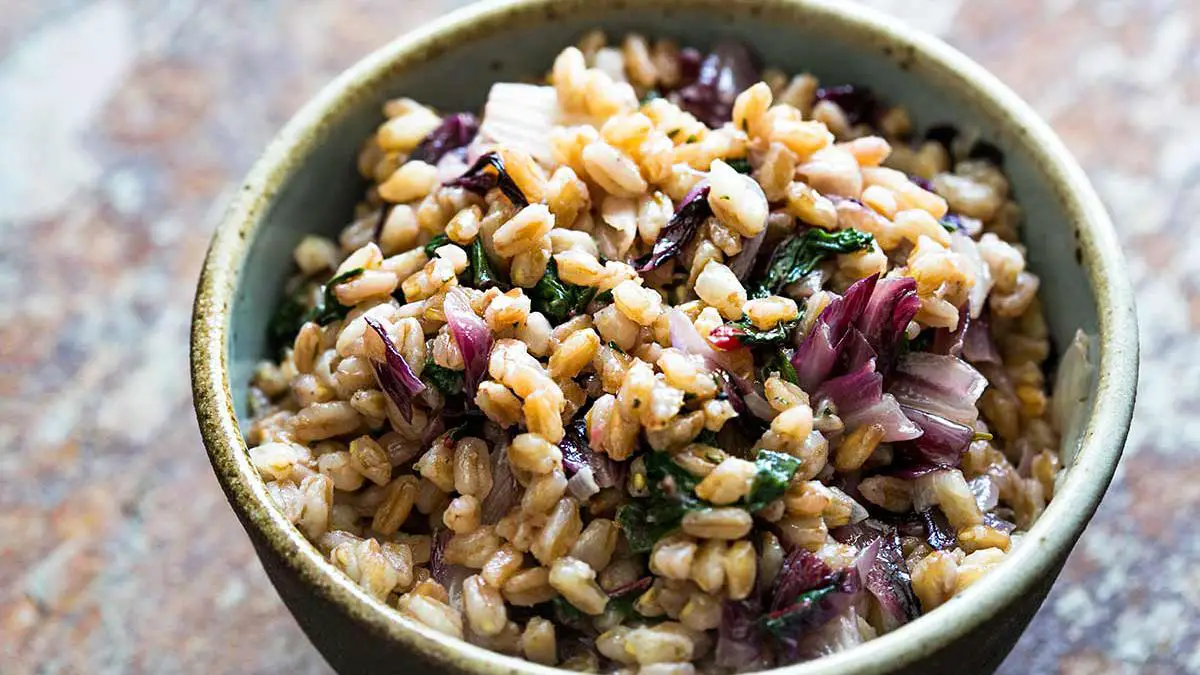
Most people think of juice as carrots, apples or prunes when they think about juice. Celery juice is also a popular choice. Celery juice is packed with nutrients and good for your health. It has a distinctive taste that most people either love or hate. You’ve probably ever wondered about its longevity and before refrigerating it asked yourself this question: how long does celery juice last in the fridge?

How long does celery juice last at room temperature? Celery juice can be kept at room temperature for up to a day. And how long does it last in the fridge? It will last for 2-3 days in the fridge. Celery juice can be stored in the freezer for up to 6 months. You must keep the juice in a sealed container.
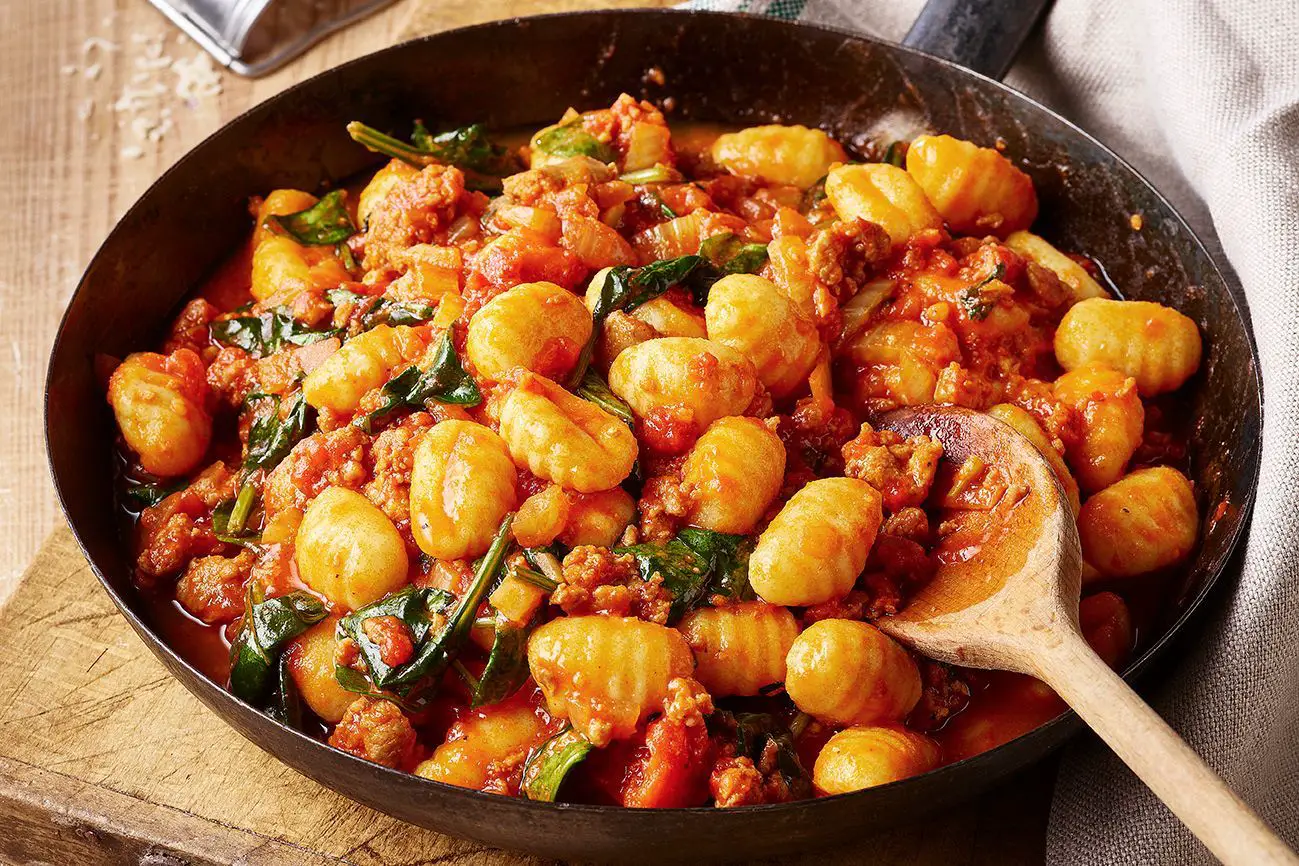
How long does celery juice last?

Celery juice made at-home will not usually have any preservatives. The juice doesn’t last as long because of this.

It will last about a day if the juice is kept at room temperature. If the room temperature is very hot, it will only last for a few hours. Celery juice should be consumed immediately after it has been made.

Celery juice can be kept in the fridge for approximately 2-3 days. It is best to store celery juice in the refrigerator as soon as you can. It will reduce its shelf life by half if it is left at room temperature for longer than necessary before being stored in the refrigerator.

Celery juice that has been stored in the freezer will last the longest. Celery juice can be frozen for up to six months. It is important to keep it in a sealed container so that no air can get into it. The juice will get a freeze burn if air gets into the container.

How do you store celery juice?

Celery juice should be kept at room temperature in an airtight container. Transfer the juice immediately after it is made. This will preserve the juice’s quality. To prevent oxygen exposure, make sure you fill it up to the top.

Keep the juice in the refrigerator if it will be kept for more than one day. The juice should be stored in an airtight container. A little lemon juice or lime juice can be added to the juice to prevent any loss of nutrients. Citrus can also help reduce oxidation.

You can freeze celery juice if it is going to be kept for more than three days. Place them in an airtight container that is freezer-safe before storing them in your freezer. Place the juice into the container and leave a little space at the top. This will allow for expansion when frozen.

Can Celery Juice Go Bad?

Celery juice can go bad. This is usually due to too much time in storage. Celery juice won’t keep for very long if stored at room temperature, or in the refrigerator.

It is recommended that you drink the juice within 24 hours of it being blended, even if it has been left out at room temperature.

Celery juice can go bad faster if it is not stored properly. The juice may show signs of spoilage if this is the case. Here are some things you should be aware of:

  1. Color change: Juice can turn a brownish color if it is not properly stored. It will turn darker. It should not be thrown away, unless there are other signs of decay.
  2. Bubbles: If you see bubbles on the juice it is spoilt. The juice should be thrown out if it has been contaminated by bacteria.
  3. The celery juice should not smell bad. It will often have a strong sour taste.
  4. Mold: The juice should be kept at room temperature for several hours before it forms. Warm temperatures are conducive to the growth of molds. Bacteria thrives in warm environments. When you find mold in celery juice, throw it out.

5: A strange taste: Fresh celery juice can have a semi-sweet flavor. The juice will taste bitter once it has gone bad. It would take just a few drops to make it taste good again.

Three Tips to Keep Celery Juice Fresher for Longer

We now know how long celery juice lasts. Let’s talk about some tips for keeping the juice fresher. Here are three tips:

  1. Keep it tight

You should seal the container after making celery juice. To prevent air from getting into the juice, the lid must be tightly sealed. It should not leak as this will cause the juice to oxidize and spoil.

  1. Storage

Once the juice is made, keep it in a cool area. It’s best to store them in the fridge. You can also store them in the freezer if you have more time. This will prolong their shelf life by six months.

  1. Keep it Full

Celery juice should be kept at room temperature. Always fill the container to the top. This will stop air from causing juice to spoil. The juice will go bad faster if it is exposed to more air.

You should leave a little space at the top if celery juice is being stored in the freezer. The juice will expand as it freezes and fills the entire container. It will also prevent the container cracking from the juice expanding.

Similar Questions

Do Celery Juices Need to Be Consumed After 72 Hours?

Celery juice can be dangerous if it has been kept in the fridge for more than 72 hours. Although it may still be fresh and delicious, it is better to toss it.

There is a high risk of food poisoning if bacteria grow after 72 hours. You may experience symptoms such as vomiting, diarrhea, or upset stomach.

Celery juice also has lost most its nutrients. The juice will taste bland and unhealthful.

Can Celery Juice Be Consumed After 72 Hours?

No, this is not something you should do. It doesn’t matter how tempting this might seem, you should throw your celery juice out. Food poisoning can be caused by bacteria growth. It is possible to experience vomiting, diarrhea, or upset stomach.

Your celery juice will lose most of its nutrients after 72 hours. You don’t need to consume unhealthy or bland celery juice. For, you want to get the best nutrients out of your juice.

Imagine drinking a flavorless juice that has been kept in the fridge for 72 hours. The taste is bad, as is the color. It is best to throw it out and start over. It will keep your safety and make you feel refreshed.

How do you Thaw Frozen Celery Juices?

It is easy to defrost celery juice, but it is important that you do it correctly as the freezing option can already have an effect on the texture, flavor, or color. If you keep it in the fridge, thawing can take up to 24 hours. Simply remove the frozen juice from the fridge, place in the lower parts of your fridge, and then thaw it.

To defrost celery juice, you can use your sink. This can take between 10 and 15 minutes. To remove ice from the can, heat water can be poured on the sides.

You should drink your celery juice once it has been defrosted. Avoid refreezing it, as it could affect its quality. Safety should not be your only concern. You also need to get the most out of your juice. You also need the nutrients.

Wrapping up

How long does celery juice last in the fridge?

How long does celery juice last in the fridge? Celery juice, which is high in vitamins and nutrients, is a very popular beverage. The juice can be made quickly and you can add apples for a better taste.

You can store the juice at room temperature for up to a day, or in the refrigerator for up to two days to prevent it from spoiling.

Celery juice is so unique. It’s the one you won’t forget about the first time you tried it. It is possible that you won’t enjoy the taste if you have a sweet tooth. However, it will get better over time and you will start liking it!


How long do Tamales last in the Fridge?

How long do Tamales Last in the Fridge?

How long do Tamales How long do Tamales  Last in the Fridge?Last in the Fridge?


Tamale, a popular Mexican dish, has gained popularity around the world. This Mesoamerican corn-based meal is often filled with cheese, fruits and vegetables, as well as the most important ingredient, chilies. After being cooked, tamales can go bad very quickly. Most people wonder how long do tamales last in the fridge and in doubt they go about asking people about it.

So, how long do tamales last in the fridge? Tamales can be kept in the fridge for up to a week. They can also be stored in the freezer for up to four months. It can be kept at room temperature for approximately 4 hours.

To create a unique texture, tamales are steam-cooked in a banana leaf or corn husk.

Making tamales from scratch can be quite a task. Batch-cooking tamales is an excellent idea.

However, if you are making large batches of tamales you may want to check if they can be stored in the fridge, freezer or on the counter until you are ready to eat.

This article will explain how to keep your tamales fresh and delicious.

I suggest that you continue reading to learn more about tamales, their properties,  storage and how to prepare them.

What is a Tamale?

Tamales, as I have already mentioned, is a corn-based dish that originated in Mesoamerica. Because of their portability and delicious taste, they have been enjoyed in some form for thousands of years.

Tamale is an Anglicized version of the Spanish term Tamal. It comes from Nahuatl term, tamalli.

A tamale’s dough is made of masa (corn), which can be filled with many different things. The most common fillings are meats, cheeses and chilies.

Each person will choose their fillings and create unique flavors.

The masa dough is wrapped in a banana leaf or corn husk and steam until it becomes cooked. Season the steaming liquid to give it a more flavorful finish.

After the tamale has been cooked thoroughly, you can either remove it from its husk or place it on a plate.

Wrapped tamales are easy to transport, delicious, and filling. This food is versatile and can be made in a variety of flavors. It’s no surprise that it has survived the test of time.

Tamales are often associated with Mexican culture. However, it is believed that they were spread from indigenous communities in modern-day Mexico and Guatemala to the rest of Latin America.

What long do tamales last in the fridge?

You can make a lot of tamales and have them ready to go for your meals every day. Tamales can be stored in the refrigerator for up to one week.

This means that you can prepare them earlier in the week, and then reheat them for lunch or dinner.

How to Store Tamales in the Fridge?

These are the best ways to store your tamales in the refrigerator.

Allow the tamales to cool to room temperature.

You will need a container with an airtight seal that will hold your tamales without them having to be bent or squashed.

Put a layer of tamales in the bottom of your container.

Place the tamales in a container that is filled to the top. You can also fold the plastic along the sides.

You can add another layer of tamales to the container if there is enough space.

After you have completed the first layer, wrap another piece of plastic wrap around the tamales. Gently fold the plastic along the sides of your tamales.

Continue this process until you are satisfied with your container.

After you have filled your container, wrap one more piece of plastic wrap over it. Press it down on the tamales to seal the container.

Attach a piece masking tape to your container’s lid. This extra step will let you know if the tamales are still good to eat.

Keep in the refrigerator for at least 7 days.

How long do tamales last in the freezer?

You should use your tamales within six months of their freezing date. They may develop freezer burn or a less appealing flavor and texture after this age.

How to Store Tamales in the Freezer?

If you don’t plan to eat tamales within a few days, freezing them is a great option.

Tamales freeze well, and can last for up to 6 months if you follow the right steps.

Your tamales should be cooled to room temperature. Sometimes, I’ll even keep them in the refrigerator overnight to prevent freezing.

Line a baking sheet or plate that fits in your freezer with parchment paper.

Place your tamales in one layer, with at least half an to one inch space between them. To ensure that they freeze evenly, air should flow between them.

Place the tray of tamales on a plate in the freezer. Let them rest for between 12-24 hours, or until they have completely frozen. To make sure they are stable, give them a poke.

After the tamales have frozen completely, transfer them to an airtight container or bag. They will develop freezer burn if they are left on a baking sheet. You can wrap the tamales individually in plastic wrap before placing in the freezer bag.

Once you have packed everything, use a piece masking tape to write the date and contents. The tape should be stuck to the container or bag and returned to the freezer.

These steps will allow you to keep your tamales intact for up to 6 month in the freezer.

How long do  tamales last on the counter?

You should not leave food at room temperature for more than 4-5 hours.

Cooked food that is kept at room temperature can become a breeding ground of bacteria and could make you sick if you eat it.

If your tamales are not on the counter, cover them with plastic wrap to keep them fresher and stop insects like flies from eating your fruits.

When following the above instructions, I do not recommend that you leave your tamales on the counter for more than 2 hours before moving them to the fridge/freezer.

You can keep them in the fridge for later use if you don’t plan on eating them immediately.

If you leave the tamales out for more than an hour, you should heat them up to 165F before you eat to ensure you don’t get sick.

To prevent bacteria growth, you may want to warm tamales in a chafing dish if you plan to serve them at a dinner party or potluck.

How long do uncooked tamales last?

Uncooked tamales shouldn’t be left out on the counter more than an hour before being cooked or moved to the refrigerator or freezer.

These ingredients are great food for bacteria so make sure they don’t spoil before you can enjoy them.

Can You Freeze Uncooked Tamales?

You might wonder if you can freeze uncooked tamales if you make a large batch of tamales but only need to cook a few. Uncooked tamales can be frozen very well.

If you follow the instructions above for freezing, they should last approximately 4-6 months. Wrapping them individually will prevent them from sticking together, and increase their quality over a longer time.

Don’t forget to write the date and contents of the freezer bag on masking tape or paper. This will help you avoid eating frozen tamales that are burnt or taste bad.

How do you cook tamales?

There are a few options to heat your tamales. To reheat tamales, you can steam them.

You can also use the oven and microwave. However, the texture of the food may differ if you do so.

How to Reheat Tamales in a Steamer?

These steps will allow you to steam your tamales.

Turn the steamer to medium and fill it halfway with water.

Place the steamer basket/steamer pot on top.

Place the tamales in one layer in the basket, and then cover it with a lid.

Allow to steam for approximately 15-20 minutes. You might need to steam them for 10 minutes if you do not have frozen.

At the 15 minute mark, check. If the tamales are still not quite warm, turn them over and steam them for another 5-10 minutes.

Once the steamer basket has been warmed, take the banana leaf out of the steamer basket and open the husk.

How to Reheat Tamales in an Instant Pot?

Instant Pot, one of my favorite kitchen gadgets, can just about do everything, including pressure cooking chickpeas and beans, making delicious soups and stews, as well as reheating tamales quickly.

These are the steps to correctly heat your tamales in an Instant Pot.

Put 1 cup water in the Instant Pot’s bottom. This step is essential as the Instant Pot will not allow you to skip it.

Either your Instant Pot steamer basket, or steam rack can be used. You can use whatever you have in your Instant Pot.

Put the tamales in the Instant Pot.

Set your Instant Pot to seal by placing the lid on it. Press the Manual button to set the timer for five minutes. If they are frozen, you may need to extend the timer by a few minutes.

Let the tamales boil. If you don’t want to wait, you can either manually let the steam escape or allow it to naturally release.

To remove the tamales from your Instant Pot, use tongs. Let cool for 2-3 minutes before you open them and enjoy.

How to Reheat Tamales in an Oven?

If you don’t have a steamer, another option is to bake your tamales.

Remember that they can dry out and may not be as tender if you steam them. These are the instructions to heat your tamales in an oven.

Preheat the oven to 425°F

Wrap each tamale tightly in aluminum foil. You should make sure that there is no space between your tamale and foil. The tighter, the better!

Place the tamales on a single layer on baking sheets.

Bake the tamales for ten minutes.

Turn the tamales upside down after 10 minutes.

Cook the tamales another 10 minutes.

Take the tamales out of the oven, and then unwrap the tinfoil wrapper and corn husk.

Serve with your favorite sauce.

It is best to let your tamales thaw in the refrigerator overnight before you cook them. You might have to cook them for another 10 minutes if you forget this step.

How to Reheat Tamales in the Microwave?

These steps will allow you to microwave your tamales. They might have a different texture and dry out.

If you have the time, the oven is a good option. However, a microwave can be used in an emergency.

Make sure you have a plate that is microwave-safe to fit your tamales.

To prevent them drying out, wrap each the tamales in a damp paper towel.

Place the tamales on a single layer of the plate with an inch space between them. To ensure even cooking, leave some space between the tamales.

For about 1-2 minutes, heat your microwave. You can check the temperature of the microwave and add an additional 1 minute to the cooking time if they need more heat.

Take your tamales out of the microwave and unwrap the corn husk and paper towel.

How to tell if Tamales are bad?

There are some signs that tamales may go bad. Tamales are made with mostly meat, vegetables, and fruits. Tamales can often be characterized by moldy tamales and a bad smell.

Bad tamales will have mold growth on them. It will also change in color from yellowish to orange or pink. Throw out all tamales if you see mold or color changes.

Bad tamales will smell rotten. It may also have other smells depending on what ingredients were used. If you suspect that the smell is not what it should be, then throw it out.

Related Questions

What time should tamales be allowed to rest after steaming?

The tamales should be left in the steamer for at least 30 minutes after they have been steam. After steaming, remove the steamer lid and place the tamales inside.

Why are my tamales still so mushy?

If tamales remain mushy after steaming, either the dough is too dry or the steam is not long enough. You should steam the tamales until the husk is removed. The dough will need to be steamed for longer if it is wet.

Wrapping up

How long do Tamales last in the Fridge?

Tamales can make a delicious and they can be stored in the freezer or fridge. To preserve their freshness, you should keep them in the refrigerator for at least one week.

Tamales can be stored in the freezer for up to 6 months if you use proper storage methods. You must label your bag with the contents, date and time so that you can keep track of them and check when and how long they last.


Fruits That Start With F

Fruits That Start With F 

When I first began to create a list of fruits that start with F, I quickly wrote down a few common names like figs or Fuji apples. After that, I was stumped. It took me a bit of time and some in-depth research about these fruits. I eventually discovered a few more fruits that start with the letters F. There were actually a lot more than I had imagined. What are the number of F fruits have you tasted?

Here’s a list of fruits that begin with F. Apart from the simple listing of them we’ll also give fundamental information about each to help you understand more about them.

Let’s have a closer look at these exotic fruits that start with F, some of which are quite unknown to us.

  1. Fascell Mango

fruits that start with F: Fascell Mango

The name is derived from Michael Fascell, the man who was the first to cultivate this kind of mango. Fascell mangoes can be described as a hybrid type of mango.

While some appear more like hearts, the majority are oval and yellow with a hint of red when they are fully mature.

They’re sweet fruit that is grown mostly to be used in commercial sales.

  1. Feijoa

Feijoas can be found in different countries in South America. They’re similar in size and shape as chicken eggs, and they’re green as they mature.

They’re delicious and sweet with a taste that’s somewhere in between apple, mint and pineapples.

They’re most famous for their amazing scent but it’s intense and delicious.

  1. Fig

fig

They aren’t technically considered fruits, however, we all consider them to be fruits, which is why I decided they deserve an place at the top of the list.

They’re actually inverted flower with the most bizarre pollination process.

Fruits are soft and fleshy however, the seeds can add some texture. A lot of people think they are an acquired flavor.

They’re more akin to honey sweetness than sweet fruitiness However, there’s a taste of berry sweetness to the grapes, too.

  1. Fazli Mango

fazli mango

The Fazli mangoes can be large and weigh up to 2 pounds. They’re also they are yellow when they’re ripe.

Are you interested in saving this blog article? Please enter your email address below and we’ll deliver the post directly into your email!

They can be consumed in raw form, but most frequently, they are used for making jams or Chutneys.

If consumed in raw form, the fruits are delicious and dense. The peel is thin, and it is usually eaten with the other fruit.

Organic Green Finger Limes

  1. Finger Lime

finger lime

Also called citrus caviar Finger limes are loved in their home country of Australia and are also being grown in California.

They vary in shades ranging from green to dark reddish/pink hue.

You can eat them by cutting off the top and then squeezing the other to squeeze out lots of jelly-like, tiny small pieces that look like caviar.

If you place them into your mouth, they pop and release the tart lime taste in your mouth.

They’re among the most unusual fruits I’ve seen and are mostly utilized in order to add flavour to fish dishes.

  1. Florida Strangler Fig

florida strangler

Florida strangler figs, sometimes known as golden figs, possess slightly sweet, nuanced taste, and are extremely healthy.

They’re loaded with fiber and contain moderate quantities of potassium, calcium and iron.

They are delicious eaten on their own and you can add them to cereals, salads, or desserts.

  1. Fe’i Banana

fei banana


Contrary to the bright yellow bananas that we all know and love Fe’i bananas are more red or orange, and they have an orangey-yellow interior that looks similar to the insides of pumpkins.

They are edible raw, however, the majority of people prepare them for eating them.

They are used in a variety of delicious and sweet dishes particularly in their home Pacific Islands.

  1. Fuji Apple

fuzi apple


Fuji apples are among the most sought-after apple varieties. They’re yellow with red accents, and they’re also one of the sweetest varieties that you can get.

They’re also extremely delicious, making them ideal to bake with and for canning. They also make fantastic applesauce and cider.

  1. Flatwoods Plum

Flatwoods Plum

Flatwoods plums are a fascinating fruit due to their edible qualities, but they are also somewhat poisonous. That’s insane, doesn’t it?

They look like the ones we consider to be “normal” plums, and they’re safe to take in.

The leaves and the pit in the plum can be toxic particularly in large amounts.

But, as they are discarded, Flatwoods plums can be beneficial for you in smaller amounts. They can aid digestion and increase the respiratory system.

The toxicity is due to an ingredient called hydrogen cyanide. This chemical makes the plums bitter once you chew them.

The bitterness disappears to the pleasant sweetness. But the majority of people prefer using the plums for jams and jellies instead of eating them fresh.

  1. Fairchild Tangerine

The tangerines in this category are the result of a cross between Orlando Tangelos, and Clementine mandarins. They’re deep-orange and difficult to peel.

They are sweet and citrusy like you would expect, and are more juicy than most citrus fruits. They’re a favorite market fruit throughout the United States.

  1. Forest Strawberries

Forest Strawberries

Forest strawberries are more well-known under their common name, wild strawberries.

They’re similar to the ones you buy in the grocery store However, they’re quite small by comparison.

They’re completely safe to consume and taste sweeter, more juicier and have a more luscious flavor than ordinary strawberries.

Their small dimensions make it difficult to appreciate them.

12. Fox Grapes


Fox Grapes

Fox grapes can be described as a type of wild grapes which are grown in a variety of regions across North America and some European regions.

They are dark purple, skins that are almost black They are also easy to take the meat of the grapes from the skins.

This is why they’re referred to by the name of “slipskin grapes” as well.

They can be eaten however they’re more tart than the majority of grapes. Some are actually bitter. They are often used to make jam, wine and jelly.

  1. False Mastic Fruit

False mastic fruit may sound like an odd name, but if your scientific name were Sideroxylonfoetidissimum, you’d want people to call you something else, too.

It is small and delicious However, the fleshy white part inside is extremely gummy enough that your lips might get stuck after eating it.

It’s also bitter, however certain people love it.

  1. Five Flavor Berry

The berries are known as the purple-red five-flavor fruits because they taste sweet, salty bitter, sour, bitter and pungent.

Due to the possibility of an unpleasant berry, the majority of people avoid eating the berries in raw form.

In the alternative, people dry them to take them to eat. They are also utilized in a variety of Eastern medicine.

  1. Florida Cherry

florida cherry


Florida cherries are also called Surinam cherry, grow in tiny fruits that are red and orange. They appear to be like miniature pumpkins.

They’re officially ready to eat when they turn red however, if you’re planning to consume them make sure you wait until they’re darker red, with a hint of purple.

In the event that you do, you’re likely to be a fan of the taste.

After they have turned into a deep, reddish hue they are edible. They’re strong and yet tangy flavor that is refreshing.

  1. Farkleberry


The fruit that is so unique in its name is tart and bitter. They’re safe and edible however, they are not palatable to humans. However, they are beneficial as a fertilizer and animal food.

If I had not discovered its flavor, I wouldn’t have given it a try just for the sake of its name.

  1. Fibrous Satinash Fruit


The Scientific name for this fruit is Syzygium fibrosum. I am in love with its bright pink hue that is extremely feminine. Also, it has a prominent “tail” at the bottom.

Since its sour, it’s more pleasant and palatable to eat in jam, jelly or confectionery.

  1. Fukushu Kumquat


The flavor is similar to that of orange and tangerine together. The entire fruit is edible, including the peel and seeds. However, I’d prefer not to eat the seeds for being on the safe side.

It’s got a sweet, tart, tangy flavor with some floral and fruity notes.

Wrapping up

Fruits that start with F

I hope that this interesting post about fruits that start with F has given you enough information about them. In fact, I had little idea that there could be that many fruits the names of which start with F.  This post has also piqued my interest also about this matter. In future, I will try to add more posts of fruits that begins with other alphabets.

How Much is 4 Quarts of Water?

How Much is 4 Quarts of water?

How Much is 4 Quarts of water?

If we are cooking regardless of what the dish is, there will be an application for water. It can be a bit complicated at times when we don’t know exactly the amount of water needed. It could be that the recipe originates from a different nation or has been translated badly and you’re confused about how much water you’re supposed to make use of.

In all likelihood, I would also have asked the same questions: what amount of drinking water will I actually require? What is four Quarts of water? How do I determine the quarts of water?

How much is 4 Quarts of water?

Find out how to measure your water next time and never have to deal over this issue again.

How much is 4 four quarts of water? What is the best way to measure Quarts?

The first thing to remember is that a quart is made up of two pints. Each pint weighs two cups, or sixteen ounces meaning that one quart contains four cups, or 32 ounces.

Are you ready to learn the math? It’s simple. If 1 quart equals 2 pints 4 cups, 32 ounces then 4 quarts is 8 pints 16 cups, or 128 ounces.

It’s possible to keep this information in your kitchen or even write it down on your smartphone or make use of an online converter the next time.

Why should I use water when cooking?

It may seem like a ridiculous question however, it’s actually an interesting one because water is, often vital to cook-off. However, it can also be a supplement to other ways.

A few examples of water cooking are mixing, boiling, steaming, making a broth, or cleaning.

Boiling

It is typically used to cook food items such as pasta noodles, grains potatoes, as well as the meats such as chicken. The boiling temperature of water is 212°F but it can be lower at higher elevations as well as when sugar or salt are added to it.

4-quarts-of-water

If water is heated and then held for about 10-minutes, the microorganisms get destroyed, and it is considered to be a safe method to protect against microbe-borne illnesses.

It’s not always advisable to boil your food because it may reduce the amount of soluble vitamins found in food as well as be slower cooking method in certain situations.

Mixing

When mixing food items, water acts as the “mixer” between them, so it is the first ingredient to be used. This method of mixing water is typically used to keep food moist and to prevent drying in the case of an oven or a special sauce.

Making broth

It is an example of one of the popular applications–apart from boiling– of water in cooking. Broth is a dish that involves the simmering of bones or meat, veggies and fish can be simmered with water.

The resultant liquid is the broth that is used in other liquids for eating, like gravy, sauces, or soup. The broth can also be an excellent option to enhance the flavor of certain food items like meats, rice, or other grains. You can make your own broth and enjoy the taste.

Here are a few ways that you can make use of broth in your everyday cooking:

Stir-fry to add flavor

Replace oil used in sautéed dishes

Sprinkle the meat or poultry with sauce while baking in the oven for the meat to remain moist.

Moisten leftovers prior to reheating in the oven

Steaming

This is accomplished by placing water in a pan, or pot and letting it simmer. After it boils continuously and then it turns into steam. The steam then flows into the food, and the heat will cook it.

When you steam your food, it isn’t directly in contact with water, but is in direct contact with steam. The types of food that you can cook using steam include meat, veggies, and rice.

Steaming has many benefits, including getting rid of overcooking, avoiding excessive fat and less losses of nutrients as compared to boiling.

When should I use water and when should I use the Broth or Stock?

Water is often beneficial in terms of time savings and cooking foods more quickly. But there are occasions where you’ll prefer replacing water with something that is more delicious and nutritious, such as soup or stocks. I’ve already explained the definition of broth, but stock is the same but it is made with chunks of bone or meat in it.

Here’s a list of food items that are sure to taste better when paired with water:

Pasta

Don’t use stock or broth in pasta dishes, as it would in the end be wasted. Instead, use water and add flavor once the pasta is cooked.

Beans

It’s a possible scenario for stock or broth, as most beans, including black beans, already have plenty of flavors. Adding the extra flavor from your liquid can cause them to become too thick. They cook well in water without creating a mushy texture.

Pureed Foods

This is a tricky one. Many people say that stock or broth improves flavor however the reality is that a lot of these puréed foods contain numerous ingredients and the use of water won’t make the flavor more pronounced.

Now, here’s the list of foods that benefit from using stock or broth when making:

Braises

If you are cooking the pot of roast, or cut ribs dish, adding the stock will give your dish greater flavor and provide nutrients to your meat. Try cooking short ribs in stock to test it out!

Soups

It’s a simple one. However, making soups is definitely a method where you’ll need to make use of broth – and maybe even stock to enhance the flavor of your dishes. Soups tend to be more watery and can therefore benefit from the flavor of broth.

Broth

Pan Sauces

If you prepare sauces in pans, you only use few ingredients, which is why all of them add up. The use of stock can provide an extra flavor to the final product.

Rice and other grains

You might be aware but maybe not but when you cook rice and other grains, it is recommended to opt for broth. The bulk of the liquid used in is cooked into the rice/grains will be taken up by the broth and the broth will enhance the food’s taste at the end.

Whatever you decide to do, you should bear in mind that the process of making broth or stock will require water at the time. For one thing, water is the main ingredient here.

Okay, I’m confident about the use of water. What next?

You are ready to start cooking? Make sure you check the measurements in your recipe, and ensure that you have the proper conversion. Don’t forget that 4 quarts equivalent to 8 pints, or 16 cups. This is a significant amount of water, yet it’s actually quite common in many recipes.

Wrapping up

How Much is 4 Quarts of water?

Hopefully, this post about how much is 4 quarts of water has given you enough information about how much water you need while cooking. This certainly will make you a lot more confident about using the right amount of water in cooking.


What Does Ostrich Taste Like? All You Need To Know!

What Does Ostrich Taste Like?

What Does Ostrich Taste Like? Does Ostrich Taste Good ?

What Does Ostrich Taste Like?

What does ostrich meat taste like? If you want to know about this strange bird and how its meat tastes like, you have come to the right spot. For, here, in this article, I am going to write in detail about this subject. Just read on to learn more.

With its great taste and nutritional value, as well as its amazing versatility and ease of cooking, the ostrich meat has swiftly been able to make its way into the menus at some of the top restaurants around the globe.

Chefs are enthralled by its delicious fresh and meaty taste and are experimenting with numerous exciting ways to cook and showcase the ostrich to the gourmets.

We all know the Ostrich all over the world as the largest flightless bird. They are well-known for their ability to lay the biggest eggs among terrestrial animals. They are also among the fastest land animals.

The natives of the species are Africa and are part of two species: that of the Common Ostrich and the Somali Ostrich.

Certain people consume Ostrich’s eggs. Others take Ostriches. Ostrich is similar to “premium beef” and is thought to have lower levels of fat than of the meats that are lean, such as turkey or chicken.

Germany is the largest producer of Ostrich meat. They purchase the majority all of the meat they consume out of South Africa and have more than 150 farms of ostriches.

Ostrich meat can be expensive due to the existence of the fact that there are fewer farms around the world.

What is an Ostrich?

The Ostrich is a huge flightless bird found in Africa. It is the biggest known bird species.

They can’t fly, and yet they are faster than every bird that lives on land. Due to their heavy body, they can’t fly with their weaker wings for flying.

Ostriches have powerful legs, which enable them to run extremely fast. Their kicks are fatal to humans, as well as any other predators in particular.

They also have the biggest eyes that are among the animals on land. They were also discovered in Israel’s deserts but were hunted until they died.

They obtain their food from the plants they consume but they are omnivores.

Their diet is primarily comprised of plants, roots, seeds insects, lizards as well as other animals that are small that are found in deserts.

What Does Ostrich Taste Like? 

The meat of the ostrich is similar to beef but has a reddish hue and texture.

It is more nutritious than other meats, has a high content of iron, and doesn’t taste like other bird meats.

It can be cooked like other meats and will not shrink when you increase temperature.

Ostrich meat can be a healthy alternative for the regular white and red meat. It can be used as steaks, barbeque or for barbeque, you name it.

Ostrich’s flesh is low in calories and cholesterol , yet it is high in calcium, iron and a good protein source.

Ostrich meat is purchased by the majority of people through online retailers and comes in a variety of cuts, just as beef.

They can be utilized in patties, and is sold in the form of ground beef. Ostrich meat is significantly lower in fat-soluble acid content and is low in sodium, and is the major draw.

They also prevent harmful bacteria to infect the meat due to the ideal pH levels.

Many restaurants and chefs have various restaurants and chefs have added Ostrich meat to their menus because it is a piece of meat that is unique and has beneficial properties.

The softness of the meat from the Ostrich is another plus point of the meat. The nutritional value of Ostrich meat is higher than any other poultry meat or beef.

It’s also an eco-friendly source of protein. Ostriches that are grown on farms do not emit a lot of methane gas and require only a small amount of surface.

How to Cook Ostrich Meat?

Here are some recipes you can make with ostrich meat

Ostrich Steak- If you like steak and barbeque This recipe won’t be disappointing. It’s one of those recipes that you can test out while you are with your family and your friends.

Ostrich Meatballs with spicy Plum Sauce: Another fantastic recipe to try is this recipe for meatballs. The meatballs that are cooked with plum sauce sort of mask the strong smell of Ostrich meat.

Grilled Ostrich is a different recipe which will cause you to be enthralled by the flavor and texture that the meat has.

If you’re in search of an ostrich slice that is surprisingly soft and tender meat to enjoy, cooked Ostrich is the best way to take. Thanks to all of the spice and tenderness you will not be disappointed by this delicious and flavorful recipe.

Naturally, Ostrich meat can be expensive but it’s an exotic meat that you must have at least one time in your lifetime!

Recipes have been developed over the years to make an excellent Ostrich dish.

The most renowned restaurants of the present are said to include Ostrich dishes on their menus.

While some people haven’t enjoyed the inclusion, the majority of people appreciate a few unique meals every once in time.

Ostrich Meat Nutrition

The food you eat is fantastic source of:

  • Protein
  • Vitamin B6
  • Vitamin B12
  • Iron
  • Thiamin
  • Riboflavin
  • Niacin
  • Phosphorus
  • Zinc
  • Selenium
  • and many and much more.

Ostrich patties are an excellent alternative to hamburger patties. A lot of people find them to be more delicious and more appealing than chicken.

A patty of ostrich contains 22 grams of protein. That’s almost half the daily protein intake in every portion.

A single serving of ground ostrich offers the equivalent of 84 percent of the daily vitamin B-12 intake and 51% of your selenium, and around one quarter of your daily intake of Niacin, vitamin B-6 zinc and phosphorus.

Fun Facts About Ostrich

Ostriches have  exceptionally good eyesight and are able to discern color.

Ostrich can’t fly. But they are the fastest animal that has two legs. They can run at speeds of up to 70km/hour. And they can shake your hands due to having 2 fingers as well as two feet.

But at the same, I do not recommend getting too close, as an ostrich could kill a lion in just one powerful kick!

Culinary Uses of Ostrich

A lot of people are familiar with cooking chicken, beef lamb, veal or other meats. However, the idea of cooking ostrich may seem very foreign to certain people. It’s not too much of a problem. All the recipes that are applicable to red or white meat, work perfectly for ostrich.

There are a few points to be aware of when cooking ostrich. It isn’t as fat-rich than other meats, which means it is cooked in a shorter time.

Cooking ostrich too long will cause loss of juices as well as the texture. To get the most flavorful experience Ostrich must be cooked until medium or medium-rare.

Ostrich is a good choice for many things. It is a good example. Ostrich meat can be substituted for beef in hamburger patties. If you’re a barbecue-loving type, you can also take a look at Ostrich steak.

If you don’t scorch or sear them too much, it is impossible to make a mistake. Ostrich meat doesn’t shrink and it is able to withstand temperatures. It is also possible to use ostrich meat to create meatballs.

Ostrich can be cooked or fried, baked like turkey, and even cooked. Any food that you are drawn to or recipe with meat is possible to recreate using turkey. Keep your mind open to experiment!

Recipe for Fried Garlic Ostrich Filets

Ingredients required

  • 2 filets of ostrich (about 4.25 oz. each)
  • seasonings (such as salt, steak spice, pepper, or salt and)
  • 2TB olive butter or olive
  • 2 cloves chopped garlic

Method of cooking

The pan is heated to medium high. Add the oil. Once the oil is hot, cook the fish filets. After 3 minutes of cooking then flip them and cook the garlic. Cook for another 3 minutes. Transfer the cooked items from the pan to the plate and let them rest for 3 minutes.

Broccoli side dish

Microwave or boil some broccoli until nearly soft. Mix the broccoli for one minute in the pan with the filets of ostrich.

Serves 2 people

Wrapping up

What Does Ostrich Taste Like?

The secret to Ostrich meat’s versatility in kitchen lies in its mix of muscle that is lean as well as red meat. They are different from other species of bird that are raised to produce meat like chickens or ducks or sparrows.

Ostriches belong to a group of birds called Ratites. Within this group, which includes cassowaries and emus, all birds produce dark meat that has an aroma and texture similar to lean beef.

If you haven’t tried this delicious meat yet, it is high time you did it!


Related Post:  Where Can You Buy Ostrich Eggs?