Top Bagel Burger Recipe

Bagel Burger Recipe

Top Bagel Burger Recipe You Can Enjoy At Home

Bagel Burger Recipe

When you think of bagels, you’ll probably imagine dishes with an array of amazing toppings. The first thought for many would be bagel burgers, since that sounds awesome. Bagel burgers are delicious and we’d like to show you that you are not doing something crazy if you mix burger patty with bagel buns with our delicious cream cheese bagel recipe for mouthwatering burgers.

Bagel Burger Recipe

My take on the bagel burger is that it is very simple to make, but you can create the burger as simple or complex as you’d like. If you’ve got bagel buns, you can make bagel hamburgers. There aren’t any hard or fixed rules, so you can take as much freedom as you’d like.

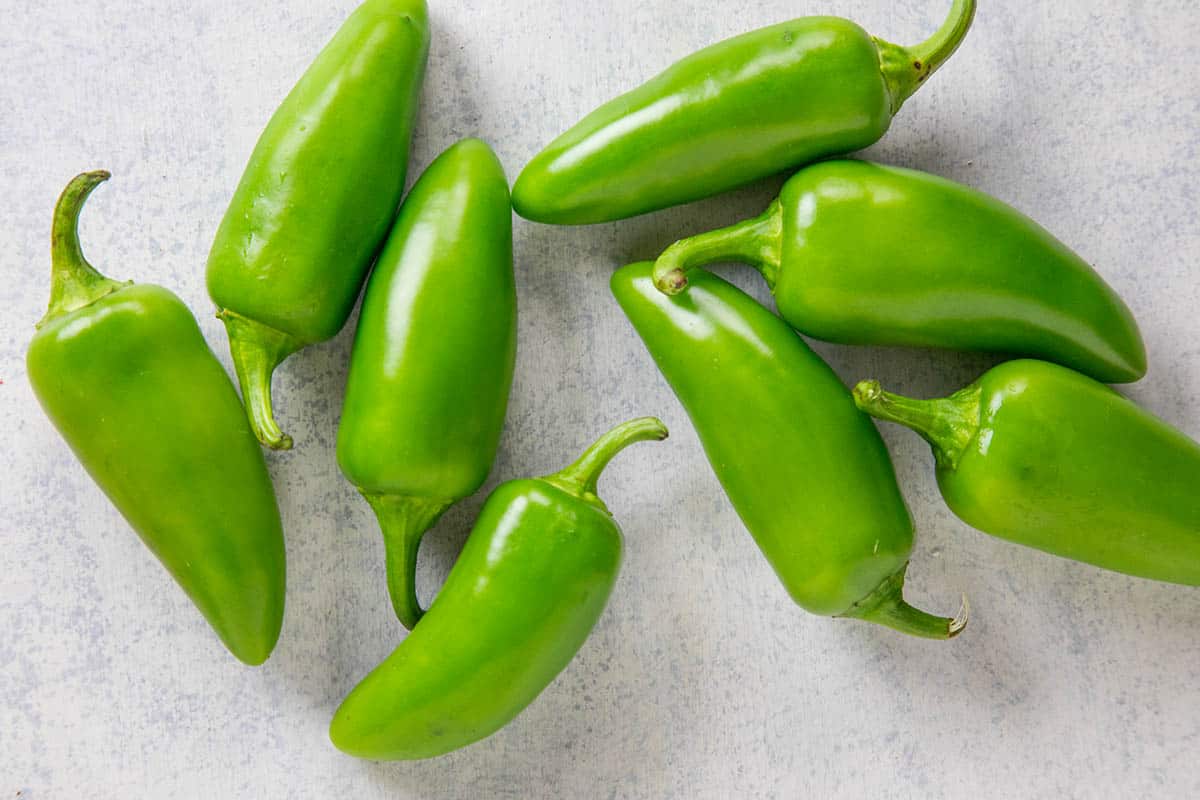
When I went to the grocery store to look for items needed, I decided I’d buy some great buns from Bakery. I planned to purchase two of these amazing butter top buns, which make the perfect buns for supporting huge, juicy burgers; however, something caught my attention: the Asiago Jalapeno Bagel. I’ve never thought about using a bagel for the bun, but after trying it out, I discovered that I have done something amazing!

Asiago Jalapeno Bagel Burger

You are now able to go in anywhere with the hamburger, such as cheese, plain onions. However, I think this recipe suits me fine.

Let’s get started.

Ingredients to be used (makes an entire serving)

  • 1/2 lb ground chuck
  • 3/4 inch of red onion sliced
  • 2 slices of bacon cooked
  • 2-slices of American Cheese
  • Head lettuce that you like
  • 1 Asiago Jalapeno Bagel, sliced
  • Pickles you prefer
  • Brown gravy, optional
  • Salt, according to taste
  • Crushed black pepper according to taste

Begin by making your patty. Season each side generously with pepper and salt. While you wait, cook the other ingredients and make sure that your charcoal is lit to cook on your grill. If you’re making use of charcoal, make use of your gas grill or stove with a large pan. There is no choice here.

Once the grill is ready and hot, then add the burger. Then cook to the desired temperatures (I prefer medium).However, when you flip it, add American cheese to make sure it’s perfectly melted.

I also placed my onion in the oven for a several minutes. I then added the jalapeno asiago bagel to cook them.

Then I mentioned brown gravy. If you don’t have  it, don’t be concerned (but it does add an extra flavor to the hamburger. I only made use of it as I had leftovers from the poutine skins.

Let’s make this burger now.

Grab the bottom portion of your bagel and spread your warm gravy on it. Include the red onion sliced and bacon, then the lettuce, the burger and then a few pickles. After that, top with your bagel’s top, press it down and then dive into this thing.

I was stunned by every bite. The bagel was fantastic; however, it was the combo of all this, plus a bit of the mild taste from the jalapeno created one of my all-time favorite hamburgers. I’ve had enough burgers in my time, but this has a chance of being one of my most favored recipes. If you cook burgers, consider the bagel as your bun. It was an absolute magic for me. I hope you enjoy!

Bagel Burger Alternatives

There isn’t any standard formula for bagel burgers. You can make as many variations as you’d like. All you are required to do is to be able to call it a bagel burger.

The burger – We’ve chosen smash burgers for our bagel burgers because they’re my absolute preferred. However, you can change your double smash sandwich to just a single patty. Bagels that are regular are vegetarian, which means if would like to switch the cheese and beef out for vegan alternatives. Our falafel burger could work great on a baguette.

The Bagel- We’ve made use of a sesame seeds bagel to cook our burger. I’d suggest that you pick the one you enjoy the most. I’ve tried a variety of bagel sandwiches using the ingredients mentioned above and all turned out really well, and even the blueberry bagels.

Cheese – There’s lots of cheese on this burger, and the cream cheese on a bagel can be messy. Therefore, you may want to cut a slice sandwiching the burger, and substitute it with other toppings. We’ve listed some fantastic cheeses to put on your burger to substitute the Gouda.

Toppings – Go wild here, there’s nothing prohibited. Bacon is a must, and you won’t do wrong with bacon. Also, make sure to read our top onion hamburgers guide if you’re looking to add onions to your bagel hamburger. The only suggestion I have is not to opt to something like a raw salsa or any other small-sized toppings since they tend to fall out more easily with the bagel.

Wrapping up

Bagel Burger Recipe

Hopefully, this post about how to make an authentic Bagel Burger recipe at home will help you improvise and come out with your own burger with an individual touch. It is really satisfying to see that you have created some magic inside the kitchen which suits your tongue and relished by your near and dear ones.


What Does Brie taste Like?

What Does Brie taste Like?

What Does Brie taste Like?

What Does Brie taste Like?


Brie is among the most beautiful and sophisticated cheeses that comes in all kinds. If you’re unfamiliar with the golden, milky delight You’re, most probably, contemplating “What does Brie taste like?”

We are here to provide the complete Brie cheese guide that covers everything you must learn about this wonderful dairy product before having one bite. Let’s begin!

What is Brie Cheese?

The region was once part in Seine-et-Marne located in north France, Brie is adored by its lovely and welcoming characteristics. Its delicacy was even recognized by the royal tables during the middle ages, making it one of the most sought-after meals of the day.

Brie Cheese is well-known for its delicate white rind, its soft texture and its strong earthy flavor. It is made from fermented qualified cow’s milk, sometimes from goat’s milk. The cheese comes out strong and it is backed by a nutritious profile and a flavorful scent of fresh mushrooms and salty butter. Slices of Brie is the result of creamy, runny cheese that has a strong earthy flavor, an ideal addition to the culinary tradition.

Brie vs. Camembert

Brie along with Camembert can be described as soft-ripened, cheeses that are made from cow’s milk. Both contain edible mold rinds made of white. Though their flavors are comparable, Brie is milder with buttery and creamy notes and Camembert is more intense in flavor, with hints of mushrooms and a stronger funk. Brie has a higher percentage of milk fat than Camembert and brie wheel measure between 9 and 14 inches in size, in contrast, Camembert rounds measure 5 inches in diameter.

How Brie Is Made?

Brie is made with raw or pasteurized milk. Enzymes and rennet are included to aid in the thickening of the milk and curdle. It is then cut, and then put into round molds and then the whey is washed out. The cheese is then salted, is then set aside for a week, allowing the rind to develop. Brie typically matures after about four weeks.

Brie is a type of cheese that is high in fat and nutrients. In addition it’s also a healthy food packed with vitamins, protein and minerals that could do amazing things for your health to a certain extent.

The nutritional benefits of Brie Cheese

Brie cheese is a great source of fats and nutrients. It also contains minerals, vitamins, as well as protein. In the slice of brie cheese it has 100 calories four grams saturated fat and protein, 4 grams five grams of unsaturated fat, 150 mg of sodium 60 percent of the daily amount (DV) in vitamin A, and 20 percent of vitamin B12.

There is also calcium and the riboflavin contained in Brie cheese. The saturated fats found in Brie cheese originate from cow’s milk used in its manufacturing process. Saturated fats have a negative reputation for harming the health of your heart. In small amounts, they won’t cause you to be at risk of having a heart attack.

Do you realize that you could gain as much protein as you get from one egg of Brie cheese? Brie cheese is an extremely nutritious supply of protein. Protein is crucial for building muscle and cell growth.

Brie cheese also is a rich food source for vitamin B12 and the riboflavin. The combination of these nutrients, vitamins, and minerals is essential for maintaining an active life style.

Calcium strengthens bones and increases their density. Vitamin A improves eyesight, phosphorus aids to lower fatigue and boost energy, and vitamin B2 assists in the circulation of blood throughout the body.

Brie cheese also has vitamin K2, and plays an crucial roles in the body , helping to improve the health of arterial blood vessels. It also aids in reducing the risk of developing cancer as well as heart-related ailments.

Brie Cheese’s culinary applications

If there’s a cheese worthy of the title of Queen of Cheeses, the title should be given to Brie cheese for its many uses. For certain people, brie cheese may be an acquired taste however once you are familiar with the flavor it becomes more appealing.

The soft, buttery and smooth consistency of Brie Cheese is the perfect ingredient for many dishes and recipes. This texture is ideal for any cutting tool you want to put on it.

There are many cutting techniques you can experiment with on brie cheese. If you have a cheese knife and you like using it with Brie cheese. The cheese simply slides across the cutter without creating a mess.

When deciding the best food items to accompany Brie cheese, choose foods that compliment the flavor of the cheese and not overpowering it. Brie cheese is a great choice to pair with walnuts, plum chutney and honey.

If you’re looking for it to be an appetizer, make brie cheese by heating it in the oven, and then enjoy it with a glass of wine.

Brie cheese is delicious in sandwiches. As opposed to baking the cheese, you could grill it. It’s the similar texture of baked cheese; however it is a bit smoky because of cooking it over an open flame. If you love barbecue, you may like smoking Brie cheese.

Brie cheese also feels inside fondue ricotta Brie. The pairing of brie cheese and sweet fruits is an excellent method to take advantage of Brie cheese.

What does Brie taste like?

Brie cheese’s flavor is a blend of earthy, rough salty and smoky. It is said to have the flavor of earthy, grassy sweet and sweet. After the first bite, you’ll feel the light and smooth texture that makes Brie cheese worthy of its title as the “Queen of Cheese.”

In particular, after the first bite, you will describe the initial level of taste as being a little salty and mushroomy right at the point of your tongue. The cheese flavor can impede the initial taste. It may be as if you’re inhaling ammonia. Don’t worry; this undesirable taste is only temporary.

Since Brie is made from the seasonally-changing wild grasses and flowers in addition to the process, it gives it a distinctive earthy taste (this will vary depending on the plant species used be different from one cheese to the next). This is the second layer of flavor; Brie is now more impressive than ever.

Once you’ve become comfortable with this masterpiece and are perfectly attuned to its flavor, the richness and nutrition in it will satisfy your cravings as never before.

Brie cheese isn’t just famous for its taste but also for its appearance. The soft, fluffy texture of Brie adds to its already amazing flavor. Its soft texture means that every precise cut is able to be made with this type of cheese.

In addition, with the help of a slicer Brie cheese can be cut more easily with precise cuts left in the cheese, which enhances its flavor further.

Best pairings for Brie

When it comes down to choosing the best pairings for Brie It is recommended to highlight the characteristics of the cheese but not overwhelm it with other flavors that are complex. But Brie’s elegant and delicate flavor makes the process an unforgettable experience.

The way that it is traditionally served, French restaurants will serve Brie with bread slices The bland flavor of the bread will enhance the Brie cheese’s flavorful taste. Plain wafers are a good option that doesn’t steal Brie’s place within the meal.

Combining Brie to something acidic can help to bring out the flavor of Brie fruit flavors, like grapes, apples, pears or sweet dishes such as fig jams or nectar. All of them are the perfect partners to make Brie’s finest recipes.

How to know whether Brie is bad?

Like all cheeses, Brie has its expiry date. So, how long does Brie last? It’s impossible to determine this for certain since the answer depends on several crucial factors, like the length of time you’ve been using it, how you keep it, and so on. You can still tell that you’re French Brie cheese is bad because of the following signs:

  1. If it appears gray and flaky

The rind of fine Brie cheese should be clear and floral. If you observe that the color is turning grayish, it’s likely to be rotten and shouldn’t be eaten in any way.

  1. Mold

Don’t make the mistake of ignoring dark spots and mold on the outside of the Brie wheel. Dark spots occur naturally and won’t compromise the cheese’s flavor. But any mold that is pink or green are indications of the cheese’s end. If these begin showing their ugly sides, it is recommended that you stop eating the cheese.

  1. Smell

The ammonia smell is typical of a good Brie cheese. However, it is important to trust your nose when you smell something odd coming from the interior or outside of the cheese. If you notice both a strange smell and an abnormal appearance of the cheese, you should know it is the right time to discard it.

Frequently asked questions

  1. Can you take a bite of Brie rind?

The best answer on this issue is yes. The most effective Brie cheese forms an incredibly delicate white rind that is a result of penicillin-like substances. The rind is soft and sweet. Brie cheese rind is a delight to eat. Brie cheese’s cheese rind is completely edible and can be used to supplement cheddar very well.

  1. Are Brie cheese good for you?

A: The cheese Brie is a source of lots of essential and healthy ingredients as well as minerals.

Vitamin K2 is crucial to maintaining bone and artery health, which helps to prevent developing heart disease or cancer.

  • Vitamin A can help increase and protect your sight
  • Phosphorus: provides your body extra energy
  • B2: allows blood to flow freely throughout your body
  • Calcium: responsible for improving the strength of your bones
  1. Can you freeze Brie cheese?

Due to the way that it’s textures of Brie changes The texture of Brie will change, so freezing it is not recommended for long-term storage solution unless you are planning to bake or cook the cheese for another dish.

Can freezing be the ideal method of storage for Brie-based dishes, such as cheesecake, for instance? It depends on the type of food you’re planning to make.

  1. What is the substitute for Brie Cheese?

Commonly used as an alternative to goat cheese, Camembert is a flavor blast with its strong spice of mushroom. Brie is milder with lighter margarine tones. While they have a slight distinction in taste each is encased by the distinctive white rinds that are bursting with its own flavor.

Little-Known Facts about Brie Cheese

Brie cheese made from unpasteurized milk and allowed to mature over time in cool cellars within the southwest region of Paris is extremely expensive.

Brie cheese, as well as other popular cheeses, is regulated in the FDA in the US because of the bacteria levels.

Wrapping up

What does Brie taste like?

This is my answer to your question “What does Brie taste like?” I hope this article will help you gain some understanding of Brie cheese’s taste as well as other relevant information about it. Brie cheese is among the most beautiful cheeses in the cheese circles because of its amazing taste and the variety of its characteristics in the world of food. Enjoy your Brie recipes, meanwhile till I come back with another article about it.

What Does Wild Boar Taste Like?

What Does Wild Boar Taste Like? Does Wild Boar Taste Good? 

What Does Wild Boar Taste Like?

Hunting wild boars is difficult. If you’re lucky enough capture a boar you ought to enjoy the boar meat and the meat that comes with it. Wild boar meat is an unique flavor that’s distinct from any other meat you’ve eaten before. Its flavor is intense and nutty, but not any way gamey. It’s been described as to be a specialty in various regions of Europe through the years due to of its taste. It is a dish that can be eaten by itself or added in stews and other dishes .

Anyone who has had the pleasure of tasting wild boar knows that  it’s among the best tasting meats you can find anywhere in the world.

If you’ve not had wild boar before or are interested in what the taste of wild boar is, then you have missed out on some amazing flavor and flavor.

If you’re wondering how wild boar tastes, then you must try it to discover why it’s a hot favorite of the chefs and the public generally.

What Does Wild Boar Taste Like?

Wild boar meat is characterized by an intense and rich, nutty taste, as I have already mentioned, which is distinct and is often is not comparable to other meats. The meat isn’t bland and tasteless. On the contrary, the meat is darker in color with a distinctive, delicious taste. Besides, the wild boar is also not easily susceptible to disease or illness.

What is Wild Boar?

Wild boar is an animal that looks like a domesticated pig certain extent, in general appearance.

It is, however, smaller and more agile than pigs when they live outdoors. Another distinction is the longer noses of wild boars.

They are indigenous to Eurasia along with North Africa but were also introduced to the Americas and Americas and Oceania.

They can be eaten and not feel guilty since they’re classified as being of ‘least concern’ on the IUCN Red List of threatened species.

They can be quite invasive since they multiply rapidly, and they thrive in virtually any type of habitat.

What’s the Difference Between Wild Boar and Pig?

It’s all about eating habits and exercises. Pigs raised on farms receive a homogenous diet in comparison to wild boars. This will result in more depth and complexity to the taste. Wild boars are more active than their farm-raised counterparts, which have a rather different composition of fat and muscle. Wild Boar isn’t kept in enclosures, as pigs are. They can roam freely and hunt for food.

Although it is possible to be similar to pork, wild boar provides actually the darkest red of meats. In contrast to its domestic counterpart, wild boar is very slim and low in cholesterol. Wild boar is a great alternative to pork and beef for those looking for a meal which is healthy without sacrificing flavor and quality.

Wild Boars are high in protein. They are an excellent supply of monounsaturated fats as well as zinc. They are:

  • Rich in Iron
  • Low in Sodium
  • Rich in Niacine
  • Rich in Selenium.
  • Rich in Thiamine
  • Rich in Vitamine B6
  • Rich in Zinc

What Does Wild Boar Taste Like? Is the meat healthy?

The wild boar’s meat is often referred to as pork. We will, however, refer to it as wild boar meat in this article.

Since wild boars resemble the pigs, people believe they have the same taste, but they don’t. Wild boars are, as a matter of fact, more delicious.

The flesh of wild boat is darker than pigs raised in domestic environments since they are higher in iron content.

Additionally, wild boars contain much less fat than regular pork and are higher in protein than beef.

This is why it is quickly gaining popularity among those who are concerned about their health.

Since it is lower in cholesterol and fat but is also high in protein levels, it is akin to the flavor of pork mixed with beef. It has a distinctive sweetness and rich flavor.

To fully comprehend the nutritional values that are contained in the wild boar meat, one would be required to compare it to other meats that are popular, such as pork, beef, and chicken.

The cholesterol content per 100 grams of wild boars is about 55 milligrams. It’s 62, 70 milligrams, and 57 milligrams in pork, beef and chicken and pork, respectively. It is the lowest among wild boar.

The amount of protein per 100 grams of protein is most for wild boar. While it’s 26.1 grams of wild boar meat, the figure is 19.6 in pork and beef, and 20.5 grams in chicken.

The amount of saturated fat per 100 grams of pork and beef is twice as much as the amount found in wild boar.

The amount of saturated fat in 100 grams of wild boar weighs 5.2 grams. It is 11.2 or 22.5 grams in pork and beef respectively.

Chicken, however, has lower saturated fat, which is 4.3 grams for 100 grams.

Unsaturated fat in 100g of wild boar amounts to 2.9 grams. The amount amounts to 4.1 or 8.3 grams for pork and beef, respectively. It’s 1.4 grams in the case of chicken.

How to Cook Wild Boar?

It is possible to accomplish with wild boar, in a way, than you can with pork. The loin can be roasted on a grill to make a steak.

It is possible to use the soft belly area for bacon, as well as the shoulders for carnitas.

In addition, you can also chop the meat into sausages, meatloaves or meatballs.

There are a myriad of mouth-watering wild boar recipes online, which you can make use of.

Some of the most exciting recipes include Malaysia wild boar curries the spicy and hot wild boar curries wild hog barbecue recipe, stew of wild boar in red wine braised wild boar etc.

Be aware that you must prepare wild boar with less temperature as compared to other types of meat.

Insufficient cooking can cause thin meat to dry out.

If you have frozen wild boar meat purchased from the supermarket, don’t remove it from the freezer in a microwave.

This is because it could dry out and cause the meat to become harder.

Wrapping up

What Does Wild Boar Taste Like?

Your mouth must be salivating right now after learning about the wonderful flavor and methods to prepare it.

If you’re bored and are looking to experiment with new recipes that differ from the traditional ones, then it is advisable to try Wild boar-inspired recipes.

It’s available in the wild and is an ideal choice for healthy meat. What are you waiting for? Purchase some wild boar meat, and get cooking!

What Does Quinoa Taste Like?

What Does Quinoa Taste Like?

What Does Quinoa Taste Like?

What Does Quinoa Taste Like?

What does quinoa taste like? If this is what you want to know, you have landed in the right spot. For, is this article, I am going to delve deep into what quinoa tastes like and what can you do with it.

To begin with, Quinoa (pronounced”KEEN-wah) has in the last few years received lots of attention around the globe. It is now an everyday sight on menus at restaurants and on supermarket shelves as well. It’s been in our lives since the beginning of time, but maintained a rather low-profile till Quinoa was declared by United Nations that 2013 would be named as the International Year of Quinoa. After that, it exploded into fame.

Now, what exactly is Quinoa? Why should you eat it? It’s because Quinoa is a whole grain, just as rice and barley. This means that it can be cooked exactly the same way as others whole grain.

It is worth to note that the grain is nutritionally like brown rice, which is why you might want to give the dish a stir-fry rather than the traditional rice grains.

Does it have the same characteristics as rice? No. Quinoa is naturally made with a slightly higher amount of protein levels than rice. Similar to rice, it’s also an alternative to the ingredients like greens like spinach and Swiss Chard and various other leafy greens.

Quinoa is a great option to reward yourself, your friends and your guests when they are visiting your home.

This I am sure would make you think, “What does Quinoa taste like?

What Does Quinoa Taste Like?

Quinoa is frequently called pseudo-grain because it has a similar taste to grains.

So, what does Quinoa taste like? It is a good question to ask if you’ve not had the opportunity to taste this delicious nutty-earthy grain, and you’re somewhat scared by the idea it is a good idea to relax because it is an extra-healthy variant of rice. It is already known what it tastes like isn’t it?

What else? It is prone to becoming gummy if it is overcooked. This is why you should undercook it a bit to get an even more satisfying bite.

What can you tell when that it’s been done? What can you do to know when is the best moment to end cooking Quinoa? If you see the rings popping out and the rings are aflutter, it’s the time to stop cooking.

If you want to achieve the desired texture, you are recommended to cook it using one-half cup less water than the instructions printed on the packaging. In this way, you will be left with delicious Quinoa with a perfect texture. Take a taste bite today.

How to Make Quinoa Taste Better?

Like many other food items, Quinoa is yet another food item that can be tasty, or dull and boring depending on the way you cook. However, when you prepare it, you can’t expect anything else apart from these two.

If you intend to profit from Quinoa’s health advantages Quinoa it is essential to cook it in a proper manner. That way, you’re guaranteed to be consuming enough fiber as well as vitamins, protein as well as other vital nutrients. Yet, many people view all the healthy than benefits as a major distasteful thing, making them feel as if Quinoa isn’t tasty.

While it’s feasible to prepare Quinoa that is uninteresting and boring, it’s equally possible to make it taste better. The main reason that you aren’t thrilled with Quinoa is because you’ve cooked it wrong.

Digest these easy methods to improve the taste of Quinoa. Then, try them to see what suits your taste bud!

  1. Toast It!

If you’re looking to get a unique flavor from Quinoa the best way to do it is to roast it. In this way, it releases more flavor, giving the grain a delicious aroma.

Similar to other grains, the very first step in achieving the perfect result is to toast. This is the case for nuts, too but at least if you want to have the most flavor. Roast them.

You can tell it’s finished when it emits an nutty aroma and then changes into light golden color. The people around you and you cannot resist that flavor.

  1. Mix in Breadcrumbs

You wouldn’t want to have a dull dinner when you choose to cook Quinoa isn’t it? When the majority of us hear anything related to Quinoa, it is easy to believe that it’s boring, but that’s not the case.

Like I said, it is a lot more delicious. Quinoa depends on the way you cook it. Combine the ingredients with breadcrumbs made of panko. You can also make an incredible zucchini and eggplant parmesan dishes.

It’s a great side dish, and it is possible to do more with it than you are likely to believe.

  1. Use a 2:1 Ratio of Water to Quinoa

This is another way to achieve Quinoa flavor better. It’s a great trick, but one of the least appreciated aspects in Quinoa cooking.

Like rice and other dried food items that expand when they soak up liquid, Quinoa also gets its soft texture when cooked in water. That means that if you wish to get the perfect texture, there is no other choice than to make it to the perfect level.

Two cups of water for each cup of Quinoa or simply a ratio of 2:1 water to grain is recommended since it lets your grains cook evenly. This results in delicious, light and fluffy Quinoa.

Also, make sure that you don’t add salt into your Quinoa until it is been cooked to perfection, or else it won’t be able to absorb water correctly.

If you’d like to increase the flavor of your dish, you can substitute the water for vegetable broth. Keep the lid on to ensure that there is enough moisture in the broth when simmering takes place. After that, let the Quinoa to sit, with the lid in place. So when the Quinoa is finished,  you can anticipate delicious Quinoa.

  1. Rinse after Toasting

It is a good idea to wash Quinoa when toasting. What is the reason behind it? Experts say it is advisable to wash Quinoa when toasting it, not in the reverse order.

  1. Add Fresh Spices and Herbs

As with other grains, Quinoa can be extremely bland by itself. If you’re looking for a rich flavor, you can add fresh herbs and spices. This is an easy and quick method to improve the taste of the Quinoa with less effort.

You can also add peppers, salt, thyme and basil oregano, red pepper as well as any other herbs you’d like. This instantly improves the taste of your Quinoa grain in a very short time.

  1. Lace with Coconut

There’s no better method to enhance the flavor of something than adding a hint of sweetness. Although many people consider Quinoa boring, but there are plenty of ways to improve the taste of it. One of these methods is to add coconut milk, or even coconut oil.

What will Quinoa taste like when you combine Quinoa with coconut? Coconut (milk or fat) makes Quinoa sweeter and more savory and is something that every cook would like to include in a dish.

It is certainly going to be a treat and you should not be tempted to add any other thing to it. It’s as simple as it gets.

  1. Add Quinoa to Soups

Quinoa is considered to be the best grain to be added to any soup you’d like Isn’t it?

In addition to being a substantial ingredient, Quinoa makes soup heartier without soaking in any broth. There are some grains that are dry like barley and farro, that are so vital that they demand all your attention while eating soup.

However, Quinoa grain is quite apparent and is a great addition to all kinds of food, including the zucchini, tortilla. Try adding Quinoa grain to your favorite soup and you’ll never forget the entire meal.

  1. Sit It in Water Overnight

Let it sit overnight, and then grow. Does this sound odd? This shouldn’t be. Although it might be, lots of chefs choose to sprout their grains.

Then, you soak it in water for several hours until the sprouts begin to appear. This reduces amounts of the phytic acids in Quinoa. The phytates or phytic acid are believed to inhibit the absorption of certain minerals and slow the breakdown of starch, fat and protein.

This helps to make Quinoa taste even more delicious.

  1. Add Quinoa to Baked Good

It’s true, Baking Quinoa into muffins isn’t far from the bizarre you would be led to believe. Try some easy Quinoa muffin recipe and you’ll be pleased with the result.

A great recipe to try is to make use of Quinoa sweet potato, Quinoa, dark chocolate, coconut, and coconut crumbles to make muffins.

  1. Cook it Like Pasta

The simplest method to make tender and fluffy Quinoa is by cooking it in the similar way as pasta. Prepare your Quinoa in salty boiling water covered for approximately 15 minutes.

Before draining the water you should taste it to see if it’s completed. It should be soft and have a slight bite.

Do you see white rings on the exterior? This indicates that the grain is in good condition.

Cook the Quinoa in a strainer for about 15 minutes to drain excess moisture. You can you can fluff your Quinoa with the fork.

  1. Throw in a Few Aromatics

In the beginning, you’ve wondered, “What does Quinoa taste like?” Then, here you are looking to improve the taste of your cereal taste better.

Like I said, boosting up the flavor is the way to go. Incorporating aromatics as the water is boiling is a great place to begin. Take two thyme sprigs, freshly grated ginger, toasted cumin as well as turmeric, garlic and onions, and cook. You are always free to modify the recipe according to your preferences.

  1. Add Some Pepper or Other Heat

A perfect recipe cannot afford to leave out the heat of pepper. You can add some red pepper to your Quinoa grains for an extra kick of spice. This will result in an easy and tasty food item that requires no effort. In addition, you can add some vegetables and protein for a more smoky dish.

Quinoa Nutrition

One cup of cooked quinoa contains 71.6 percent liquid, 21.3% of carbohydrates 4.4 percent proteins, 1.92 percent fat and 220 calories. Quinoa is considered to be a full protein source, which means it has all nine amino acids essential to life.

Quinoa is gaining popularity as a superfood since it’s a nutrient-rich food that’s loaded with minerals and vitamins. Quinoa also has phytohormones that provide an advantage over other plants for humans’ nutrition.

What Are The Health Benefits Of Quinoa?

Quinoa’s health benefits are numerous and diverse:

It can reduce the risk of developing diabetes.

It’s suitable for diets with no gluten.

Quinoa can aid in lose weight since the fiber and protein help give you energy

The fiber can help the digestive system function properly.

Protein aids in muscle gain

FAQ

Does quinoa have a negative effect on your health?

Quinoa isn’t bad for your health. But, eating multiple servings every day for a long time period could trigger certain adverse negative effects. Since quinoa is a plant fiber excess consumption could hinder your body’s ability absorb essential nutrients, leading to constipation and bloating.

What does quinoa taste like?

The flavor of quinoa has a nutty flavor and a soft texture that’s a bit chewy. It tastes similar to brown rice, but is a bit earthier with a nuttier taste.

Is quinoa bitter?

When cooked correctly quinoa in a proper manner, it will taste like sesame seeds roasted, or roasting peanuts. If your quinoa is sour or has the scent of soap or a bitter taste, it has to be washed with a strainer using cold water prior to cooking. This removes the saponin-like bitter coating that covers the seeds. The quinoa in boxes is usually rinsed before use. However, it’s not a bad idea to provide the seeds with an extra wash at your home.

How do you make quinoa taste good?

The first step is to rinse the quinoa before cooking. It has saponins that coat the seeds, a naturally occurring phytochemical that produces a bitter flavor.

Since quinoa has a light nuanced flavor, it can be made tastier by adding any flavoring  you like, for example, fresh herbs, garlic lemon juice or red pepper flakes. cumin, nutritional yeast or cayenne.

Try pouring a bit of olive oil on the warm quinoa and include chopped vegetables, such as fresh Arugula, spinach chopped kale, bell peppers onions, shallots or any other veggies you like. It’s also delicious to spread it on sun-dried tomatoes. The possibilities are endless. There are endless ways to mix and match ingredients to enhance the flavor of your Quinoa.

Does quinoa taste better than rice?

White rice tastes blander than the quinoa, quinoa has more of a nutty taste than regular rice.

Is quinoa better for you than rice?

Quinoa is more beneficial for your health than white rice due to its greater nutritional benefits. Here’s a list of reasons that quinoa is healthier for you than rice.

  • Has a lower glycemic index.
  • Is rich in fiber
  • It has twice as much protein as rice.
  • Fewer calories
  • Lowers cholesterol levels and helps control blood sugar levels
  • Reduces cholesterol levels (triglycerides)
  • Higher in essential amino
  • More mineral content

What types of quinoa are there?

There are many varieties of quinoa, and a variety of shades. You can easily locate the red or white varieties in the local supermarkets. It is also possible to visit the health food stores in your area or on the internet.

They’re all quite alike, with the exception that white quinoa is lighter of the three while black and red are chewier and is more durable when used in cold dishes such as salads.

What does quinoa taste like after being cooked?

Quinoa will taste similar to roasting sesame seeds, or peanuts. It has a mildly crunchy, nutty flavor.

How Do I Make My Quinoa Taste Better? Try These Recipes!

There are plenty of ways to enhance the flavor of your quinoa. Like I said, it’s a great component to a myriad of meals. Find out how to enhance the flavor of your quinoa. The following are the recipes you should try:

Quinoa noodles are a great method to include this super food into your diet. Make coconut milk a part of your quinoa to help in order to make it sweeter.

Are you a fan of Mexican tacos? Make your quinoa more flavorful and improve its taste with the addition of Quinoa Taco Stackers.

Cook the quinoa, and then add the sea salt and olive oil to create a delicious and subtle flavor!

Mix it up with chicken in your Instant Pot Quinoa Chicken Bowl.

Instead of boiling your quinoa instead, cook it in beef, vegetable broth or chicken. be sure to select the broth with low sodium.

Want to Quinoa to eat for breakfast? You bet! It’s a great breakfast bowl! Chocolate Quinoa Breakfast Bowl is amazing!

Are you a black bean lover? Include quinoa in this recipe for Spicy Quinos and black beans in these Enchiladas.

Incorporating quinoa into a salad can enhance the taste when you prepare the zesty vinaigrette.

Three egg muffin cups that have been baked that are stacked on top of one another ready for you to enjoy an easy egg muffin cup for breakfast on the go.

Quinoa is a great ingredient for meals prep as it has a great storage option and can be reheated. Try a Fall Meal Prep combo with grilling vegetables and protein. Sheet Pan Sausage and Veggies is another recipe that is great for meal preparation

Mix eggs and quinoa, and truly this healthy Egg Muffin Cups are delicious bites of delight.

You may also want to have a great veggie hamburger, and the recipe for this spicy Cauliflower Burger has quinoa as well as almond and plenty of delicious spices.

Toast your Quinoa in a skillet that is dry for around 7 minutes, until it’s golden and gives out the most wonderful aroma.

Wrapping up

What Does Quinoa Taste Like?

Do not keep asking yourself “what does quinoa taste like?” Try it out and test it out! It’s a healthy food that is simple to incorporate into your diet all through the week. You’ll benefit from additional protein and fiber by eating this tasty super food!

What Do Elderberries Taste Like?

What Do Elderberries Taste Like?

What Do Elderberries Taste Like?What Do Elderberries Taste Like? Do They Taste Good?


What do the elderberries look and taste like? I am sure you would like to know more about it. Read on if you are interested about elderberries and its different varieties and how to use it.

First and foremost, let me answer the question: what do elderberries taste like? Well, it is essential to be able to identify elderberries. The black berries are hung in large clumps on black elders’ shrubs and are of the similar size to currants. They smell very fragrant and sweet, yet they also taste somewhat bitter.

The elderberry plant blooms from the early summer months to bring an abundance of fruit from July to September across the U.S.

Since fresh elderberries are tart in flavor, they are often cooked and utilized in jellies, jams desserts and drinks. The fruit can be fresh, dried, or frozen.

Varieties of Elderberry

Three kinds of elderberry are found throughout North America. European elderberry (Sambucus nigra) is sometimes referred to as black and common elder.

American elderberry (Sambucus canadensis) is sometimes referred to as sweet (also known as black or sweet elderberry), and they have a taste slightly sweeter than European elderberries.

The leaves, stems bark, and roots of elder with red berries (Sambucus racemosa) are considered to be hazardous due to the presence of toxic cyanide-producing substances.

Although the berries are edible, they are not recommended for consumption. USDA Natural Resources Conservation Service warns that the berries of this species can be toxic if they are not prepared correctly.

Flavor

Young, fresh elderberries may have a tart or tangy flavor, or bitter. American elderberries are certainly the sweetest variety but they aren’t as sweet or possess the same amount of sweetness as the more popular varieties like blackberries or raspberries.

The majority of people think that elderberries are too bland, bitter, or bitter to consume fresh.

The majority of people favor using elderberries in their recipes. The berries have a more appealing flavor, with a soft and sweet, when used in beverages and food.

Wash and cook the berries for the best results. American elderberry flowers can also be edible.

Using Elderberries

Elderberry jams and jellies offer the sweet tart flavor with earthy undertones. They are delicious mixed with allspice, cinnamon and cloves. Elderberries can also give depth and tannins to homemade wines.

Elderberries can be used in recipes along with other fruits. The berries work well with other fruits in pie and other desserts providing color and a richness of flavor.

Try adding elderberries to your favorite pie fillings like blueberry or apple to create something new.

Elderberries are also used to treat ailments. Elderberries are an effective natural cure for flu and cold symptoms and also for allergies. Elderberries can be brewed in tea or create syrups or infusions to reap this health benefits.

Problems

The most difficult aspect of managing elderberries is to separate both the stem and the fruit since a waxy substance oozes out of the stem. The process of freezing the berries, then taking them off the stems can make the job simpler. Dress in old clothes while working with elderberries as they can stain clothes.

Be ware of Hemlock

Elderberry plants can easily be mixed up with  toxic water hemlock (Cicuta mexicana), which can be found in the same places. Avoid touching the water hemlock.

Elderberry leaves are oppositely placed with the stem, whereas Hemlock has leaves that alternate. Elderberry stems are lighter gray or white pith. They release a foul smell when crushed. Hemlock stems are hollow and have purple stripes.

How to Eat Elderberries?

Due to their limited quantity, they aren’t often seen in grocery stores. Making a jam out of them is a good idea.

In the beginning, they produce amazing jams due to their delicious flavor.

Additionally, you can store jams over a longer time. Mix them with sweeter fruit like apples and pears in order to make the perfect jam with a flavor.

Another option to enjoy this berry year-round is to make it into a jelly and freeze it be stored to keep it.

The juice of elderberries is delicious and can also be used as a cure for winter colds.

An iced cup of elderberry juice can help prevent colds and flu during winter months. It is possible to mix it with other fruits that are sweeter to soften the taste in the event that you find the flavor of Elderberry by itself too intense.

If you like both black currant and blueberry muffins You will also like elderberry muffin. These berries are all sweet with an acidic taste that can be turned into delicious muffins easily.

The dried elderberry flowers are perfect with sweet tea. Additionally, both flowers and the berries can be used to make wine.

What are the signs that tell you when your elderberries are fully ripe?

Elderberries are ready to pick when they’re black. If they’re either green or red put your hands down Don’t pick them and consume them! Additionally, it is not recommended to consume elderberries raw as they’re full of chemicals that are harmful in large quantities.

What can you do with elderberries?

Have you bought or picked up an amazing elderberry at the market? Then you are ready to begin! The first step is to wash the berries, then separate the blue-black fruit of the stems.

We suggest doing this using an fork, as otherwise it can be a bit fiddly. What can you do with elderberries? Many! Here are three suggestions to help you to consider.

  1. Elderberry jam: Elderberries are excellent as jam, whether as a stand-alone or mixed along with various other fruit. If you decide to do the latter option, we recommend mixing those elderberries that are bittersweet with soft-sweet fruits such as apples or pear.
  2. Elderberry juice: It is also called the best home cure for colds. In the winter months you can’t beat sipping a hot cup of Elderberry juice following a walk in the frigid winter air! If the pure elderberry juice is too strong for your taste it is possible to mix in other fruits as you make the juice. Simply mix the fruits with other black or red fruit like redcurrants cherries , or blackberries.

 The elderberry muffins: do you want to enjoy blueberry and currant muffins? You will love muffins that contain elderberries, too. When mixed with honey and dark berries, they are a great addition to the cake batter. It gives it a gorgeous purple hue.

Are “fliederberries” the same as elderberries?

If you’re in the northern part of Germany You probably know the term “fliederbeeren.” These are not the fruit of Lilac, but rather elderberries with a different name. In lower German the term “elderberry” is fleder or lilac, however “fliederberries” and elderberries are identical.

Another suggestion: It’s not only the elderberries the bush can provide. In the spring, you can gather elderflowers and make an incredible syrup. You can bake the flowers in dough, amazing!

Can Elderberries Be Used as Medicine?

The numerous benefits of elderberry is the use of it for medicinal purposes. Recently the editor of this site uncovered some highly useful elderberry syrup benefits that include helping her son’s toddler recover from an illness that he had contracted! It turns out that the black elderberry benefits could include positively impacting the immune system and protecting against flu-like viruses and possibly decreasing inflammation.

Although there aren’t conclusive studies conducted on the scientifically proven benefits however many have reported feeling better when using it for medicinal purposes. Other uses for elderberry syrup include increasing the immune system of people suffering from HIV/AIDs, as well as reducing sciatica, sinus pain or nerve pain relief, as well as cure for the chronic fatigue syndrome.

How do you enjoy Elderberries?

There is no need to have a medical need to relish the various applications for elderberries in the kitchen. There are a variety of ways to enjoy elderberries, from using dried flowers to make tea, to baking using the fresh elderberries.

There is elderberry extract and juice at the supermarket (or on the internet) for those who want to add the wonderful flavor to baked goods at any time of the year without needing fresh berries in your pantry.

If you are able to get them in fresh form prepare some rhubarb elderberry crisp or bottle your elderberry jelly in order to have it all year round.

  1. What Do Elderflowers Taste Like?

The elderflowers can be eaten because they are.

The truth is, the majority of people aren’t eating flowers straight from the trees however, you could from a toxic perspective and if you’d like.

The flowers are extremely fragrant with a honey-like scent. The flowers are also of fresh and a little juicy.

But there are those that fry elderflowers which give the flowers a not-so-elderflower-taste.

They taste like fried dough, with a little sugar and occasionally cinnamon. The elderflower flavor is more like a spice that is added to the dough that has been cooked.

However, I think that cooking elderflowers is a waste of very good elderflowers. More so, because they have an extremely short time of season.

So why not give it a go and check out how you feel? I suggest you to keep the elderflower flavor as much you can by using the least amount of dough and neutral cooking oil and less spices.

  1. What Does Elderflower Juice Taste Like?

Elderflowers are an excellent thing to juice with. It’s a breeze to do it yourself with minimal effort but it can take an extended time.

It’s really worth it!

Since this is my favorite method of using elderflowers, I may not be the best person to describe the taste of it. However, I can only say that the flavor elderflowers have is mild, fresh, floral and fruity.

You must collect the fresh flower heads as soon as the tiny buds have only opened and begin to flower, else they will turn bitter.

The pollen is a factor in the flavor, so choose and handle them cautiously. Don’t “clean” them from that pollen.

  1. What Do Elderberries Taste Like?

I believe that the taste of elderberries is best described as bitter and tart. But don’t consume raw elderberries. There are some who do, but please beware of elderberries that are in raw form.

Raw elderberries can be toxic and should not be eaten the berries without cooking them first.

The special trick employed by some people who consume elderberries raw is not to grind or chew the seeds in the berries in order to avoid any kind of poisoning.

As the elderberries mature, only the seeds within the berries cause poisoning.

There are so many more things that you could do with the elderberries, other than eating them fresh.

  1. What Does Elderberry Juice And Syrup Taste Like?

This is why I’m against eating elderberries raw. You’re essentially wasting the power of the elderberries, by gradually poisoning your body…

Instead, you can make some syrup or juice from the fruits!

The tartness and bitterness found in elderberries turns into something delicious when you create juice out of the elderberries.

In the form of elderberry syrup, you’ll get many amazing benefits for your health from them.

The elderberry syrup and the elderberry juice have a similar taste.

Juice is usually more diluted and thus thinner than elderberry syrup.

Naturally, when you purchase your juice from the super market, the flavor may differ between brands due to the quantity of sugar as well as other components.

Since elderberries have the most tart and bitter flavor, nearly every recipe is laced with a large amount of sugar, or, in certain cases, honey.

This results in the syrup and juice being naturally sweet. Many believe that elderberry syrup and juice are hugely tasty, even for children.

The flavor of elderberry syrup and juice is not often described as bitter or tart. It’s sweet and has the slightest hint of tartness.

  1. What Does Elderberry Jam Taste Like?

Elderberry jam has a sweet, tart flavor. For it to be considered an authentic aged-jam, it must have to be sweet with a touch of tartness that is easily recognizable.

Wrapping up

What Do Elderberries Taste Like?

Although elderberries can be used in a variety of dishes however, we should be cautious when eating them with an eye on moderation.

Elderberries that are raw contain high levels of toxin. It’s better to consume the elderberries cooked rather than raw or once they are fully ripe.

Regarding taste, the flower and fruit both have a distinct taste.

Whatever you decide to do with it you can be sure that the final product will be delicious when it is created with care and affection.

What Does Escargot Taste Like?

What Does Escargot Taste Like? Does Escargot Taste Good?

What Does Escargot Taste Like?

Escargot, also known as Helix Pomatia, tastes somewhat like other seafood, such as clams. Snails are more like fish and chicken as many consumers have noticed.

What does Escargot taste like?

Escargot’s flavor and texture are similar to the texture and taste of the clams. They are believed to have the taste of chicken or fish, and have an earthy flavor that reminds us of mushrooms. In the majority of cases, however, the snail is flavored by the sauce or butter with the sauce it’s cooked.

In the end, Escargot provides the best the taste by adding butter to the recipe.

Nutritional Value of Escargot

According to the USDA’s Nutrient Database, snail meat is a great source of calories, protein, zinc, calcium, iron and Vitamin E.

In each 3-ounce Escargot serving, you’ll receive an extra 76 calories. A serving has 14 grams of protein.

In addition, Escargot contains a tiny amount of carbohydrates and fats as well as no sugar. Consuming Escargot can affect your mood due to the presence of the chemical that is added to it, known as tryptophan. This release serotonin,  which can improve your mood.

As you can see the tiny amounts of escargots cover the nutritional value required for the human body.

How to Cook Escargot

The most effective method to prepare Escargot is to cleanse it prior to cooking. This will rid it of any unnecessary substances in its digestive system which may cause harm to humans. Remove the snail’s meat out of its shell and remove the body and its tail.

Clean the snails thoroughly. Then, place it back into the shells, and fill it with butter, garlic and other herbs. Place it in the oven for 10 minutes, and then serve.

There are many Escargot recipes that you can cook at home. Escargot is the primary cuisine created by French cooks.

Cautions you should take before cooking Escargots

Certain snail species, including backyard snails, can harm you, so be aware. Be sure to purchase snails from reputable sources to ensure your safety.

It is crucial to thoroughly cleanse the escargots prior to cooking to eliminate any poisonous substances and toxic substances they could have inhaled.

Do Snails Taste like Mussels?

It’s a question often asked because of the appearance and physical characteristics of snails served in a plate. The meals appear similar and are cooked identically, making people think that the taste will be similar also.

The snails are known to offer a great culinary pleasure when you dip them in the sauces they are served with. The most popular recipes contain butter, garlic, vinegar or wine, depending on the chef who is preparing the dish.

To soak up the flavor of the rich sauces served with escargot the meal is typically served with bread slices.

Mussels, however, are mild, but have a distinct flavor. They are akin to the sea creatures that are soft and have a chewy texture. Similar to escargot, mussels can also be made using various ingredients that enhance and improve the taste.

Do you Chew Escargot?

Escargot, just like other seafood, needs to be chewed. The snails are tough and firm. It’s not odd considering that their appearance makes them appear thin and squishy.

But, when you are eating this food in the beginning, many people prefer eating a forkful of escargot, but not chewing. This is common among first-timers because they believe snails are slimy.

Although swallowing the escargot without chewing it may seem like a convenient way to eat them but this approach doesn’t permit an eater to get the full taste of escargot. Additionally, you don’t wish to risk getting choked on the escargot.

Why do People Eat Escargot?

Based on research conducted, humans have eaten snails for the most of 30,000 years.

Although, for some, escargot could be a custom that has been handed down through generations, but it’s additionally linked to “premium” dining and high social status in certain places and that’s why the price of the meal can be quite high.

Additionally there are many aspects of snails which make it a good food item to consume.

Escargot Has Great Nutritional Value

Here’s a brief summary about some nutrition characteristics of snails:

  • Low-fat content
  • Minimal carbs
  • Protein is a great source

It doesn’t usually cause allergy (than crustaceans)

According to research on nutrition depending on the method you cook them, snails can be an good source of protein. They also contain lower fats. They also contain Vitamin E, Zinc, Calcium and Iron. Each serving of escargot has the equivalent of 18g protein.

With the tiny size of snails it’s amazing to see how much protein it can pack!

They also contain tryptophan, which is a chemical that produces serotonin which, as I have already mentioned, can regulate our moods. Without sugar and very little carbohydrates the escargot is an excellent food that is low in calories.

Beware of buttery sauces. That’s where a nutritious meal of snails could become more dangerous!

How to Prepare Escargot

If you’re a hands-on type of person, and want to make escargot at home at home, these steps will be useful. If you’re a diner, you might still enjoy this, since you’re aware of what the chef is working behind the behind the scenes.

It’s not as complex an operation as you believe, and with just some help it’s possible to serve escargots to your friends or family members in no time. Let’s discuss selecting the snails first.

They are then cooked as they’re still alive. Then, they are rinsed in saltwater to get rid of their slime. The general rule is not to cook an uncooked snail. If you are concerned that the snail isn’t moving, poke it in order to trigger reactions. If it doesn’t move, don’t try to cook the snail.

What You Need To Know About Fresh Snails

You might think it’s more convenient to cook snails that have been caught fresh however this isn’t the situation.

The majority of snails’ diet isn’t in line with humans’ digestive systems. This is the reason why many chefs starve their snails prior to cooking, so that the toxic substances can be removed out of the snails.

Therefore, you should inquire with the vendor when the snails were caught and they may give you an approximate time the last time they ate and the best time to cook them.

The most common rule is that it’s safe to eat snails which were harvested one week before you purchased snails.

Experts have advised “purging” snails or feeding the snails with foods that are compatible with human digestion. For example, portions of grape or apple leaves. This can help remove the toxic substance in the snails.

How to Clean the Snails

Before you cook, be sure to follow strict snail-cleaning steps. In this way, your food doesn’t become an irritant and is quite easy to eat. The entire process of cleaning is not suitable for faint-hearted or those with fragile stomachs.

Around 50 snails is enough for a meal serving 12 people. The more snails you can eat, the more delicious they become.

Place the snails in an ice cube with a mix that includes salt, water and vinegar to remove their waste. This method is recommended in the event that you bought the snails straight from the water or collected them by yourself.

The membrane covering the opening in the shell should be cut using the help of a sharp knife.

Put in a bowl of fresh water, and then place snails in the pot.

Get rid of any snails floating up to the top of the pot.

Utilizing your fingers rub 2 to 3 snails at a stretch as you move through the entire batch.

After washing the entire batch, dispose of the water and fill the pot with new water. Repeat the rubbing process.

Cleanse the snails thoroughly.

After you’ve cleaned the snails, it’s now time to get to the ingredients. The taste that you’d like to impart to snails can be chosen from a variety of ingredients. Let’s take a look at the most commonly used varieties.

Ingredients

  • Snails
  • 1 peel and separate head of garlic
  • 12-slice baguette slices
  • 1/2 cup white wine (110 milliliters)
  • Salt and pepper
  • 1 thinly cut shallot
  • 4 ounces of butter (112 grams)
  • 1 one ounce of parsley leaves

Cooking Instructions

Mix with the white wine, the shallot and snails in the sauté pan of a small size and cook it until the mixture is simmering. After 15 minutes of cooking remove the snails from the pan and place them in a separate dish.

Combine garlic and parsley inside your food processor, until they’re minced. Then, add butter to the mixture and blend. The end result is a green and smooth paste. To taste, make sure that you add salt and pepper.

If you’ve saved the snail shells put the snails back inside. Use the butter from the parsley to fill the space in the shells.

Place the snails in the baking dish and place it in the oven that is preheated to broil. Make sure the butter is melting. Escargots are ready to serve with bread.

If you don’t have snail shells: place the baguette slices in the sauté pan. Add butter, and set the pan over a high flame. Once the butter has melted then add the snails and allow it to cook. Serve it immediately.

Wrapping up

What Does Escargot Taste Like?

Escargot as a food is becoming more well-known due to its nutritional and cultural significance. Escargot is typically served at restaurants that are specialized in seafood, as well as those which serve European dishes.

While it’s a fine food, it is still a necessity for the most basic ingredients. If you’re cooking at home, it will require careful consideration to ensure that the food is handled properly before cooking.

If you’re looking for a taste, pick a sauce that you like because snails acquire the flavor and richness of the ingredients they’re baked in.

The French cuisine of France “Escargot” might be beyond the ken of others, but for those who love snails, it will be delicious delicacy. It’s best served when served with butter, as it enhances their flavor and health benefits.

What Does Undercooked Chicken Taste Like?

What does uncooked chicken Taste like?

What does undercooked chicken Taste like? 

What does uncooked chicken Taste like?

People often ask, what does undercooked chicken taste like? These questions are quite common as they fear that if the chicken they cook for their family or friends remain uncooked, it can be a major source of embarrassment for them. Plus, it can cause health problems as well.

Just think that you’ve got a roasted chicken thigh in your hands and you’re unable to chew it. A chicken that’s undercooked is not a delight to chew. Therefore, it is important be aware of whether the chicken is cooked properly before you begin to bite it.

As you know, the most efficient and accurate method to determine the temperature is using the instant thermometer. Chefs with experience can make certain by using appearance as well as color, texture temperature, and firmness.

You’re not an expert in cooking? No worries! Here are six unique cooking tricks that will assist you in determining whether your chicken is not cooked properly or cooked to perfection.

How to Tell If Chicken Is Undercooked – Top Signs

The first thing you should look at is the texture to tell whether your chicken is cooked to perfection. If your chicken appears somewhat pinkish, if it smells fresh and the size of the chicken pieces isn’t much smaller than the raw chicken, then you can be pretty sure that the chicken isn’t properly cooked.

So, let me delve into six characteristics in detail that can help you make sure that your chicken is ready to be eaten or not. Let’s get right to the main point.

Moisture Test

It is possible to check the moisture content of the chicken to determine whether it’s undercooked. The texture of raw or lightly raw chicken is the strongest. It is evident that raw chicken is so shiny and clear. It can also make you feel like you’re eating rubber.

If you notice that the chicken becoming a little dry during cooking, it is possible to identify it as cooked chicken. To determine the moisture level it is necessary to be familiar with the process and you might not be able to comprehend the concept at the beginning.

This technique may not work for someone who is new to cooking because it is possible for being confused. So, you should not cook or serve the chicken in a dish that is undercooked.

Color Test

The color test is an obvious way to identify the chicken that is not cooked. The chicken that is undercooked appears pinkish. If you observe that the color of the chicken turns white and you will be able to tell the chicken is cooked perfectly. Slice the thick portion of chicken and observe the color.

Additionally, in some instances it is important to look at the juices from the chicken. The chicken should be pressed using a fork and take a look at the juices. At first, the broth may appear dark or bloody, but once the chicken is cooked the broth will be clear.

There is the possibility that the outer skin of the chicken may be brown or white in color. However, the chicken’s interior may remain slightly undercooked. To avoid this be sure to examine the juices.

In a word, in the event that the chicken’s meat and juice are pinkish or peachy, it indicates that it is not cooked. Therefore, you must wait until the chicken is cooked. If the juice and flesh turn clear and white this means that the cooking is done.

The Time Test

It is possible to test your food item’s cooking temperatures and times by converting it to Fahrenheit or Celsius, depending on your own convenience. In this article, I will discuss the Fahrenheit unit in conjunction with the cooking time for chicken.

It is possible to cook your chicken at 350 degrees. It should take between 30 and 40 minutes. There is, however, a difference. In the case of cooking boneless poultry, you should cook it for 30 minutes to allow for heating. However, when you opt to cook bone-in chicken you must cook it for slightly more than half-an-hour.

The time of cooking can differ based on the temperature of your grill. If you cook for less than this time, the chicken could be undercooked. Be sure to be aware of the duration of cooking.

But don’t spend the chicken to cook for too long at a specific temperature, otherwise, the chicken could end up being overcooked. This would make it less delicious or tasteless.

Firmness Test or Finger Test

Here’s an exciting test system. It’s quite fascinating. You can test the cooking of your chicken using your fingers instead of using the meat thermometer.

In the beginning, you must choose a piece of chicken on an ice-cold plate. Let it cool so that you can get a feel for it.

Press on the fleshy region of your left hand between the thumb and palm using your right hand’s index finger.

Then, feel the fleshy part, and then, press the same finger on your chicken’s piece.

If you believe that it is the same as before, then your chicken has not been cooked.

This means that it requires additional time for cooking.

After a few minutes then, you can attempt the technique over and over. You can push the tip of your thumb and ring finger to each other, and then feel the palm’s skin by pressing it with your opposite hand’s index fingers. It will appear to be medium-done.

Another time, apply pressure with the thumb and palm together and feel the fleshy space between thumb and palm. This is a feeling that resembles well-cooked meat. You can test the chicken’s condition with these tips.

Look at the Size

If you believe your chicken has been cooked, based on the amount of minutes, take a look over the chicken size. Do you see any shrinkage?

Pay attention to it at first. If you are able to see that the chicken’s shrinkage in size, it signifies that it’s cooked. If however, that the chicken isn’t changing in size, this indicates that it’s not cooked. Therefore, let it rest for a time.

The reason for shrinkage of chicken is that when we cook the chicken, it eliminates all the liquids and fats within the muscle tissue. Thus, it alters the texture of the meat and decreases the overall size.

Therefore, shrinkage in the size of the chicken is a clear indicator of the quality in the meat. If it doesn’t happen, it indicates that the chicken is not cooked properly.

Thermometer Test

If you’re confused as to when to stop cooking or cooking over your stove, or even in an oven make use of your meat thermometer to determine if the chicken’s temperature if it’s undercooked.

Typically, following a certain cooking duration, the chicken or meat product will attain an internal temperature. Professional cooks determine the temperature to stop cooking or heating.

In the case of chicken, it should reach an internal temperature of 165 degrees for it to be cooked. It is an excellent option to attach your meat thermometer into the thickest portion of the chicken to determine the temperature. Then, the thermometer will monitor your chicken to see what the temperature changes.

Remember not to place the thermometer in the bottom of the cooker or dish as you might be making a mistake.

So, if temperatures that are lower than 165deg, this means the chicken has been undercooked. Cook for another few minutes. After a short time, you can check the temperature again and if the temperature is in line with your requirements, shut off your oven or stove without hesitation.

How Can You Fix Your Undercooked Chicken?

It is well-known that undercooked meat can be risky, since there are many bacteria present in it. When the meat is cooked, it will eliminate the bacteria. Therefore, if you undercook your chicken, and later find out, you’ll be able to make it right, whether it’s either chicken or turkey.

Furthermore, when serving the food, it can be an uncomfortable sensation in the event that the meat is viewed as being undercooked. The best thing to do is:

Cut the cooked chicken into thin slices. Then, you can place the slices in the roasting pan. The pan should be oil-sprayed first.

After that, drizzle it over with sauce or water you’d like.

Cover the pan by aluminum foil, and allow it to bake at 400°F. for about a few minutes.

It should not take too long to cook more.

Use your meat thermometer to determine the temperature of the meat.

If the temperature inside is 165degf, then can take the chicken out for a meal.

What Does Undercooked Chicken Looks Like?

If you look at the above six indicators when you cook,  you will be able to easily see the level of doneness in the chicken. To help you be more precise, let me mention that the chicken that is undercooked appears to be a little thicker compared to a fully cooked chicken.

Furthermore, you’ll observe that if a chicken is cooked to a low temperature, its exterior skin is glowing. Furthermore, if you try to push the chicken that is undercooked using fingers, you’ll discover it to be floppy and hard.

Furthermore, raw chicken meat appears pink or even slightly pink when it is undercooked. The chicken that is cooked to perfection may have slightly pinkish. This is when it’s time to be cooked to the point that the hue fades to white.

What Does Undercooked Chicken Taste Like?

A chicken that is undercooked probably has no flavor to use. It is easy to tell when the chicken is not cooked by watching it for a few seconds. But, I believe it is like chewing meat that is not cooked properly.

However, some experts believe that undercooked meat tastes similar to the maillard reaction which is a chemical reaction. You can witness the chemical reaction as you cook food.

The basic idea behind this reaction is that they occur in conjunction with the actions of sugar molecules and protein. This reaction enhances the flavor of steamed or cooked meats.

As you are aware, raw chicken does not have a good taste and that no one will try to taste the flavor of the raw meat. It could also appear unappealing. However, chicken that is cooked to perfection can be quite different than cooked chicken.

Can Chicken Be Undercooked If It’s White?

Yes. Sometimes the chicken may be undercooked, even when it’s white. However, as I said, you can test the color of the chicken to determine the degree of cooking. The perfect chicken color is white.

However, still, there’s possibility of keeping the chicken in its uncooked state even after it has turned white on the outside of its skin.

This is because when you cook the chicken in your own home in a high-temperature oven for a few minutes, the exterior might be cooked, and the color could change, according to your preferences. However, the interior of the bird may be not cooked.

To prevent this from happening, it is necessary to cook slowly for a specific period of time. It should be cooked at the right temperature, as I have mentioned earlier.

Let the chicken cook perfectly from the inside to the right temperature. To be certain, cut a piece of the chicken that is the thickest, examine the inside of the meat.

If the inside of the chicken appears white, you’re certain that the chicken is cooked to perfection. If, however, the exterior skin of the bird is white, but the inside is pink, this means that the chicken has been undercooked on the inside.

Do you think Pink Chicken always mean it is undercooked?

There’s a method to determine the exact quality for the poultry. With regard to all the indicators which can be used to confirm the quality of the chicken the test of temperature is the primary way to identify cooked chicken.

Sometimes, it’s permissible to consume lighter pink meat only if it is at least 165 deg F throughout all of the interiors bird. In other cases, the pink chicken could cause some trouble.

The USDA affirms that the temperature to be the true indicator of a cooked chicken. All the components of the chicken will be cooked as soon as they reach an optimum temperature of 165degf. It is safe to consume.

To conclude, if the chicken appears to have slightly pinkish but maintains the desired internal temperature, it’s safe to consume.

What Will Happen If One Eats Uncooked or Slightly Cooked Chicken?

Chicken that is cooked to a certain degree is not safer to eat than cooked chicken that is cooked properly. It’s not safe until it is cooked to perfection. You could get in contact with lethal bacteria.

Furthermore, there’s an opportunity to be infected by Campylobacter in the event of eating uncooked chicken. When you eat food cooked in a hurry, it can cause vomiting and diarrhea, bloody stools and constipation.

You can now see how significant the issue will be due to eating uncooked food for poultry. Avoid eating even a little undercooked chicken, or any chicken food.

How do you know if the chicken thighs have been cooked without the help of a thermometer?

Poke the meat in order to see whether the juices are clear or red.

If the chicken is cooked properly when you cut in it, and its juices flow clear, the chicken is cooked to perfection. In the event that your juices appear pink or red, then it is not cooked. Also, if it has a pinkish hue, your chicken might have to be cooked for a bit longer.

What happens if you eat undercooked chicken, will you be sick?

Food poisoning symptoms resulting from meat typically manifest within seven days following the meal. So, there’s no need to be concerned if don’t notice any changes in your health after 7 days of eating cooked meat.

What do I do if I consumed a chicken that was not cooked properly?

Typically, any signs of illness following eating raw chicken will go away without medical attention. However, it is essential to ensure they consume plenty of fluids, particularly if they experience nausea or vomiting. To replenish electrolytes and fluids, people should drink water.

Are the chicken’s chewy pieces undercooked?

Texture: The texture of chicken that is undercooked is firm and jiggly. It’s got a slightly shiny and even rubbery look. Try looking at the chicken you are eating in order to recognize perfectly cooked chicken each time. The chicken that has been cooked for too long will be firm and may even be hard with a stringy, unpleasant texture.

Are you able to contract salmonella through uncooked or slightly-cooked chicken?

Pasteurization or cooking that is thorough kills Salmonella bacteria. Risk is present when you consume raw, uncooked or raw food products that are not pasteurized. The most common cause of food poisoning is resulted from insufficiently cooked turkey, chicken or any other bird.

How can you tell if the chicken is cooked?

It’s the most accurate method to determine if the chicken is cooked. The ideal temperature for the chicken is 165°F for dark meat and 160 to 160 degrees in white. If you don’t own an instant-read thermometer, you could make a small cut through the middle to ensure that it’s almost transparent in the middle.

How can I tell when my chicken is cooked by using the help of a thermometer?

You should use a thermometer for this.

There are prongs that can be multiple or one. Simply poke the prongs or prongs of the chicken near the thickest point and then read the temperature. It is recommended that chicken is cooked to a minimum of 160 degrees Fahrenheit. When the temperature at the highest point of the meat has reached 160 degrees, you’re done!

Wrapping up

What Does Undercooked Chicken Taste Like?

Consuming food that is not cooked, particularly products made of meat, such as beef, chicken or other meats, is always a cause of suffering. It’s because it can cause serious health problems. Also, you need to be sure that the food you cook is not overcooked.

I hope this article will help you to learn the signs that indicate if chicken is not cooked properly. Beyond those six indicators, it is important to gain some practical insights in order to ensure that your food is never disappointing for your guests and your family.

What Does Yellowtail Taste Like?

What Does Yellowtail Taste Like?

What Does Yellowtail Taste Like? Does It Taste Good?

What Does Yellowtail Taste Like?

Yellowtail is a popular fish, loved both by eaters and fishermen. Yellowtail is well-known for its fighting spirit as well as its delicious taste. What exactly does Yellowtail taste like?

The simple response is, Yellowtail is delicious! The flesh is white, rather oily, and perfectly suitable for almost every type of cooking. Can they be consumed raw? Most definitely! One of the best parts in the Yellowtail is the ability to slice it on the boat and then eat it raw. Sashimi is an excellent option to relish Yellowtail.

Let’s find out more about what Yellowtail tastes like and how you can prepare it.

How to prepare Yellowtail?

There are a variety of methods to prepare Yellowtail. A majority of people like to fillet Yellowtail. However, there are those who like it as a steak as it is with Queenfish or any other saltwater species.

Contrary to what people believe, the most delicious portions to eat from Yellowtail are the stomach as well as the neck. Roe from the Yellowtail is also surprisingly famous.

Eating Yellowtail

The Yellowtail is known as one of the oiliest fish. This makes it a great fish for grilling, broiling poaching, baking sautéing, smoking or grilling. However, do you want to fry it? Do not do it. Frying Yellowtail could result in the fillet becoming stuck in its own oil. In general, fresh fish is always best. With Yellowtail this couldn’t be any more accurate. It tastes like Dogtooth Tuna, Mutton Snapper and Opah.

The freshest Yellowtail is the best choice for sashimi. And if you love fresh fish, focus on the sashimi of yellowtail. Place fresh-caught Yellowtail on ice, and then slice thinly to create delicious Sashimi. Fresh is the best, but you can also store vacuum-packed Yellowtail to be used later on.

Yellowtail is a term that refers to several different species. It can be amberjack flounder or sole, it is a common name for tuna. For this post, we’re talking about this species, the California Yellowtail.

The California yellowtail is located in along the Baja as well as the Southern Californian coast. It’s the Seriola lalandai and should not get confused with the mostly farmed Yellowtail located in Japan’s Inland Sea. It is also known as the Californian Yellowtail.

Californian Yellowtail is also farmed but it is not located in Japan. Instead, the Californian Yellowtail is farmed in Australia and Mexico.

Yellowtail fish is among the most sought-after menu items in sushi restaurants. But are you aware of this popular dish? First of all, it’s not really tuna like many people think. Most of the time, yellowtail is actually referred to the Japanese amberjack, which is a tasty fish found in the waters between Japan in the Pacific Ocean and Hawaii.

Let’s explore all you need to know about the yellowtail fish so that you’ll be able to understand the story behind how this dish was made into a popular traditional sushi restaurant.

It is traditionally regarded as an ice-cream delicacy in winter

There was a time when we generally consumed fish like yellowtail during the winter months. This is due to the fact that they have more fat in the winter months.

In Japanese the fish are known as buri or hamachi, depending upon their size. They are typically taken from the areas that are located in Horukku or Toyama. In general, every May, fishermen collect fish eggs in the seaweed. The eggs are then transferred to aquaculturists, who then rear the eggs until they weigh the weight of three kg (when they are referred to as buri) or five kilograms (when they are referred to as Hamachi).

How is yellowtail fish cooked?

The chefs prepare yellowtail fish in different ways. In Korea this fish can be served in raw form and cut into small pieces. In this case you wrap the fish in lettuce or aromatic sesame leaves, then add some chili and garlic paste, then put it all in a wrap. In Japan chefs use various recipes. Most often, they cook an exquisite soup made of lightly cooked yellowtail fish.

Naturally, most of us are all familiar with the yellowtail sushi served in the form of sashimi. It is generally possible to eat it as Nigiri or in rolls, where it could be served with various vegetables such as avocado and cucumber along with delicious sauces.

 Health benefits of yellowtail fish

You should remember that fish fat is a great thing. Yellowtail fish is extraordinarily rich in protein, and is one of the top sources of omega-3 fats.

These are healthy fats with many advantages, such as reducing blood pressure, reducing inflammation as well as improving your mood. It’s also a fantastic source of minerals and vitamins that include Vitamin B12, B6, and selenium.

What is the best way to enjoy yellowtail fish?

It’s your choice. With numerous options for serving available, the sky’s the limit as to the way you’d like to prepare it. Every fish has its own distinctive and delicious taste. This is why, most often, people prefer pairing it with a variety of other fish such as mackerel, tuna, salmon and so on.

It is important to let your taste buds try a wide variety of tastes to determine the one that you prefer. Many people also like having the fish with sake or beer, as well as green tea. To get the most enjoyment from the fish, you should take the time to enjoy the way that the chef blends these flavors.

There’s no standard method of eating sushi. Include Wasabi, soy sauce as well as hot sauce should that’s what you are a fan of.

The best thing to do is ask your chef about the most enjoyable way to eat the fish. The way you enjoy it will vary for every one according to how it’s prepared as well as the individual preference.

Top Yellowtail Recipes

So, we are aware that California Yellowtail is highly sought after and is an excellent fight, and it’s delicious. We believe they are better than most of their tuna counterparts, such as Skipjack tuna Blackfin tuna Albacore tuna as well as big Eye tuna.

What is the most effective method for cooking this species of fish? We’re aware that virtually all cooking technique works well with California Yellowtail, except for the frying method. Let’s look at some of the recipes that will get your Yellowtail away from your hook.

To begin our culinary adventure with the California Yellowtail, let us start by eating Yellowtail steaks. A majority of people fillet this fish, which is possibly the best way to eat Yellowtail. However, this shouldn’t be a reason to deny California Yellowtail steaks.

While they aren’t as great food as fillet, steaks provide something different. If cooked and prepared properly, they could be quite delicious. How do you prepare them and cook them right, you might ask? Let me answer this first.

There are a myriad of recipe ideas for Yellowtail fillets, but what about steaks? There aren’t nearly as many. Look over these suggestions to cook yellowtail steaks that are sure to impress even the most demanding of fish lovers.

Cooking Yellowtail Steaks

When it comes down to yellowtail steaks, there are a lot of aspects to consider. This will make sure that the response to the question “what does Yellowtail taste like” is, of course, delicious!

If you’re not careful when the way you cook the steaks you cook could end up being more difficult than you would like to. It is recommended to keep an eye on your steaks as they cool. The most effective method to cook your steaks is using grilling or a skillet. Beware of cooking the steaks in excessive amounts of oil. It is possible to be initially off by the appearance of the steaks to appear to be tough. The steaks are cooked perfectly when they’re still pink.

If you cook the steaks too long and overcook them, they’ll be difficult to consume. The meat will be dry and chewy.

Yellowtail steaks are naturally firm texture and flavor is light and delicious.

The first step of the complete guide on cooking tuna is to add your preferred flavor enhancers.

Preparing Yellowtail Steaks

Yellowtail nigiri sushi

Before you place your steaks in the grill first, you must prepare them in advance.

The first step is to ensure that your yellowtail steaks aren’t contaminated of scales. If you notice any, wash them by using cool water. When you’re sure that there are no remaining scales dry them by blotting them dry with paper towels. Utilize a ruler to determine the thickness of your steaks to determine the time to cook them for.

Now that you are able to cook your steaks, what’s next?

In the beginning, you need to choose the best marinade you can use along with the steaks. The ideal marinade for steaks of yellowtail is one that imparts the fish a flavor that is complementary. More crucially, it should keep the fish damp. Like red meat, the fish requires only marinating for a brief time.

A minimum of 15 minutes is enough time. If you’re stuck in deciding what marinade you should use you should stick to Asian flavors- they work well for this kind of fish.

What happens if you don’t wish to soak your seafood in marinade? Simple do not. Instead marinating your steaks you can simply rub your steaks in extra virgin olive oil, or with butter. Then, sprinkle them with your preferred spices and herbs.

Apply a fish rub if you’re not yet ready to experiment on your own spice. To help you to get started, you could make use of fresh herbs. Tarragon and rosemary are both top choices for fish.

Always add salt, a pinch of freshly ground black pepper and a squeeze of juice from a lemon. Add sprinkles (or an entire bunch) of the herb you’ve chosen and you or your steaks are all set.

How to Cook Yellowtail?

Make use of nonstick sprays or oil to grease a rack that has not been heated.

If there is no marinating or brushed your steaks, now is the perfect time to apply a brush to the steaks using butter or oil, and season them.

If you’d like to indirect cook the steaks put the steaks on the grill at a moderate temperature. Grill the steaks without covering. The cooking time will be based on the thickness of your steak. It is possible to determine the time by using 7-9 minutes per inch. You’ll know when the steaks are ready when they begin flake.

However, don’t expect them to start flaking by themselves! Test them with a fork the steaks. As we’ve mentioned earlier the steaks should remain white in their middle. The steaks should be turned halfway through the cooking process.

Top Tip: Rub the steaks with oil or butter after they’ve been turned once.

Cooking Yellowtail Steaks in a Skillet

Fresh yellowtail and tuna Sashimi

Although frying is not recommended cooking, searing is an excellent idea. Make use of a hot pan to cook the steaks. The steaks will be exquisitely caramelized and delicious on their outside and sealing in the moisture. If you’re new in cooking steaks from yellowtail, start with 1/4 inch steaks cooked on the stove.

Tips for cooking Yellowtail Steaks in A Skillet: Use an oven-proof skillet that is heavy enough to accommodate the amount of steaks you wish to cook. Before you add the steaks, cook 1 tablespoon of butter and 1 tablespoon of oil.

The skillet should be heated to medium-high and add the steaks after the skillet is heated enough. The time to cook them in the pan is 4 to 6 minutes for each inch. Also, check the fish using an instrument to determine whether it has flakes. Its middle must be pink and rotate it once while the cooking process.

Be aware that these are just guidelines. If the cookware is too hot, lower the temperature.

Baking Yellowtail Steaks

We’ve covered grilling and searing steaks and we’re going to discuss the baking of yellowtail steaks. The most appealing aspect? The stove can be kept clear of any clutter to prepare your perfect dish to go with your steak.

Steps for the Perfect Baked Yellowtail Steaks

Like any baking recipe the first step is to preheat. Preheat your oven to 450F.

Clean a sheet pan or baking sheet. It’s a given not to place the meats on top of each other. They should be placed in one layer.

If you’ve not marinated the cutlets, rub them with butter or olive oil. Make sure to sprinkle it by using your favorite seasonings and spices. The freshest herbs always make a fantastic choice.

Bake the steaks in a oven at a temperature of about 4 to 6 minutes per 1/2 inch. You can check their readiness using a fork to check the flakiness of the fish.

Wrapping up

What Does Yellowtail Taste Like?

Are you interested in trying the yellowtail steak? There are a variety of ways to take advantage of this species of fish. It doesn’t matter if you want cooking, baking sauté, or bake it, the California Yellowtail, it is certain to be delicious.

If you utilize our suggestions for yellowtail steaks, you’ll be on the way to enjoying a delicious table snack. We hope that you have enjoyed this post on what Yellowtail tastes like.

What Does Liver Taste Like? All You Need To Know!

What Does Beef Liver Taste Like? 

What Does Liver Taste Like? 

Many people are terrified whenever they think of eating liver but some relish it as a treat. The reason is that individual tastes and preferences differ from person to person. And sometimes it also depend on which country you are from and what culture you represent.

While eating liver of animals is commonplace in many traditional cultures, there are some who may be apprehensive of the whole concept.

So, why are the majority of people hesitant to try this dish? The reason that comes to mind is the fact that it doesn’t look like the meat we normally consume. Additionally, it has a distinct taste.

Did you know the liver is among the most nutritious food sources in the market?

There’s no harm in having a go at some. There are plenty of nutrients available when you consume some liver.

If you’re thinking about tasting some delicious liver dishes this summer and you’re wondering what the taste of liver is, we’ve got you covered!

We’ll talk about all you should learn about liver, as well as the kind of flavor to anticipate when you try it.

What is Liver?

Liver is an offal (found in the interior of animals). The liver of various species usually look the same and can vary from the same color, ranging from brownish to reddish.

It is however different in terms of size. The size of the beef liver is comparatively larger than that of a duck’s.

A popular and frequently consumed livers is foie gras. The word foie gras is the French expression used to describe “fat liver.”

Foie grass is generally the liver fattened of the goose or duck. It is used in a variety of food items due to its buttery flavor.

Other livers that are commonly found in animals include domestic pig or lamb, calf, chicken, and cod livers.

They can be purchased from butchers and supermarkets. In major parts of Europe the livers of stingray and burbot are also popular.

What Does Liver Taste Like? Does Liver Taste Good?

Take note that liver has its own taste. It won’t taste like a soft bird’s breast, red meat or chicken.

When compared with meat, the liver has an extremely strong taste. But, you can reduce the strong flavors by following a few tricks and tips.

It is possible to soak the liver in milk to reduce the taste and wash rid of the bitterness. In addition, livers can have a variety of veins that connect to them.

It is recommended to cautiously take them out prior to cooking. This will surely reduce the strong flavor.

It is important to keep in mind one fact: every liver is not identical. The bigger the animal, the more intense the flavor of the liver is.

This is the primary reason why people prefer livers of ducks or chickens.

Animal livers are indeed a treasure trove of nutrients. They are high in iron, vitamin A Vitamin B, copper.

If you consume liver every day it can cause negative health effects. Make sure you consume it in moderation.

How to Cook Liver?

This is my absolute favorite part. There are countless ways of cooking liver. It is possible to boil sauté, roast broil, bake, or boil the liver.

It’s easy to make to prepare, and based what ingredients you use to cook it you can transform this healthy food into a tasty delight.

Liver pairs well with potatoes, onions along with pepper, herbs and strong, delicious spices. A splash of soy sauce along with lots of garlic will add an amazing Chinese flavor to your meal.

However, if you cook it, be sure you cook the livers thoroughly. If you’re boiling it, typically around 15 minutes, you will get the job done with small slices of the liver.

If you want to roast, around 2 minutes for both sides is enough.

What does beef liver taste like?

Imagine what you experienced as a baby transitioning from smooth, sweet milk to something crunchy or chewy inside your mouth. What are these poisons that these adults are feeding me? Why is my mouth feeling so bad? All such question might have occurred to you!

Then you gradually got familiar with the texture and taste and food became enjoyable. Liver is also a treat. Let’s get the facts out to make sure you get this powerful nutrient in your diet and begin feeling fantastic.

First, taste is a sensation which is personal to you, meaning it is possible to taste something distinct from someone else enjoying the same dish.

As we’ve discussed in a variety of locations on this website it is a mineral and vitamin high food, so it’s not surprising that many people describe its taste to be metallic or mineral taste when consumed plain. Some other descriptions for the flavor of liver are:

  • Rich
  • Earthy
  • Strong
  • Metallic
  • Pungent

Liver may not have the star-studded status of filet mignon, or a lamb chop but, in terms of nutrition, it can blow muscle meats out of the water.

What is the texture of the beef liver?

Food isn’t just about taste. It’s about the texture as well. Much of the satisfaction with food is due to the food science term “mouthfeel”.

If you’re not able to understand the meaning behind this, I’m not certain that even your liver will help. At the end, how food is smelt inside your mouth is crucial and can determine the enjoyment you get from the food you eat.

Cooked liver tastes like a fatty, chewier cut of meat. It’s soft and supple. It might be unappealing for some, especially when you don’t expect it. If you’re used to chewy or crunchy texture, the plain, cooked liver will not give you that. There are a few tricks to enhance the flavor and texture of the liver, if you add it to your menu.

How to eat liver?

If you’re new at eating liver, there are a few suggestions that will make it easier for you.

Choose high quality, fresh, and selected liver.

Liver must come from grazing animals such as bison, cows, chickens or sheep. For larger animals, the packaging will state “grass fed”.

This is not an expression used to describe chickens or other small animals since they consume a lot of bugs and plants and not a great deal of grass. The green plants and foliage create a more nutritionally healthy liver.

Beef liver spoils quickly, therefore, buy it frozen, preserved, or simply packed to put it in a freezer yourself.

Soak it

The process of soaking the liver for a couple of hours in an acidic, such as lime or lemon juice will help soften the taste for a more enjoyable tasting experience.

This could help in preventing the oxidation process of certain substances in the liver, which helps maintain its freshness. Acids can also aid in breaking down food, so that it’s easier for digestion.

Add some fat

Incorporate some herbs and spices to enhance the flavor. Don’t think too much about this step. Just apply what you enjoy such as cracked pepper, salt and garlic.

Cooking fat can also do well in reducing the taste of liver. Ghee is a great option and is also loaded with nutrients.

Be careful not to overcook it.

Liver can become hard if cooked for too long. Cutting it into thin slices and then frying it in a skillet (about 30 seconds on each sides) is a good idea.

I know what you’re thinking, it’s too much of work for me! Do you think there’s a better way to do it?

Trust me when I tell you that I really don’t like the flavor of liver, and spending a lot of time cooking isn’t exactly my notion of enjoyment. I’ve noticed that liver crisps are an excellent, easy choice that’s available ready to buy on shelves.

Liver crisps possess a distinct flavor and texture than normal cooked liver. In fact, it’s almost identical.

The texture is crunchy and crisp, with a smoky flavor.

Another benefit of liver preserved is that it’s prepared to be eaten, it is portable and you don’t need to worry about the mess that may be created in the kitchen.

Wrapping up

What Does Liver Taste Like? 

If you’ve learned what the taste of a liver and the health benefits associated with it, you should be incorporating it into your diet often.

If you’re not a fan of liver, but would like to try it, chicken, duck or beef livers are an excellent place to start with.

Liver is a powerful source of nutrients. Don’t let the texture and taste deter you. It is without doubt one of the top ingredients you can incorporate into your diet.

The choice of whether you make it yourself or purchase from the super market is your choice. In either case, you’ll need to determine what you like and alter your lifestyle according to your own taste and temperament.

What Does Milk Tea Taste Like?

What Does Milk Tea Taste Like?

What Does Milk Tea Taste Like? Does It Taste Good?

What Does Milk Tea Taste Like?

What does milk tea taste like? This is your question, but before I go to answer this, let me tell you something about it. “Milk tea” refers to any tea drink that has milk added to it. It could be as simple as a splash of water in a cup of hot tea, or be a complicated recipe that includes many ingredients, such as the well-known bubble tea. The addition of milk softens the tea’s flavors especially the bitter notes that are present within black tea. Milk tea is consumed all over all over the world, as hot and cold drinks.

Milk tea, simply is tea that has milk added. This gives a smoother flavor and makes the tea slightly sweeter. It’s a very popular method for serving tea across various regions of the world, and it’s a simple option to spice up your usual cup of tea.

Brown Sugar Milk

There are numerous regions around the world that milk tea has become the standard kind of tea. This is evident in certain regions of India in which tea typically refers in the form of milk tea. Tea that is not milk-based is referred to in the form of “black tea” or simply “tea without.” It is frequently enjoyed throughout England, Ireland, Scotland, Canada, Sri Lanka in addition to Hong Kong.

But it is also a term used to describe hot and cold drinks which combine tea with different types of milk (regular condensed, evaporated, or condensed) along with various spices. Different nations have their own unique recipe versions that have gained popularity in America.

Uses of Tea

In addition, the addition of milk to tea produces the tea having a more astringent and mellower flavor. This is due to the fact that milk binds to bitter chemical compounds that are found in tea, while also covering some of the flavors in the tea. Certain teas, like robust black tea or Assam teas from India are usually served with milk in order to decrease the bitterness. Assam milk tea can also make an appearance regularly as a British after-dinner tea.

However, some tea’s bitter components are beneficial to your health. So, if you’re drinking tea for health reasons, drinking tea without milk is the best alternative.

How to Drink Milk Tea

There aren’t any set guidelines or recommendations on how much milk you can add to a particular tea. The majority of teas don’t require lots of milk, but it all depends more than anything else on your personal preferences and the type of tea being brewed. The general rule is to begin by adding a splash or spoon of milk. Stir the tea and taste If you feel it is needed you want to add more, do so until you get the desired flavor.

In the case of the recipes for tea made with milk, some recipes use quite a lot of milk. For instance, making homemade masala chai is made with equal amounts of water and milk.

Many milk teas are compatible when paired with dairy alternatives like almond, soy and rice milk. Coconut milk isn’t as flexible, but coupled in the proper tea it can make a delicious drink.

Caffeine Content in Milk Tea

There is a certain amount of caffeine present in milk tea. It is determined by the type of tea that is used in the beverage typically, and what we get is an edgy black tea. For a cup of 8 ounces Chai tea can range between 60 and 120 milligrams of caffeine. Assam black tea weighs in with 80 milligrams. Then there is Darjeeling tea is 50 milligrams. It’s safe to conclude using milk when making tea will mean there is less tea consumed, which also means that caffeine consumption is reduced.

Buying and Storing Milk Tea

Premade milk tea is available to be bought online or at special Asian markets. You can search for “royal milk tea” which is sold in packets or cans in both an “instant” form made with powdered milk. Powders of black milk tea are also available,  and is the exact ingredient used in tea shops that sell bubbles. Powders and cans are kept within the cupboard.

Recipes

Milk tea is more than just adding milk to a cup tea. There are numerous milk tea recipes that can be found all over the world, but in particular Asia.

  • Bubble Milk Tea
  • Hong Kong Milk Tea
  • Masala Chai (spicy Indian tea)
  • Indian milk tea ( dudh chai)

Types of Milk Tea

There are a variety of kinds of milk tea available both cold and hot. Many varieties include various sugars and spices.

Bubble Tea: Invented by Taiwan during the 80s. This delightful drink is gaining popularity because of the intriguing little balls that are located inside the bottle. It’s a blend of black tea milk, sweetener and tapioca pearls. While there are some traditional preparations, there are many varieties for bubble tea as well.

Hong Kong Milk Tea: It is the most sought-after kind of tea that is made from evaporated milk. It’s also known as pantyhose tea due to the tea sock that it is typically used to make it in. To make it sweeter it can be prepared using condensed milk.

Tea Latte: A latte designed for those who don’t drink coffee This popular tea drink is available throughout North America, parts of Europe and even further. Like coffee lattes, tea latte is served warm or with the ice.

Thai Iced Tea: Featured on menus of American Thai restaurants, this cold drink is made up with black tea evaporated and condensed milk as well as Sugar and spices. It’s available as a mix made of powder, but it’s also very easy to make at home.

Masala Chai: Masala Chai Indian spiced tea is growing in popularity, and can be made of syrups or powders. The recipe is traditional and involves boiling black tea in milk along with a variety of spices, including cloves, cinnamon cardamom, ginger, and cardamom and straining into mugs prior to serving.

British Milk Tea: The popular drink of the country is often served with a little milk. The most common technique is to first add the milk, after that pour tea on top. It is believed that this method does not alter the taste of the tea.

Milk tea is often described as a hot drink that is a product of Asia. It has gained popularity all over the globe and can be available in a variety of countries.

It’s also referred to as “bubble tea,” because the beverage is mixed with milk, then shaken using ingredients like the tapioca pearls or grass jelly in order to make bubbles.

The flavor may vary based the type of milk you are using (e.g. soy) and also the kind of sweetener you use (e.g. sugar). Certain people use things such as condensed milk or evaporated milk to create a smoother texture and a more pronounced flavor.

This blog post explains the taste of milk tea like, and how to prepare it yourself, so you can sip the refreshing drink anytime.

What is Milk Tea? Why is it so Popular?

Milk tea offered to Western world in 1980, after a Taiwanese tea company began exporting the tea in North America.

For Taiwan and China in China and Taiwan, milk teas are typically served cold or hot, with ice cubes. However, they are typically consumed in iced form (served with no added sugar) in other parts of Asia.

Particularly during the warmer months! Tea is also well-known for  its sweet taste that people love on hot days.

It is made by steeping green or black teas in sugar and milk, and then the addition of an evaporated (condensed) cow’s milk to the mix and serving it hot over frozen cubes, if desired.

It has gained more recognition lately due to its sweet taste that is enjoyed by many during hot days.

Milk Tea is also lower in caffeine than coffee, so you can drink this drink anytime without having to worry about wasting too much energy for your cup of coffee.

What Does Milk Tea Taste Like? Does Milk Tea Taste Good?

Milk tea can be described as a beverage which originated in China. It is made from green or black teas that have been blended to create the perfect blend of flavors for people who like something sweet, but not overwhelming.

The taste can vary based on the kind of milk (or alternative to dairy) you select. Certain people prefer the milk tea that has a more sweetness, whereas others prefer it more flavorful and savory.

Milk tea is similar to an excellent coffee, but instead of getting the typical black frozen latte, you have the option the option of choosing from a variety of flavor options.

A popular flavor of milk teas is almond. They are sweet and have a smooth texture that’s ideal for hot days and after-dinner drinks with your friends.

Other flavors that are popular include matcha, which is earthy and green, but not so delicious as almonds.

Coconut cream is a different popular flavor that is rich, creamy flavor with some coconut.

The most effective way to introduce the first time drinker of this beverage is to not add anything to it and simply drink it in its black tea without sugar. Then they can include additional flavors after tasting what it tastes as it is on its own.

In certain regions like Hong Kong, milk tea is usually offered with tapioca pearls which are made of starch that is extracted from the roots of the cassava plant.

The pearls from tapioca are soft or chewy dependent on the amount of time they’ve been cooked and the kind you’ll get.

A few people find the fact that they have a jelly-like feel, while others like it when milk tea is served with tiny bits that easily dissolve into the drink.

The second type could also contain other flavors like chocolate chips within each pearl . If someone is looking for something sweet, but not overly sweet, almonds will work best as the flavor doesn’t go overboard in any way.

What Is The Best Milk Tea Flavor?

The answer will be different for every person. If I had to choose one that I like, it would be the almond milk tea.

The most effective method to drink it is to make sure the pearls of tapioca are squishy and not too soft as you will be able to enjoy the flavor without having to worry about them dissolving inside your mouth.

The almond flavor doesn’t seem to be overpowering also, so if you’re looking for something sweet, but doesn’t need any heavy or sugary flavor such as chocolate chips within the pearls. This is my preferred type.

Is Brown Sugar Milk Tea Good?

This milk tea with brown sugar is sweeter than the other and if you’re looking to find something that isn’t too sweet, and yet has some sweetness, this is your most suitable option.

It tastes just like regular iced tea with sugar and cream. This is a good alternative to the typical flavor of iced coffee.

Is Milk Tea Is Good For Health?

Although milk tea is made using several different types of tea but black tea is the most well-known.

Boosts Immune System

The black tea is also among the healthiest varieties of tea that you can consume. It’s full of antioxidants that improve general health and lower the risk of getting chronic illness. It also contains polyphenols as well as antimicrobial properties that benefit the digestive system. Polyphenols can also aid in fighting cancerous cells. The black tea has been proven to ease stress and boost energy levels.

Aids Nutrition

It has numerous health benefits due to its nine essential nutrients, including Vitamin D, calcium vitamin B12, protein and potassium. Because it’s packed with minerals and vitamins, only the smallest amount of milk is required to benefit from the benefits.

It’s also beneficial since milk contains calcium and protein that are both vital to maintaining the health of your body and making the beverage taste better than it was it was.

Tea is also an excellent source of antioxidants that aid in protecting your body from the harmful effects of free radicals, which could cause cancer. It also has caffeine which can cause people to feel more energetic when they drink them also.

Consuming these drinks on a regular on a regular basis can help lower the risk of obesity or diabetes through lowering blood sugar levels. However, it they still provide benefits with no negative side effects whatsoever.

How To Make Your Bubble Tea?

If you’re planning to make your own bubble tea, you’ll have to purchase these ingredients:

Fresh dairy (preferably Whole) or condensed skimmed/evaporated or condensed skimmed milk. You may also make soybean drinks, if you want to but this should not be used by people who suffer from an allergy due to its high protein content as well as lower levels of calcium compared with dairy products made from cows.

Teabags that are black teas, such as Ceylon Black Tea leaves, which is a flavorful and rich one without being too astringent. And that still will be  providing a caffeine boost when taken regularly.

The sugar syrup comes of sugar cane juice, not refined white sugars, like table syrups because they have an elevated glycemic index over natural sweeteners.

For making your own milk tea you’ll have be following these instructions:

First, you’ll need to boil water before putting it into a pot. Once it’s boiling, pour the tea hot into your mug or cup that you prefer.

After that you should add milk, which isn’t required, but is suggested for those lactose intolerant as it will help them feel better after drinking their tea bubbles! You could also make use of almond/soy-based milk if dairy isn’t readily available in the same way.

Stir using a spoon until all bubbles have disintegrated before adding sugar as per the instructions to your preference. I would suggest that about two tablespoons would be well, depending on how sweet you want yours!

Finally, top off by pouring the tapioca pearls onto the top so they’re evenly distributed throughout your drink. Enjoy while watching your favorite TV show!

Wrapping up

What does milk tea taste like?

It should be quite clear that milk tea is an beverage which is enjoyed by a wide range of people, rich or poor. It’s not just delicious, but it also offers positive health benefits for people who are lactose-intolerant as they’ll feel better after drinking their tea bubbles! If you are not yet a tea-lover, just have your favorite hot cup of tea and see how it makes a world of difference to your life!

What Does Yakult Taste Like?

What Does Yakult Taste Like?


What Does Yakult Taste Like?

In the last few years an increasing body of scientific and nutritional studies has proven that probiotics are beneficial to your health. Yakult is among the most sought-after probiotic drinks, isn’t it? It’s well-known that it’s loaded with a potent dose of live cultures which can help improve digestion, immunity and skin health in addition to other benefits. It also has a delicious flavor and an easy and eye-catching  packaging.

Yes, you can observe that the chilled section of the store is stocked with probiotic beverages which are very refreshing. Yakult, also known as yakuruto, is a probiotic milk drink. It is a Japanese sweetened milk that comes from the fermentation of skim milk and sugar and glucose using Lactobacillus Casei bacteria.

The pleasure of sipping refreshing, healthy drinks after an exhausting day is great. Are you thinking about replacing your soda intake and fruit juices by drinking probiotic beverages like Yakult, but aren’t certain about how safe it will be for your stomach and mouth? Check out this article to help you make the right choice.

What Does Yakult Taste Like?

What does the yakult taste like? The bacteria responsible for fermenting the skimmed milk produce the acid lactic. Therefore, yakult in its natural state, is sweet. The addition of sweeteners and flavoring agents to the milk creates an acceptable product for commercial consumption. Yakult has a thin consistency that tastes almost like water and has a fruity, sweet taste based on its flavor.

Yakult drink is available in both citrus and vanilla flavors. It has very high sugar content, making its drink more pleasant.

Yakult is a fantastic drink that will keep you hydrated, and relaxed. So forget about your worries and fill your freezer with yakult without delay. You’ll make a smart choice if you replace your soda with Yakult.

Yakult is a great option to build muscle and it is indeed a health-enhancing drink. It is full of a good quantity of living bacteria, which can help improve the immune and digestive systems in the human body. It also assists in maintaining good skin health.

Yakult has been found to boost naturally produced antibodies, and also limit the development of harmful gut bacteria within the body. It reduces the severity of allergic reactions and also eczema. Yakult’s probiotics aid in reducing the inflammatory reactions for those who suffer from dairy or milk allergy.

Yakult and other probiotic drinks are well-known for their capacity to decrease or stop diarrhea. They can help lower the chance of diarrhea caused by antibiotics and other forms by 26% for adults , and 57% in kids.

Yakult is a supplement to dietary intake that, when taken in the right amount,  helps to restore the health of the gut flora within our bodies. Gut health is a crucial factor in mood and long-term mental well-being. Probiotic yogurt is a great way to treat the symptoms of mental illness such as depression, autism, anxiety, and obsessive-compulsive disorder.

Yakult is a healthy drink that has 50 calories per bottle, which is a small quantity of sugar. It has zero cholesterol, no fat, and it is also gluten-free.

Culinary Uses of Yakult

Consumption of yakult could be scheduled into a daily routine. It can be added as a beverage in your daily routine. Yakult can be drunk anytime throughout the day. Its distinctiveness is that it can be drunk at any point when you are with a full stomach or empty. Though, most drinkers drink it at breakfast to help them stay fully energized.

It is possible to enhance the flavor of your recipes and drinks by mixing in your favorite probiotic drink. You can enjoy your yakult drink in the form of the milkshake or glass of milk or Ice cream, the fruit slushie or even add it to your tea.

In a mixer for cocktails mix a bottle the drink yakult, lemon juice and water to create your own refreshing yakult lemon smoothie. Then, add honey and ice cubes for those who prefer a sweeter version.

Yakult Ice Cream is a delicious recipe that you can try. It can be made in the comfort of your home using condensed milk, all-purpose cream as well as bottles of yakult drinks. Blend the all-purpose cream using the aid of a hand mixer. Once it’s thick then put in the bottles of the yakult as well as condensed milk and blend it once more. It is best to let it freeze overnight for the most effective outcomes.

If you’ve not yet had the pleasure of mixing soju and the yakult, then you must. It’s a wonderful and amazing combination. Simply grab a glass and mix both. You can add ice to give it the taste of chilled.

Where Did Yakult Originate From And How Do You Procure It?

The increase in the consumption of yakult was first noticed in Japan. Its beginnings can be traced to the 1930s. The founder of yakult was the Dr. Minoru Shirota. Yakult Honsha, and his company Yakult Honsha is renowned for distributing and manufacturing Yakult drinks that are fermented from skim milk using Lactobacillus Casei, a cultivated Shirota bacteria.

The first milk-based fermented drink was created in 1935.

The popularity of the drink’s fermentation was so massive that demand for it soared. Today, yakult can be found in more than 40 countries and in different regions of the globe. Yakult is available in supermarkets and retail stores in single-serving airtight bottles of 65mL or 100mL.

The bottle that is not opened can be kept within the fridge to ensure it is kept cool before eating. Yakult leftovers can be frozen in order to maintain its flavor. Cover the bottle once you have opened it to keep moisture from getting in and ensure that it is preserved.

Is Yakult Good for Bloated Stomach?

It’s an effective drink to lower the chance of suffering from an upset stomach. If you consume probiotics such as yakult, the active bacteria that are present aid in the extraction of nutrients from portions of food and reduce it for the body to take in easily.

This helps help to maintain a healthy digestive system in the body and help prevent your stomach from becoming constipated.

Facts You Didn’t Know About Yakult

Yakult is made by heating skimmed milk and glucose at a temperature of approximately 90degC-95degC. After the mixture has had time to cool to approximately 45degC, it’s exposed to live bacteria Lactobacillus casei, for 6 to seven days.

Since 1994, production of yakult grew to its borders to the Asian continent. Demand for the product began to rise within Australia as well and  it was introduced to the United States in 1999.

In the 1930s, yakult was being sold door-to-door by a small group of women referred to as japanese yakult ladies.

In September of 2018, the unveiling of an unlabeled yakult container within the Netflix franchise, caused an increment of 2.6 percent of the price of shares in the company.

Other brands available on the market

Dutch Mill Delight

Dutch Mill Delight is also available in larger sizes, but due to its stronger acidity and sweetness my opinion is that the small bottle is perfect.

The Thai brand is more well-known for their yogurt tetrapak beverages, the flavor line that used to have a “natural” variant which, I believe, has been removed. When compared to Yakult, it’s a lot sweeter and has an edgier (and more tropical fruit-like) taste and tang. It has a more pronounced and more syrupy taste that could become displeasing when consumed in excess. However, it is perfect considering the dimensions in the bottle.

Go Long

The 233-ml bottle only available in a single size bottle, and is only available in 7 locations.

Taiwanese label Go Long is only available in large bottles that look like Yakult in shape and size. Go Long’s version is sweeter and creamy flavor and makes it more indulgent drink and may take some getting used to if you use the lighter blend. However, it has an almost perfect consistency, which is in line with the two previous brands, on the thin side as Yakult and yet with slightly less tannin, and without too overly sweetness, I discovered that I was drinking the entire bottle in no time.

The verdict: Yakult is the winner

Maybe, it’s because of the nostalgia, but while we’re willing to step outside of our comfortable zones, it’s difficult to supercede the Yakult in terms of its distinctive blend of flavors and a smooth mouthfeel that makes it the best drinkable of the group. Go Long’s creamy version will appeal to people who love milk Dutch Mill’s more sweet flavor and it is greatly enjoyable if you’re seeking an effervescent, dessert-like drink.

Frequently Asked Question

There are questions from Yakult customers in general. It helps in knowing the answers to their questions.

Q: : What does it mean by the red color and blue color of the top of Yakult?

Ans: The red-topped Yakult is the normal Yakult drink, while the blue-topped Yakult is the lighter Yakult. The benefit of blue-topped Yakult is that it has Vitamin D as well as E as well as less sugar.

How often should I consume Yakult?

Ans: You can consume Yakult 1 bottle per day. It is also okay to consume it more than one time.

Q: What’s in the sediments of the Yakult bottle?

Ans: It’s the natural sediment from solids of skimmed milk. It is part of the process of creation. It does not alter the flavor of Yakult.

Wrapping up

What Does Yakult Taste Like?

Yakult is the latest innovation of our time. In comparison with the traditional soda and fruit drinks, it has some added advantages. Since it’s the newest product to hit the market, there are several misunderstandings regarding the product. What exactly does Yakult tastes like? It’s a popular question everyone like to ask. And the answer has been given above.

Don’t worry about the flavor or quality of your health. It’s healthy and refreshing. The distinct taste will make you fall in love with it. So, take a sip of Yakult and you will be hugely surprised!


What Does Root Beer Taste Like? All You Need To Know!

What Does Root Beer Taste Like? 

What Does Root Beer Taste Like? 

What Does Root Beer Taste Like? 

What does root beer taste like? If you are here because you want to know more about this popular drink, you should go nowhere else. For one thing, in this post, I have done some research to write this article on this subject. Read on if you are interested.

Traditionally, root beer is made by the fermentation of a herbal concoctions made from the sassafras root, sarsaparilla as well as ginger root, birch spring green leaf, wintergreen root and various other herbs for medicinal purposes. Yeast and sugar are added to create an energizing soft drink.

The root beer is a very popular drink consumed in North America. It is commonly called adulterated sarsaparilla as a result of the mix of ingredients that enhance taste such as cinnamon, licorice and honey. It is available in a nonalcoholic or alcoholic drink. It is a multi-faceted drink.

What does root beer taste like? The majority of the time, root beer offers a most delicious sweet flavor. The different ingredients in the drink improve its flavor. Sarsaparilla roots and the sassafras, which are the principal ingredients, give the drink a distinct minty and bitter taste. The bitter taste is eliminated by using sweeteners.

In contrast to other kinds of beers the traditional root beer is distinguished by an appearance of thick foam. Vanilla ice cream may be added to the beverage to enhance the flavor.

While the beer is popular to Americans but its popularity isn’t limited to the United States. It is an alcoholic refreshing drink that can be enjoyed by everyone and can be prepared at the convenience of home. If you spot a container of the root beer during your next trip to the grocery store, don’t be reluctant to give it a try.

Nutritional Benefit of Root Beer

Every ingredient used in the preparation of root beer has a variety of good for the health of people and their effectiveness. Sarsaparilla roots are a great source of protection for the liver. They have a significant amount of flavonoids which can be beneficial in reversing or preventing damage in the liver. They also aid in functioning optimally and serve as synergists to aid in taking in other beneficial herbal supplements in the body.

Root beer can be beneficial in helping to strengthen the body’s cells to fight off immune deficiency illnesses. Sarsaparilla is a component of root beer that acts as antifungal and antibacterial substances in the treatment of leprosy and syphilis.

Recent studies have also revealed that root beers have anti-cancer properties thanks to the sassafras sarsaparilla bark and in it. It was able to combat the tumors of breast cancer and liver cancer.

The inability to pump free of blood throughout the different organs of the body can be detrimental to health and may eventually cause death. The consumption of root beer in conjunction with the use of sassafras can help improve the efficiency in the circulation system. It helps ensure the steady flow of blood, and aids in eliminating particles of dirt from the veins and bloodstream. It also aids in promoting healthy skin and has diuretic properties.

It can also aid digestion issues such as stomach bloating, heartburn diarrhea, constipation, and heartburn. There is evidence from clinical studies that shows the licorice root in this beverage can help to treat ulcers. It helps in relieving back pain and nerve pain naturally.

Culinary Uses of Root Beer

In addition to the health-enhancing and aromatic qualities of root beer it can also be used to enhance the flavor of many recipes. It is great served chilled alongside pastries.

It is possible to slow cook baked beans using root beer. It’s a fantastic barbecue meal featuring meat and sauce, fried eggs, fried eggs and cornbread. Mix cooked beans, chili beans, diced and cooked bacon syrup, vinegar dijon mustard, and the container of root beers. Put the mix in the pot and allow it to simmer for 12 hours.

The flavor of your typical barbeque rub may be enhanced by the flavorful infusion of barbecue sauce made from root beer. To make the barbecue sauce, you need to sweat onions, garlic and ginger. Put the sauce in the bowl and mix it with ketchup or root beer prior to adding the sauce to carefully cooked BBQ ribs. You can also use it to give a sweetness to chicken and hamburgers.

The sweet and salty beer sauce could be used in vegan stir-fry. Cook a small pan that is filled with the mixture of sweetened root beers, syrup garlic and soy sauce on medium-high until it thickens. Then, add your cooked vegetables that you’ve prepared and let it simmer for around 10 minutes. Serve it with an ice cube of white wine.

Where Did Root Beer Originate From? How Do You Procure It?

The root beer recipe has been integrated into American culture for quite a long period of. The beginning of the documentation of the recipe dates back to the 1850s. The popularity of the beer grew in America during the 19th century, though it was sold in stores since the 1840s.

A folklore legend explains the origin of root beer occurred as a result of a medical incident when a pharmacist from the area tried using a variety of berries, herbs and roots to create an all-healing medicine in 1870. The root beer can be bought preserved in bottles or containers in the supermarkets.

It can also be made at home, provided that the ingredients are in stock. To make this drink, heat the sassafras, sarsaparilla, along with other herb in a stockpot that contains approximately 10 cups water. let it boil. Let it cool for around 15 minutes prior to taking the decoction through a strainer and discarding the leaves.

Can You Get Drunk From Drinking Root Beer?

Traditionally prepared root beers won’t make you drink. They are made using herbs and other ingredients with a very low levels of alcohol. However, more alcohol could be added to create an alcohol-based drink that is stronger.

Facts You Didn’t Know About Root Beer

Production of root beers accounts for 3 percent part of American soft drinks market.

The 6th of August is recognized on the 6th of August as National International root beer float day.

First person ever to create and sell root beer within America was Charles E. Hires. United States of America Is Charles E. Hires

In 1960, sassafras that is one of the main ingredients in the preparation of root beer was outlawed by the U.S Food and Drug Administration.

The nutritional value of root beer when compared with other drinks

The root beer is in essence an alcohol drink. Soft drinks aren’t well-known for their nutritional value in comparison to other beverages.

However, its nutritional content of root beers per 100 grams, as per the USDA according to the USDA, is as follows:

  • Sodium – 13 gm
  • Carbohydrates – 11 gm
  • Sugar – 11 gm
  • Potassium – 1 gm

The total calories per 100 grams of regular root beer is 41 calories.

Be aware that the nutritional value of root beer can vary from one type to another. It could also differ between the root beers of one brand to another.

What can you cook using Root Beer?

Many professional and amateur chefs alike make use of carbonated and soft drinks in their cooking recipes. Making meals with root beer isn’t commonplace.

But, it is a fantastic method to spice up your recipes and show off your knowledge of a hidden ingredient.

It is a flavorful and complex one that is able to transform an ordinary dish into a delicacy of restaurant quality.

The best ways to include root beer in your dishes are:

  • Baking cakes
  • Caramel
  • Barbecue
  • Fried chicken
  • Stir-fried veggies
  • Baked beans
  • Ice-creams

The preparation of root beer dishes does not require any serious safety precautions. However, some tricks and tricks will help you to make the most delicious culinary choice. Some of the notable things are as follows:

Take the root beer out of the refrigerator and let it come to temperatures at room temperature. When the beverage is cold, it may affect the flavor of the other ingredients. This is also true when it is hot. Therefore, unless the recipe calls for hot or cold root beer, you should bring it up to room temperature prior to serving.

Make use of a measuring cup for liquids to measure the beer. Root beer isn’t one of the ingredients you can count.

Refrain from using diet root beer. The diet version is often bland when being used for cooking.

While boiling root beer ensure that the vessel is not covered.

Make sure to use a vessel that has the bottom that is heavy for boiling root beer.

Make sure to let the beer cool before adding other ingredients.

FAQs

Can kids drink root beers?

They’re soft drinks and not a hard cider or liquor. Your child won’t be disappointed by other than root beer an infant. Also, he won’t be a risk for drinking anything that has root beer. Root beer is a good thing. However, just the word “beer” isn’t going to transform your child into the third-grade alcoholic, who is always stumbling.

What is the most delicious root beer?

Are you searching for the most popular root beer to drink with your floating drink? It’s the Taste of Home staffers tried nine brands of root beer and picked their favorite .They include: Barq’s. Dad’s. Goose Island, IBC, Mug, Sioux City, Sprecher, and Stewart’s.

Is Root Beer healthy?

Root beer may be the “safest” soft drink for teeth. The root beer drinks are not carbonated and do not contain acid that could harm teeth according to a recent study. The exposure of teeth to soft drinks even for a brief period of time can cause tooth erosion, and prolonged exposure could cause significant loss of enamel.

Are root beers an American thing?

Root beer is a sugary North American beverage traditionally made by using the tree of the Sassafras plant, known as  Sassafras albidum, or that of Smilax ornata (sarsaparilla) as the main flavor. It is usually, but not always, non-alcoholic, caffeine-free and carbonated.

Are Root Beer made from black Licorice?

It is a sweet beverage like birch beer, but is more well-known throughout North America. It is made up of vanilla, sassafras and wintergreen, as well as the bark of the cherry tree, as well as licorice black cherry, and sugar cane. Brewers who make root beers can also make use of flavorings such as cinnamon, molasses, nutmeg clove and honey.

Are sarsaparilla and the root beer identical?

The color of root beer can be dark, and developed from a mix of birch oil as well as the dried bark or roots of the sassafras plant. Sarsaparilla is a soft drink, primarily made of the roots from “Smilax ornata” (sarsaparilla) root.

Is Root Beer healthier than Coke?

All sodas aren’t classified as health-conscious food. However, root beer is thought to be a healthier choice as compared to Coca Cola which has corrosive ingredient that could eat away the tooth enamel or varnish if it is splashed on the wood floor! Caffeine is a must to be added to root beers, while cola is derived from the base components.

Is Root Beer halal?

A&W, Barq’s, and IBC are well-known names of the drink dubbed “root beer.” Root beer was once an alcohol-based beverage manufactured by fermentation that was alcoholic. The current root beer isn’t an alcohol-based drink, and is not to be regarded as haram.

Does root beer taste like Dr Pepper?

Dr. Pepper has a distinct taste. It is likely to contain many of the same ingredients and spices as traditional root beer; however, there are some fruity flavors too. Therefore, it is outside the category of root beer and vice versa.

Wrapping up

What Does Root Beer Taste Like? 

So, what does root beer taste like?  Well, I’ve already addressed that question above. However, to make root beer, the extract that is used tastes somewhat bitter. This is why ingredients such as wintergreen and licorice as well as sweeteners are commonly used to lessen the taste.

At any rate, there are few things on earth that are better than a glass of root beer chilled during a scorching summer day. There’s something very refreshing about this normally non-alcoholic beverage and everyone can enjoy it to his heart’s content!


How To Thicken Soy Sauce –Top 3 Ways

How To Thicken Soy Sauce?

How To Thicken Soy Sauce?

How to thicken soy sauce? Is this what you are here for? This is a common question people love to ask. No worries. Here in this article , I am going to provide all the necessary information you would need about this matter. Read on.

The thickening process of soy sauce can increase its sweetness. It helps improve its consistency and structure. You can make use of thick soy sauce for various dishes including warm, spicy soups, and stews.

Soy sauce is essential whenever you prepare Asian food items. Soy sauce is essential when you’re trying to replicate the recipe of a specific dish.

This is why we’ll show you the best way to thicken your soy sauce to help you understand the best way to make it thicker, and how to thicken soy sauce.

How to thicken soy sauce?

It is possible to thicken soy sauce by using a variety of methods but the most popular ones involve making use of cornstarch, flour rice starch, or making a simple reduction in soy sauce.

If you are using starch or flour, it is necessary to mix it with half a cup of water. Make sure to stir it well so there aren’t any clumps and then pour it into soy sauce. Bring it to a boil and cook until it is the consistency you desire.

This can be done using any sauce, whether it’s soy sauce, chili sauce, teriyaki sauce, or even gravy.

The thickening of soy sauce is done by adding flour or starch.

We’ll provide you with an easy ingredient list since you won’t require much to make soy sauce thicker. We’ll assume that any additional seasonings will be determined by you, so feel free to add any flavorings you’d like to add.

To make soy sauce thicker, you’ll require:

Soy sauce, however, should be used as much as you need. Remember that you might need more if it starts losing flavor as it thickens.

You will also need half cup of water for mixing the flour or starch in.

Take two teaspoons cornstarch, rice starch, wheat flour, potato starch or another starch that you like.

Moreover, 2 teaspoons of brown sugar (optional) is required.

Last but not least, any seasonings you are fond of (optional).

Put the starch and water together in a cup, then mix them thoroughly. Be sure that there aren’t any clusters of any kind. This mixture must be fluid. Add additional water, if necessary.

After it’s all well-mixed, add it to the soy sauce simmering. Be sure to stir constantly and at a low simmer. Allow it to simmer for five minutes, and it will begin to thicken. If you’d like to add any spices to be added, do it now.

If you’d prefer it to be less dense, you can add less of the mixture, say just half. If you mix the entire mixture, you will get an incredibly thick sauce that’s as thick like sour cream.

Here is a note on the commercial soy sauce.

If you purchase soy sauce, you’ll almost always come across it in its normal thin form. This is because you’ll see hydrolyzed soy sauce, which isn’t very thick as it is often a low-cost imitation.

The authentic, aged soy sauce will be slightly heavier. Soy sauce that is thick occurs when you purchase well-aged bottles, which should be no less than 3 or 4 years.

The color is darker, the taste richer, and the whole experience is more enjoyable. It is possible to find this type of sauce at Asian markets; however, you’ll have to pay extra charges for that.

Aged soy sauce is more flavorful, and a bit heavier, and usually is not served in take-out restaurants. Its flavor is often used in more sophisticated dishes; however, it’s worth looking out for.

Do you think it is possible to make soy sauce thicker using regular flour?

Yes. Using flour as a thickening agent is simple efficient, and affordable. There’s probably plenty of flour within your cupboards, don’t you think? This is the reason why rice flour, corn flour also known as wheat flour, are usually used. It is the most well-known method to thicken soy sauce. The ingredients are easily accessible.

The most important thing is the amount of starch present in the flour. Rice, wheat, and corn as well as potato flour all contain starch. Their viscous or dense texture is also a huge help in thickening the process. If you plan to thicken soy sauce by using flour, these are some important tips to keep in mind:

Mix thoroughly flour and water so that you don’t end up with a sauce that is to be lumpy.

When you’ve added the flour solution to your sauce, warm it up over medium heat until it is allowed to cool.

Cook the mixture of soy sauce and flour for at least one minute to allow it to be cooked and achieve the desired texture consistency.

Beware of the temptation to mix flour into the sauce straight away, as you’ll end up with a clumpy mess.

Keep in mind that the homemade thickened soy sauce could be different from the one served in take-away restaurants or Asian eateries. This is due to the fact that there are multiple ingredients in the mix in the dish.

Today we’ll be discussing what you can do to make your sauce thicker. However, making it look like takeout                                                       is all about the seasonings. Chili flakes, garlic dried onion powder, some oyster sauce, sugar, Sesame oil, soybean paste and more all are used together to make the sauce shine.

Different methods of thickening the soy sauce

It’s possible that you do not consider adding some starch into your Soy Sauce. Maybe you’re looking to reduce your weight, or perhaps you aren’t a fan of using starch in any way.

There are two other methods for thickening soy sauce. Both of they are best when combined. It’s also contingent on how thick you’d like your sauce to become since these methods will make the sauce that covers a spoon’s back.

Add sugar to the soy sauce, let it simmer slowly.

Another ingredient will likely be within your kitchen cupboard. In order to make, this you’ll require brown sugar. It’s the same chemical formula– starch.

Starch gets sticky when in contact with water through a process known as gelatinization. Starch and sugar are the same, except for differences in molecular composition and the bonding.

To clarify things, starch (of any type) can be converted into sugar by our bodies as we digest it, so it is possible to make use of sugar instead.

How much sugar you consume is entirely up to the amount you. The more sugar you put in, the more thick it will become but it is not the fastest process.

It’s a good thing that it is possible to add additional you’d like to thicken it more. Keep in mind that it’s possible to overdo this, and you could get a sweet of a sauce.

There will be soy sauce, as well as brown sugar as you will need molasses in order to help in thickening the entire dish.

Pour the sauce into an oven-proof pan and cook it over the stove. Stir in sugar and it will begin to become thicker as the water from the soy sauce diminishes.

It could take up to 10 minutes or more Take your time, so be patient.

Soy sauce reduction

You don’t require any ingredients for this method. It’s known as the heat reduction technique. It is based on evaporated water to reduce the amount of the sauce during its heating procedure.

Steam is simply evaporated water, and in just a few minutes the soy sauce will get thicker. You’ve probably seen this done using balsamic vinegar and the principle is exactly the same.

This is a process that takes longer than other methods. Once the sauce has begun to boil you’ll need to reduce the heat to a simmer then allow it to simmer, stirring it every often.

Remember that when it has reduced it’s going to be more intense in taste, as it will not be as diluted in so much water. This can be a great or bad thing depending on what you enjoy in your Soy Sauce.

This is all you need. There are many other methods to make soy sauce thicker. The easiest method is by adding a starch and water mix to sauce, and heat. Starch and sugar work similarly.

For those who don’t possess the ingredients, or you don’t want the sauce to be too sweet, the method of heat reduction is a quick and easy method to make your soy sauce gelatinous.

Wrapping up

After reading this article, I am sure, you’ll be able to answer the questions on soy sauce you had trouble finding an answer to: how to thicken soy sauce. If someone asks you next time about it, you will, without doubt, be able to provide an answer with lot more confidence and authority.

How Long Does Quorn Last In The Fridge?

How long does Quorn last in the fridge? This question is often asked by many people in kitchen forums. If you are one of them, take a close look at this post which deals with it.

How Long Does Quorn Last In The Fridge?

How Long Does Quorn Last In The Fridge?


How long does Quorn last in the fridge? This question is often asked by many people in kitchen forums. If you are one of them, take a close look at this post which deals with it.

After the food has been cooked, you have discovered that there is some leftover. But you are not quite sure whether you can store them in the refrigerator or whether you can reuse it.

Don’t worry. You just have to make sure that they’re cold, and then you will have to cover them and store them. We suggest that you use the leftovers within the next 48 hours. When reheating foods, ensure that it’s at a perfect temperature prior to serving it.

How long does Quorn last in the fridge after it has been it is cooked?

After the food has been cooked, if there are have leftover Quorn, these can be put in the refrigerator. Make sure that they’re cool after which you can cover them and store them in the fridge for up to a week. We suggest that you use the leftovers within 48 hours, and when you reheat, make sure your food is hot the serving. Be sure to not heat more than one time.

Can Quorn cause food poisoning?

Certain people are allergic to Quorn products, which can result in nausea, vomiting, diarrhea, and more often, hives and possibly deadly anaphylactic reaction. Many people have been to visit hospitals to receive medical treatments following Quorn-related reactions.

How long can you cook Quorn for?

Quorn Pieces are very convenient and you can cook using the pieces. Simply heat your sauce (approx. 420g) then add pieces of Quorn (250g). Stir, cover, and cook for 12 mins.

Can you consume expired Quorn?

In the beginning, I asked people about how many days after the date of ‘use by’ is safe to consume mycoprotein (e.g. Quorn). You should remember that the “best before” date is more concerned with the quality of food than security. When the expiration date is reached, it doesn’t mean the food item is unsafe or inedible. However, it could start to lose taste and texture.

Can you eat Quorn Bacon Raw?

Can I consume Quorn without cooking? It is possible to eat some Quorn items without cooking them first. I don’t suggest, however,  that you consume any other Quorn product without cooking them beforehand. Follow the cooking instructions on the package.

What Does Quorn Mince Taste Like?

Quorn mince is an extremely well-liked alternative to meat, especially for those who are vegetarians. The reason for this is that the ingredients that make quorn mince don’t contain meat.

Quorn mince, like normal meat, doesn’t taste good in its own. When you take the ingredients in consideration, Quorn mince might have an astringent taste due to the presence of mycoprotein. There’s also a slight taste of sweetness because of the barley malt sugar and extract.

Do I have to refreeze the mince once I’ve prepared it?

It is possible to cook frozen meat as well as fish after defrosting and then cool them before refreezing them. It is possible to refreeze cooked meat and fish at least once, so long as they’ve been cool before being placed in the freezer. Frozen raw foods can be defrosted and stored in the refrigerator at least 24 hours prior to when they have to be cooked or removed.

Does Quorn cause stomach problems?

“Quorn” is the name used to describe meat substitutes made from a fungus grown in a vat. Some people may experience harmful reaction to the fungus. They are prone to vomiting, nausea, diarrhea, and sometimes the occurrence of hives or breathing difficulties.

Why is Quorn outlawed in Canada?

It isn’t restricted. The company hasn’t done its due diligence to get Quorn recognized in Canada following The Canada Food Agency requirements for meat substitutes. The Canadian authorities have set minimal nutritional requirements for the key elements in any ‘simulated poultry substitutes’ offered in Canada.

Does Quorn cause you to feel feeling bloated?

Quorn hasn’t caused me to feel sick, or bloated, although I’m not sure whether eating it would be very easy. For, Quorn always seems to remain with me for hours after I’ve eaten it. Some of the people I know have reported feeling gassy afterwards. Some of them felt nausea as well, though it is a fairly rare occurrence.

Are Quorn pieces healthy?

The pieces of Quorn and mince are the kind of food that are regarded as healthy. They are filled with 90% mycoprotein which has numerous health advantages. The diet is very low in saturated fat (less than 1 gram per 100g). It’s very high in protein (around 11g for 100g) It is also high in fiber, and very low in carbs (3g in 100g).

Does Quorn contain higher levels of protein than the chicken?

Here’s how the most well-known alternatives to meatless compare with chicken breast protein Chicken breast – 24g protein per 100g (raw mass) Quorn – 14g protein per 100g. Tofu – 11.5g protein/100g.

Can I heat Quorn sausages?

I have found that they taste most delicious in a casserole. However,  I also grill them, and they turn brown. If I’m hungry and require a large sausage sandwich, I just pop them into the microwave for two minutes. They don’t brown, but they do get hot, and that’s all you need for those who need an immediate sausage sandwich.

 Related FAQs

You can certainly freeze Quorn once it is cooked. So long as the food is cool prior to freezing, and the additional ingredients you need are appropriate to be frozen and reheated. You can store it within the freezer up to one month.

Can cats consume Quorn chicken?

Cats shouldn’t be fed Quorn. It may be safe for humans, but it has ingredients that are not appropriate for cats.

Can you eat food after the expiry date?

It is the one to be aware of. Foods can be eaten up until the expiration date, but not later than that. Following the expiration date avoid eating it or cooking or freezing it.  Foods certainly are unsafe to consume or drink even if they been properly stored, and smell good, when they have crossed the expiry date.

Wrapping up

Hopefully, this post has given you enough information about the question you asked: “how long does quorn last in the fridge?” I am sure with all relevant information, you will be able to cook your own savory dish with quorn mince and your children and other family members would love it.


What Does Guinness Taste Like?

What does Guinness taste like?

If you’re wondering “what does Guinness taste like?’, or want to know more about it, you’re at the right place. This article will help you discover the answer to your query. You’ll also learn about the various varieties of Guinness and their flavors, as well as the many factors that affect the taste of Guinness.

Guinness has been at the frontline since the 18th century. It’s a brand that has reached a point of advancement since its beginning. There are numerous alcohol brands that are available; however, Guinness has a distinct flavor that makes it stand out from other brands.

How Does Guinness Taste Like?

Guinness is malty-sweet, and has a bitter citric taste. You will still detect some coffee-like flavors in the drink. Because Guinness is made with barley, a roasty flavor is a result of malted material. It also has a pleasant but subtle and smooth flavor in your mouth.

The beer is sweet with a malt flavor. In addition, there are several varieties of Guinness brands that share distinct Guinness flavors but include a distinct taste of its own.

How Do Different Brands Of Guinness Taste

  1. Guinness Draught

If you have had the pleasure of drinking Guinness Draught, you will not forget the sweet coffee-like taste. Guinness Draught is a good example of a drink with nitrogen. This means that it is soft and silky for an energizing mouthfeel.

The brand’s logo is a prominently brown hue that showcases the coffee and chocolate flavor. However, a malty bitter taste is followed by a fruity taste. You will also lose the sweet chocolate flavor and the citric smell.

  1. Guinness Nitro IPA

If you’re looking to experience an incredible combination of flavor, texture and aroma, I’m sure you’ll be awed by Guinness Nitro IPA. It’s an upgraded Guinness Draught model. Maybe, its nitrogenizing technology is advanced and gives the most delicious mouthfeel.

This Guinness also comes with an irresistible mix of hops. When you drink it, you’ll be able to enjoy the citrus taste of nourishment. Additionally, you will be energized by the sweet taste, and in the end, you’ll get a caramel-like sensation. In addition, the drink’s large bubbles will help you enjoy the drink.

  1. Guinness Extra Stout

This beer is a traditional flavor that Ireland people enjoy. It’s the first beer style that originates from Ireland. When you taste it the sharp and crisp taste is evident. Additionally, the citric nutrients will help to clear your throat.

Additionally, if you’re looking for an authentic malty taste it is the perfect beer. The malty flavor is a perfect example of the sweet and bitter flavor. This makes you want to drink more even when your eyes become into a puddle.

  1. Guinness Foreign Extra Stout

Do you prefer a more bitter style of Guinness? You may be able to find Guinness extra stout from outside the country as your most favored beer. It’s the darkest version of Guinness. It has a milky-like taste that goes well with its barley bitterness that is roasted.

First, the beer’s sweet sweetness is nourishing your tongue. The bitter taste then clogs your mouth. Apart from that, you’ll relish the malty, toffee, and nutty flavor that will relax your throat.

  1. Guinness Over The Moon Milk Stout

As its name suggests it is the most delicious flavor of Guinness. Its first caramel taste on your tongue will make you feel as if you’re in a fairytale world. The sweetness is due to roasted malt, milky chocolate, and coffee components.

It is also possible to have it at the beginning of the day with bread. It’s a luxury breakfast.

Best Ways to Drink Guinness

You may have been aware that there’s nothing more refreshing than a drink from the beer fridge, however, when it comes to Guinness it’s possible to hold onto a to.

You could also think about having the Guinness drink served up in glasses.

Consuming a Guinness beer takes a lot of patience according to the people at Vinepair.

To experience the amazing flavors flowing through your palate, you’ll need to wait a while to let the beer settle.

When you buy a Guinness The glass could appear dark or brown initially. Some may be irritable and drink the beer however, you might wish to stay away from that.

It is recommended that you wait a few minutes and then allow the foamy head be dissolved and the beer to darken.

For the best flavor from the flavor of your Guinness beer, sipping the drink in four gulps is the best method to get it.

What Are The Types Of Foods That Go Well With Guinness?

Beef stew: it is usually served in clubs, and you’ll see a lot of people drinking Guinness while eating the meat. These two appear to complement each other. This is due to the fact that the meaty taste of the beef pairs well with the bitter mouthfeel of Guinness.

Cottage pie: The pie is made along with potatoes mashed, various vegetables and minced meat. It neutralizes the bitterness of Guinness by baking it.

Ice cream: The citrus and caramel flavor of Guinness pairs well with Ice cream. However, you can mix the vanilla flavor with Stout and get an opulent flavor.

Kidney pie: Anything that has to be made with meat is a good recipe for Guinness. The kidney pie is cooked by mingling minced animal parts including kidney, beef and sautéed onions. Peepers are a great addition to match the bitter taste of Guinness.

French fries and fish French fries: When cooking chips or fish it is possible to serve Guinness over the fish or chips. The oil from fish is likely to interact with your bubbling Guinness to give it the flavor of caramel.

Salmon: it is one of the main foods in Ireland. The majority of people include beer for flavor and it creates a sweet and sweet milky flavor in the salmon.

The possibilities are endless. There are a variety of foods that are great with Guinness. You are able to pick the one you like best.

What Are The Factors That Influence The Taste Of Guinness?

Temperature

Guinness needs an optimum temperature of 38 degrees, which creates its distinctive creamy flavor. Anything higher than that indicates the beer is carbonated. A beer with higher carbon, it is either sour or loses flavor.

The Air Combination

At first, Guinness manufacturers made the original Stout using carbon dioxide. It wasn’t until 1950 when Guinness Draught was introduced. Guinness Draught Model appeared. Maybe, if you’re acquainted with the brands mentioned above, you’ll discern the differences in their flavor.

In the course of draught, nitrogen was introduced. The nitrogen affected the taste and also the taste of the drink since it is malty with a hoppy palate.

The Type Of Glass

Do you realize that the kind of glass you choose to use in a bar may affect the quality of the beer? Glassware is available in different volumes and surfaces. If Guinness drips on the form of a surface that harnesses its viscosity, then the thick and foamy distillate will be visible in the beverage.

Freshness

Guinness product is best consumed fresh. The seal should be kept in place so as not to allow oxygen in. Keep in mind that if air is allowed to enter the seal, it encourages yeast and bacteria that create a taste that makes the drink bitter and stale. So, we can conclude that the freshest pint is the sweetest brew.

Wrapping up

What Does Guinness Taste Like?

Guinness’s unique flavor is the reason it has become one of the top Stout beers in the world. Guinness continues to produce brands that are geared towards the needs of its customers. As with the brand’s recent launch, Guinness 0.0 is a brand that caters to people who don’t drink alcohol.

Perhaps, by now, you are able to distinguish the flavors of a few brands. You’ll be able to understand the reasons why people cook or consume foods with Guinness. If you have not had the taste of Guinness yet, you should definitely go for it!

What Does Veal Taste Like?

What Does Veal Taste Like?

What Does Veal Taste Like? Does Veal Taste Good ?

What Does Veal Taste Like?

What does veal taste like? Is this what you want to know right now? If the answer is yes, you should take a look at this article which deals with it in detail.

Well, we are all aware that Veal is a kind of meat. However, we’re often unclear on what it actually is. Is it beef? Is it distinct from deer meat? Numerous questions crop up in the minds of readers, especially those who are interested in knowing more about food and gourmet cuisine.

What is Veal?

The baby’s flesh cow is referred to as “veal”. It is a staple of South European food. Veal served with salad, boiled potatoes and rice cooked in boiling makes an incredible combination.

There are numerous health benefits in Veal meat. It is low in calories and fat-free, and has an abundance of vitamins. There are many health benefits included in Veal.

It is fat-free, calorie-free and has a good amount of vitamins. It’s part of the flesh that is found in an adult calves.

While it is true that the male is superior to the female. There are five variants that are part of the Veal classification.

The flesh that comes from a calf that is 5 days old is known as Bob Veal. It is the younger form of Veal.

The flesh that is derived from an 18-20 weeks old calf is known as fed with milk Veal. Its flesh color is neutral, to the very best with a robust appearance.

The flesh of the Red Veal comes from a 20 and 28 weeks old calf. This is known as Grain-fed.

Another kind of meat is produced from 34 weeks of age the calf. It is known as Rose Veal, and the flesh is rosy when shaded.

The flesh which comes from a calf of 25 weeks is referred to as uncaged and upraised Veal. Different from other breeds, this baby calf is raised in the grasslands.

What Is The Difference Between Beef and Veal?

The mature cow meats are also known as beef. The beef comes from diverse varieties of cattle. The meat is dark red. This is why it is often referred to as red meat.

There was a time when people ate beef, but didn’t like it due to its tough quality of meat. It’s difficult to cook due to its hard, muscular texture. Beef is difficult to digest, and also rich in cholesterol. Beef is the most potent protein source that contains amino acids.

Calf meet is also known as Veal. Veal comes only from calf, and may come from various breeds but is usually it is a calf. The calf is calf until one year.

Veal is light reddish. Veal is a favorite because of its its high quality, taste and intense flavor. It is soft in texture and is cooked quickly and digests well. Veal is low in cholesterol levels. It is high in minerals, vitamins, proteins and iron.

What Does Ground Veal Taste Like?

This Veal flavor meat is silky smooth and is extremely sturdy. The exquisite taste of the flesh can be refreshing.

The main difference in Beef as well as Veal is that veal is a meat with an exquisite taste than other meats. When compared to beef, it’s juicier than beef. Veal flesh is also more easily digestible in comparison to beef.

If you take a look through looking at Veal meat, it appears like other varieties of meats. It’s a chunk of pinkish-gray meat, with a muscles that have a reddish hue.

There are numerous health benefits within Veal meat. It’s low in calories and fat free and is loaded with vitamins. There are numerous healthy benefits that are found to Veal. It is most likely to be the softest kind of beef. The meat is not very heavy and almost fat-free.

What Does Veal Taste Like?

Veal is calf meat, so it is almost like beef. Because its muscles aren’t fully developed which is the reason it is tenderer than beef. When we compare it with the meat of other species, Veal has a more natural flavor and taste.

It has a less smoky flavor than beef. If you’re trying to picture Veal it is possible to imagine beef but with a soft feel. Veal is not as firm and aggressive as beef and has a more pleasant taste.

Where does Veal come from?

It is made up of different varieties of cow bread. However, calf is the most popular and is also is known as Bob Veal, Grain-Fed, Rose Veal, and Fed on Milk Veal.

Many people favor lamb over mutton. There are many people also who prefer  veal to beef.

Best Way to Cook Veal

Now , let me explain to you the best method of cooking Veal.

The first thing you must accomplish with your Veal is to clean it thoroughly. Then, you can proceed to marinate it. Marinate it in citric acid. You can use vinegar or lemon or white wine, whatever you prefer to use.

Add salt, black paper and chilies according to preference.

It is also possible to include garlic and ginger paste for the marinating process, which makes the dish tastier so that it is more palatable and delicious.

Cover the veal in foil or plastic paper. You could use the dish or cloth whatever you’d like to do. It’s up to you to decide.

Cover it for between 2 and 3 hours. Then, you are able to move on to the tender procedure.

You can also opt for baking. It is cooked by baking. It is also possible to fry it. But, it’s unhealthy since oil is lots of cholesterol. The meat is able to absorb a lot of fat, which makes it more oily and fat

If you’d like to eat a more fatty meal then you should go to the oil fry or if you want to eat not eat fatty foods, you can opt for baking the meat.

Whatever method you’d like to go about the cooking process, you have the option to serve it up and enjoy the flavorful taste of Veal.

What Are The Culinary Uses of Veal?

There are many ways to make use of the veal within your home kitchen. It is a great ingredient to use in every meal and in any food item.

It is commonly utilized for traditional meals as it is a popular ingredient in all parts of the world. It is the primary food of every meal, each dinner, and at every gathering.

You can make use of Veal as a chunk of meat that has been cooked. You can incorporate it into your soups. It can also be added to the purée. It is also possible to roast it, or use it for an barbecue. It can also be used in many Kebab dishes.

It is also a great ingredient to mix alongside rice and vegetables. You can also put it as a sandwich topping hamburgers. It is possible to use the pieces of veal meat along with slices of bread in your rolls.

What is the nutritional benefit Veal has over Beef?

Veal is a very nutritious food item. You can consume around 2000 calories per day by eating the veal every day. It is a significant supply of minerals, nutrients along with amino acids.

These nutrients, minerals fats, amino acids are essential to the proper functioning of your body, as well as the creation process of your immune system.

Veal is rich in Niacin, Vitamin B and B6 B12 and Vitamin B6. It ensures your muscles are strong and healthy. It protects your body from muscles fatigue in the in the long term.

As you probably know iron and zinc are the inner components of our body. They play an important function within the immune system of humans. It is helpful for a neural reaction.

The nutritional value of Veal:

  • It has 66.16 milligrams of water
  • 197kcal of energy
  • 18.58g of protein
  • 5.108 grams of saturated acid fatty acids
  • 12 mg of calcium
  • 1.37gmg if iron
  • 2.51mg of zinc
  • 2.28mg of Vitamin B-12
  • The magnesium content is 31 milligrams
  • The potassium content is 198 mg.
  • The sodium content is 103 milligrams

 Facts You should  know about  Veal

The first thing you don’t know about the veal that there are many different kinds of veal meet that I’ve previously discussed in this article.

Another thing you aren’t aware of about the veal is that it’s more expensive than regular meat from the cattle.

One of the most significant details concerning the veal is the fact that the meat used in the revolution was banned in 2015 to ensure to ensure the quality of animals. The reason behind this is the fact that people eat the meat of revolution very often.

And one of the results of this could be the lack of cattle.

One reason for this was the possibility that there would be the possibility of a shortage of milk or bread.

What Does Veal Taste Like? Does Veal Taste Good?

Veal has a smooth texture, and is fine-grained and hard. The subtle flavor from the minced meat can be more refreshing and is not what you’d expect. While it sounds odd, Veal is like the chicken in red meats.

Veal vs. Lamb – A Comparison

Now, let’s see how to make comparison between veal and lamb. Perhaps, you’ve learned about the differences, but what about the similarities?

Both of these meats originate from young animals and are both extremely tender meats that are versatile in the wild. The similarities are where they are over.

Veal comes from a newborn lamb, whereas lamb is the young sheep. The ages of lamb and veal differ based on the location and the requirements, or terms. Veal needs only light seasoning and cuts similar as beef.

Lamb comes in a variety of cuts, but it is somewhat less extensive. The most sought-after cuts are shanks, legs and shoulders. Lamb is often seasoned to perfection or coated for a delicious taste.

Both meats are utilized to make Mediterranean and European recipes, however they differ greatly in regards to flavor cut, preparation, and techniques.

FAQs

How do you know that veal has been cooked?

A well-cooked cut of veal ought to be a little pink around the bone, and not red.

If you own an instrument for measuring temperature that reads between 145 and 150 degrees in the middle, you can check the temperature. Of course, it’s not always feasible to cut chops using a thermometer, which is why I prefer to employ the traditional finger method.

How can you make tender veal?

The tender cuts such as the veal cut, veal steaks tenderloin and veal chops are cooked in dry heat. Think of grilling, broiling sautéing in a pan. You should select cuts that have more connective tissue like stew meat from veal as well as veal short ribs and veal osso buco which are not as tender and will benefit from cooking that has become moist by braising or simmering.

What is the temperature at which you cook veal at?

All raw beef cuts chops, roasts, and other cuts to an internal temperature of 145°F measured by a food thermometer before removing the meat from the source of heat. To ensure safety and quality ensure that the meat is allowed to be allowed to rest for at minimum three minutes before carving or eating.

How long should you boil veal?

Pour around 3 liters of water into a large pan. In the saucepan, add the root veggies, leeks and onion halves along with bay leaves and peppercorns and bring them to a boiling. Add the rinsed bones and meat, and according to the kind of meat, allow it to cook until softened in simmering water. This should take between 2 1/2 and 3 hours.

Can I consume medium rare veal?

Is medium or rare uncommon meat ever safe for consumption? When beef, veal lamb or pork are ground and seasoned, there is no way to tell. This is due to the fact that grinding could create harmful bacteria on the surface of the meat to the meat that is ground. The meat that is ground must be at 160degF internal temperature and at a minimum medium doneness.

Do you have to soak your veal in milk?

The delicate taste and smooth texture of veal that originates from a calf that is between 1 to 3 months old, has been a popular choice for the diners for many hundreds of years. Try to find pale pink veal in the market and then let it soak overnight in milk to make it tenderer.

Wrapping up

What Does Veal Taste Like?

One of the earliest reports of cooking veal goes back to the time of the Romans. The meat of a young calf is most delicious when it’s pale to light grayish pink. Veal is a soft and mildly flavored meat with less fat.

If you’re looking for meat that isn’t as gamey as Venison, veal is the best choice. It is among the freshest tasting red meats that you can find.

What Does MSG Taste Like?

What Does MSG Taste Like?

What Does MSG Taste Like? Does It Taste Good?

What Does MSG Taste Like?

What does MSG taste like? Is this what you want to know right now? If the answer is yes, you should take a close look at this article as it deals with the taste of TSG as well as how it should be used for cooking. Read on if you are interested.

MSG is an additive to flavor that is commonly employed in cooking. It’s also used in a variety of packaged food items as well as used in certain types in instant noodles.

MSG has been used for long, but what does it taste like? This article will provide answers to all your questions regarding MSG and let you know what to look for when you cook your meals or purchasing items for your kitchen at the shop.

What is MSG (Monosodium Glutamate)?

MSG is the abbreviation for monosodium Glutamate It is commonly employed as an additive to preserve food products or to enhance the flavor.

However, there are adverse effects such as headaches, nausea and other rarer, more severe symptoms.

The history of MSG began over 100 years ago, when Japanese chemical chemist, Kikunae Ikeda, discovered that seaweed has unique flavor-enhancing properties.

Based on the research that he made, he created an ingredient in food known as MSG during his time at the Ajinomoto Corporation. However, it didn’t end there.

As time passed, research has showed that glutamates are naturally present in all foods, and this understanding helped to create them as a staple for the modern cook.

MSG (monosodium glutamate) is a kind of glutamate that acts to enhance flavor. It is naturally found in mushrooms as well as aged Parmesan cheese and other fermented soybean products such as soy sauce.

MSG is not required to be included on the ingredient lists on packaged foods Therefore, you’ll have be wary when dining in restaurants, or when shopping.

MSG-containing components include hydrolyzed protein as well as autolyzed yeast and sodium caseinate.

What Does MSG Smell Like?

MSG which is composed only of glutamate and sodium does not scent on its own, however, it emits different scents when it is combined with other flavors such as salt.

It is described as a scent that’s hard to pinpoint, but can be in the form of seaweed or fish It’s an aroma that you’re likely to dislike when you encounter MSG on your plate.

Benefits of MSG

MSG has been the topic of a lot of controversy in recent times.

Certain people have stated that drinking MSG may cause various symptoms, including sweating and headaches.

Studies have not found any significant link between the intake of the Monosodium Glutamate (MSG) and adverse consequences, such as enhancement of cancer risk factors or heart diseases.

It’s among the most researched substances that exist in the present; it’s naturally found in oyster, soy sauces, and cubes of bouillon along with canned and canned broths.

It’s used as an ingredient to improve the flavor of food and increase its quality for example, by increasing texture or giving desired flavor to meat products.

For instance, MSG can help prevent bacteria from growing on meats as it blocks the bacteria-related enzymes that could otherwise ruin the meat.

It also boosts the speed of beef forming fibrous tissues upon heating (which increases its tenderness).

MSG enhances the taste of foods with low salt; it may reduce cooking time and helps save money on costly seasonings.

MSG is a commonly used additive in soups, casseroles and salad dressings as it blocks the loss of flavor when they are heated or stored.

It also boosts the speed of digestion so that you feel fuller faster than food that is not seasoned (so your lunch can leave you feeling satisfied).

It is important to note that the FDA has not yet banned MSG despite its wide use around the world since 1954 – and neither does any other reliable health agency have concerns with taking this ingredient occasionally as part of a healthy diet.

Side Effects of MSG

We’re all aware the fact that MSG is a compound added to food items to enhance flavor and taste. However, what other consequences does it have? MSG has been associated with asthma, migraines and allergic reactions.

Migraine Headaches: Research has revealed that those suffering with migraine-related headaches have three times the chance suffer from them in the presence of monosodium glutamate compared to if the substance was not present.

Asthma: It is believed that MSG can worsen respiratory ailments like asthma, because when people consume MSG, they create more nitric oxide within their lungs. This then results in airway obstruction.

It can cause a variety of signs, which include but are not just wheezing chest pain, trouble breathing or tightness. These symptoms can be more severe when the person is afflicted by an asthma-related condition that is already present.

Allergies: If someone consumes MSG it may cause a variety of allergic reactions, such as but not only itching, hives and other allergic symptoms.

Can You Eat MSG Straight?

A frequent concern people have about MSG is whether it is edible by itself.

The good thing is that you are likely not to be sick if you eat only a small portion by itself.

But, eating greater than one teaspoon can result in uncomfortable side effects, such as nausea and headaches. Therefore, be cautious about how much you consume.

What Does MSG Taste Like?

The term “Umami” is well-known for its distinct flavor and its ability to improve other flavors.

Glutamates like MSG are akin to umami or, more precisely, are umami (just like sugar is sweet, and lemons are tart). Umami is defined in terms of taste like “savory,” “meaty,” or “earthy.” It is now acknowledged as the fifth flavor along with salty, sweet, sour and bitter.

If you’ve tried seaweed (nori) or soy sauce, then you’re familiar with the taste of umami. Both are commonly used ingredients in Asian food preparation that have glutamates.

If there is no way then one method to think of food items that are glutamate-rich like MSG could be “savory,” “meaty,” or “earthy”.

This will create the sensation of a sublime tastefulness on its own, with no other flavors.

Uses of MSG and how to use it in Cooking

Monosodium glutamate (MSG) is an artificial flavor enhancer commonly employed in cooking to impart food a delicious taste.

It decreases the bitterness of salty and sour tastes and makes them more enjoyable.

MSG isn’t just used in Asian dishes, but it is also used it is used in Latin American and Caribbean dishes especially spice rubs.

It is used in a variety of ways from fish to meat to egg, and is often utilized in soups and gravies.

MSG helps to balance out sweetness and acidity flavors while neutralizing the natural bitterness of certain vegetables.

It not only cuts down on salt consumption as you don’t really need it to use it however, it can also decrease sodium consumption as less salt has to be added.

Food products that are laced with MSG include crackers and chips (especially cheese-flavored) canned soups instant noodles, soups and seasoning salt, dip mix.

MSG is also found in a lot of food items served at fast-food restaurants.

MSG Recipes

Monosodium glutamate is a great addition to virtually any dish to increase the flavor. It is particularly effective in recipes that contain other foods that have umami like tomatoes and mushrooms.

Chicken Chop Suey with Fresh Ginger Root

Perfect Buttery Scrambled Eggs that are perfect (add one teaspoon or two of MSG in the egg mixture prior to beating)

Sparerib Dry Rub (sub in 1/2 teaspoon to some salt)

Where to Buy MSG?

It’s a flavor enhancer which is found in a variety of food items, but not all.

Monosodium glutamate, also known as MSG can be found in the spice aisles in most supermarkets, and under the label “Ajinomoto” at Asian grocery stores.

The bag or box also is available at large food stores such as Costco, BJ’s Wholesale Club, Sams Club, and Safeway Select.

It is also possible to purchase it on the internet.

Another brand that is popular when purchasing MSG includes Accent Seasoning (made by McCormick & Co), that can be found on the shelves alongside other seasonings and spices.

How to Store MSG?

To store MSG the best way is to cover it with a container and keep it out of sunlight and heat.

It remains fresh for at least a year.

Wrapping up

What Does MSG Taste Like?

MSG is an ingredient that enhances flavor and can be described as having a sweet or umami-like flavor. It’s also a subject of heated debate and many claim it triggers adverse reactions such as nausea and headaches.

This is an ingredient that is commonly found in a variety of food items. It can be found in canned foods, soups and frozen vegetables fast food, and various types of Asian recipes.

The frequently requested question “What does MSG taste like?” is based on the lack of distinct flavor. It may give food the flavor of meat or savory without the addition of spice or salt. It’s, after all, an ingredient that is safe to use as a flavor enhancer can be enjoyed without worry!

Overall If you like Asian food, you should try adding some Asian ingredients to find out what a difference your meals will be.

What Do Oysters Taste Like?

What Do Oysters Taste Like?

What Do Oysters Taste Like?

Oysters are a delicious delicacy that can be eaten cooked or raw. They are usually served in top-end eateries, but what oysters actually taste like? Well, let us discover this in this article.

The texture of oysters is delicate and slightly chewy like the kind you discover in scallops and clams.

Oysters have different flavors based on the kind of ocean they are collected from, as well as the type of food consumed by the oysters themselves.

So, I am going to discuss the taste of oysters as well as the nutritional advantages of eating oysters and the best way to cook them.

What is Oyster?

Oysters are bivalve mollusks. There are oysters everywhere in the world. However, they are typically located in colder waters.

They are closely related to mussels and clams, and live in saltwater.

There are many oyster species and they differ in size, shape and color. They also differ in taste, flavor, and shape.

They are made up of two shells, and an oval-shaped body including the head, which has its mouth located on one side.

They are a delicacy that is popular which is generally eaten raw, on the half-shell, or chilled. Oyster harvesting is different by the region and the country.

The majority of oysters that are harvested from North America come from shellfish farms, not wild harvests because of the over-harvesting of native populations.

The most widely cultivated species are Eastern Oyster (“Crassostrea Virginia”), European Flat (Perna Viridis), Pacific Blue(Protothaca stamina).

Certain oysters can be eaten raw, whereas some are prepared or breaded prior to consumption. Raw oysters generally contain a salty taste that is masked by condiments like vinegar or lemon juice.

The most sought-after varieties of oysters are Kumamoto of Japan, Blue Point from New York State (USA), and Sydney Rock Oyster from Australia.

Nutritional Benefits of Oysters

Oysters are among the most nutritious foods in the world.

They’re so full of nutrients that certain cultures have believed them to be a delicacy as well as an aphrodisiac. Oysters are an excellent source of vitamin B12 selenium, vitamin B12, and zinc that fight inflammation. They also contain omega-fatty acids which constitute healthy fats and can help in lowering cholesterol.

They also contain high levels of taurine, an amino acid, and antioxidants, such as astaxanthin. The antioxidant qualities of oysters are attributed to their high levels of selenium and vitamin C.

Selenium is one of the minerals that can be found in the soil, plants and marine waters. It provides your body with antioxidants and anti-cancer effects.

The mineral zinc found in oysters can help prevent asthma, ulcers and arthritis. And the alkaline salts in oysters help regulate the balance of bodily fluids.

They also have high levels of Vitamin A. This vitamin is essential for skin health and vision.

There are some who claim that eating oysters could boost the libido.

This is due to their high zinc.

Oysters also provide a significant amount of protein, and are a great option when you’re looking for something nutritious and satisfying within your diet.

In short oysters are an excellent option if you’re searching for an aphrodisiac or antioxidant, or simply a food that is high in nutrients.

What Do Oysters Taste Like? Do Oysters Taste Good?

Oysters are a delicious food item and have for many years consumed them as a part in their meals. Oysters can also offer a number of health benefits for those who like eating them. They also have an intriguing flavor that many enjoy eating.

They can be cooked in a variety of ways, but the most preferred method to consume them is to eat them raw. Raw oysters taste great due to their freshness and uncooked.

They are salty, briny and taste like the ocean waters which surround them. The texture of raw oyster is relatively smooth and they are usually served with cocktail sauce or lemon.

The most popular method for cooking oysters is making them fry until they are golden brown on both sides after which they are added to an appetizer dish. Others like baking them by boiling them with salt for around 10 minutes prior to eating.

The oysters are also cooked through steaming the oysters with lemon juice and butter over it until it becomes soft enough to cut it through with your fork.

The texture should be similar to jelly once it has finished cooking.

The oyster needs to be cooked evenly, as well as the inside meat shouldn’t be squishy or sticky to your teeth after you chew on it.

If an oyster exhibits an ammonia-like smell, they are likely to contain toxic substances, which could cause you to become sick if you eat it. But cooked oysters are more round and smooth taste as opposed to raw oysters.

How to Cook Oysters?

Oysters are the most sought-after food item by many due to their delicious taste and are high in caloric content. There is, however, more to cooking oysters than boiling them in water for 5 minutes.

The lovers of oysters can be imaginative with their cooking styles using a variety of techniques of preparation that let different tastes as well as textures created.

A very sought-after method of cooking oysters is poaching them.

This method involves boiling water in a pot and then adding salt white wine vinegar, lemon juice fresh dill sprigs shallots (or onions) as well as whole black peppercorns.

The quantity of each ingredient will differ dependent on the quantity of oysters cooked at the same time.

Tips on cooking oysters

First, you need to shuck the oysters. This will make it easier for you to consume them after they have been cooked and taken out of their shells.

Oyster shucking knifes can be found in a variety of stores that are specialized in kitchen tools or on the internet, as well with many dive stores when you are planning to cook oysters at the kitchen table at.

The cooking directions for oysters vary based on the outcome you want from each batch, however they’re usually cooked for 5 minutes or until they are cooked to perfection.

Don’t boil them for more than ten minutes or else they’ll turn hard and chewy.

There are numerous methods to cook oysters that are available to test to find the best method for each individual.

How to Store Oysters?

Oysters can be kept at room temperature for up to two days.

Do not clean them prior to washing them and wrap each oyster separately with moist towels prior to storing them on a plate or tray lined with plastic. This will stop them drying out.

If you do not consume oysters in the next 24-hours, we suggest using an ice bath in order to preserve oysters.

The oysters should be placed in one single layer on a platter or tray and put them in ice, prior to storing them in your refrigerator. Ensure that they do not touch each other.

The best method to ensure that oysters are fresh is to keep them in the freshest condition until you’re ready to eat the oysters.

They are able to be sucked live. Make sure to put them in bowls filled with chilled water for 30 minutes before and afterwards.

How to Find and Choose Oysters

Oysters comprise a wide variety comprised of filter-feeding bivalves.

They can be caught in the wild or raised for sale, and have been commercially harvested from the beginning of time.

Oysters can be found numerous locations around the globe.

The major oyster-producing areas include New Zealand and Australia (Pacific), France (Mediterranean), China, and Japan (Asia) with smaller areas of production located in North America, South Africa and Chile.

Oysters are typically available in shells and are can be found in markets for seafood, supermarkets or at eateries. To locate oysters, go to your local supermarket or market that sells fresh oysters.

Oyster shells may have “in season” or “local” printed on the shells, or they’ll have a label that will tell you the origin. When searching for fresh, fresh oysters, the feel of the oyster’s shell is a good indication of whether it’s healthy and alive. A fresh-cut raw oyster should have the appearance of the surface of a slippery, moist membrane.

It’s also possible to tell by the smell of oysters if it is fresh. Be wary of smells which resemble sulfur. This could indicate the oyster has gone bad.

What’s the best way to eat oysters?

Relax. There’s no correct method to eat oysters. Use your fork to try to rotate the oyster inside its half shell filled with liquid to ensure it’s not tangled.

After that, put your fork down and take the shell off, and sip the oyster by removing it from the wide end. It’s more aerodynamic this way.

Take a bite of the fish two times before swallowing it. There is a myth that you must allow it to pass through your mouth without chewing it. Consider an oyster as a grape and if you don’t chew it you will not get the full flavor.

Oysters are usually served with a variety of ingredients (lemon cocktail sauce Mignonette sauce, cocktail sauce, red wine vinegar as well as shallots). It’s your choice if you’d like to add some garnishes to your oysters with a little bit of garnish (purists don’t like it though).

How do you know if you’ve got a quality oyster?

The oyster must appear opaque. If it’s not clear enough this means that it didn’t have enough food as it grew. Oysters are available in a variety of sizes.

What you think of large or small oysters is up to you but the oyster should appear full inside the shell and should not be too thin or too salty. A bad oyster is likely to smell bad.

The fact that a restaurant has an enviable reputation for serving high-quality oysters doesn’t mean that they’re good high-quality.  If you suspect that the oyster is not good take it back for inspection by the chef.

A few people turn over the shells in the ice after having eaten oysters. Does this really matter?

No, not at all. You can turn them over at your discretion, but you don’t need to do it. (Some people believe that it’s as a gesture of respect to the server to ensure that they know you’re done.)

If you’re dining with some gourmets, and desire to appear elegant, what buzzwords can you use for oysters?

You can use taste words include salty, sweet and buttery. Other words include melon, sweet copper, briny and metallic. Some words for texture: hard gooey, chewy, soft. It is better not to talk about size.

If there’s a large choice of oysters on the menu, but you’re not sure about your choice, what should you choose?

Begin by explaining the flavors and textures that you enjoy (or think you’d want) at your table. It’s okay to be confused by the names of oysters as they can be difficult to understand. The names of oysters typically are by the bay or area in which they are raised and then the oysters take upon the characteristics of the water.

Be aware of the differences among East as well as West Coast oysters: East Coast tiny oysters are milder more briny and saltier and have the sweetness of creamy West Coast varieties.

FAQs

Do you think that native oysters are tasty as well as fishy?

I wouldn’t call oysters fishy in flavor, but they do possess a briny taste. Oysters taste great when fresh.

Are oysters still alive when you eat them?

Oysters can be alive when you consume them, and you’ll find people eating fresh oysters when they simply catch them.

Do oysters taste like mussels?

Oysters don’t taste as mussels. They are a distinct overall flavor and flavor.

Do oysters taste like clams?

Oysters have similar taste to clams since they’re both Mollusks.

Do oysters taste like scallops?

Oysters are not as flavorful as scallops that are more sweeter in flavor.

Do oysters taste like fish?

Yes, they are saltier than fish; however, when you cook them and serve them with butter and lemon juice, there’s a resemblance in the taste.

Do oysters taste like mucus?

Yes, they do. They are salty and slimy. Some people like them, while others could not take them. Oysters are definitely a cult taste of seafood.

Wrapping up

Oysters come as excellent alternatives for all food lovers.

It doesn’t quite matter if you’re looking to enjoy a lavish food, an indulgence-filled gourmet meal, or something lighter but still satisfying as well, oysters offer so many options that it’s difficult not to discover one that fits your preferences perfectly.

After you’ve tried oysters, I am sure you would want test them over and over again!

What Does Kangaroo Taste Like?

What Does Kangaroo Taste Like?

What Does Kangaroo Taste Like?

What Does Kangaroo Taste Like?

What does Kangaroo taste like? I am sure you are here to more about Kangaroo meat and how it tastes like. If you are interested, go through this post right now as it will give you all the details.

To begin with, Kangaroos are big marsupials that reside in Australia. However, they also live on islands off of the shores from New Zealand. They carry a pouch to transport their children and they jog around in the same way as rabbits, but they’re not related to them in any way.

In Australia, there are many who eat Kangaroo meat. It is a lot leaner than beef, and also has lower fat percentage compared to other meats that are available currently.

So, what does kangaroo taste like?

I’d suggest that kangaroo is something that is a mix of buffalo and venison. It has a fantastic gamey taste that provides lots of flavor but without being overwhelming… maybe because kangaroos are wild and eat the grass and plants. Its texture isn’t so dry as deer, but it’s more lean than buffalo.

The meat could be tough and chewy if cooked it incorrectly be sure to are aware of the correct cooking method before you cook the dish at home.

Health and Nutritional Benefits of Kangaroo

Kangaroo meat is rich in protein and is low in fat and low in fat, making it a nutritious option. It also has lower cholesterol than pork or beef due to its lower fat percentage.

It is also a good source of vitamin B12. Kangaroo meat also is a great source of iron as well as vitamin B12 as well as zinc. These elements are vital for a variety of metabolic processes within the body. It is a rich source of conjugated linoleic acid (CLA) than other meats such as beef and pork.

CLA could help decrease the risk of developing cancer by blocking enzymes that encourage cancer growth.

Additionally, they are home to relatively few parasites as they don’t reside to cows as much which means there’s less risk of contamination by Feces.

Kangaroos do not have a significant impact on the environment when compared to cows, which are known to produce methane which is a potent greenhouse gas.

Is Kangaroo Legal to Eat?

It’s a difficult to answer. The answer will depend on the country you’re from and the location you’re currently.

For instance For instance, in Australia there is a law that allows you to consume kangaroo meat. It’s even included on the menus of some eateries.

If you are not an Aussie and instead traveling from a different country (like the United States), things could be a bit different for you.

Exports of Kangaroos go from 1959, when the first exports were made to Belgium.

It is now consumed in a variety of countries around the world and includes New Zealand and other European countries.

Why is Kangaroo Meat Banned in the US?

Within the United States of America, the meat of kangaroos is not permitted to be consumed by humans because there aren’t any USDA-approved facilities to slaughter this animal.

Because of the status of endangered species, importing kangaroos into this country is in violation of International Trade regulations.

However, processed game meats like canned or cured the kangaroo may be imported legally in the event that they are compliant with all regulations.

However, it was prohibited the importation of kangaroo-related products in 1971 due to concerns over declining population numbers of the animals in Australian landscapes.

Does Kangaroo Meat Have Worms?

A lot of people are reluctant to eat meat from kangaroos because they are concerned about the presence of the worms.

According to research, the Australian animal naturally carries large amounts of parasites.

A gray kangaroo could carry thirty thousand worms that come from different species.

Although it is true that kangaroos be carriers of parasites from time-to-time but the meat itself doesn’t contain any of these tiny creatures.

In addition, all the commercially-sold Kangaroo meat sold within Australia has been checked for the presence parasites, and has been deemed safe for human consumption.

If you’re thinking of including this type of protein into your diet or simply looking to try something new, you can rest easy you won’t find anything in the way of worms.

You’ll still be able enjoy tasty gamey flavors without a snarky surprise.

Can You Eat Kangaroo Raw?

The Australian Institute of Food Safety suggests that kangaroos be cooked thoroughly prior to eating them.

Then they must be cooked at temperatures of at or near 160 degrees Fahrenheit for 2 mins or longer.

Raw meats from any living thing such as a kangaroo and parasites may be present on the surface. They will multiply within your body , if you eat it without cooking it first.

Be sure to buy an item of meat that has been aged or softened so that it is simpler to chop.

The possible cuts of kangaroo for cooking could include:

Fillet steak (the slimmest and delicate).

Kangaroo loin/roast (a meaty, juicy, and thick piece of meat that has the fat cut off).

Rump sirloin or steak (meaty but more flavorless than sirloin and Ribeye steaks).

Roasted shoulder (similar the flavor of flank meat, it is ideal if you require more muscle as well as flavor). The carcass may also be used in conjunction with roasting and offers variety as well as nutritional worth.

Can I cook kangaroo meat at home?

Absolutely! Cooking kangaroo at home can be exactly like making the perfect steak, since it is best cooked at medium-rare. However, it’s also an excellent base for any meat dish, including casseroles, sausages, burgers and meatballs.

The main thing to take into account when cooking kangaroo at home is that it will dry out fast if cooked for too long.

How to Cook Kangaroo Meat?

If you’re in Australia or are looking to experiment with making something exciting and new Many Australians opt for kangaroo meat as their primary food source.

Kangaroos can be seen across the entire country of Australia.

The red-necked wallaby is species of Australian marsupial, which prefers open grassland habitats that have plenty of trees to shelter themselves.

The meat of Kangaroo is also a green option for a diet because it generates less greenhouse gases than sheep, cattle, and pigs raised organically.

There are a variety of cuts of kangaroos you can select from The leg bone (which makes a great soup broth) the shoulder blade and saddle, among others.

The most effective method can be to prepare a kangaroo on an open flame, along with fresh garlic and some herbs.

You must also make sure to let the cutlets soak in milk for around three hours prior to cooking them, to ensure that they don’t get dry when grilling.

Another method to cook the meat of a kangaroo by braising it in a stockpot of vegetables on the stove.

You might want to cook sweet potato mash, along with turnips, carrots and turnips along with the roasted kangaroo to give it a different flavor and texture.

It’s also possible to make soup using the leg bone broth that we previously mentioned It’s delicious and can be topped with croutons to add a little extra crunch.

If you’re looking for a balanced one-pot meal that fills your stomach take a moment to try this kangaroo bolognese sauce recipe a shot.

Where to Buy Kangaroo Meat?

Have you ever thought of test kangaroo meat? It’s an excellent alternative for people looking for something new.

Kangaroos only live in Australia. They have been hunted for centuries.

The meat is rich in protein and is low in fat, which makes it an excellent choice for those looking to cut down on red meats, or to try something different.

To purchase kangaroo’s meat, you’ll have to visit the store’s website since they have a variety of animal parts like roasts; muscle cuts sausages, ground beef, and sausages, among others.

If you do not want to cook the meat , there are other alternatives like jerky that can be used in the same way.

Kangaroos have been exported into numerous countries. You are likely to find them in certain areas in the United States, Canada, Europe and Asia.

The best place to find these would be through trustworthy food stores and restaurants that provide this kind of meat.

Frequently asked questions

Kangaroo vs Beef: What’s the difference?

Kangaroo is more flavorful than beef. It also is a bit gamey flavor in it. Due to the greater fat content and a more tolerant cooking method, beef is tenderer and is able to be cooked until perfectly cooked without becoming dry. Although both meats contain similar amounts of protein, kangaroo’s meat is richer in iron, zinc and omega-3 and lower fat content.

Does kangaroo have the taste of wallaby?

Wallaby is different from Kangaroo as it has a distinct taste. It’s much less gamey and has a delicate texture, which is best compared to the veal. Wallaby is difficult to locate in the stores, as compared to the meat of a kangaroo.

Wrapping up

What Does Kangaroo Taste Like?

Some visitors to Australia for the first time might be surprised and even upset to learn that kangaroos are featured on menus. But, it’s not an extremely popular item in the supermarkets or in restaurants. There are some Australians who avoid eating it due to moral reasons.

However, lots of people won’t consume it because they have already had a go and were disappointed. It’s a frequent issue because the meat can overcook quickly

Is kangaroo meat really worth the price? We suggest you try it to discover a new flavor. However, you should try them first only in a reputable restaurant that is most likely to prepare it properly. If given the respect that it deserves, you’ll find that the meat of kangaroos is tender and flavorful with plenty of gamey flavor. Who knows you might develop a liking for it, especially if you living in Australia?


What Does Foie Gras Taste Like?

What Does Foie Gras Taste Like? 

What Does Foie Gras Taste Like? 

What Does Foie Gras Taste Like? 


Foie Gras is a French word that means “fattened liver” which is rapidly becoming a popular dish within the American food industry. While you may have heard of the flavor that comes from liver, but the flavor of Foie is much more than this.

If you’re not acquainted with this cuisine, it is important to understand that it is derived directly from the liver of a bird or the duck. The livers of ducks are said to be more flavorful and offer better texture and many food lovers have had the pleasure of tasting its unique flavor.

It’s likely that you’ve taken an interest in expensive food. You’ve tried truffles, caviar as well as other items such as bluefin tuna. However, what you need to know now is: what does foie gras taste like? This article will take a look at the French delight, made of the fattened duck or goose livers. We’ll discuss the taste and how to enjoy it, and much more.

So, what does Foie gras taste like?

Foie gras has a distinct, rich and distinctive flavor that is not found in any other food. Its taste is similar to that of liver pate but its texture is more soft and delicate. Although it isn’t comparable to other types or meat product, it has an intense taste of umami that has likenesses to slow-braised cheek of beef. The mouthfeel in foie gras tastes a bit creamy due to its high fat amount.

What influences the taste of foie gras?

To summarize the flavor of foie gras in a single phrase is not easy since it can differ significantly. There are two primary reasons for why the foie gras that you are eating this week is quite different from the last one.

  1. Kind of poultry

They will differ based on whether goose or duck liver is employed. In general goose, it has a milder and less intense taste when as compared to duck, which has a more flavor and has a lower fat content.

  1. Method of preparation

Bloc de foie gras: this is a block that consists at least 98% of foie gras. Small pieces are packed into the mold. Other ingredients are added such as truffles, wine, or even truffles. As you might imagine, these ingredients can dramatically alter the taste profile.

Foie gras entier: you get this when two or three whole livers are served as cooked or semi-cooked. They can also be served raw. This can give you an even better experience of the taste and flavor that foie gras provides.

  1. Final recipe

While it’s perfectly acceptable to enjoy this delicious delicacy on by itself, there are numerous ways to prepare it and all these were created throughout ages. Pan-frying, sautéing and searing are popular methods of cooking that give a crisp texture and taste to foie gras.

Different Types Of Foie Gras

Foie Gras Foie Gras has a wide range of sizes and varieties. The shape of the animal is oval and may look like bulbous lobes. Foie Gras’s weight ranges between 1.6 and 2.6 pounds. For those who don’t enjoy the fattiness it is possible to prolong or even heat the liver thoroughly. It is also careful when cooking the liver as it is creamy substance and quite delicate.

Regarding Foie Gras quality, there are two kinds of Foie Gras. The first is typically massive solid, soft and moist texture, and lovely colors. Additionally, it is delicious and shiny. It is regarded as the best one and is used by a lot of chefs.

It is cooked simply in porcelain terrines or, to create a more complex dish, the food can be scorched or made into traditional terrine. The delicious dish can be enjoyed with cold slices when you chill the water.

As compared to A-type the grade B is smoother and isn’t much larger than the A-type. Particularly on the B-type surface, there are visible veins as well as some minor imperfections.

Health and Nutritional Benefits of Foie Gras

Foie gras isn’t just delicious; it also has a long and rich history of providing numerous benefits to health.

The livers that are fatty from ducks or geese can frequently be seen on the menu in French restaurants.

In some instances, people may even use foie gras for pate. This provides the body with essential fat acids which are beneficial for our skin and the other organs of our bodies, such as joints and cardiovascular systems.

To maintain the health of the liver and to get a delicious taste the ducks are fed forcefully with corn by inserting a tube into their throats several times as they need to, based on the amount of weight they must gain.

Additionally, foie gras is also high in selenium, which helps with thyroid function along with the bile salts that are produced in the natural process of the liver’s production.

Foie gras also has high levels of iron Vitamin A as well as Thiamine (vitamin B-complex) and calcium. It also contains phosphorus, calcium and copper.

Pates made of foie gras are vital for people suffering with hemochromatosis. It is an inherited disorder.

The body is able to absorb too much iron due to deficiencies in the genes that are involved in the storage of this important nutrient.

How do you prepare foie gras?

Foie gras is sometimes offered as a main dish. However, it is more often served as a starter to get the palate into high gear.

It is crucial not to overpower the foie gras by adding other strong flavors or smells. Instead, you should look for delicate ingredients that enhance the food.

Flavors that work well with each other include:

  • garden salad
  • oyster mushrooms
  • crusty bread
  • Jam made of figs
  • Jam or sauce made from berries
  • Sweet white wine

Foie gras vs pate

Foie gras is usually made from either goose or duck livers and is considered to be a delighful delicacy. Because of its limited availability and high price, it is considered to be an expensive food product. Pate, however, can be accessible all year long and is prepared from various ingredients, including seafood, lamb, pork and poultry, as well as beef, vegetables.

Foie gras’s texture could differ from a single piece of liver to small pieces of liver that are pressed into molds. Pate differs in texture because the product is always paste ground.

A suggested recipe for foie gras

Foie gras pairs well with salads, sweet jams and sauces.

While there are many recipes that use this awe-inspiring ingredient, it’s hard to beat the elegance of foie gras slathered on freshly baked crusty bread. Avoid using butter since it’s a fat-laden overkill. Also, avoid breads that contain extra ingredients such as olives or seeds since they will detract from the flavor of the food.

If you prefer your liver cooked, try this easy recipe for sautéed foie gras.

Ingredients

  • 1 lb fresh foie gras, rinsed
  • Salt , pepper and according to your taste
  • 1 Tbsp butter
  • 3 Tbsp balsamic vinegar
  • 3 Tbsp plum jam

Method

Cut foie gras into one” cubes. Season by adding salt and pepper.

In a large pan, heat on medium heat . Add butter. Let it melt, then add half of the foie gras. Sauté for about 1 minute or until the foie gras is browned. Make sure to not stir frequently because this can break the liver. 2 gentle stirs are enough.

Remove the pan with tongs and place on newspaper towel to take out some excess fat.

Take out the majority of the fat in the skillet, and cook any remaining foie gras. Once it’s cooked, drain the majority of the fat from the pan, and then add the remaining foie gras back to the pan.

Incorporate the balsamic vinegar as well as the jam and cook until the jam begins to bubble.

Remove from the stove and enjoy with a slice of bread with crust.

Is eating foie gras ethical?

Our opinion on this delicacy is it should be purchased from suppliers who use ethical production techniques. Recently the spotlight has been focused on the techniques employed to create foie gras. A method, referred to in gavage is feeding the birds by stuffing the throat with a tube and then pouring corn into it that has simmered in fat. This process is performed three every day, while making sure that the birds are kept in cages. The result? The result is that a lot of fat gets placed on their livers, and this is the reason for the sought-after mouth-feel.

Certain countries have stopped gavage and have switched to more compassionate methods. A large portion of Europe, Australia, India, Argentina, U.S and Brazil have banned gavage due concerns for animal welfare.

How to Cook Foie Gras?

It’s rich and fatty and therefore must be cooked carefully.

The most traditional method is to cook the meat using an open-hearth pan at a high heat that ensures uniform browning of the outside and keeps the fat from burning.

It is important not to stir frequently as this can hinder your foie gras from evenly browning.

The classic preparation of foie gras that is fried or sauteed gras can be improved by adding a flavor in the pan prior to cooking, like garlic onions, herbs shallots, wine and garlic.

Foie gras is usually served with its juices, seared or with any or three of the following sauces:

Port Sauce (in which a port made of ruby substitutes some of the water).

Sauce Espagnole (made by cutting down red wine and meat stock).

Peppercorn sauce (featuring ground black pepper).

Where to Buy Foie Gras?

It is banned by law in a variety of regions which include Argentina, Australia, Bulgaria, Denmark, Finland, Italy; Norway, Romania, Sweden, and certain U.S states, such as California.

There was an immediate ban on this product, which came into effect in January of 2012.

In most countries, people believe that forcing feeding ducks or geese produces foie gras, until their livers grow to 10 times their normal size. This can cause physical distress or even death as a result due to the build-up of internal fat.

The method used to create this food item is cruel and brutal to animals as well as employees involved in this method of production because of the pressures that they are placed under by corporations.

If you are still tempted to eat foie gras, there are a variety of locations where you can buy it.

France, Hungary, and Bulgaria continue to produce the dish which is why if your eyes set on a portion of this delicious dish, make sure you book an airline ticket to these vacation destinations since these countries have no plans to stop producing it in the near future.

Wrapping up

 What does Foie gras taste like?

If you are one who enjoys the best things in life, then at some point, you might be interested in trying out foie gras. The version that is ethically made obviously! Before you decide to try it, however, you should be aware of: what does foie gras taste like?

It’s tough to answer this since the flavor is unique. The first thing that you’ll experience upon taking your first bite is the mouth-feel that’s buttery. It’s 85% fat and could be too much for some. The flavor has a lot of resemblance to liver pate, but it is more intense in its umami blast, while the taste is more refined.

Foie gras isn’t going to suit everyone’s palate. Do you like the rich, gamey flavor of meats such as duck, rabbit or venison and a smoky flavoring of ingredients such as truffles and black trumpet mushrooms? If the answer is yes, there’s a high chance that you would love foie gras.