Banana Desserts I Make When They are too Brown to Eat

banana Dessert I make at home

Overripe Banana Desserts: Easy Recipes to Make with Brown Bananas
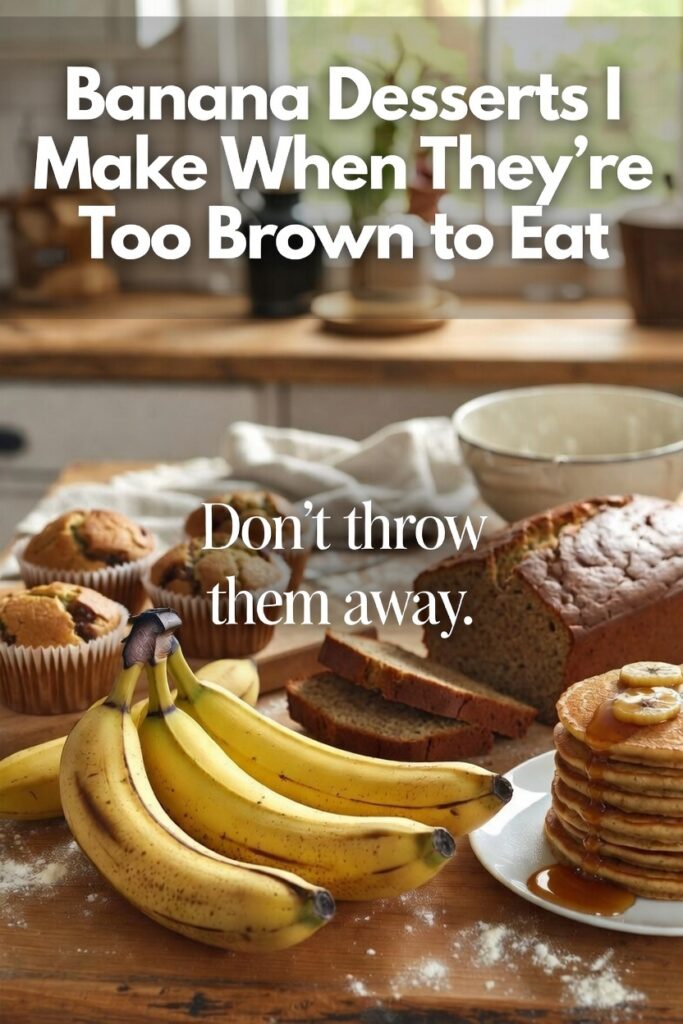
 

I don’t know how bananas move from “perfect” to “absolutely not” in about six hours — but they do. One day they’re yellow and cheerful. Next morning they look like they’ve seen things.

For a long time I threw those away. Which now feels slightly tragic, because overripe bananas are basically pre-made dessert sweetener with a built-in flavor boost.

These days, when my bananas go too brown to slice and eat normally, I don’t see failure. I see dessert options.

Not fancy bakery projects. Real kitchen desserts. The kind you make in an old bowl with a fork that bends a little.

Some of these came from good planning. Most came from me refusing to waste food on a tired evening.

Here’s what I actually make — repeatedly — when the bananas cross that line.

First — The Brown Banana Rule I Learned the Hard Way

If the banana smells fermented, it’s gone. No heroics.

But if it’s:

very spotted

soft

dark yellow to brown

sweet-smelling

It’s dessert-ready.

In fact, the uglier ones often make better banana desserts because you need less added sugar. They’re already halfway to caramel in spirit.

I used to ignore that and dump sugar in anyway. Results were… loud. Now I taste the mash first.

My Default Rescue: One-Bowl Banana Snack Cake

This is the thing I make most often because it’s hard to mess up and easy to scale.

Two or three very ripe bananas. Mashed roughly — not perfectly smooth. I like a few small lumps.

Add:

egg

oil or melted butter

brown sugar (not much — the bananas carry a lot)

flour

pinch of salt

cinnamon

baking powder

Stir like you’re not trying to impress anyone. Pour into a small pan.

It bakes into a soft, slightly dense cake that sits somewhere between banana bread and dessert. I rarely frost it. Sometimes I dust powdered sugar. Sometimes I don’t bother.

Best eaten slightly warm, standing at the counter the first time. That’s tradition now.

The 10-Minute Banana Pan Dessert

This one happened by accident when I didn’t want to turn the oven on.

Slice overripe bananas into a pan with a little butter. Cook them slowly. They soften, darken, and go glossy.

Add cinnamon and a small spoon of sugar. Let it bubble a bit.

Spoon over:

toast

pancakes

yogurt

vanilla ice cream

leftover cake (yes, really)

It tastes like the inside of a pie without making a pie. Which is my favorite category of dessert.

 Banana Oat Cookies (The Lazy Batch Version)

Not the fitness-cookie kind. The actually-good kind.

Mashed banana + oats + peanut butter + salt + chocolate chips.

That’s the base. Sometimes I add vanilla. Sometimes chopped nuts. Depends what’s open.

Drop rough mounds on a tray and bake.

They come out soft and chewy — not crisp — and they keep well. Good for late-night dessert without committing to cake.

Important: salt matters here. Without salt they taste flat and oddly serious.

Brown Banana Mug Cake (My Emergency Dessert)

This is for when:

the bananas are dying —

I want dessert

energy level is near zero

Mash half a banana in a mug. Add flour, sugar, cocoa, oil, pinch salt, splash milk. Stir badly. Microwave.

It comes out uneven. One side higher than the other. I consider that part of the charm.

Sometimes I push chocolate chips into the center before cooking so there’s a melted pocket. That was a good discovery day.

Freezer Banana Ice Cream — But Fixed

Everyone talks about frozen banana “nice cream.” Most versions taste like cold banana paste. Let’s be honest.

Here’s how I make it actually dessert-like:

Freeze banana slices. Blend with:

peanut butter or almond butter

cocoa powder or vanilla

pinch salt

tiny drizzle honey

The fat + salt change everything. Texture improves too.

Still banana-forward — but now it feels intentional, not like a substitute assignment.

Best eaten right away. It does not age gracefully.

Banana Bread — But Smaller and Better

Full banana bread loaves are dangerous because they linger.

I make mine in:

loaf halves

mini pans

muffin tins

Same batter, smaller formats. Faster bake. Built-in portions.

I also swirl something into the batter now — peanut butter, Nutella, cinnamon sugar — instead of keeping it plain. Plain banana bread gets ignored after day two. Swirled banana bread disappears.

The Banana Crumble Bowl

This is my “I want dessert but not baking” move.

Mashed banana in a small baking dish. Sprinkle oats, brown sugar, butter, cinnamon, salt on top. Bake until bubbling.

It becomes a soft-bottom, crisp-top dessert bowl.

Eat warm with a spoon. Add cream or yogurt if you want. Or not.

Feels bigger than the effort involved, which is my favorite ratio.

Banana Pancake Dessert Stack

Leftover pancakes + brown bananas = dessert stack.

Warm pancakes. Add mashed banana mixed with honey and cinnamon. Layer. Add nuts or chocolate chips.

Cut like cake. Eat with a fork.

It sounds silly. It works every time.

 When I Add Chocolate — and When I Don’t

Banana + chocolate is popular, but I don’t always use it.

Chocolate makes banana desserts richer but also heavier. If it’s late at night, I sometimes skip it and go cinnamon-forward instead.

Daytime banana desserts → chocolate okay

Late banana desserts → spice better

I didn’t plan this rule. It formed itself.

The Texture Choice That Changed My Results

I stopped over-mashing bananas.

Slight texture — tiny soft bits — makes desserts feel more natural and less processed. Smooth banana batter tastes more uniform but also more forgettable.

Rustic wins here.

Also — fork mash beats blender mash for most banana desserts. Less cleanup, better texture.

My Brown Banana Storage Habit Now

I freeze peeled bananas when they cross the line.

Not neatly. Just peeled and thrown into a container. Future me never complains about past me doing this.

Frozen bananas are perfect for:

smoothies

banana ice cream

blended batters

quick breads

Zero waste, instant dessert base.

The Smell Factor Nobody Mentions

Overripe bananas smell stronger when baked — in a good way.

Banana desserts make the kitchen smell warm and sweet fast. Faster than cookies, honestly.

That smell alone increases how satisfying the dessert feels. Which probably explains why I make them so often when I’m tired.

Scent counts as an ingredient. I stand by that.

 When Banana Desserts Fail (Because It Happens)

Let me save you a few mistakes I made repeatedly:

Too many bananas → wet, heavy center

Too little salt → dull sweetness

Too hot oven → burned outside, raw middle

No spice → flat flavor

Too much sugar → sticky texture

Balance matters more with banana desserts because the fruit brings both sugar and moisture already.

Why I Like Banana Desserts More Than I Expected

They’re forgiving.

They don’t demand precision. They don’t collapse dramatically if you eyeball measurements. They accept substitutions without attitude.

Also — they make me feel resourceful instead of wasteful. That adds a small, quiet satisfaction layer I didn’t expect to care about — but I do.

FAQ — Brown Banana Dessert Questions

How brown is too brown for banana desserts?

If it smells alcoholic or sour, toss it. Dark and soft is good. Bad smell is not.

Can I reduce sugar in banana desserts?

Yes — often by a lot. Taste the mash first. Very ripe bananas are already sweet.

Do frozen bananas work the same?   

For blended or baked desserts, yes. For sliced uses, not really — texture changes.

Best spice with banana besides cinnamon?

Nutmeg and cardamom both work surprisingly well. Use lightly.

Can I make banana desserts without eggs?

Usually yes — banana itself helps bind. Texture will be slightly softer.

Do banana desserts keep well?

Most keep 3–4 days covered. Banana breads and cakes freeze well too.
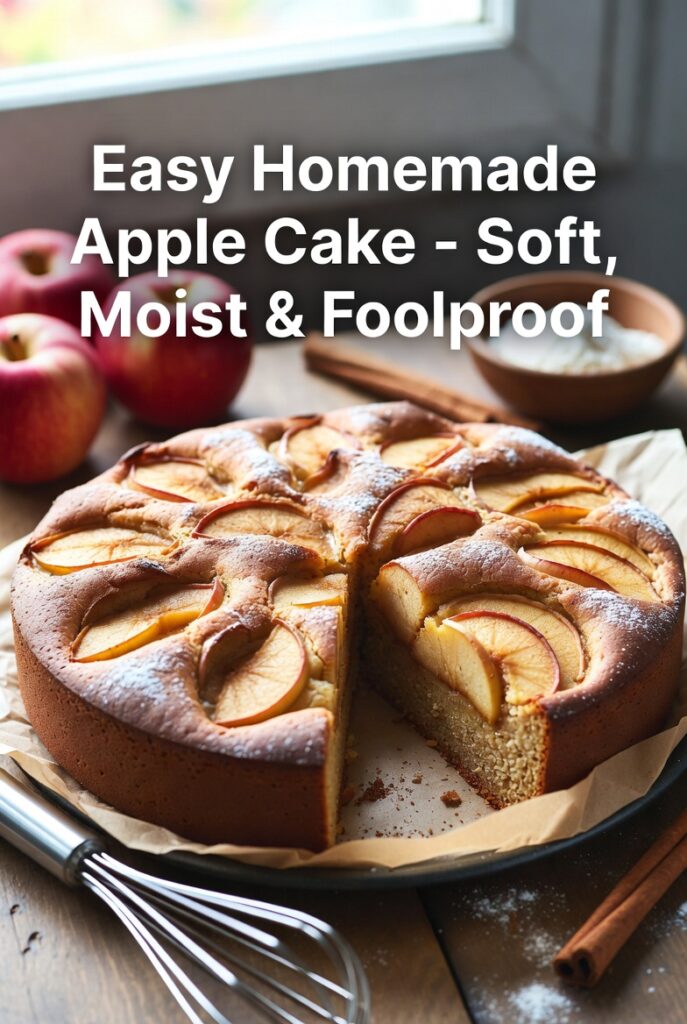
Apple Cake You Would Love to Bake at Home

Apple Cake You Would Love to Bake at Home–the delicious bites you would never forget!


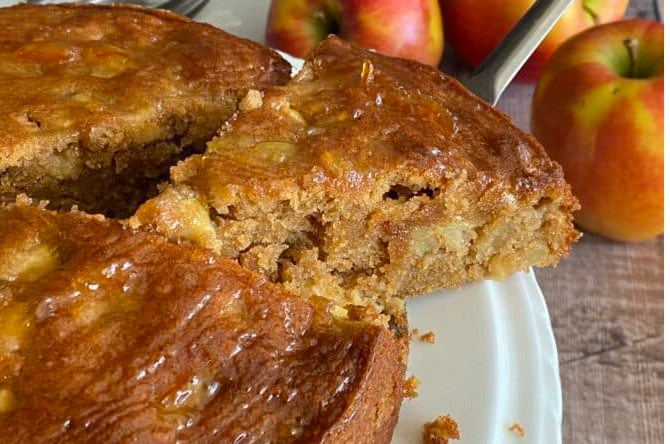
Let us talk about Apple cake you would love to bake at home! Okay, let me start by saying, there’s just something about it. Not the kind from a fancy bakery, all shiny and perfect, no. I mean the kind you bake at home, maybe a little batter dripped on the counter, the smell of baked apples filling the kitchen, making you sneak a tiny bite before it’s even cooled. That kind. That’s the one I love.

I’ve baked a lot of apple cakes over the years. Some were dry. Some too sweet. Some were basically bread with apples glued in. And then a few were really good — soft, tender, and moist, with apples that actually shine through. I think I’ve finally landed on a version that works almost every time. Mostly. Sometimes I tweak things depending on the apples I have, or how lazy I feel, or whether I want a little extra cinnamon in there.

Apples — Or How Not to Mess Up

First things first, starting with apples. I usually grab two kinds — tart Granny Smith, sometimes Honeycrisp if I feel fancy. Honestly, you can use whatever’s in your fridge. Just don’t pick the mushy ones… they make the cake too wet. I’ve done it before. Disaster. Dense, heavy, slightly soggy… not fun.

Peel or not? I used to peel everything. Now, sometimes I leave the skins on. Rustic, yes, but kind of pretty and adds texture. Tiny bits left behind? Fine. Cake’s still good. Humans mess up. Cake doesn’t care. I once had a tiny piece of peel sneak into the batter… and honestly, I didn’t notice until the first bite. Didn’t ruin it. Maybe added a little character.

I also like to think about the apple’s smell. Sweet, bright, slightly tangy. Smell them before you cut them. Seriously, it makes a difference in how excited you get to bake. I sometimes just sniff them for a minute… maybe that’s weird, but whatever.

Butter, Sugar, and My Little Debates

Butter, salted. Always. Oil is okay, but butter feels cozy. Brown sugar mostly, sometimes half white if I’m feeling experimental. Makes the flavor warmer, deeper… like the apples themselves.

I sometimes argue with myself about sugar. Should I use a little less? More? Sometimes I taste the batter before baking — yes, raw, don’t judge — to see if it’s sweet enough. Once I added a little extra cinnamon sugar on top at the last minute… that was a happy accident.

Creaming — Or Me Being Impatient

Mix butter and sugar until it’s light, fluffy… kind of airy. Scrape the bowl once or twice. Sometimes I don’t, and it’s… okay. But it’s better if you do. Five minutes seems forever, yes, but trust me, it makes a difference.

Sometimes I get impatient. I start mixing too fast, thinking, “meh, it’ll work.” Usually it does, but that fluffiness really does help the cake rise a bit better. And honestly, scraping the bowl feels like a mini victory in the middle of baking chaos.

Eggs — Slowly, Don’t Panic

Add eggs one at a time. Some people toss them in all at once. I’ve tried it. Works sometimes, sometimes not. Room temp eggs blend smoother, but cold eggs? Fine, just mix a bit longer. I debate this every time, honestly. Probably doesn’t matter, but I like to think it does.

And sometimes I get distracted mid-beat. Look at my phone, check the oven (even though it’s not on yet), glance at the counter… then realize I haven’t added the last egg. Humans, right? Cake forgives.

Flour, Spices, and Folding

Flour, baking powder, pinch of salt… sift if you want, skip if lazy. Fold gently. Don’t overthink. Overmixing = tough cake.

Spices — cinnamon, maybe a touch of nutmeg. Sometimes I even add a hint of cloves if I’m feeling bold. Apples are the star; spices are the backup singers. I sometimes sprinkle a bit more on top before baking. Gives little bursts of warmth in each bite.

Apples Meet Batter — The Fun (or Messy) Part

Cube, slice, or grate the apples. Cubes = soft bites, slices = texture, grated = moist. Toss them in with a pinch of cinnamon or sugar sometimes… sometimes not. Mood-dependent. Fold them in… gently, or sort of gently. I’ve overmixed before. Cake still tasted fine.

Sometimes I get distracted here too. I start tasting a piece of apple, then realize I haven’t added half the flour yet. Whoops. Still works. Kitchen chaos is part of the process.

Baking — The Waiting Game

Butter the pan. Maybe line with parchment. Oven at 175°C (350°F), middle rack. Smaller cake? Peek at 25 minutes. Loaf? 40–45. Poke with a skewer… wet batter = bad. Crumbs sticking = good.

I pace. Peek too often. Knock on the oven… like that helps. Smell fills the kitchen — butter, apples, sugar… half the fun is just standing there, imagining everyone fighting for the first slice. Sometimes I even do a little dance, celebrating in advance. Don’t judge.

Cooling and Toppings

Cool 10–15 minutes, then wire rack. Don’t slice yet… patience.

Topping? Optional. Powdered sugar, glaze, cinnamon sugar, apple slices… sometimes I do it, sometimes I don’t. Depends if I’m feeling fancy. Honestly, both ways work. I once added thin apple slices on top and they caramelized beautifully… looked fancy, tasted even better.

Serving and Storage

Room temp is fine. Actually, sometimes it tastes better the next day — flavors meld, cake softens a bit. Leftovers? Wrap, freeze, thaw overnight. Warm lightly if you want. You might eat half before it even makes it to storage… not that I’d do that.

I sometimes cut tiny slices and eat them with tea while the cake is still slightly warm. Pure bliss.

Mistakes I’ve Made

Dense cake = overmixing, old baking powder

Soggy bottom = didn’t grease pan well

Too sweet / bland = wrong apple choice, mix tart + sweet

Spices overpowering = less cinnamon next time

Honestly, baking is forgiving. Mistakes happen. Cake still tastes amazing.

Optional Variations

Sometimes I add walnuts, sometimes raisins. Occasionally a swirl of caramel or a drizzle of honey. Sometimes I skip everything extra. Depends on mood, honestly. It’s nice to experiment a little, see what works, and sometimes fail spectacularly… but cake is forgiving.

Why This Cake Feels Like Home

There’s a little ritual here — peeling, chopping, scraping bowls, pacing, tasting batter too often. First slice, uneven edges, maybe a little caramelized apple sticking out… perfect, because it’s yours. Not perfect, but real. Warm, cozy, forgiving.

You don’t need perfect layers, frosting, or presentation. Just butter, apples, sugar, patience… and maybe a little extra taste-testing along the way. Definitely a little extra taste-testing.

So, if you want an apple cake you’ll actually love baking at home… this is it. Slightly messy, forgiving, delicious… really just a little slice of happiness in every bite.

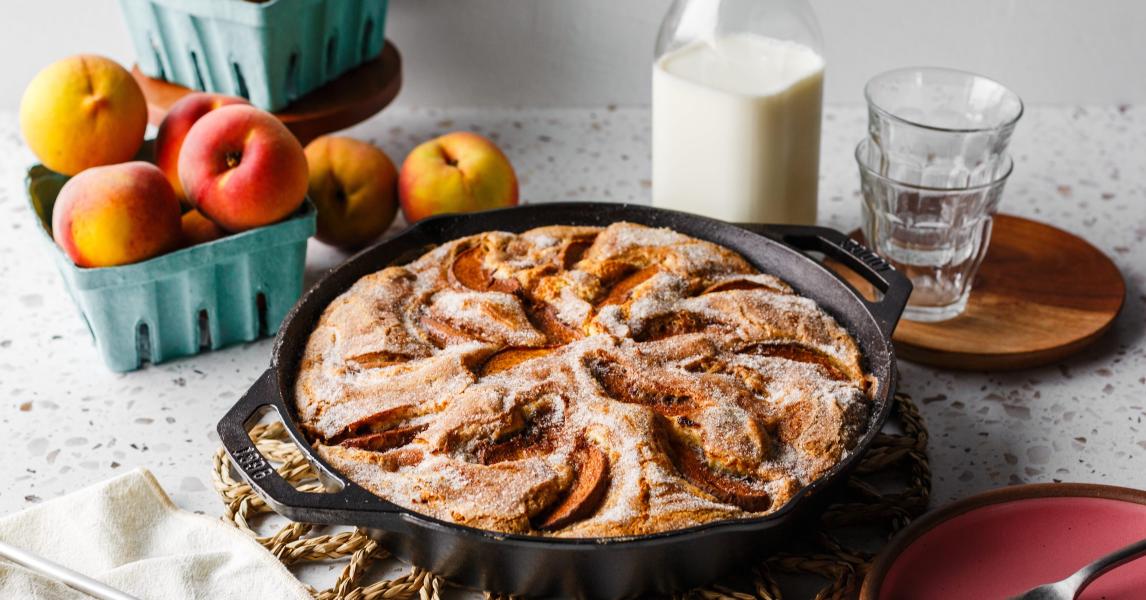
Skillet Peach Cake: It smells like late afternoon Summer! 

Skillet Peach cake--Top summer Delight

Skillet Peach cake: The way it is created in the kitchen

Alright. Let us talk about skillet peach cake.

This one feels different already.

Peaches don’t behave like apples. They collapse faster. They go from firm to almost syrupy in what feels like ten minutes. And when you cook them in a skillet, something happens at the bottom — the sugars caramelize just enough to make you feel like you did something clever, even if you didn’t.

Skillet peach cake is not dramatic. It’s soft. It leans slightly rustic. It smells like late afternoon in summer when the light turns warmer and everything feels slower.

And I’ve made it enough times now to know exactly where it can go wrong.

So let’s do this properly. Slightly messy. Still readable. The way it actually happens in my kitchen.

Skillet Peach Cake (The Soft Summer One That Never Lasts Long)

I don’t wait for perfectly firm peaches for this.

In fact, I prefer the ones that are almost too soft. The ones you bought with good intentions and then forgot about for two days. Those are ideal.

If they’re rock hard, they don’t melt into the cake. If they’re too far gone, you’ll know. There’s a line. You learn it.

I slice them thick. Not paper thin. I like visible fruit in cake.

Sometimes I peel them. Sometimes I don’t. The skin softens during cooking. If it bothers you, peel. If not, leave it. I’ve done both. No complaints either way.

First: The Peach Base

Before batter even enters the picture, I warm the skillet.

About 325°F. Not higher.

Add a small knob of butter. Let it melt slowly, not brown aggressively. Sprinkle a little brown sugar directly into the skillet — maybe two or three spoonfuls. Not measured precisely. Just enough to coat the bottom lightly.

Then the peach slices go in.

They sizzle quietly. Not loudly. If they’re loud, your heat is too high.

I let them cook for maybe five minutes. They release juice. The sugar melts into syrup. The peaches soften slightly but still hold shape.

At this point, your kitchen smells like caramel and fruit. It’s distracting.

Turn the heat down just a little before adding the batter. This helps prevent over-browning underneath.

The Batter (Simple and Soft)

I keep this cake base straightforward.

Butter and sugar creamed together. Not whipped into oblivion. Just lightened.

One or two eggs, depending on size.

A splash of vanilla.

Flour. Baking powder. Salt.

And a little milk to loosen everything.

The batter should be thick but spoonable. Not runny. Not stiff like cookie dough. Somewhere in between. If it feels too tight, I add a tablespoon of milk. If it’s too loose, a spoon of flour.

I don’t overmix. Once the flour disappears, I stop. Overmixed peach cake becomes slightly rubbery, and that’s disappointing.

Pouring Over Peaches (Trust the Process)

Spoon the batter gently over the warm peaches.

It will look uneven. That’s normal. I use the back of the spoon to nudge it toward the edges. Some peaches will peek through. Leave them.

Put the lid on.

This is where skillet baking feels different from oven baking. The heat comes from below and around the sides, so the bottom caramelizes first. The top cooks more gently under the lid.

After about 12–15 minutes, I crack the lid slightly so steam escapes. Otherwise the top stays too pale.

Total cook time? Usually around 25–35 minutes.

I check by gently pressing the center. It should spring back. Or insert a knife — it should come out mostly clean. A few moist crumbs are fine.

If the bottom smells too deeply caramelized, lower the heat immediately and give the top more time. Electric skillets can run hot without warning.

Mine does. I don’t fully trust it.

The Flip (Optional, Slightly Dramatic)

Sometimes I flip the cake onto a plate so the peaches end up on top like a rustic upside-down cake.

Sometimes I don’t.

If you flip, let it cool for at least 10 minutes first. Loosen the edges with a spatula. Place a large plate over the skillet. Take a breath. Flip confidently.

If a peach sticks, just press it back on top. No one needs to know.

If you don’t flip, just serve straight from the skillet. Spoon it warm. It’s less theatrical but equally good.

Texture Notes (Because This Matters)

The bottom should be slightly caramelized but not hard.

The cake should be soft and tender, not dense.

The peaches should feel almost jammy but still identifiable as slices.

If the cake feels dry, you probably overcooked it. Lower heat next time and check earlier.

If the center sinks slightly after cooling, it might have needed a few more minutes — but honestly, warm cake with ice cream hides small flaws.

What Makes This Different From Oven Peach Cake

The skillet gives you deeper caramelization underneath.

It also keeps the cake slightly more moist because of the trapped heat under the lid.

And — this matters in summer — you don’t have to heat the entire kitchen.

Peach season already comes with warm weather. Turning on a full oven feels aggressive.

The skillet feels manageable.

Small Variations I’ve Tried

A pinch of cinnamon in the batter.

A splash of almond extract instead of vanilla.

A handful of raspberries scattered among the peaches.

Coarse sugar sprinkled on top before cooking for slight crunch.

All worked. None required.

Peach and butter do most of the heavy lifting here.

When I Make This

Late afternoon. When peaches are soft and the light is golden.

It feels like a dessert that doesn’t demand a celebration but quietly becomes one.

Serve it warm. With vanilla ice cream if you have it. Or just as it is.

There’s something about the softness of peach cake that makes people go quiet for a moment while eating.

Then someone always asks for another slice.

And that’s usually the end of it.

10 Quick Dessert Recipes With Pantry Ingredients

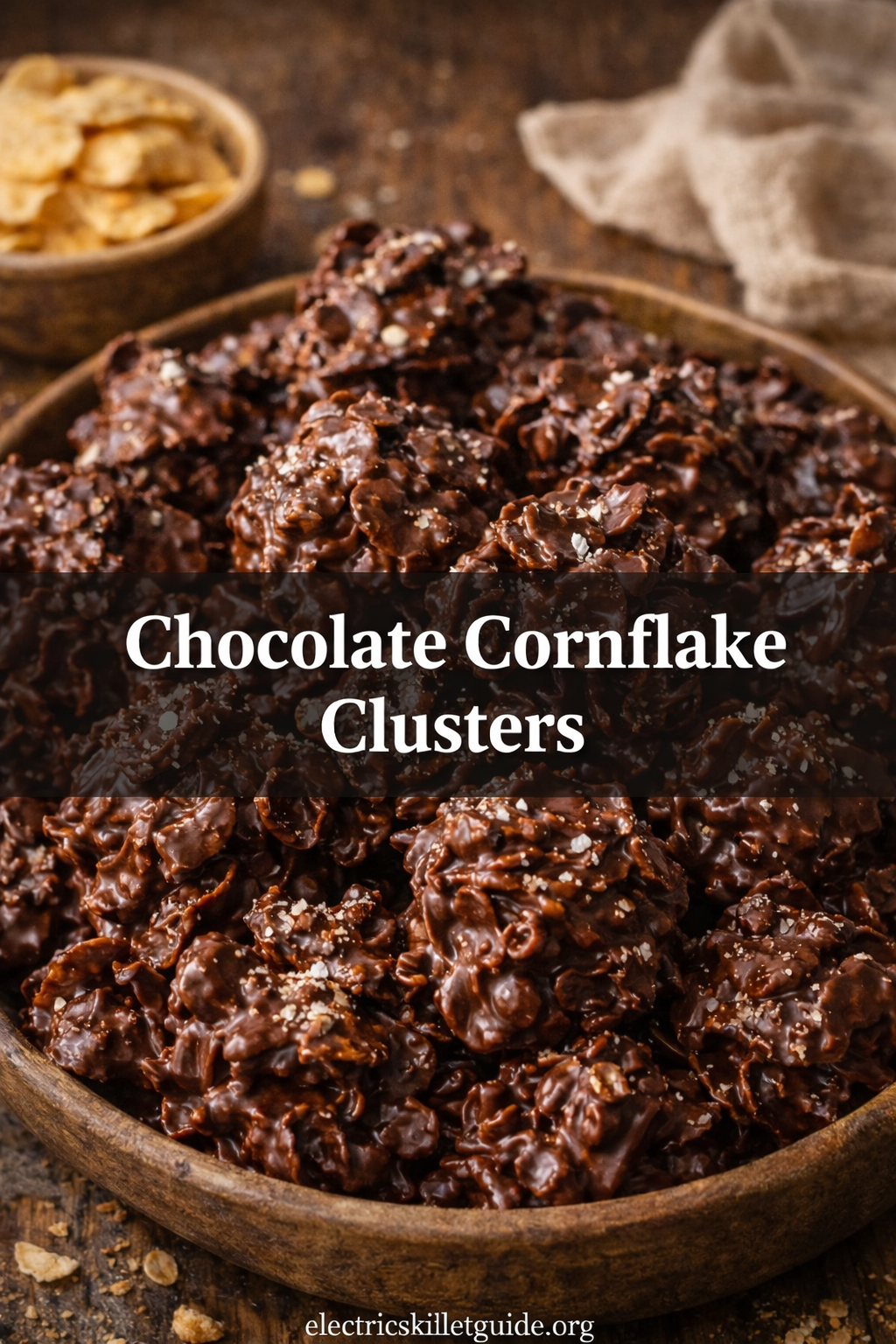
chocolate cornflake clusters

10 Quick Dessert Recipes With Pantry Ingredients (When the Good Stuff Is Already in the Cupboard)

Are you looking for 10 quick Dessert recipes with pantry ingredients? There’s a certain kind of confidence that comes from making dessert without going to the store. Not the chef kind — the survival kind.

These are the days when the weather is wrong, the clock is loud, or guests are “almost there,” and all you have is a cupboard with oats, cocoa, sugar, a half packet of biscuits, and something that might be peanut butter if you stir it enough.

Most of my dependable sweets came from exactly that situation — quick dessert recipes with pantry ingredients — built from what was already there, not what a recipe demanded.

No dramatic techniques. No specialty items. Just bowls, spoons, and practical decisions made in real time.

Let’s open the cupboard and see what actually works.

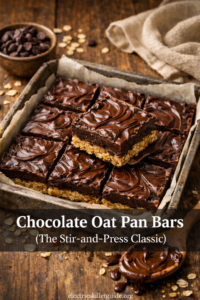
1. Chocolate Oat Pan Bars (The Stir-and-Press Classic)

This one starts in a saucepan and ends in the fridge.

Butter, sugar, cocoa, a splash of milk — heat until glossy. Add oats and stir until it thickens into something that feels halfway between porridge and fudge. First time I made it, I thought I’d gone too far. Turns out that thickness is the structure.

Press into a tray. Chill. Cut.

They come out slightly chewy, slightly fudgy, never perfectly straight-edged. Excellent pantry staple dessert bars because oats and cocoa are almost always around.

Cut small. They’re richer than they look.

2️⃣ Biscuit Truffle Bites (No Oven, No Drama)

Crushed biscuits + condensed milk + cocoa. Mix, roll, coat.

The mixture usually feels too crumbly for the first 30 seconds and then suddenly turns workable. I don’t question it anymore — I just keep mixing.

Roll in:

  • coconut
  • powdered sugar
  • cocoa

They look like you planned them. You didn’t. That’s fine.

Reliable no bake desserts from pantry ingredients with almost zero measuring precision required.

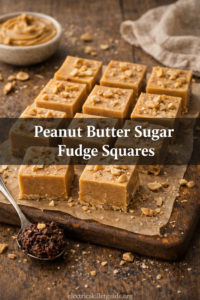
3️⃣ Peanut Butter Sugar Fudge Squares


Peanut butter and powdered sugar are a dangerous combination — they set fast and disappear faster.

Warm peanut butter slightly so it loosens. Stir in powdered sugar until thick. Press into a lined container. Chill and slice.

The first time I skipped lining the container and had to excavate it with a spoon. Now I line everything. Learned behavior.

Texture: soft fudge, slightly sandy, deeply satisfying. A true 2-ingredient pantry dessert if you ignore the salt pinch I always add.

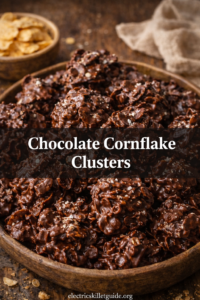
4️⃣ Chocolate Cornflake Clusters

Melt chocolate. Stir in cornflakes. Spoon onto tray.

That’s the full blueprint.

The only real decision is ratio. Too much chocolate = heavy lumps. Enough flakes = crunchy, jagged clusters that look bakery-made.

The sound when you stir is half the pleasure — crackle and scrape.

Perfect quick chocolate desserts with pantry ingredients because cereal keeps forever and chocolate usually hides somewhere in the house.

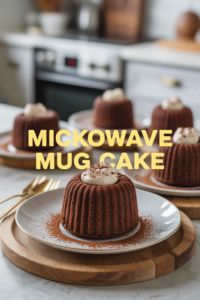
5️⃣ Microwave Cocoa Mug Cake

This is the dessert equivalent of a quick note instead of a letter.

Flour, sugar, cocoa, baking powder, milk, oil — stirred directly in a mug. Microwave just until set. Not fully firm — that leads to dryness. I stop when the top looks barely done.

Every microwave lies slightly. Yours will too. Watch, don’t trust the seconds.

Best served warm with:

  • sugar dusting
  • chocolate chips
  • a spoon of peanut butter melting on top

A dependable 5 minute pantry dessert recipe for one or two people without plates or planning.

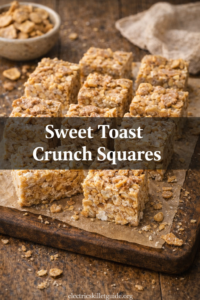
6️⃣ Sweet Toast Crunch Squares

This one surprised me the first time it worked.

Toast bread. Butter it. Sprinkle sugar and cinnamon. Cut into squares.

Optional upgrade: quick chocolate drizzle.

It eats like a shortcut churro-toast hybrid. Crisp edges, soft middle. Good last-minute dessert from pantry staples when bread is the only obvious base.

Serve warm. Always better warm.

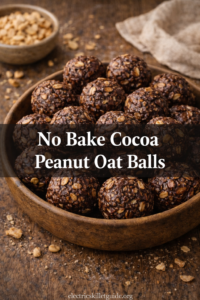
7️⃣ No Bake Cocoa Peanut Oat Balls


Oats + peanut butter + cocoa + honey or sugar syrup. Mix and roll.

If too dry — add a spoon of warm water. If too sticky — more oats. I adjust every single time. It has never been identical twice.

They’re sturdy, portable, and oddly filling. A strong healthy-ish pantry dessert option that doesn’t feel like diet food.

Also — they travel well in paper cups, which I started using after one batch glued itself to a steel plate.

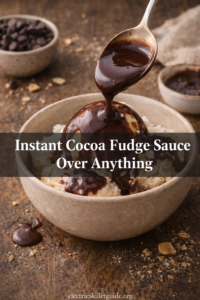
8️⃣ Instant Cocoa Fudge Sauce Over Anything

Cocoa + sugar + water + butter. Boil briefly. Done.

This sauce rescues plain foods:

  • biscuits
  • toast
  • bananas
  • plain cake
  • even plain yogurt

It thickens as it cools — I always forget that and think it failed. It didn’t. It just needed two minutes.

A useful quick pantry dessert sauce when you don’t have time to build something — just upgrade something.

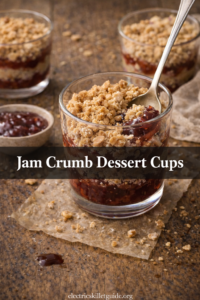
9. Jam Crumb Dessert Cups

️⃣ Crush biscuits. Mix with a little melted butter or peanut butter. Spoon into cups. Add jam on top.

That’s the structure. Chill if possible.

Sweet, crumbly, slightly sticky — like a deconstructed tart that skipped the hard part.

Jam choice changes everything. Sour jams balance better. I learned that after using very sweet mixed fruit jam and needing water afterward.

Great no bake desserts using pantry ingredients that require no cooking at all.

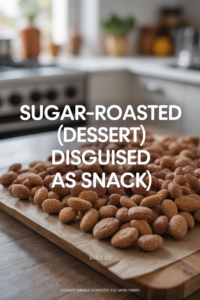
10. Sugar-Roasted Nuts (Dessert Disguised as Snack)

Nuts + sugar + pan heat.

Stir continuously while sugar melts and coats. It clumps, then dries, then turns sandy-crisp around the nuts. The transformation looks wrong midway. Keep going.

I burned one batch because I answered a call. Now I don’t multitask with sugar.

They cool into crunchy, sweet clusters — excellent quick dessert snacks from pantry staples that people keep picking at long after dessert is “over.”

What I’ve Learned About Pantry Desserts (The Non-Theory Version)

Pantry desserts succeed because:

They rely on structure ingredients — oats, sugar, nut butter, chocolate.

They forgive measurement drift.

They scale easily.

They don’t require perfect timing.

They taste familiar and comforting.

Also — they remove the “I should go buy something” delay. Action beats intention when guests are coming.

Most of these started as backup plans. Now they’re repeat recipes.

Casual FAQ — From Real Pantry-Only Attempts

Can pantry desserts really impress guests?

Yes — especially bite-sized ones. Small portions look deliberate.

Most useful pantry dessert staples?

Cocoa powder, oats, biscuits, peanut butter, sugar, condensed milk, cereal.

Best no-oven pantry desserts?

Clusters, truffles, oat bars, peanut butter fudge, jam cups.

Do they store well?

Most keep 3–5 days refrigerated. Nut and oat ones even longer.