Chicken Cabbage Skillet You would Love To Make at Home

I’ll be honest—cabbage wasn’t always my favorite vegetable. Growing up, it had a bit of a reputation in my kitchen: overcooked, slightly sad, and… well, forgettable. But everything changed the day I tossed it into a hot skillet with juicy chicken, garlic, and a few bold spices.
That was the moment when this chicken cabbage skillet recipe became one of my go-to comfort meals. It’s simple, quick, budget-friendly—and surprisingly delicious. The cabbage softens just enough while still keeping a little bite, and the chicken soaks up all those flavors like a sponge.
If you’re looking for something easy that doesn’t taste “basic,” you’re going to love this one. And the best part? It all comes together in one skillet—less mess, more flavor.
Why You’ll Love This Recipe
Let me tell you why this dish keeps showing up in my weekly meal rotation:
- One-pan magic – I only use one skillet, which means fewer dishes (always a win).
- Budget-friendly – Chicken and cabbage are both affordable but filling.
- Quick to make – Dinner is ready in about 30 minutes.
- Healthy-ish without trying too hard – It’s packed with protein and veggies.
- Super customizable – You can tweak spices, add sauces, or throw in extras.
Also, this is one of those meals that tastes even better the next day. I’ve caught myself sneaking leftovers straight from the fridge more than once.
Ingredients
Here’s everything I usually grab before I start cooking:
Main Ingredients:
- 2 cups boneless chicken (cut into bite-sized pieces)
- 3 cups cabbage (thinly sliced)
- 1 medium onion (sliced)
- 3–4 cloves garlic (minced)
- 2 tablespoons oil (any neutral oil works)
Seasonings:
- 1 teaspoon salt (adjust to taste)
- 1 teaspoon black pepper
- 1 teaspoon paprika
- ½ teaspoon turmeric (optional, but I love the color and flavor)
- 1 teaspoon soy sauce (for a subtle umami kick)
Optional Add-ons (highly recommended):
- Chili flakes (if you like heat)
- A squeeze of lemon juice at the end
- Fresh coriander for garnish
Nothing fancy here—just everyday ingredients doing something special together.
Step-by-Step Instructions
This is where the magic happens. I like to keep things simple and relaxed while cooking this.
Step 1: Heat the skillet
I start by heating oil in a large skillet over medium heat. Once it’s warm, I toss in the chicken pieces.
Step 2: Cook the chicken
I let the chicken cook undisturbed for a couple of minutes so it gets a nice golden sear. Then I stir and cook until it’s about 80% done. Don’t overcook it here—it’ll finish later.
Step 3: Add onions and garlic
Next, I add sliced onions and garlic. The smell at this stage? Absolutely amazing. I cook this for 2–3 minutes until the onions soften.
Step 4: Toss in the cabbage
Now comes the cabbage. It might look like a lot at first, but trust me—it shrinks down quickly. I mix everything well so the cabbage gets coated in those chicken juices.
Step 5: Season it up
I sprinkle in salt, pepper, paprika, and turmeric. Then I add a splash of soy sauce. Give everything a good stir.
Step 6: Let it cook down
I cover the skillet and let it cook for about 5–7 minutes. The cabbage softens but still keeps a slight crunch—that’s exactly what we want.
Step 7: Final touch
I uncover, stir everything, and let any extra moisture evaporate. A quick squeeze of lemon juice at the end really lifts the flavor.
And just like that—it’s done.
Cooking Tips
Over time, I’ve picked up a few tricks that make this dish even better:
- Don’t overcook the cabbage – Mushy cabbage is the enemy here. Keep a little crunch.
- Use high heat initially – It helps the chicken get that nice sear.
- Slice cabbage thinly – It cooks faster and blends better with the chicken.
- Season in layers – A little while cooking, a little at the end—it makes a difference.
- Avoid overcrowding the pan – If your skillet is small, cook in batches.
One mistake I made early on? I kept stirring the chicken too much. Let it sit for a bit—that’s how you get those flavorful browned edges.
Substitutions & Variations
One thing I love about this recipe is how flexible it is. You can easily make it your own:
- Swap chicken with paneer or tofu for a vegetarian version
- Add carrots or bell peppers for extra color and sweetness
- Use chili sauce instead of soy sauce for a spicier twist
- Try different spices like cumin or garam masala for a desi touch
- Make it low-carb by skipping any sauces and keeping it clean
Sometimes, I even throw in leftover rice directly into the skillet and turn it into a quick fried rice situation. Not traditional—but definitely delicious.
What to Serve With It
This dish is pretty versatile when it comes to serving:
- Steamed rice (my personal favorite)
- Roti or paratha
- Garlic bread (yes, it works!)
- Or just eat it on its own for a light meal
Honestly, I’ve eaten it straight out of the skillet more times than I’d like to admit.
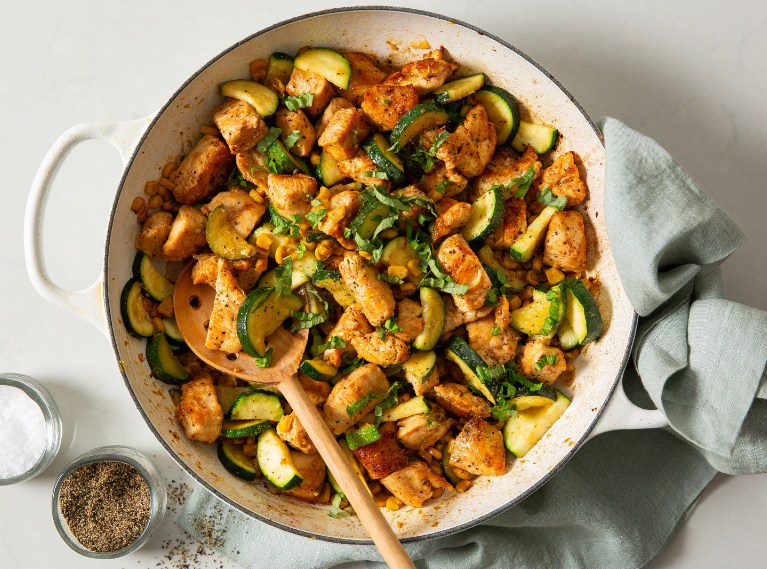
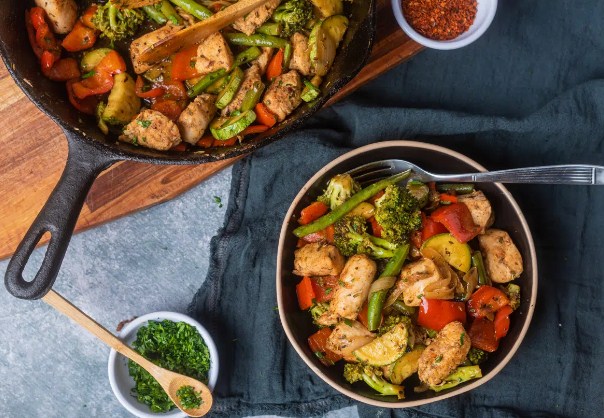
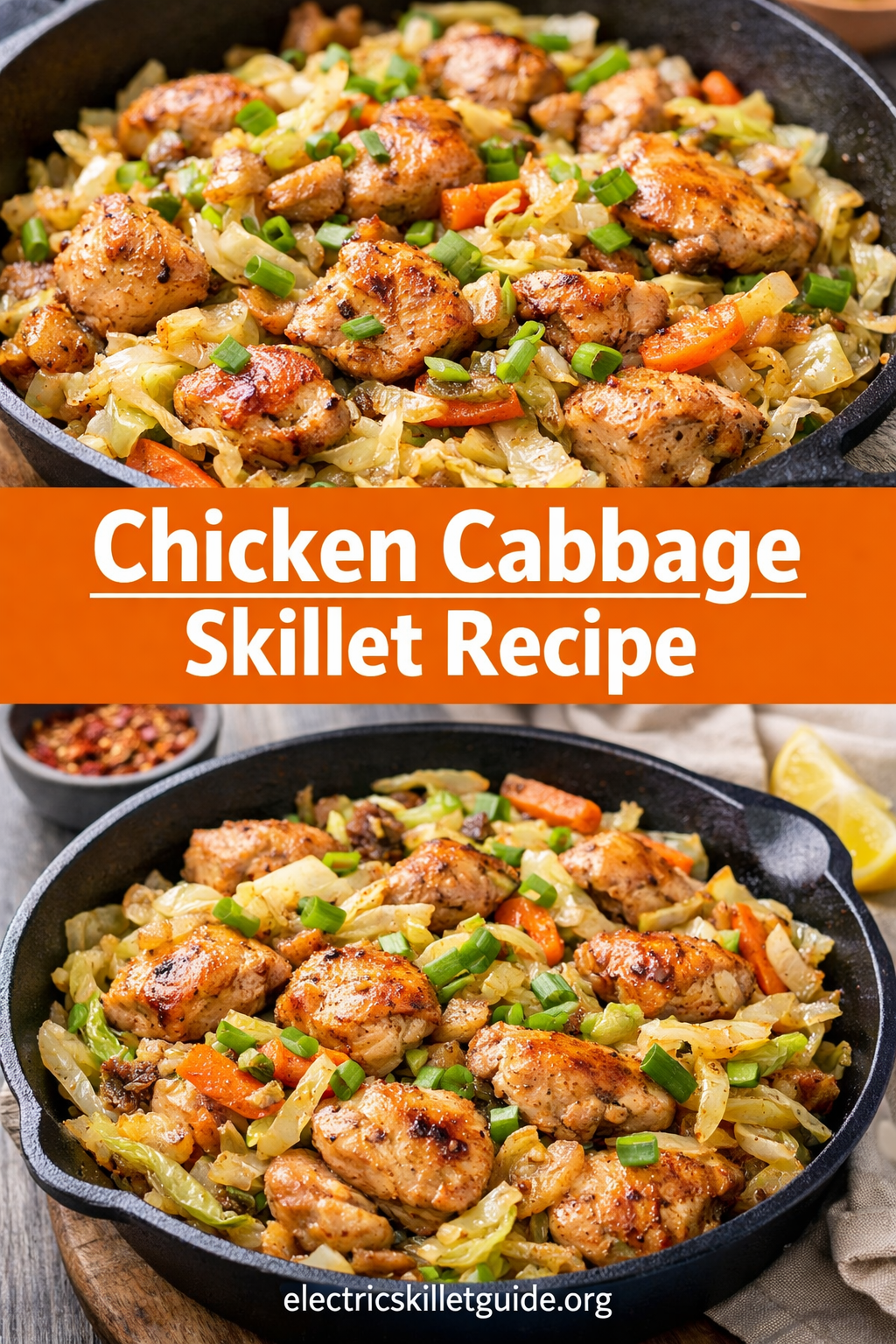
Chicken Cabbage Skillet Recipe
Storage & Reheating
If you somehow end up with leftovers (which doesn’t always happen in my house 😄), this dish stores really well.
How I store it:
- I let the skillet cool completely first.
- Then I transfer everything into an airtight container.
- It stays fresh in the fridge for up to 3 days.
Reheating tips:
- I prefer reheating it in a skillet over medium heat—it brings back that fresh-cooked texture.
- If it feels a little dry, I sprinkle a tiny bit of water and stir.
- Microwave works too, but I usually cover it to keep the moisture in.
Quick note: the cabbage softens more over time, but the flavor actually gets deeper. So leftovers? Still a win.
PINTEREST-FRIENDLY SECTIONS
Why This Works When Others Don’t
I’ve tried a few cabbage-and-chicken recipes before, and many of them turned out either bland or soggy. Not this one—and here’s why:
- High heat at the start gives the chicken real flavor, not that boiled taste
- Minimal water keeps the cabbage from turning mushy
- Simple seasoning done right makes every ingredient shine
- Short cooking time locks in texture and freshness
It’s not about doing something fancy—it’s about doing the simple things correctly.
Small Changes That Made a Big Difference
These tiny tweaks took this dish from “good” to “I need seconds”:
- Adding a splash of soy sauce for that subtle umami kick
- Finishing with lemon juice—seriously, don’t skip this
- Cooking cabbage uncovered at the end to remove excess moisture
- Slicing everything thin and evenly so it cooks perfectly
I didn’t think these small things mattered much at first… until I tried the dish both ways. Huge difference.
If I Were Making This Again Tomorrow
(Which, honestly, I probably will.)
Here’s what I’d do:
- Add a handful of green chilies for extra heat
- Toss in some leftover rice to turn it into a one-pan meal
- Use butter instead of oil for a richer flavor
- Double the batch—because it disappears fast
I’d also make sure I don’t walk away from the skillet. Learned that the hard way once… let’s just say slightly burnt cabbage is not the vibe.
What I Skip When I’m Short on Time
We all have those days when even 30 minutes feels like too much.
Here’s how I speed things up:
- Skip slicing onions—use them roughly chopped
- Use pre-cut cabbage (total time-saver)
- Reduce spices to just salt, pepper, and soy sauce
- Cook everything on slightly higher heat (while keeping an eye on it)
It still turns out delicious—just a little more “rustic,” which I actually don’t mind at all.
FAQ
- Can I use chicken breast instead of thighs?
Absolutely. I use both depending on what I have. Chicken breast is leaner, but thighs are juicier. - How do I keep cabbage from getting soggy?
Avoid adding too much water and don’t overcook it. Also, cooking uncovered at the end helps a lot. - Is this recipe spicy?
Not by default. But you can easily add chili flakes or green chilies if you like heat. - Can I make this ahead of time?
Yes! It stores well and tastes even better the next day. - Can I freeze it?
I wouldn’t recommend it. Cabbage tends to lose its texture after freezing. - What oil works best?
Any neutral oil works fine, but I sometimes use mustard oil for a stronger flavor twist.
Final Thoughts
This chicken cabbage skillet recipe is one of those meals that quietly becomes a favorite before you even realize it. It’s simple, it’s quick, and it uses ingredients you probably already have sitting in your kitchen right now.
What I love most is how it proves that you don’t need a long list of fancy ingredients to make something genuinely satisfying. Just a hot skillet, a little patience, and a willingness to let simple flavors shine.
If you try this once, don’t be surprised if it becomes part of your regular rotation—just like it did for me. And if you end up tweaking it with your own twist, even better. That’s where the real fun begins.
Now excuse me while I go make another batch… because talking about it has made me hungry all over again.