
One-Pan Chicken and Cabbage Skillet
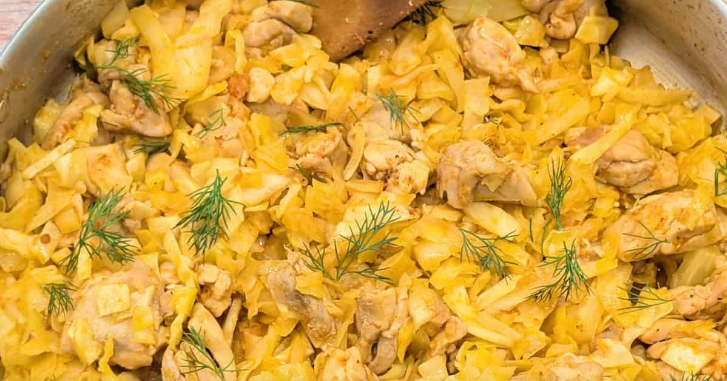
Some dinners happen because you planned them. Others show up because the fridge is quiet and cabbage is still sitting there, looking patient. That’s usually how One-Pan Chicken and Cabbage Skillet enters my evening. I don’t crave it in advance. I make it because it makes sense, and then halfway through cooking, I remember why I keep coming back to it.
It’s warm, it’s filling, and it doesn’t ask much from me. Which, on most weeknights, is exactly the point.
Why this dish works when real life is loud
This is one of those meals that feels humble but does a lot of heavy lifting. One pan. No juggling timers. No sauce that needs babysitting.
Cabbage holds up. It doesn’t collapse the second heat touches it. Chicken does what chicken does. And together, they make something that feels intentional even when it wasn’t.
It’s also forgiving. If the cabbage cooks a little longer, it gets sweeter. If the chicken rests a minute too long, it stays fine. Nothing here is fragile.
How I think about the ingredients (not how a recipe card would)
Chicken comes first. I usually go with thighs. They’re cheaper, more forgiving, and I don’t have to hover. Breasts work, but I’ve dried them out enough times to know I need to pay attention when I use them.
Cabbage is the backbone. Green cabbage most of the time. I’ve used red in a pinch, but it behaves differently and turns everything a little purple. Not bad. Just different.
Onion almost always joins. Garlic usually does too, unless I forgot to buy it and decide it’s not worth a second trip.
Oil, salt, pepper. Sometimes smoked paprika. Sometimes caraway seeds if I’m feeling nostalgic. Sometimes nothing extra at all.
That’s the beauty of this dish. It doesn’t demand a lot of explanation.
Prepping without overthinking
I slice the cabbage into thick strips. Not shredded. I want bite, not slaw. Uneven pieces are fine. They cook at different speeds, which I actually like.
Chicken gets patted dry and seasoned. I don’t marinate. I used to, thinking it would add flavor, but honestly, the skillet does more than a marinade ever did.
Everything sits close by. That’s the extent of my prep.
Cooking the chicken first (always)
Skillet on medium-high heat. Oil in. When it shimmers, chicken goes down.
Then I stop touching it.
This took time to learn. If you move chicken too early, it sticks and you get annoyed. When it’s ready, it releases. That’s the signal.
I brown it well on both sides but don’t cook it through. That comes later. Once it’s got color, I pull it out and let it wait.
The pan looks messy at this point. That’s good.
The cabbage stage (where patience helps)
Same pan. Lower the heat just a touch.
Onion goes in first. It picks up all the bits the chicken left behind. A little salt helps it soften.
Then the cabbage. It looks like too much. It always does. I resist the urge to stir constantly. Letting it sit gives it color. Color gives flavor.
I stir occasionally. Some pieces brown. Some steam. I don’t fight it.
Garlic goes in near the end. I’ve burned it before by being impatient. I don’t repeat that mistake anymore.
Bringing it together without fuss
Chicken goes back into the pan. Any juices too.
I lower the heat and let everything mingle. Sometimes I add a splash of water or stock if the pan feels dry. Not always.
I cover it for a few minutes. Steam finishes the chicken and softens the cabbage just enough.
I taste. Adjust salt. Maybe pepper. Sometimes that’s all it needs.
This is usually the moment where I realize I’m hungry and should’ve started rice or bread earlier. Sometimes I don’t bother.
What I’ve learned by messing this up
I used to slice the cabbage too thin. It turned limp and sad. Thicker cuts fixed that.
I also once overcrowded the pan thinking “it’ll cook down.” It did, but it steamed instead of browned. Now I use a bigger skillet or cook in batches.
And I learned that too much seasoning early makes the cabbage release water too fast. Salt later works better.
Variations that don’t feel forced
If I want it spicier, I add red pepper flakes at the end. Not earlier.
For a low-carb winter meal, I keep it exactly as is. It doesn’t need rice or potatoes to feel complete.
Sometimes I add a splash of apple cider vinegar right before serving. It wakes everything up. Sometimes I forget, and it’s still good.
I’ve added sausage alongside the chicken once. It worked, but it changed the dish. Heavier. Louder.
Nutrition, without pretending it’s a science project
This is protein and vegetables. That’s the core.
It’s filling without being heavy. I don’t feel sluggish afterward. I also don’t feel like I need dessert immediately, which says something.
I’m not counting anything here. I just know it works for how I eat most days.
Leftovers and reheating (honest version)
Leftovers keep for two days easily. Three, sometimes.
The cabbage softens more overnight. The flavor deepens. I reheat it in a skillet if I can. Microwave works, but stir halfway so it heats evenly.
Freezing is possible, but the texture changes. I don’t love it. I only freeze it if I really have to.
Common questions I actually get
Can I use chicken breasts?
Yes. Just don’t walk away.
Does red cabbage work?
It does, but expect a different look and slightly different taste.
Do I need onion?
No, but it helps.
Is this good for meal prep?
Yes. It holds up better than most skillet meals.
Can I add carrots?
You can. Slice them thin so they cook in time.
What pan works best?
Heavy skillet. Cast iron or stainless.
Is it bland?
Only if you forget to season. Taste as you go.
Can I double it?
Yes, but use a bigger pan.
Final thoughts
I keep making One-Pan Chicken and Cabbage Skillet because it fits the way I cook on ordinary days. It’s not flashy. It doesn’t try to impress. It just works.
It’s the kind of dinner that doesn’t need instructions once you’ve made it once. And honestly, those are the recipes that last the longest in my kitchen.
If this one ends up in your regular rotation, that wouldn’t surprise me at all.