Oven Temperatures for Thin Chicken Breast
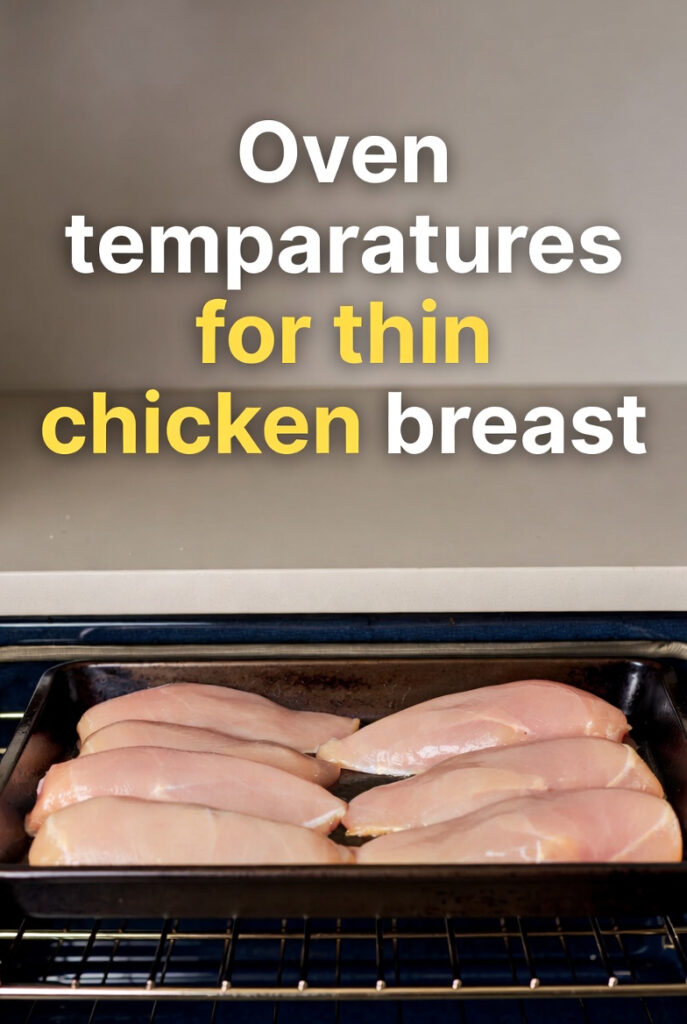
I burned through about a dozen chicken breasts last month trying to figure this out. Not because I’m some kind of cooking scientist, but because I kept getting it wrong. One night it was rubbery. The next it was dried out like something you’d find in a hotel buffet at 3pm. I needed to find the best temperature to bake thin chicken breast that actually worked on a Tuesday night when I was already tired.
Turns out, temperature matters way more than I thought. And not just one magic number either.
Why Thin Chicken Breast Is Worth Getting Right
I used to avoid thin chicken breasts completely. They seemed too delicate, too easy to mess up. Then I realized they cook in like half the time of those thick cuts, which means dinner happens faster. That matters when you’re standing in the kitchen at 6:30pm wondering why you didn’t just order takeout.
They also take on marinades better because there’s more surface area. And if you’re trying to eat more protein without feeling like you’re chewing through a baseball, thin cuts just work better. The problem is that small margin for error. Five minutes too long and you’ve got chicken jerky.
The 15 Temperature Options I Actually Tested
I didn’t plan to test fifteen different temperatures. It just kind of happened over a few weeks of making chicken three or four times a week. Some worked great. Some were disasters. Here’s what I found.
- 350°F – The Safe Bet
This is where I started because it felt middle-of-the-road. It works, but it takes about 20-25 minutes for thin breasts, and by the time they hit 165°F internally, they’re starting to dry out on the edges. Not terrible, but not great either.
The outside doesn’t get any color unless you flip halfway through. I stopped using this temperature after the third try.
- 375°F – A Little Better
This one’s faster, around 18-20 minutes. The texture improved slightly, and I got a bit of browning without having to flip. But I still felt like I was babysitting it. If I got distracted and left it in for 22 minutes instead of 18, it was overcooked.
- 400°F – Where Things Got Interesting
Now we’re talking. At 400°F, thin chicken breasts cook in about 15-18 minutes depending on thickness. The outside gets a little golden, the inside stays moist if you pull it at exactly 165°F, and you don’t feel like you’re waiting around forever.
This became my weeknight default for a while. I’d toss them in with whatever marinade I had, set a timer, and usually get it right.
- 425°F – My Current Favorite
This is the temperature I use most often now. It takes 12-15 minutes, the chicken gets actual color on top, and the texture is just better. I don’t know if it’s because the outside firms up faster so the inside doesn’t overcook, but it works.
I did mess it up the first time. I left it in for 17 minutes and it was tough. But once I figured out the timing, this became the go-to.
- 450°F – Fast But Risky
At 450°F, you’re looking at 10-12 minutes. It’s great when you’re in a rush, and the outside gets this nice golden-brown finish. But the window for perfection is tiny. If you’re not watching the clock, you’ll overshoot it.
I use this temperature when I’m actually paying attention and not trying to help with homework or fold laundry at the same time.
- 375°F with a Sear First
I tried searing thin chicken breasts in a skillet for two minutes per side, then finishing them in a 375°F oven. It added an extra step, but the flavor was noticeably better. The chicken picked up some browning from the pan, and the oven kept it from drying out.
Takes about 6-8 minutes in the oven after searing. Not something I do on a weeknight, but for a weekend meal, it’s worth it.
- 400°F Covered with Foil
This was an experiment after I overcooked chicken for the fourth time in two weeks. I covered the baking dish with foil for the first 10 minutes at 400°F, then uncovered it for the last 5.
It worked. The chicken stayed way more moist because the foil trapped steam. The downside is you don’t get much browning, so it looks a little pale.
- 350°F Low and Slow
I tested this thinking maybe a longer, gentler cook would help. It didn’t. It took forever (25-30 minutes), and the chicken still dried out. The texture was also kind of stringy. I don’t recommend this unless you’re cooking a huge batch and need everything at the same temp as side dishes.
- 425°F on a Wire Rack
Putting the chicken on a wire rack set over a baking sheet at 425°F was a game changer. Air circulates all around, so you get more even cooking and a better texture on all sides.
It takes about 13-15 minutes, and you don’t need to flip. Cleanup is slightly more annoying because of the rack, but the results are worth it.
- 475°F Quick Roast
This is aggressive. At 475°F, thin chicken breasts cook in 8-10 minutes. The outside gets dark and crispy, almost like rotisserie chicken skin (minus the actual skin).
But man, if you go even one minute over, it’s dry. I only use this when I’m making something like chicken tacos where the meat gets shredded and mixed with other stuff anyway.
- 400°F with a Pan of Water
Someone told me to put a pan of water on the lower oven rack to create steam while baking chicken at 400°F. I tried it. It helped a little with moisture, but not enough to justify the extra step.
The chicken cooked in about 16 minutes and was fine, but not noticeably better than just using foil.
- 325°F for Meal Prep
When I’m making five or six chicken breasts at once for meal prep, I drop the temp to 325°F and give them 22-25 minutes. They won’t be as good as the high-heat versions, but they reheat better later in the week.
The lower temp means they don’t dry out as much when you microwave them three days later.
- 450°F with Butter on Top
I brushed melted butter on top of thin chicken breasts before baking at 450°F. It only took about 11 minutes, and the flavor was noticeably richer. The butter also helped the outside brown without overcooking the inside.
I don’t do this every time because it adds fat, but when I want the chicken to actually taste good on its own without a sauce, this works.
- 400°F After a Quick Brine
I brined thin chicken breasts in salty water for 30 minutes, then baked them at 400°F for 15 minutes. They were the juiciest version I made during all these tests.
The brine takes planning, which is why I don’t do it often. But if you’ve got the time, it makes a huge difference.
- 425°F with a Meat Thermometer
This isn’t a different temperature, but it’s the method that finally made me stop overcooking chicken. I bake at 425°F and pull the chicken the second it hits 160-162°F internally. It’ll coast up to 165°F while resting.
Takes about 12-14 minutes depending on thickness. This is the method I recommend most if you’re tired of guessing.
What You Actually Need
The ingredients here are basic. I’m not gonna list ten things you don’t have.
Thin chicken breasts – I’m talking about the ones that are about a half-inch thick, maybe a little more. If you buy regular thick breasts, just pound them out or slice them horizontally. I use a meat mallet and a zip-top bag. Takes like two minutes.
Olive oil – Or whatever oil you have. I’ve used avocado oil, vegetable oil, even melted butter. It keeps the surface from drying out and helps with browning.
Salt and pepper – Bare minimum. I usually do about half a teaspoon of salt per breast and a few cracks of pepper.
Garlic powder – Not necessary, but I almost always add it. Maybe a quarter teaspoon per piece.
Paprika – This adds color more than flavor, but it makes the chicken look better. I skip it sometimes and nothing bad happens.
For marinades, I keep it simple. Lemon juice, olive oil, minced garlic, and whatever dried herbs I have. Let it sit for 20 minutes if I remember, or just rub it on right before baking if I don’t.
How to Actually Do This
Preheat your oven to 425°F. I know some people don’t preheat, but it makes a difference here. If the oven’s not hot enough when the chicken goes in, the timing gets thrown off.
Pat the chicken breasts dry with a paper towel. This was something I didn’t used to do, and it’s probably why my chicken never browned properly. Wet chicken just steams.
Rub them with a little olive oil. I pour maybe a tablespoon in my hand and coat each piece. Then season with salt, pepper, and whatever else you’re using.
Put them on a baking sheet. I line mine with parchment paper because I hate scrubbing baked-on chicken juice. If you have a wire rack, use it. If not, don’t worry about it.
Bake for 12-15 minutes. Start checking at 12. The chicken should feel firm when you press on it, and if you cut into the thickest part, the juices should run clear.
Use a meat thermometer if you have one. Pull the chicken when it hits 160-162°F. It’ll keep cooking for a minute after you take it out.
Let it rest for five minutes. I used to skip this and just start cutting right away. The juices run all over the cutting board and the chicken ends up drier. Just wait.
When I Mess With the Basic Version
Sometimes I brush on barbecue sauce in the last three minutes of baking. It caramelizes a little and sticks to the chicken without burning.
Other times I’ll top the chicken with a slice of mozzarella or provolone in the last two minutes. It melts and makes the whole thing feel more like a meal.
I’ve also done a Parmesan crust by mixing grated Parmesan with panko breadcrumbs and pressing it onto the top before baking. You need to spray it with a little oil or it won’t brown. Takes the same amount of time, maybe one minute longer.
For meal prep, I skip any toppings and just season the chicken with salt, pepper, and garlic powder. It’s easier to add flavor later when you reheat it.
What you may not know is that different temperatures have distinct effects on the chicken.
Cooking at lower temperatures such as 350°F will be gentler to the chicken but the process takes longer. The meat becomes very soft and at times even mushy. The skin would not be brown unless one is very patient.
High-temperature cooking at 425-450°F will harden the outward layer quickly thus trapping the moisture in the flesh. The chicken is of the same texture but has more chew which can be good. But then the margin for error is very small. Browning or overcooking takes just a couple of minutes.
I was of the opinion that low and slow was the only method all the time; the case with thin chicken breast is different – hotter and faster just works. You get a better taste and nice texture along with not wasting time standing around.
Nutrition Stuff (Keeping It Real)
A thin chicken breast of four ounces contains approximately 120-130 cal, which is dependent on the cut of meat. It is almost totally free of fat if you cut it properly, and it contains about 26 grams of protein.
If you want to coat the chicken with a tablespoon of olive oil that would add up to an additional 120 calories and 14 grams of fat. I normally don’t use that much, just half a tablespoon per breast or even less.
Marinades will vary according to the components. Lemon and seasoning adds just a little bit. BBQ sauce is the one that adds most sugar and 30-50 calories depending on how much you use.
I don’t think about this too much. Chicken breast is a good source of protein that is very low in fat; and if one doesn’t use heavy sauce or butter it still remains a good option in case one is trying to eat light.
Storing and Reheating Without Ruining It
Cooked thin chicken breast can be refrigerated for up to four days without spoiling. My method is to put mine in a container with a lid and sometimes I also pour a tad bit of water or chicken broth over it to prevent it from drying out.
Reheating is the area where most people do it wrong. Microwave on 50% power for one minute, then check it and if necessary do another 30 seconds. Full power sometimes makes it rubbery.
Oven reheating should be done by wrapping it in foil and at 300°F for about 10 minutes.
FAQs: Questions I’ve Gotten (Or Asked Myself)
How can I determine the doneness of thin chicken breast without slicing it?
Use a meat thermometer. Insert it into the thickest area. It indications 165°F, then all is well. In case you don’t have a thermometer, gently prod the chicken with your finger. If it is firm and has a little spring back, it is likely done. If it is still soft and feels like it has no resistance, let it cook for a while.
Is it possible to bake frozen thin chicken breasts?
Indeed, however, increase the time by 50% and lower the temperature to 375°F. I have done this when I forgot to thaw it. It works but the result isn’t as good in terms of texture. The outer parts may overcook and become dry before the inside is thawed completely.
What if my chicken breasts vary in size?
Take out the smaller ones first. This has happened to me many times when the pack contains pieces of different sizes. Just check them one by one with a thermometer.
Should I cover the chicken while baking?
Only in case you fear that the chicken might dry out. Keeping it covered with foil prevents the moisture from escaping, keeps the chicken moist but no browning will occur. I usually cover the chicken for the first half of cooking, then I uncover it for the rest of the time if I want to have the best of both.
Is it possible to marinate thin chicken breast overnight?
It is possible, but I wouldn’t exceed 12 hours. The acid in the marinades (like lemon juice or vinegar) starts to tenderize the meat and it can be over-soft and mushy. My usual marinating time is between 30 minutes to two hours.
What is the way to prevent it from sticking to the pan?
Parchment paper or a very light layer of oil on the surface of the pan. I have also used non-stick spray. If a wire rack is being used, then spray the rack also.
Does chicken pounding really impact the cooking process?
Absolutely. Uniform thickness leads to uniform cooking. If one end is thick and the other is thin, the thin part will overcook before the thick part is done. I use a meat mallet or the bottom of a heavy pan.
How long should I let it rest?
Five minutes is usually enough. The juices redistribute and the chicken stays moister when you cut into it.
Can I use bone-in chicken breast at these temperatures?
Bone-in takes way longer, like 35-45 minutes even at 425°F. These temperatures and times are specifically for boneless, skinless thin chicken breasts.
What if I don’t have a meat thermometer?
Cut into the thickest part. If the juices run clear and the meat is white all the way through with no pink, it’s done. Not as precise, but it works.
Why does my chicken always turn out dry?
You’re probably overcooking it. Chicken breast has almost no fat, so it dries out fast. Pull it at 160-165°F, not higher. And let it rest before cutting.
Can I cook vegetables on the same pan?
Sure, but pick vegetables that cook in about the same time. Cherry tomatoes, sliced zucchini, and bell peppers work. Potatoes and carrots take too long.
What I’d Do Differently Next Time
If I were starting over, I’d skip all the lower temperatures and just test between 400-450°F. That’s the sweet spot for thin chicken breast. Anything below 375°F takes too long and doesn’t give you better results.
I’d also invest in a good instant-read thermometer earlier. I wasted a lot of chicken guessing and cutting into it to check doneness.
And I’d stop worrying about perfection. Some nights the chicken is amazing, other nights it’s just fine. As long as it’s cooked through and tastes decent, that’s good enough for a weeknight dinner.
Final Thoughts
The best temperature to bake thin chicken breast really comes down to how much time you have and how closely you’re watching it. For me, 425°F hits the sweet spot most nights. It’s fast, the chicken gets some color, and the texture is better than the lower temps I tried.
If you’re new to this, start at 400°F and work your way up as you get more comfortable with the timing. Use a thermometer if you have one. And remember that slightly undercooked is easier to fix than overcooked, so when in doubt, pull it early.
I’ll probably keep testing because that’s just how I cook. But after making thin chicken breast at fifteen different temperatures, I finally feel like I’ve got a handle on it. Hopefully this saves you from burning through as many chicken breasts as I did.