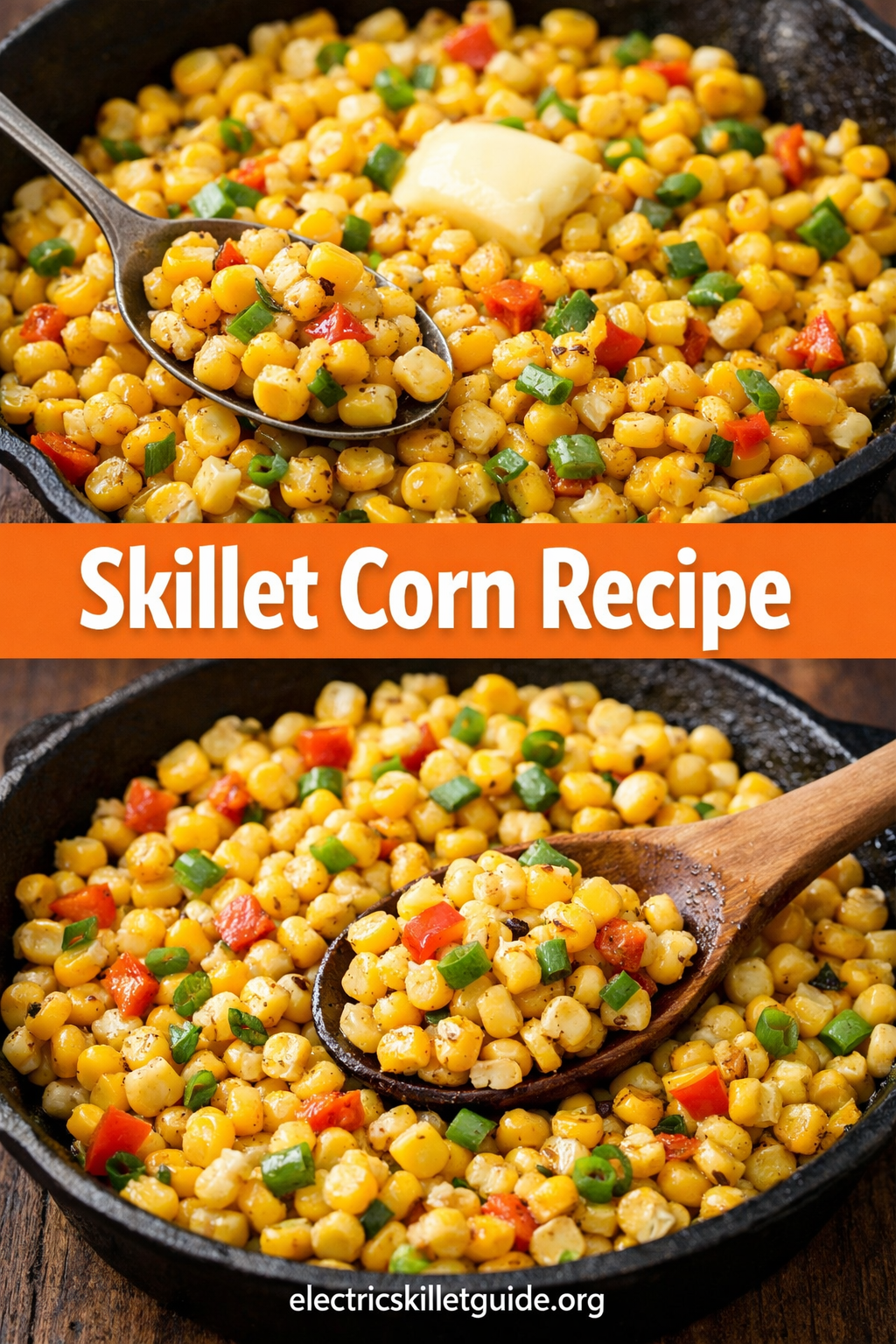
Skillet Corn Recipe You Would Love to Make at Home
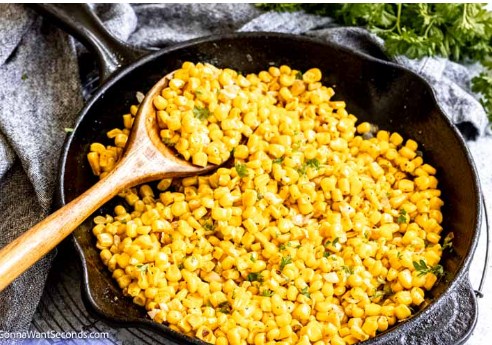
I’ll be honest—corn was never the star of my plate growing up. It was that quiet side dish sitting there, minding its own business while the main course got all the attention.
That changed the day when I thought of making skillet corn recipe with butter, garlic, and just a pinch of spice.
Game. Over.
This skillet corn recipe is one of those dishes that sneaks up on you. It’s quick, ridiculously easy, and somehow tastes like something you’d get at a restaurant where everything costs more than it should. The edges get a little charred, the sweetness pops, and the butter… well, butter makes everything better, doesn’t it?
If you’ve got 15 minutes and a skillet, you’re already halfway there.
Why You’ll Love This Recipe
There’s a reason I keep coming back to this one, especially on busy days.
It’s fast – We’re talking under 20 minutes from start to finish.
Minimal ingredients – Nothing fancy, just pantry staples.
Big flavor payoff – Sweet, savory, slightly smoky… all in one bite.
Works with anything – Chicken, steak, rice, or even just a spoon (no judgment).
Beginner-friendly – If you can stir, you can make this.
Also, let’s be real—this is one of those recipes where people ask, “Wait… how did you make this?” and you just smile like a kitchen genius.
Ingredients
Here’s what I usually grab when I’m making this skillet corn. No complicated shopping list here.
2 to 3 cups corn (fresh, frozen, or canned—more on that later)
2 tablespoons butter
2 cloves garlic (minced)
1 tablespoon olive oil (optional, but helps with flavor)
Salt (to taste)
Black pepper (to taste)
½ teaspoon paprika (adds warmth and color)
A pinch of chili flakes (optional, but I recommend it)
1 tablespoon chopped fresh herbs (parsley or coriander works great)
A squeeze of lemon juice (optional, but it brightens everything)
Quick tip: If you’re using frozen corn, don’t thaw it completely. A little frost actually helps with that nice sear.
Step-by-Step Instructions
This is where the magic happens—and it’s honestly easier than it sounds.
Step 1: Heat the skillet
I start by placing my skillet over medium-high heat. Let it get properly hot—this is key. A lukewarm pan won’t give you that slightly charred, smoky flavor.
Step 2: Add butter and oil
Once the skillet is hot, I add butter and a little olive oil. The oil helps prevent the butter from burning too quickly.
As soon as the butter melts and starts bubbling… you’re ready.
Step 3: Toss in the corn
Add the corn in a single layer if possible. Don’t overcrowd the pan. Let it sit for a minute or two before stirring.
This is the part most people rush—but trust me, don’t. Those slightly golden edges? That’s flavor.
Step 4: Add garlic and seasoning
After a few minutes, I stir in the garlic, salt, pepper, paprika, and chili flakes.
The smell at this point? Unreal.
Cook for another 3–5 minutes, stirring occasionally, until the corn is tender and slightly caramelized.
Step 5: Finish it off
Turn off the heat and add fresh herbs and a squeeze of lemon juice.
Give it one last mix… and that’s it.
You’re done.
Cooking Tips
Over time (and a few slightly burnt batches—oops), I’ve picked up some tricks that make a big difference.
- Don’t stir too often
I know it’s tempting, but letting the corn sit helps it develop that golden, slightly crispy edge.
- Use a wide skillet
A crowded pan = steamed corn. A wide pan = beautifully charred corn.
- High heat is your friend
Not smoking-hot, but definitely not low heat either. You want that quick sear.
- Garlic goes in later
If you add garlic too early, it burns and turns bitter. Always add it after the corn has started cooking.
- Taste as you go
Corn can vary in sweetness, so adjust salt, spice, and lemon accordingly.
PINTEREST-FRIENDLY SECTION
Why This Works When Others Don’t
I’ve tried a lot of corn recipes—boiled, microwaved, even roasted—and most of them end up tasting… flat.
This one works because of direct heat + fat + timing.
The skillet gives you that slightly charred flavor you can’t get from boiling.
Butter adds richness that balances the sweetness.
Cooking in stages (corn first, garlic later) keeps everything from burning or turning soggy.
It’s simple, but every step has a purpose.
Small Changes That Made a Big Difference
I didn’t nail this recipe on the first try. Not even close.
Here’s what actually improved it:
Adding lemon juice at the end – Brightens everything instantly.
Using chili flakes instead of chili powder – Better texture and little bursts of heat.
Letting the corn sit untouched for a minute – That’s where the flavor develops.
Mixing butter with a little oil – No more burnt butter disasters.
Tiny tweaks… big results.
If I Were Making This Again Tomorrow
Honestly? I probably will.
And when I do, I’d:
Add a sprinkle of grated cheese on top (trust me on this)
Maybe toss in some sautéed onions for extra depth
Serve it alongside grilled chicken or even inside a wrap
This is one of those recipes that you can keep tweaking without ever getting bored.
Substitutions & Variations
This is where things get really fun. Once you’ve made the basic version, it’s hard not to start experimenting.
- Creamy Skillet Corn
If you’re in the mood for something richer:
Add 2–3 tablespoons of cream or milk at the end
Sprinkle in a little grated cheese (cheddar works great)
It turns into something that feels halfway between corn and a creamy side dish you’d find at a holiday dinner.
- Spicy Street-Style Corn
This one is inspired by Mexican street corn, and wow—it’s addictive.
Add mayonnaise or a little butter extra
Sprinkle chili powder or smoked paprika
Finish with lemon juice and grated cheese
If I’m being honest, this version disappears way too fast in my house.
- Garlic Herb Corn
Want something lighter and fresher?
Skip chili flakes
Add extra garlic and fresh herbs
Finish with a drizzle of olive oil instead of butter
Perfect if you’re pairing it with grilled meats or a lighter meal.
- Onion & Pepper Version
This one adds texture and color:
Sauté chopped onions first
Add bell peppers for a slight crunch
It makes the dish feel more like a complete side rather than just corn.
- Vegan Option
Super easy fix:
Swap butter for plant-based butter or olive oil
Skip cheese or use vegan cheese
Still tastes amazing, just a little lighter.
What to Serve With It
This skillet corn is a team player—it goes with almost anything.
Here are some of my go-to pairings:
Grilled chicken or roasted chicken
Pan-seared fish
Steak or kebabs
Rice bowls or wraps
Even alongside dal and roti (trust me, it works surprisingly well)
Sometimes, I just eat it straight out of the pan. Not proud… but also not sorry.
Storage & Reheating
Let’s talk leftovers—because yes, this can be stored (if it lasts that long).
Storage
Store in an airtight container
Keeps well in the fridge for up to 3 days
Reheating
Here’s the trick: avoid the microwave if you can.
Reheat in a skillet over medium heat
Add a tiny bit of butter or oil to bring it back to life
Microwaving works in a pinch, but you’ll lose that slightly crisp texture.
What I Skip When I’m Short on Time
We all have those days when even 15 minutes feels like too much.
When I’m in a rush, here’s what I simplify:
Skip fresh garlic → use garlic powder
Skip herbs → still tastes good without them
Use frozen corn straight from the bag
No lemon juice at the end
Is it exactly the same? No.
Is it still delicious? Absolutely.
FAQ
Can I use canned corn?
Yes, just drain it well and pat it dry. Too much moisture will stop it from getting that nice sear.
Why isn’t my corn getting crispy?
Most likely:
The pan isn’t hot enough
You’re stirring too often
The pan is overcrowded
Give the corn some space and patience—it pays off.
Can I make this ahead of time?
You can, but it’s best fresh. If making ahead, reheat in a skillet to bring back texture.
Can I freeze it?
Technically yes, but I wouldn’t recommend it. The texture changes and becomes a bit mushy after thawing.
What’s the best type of corn to use?
Fresh corn is the best for flavor, but frozen corn is a close second and super convenient.
Final Thoughts
This skillet corn recipe is one of those simple dishes that quietly become a regular in your kitchen.
It doesn’t demand much—just a few ingredients, a hot pan, and a little patience—but it delivers big on flavor every single time.
What I love most is how flexible it is. You can dress it up with cheese and spices, keep it light with herbs and lemon, or throw it together quickly on a busy evening without overthinking it.
And somehow, no matter how you make it, it just works.
If you try it once, I have a feeling it’s going to turn into one of those “I’ll just quickly make this” recipes that you come back to again and again.
Now if you’ll excuse me… I suddenly feel like making another batch.