Can You Eat Seagulls? All You Need To Know!

Can You Eat Seagulls?

Can You Eat Seagulls?

Can You Eat Seagulls?

Can you eat seagulls? The answer, pure and simple, is an emphatic No. Seagulls aren’t edible. For one thing, gulls are scavengers and they are often referred to as unclean meat as their feeding habits are quite unhealthy. They eat dead things and feast on garbage that wash up on the shore, which include dung, grain and berries along with smaller fish, snails and earthworms.

Besides, they are protected under the Migratory Bird Act, which ensures the protection of all birds that migrate. The law was enacted in 1918, which prohibits hunting or eating, killing, selling seagulls. Another reason that eating seagulls isn’t an ideal choice is that they aren’t tasty due to their eating habits.

The seagull is a kind of bird that’s been around for a long time. It’s also the official mascot for San Francisco, California. In this blog post, I would like to learn a few things about what the seagull’s flavor is like and why you shouldn’t be eating the birds, nor their eggs.

Why seagulls should not be eaten?

Gulls are among the most popular coastal scavengers. These birds can eat everything that is dead, from fish bones to trash on the beaches, and they’ve also been observed to attack small animals they usually eat. They can be very aggressive when searching for food.

The population of gulls has been increasing in recent years, but it’s not because they’re becoming more intelligent. We’re throwing even more scraps of food than ever into our garbage cans and then onto the streets to decay.

The seagulls you observe on beaches aren’t usually a great for a meal. They’re often referred to as “flying rats” because of the speed at which they scatter garbage on beaches or another area where people gather.

In addition to being protected under the law, gulls have also been recognized to be carriers of parasites and diseases that could make people sick when they eat them.

In what other places are seagulls protected species?

It is a popular belief that seagulls aren’t protected. It isn’t the case since they are protected under laws in a variety of nations. Let’s take a look at the laws applicable to the countries apart from United States.

UK

Seagulls are a kind of birds that are common in Great Britain, and they are protected by law from 1934. Seagulls became illegal to hunt in 1894, as the British Parliament adopted a law that prohibits shooting them or killing them for sporting purposes or for fun.

But, the population of seagulls grew in alarming proportions following World War I due to increased food availability since fewer people consume it. To counter this to this, the government also prohibited their killing in 1933 when they passed of the Protection of Birds Act which designated these animals as game species, similar to pheasants and partridge.

Canada

Seagulls are a protected species in Canada. It is against the law to harm the birds of these species by any methods. It is illegal to harm them in any way. Canadian Migratory Birds Convention Act was in force since 1994, and it protects the migratory birds both on the land and in the water.

Australia

In Australia Seagulls in Australia are protected by law. The specific law protecting seagulls differs from state to state, however they’re all very strict in regards to the protection of the species. Many states have a type of prohibition against killing or harming seagulls.

Seagull Meat Nutrition

Despite its taste and oily appearance, may be shocked to learn that seagull’s meat is rich in protein. Lean protein is beneficial for those who are trying to lose weight.

Add to this being able to receive tiny amounts of meat and the seagull may be the ideal bird for someone following the diet.

For one cup of seagull’s meat, you’ll consume 307 calories. Of those 307 calories just 5 grams are saturated fat. In addition, with 33g of protein total, zero carbs, and only 162 milligrams cholesterol, you’re getting quite a healthy slice of meat from the seagull.

 What does seagull taste like?

What is the taste of seagull? It is a question that is often asked by people looking to learn details about birds they spot at the beach. Seagulls reside close to bodies of water and their diet consists primarily of shellfish, fish crabs, fish, and other marine animals.

Gull meat is reminiscent of rubber bands that are spongy and have an astringent flavor. The flavor of the meat will, however, vary as it is based on the diet the bird consumed prior to its death. It doesn’t generally seem very appealing to people who haven’t tasted it before.

However, some people are awed by its delicate flavor, with hints of saltwater and fish brine. The main point is that seagull’s meat isn’t the best choice for all tastes.

Do you have to eat eggs from seagulls?

Seagulls are not the only birds that are protected, but their eggs are protected under Migratory law. It prohibits destruction, relocation nests and eggs of seagulls through any means.

The eggs of the seagulls are big with a blueish or greenish-blue shell. They are generally able to be eaten, but they are not considered to be a delicacy and are not recommended to consume in large amounts because their taste is often called “fishy” and they contain significant amounts of cholesterol.

Gull eggs are a treat in certain parts around the globe, like Japan where they are used to make special meals with the eggs of gulls.

Seagull Eggs

Although the seagull in itself isn’t a very pleasant animal to consume but their eggs can be different and impact your taste buds. But, it is important to examine regional laws prior to you set out to gather eggs from seagulls to eat breakfast.

Poison Reports

Apart from ensuring that you’re legally permitted to collect eggs of seagulls, it’d be advisable to read up on poisoning reports linked to eating seagull eggs. There are many stories about how seagull eggs can cause poisoning after consumption. So, even though they might be better tasting than the meat of the gulls, it’s not recommended to eat eggs of seagulls.

Can You Get Sick From a Seagull?

We should put aside eating seagulls If we can. We know that it is completely feasible to eat seagulls it is not allowed due to regulations in many nations..

However, live seagulls may carry diseases like E. Coli (Escherichia coli). The infection can trigger ailments like septicemia and gastroenteritis. Other infections, for instance, Escherichia bacteria (E. Coli) – most often spread by seagulls it could cause illnesses such as gastroenteritis and septicemia.

Do Seagull Feathers Carry Disease?

Every feather of an urban bird could be a carrying a variety of parasites, bacteria, and even viruses. However, the most important issue with feathers of birds should be those which are from a dead bird. The feathers of a dead bird are the most likely suspects in the case of disease, while feathers that come of a live bird generally aren’t affected by disease.

What is the Lifespan of a Seagull?

Seagulls are part of the tern family and both species belong to the Laridae family. There are more than 20 species of gulls that live in North America. The lifespan of seagulls will differ in accordance with the species they belong to. Herring gulls are the most enduring species. life time.

The Herring Gull even has the distinction of being the longest-living gull. The gull that was recorded lived up to 49 years old. The average life span of the Herring gull is around 30 years.

There are a few species of gulls that are able to live as long. For instance, the Ring-billed gull instance, has a lifetime equal to half the Herring gull, and is estimated to last between 10 to 15 years.

While they are a source of irritation for some, it’s evident that seagulls are magnificent creatures. They travel long distances to fulfill their migratory patterns and their lengthy flight does not just serve just for migration purposes.

Gulls have been observed to travel a long distance across the ocean to hunt for food.

They can not only fly long distances, but they can also fly at a high speed. Gulls have been recorded at speeds of up to 28 miles per hour.

Wrapping up

Can You Eat Seagulls?

Seagulls are difficult. The birds that migrate are protected by law, and it’s unlawful to hunt and kill them.

Gulls are a species of bird that is distinguished by their prey-like nature. They frequently eat dead animals, meaning they could be risky to humans should they consume one.

Gull eggs can also be thought of as an exquisite treat in certain parts around the globe; however it is important to understand that this isn’t something that the average person would take part in.

The last thing to mention is that keep in mind that we shouldn’t get into the habit of feeding seagulls at the beach.

Because feeding gulls can teach the gulls to get closer to people and encourage them to stay away from their natural habitat on the coast. The gulls will gradually begin to appear close to people, hoping for a tasty food source. As the gulls get more at ease, they’ll become more aggressive. If this trend persists, there is another ecological in the offing!
 

Can You Freeze Clams? All You Need To Know!

Can You Freeze Clams? 

Can You Freeze Clams? 


Clams appear to be boring and boring, but cooking or eating them can be an enjoyable experience. Clams are shellfish that can be found virtually anywhere across the globe. Even if you aren’t in a region with a coastline, it is worth giving them a go.

Clams are delicious when eaten out from their shells, or in other ways there are many ways that clams can be cooked. Each has a distinct taste. So, if you’ve bought more clams than what you could consume in a week (or more), how can you keep them?

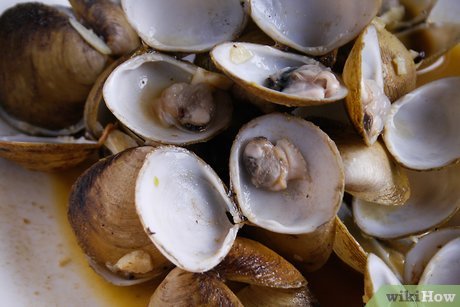
Can you freeze clams? Yes, you can. They can be frozen, and kept in the best condition for approximately 4 months. There are special procedures to guarantee the safety of clams when freezing them.

Cooked clams aren’t an ideal idea as the freezing process can damage the texture and can affect the flavor. But, clams that haven’t been cooked will be a joy to freeze.

The clams are frozen within the shell, or cut into shucks. When freezing the shellfish, it is important to follow the correct steps for handling and preparing them.

Shellfish are extremely perishable and are susceptible to spoiling. Should they happen, they could be contaminated with bacteria, which can cause health issues when consumed.

What kind of Clams Can You Freeze?

The majority of clams can be kept inside the freezer. Clams in shells as well as shucked clams are excellent to store in the freezer.

It is best to buy live clams that are fresh to keep in the freezer. They can be stored in their shells, or chop them up. This will help ensure that the meat stays fresh and juicy when it is thawed.

It is also possible to freeze cooked clams, however it is not advised. Once done cooking and are frozen they’ll turn out to be soft and brittle.

The safe handling of raw clams

Raw clams can be infected with bacteria called vibrio vulnificus. The bacterium is prevalent in shellfish like fresh clams, raw cockles and oysters.

What makes these bacteria risky is that they’re not easily visible by just watching them. If you ingest it, you’ll be sick because of it. This is the danger of eating raw shellfish.

To avoid the risk of the harmful bacteria, cook the clams in order to kill them. The cooking process kills bacteria, making it safe to eat.

Can you freeze dead Clams?

It’s dependent on the time and manner in which the clams perished. If you’ve purchased them or take them at the time they’re alive, and then they passed away, it does not necessarily mean they’re bad.

If it’s not been for a few hours of hot temperatures, it is safe to consider taking dead and frozen clams to freeze.

If you’re not sure what caused the clams to die it is advised not to put them in a freezer. As with other shellfish, they are perishable. And after they die, the clams will develop harmful bacteria within them very quickly.

How long can you freeze Clams?

The clams frozen in the freezer will remain fresh for up to 3 months if they are kept at an unchanging temperature of 0 ° F. When the refrigerator is open and shut frequently and the temperature fluctuates. This can result in the clams not to last as long like they ought to.

After three month, the clams that have been frozen may still be consumed. However, the quality of them may diminish a bit.

What is the best way to freeze Clams?

There are two ways of freezing the clams. They can be frozen in their shells, or you can freeze the meat.

Here are the steps on freezing the clams:

Clams Freezing In Their Shells

If you decide for clams that they remain inside their shells, ensure you seal the shell shut. A shell that is open means that the clams have died or they’re going to go bad.

Begin by washing the clams with cold water. If the clams have become dirty use a brush to gently rub the sand as well as other debris off.

Place the clams inside a colander, and allow it to run to dry.

Utilizing a paper towel gently and sand the clams with a paper towel to get rid of the excess liquid.

Place the clams inside an airtight bag or in a freezer bag.

If you’re using a freezer bag, push on it to take as much air out of the bag as is possible.

Make sure the bag is sealed tightly. If you are using an airtight container put the lid over it and make sure that the lid is sealed.

Label the container or bag with the date for freezing, and then put them in the freezer.

Clams inside shells can be stored frozen for up to 3 months.

Freezing clams shucked is a fantastic way to make space in the freezer.

Start by shucking the mussels.

In cold running water, rinse the clam meat thoroughly.

Place the clams’ meat in a colander, and allow it to sit for approximately 5 minutes.

With a paper towel, gently rub the meat in order to get rid of the excess liquid.

On a clean tray lay a wax paper.

Place the clams on the tray, making sure they are separated from one another.

Place the tray with clam meat in the freezer for around 1 to 2 hours.

When it’s frozen completely the items should be immediately transferred into an airtight container or freezer bag.

To seal the bag for freezer use, press the bag to eliminate as much air from the bag as you can, then close it tightly.

Label the container or bag with the date of freezing and then put it in the freezer.

Shucked clams can be stored frozen for the duration of up to 3 months.

How To Defrost Clams?

Clams do not require a lot of chilling time. The shellfish freezes quickly because of their texture. If you shucked the clams prior to freezing the clams, there’s no need to defrost them. They can become part of the food that you’re making straight out of the freezer.

If the clams are frozen inside the shell, here are some suggestions to let them thaw.

Transfer the clams into the refrigerator to freeze over night or for at least 6-8 hours. This is the ideal method to defrost frozen clams since the loss of texture and flavor will be very minimal.

If you want to defrost the clams fast, put the clams in a bag and pass it through cool, running water. Another option is to put the clams’ bag in an ice-cold bowl. Change the water each 10 minutes to allow them to thaw them quicker. Do not apply hot water to the clams as it will ruin the taste and texture of it.

Can You Refreeze Clams?

It’s not recommended to refreeze the clams. This can harm the texture and cause an impact on the flavor.

Clams are delicate, and when they are frozen their meat expands somewhat, which makes them soft. Once they are thawed, they’ll become soft and lose some of their taste.

When you refreeze the clams the texture of the clams will be damaged and the taste will diminish significantly. When you defrost the clams, you’ll end having soft, chewy and tasteless clams.

Related Questions

Can you freeze clam chowder?

Clam chowder is able to be frozen. Because of their texture the chowder can be frozen and last long in the freezer too. To freeze clam chowders, place them in an airtight container. While freezing the chowder, it will expand slightly. Thus, you should leave one inch of room on the top of the bowl to allow the expansion of the Chowder.

Can you freeze clam sauce?

Yes, you can freeze clam sauce. The sauce can be frozen using either canned or fresh clams.

To clam the sauce put it in an airtight bag or container. After filling, leave around one inch of space in the bottom of the container. The sauce will expand a little when it begins to freeze. If not, it may cause damage to the bag or container and spill out all across the freezing.

Once you’re ready for clam sauce, you can thaw the sauce in hot water. The sauce will begin to melt and will be ready to cook pasta within one hour. It is possible to add additional garlic to enhance the flavor.

Can you freeze clam juice?

Yes, it is possible to freeze the clam juice. It is suggested to freeze the clam juice into an frozen ice cube. Simply add the clam juice to the tray with ice cubes. Then, place the tray in the freezer for around 2 hours.

When it’s fully frozen remove it from the freezer. Transfer the ice cubes and liquid in a freezer bag or container that is airtight. The bag should be labeled with the date of freezing and then put it back in the freezer.

If you require the juice of clams, just take as much ice clam juice cubes out of in the freezer. Add it onto the serving dish.

Wrapping up

Can you freeze clams? Yes, you can freeze clams inside the shell. Start with fresh clams, wash the shells thoroughly before placing them in a freezer bag. Press as much air out as you can, and then date the bags. Clams inside the shell will last when stored in the freezer, for around four months.

The best method of freezing shucked clams is to place them in an air-tight bag sealed with equal amounts of water and milk. This preserves the texture and taste of the meat of the clams for up to four months.

If you’ve cooked the clams, it’s best to consume them within three days, rather than freeze them. Cooked clams kept in the freezer can result in a tough, rubbery meat, but it’s safe to consume.

Cook your clams right from your freezer or defrost them in the fridge. Whatever you choose to do, the option of freezing extra clams allows you to enjoy delicious and fresh seafood all throughout the year.


You may also read: Do Clams Feel Pain?

How Long Does Jicama Last?

How Long Does Jicama Last?

How Long Does Jicama Last?

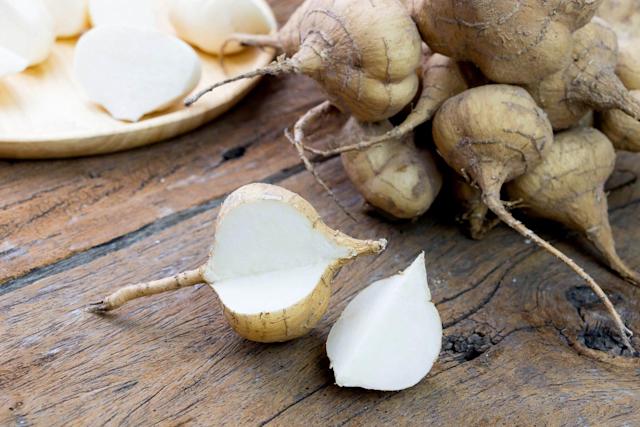
Jicama is an edible root plant which is very nutritious and edible to consume. The vegetable is extremely versatile and can be consumed in its raw form or prepared. Anyone who loves eating this root vegetable must ensure that they are properly stored. If not, thanks to their high moisture content, they will spoil quickly. Jicama can be stored in the fridge, the pantry or even in the freezer. In all of these storage locations, one would like to ask: how long does jicama last? Well, let us find out the right answers.

In this blog post, I’ll go in-depth about how long Jicama lasts, how to keep them and the best way to know if they’re not good. If you want all the details, just read on.

How long does Jicama last?

Jicama is an herbaceous root that will last for a long time when stored in the correct condition. The ideal temperature for storage is 55-59degF (12.5 to 15 degrees Celsius).

Fresh jicama can last up to four months. However, the majority of homes will have a difficult time maintaining the right temperature.

Thus, at room temperatures fresh jicama can last for between 1 and 2 weeks.

If stored in the refrigerator, and well stored, the jicama may last between 2 and three weeks. After it’s cut and cooled, you can store the pieces for up to a week.

If you store it in your freezer, no matter if it’s the entire vegetable or cut, it will last for at least one year.

Can Jicama Go Bad?

Because it’s an herb, the jicama is able to endure for quite a long time once it’s picked. The tubers typically go to waste rapidly if their outer surface is damaged or poorly handled, or not stored correctly. Each of these causes will cut the shelf life of these tubers by half.

Because they contain a large amount of water and abrasive handling could cause skin damage and result in the flesh being exposed to air. After that, the air begins to burn the flesh as well as cause vegetables to turn bad.

How To Tell If Jicama is Bad And What Are The Signs?

Jicama is an edible root vegetable that can last for a long time in the proper condition. Sometimes, because of the temperature of storage, damage caused during storage or because it’s been in the storage area for too long, it can make them go bad.

As with other root vegetables, when jicama is beginning to deteriorate, there will be some tell-tale indications that you should look for.

Appearance – When jicama begins to deteriorate, it’ll have spots across it. When there’s just a few of dark spots scattered around but it’s still acceptable. Another option is to determine if there’s any form of mold on the skin. If there is mold and lots of dark spots everywhere it is best to get the skin.

In the interior, watch for an increase in the color of the flesh as well as the softness. A good quality jicama should have a beautiful light yellow hue throughout and be firm to the feel. If it’s soft and shows yellowing in the flesh, throw away the vegetable.

The smell – When jicama gets bad, it will emit an unpleasant smell. It’s a scent that can make people turn their heads away. Any smell that isn’t fresh should be removed.

How Do I Store Jicama?

Storing Jicama at room temperature

Jicama requires little preparation for storage. If they’re kept in a room at temps that are comfortable, be sure they’re kept away from direct sunlight as well as any other heat sources. The heat generated by appliances or sunlight could cause the tubers to cook and harm it.

The ideal place to keep jicama in is in the pantry, where it’s dry and cool. This is the kind of environment that the Jicama requires to last for a long time.

At temperatures at room temperature, only the whole jicama may be kept in the pantry. Before putting the tubers in the pantry, you should be sure there’s no damage or cuts in the skin. If there is damage then it is best to cut them off and store it in the refrigerator.

Storing Jicama in the Fridge

If you have jicama which has been cut, cut or have some left over that have not been utilized it is best to store them in the refrigerator. place to keep the leftovers.

In a container that is airtight, place the pieces of Jicama in it. The lid should be placed on top and be sure you seal it tightly. A tiny amount of air that is pushed in the container could cause it to become rotten.

Can You Freeze Jicama?

Yes you can freeze Jicama. It’s an excellent way to keep jicama when it isn’t needed at the moment, but you need to store them for more than one month.

When it comes to storing jicama, you can choose between two options. You can either keep the whole jicama or store the jicama cut or sliced. In either way, you can count on the jicama’s lifespan to be one year if it’s stored properly.

The storage of this tuber requires it to be kept in an airtight container, or in a freezer bag. It is essential to keep the jicama in a dry place at all times. If air is allowed to enter the container, the moisture will begin to build up on the vegetable, which will eventually ruin it.

Before you can store them, you’ll need to prepare them beforehand. If you are storing the entire jicama, place them in an airtight container or freezer bag that can be resealable and ensure that it’s sealed with a tight seal.

How long does cut Jicama last?

Cut jicama can stay at the counter for two to three days before getting rotten if stored it in the correct conditions in the counter. It can be still fresh even after a few days of expiration, while others go bad before the date.

In the fridge, the cut Jicama will last from 7 to 10 days before they go bad completely. If they are stored in the right conditions, they will last in the refrigerator.

In the freezer, cut jicama is expected to last between 8 and 14 days before it begins to become rotten. If it is stored in the correct conditions inside the fridge, of course.

Cut  jicama isn’t going to last for long as it’s already exposed. Exposure to moisture can cause a vegetable to become rotten quickly.

Then it will decay quickly due to the covering of the jicama’s cover is no anymore, and if there isn’t a covering for the thing, how will it be able to endure?

The same thing happens to the jicama. If the cover isn’t present, it can go to a bad state quickly.

Remember to put your jicama cut or slice in the freezer, as it’s your only place that can make it last for a longer time.

If you are cutting Jicama, gently pat it down using a clean towel first. This will help remove any moisture that is left on the vegetable. Next, place the jicama pieces in a cling wrapper and wrap it several times around.

Inside an airtight container or in a freezer bag, you should place your jicama in a wrap. If you’re using a freezer bag, press down on the bag to get rid of any air. After that, seal it.

To ensure that your container is airtight be sure that you have a lid that is water-proof. Only a tiny amount of air getting in the container could cause damage to the tubers and reduce their shelf lifespan.

How to make Jicama last longer?

Purchase Fresh Jicama

The length of time jicama can last depends on the freshness of it. So, it’s crucial to ensure that the moment you buy them from the grocery store, they are at their freshest condition.

At the grocery store, it can be difficult to determine what time the vegetable is due to expire because there isn’t an expiration date on them.

The sole way to determine the freshness of the jicama will be to examine it before you buy. First thing you should look for is the appearance of it. A good quality jicama should be clear in color and possess no flaws or blemishes.

Another way to determine the quality of the product is to pick one up and then gently squeeze it. The jicama needs to be solid and not have soft spots. If it’s soft and begins to lose its firmness, it’s probably going to break and won’t last for very long after you buy it.

Proper Storage

Jicama generally lasts about a week. However, it is possible to make them last longer by appropriately storing them.

For jicama that is not cut, store them in a dry, cool place covered. A good place is the pantry. Be sure to keep them dry since mold will begin to develop on it.

When jicama is cut, they must to be placed at room temperature as quickly as it is possible. The root vegetable should be kept in the bag of plastic or in an airtight container for up to two weeks.

How Long Does Jicama Last on the Counter?

Jicama that is sold at the counter can last for a period of 1 to 2 weeks before it begins to go into a state of complete decay. If you keep it in the proper conditions, it can be stored on the counter. It is safe to consume after a few weeks. It’s all about how you handle it.

Make sure to store your delicious vegetables on the counter when you’ll utilize them within a few hours of purchase. Store them in a cool, dry place out of sunlight.

As storing your food on the counter isn’t good for your vegetable, you should not make it worse by storing near sunlight.

Instead of keeping it on the counter, keep it in the freezer for more storage.

Wrapping up

How long does jicama last? Well, I’ve already answered this question above for you.

This amazing vegetable has a number of health benefits. One of the health benefits is that it could help you in losing weight. It’s also a great antioxidant beneficial for the gut bacteria. It can help reduce your risk of cancer and heart disease. However, if you see any indication of the fruit going bad, just toss it away.


You may also read: How Long Does Kiwi Fruit Last?


Does Turmeric Expire? All You Need To Know!

Does Turmeric expire?

Does Turmeric expire?

Does Turmeric expire?

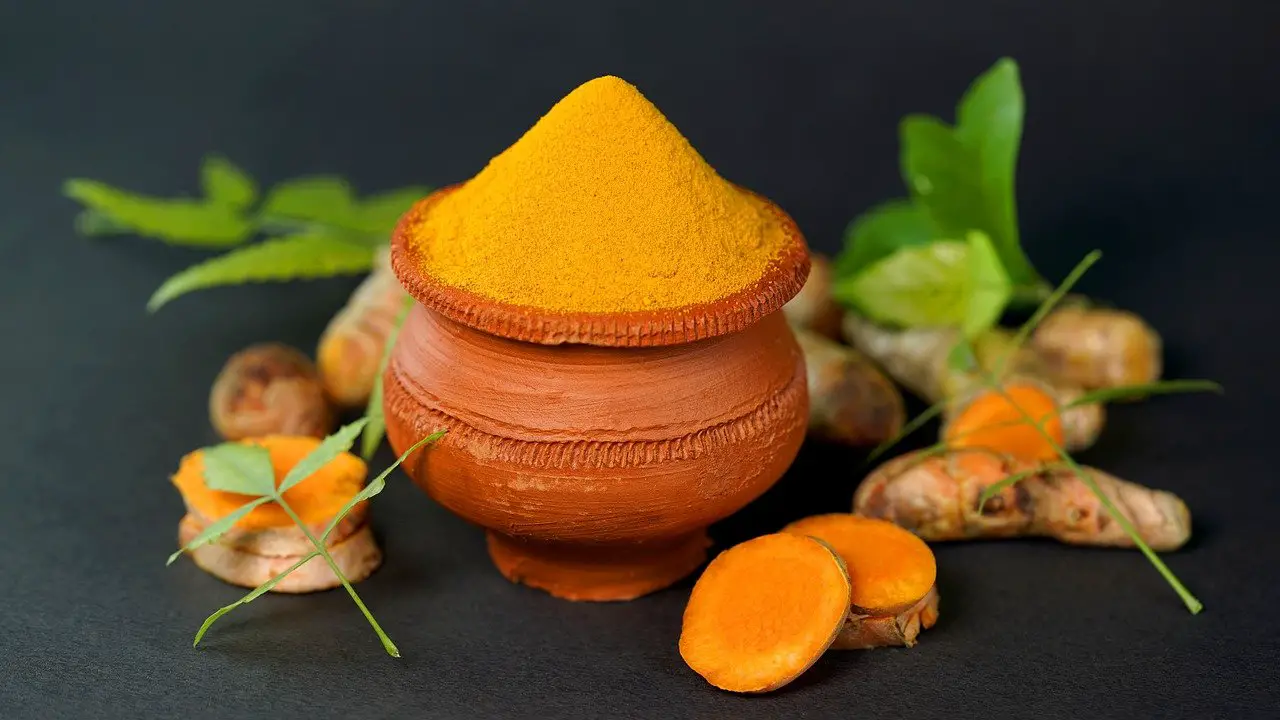
Turmeric is one of the spices well-known for its wide usage in Asian food. It’s warm and bitter taste, which is used to color or flavor curry powders. Turmeric can be utilized as a powder or raw root. If you like cooking with this spice, or need it for any other food preparation, you’re probably thinking about one thing which is hovering in your mind right now: does turmeric expire? So, read on if you want to know more about the shelf life of turmeric.

Does Turmeric expire?

Yes, it does, but not in the usual sense. The shelf life of ground turmeric is typically three to four years. The labels on the packaging of every spice that contain turmeric include the words “best before date” instead of an expiration time. This is because turmeric that has gone beyond the “best before” date cannot harm your health or make you sick.

It is nevertheless important to keep in mind that whole turmeric will last for a longer time when compared to ground turmeric as when you crush whole turmeric, the flavor components and the aroma are exposed to moisture, air and light. This results in a lower shelf life for ground turmeric. The whole turmeric could last up to four years.

How Long Does Turmeric Last?

Turmeric that has been ground dried, ground or commercially packaged can last 3-4 years. The shelf life of the product depends on the storage conditions. It must be kept in a dry, cool place and away the direct heat and direct sunlight.

If it’s kept at room temperatures, the ground turmeric is at its highest quality for 3-4 years. For freshly harvested turmeric they will last just few days at room temperature.

When stored in the fridge, ground turmeric can last for up to four years. It’s not essential to keep them in the refrigerator since it will not extend the shelf life of their products.

If they are stored in the refrigerator, it could lead to them to rapid degradation if they are not properly stored. The humidity could enter and reduce the shelf life.

For turmeric that is fresh can last about 2 weeks in the refrigerator, it is important to store the roots in an airtight container or in a plastic bag  to avoid the moisture from damaging them.

Can Turmeric Go bad?

Turmeric is generally not going to get rotten if properly not stored. However, it’s going to lose its potency over time. The longer it’s stored, the less pronounced the aroma and the flavor will be.

Turmeric is best used within 4 years to ensure the highest quality.

If it is exposed to moisture or heat, the turmeric can turn bad. The moisture can cause the turmeric to form clumps and then mold will begin to grow on it.

As for heat, the turmeric that is constantly exposed to it could go bad, too. It doesn’t matter if it is sunlight or heat from an appliance, the heat can cause them to degrade in terms of quality very quickly.

How Can You Tell If Turmeric Is Bad?

If you’re using ground turmeric, and it’s stored properly, it won’t show any indications that it’s been spoiled.

So, you’ll have to determine the strength in the use of turmeric. Rub or crush a little bit of the spice into your hands. It is then time to taste and smell the spice.

If the scent is lacking and the flavor is not enough as strong as it ought to be and the entire turmeric must be removed.

In the case of fresh turmeric there are a few indications to watch out for when they start to go bad.

The first thing to check for is the appearance. Fresh turmeric that has gone bad will be darker in color and the skin’s surface is wrinkled.

Additionally, there could be the growth of mold on it too. If you notice a couple of tiny molds it is possible to cut the area off and reuse the remainder. If the whole turmeric root is covered in mold, it’s recommended to eliminate the whole item.

Another thing to be aware of is the amount of weight in the turmeric root. If they begin to become rotten, they’ll start losing moisture. In the event that the flesh becomes dry it’s best to throw it away because it has gone through the entire process of losing its nutrition and taste.

How to Store Turmeric in the Right Way?

There are many options to preserve turmeric, and it’s dependent on whether you’re storing them fresh, or ground.

As for turmeric that is fresh, if you plan to utilize them within three days, you should keep the roots in a cool, dry place and away from sun as well as the other heat sources. The pantry is an ideal place to store them as it’s dry and cool.

If you don’t plan to make use of them in 3 days, you should keep the root turmeric in the fridge. Cut the roots of turmeric to smaller bits or keep them in a single. Cover the root in towel, and then place them in an airtight plastic bag or container.

The towel will absorb the water of the roots as it’s stored in the refrigerator. This will help prevent condensation inside the bag, and prevent the growth of mold on it.

Another method of storing freshly harvested turmeric root could be place roots in soil of the pot. They’ll keep growing, so be certain to water them the same way as other plants.

Once you’re ready to use your turmeric root, take them out of the spoil and you’ll be left with fresh roots ready to make use of.

For ground turmeric, keeping them at room temperature must be kept in an airtight bottle or jar. It should be sealed to avoid air loss. As long as air doesn’t get inside in the containers, ground turmeric will remain throughout the years.

You may also like to keep the spices in the refrigerator. It’s possible, but not advised. The storage of grounds turmeric within the refrigerator could result in moisture accumulation within the container it is kept in.

After the moisture has accumulated is present, the ground turmeric wet and will clump into clumps. This can encourage the growth of mold over them later on.

Can You Freeze Turmeric?

Ground turmeric and fresh can be kept within the freezer. It’s not required to freeze ground turmeric since the shelf life is similar to keeping them at ambient temperature.

For fresh whole root turmeric, freezing them is an excellent way to extend their shelf lives. It requires a little some preparation to ensure that it can be frozen properly and remain fresh for an extended time.

Freezing the roots of turmeric

To freeze turmeric roots it is necessary to cut them into pieces that are smaller. To get the best results cut them into portion sizes of around one or two inches. In this way, you’ll be able to fit one piece, yet small enough to ensure that it doesn’t be wasted.

Wrap it in a dry towel. This will soak up any moisture that is not removed away from the root. It should be left for around one minute for it to take in the water.

After that, take off the paper towel that was wrapped and wrap it with the new towel. If it’s frozen your paper towel absorbs any excess water that is absorbed by the roots and in the air.

Wrap the turmeric roots into an airtight jar or freezer bag. If you are using bags for freezing, make sure that you get rid of any excess air that may have accumulated in the bag. Begin by removing over the entire top. You should leave about a half inch of room. Push the maximum amount of air you can before sealing the bag tight.

Label the container or bag with the date for freezing and place it in the freezer.

Related Questions

Is eating expired grounded turmeric safe?

It is safe to consume turmeric ground that is past its shelf-life. However, the spice may diminish in power. The flavor will decrease significantly and may lack that bitter, warm flavor you’re looking for.

Can you keep turmeric in the freezer?

The time to freeze turmeric is contingent upon whether it is ground or whole. Ground turmeric doesn’t need to be kept in a freezer since it won’t make an impact on the shelf longevity. But, it is able to be stored inside the freezer. However, it must be prepared before it is ready put into the freezer.

Cut it into pieces, and then wrap it in a towel to get rid of the moisture.

Allow it to soak up some moisture and then wrap it in a fresh towels to wrap the item,

Put these in an airtight jar, or an airtight ziplock bag. Then, store your frozen items in the freezer until later use.

How do you use turmeric after it has expired?

If you find that the turmeric you have on your shelves has lost its aroma and flavor, here are some ways to make use of it:

It is possible to add turmeric as well as other spices that are no longer in use to the potpourri you make.

Heating spices will bring back the scent and flavor that have been lost by the spice shelves. It will create a pleasant scent throughout your home.

Another fascinating way to make use of your old turmeric is to use it to make paint.

Paints that you can make yourself using turmeric are simple. Mix the ground turmeric with some water and then use it to create a masterpiece.

Wrapping up

Does turmeric expire?

People in Asia make use of turmeric and other spices to add the flavor of their food. Turmeric spice is sure to add flavor and color to food and people enjoy using it. It is widely used in every household as people typically buy it in massive amount.

In this short guide, we addressed the question “does turmeric expire?” by providing answers regarding its shelf life and how it turns bad, and how to properly store it to ensure they are safe for future use.


How Long Does Celery Juice Last In The Fridge?

How long does celery juice last in the fridge?

How long does celery juice last in the fridge?

How long does celery juice last in the fridge?

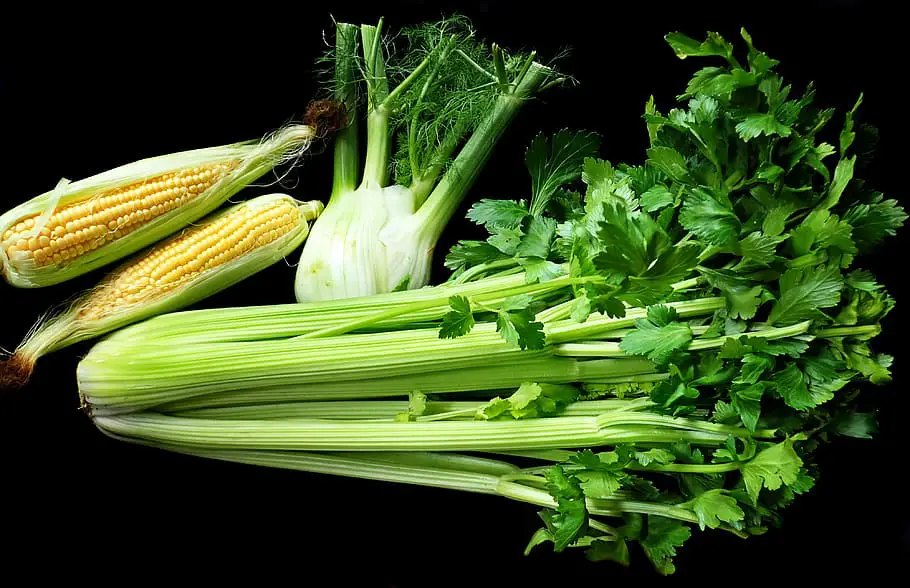
Most people think of juice as carrots, apples or prunes when they think about juice. Celery juice is also a popular choice. Celery juice is packed with nutrients and good for your health. It has a distinctive taste that most people either love or hate. You’ve probably ever wondered about its longevity and before refrigerating it asked yourself this question: how long does celery juice last in the fridge?

How long does celery juice last at room temperature? Celery juice can be kept at room temperature for up to a day. And how long does it last in the fridge? It will last for 2-3 days in the fridge. Celery juice can be stored in the freezer for up to 6 months. You must keep the juice in a sealed container.

How long does celery juice last?

Celery juice made at-home will not usually have any preservatives. The juice doesn’t last as long because of this.

It will last about a day if the juice is kept at room temperature. If the room temperature is very hot, it will only last for a few hours. Celery juice should be consumed immediately after it has been made.

Celery juice can be kept in the fridge for approximately 2-3 days. It is best to store celery juice in the refrigerator as soon as you can. It will reduce its shelf life by half if it is left at room temperature for longer than necessary before being stored in the refrigerator.

Celery juice that has been stored in the freezer will last the longest. Celery juice can be frozen for up to six months. It is important to keep it in a sealed container so that no air can get into it. The juice will get a freeze burn if air gets into the container.

How do you store celery juice?

Celery juice should be kept at room temperature in an airtight container. Transfer the juice immediately after it is made. This will preserve the juice’s quality. To prevent oxygen exposure, make sure you fill it up to the top.

Keep the juice in the refrigerator if it will be kept for more than one day. The juice should be stored in an airtight container. A little lemon juice or lime juice can be added to the juice to prevent any loss of nutrients. Citrus can also help reduce oxidation.

You can freeze celery juice if it is going to be kept for more than three days. Place them in an airtight container that is freezer-safe before storing them in your freezer. Place the juice into the container and leave a little space at the top. This will allow for expansion when frozen.

Can Celery Juice Go Bad?

Celery juice can go bad. This is usually due to too much time in storage. Celery juice won’t keep for very long if stored at room temperature, or in the refrigerator.

It is recommended that you drink the juice within 24 hours of it being blended, even if it has been left out at room temperature.

Celery juice can go bad faster if it is not stored properly. The juice may show signs of spoilage if this is the case. Here are some things you should be aware of:

  1. Color change: Juice can turn a brownish color if it is not properly stored. It will turn darker. It should not be thrown away, unless there are other signs of decay.
  2. Bubbles: If you see bubbles on the juice it is spoilt. The juice should be thrown out if it has been contaminated by bacteria.
  3. The celery juice should not smell bad. It will often have a strong sour taste.
  4. Mold: The juice should be kept at room temperature for several hours before it forms. Warm temperatures are conducive to the growth of molds. Bacteria thrives in warm environments. When you find mold in celery juice, throw it out.

5: A strange taste: Fresh celery juice can have a semi-sweet flavor. The juice will taste bitter once it has gone bad. It would take just a few drops to make it taste good again.

Three Tips to Keep Celery Juice Fresher for Longer

We now know how long celery juice lasts. Let’s talk about some tips for keeping the juice fresher. Here are three tips:

  1. Keep it tight

You should seal the container after making celery juice. To prevent air from getting into the juice, the lid must be tightly sealed. It should not leak as this will cause the juice to oxidize and spoil.

  1. Storage

Once the juice is made, keep it in a cool area. It’s best to store them in the fridge. You can also store them in the freezer if you have more time. This will prolong their shelf life by six months.

  1. Keep it Full

Celery juice should be kept at room temperature. Always fill the container to the top. This will stop air from causing juice to spoil. The juice will go bad faster if it is exposed to more air.

You should leave a little space at the top if celery juice is being stored in the freezer. The juice will expand as it freezes and fills the entire container. It will also prevent the container cracking from the juice expanding.

Similar Questions

Do Celery Juices Need to Be Consumed After 72 Hours?

Celery juice can be dangerous if it has been kept in the fridge for more than 72 hours. Although it may still be fresh and delicious, it is better to toss it.

There is a high risk of food poisoning if bacteria grow after 72 hours. You may experience symptoms such as vomiting, diarrhea, or upset stomach.

Celery juice also has lost most its nutrients. The juice will taste bland and unhealthful.

Can Celery Juice Be Consumed After 72 Hours?

No, this is not something you should do. It doesn’t matter how tempting this might seem, you should throw your celery juice out. Food poisoning can be caused by bacteria growth. It is possible to experience vomiting, diarrhea, or upset stomach.

Your celery juice will lose most of its nutrients after 72 hours. You don’t need to consume unhealthy or bland celery juice. For, you want to get the best nutrients out of your juice.

Imagine drinking a flavorless juice that has been kept in the fridge for 72 hours. The taste is bad, as is the color. It is best to throw it out and start over. It will keep your safety and make you feel refreshed.

How do you Thaw Frozen Celery Juices?

It is easy to defrost celery juice, but it is important that you do it correctly as the freezing option can already have an effect on the texture, flavor, or color. If you keep it in the fridge, thawing can take up to 24 hours. Simply remove the frozen juice from the fridge, place in the lower parts of your fridge, and then thaw it.

To defrost celery juice, you can use your sink. This can take between 10 and 15 minutes. To remove ice from the can, heat water can be poured on the sides.

You should drink your celery juice once it has been defrosted. Avoid refreezing it, as it could affect its quality. Safety should not be your only concern. You also need to get the most out of your juice. You also need the nutrients.

Wrapping up

How long does celery juice last in the fridge?

How long does celery juice last in the fridge? Celery juice, which is high in vitamins and nutrients, is a very popular beverage. The juice can be made quickly and you can add apples for a better taste.

You can store the juice at room temperature for up to a day, or in the refrigerator for up to two days to prevent it from spoiling.

Celery juice is so unique. It’s the one you won’t forget about the first time you tried it. It is possible that you won’t enjoy the taste if you have a sweet tooth. However, it will get better over time and you will start liking it!


How long do Tamales last in the Fridge?

How long do Tamales Last in the Fridge?

How long do Tamales How long do Tamales  Last in the Fridge?Last in the Fridge?
 

Tamale, a popular Mexican dish, has gained popularity around the world. This Mesoamerican corn-based meal is often filled with cheese, fruits and vegetables, as well as the most important ingredient, chilies. After being cooked, tamales can go bad very quickly. Most people wonder how long do tamales last in the fridge and in doubt they go about asking people about it.

So, how long do tamales last in the fridge? Tamales can be kept in the fridge for up to a week. They can also be stored in the freezer for up to four months. It can be kept at room temperature for approximately 4 hours.

To create a unique texture, tamales are steam-cooked in a banana leaf or corn husk.

Making tamales from scratch can be quite a task. Batch-cooking tamales is an excellent idea.

However, if you are making large batches of tamales you may want to check if they can be stored in the fridge, freezer or on the counter until you are ready to eat.

This article will explain how to keep your tamales fresh and delicious.

I suggest that you continue reading to learn more about tamales, their properties,  storage and how to prepare them.

What is a Tamale?

Tamales, as I have already mentioned, is a corn-based dish that originated in Mesoamerica. Because of their portability and delicious taste, they have been enjoyed in some form for thousands of years.

Tamale is an Anglicized version of the Spanish term Tamal. It comes from Nahuatl term, tamalli.

A tamale’s dough is made of masa (corn), which can be filled with many different things. The most common fillings are meats, cheeses and chilies.

Each person will choose their fillings and create unique flavors.

The masa dough is wrapped in a banana leaf or corn husk and steam until it becomes cooked. Season the steaming liquid to give it a more flavorful finish.

After the tamale has been cooked thoroughly, you can either remove it from its husk or place it on a plate.

Wrapped tamales are easy to transport, delicious, and filling. This food is versatile and can be made in a variety of flavors. It’s no surprise that it has survived the test of time.

Tamales are often associated with Mexican culture. However, it is believed that they were spread from indigenous communities in modern-day Mexico and Guatemala to the rest of Latin America.

What long do tamales last in the fridge?

You can make a lot of tamales and have them ready to go for your meals every day. Tamales can be stored in the refrigerator for up to one week.

This means that you can prepare them earlier in the week, and then reheat them for lunch or dinner.

How to Store Tamales in the Fridge?

These are the best ways to store your tamales in the refrigerator.

Allow the tamales to cool to room temperature.

You will need a container with an airtight seal that will hold your tamales without them having to be bent or squashed.

Put a layer of tamales in the bottom of your container.

Place the tamales in a container that is filled to the top. You can also fold the plastic along the sides.

You can add another layer of tamales to the container if there is enough space.

After you have completed the first layer, wrap another piece of plastic wrap around the tamales. Gently fold the plastic along the sides of your tamales.

Continue this process until you are satisfied with your container.

After you have filled your container, wrap one more piece of plastic wrap over it. Press it down on the tamales to seal the container.

Attach a piece masking tape to your container’s lid. This extra step will let you know if the tamales are still good to eat.

Keep in the refrigerator for at least 7 days.

How long do tamales last in the freezer?

You should use your tamales within six months of their freezing date. They may develop freezer burn or a less appealing flavor and texture after this age.

How to Store Tamales in the Freezer?

If you don’t plan to eat tamales within a few days, freezing them is a great option.

Tamales freeze well, and can last for up to 6 months if you follow the right steps.

Your tamales should be cooled to room temperature. Sometimes, I’ll even keep them in the refrigerator overnight to prevent freezing.

Line a baking sheet or plate that fits in your freezer with parchment paper.

Place your tamales in one layer, with at least half an to one inch space between them. To ensure that they freeze evenly, air should flow between them.

Place the tray of tamales on a plate in the freezer. Let them rest for between 12-24 hours, or until they have completely frozen. To make sure they are stable, give them a poke.

After the tamales have frozen completely, transfer them to an airtight container or bag. They will develop freezer burn if they are left on a baking sheet. You can wrap the tamales individually in plastic wrap before placing in the freezer bag.

Once you have packed everything, use a piece masking tape to write the date and contents. The tape should be stuck to the container or bag and returned to the freezer.

These steps will allow you to keep your tamales intact for up to 6 month in the freezer.

How long do  tamales last on the counter?

You should not leave food at room temperature for more than 4-5 hours.

Cooked food that is kept at room temperature can become a breeding ground of bacteria and could make you sick if you eat it.

If your tamales are not on the counter, cover them with plastic wrap to keep them fresher and stop insects like flies from eating your fruits.

When following the above instructions, I do not recommend that you leave your tamales on the counter for more than 2 hours before moving them to the fridge/freezer.

You can keep them in the fridge for later use if you don’t plan on eating them immediately.

If you leave the tamales out for more than an hour, you should heat them up to 165F before you eat to ensure you don’t get sick.

To prevent bacteria growth, you may want to warm tamales in a chafing dish if you plan to serve them at a dinner party or potluck.

How long do uncooked tamales last?

Uncooked tamales shouldn’t be left out on the counter more than an hour before being cooked or moved to the refrigerator or freezer.

These ingredients are great food for bacteria so make sure they don’t spoil before you can enjoy them.

Can You Freeze Uncooked Tamales?

You might wonder if you can freeze uncooked tamales if you make a large batch of tamales but only need to cook a few. Uncooked tamales can be frozen very well.

If you follow the instructions above for freezing, they should last approximately 4-6 months. Wrapping them individually will prevent them from sticking together, and increase their quality over a longer time.

Don’t forget to write the date and contents of the freezer bag on masking tape or paper. This will help you avoid eating frozen tamales that are burnt or taste bad.

How do you cook tamales?

There are a few options to heat your tamales. To reheat tamales, you can steam them.

You can also use the oven and microwave. However, the texture of the food may differ if you do so.

How to Reheat Tamales in a Steamer?

These steps will allow you to steam your tamales.

Turn the steamer to medium and fill it halfway with water.

Place the steamer basket/steamer pot on top.

Place the tamales in one layer in the basket, and then cover it with a lid.

Allow to steam for approximately 15-20 minutes. You might need to steam them for 10 minutes if you do not have frozen.

At the 15 minute mark, check. If the tamales are still not quite warm, turn them over and steam them for another 5-10 minutes.

Once the steamer basket has been warmed, take the banana leaf out of the steamer basket and open the husk.

How to Reheat Tamales in an Instant Pot?

Instant Pot, one of my favorite kitchen gadgets, can just about do everything, including pressure cooking chickpeas and beans, making delicious soups and stews, as well as reheating tamales quickly.

These are the steps to correctly heat your tamales in an Instant Pot.

Put 1 cup water in the Instant Pot’s bottom. This step is essential as the Instant Pot will not allow you to skip it.

Either your Instant Pot steamer basket, or steam rack can be used. You can use whatever you have in your Instant Pot.

Put the tamales in the Instant Pot.

Set your Instant Pot to seal by placing the lid on it. Press the Manual button to set the timer for five minutes. If they are frozen, you may need to extend the timer by a few minutes.

Let the tamales boil. If you don’t want to wait, you can either manually let the steam escape or allow it to naturally release.

To remove the tamales from your Instant Pot, use tongs. Let cool for 2-3 minutes before you open them and enjoy.

How to Reheat Tamales in an Oven?

If you don’t have a steamer, another option is to bake your tamales.

Remember that they can dry out and may not be as tender if you steam them. These are the instructions to heat your tamales in an oven.

Preheat the oven to 425°F

Wrap each tamale tightly in aluminum foil. You should make sure that there is no space between your tamale and foil. The tighter, the better!

Place the tamales on a single layer on baking sheets.

Bake the tamales for ten minutes.

Turn the tamales upside down after 10 minutes.

Cook the tamales another 10 minutes.

Take the tamales out of the oven, and then unwrap the tinfoil wrapper and corn husk.

Serve with your favorite sauce.

It is best to let your tamales thaw in the refrigerator overnight before you cook them. You might have to cook them for another 10 minutes if you forget this step.

How to Reheat Tamales in the Microwave?

These steps will allow you to microwave your tamales. They might have a different texture and dry out.

If you have the time, the oven is a good option. However, a microwave can be used in an emergency.

Make sure you have a plate that is microwave-safe to fit your tamales.

To prevent them drying out, wrap each the tamales in a damp paper towel.

Place the tamales on a single layer of the plate with an inch space between them. To ensure even cooking, leave some space between the tamales.

For about 1-2 minutes, heat your microwave. You can check the temperature of the microwave and add an additional 1 minute to the cooking time if they need more heat.

Take your tamales out of the microwave and unwrap the corn husk and paper towel.

How to tell if Tamales are bad?

There are some signs that tamales may go bad. Tamales are made with mostly meat, vegetables, and fruits. Tamales can often be characterized by moldy tamales and a bad smell.

Bad tamales will have mold growth on them. It will also change in color from yellowish to orange or pink. Throw out all tamales if you see mold or color changes.

Bad tamales will smell rotten. It may also have other smells depending on what ingredients were used. If you suspect that the smell is not what it should be, then throw it out.

Related Questions

What time should tamales be allowed to rest after steaming?

The tamales should be left in the steamer for at least 30 minutes after they have been steam. After steaming, remove the steamer lid and place the tamales inside.

Why are my tamales still so mushy?

If tamales remain mushy after steaming, either the dough is too dry or the steam is not long enough. You should steam the tamales until the husk is removed. The dough will need to be steamed for longer if it is wet.

Wrapping up

How long do Tamales last in the Fridge?
Tamales can make a delicious and they can be stored in the freezer or fridge. To preserve their freshness, you should keep them in the refrigerator for at least one week.

Tamales can be stored in the freezer for up to 6 months if you use proper storage methods. You must label your bag with the contents, date and time so that you can keep track of them and check when and how long they last.


Fruits That Start With F

Fruits That Start With F 

When I first began to create a list of fruits that start with F, I quickly wrote down a few common names like figs or Fuji apples. After that, I was stumped. It took me a bit of time and some in-depth research about these fruits. I eventually discovered a few more fruits that start with the letters F. There were actually a lot more than I had imagined. What are the number of F fruits have you tasted?

Here’s a list of fruits that begin with F. Apart from the simple listing of them we’ll also give fundamental information about each to help you understand more about them.

Let’s have a closer look at these exotic fruits that start with F, some of which are quite unknown to us.

  1. Fascell Mango

fruits that start with F: Fascell Mango

The name is derived from Michael Fascell, the man who was the first to cultivate this kind of mango. Fascell mangoes can be described as a hybrid type of mango.

While some appear more like hearts, the majority are oval and yellow with a hint of red when they are fully mature.

They’re sweet fruit that is grown mostly to be used in commercial sales.

  1. Feijoa

Feijoas can be found in different countries in South America. They’re similar in size and shape as chicken eggs, and they’re green as they mature.

They’re delicious and sweet with a taste that’s somewhere in between apple, mint and pineapples.

They’re most famous for their amazing scent but it’s intense and delicious.

  1. Fig

fig

They aren’t technically considered fruits, however, we all consider them to be fruits, which is why I decided they deserve an place at the top of the list.

They’re actually inverted flower with the most bizarre pollination process.

Fruits are soft and fleshy however, the seeds can add some texture. A lot of people think they are an acquired flavor.

They’re more akin to honey sweetness than sweet fruitiness However, there’s a taste of berry sweetness to the grapes, too.

  1. Fazli Mango

fazli mango

The Fazli mangoes can be large and weigh up to 2 pounds. They’re also they are yellow when they’re ripe.

Are you interested in saving this blog article? Please enter your email address below and we’ll deliver the post directly into your email!

They can be consumed in raw form, but most frequently, they are used for making jams or Chutneys.

If consumed in raw form, the fruits are delicious and dense. The peel is thin, and it is usually eaten with the other fruit.

Organic Green Finger Limes

  1. Finger Lime

finger lime

Also called citrus caviar Finger limes are loved in their home country of Australia and are also being grown in California.

They vary in shades ranging from green to dark reddish/pink hue.

You can eat them by cutting off the top and then squeezing the other to squeeze out lots of jelly-like, tiny small pieces that look like caviar.

If you place them into your mouth, they pop and release the tart lime taste in your mouth.

They’re among the most unusual fruits I’ve seen and are mostly utilized in order to add flavour to fish dishes.

  1. Florida Strangler Fig

florida strangler

Florida strangler figs, sometimes known as golden figs, possess slightly sweet, nuanced taste, and are extremely healthy.

They’re loaded with fiber and contain moderate quantities of potassium, calcium and iron.

They are delicious eaten on their own and you can add them to cereals, salads, or desserts.

  1. Fe’i Banana

fei banana


Contrary to the bright yellow bananas that we all know and love Fe’i bananas are more red or orange, and they have an orangey-yellow interior that looks similar to the insides of pumpkins.

They are edible raw, however, the majority of people prepare them for eating them.

They are used in a variety of delicious and sweet dishes particularly in their home Pacific Islands.

  1. Fuji Apple

fuzi apple


Fuji apples are among the most sought-after apple varieties. They’re yellow with red accents, and they’re also one of the sweetest varieties that you can get.

They’re also extremely delicious, making them ideal to bake with and for canning. They also make fantastic applesauce and cider.

  1. Flatwoods Plum

Flatwoods Plum

Flatwoods plums are a fascinating fruit due to their edible qualities, but they are also somewhat poisonous. That’s insane, doesn’t it?

They look like the ones we consider to be “normal” plums, and they’re safe to take in.

The leaves and the pit in the plum can be toxic particularly in large amounts.

But, as they are discarded, Flatwoods plums can be beneficial for you in smaller amounts. They can aid digestion and increase the respiratory system.

The toxicity is due to an ingredient called hydrogen cyanide. This chemical makes the plums bitter once you chew them.

The bitterness disappears to the pleasant sweetness. But the majority of people prefer using the plums for jams and jellies instead of eating them fresh.

  1. Fairchild Tangerine

The tangerines in this category are the result of a cross between Orlando Tangelos, and Clementine mandarins. They’re deep-orange and difficult to peel.

They are sweet and citrusy like you would expect, and are more juicy than most citrus fruits. They’re a favorite market fruit throughout the United States.

  1. Forest Strawberries

Forest Strawberries

Forest strawberries are more well-known under their common name, wild strawberries.

They’re similar to the ones you buy in the grocery store However, they’re quite small by comparison.

They’re completely safe to consume and taste sweeter, more juicier and have a more luscious flavor than ordinary strawberries.

Their small dimensions make it difficult to appreciate them.

12. Fox Grapes


Fox Grapes

Fox grapes can be described as a type of wild grapes which are grown in a variety of regions across North America and some European regions.

They are dark purple, skins that are almost black They are also easy to take the meat of the grapes from the skins.

This is why they’re referred to by the name of “slipskin grapes” as well.

They can be eaten however they’re more tart than the majority of grapes. Some are actually bitter. They are often used to make jam, wine and jelly.

  1. False Mastic Fruit

False mastic fruit may sound like an odd name, but if your scientific name were Sideroxylonfoetidissimum, you’d want people to call you something else, too.

It is small and delicious However, the fleshy white part inside is extremely gummy enough that your lips might get stuck after eating it.

It’s also bitter, however certain people love it.

  1. Five Flavor Berry

The berries are known as the purple-red five-flavor fruits because they taste sweet, salty bitter, sour, bitter and pungent.

Due to the possibility of an unpleasant berry, the majority of people avoid eating the berries in raw form.

In the alternative, people dry them to take them to eat. They are also utilized in a variety of Eastern medicine.

  1. Florida Cherry

florida cherry


Florida cherries are also called Surinam cherry, grow in tiny fruits that are red and orange. They appear to be like miniature pumpkins.

They’re officially ready to eat when they turn red however, if you’re planning to consume them make sure you wait until they’re darker red, with a hint of purple.

In the event that you do, you’re likely to be a fan of the taste.

After they have turned into a deep, reddish hue they are edible. They’re strong and yet tangy flavor that is refreshing.

  1. Farkleberry


The fruit that is so unique in its name is tart and bitter. They’re safe and edible however, they are not palatable to humans. However, they are beneficial as a fertilizer and animal food.

If I had not discovered its flavor, I wouldn’t have given it a try just for the sake of its name.

  1. Fibrous Satinash Fruit


The Scientific name for this fruit is Syzygium fibrosum. I am in love with its bright pink hue that is extremely feminine. Also, it has a prominent “tail” at the bottom.

Since its sour, it’s more pleasant and palatable to eat in jam, jelly or confectionery.

  1. Fukushu Kumquat


The flavor is similar to that of orange and tangerine together. The entire fruit is edible, including the peel and seeds. However, I’d prefer not to eat the seeds for being on the safe side.

It’s got a sweet, tart, tangy flavor with some floral and fruity notes.

Wrapping up

Fruits that start with F

I hope that this interesting post about fruits that start with F has given you enough information about them. In fact, I had little idea that there could be that many fruits the names of which start with F.  This post has also piqued my interest also about this matter. In future, I will try to add more posts of fruits that begins with other alphabets.

How Much is 4 Quarts of Water?

How Much is 4 Quarts of water?

How Much is 4 Quarts of water?

If we are cooking regardless of what the dish is, there will be an application for water. It can be a bit complicated at times when we don’t know exactly the amount of water needed. It could be that the recipe originates from a different nation or has been translated badly and you’re confused about how much water you’re supposed to make use of.

In all likelihood, I would also have asked the same questions: what amount of drinking water will I actually require? What is four Quarts of water? How do I determine the quarts of water?

How much is 4 Quarts of water?

Find out how to measure your water next time and never have to deal over this issue again.

How much is 4 four quarts of water? What is the best way to measure Quarts?

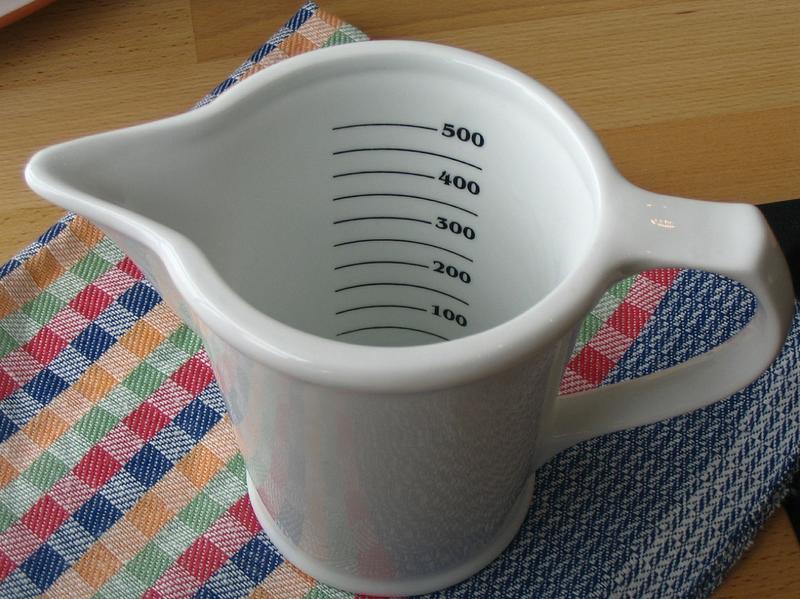
The first thing to remember is that a quart is made up of two pints. Each pint weighs two cups, or sixteen ounces meaning that one quart contains four cups, or 32 ounces.

Are you ready to learn the math? It’s simple. If 1 quart equals 2 pints 4 cups, 32 ounces then 4 quarts is 8 pints 16 cups, or 128 ounces.

It’s possible to keep this information in your kitchen or even write it down on your smartphone or make use of an online converter the next time.

Why should I use water when cooking?

It may seem like a ridiculous question however, it’s actually an interesting one because water is, often vital to cook-off. However, it can also be a supplement to other ways.

A few examples of water cooking are mixing, boiling, steaming, making a broth, or cleaning.

Boiling

It is typically used to cook food items such as pasta noodles, grains potatoes, as well as the meats such as chicken. The boiling temperature of water is 212°F but it can be lower at higher elevations as well as when sugar or salt are added to it.

4-quarts-of-water

If water is heated and then held for about 10-minutes, the microorganisms get destroyed, and it is considered to be a safe method to protect against microbe-borne illnesses.

It’s not always advisable to boil your food because it may reduce the amount of soluble vitamins found in food as well as be slower cooking method in certain situations.

Mixing

When mixing food items, water acts as the “mixer” between them, so it is the first ingredient to be used. This method of mixing water is typically used to keep food moist and to prevent drying in the case of an oven or a special sauce.

Making broth

It is an example of one of the popular applications–apart from boiling– of water in cooking. Broth is a dish that involves the simmering of bones or meat, veggies and fish can be simmered with water.

The resultant liquid is the broth that is used in other liquids for eating, like gravy, sauces, or soup. The broth can also be an excellent option to enhance the flavor of certain food items like meats, rice, or other grains. You can make your own broth and enjoy the taste.

Here are a few ways that you can make use of broth in your everyday cooking:

Stir-fry to add flavor

Replace oil used in sautéed dishes

Sprinkle the meat or poultry with sauce while baking in the oven for the meat to remain moist.

Moisten leftovers prior to reheating in the oven

Steaming

This is accomplished by placing water in a pan, or pot and letting it simmer. After it boils continuously and then it turns into steam. The steam then flows into the food, and the heat will cook it.

When you steam your food, it isn’t directly in contact with water, but is in direct contact with steam. The types of food that you can cook using steam include meat, veggies, and rice.

Steaming has many benefits, including getting rid of overcooking, avoiding excessive fat and less losses of nutrients as compared to boiling.

When should I use water and when should I use the Broth or Stock?

Water is often beneficial in terms of time savings and cooking foods more quickly. But there are occasions where you’ll prefer replacing water with something that is more delicious and nutritious, such as soup or stocks. I’ve already explained the definition of broth, but stock is the same but it is made with chunks of bone or meat in it.

Here’s a list of food items that are sure to taste better when paired with water:

Pasta

Don’t use stock or broth in pasta dishes, as it would in the end be wasted. Instead, use water and add flavor once the pasta is cooked.

Beans

It’s a possible scenario for stock or broth, as most beans, including black beans, already have plenty of flavors. Adding the extra flavor from your liquid can cause them to become too thick. They cook well in water without creating a mushy texture.

Pureed Foods

This is a tricky one. Many people say that stock or broth improves flavor however the reality is that a lot of these puréed foods contain numerous ingredients and the use of water won’t make the flavor more pronounced.

Now, here’s the list of foods that benefit from using stock or broth when making:

Braises

If you are cooking the pot of roast, or cut ribs dish, adding the stock will give your dish greater flavor and provide nutrients to your meat. Try cooking short ribs in stock to test it out!

Soups

It’s a simple one. However, making soups is definitely a method where you’ll need to make use of broth – and maybe even stock to enhance the flavor of your dishes. Soups tend to be more watery and can therefore benefit from the flavor of broth.

Broth

Pan Sauces

If you prepare sauces in pans, you only use few ingredients, which is why all of them add up. The use of stock can provide an extra flavor to the final product.

Rice and other grains

You might be aware but maybe not but when you cook rice and other grains, it is recommended to opt for broth. The bulk of the liquid used in is cooked into the rice/grains will be taken up by the broth and the broth will enhance the food’s taste at the end.

Whatever you decide to do, you should bear in mind that the process of making broth or stock will require water at the time. For one thing, water is the main ingredient here.

Okay, I’m confident about the use of water. What next?

You are ready to start cooking? Make sure you check the measurements in your recipe, and ensure that you have the proper conversion. Don’t forget that 4 quarts equivalent to 8 pints, or 16 cups. This is a significant amount of water, yet it’s actually quite common in many recipes.

Wrapping up

How Much is 4 Quarts of water?

Hopefully, this post about how much is 4 quarts of water has given you enough information about how much water you need while cooking. This certainly will make you a lot more confident about using the right amount of water in cooking.


What Does Ostrich Taste Like? All You Need To Know!

What Does Ostrich Taste Like?

What Does Ostrich Taste Like? Does Ostrich Taste Good ?

What Does Ostrich Taste Like?

What does ostrich meat taste like? If you want to know about this strange bird and how its meat tastes like, you have come to the right spot. For, here, in this article, I am going to write in detail about this subject. Just read on to learn more.

With its great taste and nutritional value, as well as its amazing versatility and ease of cooking, the ostrich meat has swiftly been able to make its way into the menus at some of the top restaurants around the globe.

Chefs are enthralled by its delicious fresh and meaty taste and are experimenting with numerous exciting ways to cook and showcase the ostrich to the gourmets.

We all know the Ostrich all over the world as the largest flightless bird. They are well-known for their ability to lay the biggest eggs among terrestrial animals. They are also among the fastest land animals.

The natives of the species are Africa and are part of two species: that of the Common Ostrich and the Somali Ostrich.

Certain people consume Ostrich’s eggs. Others take Ostriches. Ostrich is similar to “premium beef” and is thought to have lower levels of fat than of the meats that are lean, such as turkey or chicken.

Germany is the largest producer of Ostrich meat. They purchase the majority all of the meat they consume out of South Africa and have more than 150 farms of ostriches.

Ostrich meat can be expensive due to the existence of the fact that there are fewer farms around the world.

What is an Ostrich?

The Ostrich is a huge flightless bird found in Africa. It is the biggest known bird species.

They can’t fly, and yet they are faster than every bird that lives on land. Due to their heavy body, they can’t fly with their weaker wings for flying.

Ostriches have powerful legs, which enable them to run extremely fast. Their kicks are fatal to humans, as well as any other predators in particular.

They also have the biggest eyes that are among the animals on land. They were also discovered in Israel’s deserts but were hunted until they died.

They obtain their food from the plants they consume but they are omnivores.

Their diet is primarily comprised of plants, roots, seeds insects, lizards as well as other animals that are small that are found in deserts.

What Does Ostrich Taste Like? 

The meat of the ostrich is similar to beef but has a reddish hue and texture.

It is more nutritious than other meats, has a high content of iron, and doesn’t taste like other bird meats.

It can be cooked like other meats and will not shrink when you increase temperature.

Ostrich meat can be a healthy alternative for the regular white and red meat. It can be used as steaks, barbeque or for barbeque, you name it.

Ostrich’s flesh is low in calories and cholesterol , yet it is high in calcium, iron and a good protein source.

Ostrich meat is purchased by the majority of people through online retailers and comes in a variety of cuts, just as beef.

They can be utilized in patties, and is sold in the form of ground beef. Ostrich meat is significantly lower in fat-soluble acid content and is low in sodium, and is the major draw.

They also prevent harmful bacteria to infect the meat due to the ideal pH levels.

Many restaurants and chefs have various restaurants and chefs have added Ostrich meat to their menus because it is a piece of meat that is unique and has beneficial properties.

The softness of the meat from the Ostrich is another plus point of the meat. The nutritional value of Ostrich meat is higher than any other poultry meat or beef.

It’s also an eco-friendly source of protein. Ostriches that are grown on farms do not emit a lot of methane gas and require only a small amount of surface.

How to Cook Ostrich Meat?

Here are some recipes you can make with ostrich meat

Ostrich Steak- If you like steak and barbeque This recipe won’t be disappointing. It’s one of those recipes that you can test out while you are with your family and your friends.

Ostrich Meatballs with spicy Plum Sauce: Another fantastic recipe to try is this recipe for meatballs. The meatballs that are cooked with plum sauce sort of mask the strong smell of Ostrich meat.

Grilled Ostrich is a different recipe which will cause you to be enthralled by the flavor and texture that the meat has.

If you’re in search of an ostrich slice that is surprisingly soft and tender meat to enjoy, cooked Ostrich is the best way to take. Thanks to all of the spice and tenderness you will not be disappointed by this delicious and flavorful recipe.

Naturally, Ostrich meat can be expensive but it’s an exotic meat that you must have at least one time in your lifetime!

Recipes have been developed over the years to make an excellent Ostrich dish.

The most renowned restaurants of the present are said to include Ostrich dishes on their menus.

While some people haven’t enjoyed the inclusion, the majority of people appreciate a few unique meals every once in time.

Ostrich Meat Nutrition

The food you eat is fantastic source of:

  • Protein
  • Vitamin B6
  • Vitamin B12
  • Iron
  • Thiamin
  • Riboflavin
  • Niacin
  • Phosphorus
  • Zinc
  • Selenium
  • and many and much more.

Ostrich patties are an excellent alternative to hamburger patties. A lot of people find them to be more delicious and more appealing than chicken.

A patty of ostrich contains 22 grams of protein. That’s almost half the daily protein intake in every portion.

A single serving of ground ostrich offers the equivalent of 84 percent of the daily vitamin B-12 intake and 51% of your selenium, and around one quarter of your daily intake of Niacin, vitamin B-6 zinc and phosphorus.

Fun Facts About Ostrich

Ostriches have  exceptionally good eyesight and are able to discern color.

Ostrich can’t fly. But they are the fastest animal that has two legs. They can run at speeds of up to 70km/hour. And they can shake your hands due to having 2 fingers as well as two feet.

But at the same, I do not recommend getting too close, as an ostrich could kill a lion in just one powerful kick!

Culinary Uses of Ostrich

A lot of people are familiar with cooking chicken, beef lamb, veal or other meats. However, the idea of cooking ostrich may seem very foreign to certain people. It’s not too much of a problem. All the recipes that are applicable to red or white meat, work perfectly for ostrich.

There are a few points to be aware of when cooking ostrich. It isn’t as fat-rich than other meats, which means it is cooked in a shorter time.

Cooking ostrich too long will cause loss of juices as well as the texture. To get the most flavorful experience Ostrich must be cooked until medium or medium-rare.

Ostrich is a good choice for many things. It is a good example. Ostrich meat can be substituted for beef in hamburger patties. If you’re a barbecue-loving type, you can also take a look at Ostrich steak.

If you don’t scorch or sear them too much, it is impossible to make a mistake. Ostrich meat doesn’t shrink and it is able to withstand temperatures. It is also possible to use ostrich meat to create meatballs.

Ostrich can be cooked or fried, baked like turkey, and even cooked. Any food that you are drawn to or recipe with meat is possible to recreate using turkey. Keep your mind open to experiment!

Recipe for Fried Garlic Ostrich Filets

Ingredients required

  • 2 filets of ostrich (about 4.25 oz. each)
  • seasonings (such as salt, steak spice, pepper, or salt and)
  • 2TB olive butter or olive
  • 2 cloves chopped garlic

Method of cooking

The pan is heated to medium high. Add the oil. Once the oil is hot, cook the fish filets. After 3 minutes of cooking then flip them and cook the garlic. Cook for another 3 minutes. Transfer the cooked items from the pan to the plate and let them rest for 3 minutes.

Broccoli side dish

Microwave or boil some broccoli until nearly soft. Mix the broccoli for one minute in the pan with the filets of ostrich.

Serves 2 people

Wrapping up

What Does Ostrich Taste Like?

The secret to Ostrich meat’s versatility in kitchen lies in its mix of muscle that is lean as well as red meat. They are different from other species of bird that are raised to produce meat like chickens or ducks or sparrows.

Ostriches belong to a group of birds called Ratites. Within this group, which includes cassowaries and emus, all birds produce dark meat that has an aroma and texture similar to lean beef.

If you haven’t tried this delicious meat yet, it is high time you did it!


Related Post:  Where Can You Buy Ostrich Eggs?

What Does Feta Cheese Taste Like? All You Want To know!

What Does Feta Cheese Taste Like? 

What does Feta Cheese taste Like? 

To answer your question first. What does feta cheese taste like?

Well, Feta cheese from Greece has a salty, spicy, and sweet flavor. It is true that it has a hint of lemon flavor in the end, but it’s not quite overwhelming.

Furthermore, the older the feta, the more brittle and more spicy it is. However, feta predominantly made of sheep’s milk is more affluent and more buttery taste. Regarding the texture, feta cheese is smooth.

It is important to remember that the bacterial strains as well as the humidity and temperature can affect the flavor of the cheese.

To begin with, it is a crumbly, white cheese that was was developed within Greece as a principal source of calcium. It is typically purchased in blocks. This helps keep it fresher for longer and also helps preserve its flavorful flavor.

It is made of either goat or sheep milk. Sometimes an amalgam of both is employed. In Greece there is no feta cheese that is made using cow’s milk.

Outside of Greece it is possible to find certain places that make it, and they are known as feta cheese.

If you’ve seen this cheese in a variety of places, in various recipes, and are wondering what the flavor of feta cheese is that’s why you need to learn the details about it.

How to Eat Feta Cheese?

Feta is so adaptable, that it’s delicious nearly any place it’s added.

  • Take a bite with a vegetable-based dish.
  • Add it to fresh salads. Feta is the perfect complement to tomato , however it works well with all kinds of greens , including lettuce, fresh spinach, but also beets.
  • Mix it with other meats, and cook to your liking in the oven.
  • Smashed it with a fork until it becomes creamy and make it an spread for sandwiches.
  • Serve to serve as an accompaniment to the bruschetta or pizza.
  • Create a sandwich by using slices of feta, oregano, as well as olive oil.
  • Bake feta and some peppers to make an aperitif that is spicy.

How do I store Feta?

Feta should be kept in a brine solution; otherwise, it will spoil rapidly. Make your own brine simply by adding 2-3 tablespoons salt to 1 Liter (about four cups) of water. You should ensure that the Feta is completely covered with the solution.

You should store in a sealed container. It will last for up to six months. Feta that isn’t stored in this manner, particularly crumbled feta, will last just for a week.

What makes Feta so important to Greeks?

For the Greeks, it’s not just a side dish to food or consumed at the end of a meal, like the French, but it’s actually part of the entire meal. Just like bread is served at every meal, feta too is included.

As part of tradition, the Greek diet is full of vegetables and feta was a key protein in these dishes.

Additionally the freshness and tang of the cheese tempered the olive oil’s richness used in the way these vegetable meals were prepared.

Yet feta finds its way to be a perfect accompanying ingredient to nearly every other dish, including fruits, meats and beans. The only thing they won’t eat in it is seafood.

Feta Cheese Health Benefits

Feta cheese is extremely nutritious. It can be found in a variety of recipes, whether used as an appetizer, main course or dessert.

The health benefits of Feta cheese include bone support, protection against inflammation, and assist in fighting off diseases like cancer and diabetes.

The nutrition for bone health can be found in the large quantities of calcium and phosphorus found in the cheese feta.

There are probiotics present in the cheese feta; they are beneficial bacteria that build the immune system and shield your body from harmful bacteria.

Probiotics can stay in the body for an extended period of time. Therefore, feta is aiding our body for an extended duration after eating it. Apart from that it is also a great food source for protein.

It’s also less calories and fat in comparison to other cheeses. In the process of making it the salt is added that makes it very extremely high in sodium.

This is why it is recommended that it should be avoided by pregnant women. It is also recommended that those who have an allergy to dairy products should steer clear of this product.

Feta Cheese Flavor

Feta cheese can be produced using sheep and goat milk. If it’s made with goat’s milk, it will be a firm texture with soft flavor.

However, when it’s made from sheep’s milk it will be a creamy and buttery flavor. Although it is not a fresh cheese, it has the qualities of fresh cheese that it is able to be proud of.

Because of its rich flavor It takes time for people to become accustomed to it. However, they may not initially find it appealing. If this is the case it is best to start by eating it in smaller portions and follow recipes that promise tasty tastes of the cheese.

Don’t give up on it after your first time as you’ll definitely be missing out on a wonderful aspect of your life that can boost any dish’s flavor easily.

Feta Cheese Smell

Whatever kind of milk it’s made of, the smell of feta cheese is always that of fresh cheese. It is only as feta when it contains around 70% milk contained in it.

This is the reason why it may smell like fresh cheese despite the fact that it is made using a brined process.

The smell also has an acidic tinge which creates a pleasing and warm scent. If your cheese appears to be sour, you need to know that it has become stale and not suitable for consumption.

Feta Cheese Substitutes

We’ll talk to that you at the very least, three cheese substitutes that are just as excellent as the original.

The most prominent and first is the ricotta-like cheese. If you do not enjoy the flavor of the feta cheese but want a sweeter flavor, you can go with this cheese.

It cooks exactly like feta cheese; however, it doesn’t possess the bitter and salty flavor that feta cheese is known to possess.

Halloumi is the second type of cheese that is also is a Greek cheese. It is similar in taste as feta but it isn’t as rich, so those who are looking for “mild feta” could choose this cheese.

Another option is goat cheese. A crumbly version can be used as a alternative to feta, and it is more mild in flavor than feta, as it’s made mostly from goat milk.

What is the best way to Eat Feta Cheese?

As was mentioned previously, Feta cheese is versatile and delicious mixed with almost anything. The most common methods to eat feta cheese include on salads, in bread, on salads and with vegetables or fruits and even in pasta.

For bread to be served with cheese, after topping it with cheese, drizzle some olive oil over it and sprinkle it with seasonings such as salt, pepper and. This is a great way to make delicious sandwiches with feta cheese.

Grill it for sandwiches if you want. For salads, you can melt feta cheese, then drizzle it over salads or sprinkle it on top with a layer of cheese. It can also be crumbled over pizzas, tacos or tacos as well as mashed or baked potato.

You can also make feta cheese omelettes, by folding slices of feta cheese into the egg with spinach and tomatoes.

If you’re eating salads of vegetables or fruits and salads, add the cheese to the salad as a side dish and serve it with the salad.

The recommended serving size for healthy eating is 30 grams. This is how much a person recommended to take in.

Wrapping up

What does Feta Cheese taste Like? 

It is possible that you’ve asked the question to people you know: how does feta cheese taste like? If so, then you must read this article to find out everything you want to know about it.

Explore the ways to eat it and try it. Remember to consume portions in small amounts because it takes time to become accustomed to its distinctive flavor.

Feta cheese doesn’t just taste great, it also can be extremely beneficial for your overall health. Feta cheese is most famous due to its high calcium content, which is beneficial to teeth and bones.

Furthermore,  the cheese is also loaded with valuable minerals along with vitamins as well as other essential nutrients. It could help reduce the risk of developing diabetes and boost your general immune system.

But, there is a caveat: you should not take in excessive amounts of feta cheese if you are trying to reduce the amount of salt you consume daily.


Related Post: Does Cheesecake Go Bad?

How Long Do Deviled Eggs Last In The Fridge?

How Long Do Deviled Eggs Last In The Fridge?

How Long Do Deviled Eggs Last In The Fridge?

How Long Do Deviled Eggs Last In The Fridge?

Deviled eggs aren’t only for occasions like parties and holidays. They’re a great, cost-effective appetizer for busy weeknights and also as an excellent lunch idea! Find out more about the storage of deviled eggs here. Have you ever wondered what might cause the green ring that surrounds an egg’s yolk cooked egg? I’ve got the solution to this, as well as many other storage and safety issues. Lastly, I am also going to answer the question you are primarily here for: “How long do deviled eggs last in the fridge?”

Deviled eggs (often known as stuffed eggs) are a wonderful method to spice up your weekly dinners. They are often reserved for celebrations or holidays small bites of happiness are an ideal to make ahead side dish for hectic weeknights! Home cooks, get ready!

How Long Do Deviled Eggs Last?

Because deviled eggs typically include the same ingredients as eggs salads, FoodSafety.Gov, a website we often refer to, recommends consuming deviled eggs within 3 to four days, provided that they are kept in a refrigerator at 40 degrees or less.

How Long Do Deviled Eggs Last Outside the Fridge?

However, it is also important to be aware of how long you allow eggs to sit  unrefrigerated. According to FoodSafety.gov, 2 hours is the longest time that deviled eggs and hard-boiled eggs can be kept at the room temperatures. However, if the eggs are exposed to high temperatures under the summer sun and in that case, they must be thrown out within an hour.

Also, it’s essential to ensure that the eggs are cold and refrigerated until it’s time to transport them or serve the eggs. FoodSafety.gov suggests using an ice cooler at the time to transport eggs with deviled eggs to keep them chilled during the journey.

Why Are They So Perishable?

The local USDA Food Safety department told us that hard-cooked eggs are more prone to spoiling than fresh eggs. Eggs that have been cooked in hard-boiled form should not be cooked for longer than 2 hours, and then consumed within one week.

Similar timeframes apply to eggs deviled. However, due to their delicacy as well as the ingredients that make up the fillings, it is not uncommon for eggs to be stored in the fridge typically just for one or two days.

Safety is of paramount importance. So, make sure to get rid of any eggs that were stored in the room for more than two hours or kept within the fridge for longer than two weeks.

How To Store Deviled Eggs In The Fridge?

Deviled eggs must be kept inside an airtight container within the coldest section in the fridge. The coldest area of the fridge will differ depending on the model, the most warm part is always located near the door.

Temperatures of air can fluctuate drastically in the refrigerator’s doors. This is because of to that the door being shut and opened several times throughout the day. So, do not store eggs salad inside the doorways.

In order to ensure that the yolk mixture isn’t dry and to ensure that your eggs maintain their uniform pale yellow color You can cover them in plastic wrap. The plastic wrap provides a second layer of protection between your eggs as well as any odors from your refrigerator.

Why You Should Store Deviled Eggs At Or Below 40 degF?

According to the USDA, bacteria multiply faster between temperatures between 40degF and 140degF. This is called the “Danger Zone” and should be kept clear of.

There are two types of bacteria that you have to be mindful of when it pertains to food security.

The first types of bacteria are pathogenic ones. These are the bacteria that can cause you to become sick. They are most prevalent in the temperatures that are in the “danger zone.” They are the sneaky ones since they don’t usually affect the appearance, smell or taste of food.

The second type of bacteria to be aware of includes spoilage bacteria. They are the ones that cause food items to turn slimy or mushy as well as decay. Spoilage bacteria prevent people to eat the produce. It will probably not cause people sick if they ate the food.

Best Deviled Egg Carriers

If you’re a lover of deviled eggs, or would like to create deviled eggs for parties, you will need a carrier for deviled eggs to keep your eggs safe and attractive.

My favorite for everyday use at home is the Snapware Snap N Stack carrier. If I’m going to host a potluck or serve an event or a more elaborate food, I like this round tray.

How Long Can Deviled Eggs Be Left Out?

Ideally, you’d like to keep eggs in a refrigerator till you’re ready to take them out for breakfast, but this doesn’t happen all the time at holidays, particularly when there are gatherings and celebrations.

So, don’t set your eggs in the deviled egg dish for longer than one hour when the temperature is 90degF or higher, 2 hours if the temperature is lower than 90degF.

Always be on the side of caution and discard any eggs that you think might have gone bad, or eggs kept out for longer than 2 hours. Do not be a risk of getting your family members or your loved ones sick.

Keep in mind that you’ll spend the same amount of time, money traveling to the hospital emergency rooms than you make the deviled eggs again!

How To Know Whether Deviled Eggs Are Bad?

When dealing with leftovers, it is important to remember that deviled eggs are generally excellent to consume within 3 to four days. But, it’s feasible for eggs to be spoiled before 3 to four days have passed.

It’s better to use your sense of smell and sight before relying on your taste sense. What I am referring to is that you must ensure that your eggs are attractive and smell nice before you even taste them.

Deviled eggs need to be removed when they exhibit an unpleasant smell or appear to have visible mold. They should also be disposed of to be thrown away when the color of the dish shifts or if they are sour tasting.

The unpleasant as well as “off” odors, color shifts or changes in mold, or the “off-putting” taste are all indications that you’ve got eggs that are rotten.

Frequently Asked Questions

What Causes The Green Ring Around The Yolk Of Hard-Cooked Eggs?

The green ring surrounding the yolk of an egg hard-boiled happens when hydrogen from the egg’s white reacts with sulfur found in the yolk. This usually occurs when eggs are cooked for too long, however, it could also result due to an excess of iron in the water used to cook eggs. While they look ugly the green rings that are on eggs are safe to consume.

Can You Freeze Deviled Eggs?

Yes it is possible to freeze deviled egg. But you shouldn’t do it. Eggs that have been hard-boiled become tough and chewy after being they are frozen. There is no reason for anyone to consume eggs that are hard and chewy.

If you do insist on freezing deviled eggs make sure that they are stored in a freezer-safe airtight container that can be used in 1 to 2 month. Then, you can thaw them within the fridge.

I think that it’s much simpler to prepare deviled eggs on a regular basis, rather than freezing them particularly since they can be made quickly and using a few food items in the pantry.

How Long Are Hard-Boiled Eggs Good For In The Fridge?

In the shell, or peeled, hard-cooked (hard-boiled or not cut) eggs can be eaten for around seven days (7 days) when they are stored in the refrigerator within 2 hours after cooking.

Similar to deviled eggs, ensure that the eggs that you cook yourself are kept in an airtight dish in the coldest area of your refrigerator.

How Far In Advance Can One Make Deviled Eggs?

For the best quality, you should begin making the stuffed eggs at least one to two days ahead.

Here’s an overview for you to follow:

Two days prior you start boiling, peel and boil your eggs. The eggs should be left uncut.

A day prior, slice eggs, cook the filling and then fill the eggs.

Just before to serving them, decorate eggs with any toppings  like bacon or paprika, scallions etc.

Best Deviled Egg Dishes

Broccoli and cheese

This recipe for deviled eggs combines egg yolks, mustard, black pepper, vinegar and mix. After that you can add broccoli and cheese to the mix. To garnish, add additional cheese to the mix by spooning it or pipe-filling it onto egg whites.

Buffalo chicken

You can make this deviled egg recipe by mixing Greek yogurt with buffalo sauce, black pepper in the same bowl along with the egg yolk. Mix in the chicken and cheese. Pour the filling to an empty pipe or bowl. Sprinkle hot sauce on the top.

Hot chili

You can make this deviled egg recipe by mashing egg yolks using lime juice and chili sauce. Add smoked paprika and black pepper and smoked paprika to make it the mixture is smooth. Pour the filling to an empty piper or bowl, and drizzle it with hot sauce. Sprinkle some paprika on top.

Salsa and Chipotle

Make this deviled eggs version by mixing egg yolks and the lime juice, black pepper and until it is smooth. Add chipotle peppers and salsa. Sprinkle with more salsa following the spooning process or by pipe filling.

Avocado

Create this deviled egg variation by mash egg yolks and avocado. Mix in lime juice and tarragon. Blend until it is smooth. Add tarragon and green peppers right after filling with pipe or spoon.

Bacon and cheese

Make this deviled eggs version by mixing egg yolks with vinegar, mustard as well as black pepper, until they are smooth. Mix in the bacon and cheese. Sprinkle with bacon or cheese, after taking a spoon or pipe.

Sun-dried tomato

Create this deviled egg variation by mash egg yolks with vinegar and mustard until it’s the mixture is smooth. Mix in sun-dried tomatoes and cheese. Add parsley. Sprinkle with sun-dried tomato cheese, sun-dried tomatoes, and even more parsley.

Southwestern

Create this deviled egg variation by mashing egg yolks with lime juice and cumin until it is smooth. Mix in the jalapenos, cheese, and bell peppers red. After the mixture has been incorporated into the egg whites, you can sprinkle with diced jalapenos.

Ham and cheddar

Make this deviled eggs version by mixing egg yolks in vinegar and mustard. Add the cheese and Ham. Then, add additional cheddar cheese and the ham to the egg whites.

Related Questions:

How far in advance can you prepare deviled eggs?

Deviled eggs can be prepared for up to two days ahead. It is essential to keep egg yolk and whites separated. Cover the egg whites by wrapping them in plastic. Cover the yolk of the egg with the plastic bag.

It is it okay to boil eggs overnight?

It is possible to make hard-boiled eggs ahead of time by peeling and cooking them as the instructions. After that, put them in a sealed container that you can store in the fridge for at least to the period of five days.

Are eggs peelable before time?

In the event that the eggs will need to be consumed within a short time the eggs should be kept chilled. It is recommended to hold off until the eggs are cooked to be added to your dish or consumed to peel the shells off them. It is possible to store cooked eggs inside the shell for up to one week.

Wrapping up

How Long Do Deviled Eggs Last In The Fridge?

How long do deviled eggs last in the fridge? I’m sure you’ve already received a solution to that question, if you have read this article thoroughly.

Regarding  food safety, it’s always best to take a step of caution than to be at risk of becoming sick from food-borne bacteria. There’s always the chance that your refrigerator doesn’t have an even temperature of 40F and if your eggs begin to smell off or have a weird texture or color, or there are any other doubts, throw them out.


Related Post: How long do tomato soup last in the fridge?

Raw Chicken Smells Like Eggs—What To Do?

Raw Raw Chicken Smells Like Eggs

Raw Chicken Smells Like Eggs

Raw Chicken Smells Like Eggs

Have you ever bought chicken meat from the store which looks brand new but when you opened the box, you get the strange eggy smell? And you scream in disgust–Oh, my God, the raw chicken smells like eggs?  You’re not the only one! Many people have started looking around to find answers but have found dubious or misleading information about. Needless to say, it has confounded them all the more.

So, what should you do when chicken smells like eggs? What exactly does this mean? Can it be considered safe to consume? What are the best ways to tell whether the meat is safe to eat? In this post I will attempt to discover an accurate answer and also provide a solution to solve this issue.

Chicken is a difficult meat that may or might not smell like eggs and could or might not be edible despite the distinctive smell.

Then, why does the chicken smell sometimes like eggs? It could be due to the blood of the chicken becoming spoilt, or the oxidation of the container it was packaged in, or it is contaminated with salmonella poisoning.

But the fact that it has a faint eggy-smell does not mean that it’s not edible.

Continue reading to learn why chicken that has been cooked or cooked smells like eggs, and when chicken is safe to consume or when it’s best removed, the best way to keep it safe and where to purchase it.

Why my raw chicken smells like eggs?

When you open a bag of frozen, fresh or vacuumed sealed chicken, you might smell an eggy scent in the meat.

It is vital to understand that we’re talking about the smell of boiled eggs and not rotten egg smell. You are advised to get rid of your chicken immediately in the event that it smells decayed or is rancid.

If you’re confused over the difference between the two, the smell of chicken that resembles boiling eggs won’t cause you to fall off your feet and chicken that smells of rotten eggs will smell rancid and could make you feel sick. Be sure to trust your instincts!

Here are some reasons why raw chickens can be smelling like eggs, and the reason it could be delicious even with the smell.

Spoiled Blood

Sometimes, chicken that was opened prior to or after the expiration date remains sour. This could be because the blood is rotting more quickly within the chicken than its meat.

Because blood in the chicken may spoil more quickly as the flesh, this can produce the smell of boiling eggs.

But, this doesn’t necessarily mean the chicken is not good. It is possible to wash the chicken using water and allow it to sit for a while to remove eggs.

If the chicken is no longer suffused with the scent of eggs, it’s suitable to prepare and consume. Be sure to cook it to an internal temperature of 165 degrees F.

Salmonella Enterica

Another reason for the smell of eggs in chicken that is raw is a bacterium called Salmonella Enterica.

Salmonella is the main bacteria responsible for the large proportion of food poisonings and is like E. coli. Salmonella could cause enterocolitis caused by bacteria and affects both egg and chicken products.

Salmonella is the particular bacteria responsible for causing the smell of eggs or sulfur in chicken that is raw.

It is, however, an unavoidable bacteria which can be eliminated by cooking the meat correctly.

To ensure that the salmonella has been eliminated out of your chicken be sure that you cook the chicken at the right internal temperature of 165 degree F.

Vacuum-sealed, fried chicken

Another reason why the smell of raw chicken could be similar to eggs is because of the packaging.

Unless you purchase your chicken off the shelf in a supermarket or from a butcher shop, you’ll find your chicken in vacuum-sealed packages. This is true for frozen as well as fresh chicken.

A lot of grocery stores will inform you of the eggy odor of chicken in the packaging. However, they don’t explain what causes the smell.

This eggy smell, sometimes called a confinement smell, is due to gases used in the process of packing the meat.

The process of packing chicken requires the elimination of oxygen, and the addition of a different gas used for preservation, such as sulfur dioxide.

The addition and elimination of these gases is what create the eggy smell that is present in chickens vacuum-sealed.

However, this might not be cause for concern.

The smell of the boiled egg must be eliminated from the chicken once it is placed at the table for couple of minutes, and then cooked to an internal temperature of 165 degree F.

Cooked Chicken smells like eggs

After you cook the chicken, it could still be a bit of an eggy smell. You can try covering the chicken with sauces and spices but the smell could be present.

The reason for the eggy smell of cooked chicken is similar to that of raw chicken.

It could be due to the blood deteriorating before the meat is cooked, or it could be due to salmonella, or it could be due to loss of oxygen as well as the presence of a gas called a preservative that has remained in the meat during its cooking.

The smell alone can’t determine if the chicken is edible. So, a cooked chicken that has an eggy odor may be edible.

It is essential to make your own judgment when cooking chicken and you might have to use other indicators to determine if the chicken is edible or not.

Is chicken that smells like Eggs Safe to Eat?

Well, that is a good question. In most cases, if there is a light eggy smell, then the chicken is likely to be edible.

Luckily, eating a chicken that has a smell that’s slightly off is not likely to result in serious food poisoning. This is because pathogenic bacteria such as salmonella E. bacteria and listeria, which are the most frequent hazards in raw chicken are killed and rendered ineffective by cooking the chicken up to 165 degF, which is about 74 degrees Celsius.

In truth, the eggy odor that you smell is caused by bugs that contribute to spoilage but not the bacteria that cause food poisoning or illnesses. This means that these bacteria are not usually dangerous when consumed.

However, meat that smells and looks fresh may cause you to become sick when you do not cook it at the proper temperature or store it in a proper manner. Therefore, even though it’s somewhat counterintuitive, having a slight off eggy smell could mean the meat is not safe to consume. It is still dependent, however, on the kind of bacteria present within it.

Furthermore, supermarkets and other food stores and delivery companies that deliver chicken claim that the use of gases in the process of packaging used to preserve the chicken cause products to smell of sulfur. This makes it smell like eggs.

According to them,  the smell should go immediately upon opening the packaging. In the event that the smell lingers for more than a half hour, I believe it’s best to remove the chicken.

What to do if the chicken smell like eggs?

If you decide that the chicken’s meat is safe to cook and consume, you can lessen the unpleasant smell by following the steps below:

Rinse the chicken with running water after removing the frozen chicken from.

Add a little bit of vinegar or lemon juice on the meat. After that, clean it off in case you don’t want to flavor poultry with acids. If not, you could add the acid in the marinade. This can help reduce the smell.

Clean the chicken, then sprinkle salt on it. You can cook or boil it however you want.

When the food is cooked, sprinkle bay leaves to take away the smell.

How can you tell if chicken is not good?

Here are a few simple methods to determine if the chicken that is frozen or raw is already rotten:

Raw Chicken

Changes in color. Freshly cooked chickens should have a pinkish flesh. If it is dull in appearance or grayish tinge the chicken will begin to turn bad quickly. If it appears more gray than pink, it’s already turned bad. The chicken that has been cooked to death won’t look like white.

A strong, sour, or rotten smell similar to that of ammonia.

It’s sticky and slimy even after washing and washing it with running water.

Frozen chicken

Check the thick layer of ice surrounding your meat, or an ice crust especially if the crust is white rather than transparent.

Check if freezer burn appears as white marks or scratch marks on the chicken in addition to fat.

Check if there is a dark grey discoloration. A slightly grey-tinged yellowing of fat could be fine.

Wrapping up

Raw Chicken Smells Like Eggs

So, what to do if raw chicken smells like eggs? Well, there are several possibilities for the reason that chicken cooked raw or frozen has the smell of eggs. But, if the meat of the chicken doesn’t smell right, what should you do to decide if you should cook it in the oven or throw it in the garbage bin?

There are a variety of ways to know whether the chicken is bad. However, ultimately, the decision is based on your own personal judgment. If you’re the kind of person who doesn’t mind eating leftovers with an unpleasant smell and taste, as you are aware that something might be a bit smelly or taste off, but it won’t cause you to be sick.

But if you are a believer in the better-safe-than-sorry principle, there’s absolutely no harm in erring on the safer side. After all, there is no point in unduly putting your family in a hazardous situation and making them sick. Discretion is the better part of valor, as they say!

Can You Freeze Canned Tuna?

Can You Freeze Canned Tuna?

Can You Freeze Canned Tuna?

Can You Freeze Canned Tuna?

Canned tuna is an excellent food item to have in your kitchen cupboards since it can be used in anything from the tuna fish sandwich, or in a dish such as the tuna noodles that are a family favorite casserole.

However, there are times when you don’t have to use all the contents of a can at one time as you do not want throw away the food instead of putting it in your fridge as there’s no immediate plan to make use of the remainder.

What about freezing it? Can you freeze canned tuna? You can freeze any tuna left in the can by putting it into a freezer Ziploc. Make sure you squeeze out any air and seal the container. It should be labeled with the current date.

The tuna should be used within three month of being frozen.

How to Freeze Tuna

You can store leftover tuna or bulk-buy it in the freezer to prolong its shelf life. It is easy to do this:

Divide it into portions

You can divide the raw or prepared tuna into smaller portions to save on time.

Wrap Fish tightly

Wrap the fish in cling wrap. To keep the fish airtight, wrap it in at most 2 sheets of clingfilm.

Put it in a Bag

Wrap the tuna chunks in a container or plastic bag. This will preserve the tuna’s freshness and quality.

Label and Freeze

After you have bagged everything, put the bags in the freezer.

How to freeze tuna pasta bake

Pasta bake is a great midweek meal. But, can you freeze tuna pasta baked to save time?

The shelf life of food items is always increased by freezing them. Cooked meals can be kept in the refrigerator for up to two days. They can be frozen, however, for up to months.

However, frozen pasta needs special preparation. Pasta can become soggy if it is not sealed properly.

To make it easier to defrost, you can break it up into multiple portions. You can preserve the texture of the tuna pasta by placing it on plastic sheets or cling films to keep any air out. Wrap the portions in a zippered or airtight container and place them in the freezer.

How to Freeze Canned Tuna

Tuna lovers will likely buy a lot of tins to stock their kitchen. Tinted tuna can be kept for several months without spoiling, but it must be opened immediately. What’s the solution? Is it possible to freeze canned tuna?

You can freeze tinned tuna if it has been opened. However, there are some steps you need to follow. Tin is not suitable for freezing. You must transfer the contents of the container into another container.

A high-quality plastic container with an airtight lid is recommended. Cover the container with aluminum foil or a cling sheet once you have poured the tuna into the tin. To enjoy fresh tuna after months, place the lid on the container and put it in the freezer.

Special Tips to Freeze Tuna

We’ve got 3 tips to help you freeze tuna.

Don’t fill your freezer with tons of fish— Fishy ice cream, fishy cubes and fishy fruits will be there before you know it. Make sure your bags are strong and have a tight seal.

You should clearly label it – Frozen fish can be difficult to distinguish between different varieties. Make sure to label it clearly and easily.

Avoid freezing cans – Before freezing canned tuna, I recommend removing the tuna from its container (open or closed) and then portioning it into Tupperware containers for freezing.

How long can you freeze tuna?

Frozen tuna, if kept in good condition, will keep fresh for as long as 3 months.

Wrap it securely (with double-ply plastic).

Before wrapping, dip the item in saltwater or an ascorbic acid solution.

Keep it away from the air.

You can freeze tuna for up to 3 months.

How do you defrost tuna?

Follow these steps to thaw tuna you have frozen. First, you must thaw the tuna. How do you defrost tuna Place the frozen tuna in the refrigerator after it has been removed from the freezer.

You can defrost small portions by placing them in the refrigerator for a few hours. It usually takes at least overnight to thaw a large or standard batch of tuna.

Once the tuna has thawed you can either reheat it in the microwave, or simply cook it as you would normally.

Can You Refreeze Tuna?

Many people believe that once you have thawed a food item, it is impossible to freeze it again. So, can you refreeze tuna? Is this safe? You can freeze tuna after it has been thawed.

You should not place the thawed item under running water or on the counter. Bacteria can quickly multiply in warm environments. Refreeze tuna that has been thawed at room temp. It may spoil.

Tuna can be refrigerated, but only if it has been frozen in a microwave or stored in water.

Does Tuna Freeze Well?

If stored in the right conditions, fish, meat, and poultry can last for several months. So, does tuna freeze well? Tuna can be frozen perfectly if stored in the right conditions. Tuna’s dense meat does not deteriorate when exposed to ice crystals.

You can wrap it in plastic bags or containers. Or, you could dip it in saltwater before wrapping. Tuna can be eaten even after three months.

Freezing Cut Tuna

Pat the tuna slices or cut with a towel made of dry paper. This will prevent water crystals and other problems from occurring on the fish, such as altering its texture or flavor.

Place the cut tuna on a aluminum foil or cling wrapper. Each piece of tuna should be frozen separately.

Wrap the fish in the wrapper several times.

Place the tuna in a freezer bag, or an airtight container.

Use a freezer bag to get rid of any air trapped in it.

As tight as you can seal the bag or the lid of the airtight container.

Place the container or bag with the date of freezing in a labeled place and then freeze it.

Freezing Tuna Steak

Make a solution by adding one tablespoon of ascorbic acids crystals to a glass water. If you prefer, you could substitute ascorbic acid for salt.

Combine the ingredients in a bowl.

After the solution has cooled, dip the tuna steak into it. Leave it there for around 20 seconds. Submerge the whole tuna in the solution.

Wrap the tuna steak on cling wrap and wrap it around the fish. Wrap the tuna steak several times around the fish, making sure that no air gets in the wrap.

Wrap the tuna stead in a freezer bag or container.

Use a freezer bag to get rid of as much air as possible.

Secure the bag or container tightly.

Place the container or bag in the freezer and label it.

How long does canned tuna last after opening?

To extend the shelf life of canned tuna, a large portion is sterilized. Other than these sterilization processes canned tuna often contains certain types of preservatives to help prevent the growth of microbes like high levels of salt or oil.

These factors are not applicable once the tuna has been exposed to the air and the can is opened.

According to experts, temperatures between 40 and 140 degrees F are the best temperature range for bacteria and fungi to grow, and allow them to reproduce and multiply completely unimpeded by their environment. This area has been dubbed the “danger zone”.

Canned tuna should not be left out in the temperature danger area or at room temperature for more than two hours. Even if there is no sign of spoilage, it should still be safe to eat. You should not try to taste the tuna to determine if it has started to spoil.

How long does fresh tuna last at room temperature?

Tuna, no matter how fresh or canned, should be kept at room temperature for no more than two hours.

If you still prefer to keep fresh tuna at room temp, there are several things that can be done to prolong its shelf life. Even if you have followed these steps, it is best to throw away the tuna as soon as possible.

Fill a container with cold water and place the tuna. Only use airtight containers that have resealable covers. This will protect the tuna from being exposed to the elements and partially insulate the tuna.

The container should be kept away from heat and light as they can accelerate the growth of bacteria or fungi.

If you do decide to cook the tuna, ensure that it is cooked thoroughly at high temperatures. However, I suggest that you should not leave the tuna out at room temperature for more than two hours.

Similar FAQs

These may be of help if you have any questions about how to freeze tuna, or tuna generally.

Can You Freeze Tuna Mayo?

First, you should know that mayonnaise doesn’t freeze well. Tuna mayo, however, does not freeze well. We recommend that you do not freeze tuna mayo.

Instead, simply make it fresh after you have thawed your tuna.

What happens if you freeze a can of tuna?

You can cause the tuna to taste bad if you freeze it. You also run the risk of oil, brine, or water expanding in the tin. There may not be enough space for it.

Can You Freeze Tuna Salad?

You can freeze tuna salad and even the leftovers. You will need to buy a few small, airtight containers for freezing tuna salad. You can divide the tuna salad into smaller portions to save on time. The tuna salad will freeze faster if you freeze it in smaller quantities. This will ensure that the tuna salad stays fresh for a longer period of time in the freezer.

Wrapping up

Can You Freeze Canned Tuna?

Hope this article based on the title–“Can You Freeze Canned Tuna” will give you valuable information about this matter and you will be able to increase the shelf life of tuna or the left over if you know how to refrigerate it or freeze it when it is necessary.

What Does Persimmons Taste Like?

What Does Persimmons Taste Like?

What Does Persimmons Taste Like?

What Does Persimmons Taste Like?

Have you ever had the pleasure of tasting the persimmon? What is the flavor of persimmons? What does persimmon taste like? Are they fruit or a vegetable? Such question must have cropped up in your mind when you have come across these fruits somewhere close to your home or while on vacation.

Most probably, you have seen them on the market recently. As with pumpkins, pears apple, and pomegranates autumn is the time to enjoy the mysterious fruit known as persimmon.

In reality, persimmon is one of the newer additions to the list of superfruits that include cantaloupe, bananas, avocado, grapefruit, grapefruit, dragon fruit, and Acai berries among others.

It’s a yellow-orange berry with the similar shape to tomatoes. Learn the more details about this fruit by reading through this article!

What is Persimmon?

Persimmon is one of the fruits that come from many species of trees belonging to the family Diospyros (source).

It is completely safe to be consumed by humans. The most widely cultivated varieties persimmons are Japanese as well as Asian persimmon.

Persimmon originated originates from China and its trees have been in cultivation for thousands of years specifically to produce delicious timber and fruit.

While hundreds of different varieties of persimmons are available, there are a few varieties that stand out. Fuyu as well as the Hachiya varieties are among the most well-known varieties.

In addition, typically there are two kinds of persimmons: the non-astringent and Astringent varieties.

They are also high in tannins. This gives the fruit a dry and bitter taste. In addition, the former is full of tannins, and it can be consumed even when it is not ripe.

If you let it become fully ripe, it’s possible that the flesh could be scooped with the spoon.

What do Persimmons taste like? Do they taste chalky?

With a shape and texture similar to tomatoes, it is possible to wonder whether the flavor of persimmon bears a similarity to tomato.

In actuality persimmon’s flavor is mostly sweet. But, depending on the varieties of persimmon the flavor can differ.

The persimmon with astringency or Hachiya is chalky in taste. This is due to the high level of tannins they contain.

It imparts a bitter taste in the fruits. If you eat the fruit without ripeness, it will give you an unpleasant taste.

However, the amount of tannin can decrease as it becomes old, giving it the flavor of sweetness.

Contrary to that, Fuyu or non-astringent persimmon is sweeter because it contains a few tannins. Additionally, the fruit has a rich color, and is crisp firm and deliciously sweet.

It is even more delicious when it matures, with the soft dark, creamy flesh and sweet, honey-like sweetness.

How to eat Persimmons the best way?

Persimmon lovers who have tried it believe that the best way to consume a fresh Hachiya persimmon is to simply break it open and scoop it up the next.

Their sweet, delicate flavor is what makes them perfect for desserts. They can also be used in English-style steamed desserts.

However, Fuyu persimmons can be cut and peeled, then blended with red onion jalapeno pepper and cilantro. They make an excellent salsa!

You can also slice it and add it to salads, along with other flavors of autumn, similar to the pomegranate.

Persimmons are delicious simply by cutting it into pieces; they could be a good ingredient in baking bread or as biscuits.

In addition, you can also drink persimmons in a smoothie that will definitely satisfy your thirst!

What’s the smell of persimmon?

When you cut the fruit, a delicious smell of sugar cookies that are baking within the oven can fill up your lungs. Yes! Persimmons that are fresh and smell quite a lot like sweetened dough, with an underlying hint of cinnamon!

However, if they aren’t yet mature or are still in the trees, people often say that persimmons smell bad as if they have the smell of fish or a bad body smell! But I request you not to let that deter you from tasting one of these gorgeous orange fruit! We guarantee that when they’re ripe they are delicious and smell amazing!

What kind of feeling do you have when you taste persimmon?

This part is sure to be an exciting journey, people, as the persimmon’s texture is everywhere! Don’t fret; it’s an excellent thing!

When you first look for persimmons, choose one that is slightly delicate on the exterior. Beware of fruit that are as tough as a rock, or are so soft that you might scratch their skins with the slightest amount of pressure.

When you bring the persimmon to your home, you will notice the texture of the skin is extremely thick, comparable to tomatoes that didn’t have enough water when it developed. It is possible to consume the skin of a persimmon. However, many people don’t since it’s extremely dense.

If you do get over its rich, sturdily protected hide and you’ll find the most soft, luscious fruit you’ve ever tasted! In fact, it’s similar to the texture of the plum or mango. However, it is softer and more connected, and certainly not as stringy as compared to the latter.

The inside of persimmon’s fruit is very soft and juicy but not to the point that it drips onto your wrist when you scrape its fruit! It’s slightly chewy and soft, but not as similar to a pear! In fact, it’s quite slimy when you spill it on your hands. For many, the texture of persimmons is quite awe-inspiring!

So, when you take a bite of this delicious fruit,  your mouth will be at peace, for you find there is absolutely no reason to chew! True Persimmons are so soft inside that you could just put it into your mouth and then just swallow!

You have to be careful, though. When you reach the gorgeous sunray-like pattern that is located in the middle of the persimmons, the texture will change.

These lines, which may be a little darker in comparison with the other flesh inside,  actually contain gelatin!

If you’ve ever eaten an artisanal holiday bread with tiny pieces of vibrant citron, or maybe a gummy candy you are already familiar with the texture!

It’s quite soft and chewy and it is easy to slip into your mouth Be careful when eating the pieces of the persimmon!

If you’re experiencing issues with texture with food items, you might want to first try a piece of persimmon before buying a complete bag. The unique and varied texture could be too strange for people who have problems with texture.

How can you get the most enjoyment from eating persimmons?

It’s perfectly acceptable to eat a persimmon in its raw form! In fact, that’s what many people choose to eat them, as they taste this much sweet!

If you’d like to create an appetizer or dessert with this one-of-a unique fruit, we’ve created an assortment of recipes that you could test!

  • Persimmon Bread Pudding
  • Persimmon Jam or Jelly
  • Persimmon Muffins, Cakes, or Cupcakes
  • Persimmon Sugar Cookies
  • Salad with Slices of Persimmon
  • Persimmon Slices sprinkled with the Goat Cheese and Herbs

Consume persimmon in any way you prefer, but make certain to taste some bites of the fruit itself. So you can really appreciate the taste.

Is it safe to consume the skin of a persimmon?

It is possible to consume the outer layer from the persimmon. Consume the whole fruit as an apple that is juicy or cut thinly and spread on the salad.

Similar to apples, persimmons also contain seeds that are not edible, so make sure to steer clear of them. But, you might never even encounter any seeds. Certain fruits contain them, and others do not.

How can you tell if persimmon is ready for eating?

To get those who prefer the Hachiya persimmon, you’re searching for it to feel soft in your palm that it’s like tomatoes that are overripe. Fuyus are edible when they’re fairly tough all the way to a fully caramelized texture.

Be assured that you won’t be worried if you notice some brown spots on persimmons that are juicy. This is quite common, but isn’t necessarily a sign of bad quality.

If you notice mold, smell odd smells, or taste weird flavor, it may have lasted a bit too long.

Wrapping up

What does persimmon taste like?

Persimmon is a wonderful fruit that has lots to provide! It’s not difficult to figure out. You simply need to categorize the two varieties and you’ll be in good shape!

Persimmons are one of the most delicious fruits. They form a maple syrup and a cinnamon-like flavor and are great additions to smoothies, salads and baked items. They’re so sweet that you’ll hardly need any other ingredients to make recipes with persimmons.

Prepare vegan custards, custards, and tarts, as well as autumn-inspired salads using these delicious fruits.

It is for sure that when you taste the fruit, you will be able to answer the question best: what does persimmon taste like?

Anyway, now that you’ve learned so many things about persimmons, you should try something for yourself!


Related Post: What Does Dragon Fruit Taste Like?


Is Shrimp Meat? All Questions Answered!

Is Shrimp Meat?

Is Shrimp Meat? All Questions Answered!

Is Shrimp Meat?


Shrimp is a fantastic food source for proteins and it’s always delicious for a dinner party but there’s confusion.

Many people aren’t quite sure what exactly shrimp is. Is it a species of fish? Does it count as seafood? Does it contain shellfish? Is shrimp meat? So many questions abound in internet forums and the majority of people aren’t aware of its classification or whether it’s a fish or not.

This is crucial for those with food allergies as they are bound to be aware of what’s on their plates for health reasons.

We’ll be discussing today the classification of shrimps and then answer some common shrimp-related questions.

Are shrimp fish?

It’s not true that shrimp cannot be considered to be fish. It’s because fish have some requirements that shrimp can’t fulfill for example:

  • Having an internal skeleton
  • A complex central nervous system
  • Devoid of any limbs

Shrimps have a skeleton on their outsides, an exoskeleton. The design of their exoskeleton is different from that of fish.

The head, neck, and thorax of the fish are a bit flexible with muscle beneath the skin, and over bones, the shrimps have the thick, hardened shell which acts as a kind of armor.

Their abdomens are divided and covered in shell armor that is segmented.

Fish don’t have limbs that can be identified and instead use their fins to move through the water. Shrimp have 10 sets of limbs that roam the seafloor and they could propel themselves using their tails if needed to.

They also feed on the three sets of legs (or arms in this instance) that are closest to the mouths of their pets to feed.

In short, shrimp has very little in connection with fish. Both species reside in the ocean. However, their bodies and food habits are completely different.

It is possible to see shrimp described as a species of fish due to the fact that there are some who use the term “fish” to refer to any sea-based species as a fish.

Is shrimp seafood?

It is true that shrimp is also regarded as seafood. It’s an umbrella term, which includes species like crab, crayfish and lobster, oysters and squid, sea urchins, and octopus and fish.

Seafood has been in use for hundreds of years in terms of cuisines and traditional cuisines in areas where the coastline is large.

Shrimp, in particular, are native to the shoreline and do not venture too far from the ocean. They are also located in fresh water on rivers and lakes, even though there are a variety of species.

Is shrimp a shellfish?

Yes, shrimp is classified as a shellfish.

The term “shellfish” was initially employed in the fisheries and by fishermen, in reference to seafood with an exoskeleton. It is similar to lobster, crab, shrimp however, it can also mean oysters, mollusks and scallops and rarely, starfish.

Do I have to be concerned about allergies related to shellfish?

If you have a shellfish allergy, you might want to avoid shrimps as well as any other sea-based animal with an exoskeleton.

It is recommended to have your allergy checked out by a doctor so that they can inform you of the food items to be avoided.

Some people, for instance, might be sensitive to lobsters, shrimps, or prawns but in some way, they’ll be fine eating oysters, mussels, or scallops.

Some people may experience a reaction to any kind of seafood, whether that’s shellfish or otherwise and not be aware that whether it’s a general reaction.

Shrimp can be described as a crustacean similar to lobsters and crabs.

Shrimp is an aquatic animal that is in the same family as lobsters, crabs, and prawns. They also include crayfish, prawns.

It also has an exoskeleton, similar to its relatives, and does not have an internal skeletal frame.

Similar to its cousins, it develops a reddish coral hue when exposed to temperatures, despite being initially gray and slightly translucent.

Shrimp as a food item

Shrimp is a very popular fish across the world because it’s a common marine animal. It is harvested in large quantities each season, for example in 2010,  3.1 tonnes of wild shrimp and 3.9 tons of metric tonnes of farm-raised shrimps were obtained.

The most commonly used shrimp species include the tiger prawn (Southeast Asia) and northern shrimp (in the North Sea), and whiteleg shrimp.

There are many shrimps that can be eaten because there are several species and the majority isn’t large enough to provide a sufficient food source.

Underwater shrimp

Durban dance shrimps are also known as camel shrimp or candy shrimp. They are usually kept as pets in aquariums. It can increase to 4 centimeters or less than an inch.

In terms of for the countries that produce The top producing countries are China, Thailand, Indonesia, India, Vietnam, Brazil, Ecuador, and Bangladesh.

It’s generally America and Europe who import shrimp since the majority of other markets have production facilities significantly closer (like East and Southeast Asia).

In general, shrimp is seen as being one of the simplest seafoods to consume, for its flavor and how well it blends with other food items, and how easy it is to cook.

The majority of recipes that involve shrimp originate from coastal regions including seafood dishes like Spanish paella, a kind made from Italian pasta (pasta marinara), and many East and Southeast recipes (most particularly sushi).

Shrimp FAQ

Shrimp are so popular in cooking that you’ll see them in many western cuisines, and there’s a chance you’ve got some questions or two you’re thinking about.

This section will provide the most frequently asked questions about shrimp, and hopefully, you’ll find the answer to your question here.

What’s the vein of shrimp?

The dark vein of the shrimp is actually the digestive tract. The Shrimp is a simple animal and its digestion process is easy.

The vein itself doesn’t transport blood but is rather a tube that has similar functions to the human intestines.

It is usually made up of grit, or more precisely, anything that was left inside the digestive tract of the shrimp in the time it was taken.

Do you think shrimp should be deveined before being cooked?

The process of deveining shrimp is a personal preference. The veins are not dangerous to humans; however, some people find it to ruin the appearance of the dish or simply do not desire to consume it.

In this instance, deveining the shrimp is quite simple because it’s directly under the meat of the shrimp and on the back.

You will require a small, sharp knife to gently cut the skin next to your vein along the vein, and it is then possible to take the vein out using the blade’s tip.

Don’t cut directly over the vein as it could cut the vein and it could be extremely filthy.

If you’re dealing with a large amount of shrimp, this can require a significant amount of time. This is in addition to getting rid of the head and the torso and generally cleaning the mess.

For this reason, there are shrimps that have already deveined; however, it’s likely to come with more expensive prices.

It is important to know that larger shrimp-like tiger prawns – are much simpler to separate.

Are shrimp and prawns the same thing?

The truth is that shrimp and prawns aren’t the same things.

Some believe that shrimps are simply smaller prawns; however, there are some anatomical differences between both.

Prawns are bigger, for sure, but they also have less bent to the body than do shrimps. Some other distinctions are as follows:

Shrimps have lamellar gills while prawns have branching ones.

Shrimps’ claws are on two legs, prawns have three.

Prawns are segmented, and each segment overlaps with the one before, whereas shrimp have only the second and third segments similar to this

However, for culinary purposes, they are both used in the same way and you’ll find the names utilized to refer to them interchangeably.

The famous Tiger Prawn is actually a prawn (Penaeus monodon suborder Dendrobranchiata). It’s among the biggest prawns that exist, and it dwarfs any shrimp in comparison.

Is shrimp meat?

From the vegetarian and vegan point of view from a vegan and vegetarian perspective, all animals are meat. This includes seafood and consequently shrimp and shrimps.

The reason why some people might be confused is that there are a variety of kinds of vegetarians, for example:

Lacto vegetarians – don’t consume fish, meat or eggs, but do consume dairy products.

Ovo vegetarians – do not consume fish, meat or dairy, but do consume eggs.

Lacto-ovo vegetarians should not eat fish, meat or any other animal however, you can eat eggs and dairy products.

Pescatarians should avoid eggs, meat, or dairy; however, they should consume seafood or fish.

Be aware that not all vegetarians are for personal reasons. Some adhere to this diet and way of life for medical or health reasons.

There are variations in every kind of food habit, and you may encounter vegetarians who need to include some kind of meat in their diet every day and often.

Do you think it is safe to consume raw shrimp?

To be able to prevent food poisoning, shrimp must be cooked.

Consuming raw shrimp is healthy, however, only when the shrimp is disease-free, and does not have any viruses or bacteria within its body.

It’s difficult to confirm therefore it is ideal to be cautious when working in shrimp and cook them over high temperatures for some time.

There are a few aspects of the language that actually treat live or raw shrimp as a delicacy but the issue of food poisoning is in play.

Is shrimp healthy?

Shrimps contain a small amount of calories while being good sources of protein. A 3-ounce portion of steamed shrimp provides 85 calories and 20 grams of protein. However, the health benefits of shrimp are numerous.

Shrimps also have selenium (important for heart, immune, and thyroid health) and iodine (important for thyroid health) in addition to other vital nutrients, like Vitamin B12 zinc and copper, omega-3s, and the antioxidant astaxanthin.

Shrimp is a healthy alternative, but it usually boils down to the preparation.

As with other protein choices that are battered and frittered or swam in the midst of butter, they could cause more harm than good for your health.

But shrimp that have been cooked, poached or grilled or baked are usually better choices for health.

How much time should you cook shrimp?

Shrimp is incredibly simple to cook and cook, which is the reason it’s not recommended to cook for extremely long. It is essential to be sure to keep an eye on them, as they are very susceptible to overcooking.

Raw shrimp have a gray translucent appearance. If it is placed in a hot skillet, it can begin to become orange-red, specifically in its backside.

The meat is now totally white (or light pink-orange).

The shrimp is ready when the tails are been curled around themselves in a “C” shape. It usually takes between 2 and 3 minutes for each side.

The shrimp that is overcooked will be sticky but bear in mind that shrimp won’t be very familiar with the terms of texture. It’s very different from turkey, chicken, or beef, which is why it might fool you at the first time.

Make certain to add a small amount of butter while cooking shrimp to provide it with an additional taste boost.

Looking for an absolutely delicious recipe? You can try this at home:

Wrapping up: Is Shrimp Meat?

If people are thinking of seafood generally, they envision it as fish. The reality is that there are several types of fish, each with distinct characteristics. Similarly, shrimps and other crustaceans also possess their own characteristics.

The quick answer is shrimps aren’t fish and fish aren’t shrimps. There are some particular features of fish that they lack.

So, I presume, I’ve answered your questions regarding shrimps, including the question: is shrimp meat? This will be helpful when you make a wonderful dish using shrimps as the principal ingredient.


Related post: Can You eat scallops raw?

Why Do Jalapenos Turn Red? All You Need To Know!

Why Do Jalapenos Turn Red? 

Why Do Jalapenos Turn Red? 

Jalapenos like the other kinds of chilies slowly change color with time. This has caused many to ask whether red jalapenos are hotter than green jalapenos. Besides, they ask this question in forums: why do jalapenos turn red? They also want to know the reason why the jalapenos change color from green to red, in the first place. So, I presume I should begin by answering the question: why do jalapenos turn red? After that, I will try to answer all the related queries you might have on this subject.

Today, let’s look at the fascinating maturation cycle of these hot peppers and look at what are likely to get with red jalapenos and green jalapenos.

The Jalapeno Life Cycle

To comprehend why and how the jalapenos change color, you must understand their life-cycle.

It all begins in the early weeks of life during when jalapenos are just seeds. After about three or four weeks jalapenos enter the adolescent phase before they begin growing faster, until eight weeks of age. As they mature the jalapeno plants expand to the fullest extent.

This is the beginning of the flowering phase that takes place between 5 and 6 months after the plant was planted. At this point the jalapeno plant begins to bloom, which causes peppers to pop up. The jalapeno peppers will be initially green, but they’ll eventually change to red if they are left to grow for a long time.

After 5 to 6 months, jalapenos will be mature and ready to be picked.

What Does a Jalapeno Turning Red Mean?

A green jalapeno does not mean that it is necessarily unripe. It is just a sign that the jalapeno is in the beginning of its ripening stage. Jalapenos remain in the ripe stage for several weeks until their plants mature. At this point the jalapeno’s fruits slowly change from  green color to red.

Then, the jalapeno fruit are able to fall off and change dark, like wine red, if they’re too ripe, and they are not suitable for cooking or eating. It takes about 150 days for jalapeno to change color from the time of seedling until it reaches maturity.

If you let the jalapeno fruit on your tree for too much time, it will get dark and rotten!

What does a reddish-orange jalapeno refer to? Nothing really. It just means that the fruit is ripe and is ready to be picked and consumed. If you notice the red jalapenos growing on your plant, take immediately to avoid throwing away the fruit.

You can, however, select and eat green jalapenos at the store or ones you have grown yourself. Green jalapenos are just as tasty and suitable for dishes that include the ingredients. However, there are a few subtle distinctions between red and green jalapenos.

Flavor Changes

The most significant change in the appearance of jalapeno fruit is in the flavor. If you bite into a red versus a green jalapeno, it will be apparent that red jalapenos have a little more sweetness in taste as compared to green ones.

This doesn’t mean that red jalapenos do not taste like jalapenos! Red jalapenos keep their spicy and distinctive taste, which is zingy, regardless of what their color. However, this small taste difference can make green or red jalapenos more or less suitable for your next meal, based on what you want to eat.

How Does The Heat Of a Jalapeno Change With Color?

The main issue is whether red jalapenos taste different from green jalapenos. Technically speaking, they’re not.

Each jalapeno has the Scoville unit rating or SHU that ranges between 3000 to 8000. This means that jalapenos can be quite hot, even though they’re far from being the hottest food we are adding to our diets over the years!

Scientists have studied both red and green jalapenos and concluded that neither is hotter than one. But, some red jalapenos are probably hotter that green ones, though sometimes, the reverse is also true.

The hotness of a jalapeno are determined by the seeds and maturity of its flesh. This is why red jalapenos aren’t necessarily more intense than a green one However, depending on your luck, you may find red jalapenos to be hotter than green ones.

Keep this in mind when you are shopping for jalapenos in the supermarket. The choice of red jalapenos will not add spice to your food items as regular ones, and choosing green jalapenos will not make your food less interesting.

In addition, many are of the opinion that the sweeter taste associated with jalapenos when they become red can make them less spicy although they have the similar SHU rating. Take this into consideration when selecting jalapenos, or which ones to choose from your plant. Perhaps the sweeter taste could make red jalapenos more suitable to certain stuff!

How To Pick The Best Red Jalapenos?

When the jalapeno’s fruits begin to ripen or when you choose jalapenos in the supermarket it is important to select the correct red jalapenos for your cooking. There are many varieties of peppers that are picked, and then sold at grocery stores when they’re still not ripe; you will notice that jalapenos aren’t ready to consume if they have either a light or gray-green hue. The jalapenos that are mature are dark red, dark green and even red.

When choosing your jalapenos ensure you pick them with a firm, smooth skin and don’t appear too wrinkled. You may also discover red jalapenos that have web-like designs on their skins. This could make them appear damaged.

Take a bite of these jalapenos using your fingers and check whether the skin remains smooth. If yes, they are still in good condition and ready for eating. The appearance of the skin is an alteration and not something to be concerned about.

In reality, many are convinced that jalapenos that have web-like skin patterns are more attractive than other jalapenos with a red skin. Try those jalapenos for yourself and find out whether the rumor is real!

Which is Better: Green or Red Jalapenos?

In the end, the fact of the matter is that neither red nor green jalapenos are superior to one or the other. But, red jalapenos are tenderer than green jalapenos. This causes their taste to be slightly sweeter. Although both kinds of jalapeno are technically similar in regards to heat, many people prefer green jalapenos as they tend to be slightly hotter due to the lack of sweetness of red peppers.

I suggest that you may try both kinds of jalapenos, and then decide which one you prefer in your favorite dish. So, you’ll be able to tell what kind of jalapenos you should pick next time you shop or pick your peppers, if you’ve grown your own jalapeno plant!

When To Harvest Jalapenos?

If you are growing jalapenos, there are a variety of indicators that the pepper is ready to be harvested. The typical jalapeno are about 3-5 inches long and firm to the touch, and be deep red or deep green (more older) color.

The color of the pepper will vary based on the age of the pepper, however, many prefer jalapenos to be picked before they become red.

Jalapeno– Stages of Ripeness

The most obvious sign that a pepper like jalapeno is ready to harvest is its color. In the season of growth you’ll see the peppers change from light green, darker green, then nearly black and then towards bright red.

Jalapenos are usually harvested before they turn red; however, waiting for them to turn red can increase the sweetness and heat in the peppers. There is nothing like a hot red jalapeno pepper chopped into pieces and tossed in a fresh salsa!

Some gardeners prefer picking jalapenos earlier. Jalapenos that are green are crisper and crunchy, which is great to pickle.

Another sign that the pepper matures is the pepper’s size. Jalapenos are expected to increase from a tiny bud to around 3-5 inches at the time they reach maturity.

The length of the pepper will vary based on the specific variety of pepper, as well as the conditions under which it grows. If your plant hasn’t been exposed to full sun your peppers might be smaller and may take longer to mature.

Another good indicator of maturation in jalapenos is known as corking. Corking is the tiny lines of white that form on the skin of the pepper.

This is totally safe to eat and is actually a preferred characteristic for the majority of Pepper Geeks!

You may try these jalapeno recipe at home:

Related Questions

When Are My Jalapenos Ready To Pick?

Is it too late? Can I pick the pepper right now, or is it just not ready to be picked? In simple terms, the moment a jalapeno has reached its maximum size and mature color (deep red or green),the pepper can be taken. The decision of whether to leave the plant on for longer in order to let it develop further is up you.

It is recommended to pick the peppers when they reach the desired shade to let the plant produce more peppers ahead of the close of the season.

Letting peppers remain on the plant longer than necessary may hinder the growth of the other peppers, and result in smaller yields.

How To Pick Jalapeno Peppers?

Once your peppers are ripe to pick, it’s the time to pick. The procedure is easy but it’s crucial not to harm the plant when you pick. This article outlines our procedure for safely picking jalapeno peppers from the plant.

Identify ripe peppers. Here are the indicators of the ripeness of a pepper. If the pepper isn’t ripe just leave it! If it’s ready proceed to the next step.

Hold the plant in your hands. With one hand, gently hold the plant’s branch below the pepper, so that you ensure that you don’t jolt the entire plant when you pick the pepper.

Make sure you pull the pepper upwards. Jalapenos generally hang downwards with their bottoms pointed towards the ground.

They have stems that are curved from the stem until the top of the pepper. Move the pepper upwards vertically to get the pepper.

Find a straight break. The jalapenos should simply popout of the plant, and break cleanly towards the end of the stem. Be sure to stay clear of breaking or twisting. A perfectly ripe pepper will fall off with no mess.

Another option is using scissors or a sharp pair and pruning shears. Check out our suggested harvesting tools here.

Do Jalapenos Turn Red?

Yes, we have already answered that question. They do. Many people are actually surprised by the fact that their jalapenos that were green are turning red in the middle of their growing seasons.

This is totally natural! The only difference is that the red jalapenos have taken longer to mature. Common jalapeno peppers will eventually become red if allowed to fully mature. This happens during the last stage of the jalapeno plant.

If you would like your peppers to turn more red than green, then you can leave them on the plant for a longer period of time. But, if there’s the possibility of frost coming, it is about time to harvest the jalapenos to prevent harm to the peppers.

Are Jalapenos Hotter When They Turn Red?

The most frequent questions that jalapeno growers are asked is “Are red jalapenos hotter than green?” They seem to have more spice due to their bright red hue. However, do they really have the same heat?

In simple terms, the jalapenos could appear slightly spicier once they get older and develop a red color. All hot peppers continue produce capsaicin as they get older and red jalapenos are older than the green.

The reason why older peppers tend to be hotter is because capsaicin, the substance responsible for the spicy flavor, remains present throughout the year in peppers. As the peppers mature and grow the more capsaicin will be made inside.

Other factors influence the amount of heat generated, but time is definitely a major one.

Will Jalapenos Turn Red Off The Plant?

If you picked your jalapenos in the green stage, you might be wondering whether they’ll change to red as time passes. It depends on whether the jalapenos had started the last stage of maturing growing on the plant.

The pepper you picked was just beginning to turn red after you picked it up, you can expect it to continue mature until it turns red on the plant.

If you pick an under-ripe, unripe, pepper with light green coloring the pepper will most likely not change color, regardless of how long you wait.

If you’re looking for red jalapenos, allow the peppers to mature in the soil. So long as there’s no danger of frost, they will mature through the last day of the growing season.

Tips: Put your jalapenos inside an old brown paper bag and then seal the bag. This method is for expediting the process of ripening for the majority of fruits and vegetables.

What To Do With Jalapenos After Picking?

Once you’ve got an abundance of jalapeno peppers, it is time to make use of these peppers! There are plenty of information on storage and use of jalapenos through Pepper Geek.

Here’s what you can do make with jalapenos depending on your preference:

  • Picking them up quickly
  • Dehydrating them
  • Freezing them
  • Giving them to your friends and relatives and making them smile
  • Eating Them fresh

Apart from storing your peppers in a cool, dry place, it is also advisable to save the seeds to plant next year! This is an extremely simple method to save cash on seeds for the coming season. However, make sure that you make it right!

How Do You Get Rid Of Jalapeno Plants?

When the season is drawing to an end, and you’ve collected all the jalapenos you have and are ready to eliminate the plant.

It is okay or not?

If you would rather purchase fresh plants every year, it’s best to throw the plant into the woods, or the compost heap, dirt, and all. Pepper plants are completely natural and are biodegradable. The plants that decay provide nutrients to the forest and in the end, will turn into soil.

You can also preserve your jalapeno plant through cold winter months (overwintering). This requires a lot of pruning and keeping the plant in good health for a few months in the indoors.

In the absence of a grow light and an ideal spot (to prevent bringing pests and other pests in your home ,overwintering is an issue. This is why many people would rather throw the plant out and then start the next year.

Wrapping up: Why Do Jalapenos Turn Red?

In this blog post I’ve attempted to provide the answer to the question how do jalapenos change color red? Jalapenos are relatively hot chilies that can be used in salsas, stuffed with rice and meat or chopped and used as a condiment.

AS they are like sweet peppers, they change color when they get older. A process called ripening may alter the taste of the pepper. The effects it can have on the heat of the pepper are, however, dependent on other variables including weather conditions.

Can You Eat Scallops Raw? All You Need To Know!

Can You Eat Scallops Raw?

Can You Eat Scallops Raw? 

Can You Eat Scallops Raw?

There are people who get irritated by the thought of eating seafood or meat raw. There are some who will even prohibit people from eating raw foods such as scallops because they may cause you to get sick. The issue that clouds  the minds of many seafood lovers, obviously, is: can you eat scallops raw?

Yes, you can consume raw scallops; however it’s better to avoid it. While there are several ways to prepare them prior to eating raw, you are at risk of getting sick. The “raw cooking” methods are typically suggested for fresh scallops that are eaten immediately. Learn more about the specifics of cooking and eating this kind of seafood.

What can you tell when a scallop is not good?

If you are considering scallops, be sure you choose the freshest scallops to lower the risk of contracting a food-borne disease. If you are able to find the right ones to ensure they won’t spoil too rapidly.

It is obvious that an oyster has gone bad if there isn’t any kind of movement out of it. To confirm you have a closed shell, tap it and check if they pop up. If you have open shells you can tap them to determine if they shut. It does not matter if they close shut slowly or fast. If they exhibit some amount of movement, they’re generally suitable for cooking and consumption.

How do you know whether scallops are fresh?

Freshness of scallops is a crucial ingredient in eating scallops that are raw So, it’s crucial to choose the most fresh ones.

Here’s what to be looking for in a fresh scallop. Start with live ones and after that, we’ll move on to the ones that have been freshly shucked.

So, fresh, live scallops are expected to:

  • Closes when touched
  • Does not emit a bad smell it’s more clean and moist

Remember that scallops have a limited shelf life. This means that they die quickly once they have been harvested and catching fresh scallops is very uncommon.

What you’re most likely to discover are freshly shucked scallops, with guts and roe taken away. The meat is then placed on ice, and then taken to shore as soon as it is possible.

So here’s the thing you should be looking for in a fresh, pristine scallop:

  • Dry and firm texture similar to beef or pork
  • Fresh, sea-like scent or absolutely no smell
  • a variety of colors from off-white to light to light orange or light pink

Be aware that clear scallops can be processed. The meat needs to be submerged in tripolyphosphate. It is a solution which gives scallops a greater shelf life, but also helps them retain more moisture.

The scallops will not be cooked to perfection, but will instead steam.

Fresh scallops are much easier to locate closer to the ocean If you truly would like to get the best raw scallops, you should consider making a trip along the coast.

Can raw scallops make you sick?

Are scallops edible if it is still raw? Sure, however, they could also cause stomach upset in the event that you suffer from the conditions that cause such problems.

In essence, having raw scallops for dinner is fine. Many people have stated that they taste delicious when eaten raw, due to the delicate sweetness they impart.

If you’re purchasing your scallops at the grocery store you should not take them in raw form as they might not be delicious enough.

If you are looking for the finest scallops, steer clear of ones with shells that are broken. The scent is supposed to be a little salty, with a slight ocean-like undertone. If it is smells unpleasant or fishy, you should discard it regardless of whether the shell is open or shut. Also, eliminate shells that won’t open, even after you’ve cooked them well.

Do you clean the scallops before the cooking process?

As compared to seafood such as mussels, scallops can be simpler to clean. Clean the scallops with cool water.

It is recommended to wash them with running water in order to eliminate the sand, too. Clean them off and then they’re ready to go on another step. Eliminate side muscles, if there’s remaining ones that are attached on the shell.

Side muscles are the tiny rectangular tissues located on the sides of the scallops. They’re usually tough, which is why they are not edible. Press them with your fingers and then pull them out.

Certain shells won’t have them since they have already been loosened during transportation and processing.

How do you cook scallops?

There are a variety of methods for cooking scallops. Some include poaching, baking, searing boiling, marinating, and poaching.

Poaching is the cooking technique of choice if intending to mix the scallops into salad.

Searing is a wonderful option to eat scallops on their own. Simply toast them all over until they become a little crusty. Serve with a drizzle of olive oil, and your preferred herbs and spices.

Baking is a great option to play around with scallops. A popular choice is a blend of cheese, butter, as well as the preferred herbs and spices.

Boiling is a great option in soup recipe. Scallops pair well with hearty dishes and vegetables.

The process of marinating is probably the most similar you can get from taking “raw” scallops. You can take them out of the vinegar with onions, shallots along with any other spices or herbs you like and then refrigerate them. Let the mixture rest for at minimum three hours prior to eating.

Do scallops need to be cooked to perfection?

Not necessarily. The portion you typically consume is considered to be a lean kind of muscle.

It doesn’t require long-winded processing to be eaten. In addition to the fact that overcooking the scallops can make the meat hard and chewy instead of soft and smooth in texture.

Since it’s hard to determine whether the scallops are properly cooked “just right,” it’s best to let them cook just to get the most taste and texture.

Can you cook frozen scallops with no the need to thaw?

Yes. It is possible to cook them either without or with thawing. If you plan to boil or poach them then there’s no need to defrost them.

The slowly rising temperatures of your water will be enough gentle for it to “thaw” them and retain the flavor and texture. If you intend to use for cooking in any other way it is recommended to defrost them before using.

What are the advantages from eating scallops raw?

I hope that you got a chance to taste the delicious scallops during your holiday dinner! If you’re looking for other ways to enjoy scallops, don’t worry! There’s a delicious, healthy alternative I’d recommend for eating your scallops raw.

To begin, what are the advantages of eating raw scallops instead of cooked ones? One thing is that cooking can result in substantial changes in the taste character.

If scallops are cooked they acquire an edgier, buttery taste. If you consume raw, however the ocean flavor and the sweetness of the scallops are more evident.

The cooking process, especially overcooking, causes scallops to harden and become rubbery. This is due to collagen that is in the muscle tissue which disintegrates under temperatures.

If you cook the scallops for too long or at an excessive temperature, they could explode in your mouth! One of the best ways to taste the real texture and taste of the scallop is to eat it fresh.

Raw scallops are healthier than those cooked due to a reason that is simple cooking destroys the nutrients. A large portion of minerals and vitamins are water-soluble.

Cooking can cause them to leak from their food items into liquids used to cook them, and eventually end up in the water. Other minerals, like selenium, a powerful antioxidant, are fat-soluble.

When cooked in butter or oil the nutrients leach in the medium used to cook, and cease to be usable by our bodies.

Don’t worry! Selenium in our tasty sea scallops is healthy and safe. It’s a great reminder, nevertheless, that we should consume as much of our nutrients as is possible in their nature.

For the most health benefits of selenium found in scallops, it is recommended to consume the scallops raw.

You will not only get many antioxidants as well as various other vitamins, but you’ll enjoy a more flavorful taste due to cooking the scallops in lower temperatures and for shorter periods of time.

How can you have a delicious raw scallop without worrying?

If you’re contemplating eating raw scallops There are some crucial things to keep in your head.

First, ensure that the scallops are in good condition. The mollusks must smell like the ocean, and not possess any ammonia-like smell.

U10 scallops are extremely soft and ideal to eat raw to cold soba noodles.

In the second, ensure that the scallops are not chemically treated. Any scallop treated with chemicals can cause chemical reactions when it comes into close contact with the body.

If the scallop was frozen, it should be defrosted prior to eating. Fresh, natural scallops are the most effective way for avoiding worrying about the chemicals. Natural scallops are no preservatives, additives, or other chemicals.

Thirdly, wash the scallops properly. Scallops that aren’t properly cleaned can cause you to become sick. It is recommended to thoroughly wash them by soaking them in cold water to get rid of any debris, sand or other before you eat them raw.

Following washing your scallops need to be submerged under cold, filtered water for at most two hours prior to use.

Then, they must be rinsed several times using clean water before having them eaten raw (Probably for sushi or in salad)

For a quick summary, purchase fresh scallops and properly cleaned to allow you to eat raw and not get sick.

Are you able to store raw scallops to be used later?

It is possible to freeze scallops that are not cooked to be used later using the following steps.

Step 1:

Make them ready to freeze. The first thing to know is the best way to make the scallops for freezing. You might think is that you don’t need to perform anything however, you’re wrong!

It is essential to take out the muscle from the bottom and sides of the scallops prior to freezing them; otherwise they’ll be a soft mess when it’s the time for you to utilize them in the future. It’s a good thing that you can do this quite easy.

Place these in a freezer-safe container such as Tupperware. This will help keep out moisture and will prevent any destruction or harm to.

Step 2:

Freeze them! Once they’re clean, dry, and secured in the freezer-safe container it’s time to throw them in the deep freezer.

Put them right on the freezing line, where you’re going to expose them to as low an amount of extreme heat as you can; otherwise, you’ll end with badly-cooked scallops.

Step 3:

Make use of them in the future. If you’re ready to cook the scallops you’ve frozen, remove them from the freezer and let them to defrost (they’ll be safe even if they’re partly frozen).

Once they’ve frozen and cooked, you are able to cook them in any way you want such as stir-frying, baking the scallop in foil, setting the scallop on top of rice, and sprinkling it with butter, or whatever recipe you’d like to make.

Wrapping up: Can You Eat Scallops Raw?

Can You Eat Scallops Raw? Yes, of course. But you need to ensure that you purchase the fresh ones. They must also be purchased from trusted sources, so that you can determine whether the source is safe or contaminated with microorganisms.

It’s crucial to know that the proper preparation of scallops is necessary, to ensure that you do not run the danger of contracting seafood poisoning.

Though there are some elements of risk involved, it is generally safe for the majority of people. The only people who should have to be restricted from being able consume those who are pregnant or people with weak immune systems. Similar to many other shellfish, scallops are likely to be toxic because of what they consume and how they obtain their food. Always err on the side of caution whenever you come across these types of scallops which might create health hazards.


Related post: what does oyster taste like?

How Long Does Tomato Juice Last In The Fridge?

How long does tomato juice last in the fridge?

Quick Answer to your question:

How long does tomato juice last in the fridge?

Unopened, tomato juice can be kept on the shelf for up to three to six months. It can be kept in the fridge for up to five days after being opened. The shelf life of tomato juice in the supermarket’s refrigerated section is three to five days. Homemade tomato juice lasts for two to three days. You can keep frozen tomato juice for up to eight months.

To begin with, tomato juice is a refreshing drink rich in antioxidants including lycopene. It will eventually spoil, just like other juices made from fruit or vegetables.

Commercially prepared tomato juice can usually last for about seven days if it is kept refrigerated.

There are many factors that can affect the shelf life of your juice. Always check  before drinking to make sure it is still fresh.

Get to the Refrigerator

Tomato juice can be kept at 40 degrees Fahrenheit for up to seven days after it is opened. You should not leave the juice in the fridge for longer than 2 hours as temperatures above 40 F can cause spoilage.

You can keep your tomato juice open for up to a week by freezing it at 0 F. Leave at least 1/2 inch space at the top so that the juice expands when frozen. A 0-F freezer can keep tomato juice fresh for up to one year.

When Good Juice Turns Bad

Give your tomato juice a sniff before you drink it. Throw it out if the juice is sour, or if the normal reddish color appears yellowish. Spoilt juice can also be identified by visible signs of mold.

Tomato juice can also ferment over time due to harmful spoilage microorganisms feeding on it. This gives it an alcohol-and vinegar-like smell.

The gases produced by these microorganisms cause the container to expand and eventually burst. A swollen container of tomato juice is not good because it could be fermented and therefore unsuitable for consumption.

Don’t Pass on Pasteurization

Most tomato juices that are commercially produced are pasteurized. Those that are not are often labeled so. Ask the seller selling your tomato juice if you’re not sure.

Pasteurization involves heating the juice to 185 F to kill any pathogens such as Salmonella spp. or Escherichiacoli. This not only prolongs the juice’s shelf life when it isn’t opened or opened, but also prevents foodborne illnesses.

The U.S. Food and Drug Administration warns that unpasteurized juices can only last a few days after being opened. They are not recommended for pregnant women or people with compromised immune systems.

Tomato Juice Spoilage

Throw away any tomato juice that shows signs of spoilage. Although tomato juice that has not been opened can be stored for several weeks or even months, it will eventually spoil if it is exposed to air.

If you consume spoiled juice, you could become very sick from mold and other harmful spoilage microorganisms. The juice also tastes terrible.

Only use fresh, unblemished tomatoes when making tomato juice at home. Even though tomatoes and tomato juice is high in acid, commercially prepared juice often contains vitamin C to preserve the juice. However, spoilage microorganisms may grow in the juice even if it’s refrigerated.

Vegetable juices are low calories and sugar and high in nutrients like vitamin C and beta-carotene. You may enjoy making your own juice from tomatoes and other tasty vegetables, to limit the amount of added sugar and salt.

Fresh tomato juice which is not pasteurized has a shorter shelf life than canned and bottled tomato juice. It is possible to avoid unfortunate drinking by knowing how to tell when your fresh tomato juice has gone bad.

Fresh Tomato Juice Shelf Life

Fresh tomato juice should not be stored for more than 24 hours to get the best flavor. You can store extra juice in a sealed container in the fridge for up to 24 hours at 40° Fahrenheit. To ensure that the temperature is low enough, use a refrigerator thermometer. This will protect all your food and fresh tomato juice. You can freeze extra juice if you have enough to make it last for a few days. You can store fresh tomato juice in the freezer up to six months. However, you should consume your juice within 24 hours after it has been thawed.

How to tell if your juice has been spoiled?

There are several ways to tell if your juice has not been made in 24 hours. Look first for any discoloration. It’s possible that your juice is spoiled. You should throw out any moldy juice. Your juice may have a sour smell, which could also indicate that it has turned.

Your juice may smell like vinegar or alcohol and should not be consumed. A sip of the juice may help you determine if it is fermented. You can get sick, so be cautious. If in doubt, just throw it out.

How long does tomato juice last in the freezer?

If you store tomato juice in the freezer, it will last longer than homemade. If it is done correctly, tomato juice can last for up to eight months. Since they are frozen, there is no difference between the different types of tomato juice.

How much you want to store is the question. You can thaw smaller portions better and make it easier to re-combine ingredients in the event of them separating. You can freeze them using ice cube tray before placing the tomato cubes into a sealed freezer-safe container.

When you freeze tomato juice, make sure to note the date and what you are freezing. This will eliminate any confusion and help you decide if it’s worth keeping.

Although tomato juice can last a while, it will not last forever. It could have been damaged in the can or left out too long. To ensure that the juice is not going to spoil, you should always check it.

How To Store Tomato Juice?

Storing tomato juice in the best place will increase its longevity. Let’s look at some other ways to store it.

After using the container, make sure it is sealed tightly and stored in the refrigerator. If the container does not have a sealable lid, it can be placed in an airtight container with the lid.

Keep tomato juice out of reach of any funky or smelly food in the refrigerator and freezer. Do you know the famous properties of tomato juice to eliminate skunk smells from your food? The smells that tomato juice absorbs can affect its taste.

For best results, frozen tomato juice must be kept at a temperature of zero degrees Fahrenheit or about -17 degrees Celsius.

When you are done using the container, make sure to seal it tightly. It is common sense that tomato juice not properly sealed will spoil faster than if it was. The juice should be used as little as possible to limit exposure to contaminants and air.

Can You Freeze Tomato Juice?

Are you unable to use leftover tomato juice within a week? Tomato juice can be frozen, but only with some preparation.

You can freeze tomato juice in a freezer-safe container or bag. To avoid freezer burns or cracks, any other container must also be lined with freezer-safe material such as freezer paper or freezer foil.

Allow juice to expand in the container when it freezes. A maximum expansion of 1 inch to 2 inches is possible depending on the size of your container.

The texture of the frozen product changes slightly, most notably in homemade tomato juice as the ingredients settle. This should be eliminated by stirring the thawed products.

Keep the tomato juice in the back freezer. The tomato juice will last longer if it is kept away from light and heat, as I mentioned about the fridge.

How to Thaw Tomato Juice?

You can thaw frozen tomato juice when you are ready to eat it or use it. It depends on how fast you need it.

The slowest way to thaw tomato liquid is the best. It is best to take it out of the freezer, and then put it in the fridge for at least a few hours.

You can also run the container under cold running water until the juice is melted enough that it becomes liquid.

Related Questions: How long does tomato juice last in the fridge?

How to Keep Your Juice Safe?

Proper preparation is just as important to preserve your fresh tomato juice. Fresh tomatoes should be free from bruising, cuts, and mold within three days after purchase. To wash the tomatoes, use hot soapy water or a sanitizing mixture of 1 teaspoon chlorine bleach in 1 1/2 quarts of water or 1 cup white vinegar in 3 cups of water. After that, scrub them and rinse them under running water.

Will drinking spoiled juice make me sick?

If you drink spoiled orange juice, the tiny microorganisms found in it can cause you to become sick. According to Ohio State University medical experts, you might experience nausea, vomiting and stomach upset if you drink spoiled orange juice.

There are other symptoms that can be caused by microorganisms, including difficulty in breathing or dizziness.

Even if the juice seems fine, pregnant women or those with compromised immune systems should not consume it.

Does freezing tomato juice alter the flavor?

According to some reports, tomatoes can be affected by freezing. However, this is only true when tomatoes aren’t at their best. I haven’t been able find any information on tomato juice being affected in this manner. So, in my opinion, the answer is obviously No.

Wrapping up

How long does tomato juice last in the fridge?

These dates aren’t definitive. It might keep tomato juice safe for longer than the dates mentioned. However, there is no doubt that the tomato juice will last a long time if it is stored properly. And if you are careful about the safe storage of your juice, you will not have to worry about any health hazards that can occur from drinking bad juice.


Related Post: How long does tomato sauce last in the fridge?

How Long Does Bolognese Last In The Fridge?

How Long Does Bolognese Last In The Fridge?

How Long Does Bolognese Last In The Fridge?

How Long Does Bolognese Last In The Fridge?


In this detailed blog post, I am going to answer the question, “How long does Bolognese last in the fridge?” and also  provide you with an in-depth analysis on the shelf life of different Bolognese sauces. Apart from this, I am going to  discuss how to make bolognese sauce easily at home and provide tips for keeping your Bolognese sauce fresh in the refrigerator.

Let’s get down to the brass tacks right now.

So, how long does Bolognese last in the refrigerator?

Bolognese sauce can be stored in the refrigerator for up to 3-4 days. You should keep it in an airtight container or bag. It contains highly perishable beef so extra care must be taken when storing it.

How long does Bolognese sauce last in the freezer?

Bolognese sauce can be kept fresh in the freezer for as long as 4-6 months. The bolognese sauce can be stored in plastic zipper-bags or airtight containers in the freezer.

However, freezing your bolognese sauce will not prevent bacterial growth. But it won’t affect the flavor of the sauce. If the sauce is kept in the freezer for too long, it can change its flavor.

How long does the Bolognese sauce keep after it has been frozen and thawed?

If frozen bolognese sauce is thawed in the fridge, it can be kept there for up to 3-4 days before being reheated and used. It is best to heat your bolognese sauce immediately after thawing it in the refrigerator.

What is the shelf life of Bolognese sauce at room temperature?

For approximately 2 hours, the bolognese sauce can be kept at room temperature. The best temperature for bacteria growth is between 40°F and 140°F.

Bolognese sauce, which is a meat-based sauce, is highly susceptible to bacterial contamination. It is best to throw it out if it has been left at room temperature for more than 2 hours.

Does Bolognese sauce go bad?

Bolognese sauce, like all food items, can also go bad. It is a meat-based sauce and can spoil quickly. It has a shelf life of about one year, which is comparable to that of beef.

This is because beef is the most perishable ingredient in the sauce. It should be stored with care.

How can you tell if your Bolognese sauce is bad?

If your bolognese sauce is not as it should be, you can determine its condition by looking at how it looks, the smell, and the taste.

It is possible to detect mold, dark spots, or discoloration in your bolognese sauce. It is possible to smell a sour, or ammonia-like, putrid aroma.

To determine if your bolognese sauce is bad, you should only taste a small amount of the sauce. You don’t want any digestive problems. If your bolognese sauce tastes different, it is probably bad.

How to make your own Bolognese sauce?

Put oil, butter, onions, and celery in a saucepan. Cook until the onion is translucent. Add carrots and celery to the pot, and let them cook for a while. After that, add the ground meat and season it with salt and pepper.

Add milk to the mixture and continue stirring it until the beef turns a reddish color. Continue to stir it with a pinch of nutmeg. Let the sauce simmer until the wine has evaporated.

Then add the tomato and let it simmer for 3 hours at low heat with occasional stirring. The sauce must be cooked until the fat is completely separated from the meat.

You can add water to the sauce if it is sticking to the pot. Turn off the heat once the beef has drained its fat and any extra water has evaporated.

Put some pasta in a bowl, add the bolognese sauce and grated cheese to it and serve.

FAQs: how long does Bolognese last in the fridge?

What’s a Bolognese Sauce?

Bolognese sauce uses meat, and then is combined with pasta. This sauce is called Ragu alla Bolognese in Italy. It comes from Bologna in Italy.

Italians love to have their Bolognese sauce with tagliatelle, a flat, wide pasta. It can also be served with a tube-or ribbon-shaped pasta.

How do you keep your Bolognese sauce in good condition?

Let the bolognese sauce cool completely before storing it in an airtight container or jar. If you store hot bolognese sauce in an airtight container, there is a risk of  bacterial growth.

It is best to keep the bolognese sauce in your refrigerator for at least two hours to ensure safety.

It’s better to store your bolognese sauce container on shelves than in the fridge. Because the temperature is more stable at the shelves than at the refrigerator’s door,

Can I have week-old Bolognese?

If properly stored, cooked meat sauce can be kept in a refrigerator for 3-4 days. Bacteria can grow quickly at temperatures between 40-140 degrees F. It should be kept at room temperature for not than two hours.

Are leftovers good after 7 days?

What is the shelf-life of leftovers? According to the FDA Food Code, all perishable foods should be thrown out after they have been opened or prepared. Remaining food should be thrown away within 7 days. You should throw out some foods before they reach 7 days.

Can I leave Bolognese overnight?

Although cooking can kill harmful bugs and bacteria, it is not possible to destroy the waste they leave behind. It can still cause illness. It is possible but not unlikely. It’s not something I would risk. It should be be thrown out.

Can mince meat cause food poisoning?

Although most strains are harmless, some can cause serious illness. E.coli food poisoning can be caused by drinking unpasteurized milk, undercooked beef, especially mince, burgers and meatballs. E.coli food poisoning can be incubated for up to eight days.

Can I freeze Bolognese sauce after a couple of days?

Bolognese sauce should not be frozen after it has been made. It can be frozen if it has been kept in the fridge for more than 2 days and you suddenly realize that it cannot be eaten.

Should you simmer Bolognese with or without a lid?

d be simmered for at least two hours.

What’s the difference between spaghetti sauce and Bolognese sauce?

What is the difference between meat sauce and Bolognese and how do they differ? Well, it is very different from American meat sauce. It’s often a tomato-based sauce, which has been simmered in ground beef. Bolognese has milk as one ingredient, making it thicker and creamier. There is also a small amount of tomato.

What kind of meat should you use for Bolognese?

Bolognese sauce traditionally contains a mixture of pork and beef (both ground sausages and pancetta). There are a few recipes that include veal, as well as some that include chicken livers.

You are free to experiment and choose the combination that you like best. The flavor of ground pork is what I love about bolognese, so it always includes both beef and pork. If you don’t like pork, then use ground beef.

Which pasta goes well with Bolognese Sauce?

It will be difficult to find Spaghetti Bolognese anywhere in Italy. It’s shocking, I know. It’s a very popular dish in Italian-American restaurants.

It’s true that ragu dishes in Italy are usually served with thicker pasta shapes. This is because they are better able to hold the sauce. Tagliatelle (or pappardelle) are popular choices. It is a must-have in lasagna.

However, I love pairing bolognese with pastas that are short and tube-like, such as penne. The sauce captured in the pasta is what I love!

Wrapping up

How long does Bolognese last in the fridge?

I am sure this blog post has answered all the questions you had in your mind about this topic apart from answering the main question , which prompted me to write this post: “How long does Bolognese last in the fridge?”

Besides, I have also, as you can see, given you a detailed information on the shelf life of bolognese. Last but not least, I have also discussed how to make bolognese and provided some useful tips for keeping your bolognese in good condition in the refrigerator.

Hope this will help you when you go to make a bolognese recipe for yourself or for your family members.


You may also read: How long does pizza sauce last in the fridge?


How Long Does Raw Chicken Last in the Fridge?

How Long Does Raw Chicken Last in the Fridge?

 

How Long Does Raw Chicken Last in the Fridge?

How Long Does Raw Chicken Last in the Fridge?
How long does raw chicken last in the fridge? I am sure you are here because you have been rummaging through the internet for an authentic answer. Don’t go anywhere else since you will get all the answers to your queries. Just relax and read on.

Well, it’s no secret that chicken is a staple food in virtually every household. This has led many to ask how long can raw chicken keep in the refrigerator? What is the length of time raw chicken stay safe when stored in the freezer?

It’s crucial to ensure that we’re providing nutritious and fresh meals to our families. In this regard I’ve delved into several sources of expertise to find answers to these questions. Additionally, I’d help you determine if the the chicken you ate raw has gone bad in the event that you don’t know how long it’s been.

How Long Does Raw Chicken Last in the Fridge?

As per the Food and Drug Administration (FDA) You only need to wait one or two days after buying to cook the refrigerated chicken. This is for the entire bird or only portions of it, such as the thigh or breast. It may sound like too small a time period. However, it’s what the FDA refers to as a “short but safe time limit” to prevent food poisoning.

What is the length of time that chicken that has been cooked can last in the refrigerator? If the chicken is baked, you can make it into patties or nuggets or buy a ready-made Rotisserie, or make your own KFC Fried Chicken recipe. The leftovers can be kept in the fridge for 3 or 4 days, which gives the cook a bit more time than if it was fresh.

How long can raw chicken keep on the shelf?

The best method for making sure that your chicken doesn’t get rotten is to put into the freezer. If it’s not cooked and uncooked, it should last for about one year for the whole bird, and nine months for the pieces. For those who love giblets, the FDA states that they can last for a few days refrigerators and three to 4 months the freezer.

It is also possible to store chicken that’s cooked; however, it won’t last as long as uncooked chicken. Pieces of baked or fried chicken will last on the shelf for up to four months. Nuggets and patties can be kept for up to three months, while those coated in gravy or sauce will last for up to six months after freezing.

How do you know whether raw chicken has been spoiled?

If you decide to throw your chicken into the freezer or in the fridge and then use your judgment to decide whether it’s passed its peak.

The FDA declares that “sell by” dates stamped on our food items aren’t an exact science and that often they’re for the retailer in the store, not for the consumer. “The date is simply related to optimal quality — not safety,” they declare. “Manufacturers typically apply dates at their discretion and for various reasons. Most often, they let consumers and retailers know the date that they can count on the food item to maintain its quality and taste.”

Instead of relying on the date printed on the packaging It’s crucial to know what you should be looking for to determine when your chicken is in the process of spoiling. Changes in color can be normal, but any darkening or faded color of the meat could be an indication that it’s going bad. Other indicators are an obvious “off” odor and a sticky or slimy feeling whenever you touch it. Well, it’s perfectly safe to cut off the freezer burn and consume the remaining unaffected meat.

What is the reason raw chicken is bad for you?

Many kinds of bacteria are able to exist on chickens prior to it being cooked. Campylobacter, Salmonella, and Clostridium perfringens may produce symptoms such as diarrhea, fever and vomiting, bloody stools and the loss of water.

The bacteria that cause illness can be passed on if chicken is cooked too long and also when the chicken is raw and comes in contact with countertops, cutting boards tools, utensils or other food items, the CDC states. The storage of raw chicken in its own container is a good option. So that the juices don’t touch any other items in the kitchen.

When handling refrigerated, or frozen chicken, be sure to clean your hands for at least 20 seconds using hot water and soap in order to avoid the transmission of bacteria.

What are the signs that chicken that is raw has gone bad?

There are three simple methods to examine your chicken is beyond its prime when it’s stored in a proper way.

The first step is to check for a change in the color. “Fresh, raw chicken should have a pink, fleshy color. As it starts to go bad, the color fades to a shade of grey. If the color starts to look duller, you should use it immediately,” she suggests. If the meat starts to appear grey, it’s time to throw out the chicken.

Then, put your trust in your senses. A raw chicken that has gone bad can have a powerful smell. It is sometimes described as a sour odor. If the chicken is exhibiting an unpleasant smell of any kind It is safest to dispose of the bird, she says.

The third step is for the chef to instruct to test the meat. It’s that simple, go into the meat and feel it to determine whether it’s safe to consume. Raw chicken is glossy and slimy, and squishy texture. If however, the meat appears to be extra slimy, it’s an indicator that it could be bad.

Do you know of a alternative to salvage the uncooked chicken that might have been spoiled?

In general, if the situation has gone badly, the best choice is to take it off.

It’s typically safe to throw it away. You’re at a serious danger of contracting a disease.

Note That the date of expiration could also be referred to as the “sell by” date. Be sure to purchase chicken on or before the projected date for the best safest chicken.

How Long Does Cooked Chicken Last in the Fridge?
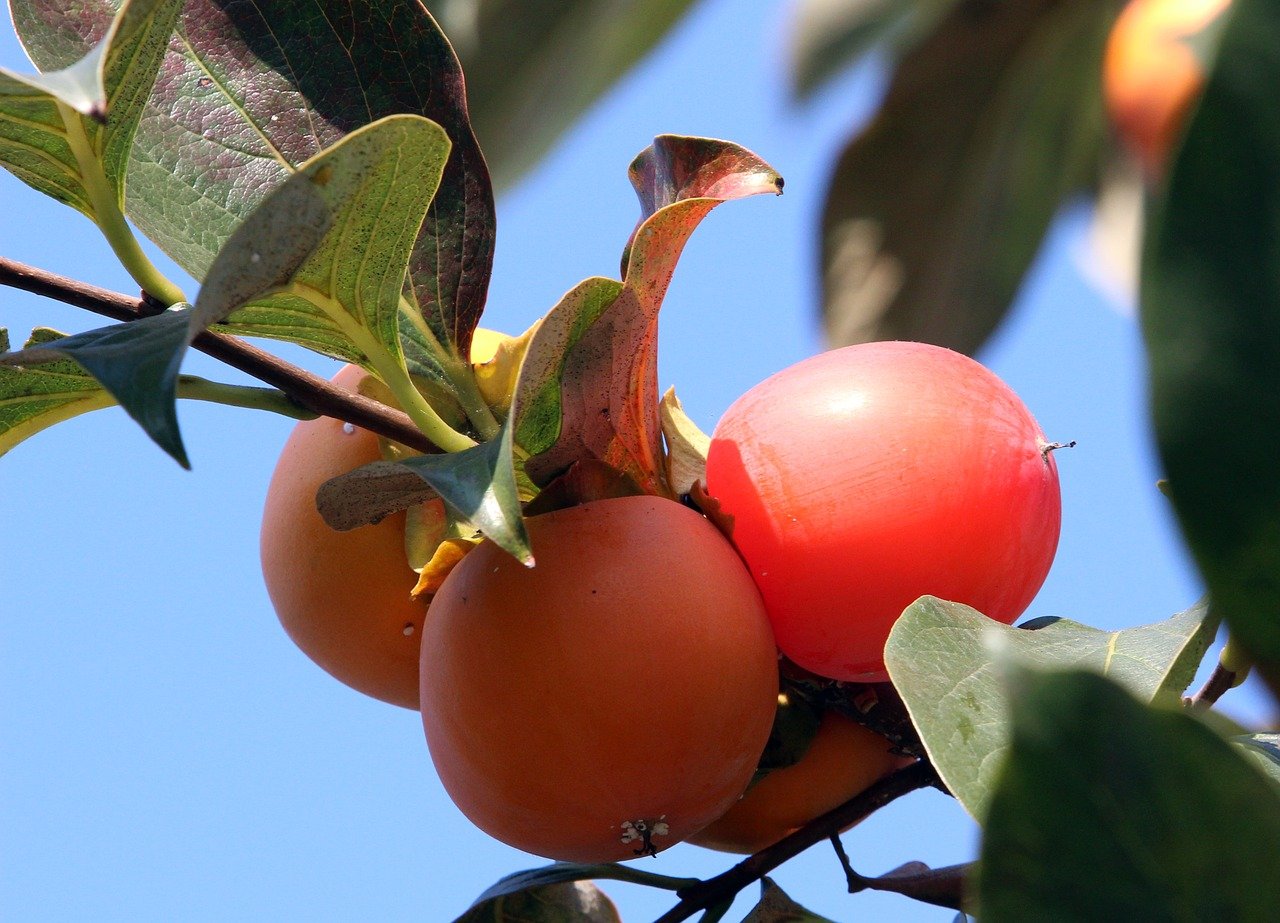
In the opinion of the USDA the USDA, chicken that has been cooked and kept in the fridge is safe for consumption for up to three days if properly stored. If you’d like to prolong the shelf life of your food, keep your chicken in the freezer, where it can last for around three months. After it has been placed in the freezer, take it out at evening before and allow it to cool in the refrigerator.

The main takeaway is to not let the cooked chicken hang out in the refrigerator for more than a week! It is easy to tell when cooked chicken is rotten if it emits an unpleasant odor or appears to be turning gray. Remember, you should be sure to trust your senses.

Are there any suggestions on how to keep the raw chicken from spoiling?

There’s a simple method to ensure that your chicken won’t rapidly decay: Fresh chicken needs to be kept at room temperature So don’t allow it to sit on the counter, table or any other surface that’s not kept refrigerated at temperatures below 40 degrees F.

This can extend the shelf-life and also prevent the expansion of bacteria. As per the USDA the raw chicken will remain at room temperature for one or two days. If stored within the freezer can be safe to thaw and consume for 9 to 12 months.

It’s the U.S. Department of Health & Human Services is also adamant that chicken that is raw and whole will last for that long, however when it’s cut into pieces, it could last between one and two days within the refrigerator however it will only last for nine months when stored in the freezer.

Any other information you want you want to know about how to determine if the chicken you have in your fridge isn’t healthy?

Remember the old rule: if you’re not sure toss it out! The chef was right and it’s better to be secure rather than regretting.

How to Store Chicken in the Fridge

Are you planning to keep chicken in the freezer for the near in the future? It’s not necessary to keep your chicken in the freezer. In fact, it’s fine to keep chicken that is raw (whole or cut into pieces) for a couple of days in the refrigerator. If you have leftovers from cooked chicken, expect that they will last in the refrigerator for up to 3-4 days.

Are you interested in knowing how to store your chicken in the fridge to ensure it will last longer? First, wrap any unwashed parts of your chicken using Glad Press’n Seal one at a time, creating the airtight seal.

After that, put your chicken pieces in an airtight box such as Glad FLEX’N SEAL Food Storage Quart Bags — and make sure to get rid of any excess air prior to sealing it.

Last but not least, keep your bird on the bottom shelf of the refrigerator to ensure that there are no spills on other food items.

How to Freeze Chicken for Later Use

If you have cooked or raw ready-to-eat chicken, which you don’t intend to cook, or consume for a long time the best option is to keep food items in your freezer rather than the refrigerator. Here’s how you can store chicken in the freezer for later use with just two easy steps.

If you want to cook raw chicken as well as cooked, cover each chicken piece with Glad FreezerWrap. Then, place your chicken inside an air-tight box like Glad FLEX’N SEAL Freezer Quart Bags and squeeze out any air prior to sealing the bag. Last but not least, keep your bird in the deepest  portion of your freezer. Make sure to cleanse your hands before and after handling the chicken particularly if it’s not cooked.

When it is frozen, how long can chicken remain within the freezer? The individual pieces of chicken are good to store within the freezer up to nine months, while whole chickens can last for up to one year when frozen.

If you’re freezing chicken that has been cooked then you can anticipate it to last between 2 and 6 months. Cooked chicken can be frozen and is a fantastic way to cut down on food waste. When freezing chicken that has been cooked is a great idea to label your bag by the day on which it was prepared and frozen to ensure you can remember to use it when it’s still fresh.

How to Thaw Chicken?

As per the USDA’s guidelines it is not recommended to thaw frozen the chicken (or anything else of any sort) by placing it on the counter, or even in boiling water and you should not keep it at room temperature for longer than two hours.

The best method of thawing chicken is to transfer the frozen portion of into a dish, and then into the refrigerator, and then allow it to thaw slowly. Since it may take up to a whole day for the chicken to defrost in the refrigerator, this method is ideal when you’re planning an evening meal the next day. When frozen meat is chilled in the fridge and then defrosted, it can be stored in the refrigerator for a couple of days prior to cooking.

Wrapping up

How Long Does Raw Chicken Last in the Fridge?

Hopefully, this longish post about how long does raw chicken last in the fridge has satisfied you in every way and also answered all your queries related to this matter. Now you should have no problem in storing your raw chicken in fridge and if you are careful, you should never have to face an issue like eating bad chicken that can create health hazards for you.