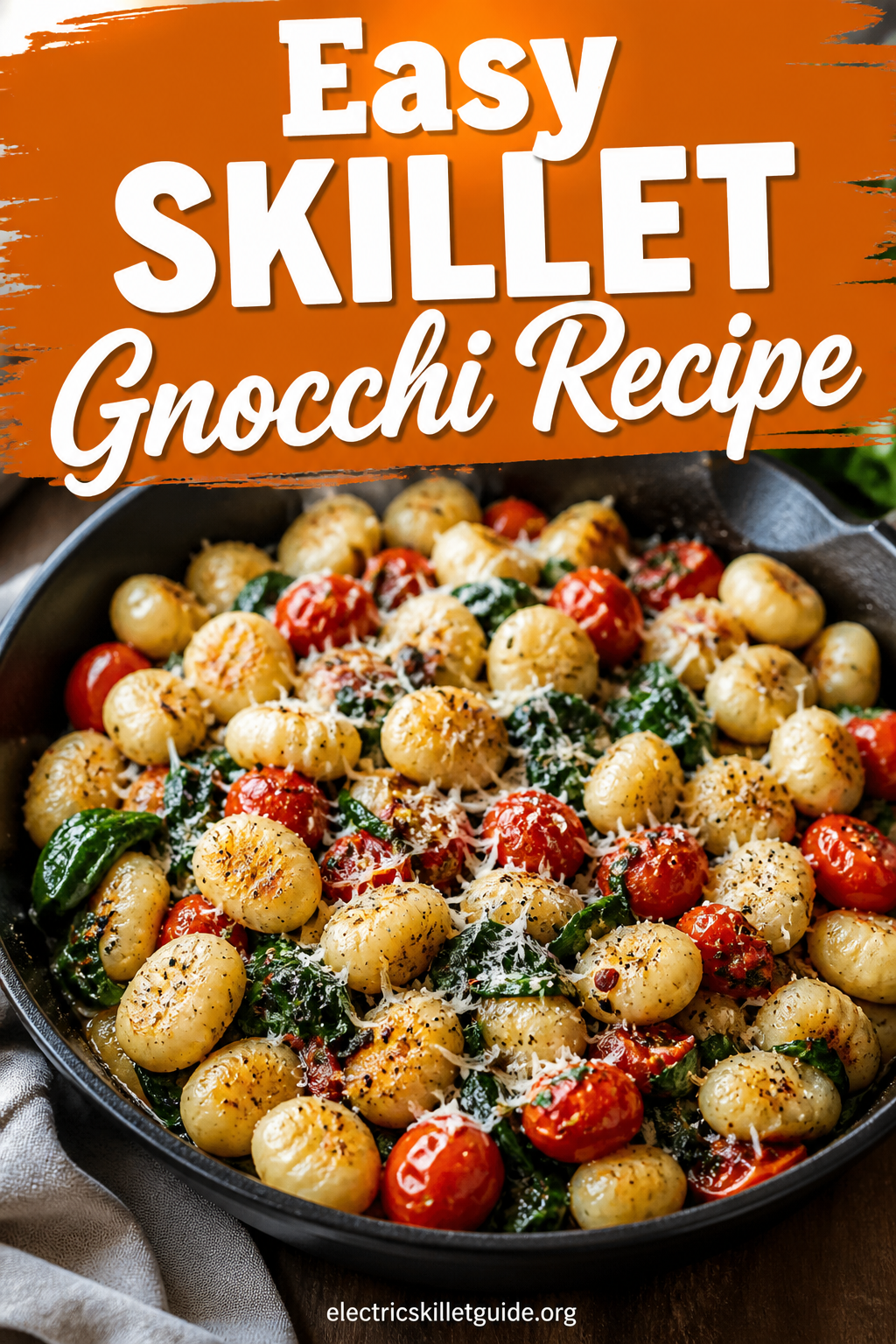
Easy Skillet Gnocchi Recipe
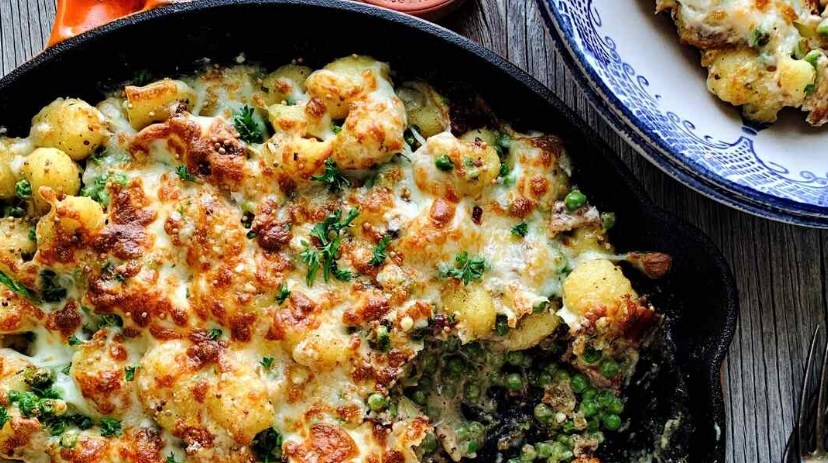
I wonder whether you have dabbled with an easy skillet gnocchi recipe before.As for myself, I didn’t actually plan on making gnocchi that night. There was just this random bag of store-bought gnocchi sitting in the pantry—no idea how long it had been there, honestly. Weeks? Maybe longer. One of those things you buy with good intentions and then just… forget.
And it was one of those evenings where you open the fridge, stare inside like something magical might appear, and then—nothing. Just vibes. And maybe half a lemon that’s seen better days.
So yeah, I grabbed the gnocchi, pulled out my cast iron skillet, opened a can of crushed tomatoes, and sort of… improvised. No big expectations. I wasn’t even sure it would work, if I’m being honest.
But somehow, what came out of that pan tasted like something way more intentional. My husband literally asked if I ordered it. I didn’t, obviously—but I didn’t correct him immediately either. Just… let that moment exist for a second.
That’s how this easy skillet gnocchi recipe ended up becoming a regular thing here. It’s quick, filling, and makes you look like you tried harder than you actually did.
Which, let’s be real, is kind of the goal most weeknights.
Why You’ll Love This Recipe
Okay, real talk—there are so many gnocchi recipes out there it’s almost overwhelming. Like, you start searching and suddenly you’re 12 tabs deep wondering why this got complicated.
So why this one? I asked myself that too, at first.
For starters, it comes together in under 30 minutes. No boiling water, no draining, none of that extra stuff. The gnocchi goes straight into the skillet.
I know that sounds a bit off if you’ve always boiled it—I definitely hesitated the first time—but it genuinely works. Maybe even better? You get this lightly crispy outside and soft center thing going on. It’s… kind of addictive.
Then there’s the one-skillet part.
Which—honestly—might be the real selling point. Fewer dishes. Less cleanup. Less standing at the sink at night questioning your life choices.
And also—it’s flexible. Like, actually flexible, not “you can swap one herb and call it a variation.” You can throw in sausage, add spinach, tweak the sauce… it doesn’t fall apart if you change things.
Which I appreciate, because I almost never follow recipes exactly anyway. Even when I try to.
Why This Recipe Actually Works
After making this a few times (okay, more than a few at this point), I started noticing a pattern.
The biggest thing? Don’t boil the gnocchi first.
It feels wrong. I’m not going to pretend it doesn’t. Every instinct says “this should go in water first,” but pan-frying it directly gives you that golden crust you just don’t get otherwise.
The outside gets a little crisp, slightly chewy—not in a bad way—and it holds up once you add the sauce. No mushiness, which was honestly my biggest concern the first time.
Also, the pan matters more than I expected.
A cast iron skillet—or at least something heavy—works best. It heats evenly, so the gnocchi browns instead of steaming. I tried it once with a lighter pan and… it was fine. Edible. Just not the same. A bit pale, a bit softer.
And color matters. More than it seems.
The sauce cooking in the same pan is kind of the quiet part of the recipe. All those browned bits from the gnocchi mix into the tomatoes. You don’t really notice it happening, but if you skip it, you can tell something’s missing.
Hard to explain, but it’s there.
Ingredients
Here’s what you need. Nothing fancy.
At least, nothing that should require a special trip unless your pantry is completely empty.
- 1 pound (450g) store-bought potato gnocchi
• 2 tablespoons olive oil
• 3–4 garlic cloves, minced
• 1 can (14 oz) crushed tomatoes
• ½ teaspoon red pepper flakes (optional, but I almost always add them)
• 1 teaspoon Italian seasoning
• Salt and black pepper, to taste
• ¼ cup heavy cream or half-and-half (optional, for a creamy version)
• ½ cup shredded mozzarella or parmesan
• Fresh basil or parsley, for garnish
That’s it.
I didn’t expect this to turn into a “keep these stocked at all times” situation, but here we are. Gnocchi and canned tomatoes are now just… always around.
Step-by-Step Instructions
Step 1: Heat the skillet
Set your skillet over medium-high heat and add the olive oil.
Let it heat properly. Like, actually give it a minute.
I’ve rushed this before thinking “it’ll be fine”—it wasn’t. The gnocchi just sat there instead of crisping, which kind of defeats the whole point.
You want the oil to shimmer slightly.
Step 2: Crisp the gnocchi
Add the gnocchi in a single layer.
And then… leave it alone.
This is the hardest part for me, honestly. I always want to stir it too soon just to check. But if you do that, it doesn’t brown properly.
Let it sit for 2–3 minutes until the bottoms are golden. Then flip or toss and brown the other sides.
Remove and set aside.
(This step feels a bit extra the first time you do it. It’s not. It’s probably the most important step.)
Step 3: Sauté the garlic
Lower the heat to medium.
Add a bit more oil if needed, then toss in the garlic. Cook for about 45 seconds.
Just until it smells good.
And don’t walk away here—I’ve burned garlic more times than I’d like to admit, and once it burns… there’s no fixing it. You just start over and pretend it didn’t happen.
Step 4: Build the sauce
Pour in the crushed tomatoes.
Add Italian seasoning, red pepper flakes, salt, and pepper. Stir and let it simmer for about 5–7 minutes.
If you’re making the creamy version, add the cream now.
It softens the acidity a bit. Makes everything feel… smoother? I don’t know, it just works.
Step 5: Combine and melt
Add the gnocchi back in and stir so everything’s coated.
Sprinkle cheese over the top, cover the pan (or use foil), and let it sit on low heat for a couple minutes until melted.
You could broil it instead, but I’ve burned it doing that. More than once. So I stopped trying.
Step 6: Serve immediately
Top with fresh herbs if you have them.
Or don’t. It’s still good.
And yes, eating it straight from the pan is completely acceptable. I feel like that needed to be said.
Small Changes That Made a Big Difference
I didn’t get this right the first time.
Or the second.
It took a few tries—four, maybe five?—before it started feeling consistent.
- Crisping the gnocchi first changed everything. Earlier versions were softer, which wasn’t bad, just… less interesting.
• Adding cream at the end made the sauce feel richer. Not heavy, just more balanced somehow.
• Covering the pan to melt the cheese instead of broiling—this one surprised me. It keeps everything from drying out. Also removes the risk of forgetting it in the oven, which I apparently do a lot.
Cooking Tips
A few things I learned, mostly by messing them up first:
Don’t overcrowd the pan. If the gnocchi overlap too much, they steam instead of crisp.
Shelf-stable vs refrigerated gnocchi—both work. Refrigerated crisps better, I think. Although I haven’t tested that in a super scientific way, so… take that with a grain of salt.
Fresh gnocchi is more delicate. Still works, just be gentler.
Also—taste your sauce before adding the gnocchi back.
Tomatoes vary a lot. Some are sweeter, some more acidic. Adjust if needed—salt, pepper, maybe a tiny pinch of sugar.
I used to skip that step and just hope for the best. Sometimes it worked. Sometimes it didn’t.
Substitutions & Variations
This recipe is pretty forgiving. Honestly, that’s one of the reasons I keep making it—there’s a lot of room to mess around without completely ruining dinner.
No panko situation here, but still—if you’re missing something, it usually works out.
- Add protein—Italian sausage is probably the best add-in. It just fits. Chicken sausage works too. I’ve even thrown in canned beans once when I didn’t have anything else, and it wasn’t bad. Not amazing, but definitely not bad.
- Vegetables—spinach is the easiest. Just toss it in at the end and it wilts in seconds. Zucchini, roasted peppers… those work too. I once added mushrooms and forgot about them for a minute too long—they still turned out fine, just a little more… intense.
- Dairy-free—skip the cream, use oat or coconut cream instead. The flavor shifts slightly, but it’s still good. Nutritional yeast works if you want that cheesy vibe without actual cheese.
- Gluten-free gnocchi is easy to find now, which makes this whole thing even more flexible.
There’s no strict version of this recipe, which is kind of the point. It adapts based on what you have—and maybe what you forgot to buy.
What to Serve With It
Honestly? Bread.
Something crusty to scoop up the sauce. That’s usually enough.
If you want to make it feel like a full meal, a simple salad works. Arugula with lemon and olive oil is my usual go-to—it cuts through the richness without making things complicated.
Roasted broccoli is another one. I tend to throw it in the oven while the gnocchi cooks, mostly because it requires almost no attention.
There was one time I served this to guests—which felt slightly risky at the time—but it worked. Paired it with a Caesar salad and some wine, and everyone assumed I’d put in way more effort than I actually did.
I didn’t correct them.
What I Skip When I’m Short on Time
If I’m actually in a rush—not just saying I am, but really rushing—here’s what gets cut:
- I skip crisping the gnocchi and add it straight into the sauce
• I use garlic powder instead of fresh garlic
• I skip melting the cheese and just throw some parmesan on top at the end
Is it the same? No.
Is it still good? Yes.
There’s also that moment where you tell yourself “I’ll just skip one step this time” and then… you end up skipping three. It happens.
Still works, just different.
Storage & Reheating
Leftovers keep for about 3 days in the fridge.
The gnocchi soaks up more sauce overnight, which I actually like. It tastes more concentrated somehow.
To reheat, use a skillet on medium-low with a splash of water or broth.
Microwave works too. Just don’t blast it on high immediately—that tends to make the gnocchi a bit rubbery. Learned that the hard way.
I wouldn’t freeze this.
I tried once, thinking it would be fine. It wasn’t terrible, but the texture definitely changed in a way I couldn’t fix. Some things are just better fresh.
FAQ
Can I use homemade gnocchi?
Yes—just be careful. It’s softer and can break apart if you’re too rough with it. Maybe lower the heat slightly too.
What if I don’t have crushed tomatoes?
Diced tomatoes work. Just break them down a bit while cooking. Passata is actually a great option if you want a smoother sauce.
Is this recipe vegetarian?
Yes, as written. Just double-check your cheese if that matters to you.
My gnocchi keeps sticking. Help.
Usually it’s the pan not being hot enough—or moving them too soon. Once they form a crust, they release on their own. Before that, they just… resist.
Cook and Prep Time
- Prep time: 5 minutes
• Cook time: 20–25 minutes
• Total time: About 30 minutes
• Servings: 3–4
Give or take a few minutes depending on how focused you are. Or not.
Nutrition Facts (Per Serving, Approximate)
Calories: ~420 kcal
Carbohydrates: 52g
Protein: 12g
Fat: 18g
Saturated Fat: 7g
Fiber: 3g
Sodium: 680mg
These numbers shift a bit depending on ingredients and portion sizes. Especially if you’re generous with the cheese… which I usually am.
If I Were Making This Again Tomorrow
I’d go with the creamy version.
I always think I’ll skip it to keep things lighter, and then I add it anyway.
I wouldn’t skip crisping the gnocchi either—even if I was tired. That step makes too much of a difference.
I’d probably make extra too. The leftovers are honestly just as good. Maybe better.
And I might add sausage.
Or not.
That’s kind of the thing with this recipe—it changes depending on the day.
Final Thoughts
This easy skillet gnocchi recipe started as a random dinner experiment and somehow turned into something I keep coming back to.
It’s quick, flexible, and doesn’t ask for much from you—which, on most nights, is exactly what I need.
It’s not perfect. It doesn’t have to be.
But it works. Consistently.
And if you try it and tweak it a bit—which you probably will—that’s kind of the point.
I’d actually be curious what you end up changing.