Skillet Bread Recipe
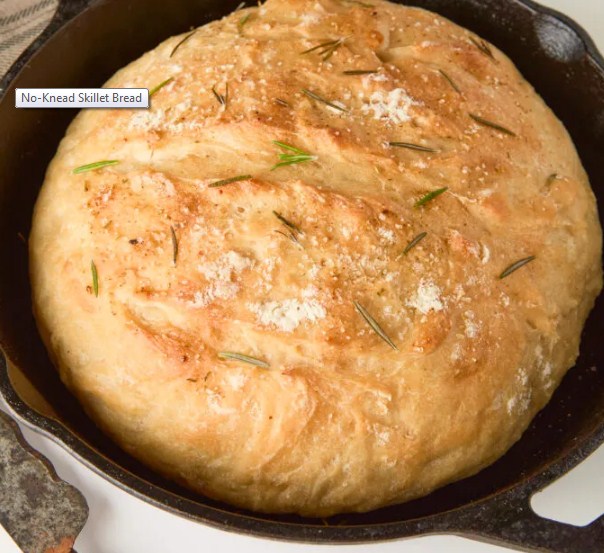
I didn’t really expect a skillet bread recipe to become something I’d rely on this much. But somehow it did.
It started on a day when my oven just refused to work. No warning, no dramatic breakdown—just didn’t turn on. And I still wanted bread. Proper bread. Not the packaged kind that’s fine… but forgettable five minutes later.
So I tried using a skillet. Honestly, I thought it would be one of those “it sort of works” experiments.
But it didn’t just sort of work—it actually turned out good. Crisp on the outside, soft inside, and way less effort than I expected.
Now I keep coming back to it. Not every day, obviously—but often enough that it’s become a habit.
Why You’ll Love This Skillet Bread Recipe
There are a lot of skillet bread recipes out there. Some are great. Some are complicated for no real reason. And some—I’ve bookmarked and never opened again.
This one is different. Mostly because it doesn’t ask much from you.
You don’t need an oven, which already removes half the struggle. Just a pan, a lid, and basic ingredients. That’s it.
The texture is where it gets interesting. The bottom gets lightly crisp—not too hard, just enough—while the inside stays soft. Not fluffy like bakery bread, but not dense either. Somewhere in the middle.
And the taste… it actually feels like homemade bread. Not rushed, even though the process kind of is.
Also, it works with almost anything. I’ve eaten it with curry, eggs, leftovers, even just butter when I didn’t feel like doing anything else.
Ingredients
This is one of those recipes where you check your kitchen first instead of making a shopping list.
- 2 cups all-purpose flour
- 1 teaspoon salt
- 1 teaspoon sugar
- 1 teaspoon instant yeast
- ¾ cup warm water (not hot—seriously, don’t rush this part)
- 1 tablespoon oil
Optional, but I usually end up using them anyway:
- Butter
- Garlic powder or herbs
Nothing unusual here. Which is probably why I keep making it.
Step-by-Step Instructions
Step 1: Mix the Dough
I start by mixing the dry ingredients—flour, salt, sugar, yeast. Just a quick mix. No need to be precise about it.
Then I add the water and oil. I usually begin with a spoon, but I switch to my hands pretty quickly. It’s easier, even if it gets messy.
The dough will feel sticky at first. That’s normal. I used to add flour immediately—turns out that wasn’t helping.
Step 2: Knead (But Not Forever)
Knead it for about 6–8 minutes. Maybe a little more if you get distracted halfway.
You’re just looking for a smooth, soft dough. Not perfect. Definitely not bakery-level perfect.
If it sticks too much, add a bit of flour—but go easy. It’s very easy to overdo it here.
Step 3: Let It Rest
Cover the dough and let it sit for about an hour.
It should double in size. If your kitchen is cold, it might take longer. I usually move it around once or twice thinking it’ll help. Not sure if it actually does.
Waiting is the annoying part. I still check on it more than I should.
Step 4: Shape the Dough
Once it’s risen, press it down gently. Don’t overthink it.
Divide into 2 or 3 pieces, depending on how thick you want the bread.
Flatten each piece into a rough circle. It doesn’t need to look perfect—mine rarely do.
Step 5: Cook in the Skillet
Heat a skillet on medium-low. Keep it dry.
Place the dough in and cover it with a lid. That part matters more than I expected.
After about 5–6 minutes, flip it. You should see a golden surface. If it’s getting too dark too fast, the heat is too high. Happens easily.
Cook the other side for a few minutes more.
And that’s it. Still feels a bit strange calling it “bread,” but it works.
Cooking Tips
A few things I’ve learned—mostly by messing them up first:
- Keep the heat lower than you think you need
- Always use a lid (skipping it doesn’t end well)
- Don’t rush the resting time too much
- Try not to flip it repeatedly—it doesn’t help
One more thing I noticed—if your dough feels slightly too soft, that’s actually better than too firm. I used to aim for a tight dough, thinking it would hold shape better. It did… but the bread came out heavier.
Also, don’t press the bread too much while it’s cooking. I used to do that out of habit (like checking if it’s done), but it pushes out the air and makes it flatter than it should be. Took me a few tries to stop doing that.
And if your skillet is thin, keep an even closer eye on the heat. Thinner pans heat up faster than you expect, and things can go from “perfect” to “slightly burnt” pretty quickly.
Why this recipe actually works
At first, I didn’t fully trust this method. Bread in a skillet sounds like a shortcut that shouldn’t really work.
But it does—because of how the heat is trapped.
The lid creates a small enclosed space, almost like a mini oven. So the dough cooks through without drying out. At the same time, the bottom gets direct heat, which gives that golden crust.
It’s simple, but there’s a reason behind it. Not just luck.
Small changes that made a big difference
After making this a few times, a few small things stood out.
Adding a little extra oil made the bread softer. Not dramatically—but noticeable.
Letting it rest a bit longer helped too. Even 10–15 extra minutes changed the texture slightly.
And brushing butter right after cooking? I didn’t think it mattered much at first. It does.
Substitutions & Variations
I don’t always make this the same way. This skillet bread recipe is flexible enough that you can adjust it without breaking anything.
Sometimes I replace part of the flour with whole wheat. The bread turns a bit heavier, but the flavor feels deeper. Depends on what I’m in the mood for.
No yeast? Use baking powder and skip the resting time. It turns into more of a flatbread, but still works.
I’ve added garlic, herbs, even cheese once. That version didn’t last long.
And if I want a softer texture, I brush butter and cover it right after cooking. Small step, but it helps.
What to Serve With It
This bread fits into almost any meal without much effort.
I usually eat it with curry—chicken, dal, whatever’s available. It absorbs the gravy really well.
Sometimes I turn it into a sandwich. Eggs, leftover chicken, random vegetables—it all works.
Or I keep it simple. Butter. Maybe a little sugar. Sounds basic, but it works better than expected.
Dips are also a good option if you have them around.
If I’m making it in the morning, I sometimes treat it like breakfast bread—slice it, toast it lightly again, and add eggs or even jam. Not traditional, but it works surprisingly well.
Another quick option is using it as a wrap. If the bread turns out slightly thinner, you can fold it and fill it with anything—grilled veggies, paneer, or even leftovers from the night before. It’s one of those things that doesn’t need planning.
Storage & Reheating
Fresh is best. That’s just how it is.
But if you have leftovers, let them cool and store in an airtight container. It stays fine for about a day at room temperature. After that, I usually refrigerate it.
To reheat, I go back to the skillet. A couple of minutes on each side brings it back.
Microwave works too, but the texture gets softer than I like. Not terrible—just different.
Sometimes I add a little butter before reheating if it feels dry.
If I were making this again tomorrow
I’d make the dough slightly softer. That seems to give better results.
I’d also lower the heat a bit more while cooking. I tend to rush that part.
And I’d probably make more than I think I need. It disappears quickly.
What I skip when I’m short on time
Some days, I don’t wait the full hour. I let it rest for 20–25 minutes and move on.
I also don’t shape it perfectly. Just flatten and cook.
It’s not exactly the same—but it’s close enough.
FAQ
Can I make this skillet bread recipe without yeast?
Yes. Use baking powder and skip rising. Texture changes, but it still works.
Why is my bread raw inside?
Heat is probably too high. Lower it and cook slower.
Can I use whole wheat flour only?
You can, but it’ll be denser. Mixing works better.
Do I need a cast iron skillet?
No. Any heavy pan is fine.
How do I make it softer?
Add a bit more oil and brush butter after cooking.
Can I freeze this bread?
Yes, you can. Let it cool completely, then wrap it tightly and freeze. When reheating, I prefer using a skillet again instead of a microwave—it brings back some of the texture.
Why is my dough too sticky?
It usually means there’s a bit too much water, or the flour hasn’t absorbed everything yet. Give it a minute before adding more flour. I used to rush this part and ended up with dry dough instead.
Can I use milk instead of water?
You can, and it actually makes the bread a bit softer and richer. I don’t always do it, but when I do, the difference is noticeable.
Conclusion