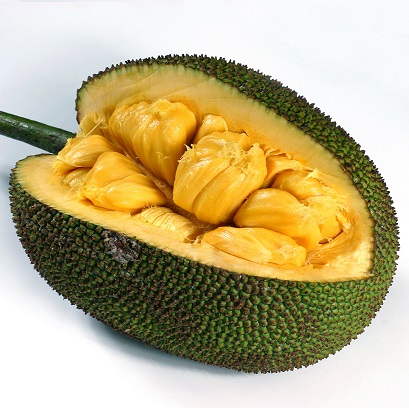
What Does Jackfruit Taste Like?
So you’ve heard about jackfruit. Maybe you saw it at the grocery store, or a friend raved about it, or you stumbled across a recipe online. And now you’re sitting there wondering — what does jackfruit taste like? Is it as weird as it looks? Is it really a meat substitute? And why is everyone suddenly obsessed with it?
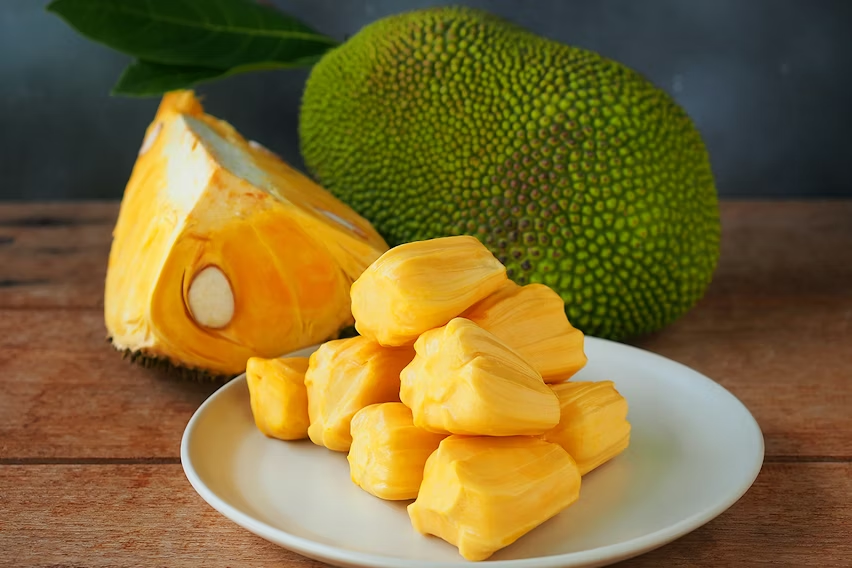
I get it. I had the exact same questions the first time I spotted this giant, spiky, alien-looking thing at my local Asian market. I almost walked right past it. Almost. But curiosity got the better of me — and honestly? I’m so glad it did.
Let me break it all down for you, no food-science jargon, no pretension. Just real talk.
First Things First — What Actually Is a Jackfruit?
Before we talk taste, let’s get one thing straight. Jackfruit is technically a fruit — the largest tree-borne fruit in the world, actually. It grows in tropical regions like South and Southeast Asia, and it can weigh anywhere from 10 to 100 pounds. Yes, 100 pounds. A single fruit. OMG, nature is wild.
Here’s the thing that makes jackfruit unique: it behaves completely differently depending on whether it’s ripe or unripe. And that matters a LOT when it comes to taste and how you use it in cooking.
- Unripe (young/green) jackfruit — mild, almost neutral in flavor, with a fibrous, meaty texture
- Ripe jackfruit — sweet, fruity, and tropical in taste with a soft, slippery texture
Same fruit. Totally different experience. Wild, right?
What Does Ripe Jackfruit Taste Like?
Okay, let’s start with the ripe version because honestly, this is the one that surprises people the most.
Ripe jackfruit is sweet. Like, genuinely deliciously sweet. The flavor is a tropical mash-up — think banana meets mango meets pineapple, with a faint hint of bubblegum. It’s juicy, rich, and aromatic. The smell alone is something — sweet, floral, almost intoxicatingly fruity.
The texture of ripe jackfruit is soft and slightly slippery. Each pod (those yellow sections inside) has a smooth, almost creamy bite to it. It’s not crunchy at all. Think of it like a very ripe mango crossed with a chunk of pineapple, but softer.
Who Will Love Ripe Jackfruit?
- Anyone who loves tropical fruits like mango, papaya, or pineapple
- People who enjoy sweet, dessert-style snacks
- Anyone looking for a natural, whole-food sugar fix
If you’ve got a sweet tooth, ripe jackfruit is going to be your new best friend. You can eat it raw, toss it in a fruit salad, blend it into smoothies, or even use it in desserts. Some cultures use it to make ice cream and puddings. It’s that versatile.
What Does Unripe (Young Green) Jackfruit Taste Like?
Now here’s where things get really interesting. Young, unripe jackfruit is a totally different beast.
On its own, green jackfruit has a very mild, almost bland flavor. Some people compare it to artichoke hearts or water chestnuts — neutral, slightly earthy, a little starchy. Nothing flashy. Nothing that screams “eat me plain.”
But — and this is a big but — its texture is absolutely remarkable. When you cook unripe jackfruit, it shreds apart into long, pull-apart strands that look and feel eerily similar to pulled pork or shredded chicken. No joke.
Why Does Jackfruit Work as a Meat Substitute?
Because of that texture. Seriously, it’s uncanny. When you season young jackfruit with barbecue sauce, spices, or a savory marinade, it absorbs all those flavors and practically becomes indistinguishable from slow-cooked meat — at least in texture.
Here’s why vegans and vegetarians go absolutely bonkers over it:
- It shreds just like pulled pork when cooked low and slow
- It soaks up marinades and sauces beautifully — whatever flavor you throw at it, it takes on
- It has a satisfying, chewy bite that many plant-based proteins lack
- It’s naturally low in calories and fat — a huge bonus if you’re watching your intake
I personally made jackfruit tacos in my electric skillet last summer, and my meat-eating roommate had no idea it wasn’t chicken until I told him. The look on his face? Priceless.
How Does Jackfruit Compare to Other Fruits and Proteins?
Good question. Let’s put it in perspective.
Jackfruit vs. Other Tropical Fruits
| Fruit | Flavor Profile | Texture |
|---|---|---|
| Jackfruit (ripe) | Sweet, banana-mango-pineapple | Soft, slightly slippery |
| Mango | Sweet, tangy | Smooth, juicy |
| Papaya | Mild sweet, musky | Buttery, soft |
| Pineapple | Tart-sweet, bright | Firm, fibrous |
Ripe jackfruit holds its own next to any tropical fruit. It’s sweeter than papaya and more complex than plain mango.
Jackfruit vs. Meat (Unripe)
| Protein | Flavor | Texture |
|---|---|---|
| Young Jackfruit (cooked) | Neutral, absorbs seasoning | Shredded, fibrous, chewy |
| Pulled Pork | Rich, savory, smoky | Tender, shredded |
| Shredded Chicken | Mild, savory | Tender, fibrous |
The verdict? Jackfruit wins on texture — but you have to season it well. Plain, unseasoned jackfruit will disappoint you. But dressed up? It’s a showstopper.
Does Jackfruit Have a Strong Smell?
This one comes up a lot. And yes — ripe jackfruit has a very strong, distinctive smell. It’s intensely sweet and fruity, almost fermented-smelling to some people. Some folks love it; others find it a bit overwhelming.
Here’s an honest heads-up: if you walk into an Asian grocery store and catch a whiff of something powerfully sweet and tropical, there’s a good chance jackfruit is nearby.
Canned jackfruit (the kind you find in brine or water) smells much milder — almost neutral. That’s the form most people use for savory cooking, and it’s widely available in regular supermarkets now. Canned young jackfruit in brine is your best starting point if you’re new to cooking with it.
How to Cook Jackfruit — Especially in an Electric Skillet
Here’s where I get a little excited, because jackfruit in an electric skillet is genuinely one of the easiest and most satisfying things you can make.
Savory Jackfruit (Great for Tacos, Sandwiches, Rice Bowls)
What you need:
- 1 can of young green jackfruit in brine or water (not syrup)
- Your favorite BBQ sauce, taco seasoning, or curry paste
- Onion, garlic, olive oil
- Salt, cumin, smoked paprika
Steps:
- Drain and rinse the canned jackfruit thoroughly
- Pat it dry and pull apart the pieces with your fingers or a fork — it shreds easily
- Heat your electric skillet to around 350°F, add oil, sauté onion and garlic
- Add the shredded jackfruit and cook for 5–7 minutes until slightly golden
- Add your sauce or seasoning, stir well, and cook another 5 minutes
- Serve in tacos, wraps, over rice, or in a sandwich
The result? Tender, flavorful, pull-apart jackfruit that genuinely satisfies that craving for something hearty and savory.
Sweet Jackfruit (Great for Desserts and Smoothies)
If you’re working with ripe jackfruit, keep it simple. Eat it fresh, toss it in a fruit salad, or warm it lightly in a skillet with a little coconut milk and honey for a quick tropical dessert.
Is Jackfruit Good for You?
Short answer: yes, pretty much. Here’s what you get per cup of raw jackfruit:
- ~155 calories — very reasonable
- 2.8g of protein — not a complete protein, so pair it with legumes or grains
- 3g of fiber — good for digestion
- Rich in Vitamin C, Vitamin B6, and potassium
- Naturally low in fat
It won’t replace a complete protein source on its own, but as part of a balanced meal, jackfruit is genuinely nutritious and filling. And for anyone cutting down on meat, it’s one of the most satisfying plant-based options out there.
The One Thing Nobody Warns You About
Okay, real talk. Fresh jackfruit is sticky. Incredibly sticky. The latex in the skin and core clings to everything — your knife, your hands, your cutting board. Before you cut into a whole jackfruit, coat your hands and knife with a little cooking oil first. Trust me on this one. I learned the hard way.
Canned jackfruit skips this problem entirely, which is another reason it’s the smarter starting point for most home cooks.
Final Thoughts — Should You Try Jackfruit?
Absolutely. Whether you’re curious about plant-based eating, exploring new flavors, or just looking for something different to throw in your electric skillet, jackfruit deserves a spot on your radar.
Ripe jackfruit gives you a naturally sweet, tropical treat that’s refreshing and genuinely delicious. Young jackfruit gives you one of the most convincing meat substitutes in the plant kingdom — when cooked and seasoned right, it’s genuinely impressive.
Is it a perfect one-for-one meat replacement? Not quite. But is it delicious, versatile, and worth trying? Without a doubt.
So go ahead — grab a can, fire up that electric skillet, and see what all the fuss is about. You might just surprise yourself.