
What Does Star Fruit Taste Like? I Finally Tried One and Here’s My Honest Take
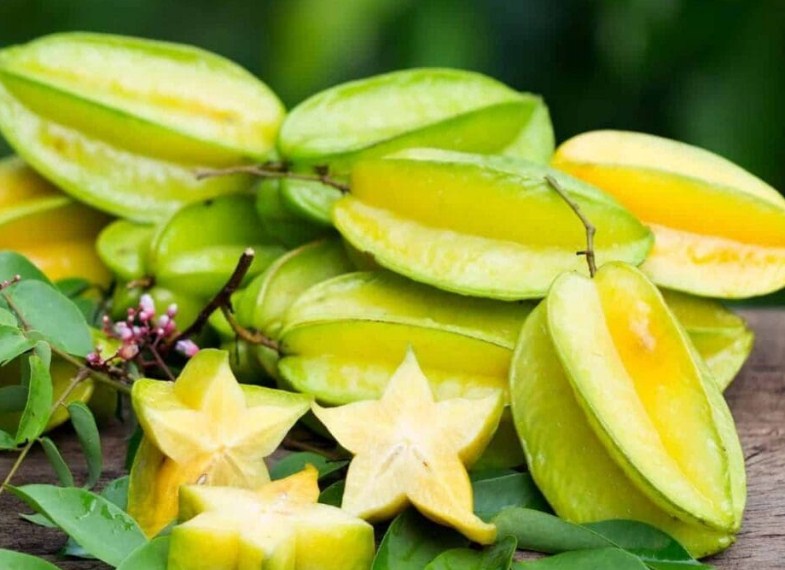
I’ll be honest — the first time I saw a star fruit at the grocery store, I thought someone had left a prop from a science fiction movie in the produce aisle. That waxy, five-ridged yellow thing just sitting there between the mangoes and the kiwis, acting all mysterious. I picked it up, sniffed it, put it down, picked it back up again, and eventually took it home like I was adopting a strange little alien pet.
So what exactly does star fruit taste like? I’m going to answer that question thoroughly — and trust me, by the end of this, you’ll either be running to the nearest store or quietly grateful you asked before taking a blind bite.
First Things First: What Actually Is a Star Fruit?
Star fruit, also called carambola, comes from the Averrhoa carambola tree which is native to tropical regions of Southeast Asia. When you slice it crosswise, it forms a perfect five-pointed star shape — hence the name that is almost too obvious when you think about it. The fruit is entirely edible, skin and all, which honestly shocked me the first time I found out.
I’ve seen it growing in backyards across India, Sri Lanka, Malaysia, and the Caribbean. It’s been around for centuries, but for some reason the Western world only recently started paying it proper attention. Better late than never, I suppose.
The Taste: Sweet, Sour, or Something Else Entirely?
Here’s where it gets interesting. Star fruit doesn’t commit to just one flavor profile — it sort of does it all, which is both its charm and its most confusing quality.
The taste lands somewhere between a cucumber, a green apple, and a grape. There’s a mild sweetness underneath, a tart little punch that hits the sides of your tongue, and then this faint, almost floral quality that shows up just when you think you’ve figured it out. I wasn’t expecting that last part, and it genuinely delighted me.
The flavor is light — not heavy or cloying like a mango or a banana. It almost taste like nature decided to make a “refreshing mode” fruit specifically for hot days when you want something cold and not too intense.
Does the Ripeness Change How It Tastes?
Absolutely, and this part trips people up more than anything else. I learned this the hard way after biting into a green one and spending the next few minutes making a face that I’d rather not describe.
An unripe star fruit is quite sour and almost astringent. The edges of the ridges can also be slightly bitter — not pleasant, just sharp and a bit mean. A fully ripe star fruit, on the other hand, is a completely different experience. It turns a deep golden yellow and the sourness mellows out significantly. The sweetness becomes more prominent, and the texture goes from slightly firm to almost juicy.
Here’s a quick guide for picking the right one:
Green with yellow edges — Still ripening. Leave it on the counter for a day or two.
Fully yellow — Right on the edge of perfect. Eat it soon.
Deep golden with slight browning on edges — Peak ripeness. This is the one you want.
How Does the Texture Feel?
People don’t talk about texture enough when it comes to fruits, and I think that’s a oversight. With star fruit, the texture is part of what makes it so unique.
It’s crisp, similar to a firm grape or a fresh cucumber. The flesh is watery and juicy without being mushy, which makes it incredibly satisfying to bite into. There’s no fibrous mess like mango sometimes leaves behind. Each slice just sort of snaps cleanly and gives way.
The skin is thin and smooth — almost waxy to touch — but once you bite in, you won’t even notice it. It blends right in with the rest of the fruit.
What Are the Two Types of Star Fruit, and Do They Taste Different?
Yes, this is a real thing and it matters more than you’d think. There are generally two varieties of star fruit: the sweet type and the sour type.
The sweet varieties, which are more common in markets today, tends to have a higher sugar content and a more balanced flavor. These are the ones you’re most likely to find at a grocery store in the US or Europe. The sour varieties are smaller, more acidic, and popular in Southeast Asian cooking where that tartness is actually the whole point.
I tried both eventually, and my personal preference is the sweet variety for eating raw. But if I’m making a salsa or using it in a dish that need a bit of acid to cut through rich flavors, the sour type is absolutely the right call.
How Does Star Fruit Compare to Other Fruits?
I know some of you are sitting there trying to mentally place this flavor and coming up blank. Let me help.
If you’ve ever bitten into a very mild green grape, then imagined adding a bit of citrus brightness without the actual citrus flavor, you’re getting close. It’s also comparable to a watery apple — like if a Granny Smith apple went on a detox and came back more refreshed and less aggressive. Some people even compare it to a mix of pineapple and pear, though personally I think the pineapple comparison oversells the sweetness a bit.
What it is not — is anything like a passion fruit or a dragon fruit, despite often being grouped together in the “exotic” fruit section of the store. Those have much stronger, more distinct flavors. Star fruit is subtle and polite in comparison.
Can You Cook With It?
Oh, definitely. And this is where star fruit starts showing off a little.
I’ve sliced it onto salads where it adds both crunch and a quiet tartness. I’ve seen it used in curries across South and Southeast Asia, where the sourness of the unripe variety balances out coconut milk or fatty meats beautifully. It can be juiced, pickled, made into jam, or used as a garnish for cocktails because, let’s face it, a star-shaped fruit slice on the rim of a drink is the kind of extra that actually earns its place.
In some recipes, especially from Tamil and Sri Lankan cuisines, star fruit is cooked down with chilies and spices into a chutney that has absolutely no right to be as good as it is. I tried a version of this last year and still think about it.
Are There Any Reasons NOT to Eat Star Fruit?
Yes, and I’d be doing you a disservice if I didn’t mention this. Star fruit contains oxalic acid and a neurotoxin called caramboxin, which most people process just fine but can be seriously harmful for people with kidney disease.
If your kidneys are healthy, you have absolutely nothing to worry about. But if you or someone you know have chronic kidney disease or are on dialysis, star fruit is one to avoid entirely. This isn’t scare-mongering — it’s real, well-documented, and worth knowing before you go enthusiastically offering star fruit salad at a dinner party without asking about people’s medical history first.
Where Can You Buy Star Fruit?
Most well-stocked grocery stores carry it, especially in urban areas. Asian grocery stores are your best bet if you want consistent quality and better prices. If you’re in India, Sri Lanka, or anywhere in Southeast Asia, you already know it grows practically everywhere and can be found at any local market for almost nothing.
Farmers markets in Florida and California in the US also often carry them, especially from late summer through winter when they’re in season.
How Should You Eat It for the First Time?
Wash it, slice off the edges of the ridges if they look brown (they can be slightly bitter), then cut it crosswise into star-shaped slices. Eat it just like that, plain, so you can actually experience what it tastes like before adding anything to it.
If plain feels too boring, a light sprinkle of salt or chili powder transforms it completely — something I discovered entirely by accident and would now recommend to literally everyone.
My Final Verdict
Star fruit is one of those things that doesn’t announce itself loudly, but once you really pay attention to it, you can’t believe it isn’t more popular. It’s refreshing, visually dramatic, versatile in the kitchen, and genuinely fun to eat. The taste is gentle and layered in a way that rewards you for slowing down.
So, finally what does a star fruit taste like? Is it the most intense fruit you’ll ever eat? No. But not everything needs to be intense. Sometimes the best things are quiet, a little tart, a little sweet, shaped like a star, and sitting there in the produce aisle just waiting for someone to finally take a chance on them.
Go buy one. You’ll see what I mean.