Can You Microwave Tupperware?

Can You Microwave Tupperware?

Can You Microwave Tupperware?

Can You Microwave Tupperware?

You may be an at-home Mom or somebody who is looking for an  answer to the question, ” Can you microwave Tupperware?” If the answer is yes, here is a post exclusively created for you to drive home the  point. And I am sure you would get your answer as well. Now, without further ado, let us get into the topic straightway.

The microwave is one of many modern appliances that can make life easier for everyone. You can quickly turn cold food into a delicious hot meal in just a few seconds.

Many types of products are being invented as technology improves. Tupperware is a good example. These plastic containers are supposed to be microwave-safe, but is that  true?

Is Tupperware microwave-safe? The point of fact is that Tupperware plastic containers may not be microwave-safe. You can find a label at the bottom that will indicate the microwave compatibility of each product.

Microwaving plastics can pose health risks. You might wonder if buying Tupperware containers to heat or cook food in the microwave is safe for you.

There has been much debate about the safety of microwaving plastic products manufactured by manufacturers Tupperware, GladWare Rubbermaid, Ziploc, and Rubbermaid.

What was the conclusion regarding safety standards? Find out the answers to common questions about whether your Tupperware can be used in the microwave.

Is my Tupperware microwave safe?

However, not all Tupperware containers can be labeled as microwave safe. The manufacturer claims that microwave safe food can be prepared in Tupperware containers that have been specifically designed for microwave use.

This is in contradiction to the widespread information that microwaved plastics can release dioxins into heated foods. Dioxins can cause cancer and hormonal disruptions.

I have concerns about heating plastic in the microwave because it can melt and leach harmful chemicals to your food. The risk of plastic containers breaking, disfiguring, and warping is obvious to me.

All Tupperware containers can be used in the microwave. Tupperware can be safely microwaved if you don’t overheat or reheat your meals for too long.

Is Microwaving Tupperware bad?

Tupperware for microwaving is safe, especially when it’s used to heat meals. The risk of cooking with high heat can be higher.

This is because plastics are made in different ways. Plastics are also molded using heat, which raises questions about the melting point and chemical exposure to foods.

Plastic can be confusing. It may refer to different materials with compounds or substances that are added to shape and stabilize them. BPA (Bisphenol A) and phthalates are two common stabilizers.

BPA is used to harden plastic. Phthalates are used to make plastic materials stronger and more flexible. BPA and phthalates compound are often associated with endocrine disruptors. This means that they can block hormones or mimic them.

When microwaving Tupperware, your food will be wrapped in plastic and placed in a microwave-safe container. This can lead to chemical compounds possibly leaking or mixing with your food.

After prolonged exposure to these synthetic compounds, your body may become more sensitive to them. There have not been any long-term studies that show the effects of plastic absorption on the human body.

How can I tell if my Tupperware microwave-safe?

Before microwaving, Tupperware products must be checked for safety. Commercial manufacturers have many options, so make sure they are using the right plastics to withstand high heat.

The concerns that I personally have about Tupperware microwaving containers are:

  • Plastic can leach harmful chemicals into food
  • Microwave can melt plastic

Tupperware has created a comprehensive plastics chart to help consumers understand the resin ID codes used in plastic containers. This helps reduce concerns about microwaving.

This can be verified by checking that the containers have the following markings:

Inside, Microwave logo has 3 wavy lines:

Microwave safe label

3 to 5 wavy lines

Make sure the Tupperware container is marked with three lines of wavy line on the bottom. It is best to throw out plastic Tupperware that has no lines on it or does not have a label or microwave safe symbol.

Tupperware Company offers a wide range of containers that can be used for cooking.

If the container is marked #5, it is made from polypropylene (Polypropylene). This makes it microwave-safe.

CPET #1 can also be used in the microwave. This is used to heat simple meals in short bursts. It should not be in any way confused with APET. For one thing,  CPET has been crystalized to withstand high temperatures.

APET (E), containers are not microwave-safe. This plastic is used for making deli containers, water bottles, and supermarket bottles among other cold food packaging.

What is the maximum time you can microwave Tupperware for?

Tupperware Company recommends that plastic containers be microwaved for best results. It is important to avoid heating or reheating food for prolonged periods of time, especially foods that are high in sugar and/or fat.

One concern is that these meals could be too hot to keep your container from burning. Sugar and fat have heat limits that are higher than the boiling point water (100degC/212degF).

Tupperware is best used for defrosting and reheating food. Plastic containers should not be used for cooking purposes.

Tupperware microwave products, however,  are not meant for cooking.

The instructions clearly label the containers that must be reheated in a sequence of no more than three minutes each. Consider if your meal requires longer heating times. If this is the case, you can stop the microwave at a specific time and stir the contents. Then, restart the process for 3 minutes.

Tupperware safety tips

Safety will be affected by the condition of the Tupperware and the contents of the food.

These tips will ensure that your Tupperware microwaves safely.

Boiling water can cause fats like cheese and meat to rise in temperature. It is important to follow a sequential and systematic method of heating such foods.

To reduce heat stress when you’re heating or reheating large quantities of food at once be sure to cook smaller batches.

All Tupperware plastic containers can’t be used for continuous reheating. Before you microwave them, verify the label or symbol on the bottom. Only microwave-safe Tupperware containers are allowed.

Use the Tupperware microwave plastic container with a vent to avoid overheating meals. The food can dry out if it isn’t covered. To avoid this, microwave the container with the vent open and the lid on. This will ensure that the pressure escapes effortlessly and smoothly. If there is no vent, it may be worth lifting one corner from the Tupperware container.

Microwaves can be a breeding ground to microbial contamination. Because they produce inconsistent heating, which can cause food to become hot and cold spots that aid in their survival. When reheating food, ensure that you stir, heat, and keep stirring until the heat is evenly distributed throughout.

Reheating leftovers should be done to raise the temperature to 165 F. This will kill any bacteria that might cause food borne disease.

For your safety, ensure that microwave Tupperware products are BPA-free or phthalate-free. Tupperware older than 10 years may not be safe if it is made from safer plastics.

Tupperware with cuts, scraps, or warped edges should not be microwaved. The material could be damaged and may not be safe for use in the microwave. Tupperware that is beyond its prime may need to be thrown away.

It is important to follow the safe reheating instructions provided by the manufacturer.

Is Tupperware safe?

Tupperware microwave containers can be a valuable addition to your modern kitchen.

Tupperware containers may not be microwave-safe. You can use the container as directed if it is correctly labeled microwave-safe.

It is important not to heat oily, fatty, or sugary foods when using plastic in the microwave. These items have a higher heat point than water boiling point, so they can melt plastic and cause damage to food.

Tupperware containers can be used for defrosting and reheating, but not for cooking. To reduce the chance of the container being damaged, use medium heat.

The manufacturer also recommends that Tupperware containers be reheated for no more than three minutes. To prevent hotspots from developing, keep the heat to a minimum and stir frequently.

You can continue to microwave food in your Tupperware if you are confident. If you are unsure about the safety of using plastic Tupperware for microwaving food, then consider using glass or ceramic meal prep containers. They are more resistant to heat and are easier to clean.

Wrapping up

This is all you need to know about Tupperware containers that are microwave-safe. You can rest assured that your microwave-safe Tupperware will work as it was intended if you follow the manufacturer’s instructions. But if anyone asks you this question: “Can you microwave Tupperware?” The answer you should give is yes, provided they have the necessary microwave-safe label.

Can You Microwave Milk? Is It Safe?

Can You Microwave Milk? 

can you microwave milk

Can you microwave milk? This is one question that perhaps haunts many women everywhere around the world. Those who are not sure about it, choose not to use microwave to heat milk. But Let me assure you that microwaving milk is an efficient and quick way to achieve results. Besides, it is absolutely safe to do that. Read on if you want to learn more about this.

If you do it slowly, microwaving milk can be very easy. You can heat milk to make hot cocoa, or for other purposes.

Is it safe to microwave milk?

You have two main risks when heating milk in a microwave or double boiler.

Scorched milk can be very unpleasant and should not be used again. Although heated milk skins can sometimes be mixed back in, this can alter the texture.

Pasteurization involves heating milk to 145°F and cooling it to 40°F for long-term storage.

Pasteurization specifications include many additional requirements. Be aware, however, that DIY pasteurization can be dangerous and could make your family and friends very sick.

It is best to buy chilled pasteurized milk. This will ensure that your family can enjoy it safely. Milk can be stored for up to two weeks after the date of packaging, even if it is handled with care.

Pasteurized milk can also be a breeding ground for bacteria. The leftover milk from a heated batch of milk should not be used.

How to Heat Milk in Microwave?

It doesn’t matter what tool you use, slowing down the heat of milk is important. You’ll have boiling milk everywhere if you rush the process.

The process may take longer if you stop stirring your milk every fifteen second. If you have ever seen scorched milk boiling in your microwave or on the stovetop, then you know that slow, steady heating is crucial.

Place the milk in a microwave-safe container. If you are making hot chocolate, pour the milk into a microwave-safe container. You should leave at least one inch of space at the top of the container.

Turn the microwave on medium-high, and program it for fifteen seconds.

Now you will have to remove the container carefully and gently stir the milk.

For another 15 seconds,  you should  microwave on medium-high for the remaining ingredients. Stir and remove from the microwave.

Keep going, stopping every 15 seconds to stir.

When steam is visible from your milk, it’s done.

How long does it take to microwave milk?

One cup (250ml) should be ready in 45-60 seconds using the above procedure. To avoid uneven heating (which can lead to scorching of formation of a “skin”, or even scorching), follow our instructions and stir it every 15 seconds.

It is important to stir the milk when you heat a bottle of milk, or formula-milk mix, for your baby.

Microwave bottles can cause “hot spots” in the liquid, which could lead to burns. To ensure that food is safe for babies, it should be left to cool in the microwave for at least 30 seconds.

Microwaveable baby bottles and baby food should be used only when it is impossible to do otherwise. If possible, heat baby bottles from the outside in by heating them in a water bath or running them under hot water.

How long does it take to microwave milk for hot chocolate?

Either microwave the milk and add chocolate or cocoa, as well as extras such sugar or ground cinnamon, at the end of the process. The process may take between 60 and 90 seconds.

Is it possible for milk to lose nutrients if heated in the microwave?

Although milk can be microwaved quite easily, will it lose its vital nutrients? It remains a controversial issue whether microwaves are safe for heating, cooking, or defrosting foods and beverages. Multiple researches have led to different results.

The Journal of Dairy Research published a study titled Microwave Heating and Vitamins A, E and B15 in Milk. It found that heating milk in the microwave oven doesn’t remove vitamins A, B2 and E.

Similar results were also found in another study published in the US National Library of Medicine. The microwave heating of milk affected the minerals balance. The research found that the microwave heating didn’t cause significant changes in the milk, as opposed to conventional heating.

What Materials are Safe to Use in a Microwave Oven?

Some utensils are not suitable for use in microwave oven cooking. Unsafe utensils can cause damage to your microwave. Here are some materials you can use in your microwave oven

You can microwave safe dinnerware but don’t use it if they are cracked or chipped.

Aluminum foil can be used as a shielding layer, but only in small quantities. You can use a small piece of foil to cover thin parts of the cooked meat.

Heat resistant glassware. It should not contain any metallic parts when it is placed in the oven. Avoid using cracked or chipped glass jars.

Use microwave-safe plastic. Follow the manufacturer’s instructions when using it.

Also, microwave-safe plastic wraps are available. These wraps are used to preserve the food’s moisture while it is being cooked. However, it is important to ensure that the plastic wrap does not touch the food.

Follow the instructions when using oven cooking bags. Make sure to leave steam through the slits and don’t use metal ties.

What you should not  put in the Microwave Oven

You will often put just about anything in your microwave oven to make it quick and easy. If you’re not careful about what you put in your microwave oven, it could cause damage and even injury. These are the things you shouldn’t put in your microwave oven.

  1. Paper Bags

Every paper bag is made in the same way. Susceptors are a material that can absorb microwave waves. However, paper bags such as those you find in grocery stores don’t use suspectors and can release toxins and fumes if heated. This can lead to the bag setting itself ablaze.

  1. Aluminum Foil

Sparks can fly if the microwave oven is used in large amounts. The microwave oven’s interior is made from metal which allows it to function as a mirror. The microwave ovens reflect the reflections of the metal, which is placed in place. These waves produce electromagnetic energy that heats the items. The waves that reflect off metal can cause it to glow, which causes the foil to catch fire

  1. Travel mugs

These mugs, whether made of steel or plastic, should not be used in the microwave. Because microwaves are made of metal, steep cups will prevent the beverages from heating up and can even cause friction from the energy being released. Make sure that your plastic mug is microwave-safe

  1. Takeout boxes

Take out the box if you plan to heat your takeout Chinese food in a microwave. These takeout boxes usually have metal handles that are not suitable for microwave use.

  1. Butter and Yogurt Containers

Plastic containers are only meant to be used once and contain buttercups and yogurt. They are not designed to withstand high temperatures, so heating them in the microwave is not an option. The food will melt in the container and then release harmful chemicals.

Important Safety Tips for Microwaves

You can avoid injury and damage by taking safety precautions when using microwave ovens. Here are some safety tips.

To avoid food contaminating the microwave, make sure you only use microwave-safe containers

When cooking, ensure that the microwave oven’s door is shut. Sometimes, the sensors can fail when operating without closed doors.

Use water, mild detergent, and soft sponge to clean your microwave oven. You risk contaminating new food by not cleaning out old food particles.

Wrapping up

Is it safe for milk to be microwaved? There is no danger if you do it correctly. However, milk can be delicate and should be handled with care. To avoid it scorching or boiling, stir it frequently as it heats. Once it has been warmed up, you can use it. Re-chill milk that has been heated, for there is too much risk of bacterial contamination. Hope this post has been able to clear all your doubts involving microwaving of milk.

How To Cut a Papaya and How to Eat It: Step By Step

Step by Step instructions: How to Cut a Papaya

How to Cut a Papaya

Do you know how to cut a papaya? It is a very common thing that most people know, yet there are so many others who actually don’t know how to use it in salad or how to make a perfect papaya recipe. Hence, today, I am going to write something on this topic. I am sure if you are not accustomed to eating papaya, you should learn a thing or two about it. Now read on.

How to cut a papaya

Papayas, a tropical fruit rich in vitamin C and fiber, are delicious. They are an integral part of Thai and Indian cuisine. You can cook them in many ways, or eat them raw in a nutritious salad.

There are two types of Papaya. The smaller, Hawaiian Papaya, is the most common. Papaya is ready when its bright orange flesh is firm but still has a hint a citrus. The skins and black seeds can be eaten, but the skins cannot.

You can enjoy Papaya just as it is or prepare it for a meal. Here are the steps to cut, peel and slice Papaya. It is time you learn how to cut and prepare Papaya.

How you serve the Papaya will determine how it is cut. You can eat the papaya plain if you prefer. Simply cut it horizontally and scoop out the seeds. You can also remove the skin and cut it into cubes.

This is how to cut a Papaya in the easiest way possible. You can enjoy this juicy, ripe and delicious fruit any way you prefer.

Time to Complete: 20 minutes

Step 1 Choose a ripe Papaya

How to cut papaya

Hawaiian Papaya is a yellow-golden color and more pear-shaped than other varieties. Papaya should be around 80% yellow.

The flesh should feel soft and not too squishy. With your thumb, gently press on the skin. It should then give way with gentle pressure.

You may notice black spots on your Papaya if it is too ripe. It may also emit a fermented smell. This means that the Papaya should not be used.

Raw Papaya that is not ripe should be avoided as it can cause illness. Un-ripened Papaya leaves and flesh can be cooked once they are cool. The flesh will taste similar to squash and the leaves to spinach.

  1. Rinse Your Papaya before Preparing

While I don’t recommend Papaya skin being eaten, I recommend that you clean the skin so that contaminants from the outside do not get into the flesh. Unwanted germs can be carried from the grocery store to your home by dirt, dust, and dirty hands.

Under running, clean water, rinse the whole Papaya. To avoid any slippage when cutting or peeling, dry the Papaya with a tea towel.

3. Peeling Your Papaya

The peeling of Papaya can be very slippery. To make it easier to work with, I prefer to remove a Papaya once it has been cut into smaller pieces. If you don’t wish to begin peeling immediately, go to the next step.

Can You Eat Papaya Skin?

The skin of Papaya isn’t toxic but I wouldn’t recommend that you consume it. Latex from the papaya plant may be absorbed into skin. This can cause upset stomach. It is also not pleasant to the taste buds. It is better to stick with the delicious flesh.

Use a Vegetable Peeler

A vegetable peeler is a good choice if you prefer to peel this part. You can simply peel the entire thing like a potato. It may be easier to place the Papaya on your cutting board as you work. If the Papaya becomes too slippery or out of control, you can use a fork to keep it in place while you peel.

Paring Knife

A blunt knife in the kitchen could cause severe injury to tender flesh. Instead, use a paring or serrated knife.

Take off the tapered ends of the Papaya so the seeds are visible. Cut a small slice from the bottom to make a flat, stable surface that can be hung vertically on a cutting board.

You can use a sharp knife to cut the flesh and skin into long strips, starting at the top. You can leave a bit of skin at the top to help you grip the fruit and turn it. Or, stick a fork into the top to hold it in place.

You don’t have to press too hard when peeling flesh with a knife. The flesh should be soft and ripe. You could end up slicing too much of the edible part. So, you only have  to use light strokes.

Slice Your Papaya In Half

How to cut papaya in half

To expose the seeds, slice and chop Papaya in half.

  1. Use a spoon to remove papaya seeds

Each half should be turned so that the seeds are facing upwards. Use a spoon to extract any black seeds from the pulpy bits and scrape them away.

  1. Slice or cut the Papaya into cubes

Step 6: Cutting a Papaya

If you still haven’t peeled your Papaya yet, turn the papaya halves down and peel with a vegetable skinner. Use a fork to hold the papaya in one hand and peel it with the other.

You can also cut widthwise into crescent shapes, and then peel the fruit carefully with a knife. This is dependent on how ripe you are.

Cut the peel into bite-size cubes or chunks. If you have a compost bin, get rid of the peel.

How to Eat Papaya

Ripe Papaya is delicious, and should be enjoyed with gusto

You can eat Papaya at room temp, but it may be more enjoyable to have it cold on hot summer days.

Before you eat your Papaya, squeeze some lemon or lime juice on it. This creates a wonderful tang and enhances its flavor.

An excessive intake of papaya can lead to an orange-tinged skin. Papaya can give you a boost if your diet is low on fiber. You should not eat unripened papaya raw, but it can be prepared and used as a savory side dish.

Simple Ways To Serve Raw Papayas At Home

Papaya Sorbet: Combine water, sugar, lemon juice, and blend. Freeze for at least a few hours to enjoy a sweet, healthy treat on a hot day.

Papaya Salsa is a refreshing, easy snack that’s perfect for summer days. You can enjoy it with corn chips and red onions, peppers and a splash lime.

Papaya Salad- Papaya is a great choice for cheese. Imagine a salad made with greens, tomatoes and almonds. Add feta cheese and a chili-lime dressing. For a crunchy texture, add a few papaya seed to the top.

Papaya Boat – Save time washing up by using your Papaya to make fruit salad. You can leave the flesh intact and add chunks of bananas, pineapples, and berries to the empty seed cavity.

Papaya Smoothie: You might be surprised to know that Papaya, unlike other fruits, is great when mixed with milk. Cut one ripe Papaya in chunks. Add 1/2 cup milk (or any other variety) to the mixture. Finally, squeeze in some lime juice and add a few drops vanilla extract. Texture can be added by adding crushed ice or half of a banana.

Ways To Use Papaya In Cooking

Although ripe Papaya should be eaten raw, you can make a delicious green Papaya dish. This fruit is great with eggplant, potatoes, cheeses and meat.

Marinade – The natural compounds in papaya help meat to be tenderized, making it a great marinade with a citrusy flavor.

Roast/Baked Papaya: Roasting Papaya enhances its flavor. Simple baked Papaya makes a delicious dessert.

Papaya Chicken – Have fun creating delicious Indian food.

Salads and Stews: You can consider green Papaya more of a vegetable. Add chunks to stews, stir-fries or try it as a substitute for squash in your favorite recipes.

Wrapping up

You should keep things simple when preparing a papaya. Papaya’s sweet, fresh flavor is enough to make it delicious and attractive. You should remember that this juicy, orange ripe fruit offers a lot of health benefits. So, even if you have not tasted it, you should immediately make it a habit to make it an inseparable part of your daily breakfast along with other fruits you like.

How To Make Jello Shots In Syringes

Making Jello Shots in Syringes

How To Make Jello Shots In Syringes

I am sure you are here because you want to know how to make Jello shots in syringes and if this true, you should go through this post carefully without glossing over it.

To begin with, Jello shots, also known by the Jello shooters, are a hot trend in party drinks. A Jello shot, which is basically a portion Jello, is a gelatinous snack that everyone loves. It also contains alcohol. Jello shots are a very popular trend in drinking at parties.

They are cute and colorful and include two of our favorite things, alcohol and sweet snacks. Taking lots of Jello shots is an inventive and fun way to consume a lot of booze. Always drink responsibly! It’s not painful or burning, and you don’t have to suffer it. They taste delicious!

What are Jello shooter syringes?

Jello shooter Syringes are basically syringes you can fill up with Jello shots, and then put into your mouth. These syringes allow for an easy and painless Jello shots intake.

Jello shooter syringes are one way to offer a variety Jello shots to friends and family at your next event or party. Jello shooter Syringes make it easy to serve alcohol at any type of event: bar, fundraiser, school party or nightclub, as well as any other special occasion. You will only need the following ingredients to make Jello shots: water, flavor Jello gelatin, or powder, as well as your favorite alcohol beverage.

Making Jello shooter syringes follows the same process as making regular Jello shots, except that the alcohol is being replaced by cold water. Jello shooter syringes need to be frozen for a certain amount of time in the fridge to set.

Mix any powdered or regular Jello Gelatin product with any alcoholic beverage you like. Most Jello products are available in gelatin mix boxes in various sizes and ounces.

For making Jello shots or Jello shooter shots, the best ones to buy are the small 3 ounce boxes. These will require two cups of coldwater/alcohol to make 10 Jello shots. The smaller Jello mix boxes (6 ounces) will need four cups.

How do you make Jello shots with syringes?

Jello shooter syringes, like Jello shots, are simple and fun to make at home. These are the ingredients and pieces you’ll need to make Jello shooter syringes.

Jello shooter syringes

Plastic, needleless syringes (the quantity depends on how many people you are serving Jello shots to).

A packet of flavor Jello gelatin powder or flavored Jello gelatin

2oz. plastic cups and lids can be bought at any local restaurant supply store.

A measuring cup

A two quartz pitcher

A large pitcher or mixing bowl

A spoon or whisk

Boiling water

Finally, choose your preferred and desired alcohol choice (again it could be vodka or rum or any other type of alcoholic beverage that is popular at parties).

Here are the steps to make your own Jello Shooter Syringes once you have gathered and purchased all of these ingredients.

Step 1: You will have to replace half the water required for making normal Jello shots by the alcohol you have chosen to use.

Step 2: Heat the water in a saucepan.

Step 3: To make six-ounces of Jello, you’ll need two cups boiling water and two cups cold water.

Step 4: Replace all the cold water you have used with the alcohol you have chosen

Step 5: Measure how much water is needed to dissolve the gelatin

Step 6: Bring the water to a boil

Step 7: When the water boils, add the water to a large bowl or pitcher.

Step 8: Add your flavor choice of gelatin or Jello powder to the mixture

Step 9: Mix well until Jello is fully dissolved in the mixture. A whisk works better than a regular spoon for this purpose.

Step 10: Measure the alcohol you choose with the exact amount

Step 11: Add this amount to the mixture

Step 12: Mix well until the mixture is fully dissolved

Step 13: Use the syringes to infuse the mixture into the syringes until it is fully dissolved.

Step 14: Place them in the refrigerator overnight. They will take three hours for them to set up, but they need overnight refrigeration to fully set.

Step 15: Have them prepared if you are hosting the parry at your home. Serve them cold to your guests

You should not use any more alcohol than you need. The Jello will not set itself if you use too much alcohol. To make Jello shooters, you will need to use more cold water.

Additionally, the Jello shooter syringes need to be refrigerated overnight to set properly so it is best to prepare them before the party starts.

After following these steps, your own batch of homemade Jello Shooter Syringes will be ready! Your friends and family will be delighted, and your colorful and delicious homemade Jello shooter syringes are sure to be the talk of the town.

Wrapping up

Hopefully, this post will satisfy all your curiosity about how to make Jello shots in Syringes and I am sure you can do that at home and enjoy a delicious meal on Christmas and other days of festivity.

.

How do Turnips Taste Like?

How do Turnips Taste Like?

 How do Turnips Taste Like?

How do Turnips Taste Like?

Turnips are not the trendiest of  vegetables. It’s not surprising that turnips are often avoided in grocery stores. It’s difficult to believe that this vegetable is not very  popular. Or are we actually too harsh on a wonderful vegetable that has a lot of health benefits? Read on if you are interested.

Turnips are a healthy and fast-growing crop, which is often substituted for potatoes in Nordic cuisine. Before pumpkin lanterns, turnips were traditionally carved in the U.K on Halloween.

Many people don’t like turnips for some reason or the other.

This notion, however, is not based on facts. Turnips aren’t bitter or earthy like other root vegetables, and you will be surprised at how great they can make a meal.

What does it taste like to eat turnips? Young turnips are mild with a subtle sweetness and a slight hint of spice. They become a little more woody as they age but many people love the rich flavor of a roasted or baked recipe.

This article will discuss the taste of turnips and compare them to other common vegetables you may be familiar with.

We will also share some tips on how to prepare turnips so you get the most out of this underrated root vegetable.

What does a Turnip taste like?

Turnips are a very interesting root vegetable in that each person will have a different taste.

Turnips are most commonly described as having a slight bite. This is normal because they belong to the same family as mustard greens or radishes.

The peppery flavor is mixed with cabbage’s flavor, which is not surprising since turnips are cruciferous veggies with lots of sulfur-based compounds.

Others find turnips more like a mix of a potato or a carrot. Others find turnips to have a more plain, semi-sweet taste with a little bit of starch and crunch.

The taste of the turnip will be affected by the way you eat it. As they age, turnips tend to become more bitter and spicy so a tender and young turnip will taste milder.

What does Turnip Greens taste like?

Young turnips’ leaves are mild, fresh and just a touch sweet.

Although they taste similar to young turnips, the flavor is more concentrated. They become bitterer with age, so many people find them spicier.

They can be eaten raw or chopped into a green salad.

They lose much of the bitterness when they are cooked. If you have older leaves, sautee them in olive oil and minced garlic with a bit of fresh ground sea salt.

Turnips Vs Potatoes

Turnips are a great way to get more vegetables in your family’s favourite foods.

The white root vegetable blends seamlessly with your potatoes, and the flavors mix nicely. This gives the resulting mash an even sweeter flavor but not surprising.

But, do turnips taste like potatoes? Most people would disagree.

You will notice a marked difference in flavor if you try these two vegetables side-by side. Despite the similar texture, potatoes are more starchy than turnips.

Turnips are sweeter than potatoes and have a spicy undertone. However, most of the spice is lost when cooked. Instead, turnips retain a simple, sweet flavor with hints of potato.

Both can be substituted in recipes as they cook almost the same. They are not the same vegetable but they will have a different flavor so your meals will taste slightly different.

Rutabagas vs Turnips

Brassica is the same family that includes turnips and rutabagas. They have a similar flavor as cruciferous root veggies.

Rutabagas are actually a hybrid of turnip and cabbage. Rutabagas can be called Swedish turnips in many parts of the globe, or simply Swedes.

To avoid bitter, woody flavor, turnips should be harvested as soon as possible. Rutabagas are allowed to grow longer, so when they’re harvested, they tend to be quite large.

Sweeter vegetables are usually younger, such as turnips. However, rutabagas, as a vegetable, are naturally sweeter that turnips, even when they’re young.

Radishes vs Turnips

Both turnips and radishes belong to the Brassica family. They have a similar peppery note, but it’s more prominent in a standard red-radish.

However, a daikon radish is milder and more similar to turnips in terms of taste, even though their texture can be quite different.

A turnip is actually a large, overgrown white potato. One thing that turnips and radishes share is that their greens get ignored or discarded despite the fact they are delicious and nutritious.

Radish greens are a little more hot than turnip greens, but they taste just like their roots.

Raw Turnips: Can You Eat Them?

Raw turnips can be added to salads, shredded and made into a slaw or thinly sliced for extra crunch in sandwiches, burgers, wraps, etc.

Young turnips are best if you plan to eat them raw. You want bulbs that are small in size, heavy and have smooth skin.

What makes a good substitute for turnip?

Rutabaga is the best turnip substitute in terms of flavor. Both are very similar, but rutabaga is slightly sweeter. Texture and consistency are almost identical.

You can substitute turnips if you don’t like the taste but still want to make a dish that calls for them.

You can add cabbage and radish to a raw dish or cabbage and mustard greens to a dish.

You’ll still get the sweet, slightly sulfurous flavor of the cabbage, along with the peppery heat that comes from the mustard greens or the radish.

Radishes can be cooked, but they lose heat when exposed to heat.

How to cook turnips

Turnips can be used in so many different ways that it is almost impossible to make them wrong.

Peeling turnips is an important step. Young roots can be easily shaved, but if you have an older root, a Y peeler is best, unless you are quick and handy with your vegetable knife.

Turnips can be boiled or roasted most often.

You can steam or boil turnips and serve them as a side or dessert. For a sweet, creamy alternative to mashed potatoes, you can also mash them.

Roasting vegetables is a good option. To get the best flavor, drizzle olive oil on them and then add some fresh or dried herbs. This will give the vegetable a buttery texture and crisp outside edges.

When roasted turnips are paired with carrots, beets and potatoes, they taste great.

How to make turnips taste good

You can make turnips more appealing if they aren’t your favorite or you have turnips that are bitter.

These ingredients will help to cut through bitter tastes and give your vegetable a creamy, rich taste. You can roast garlic and add it to your butter or cream.

Fresh herbs that are sweet and floral will also make turnips taste delicious. Roast your turnips with rosemary, dill or basil.

What does a turnip look like?

Different varieties of turnip have slightly different colors, but the majority of turnips have white bulbs that tend to be purple near the root. This is where the leaves begin to grow. The tops of turnips are standard leafy greens.

Because of their purple and white colorings, turnips and rutabagas can be confused. They are still distinct vegetables.

Can you eat turnip skin?

The skin of a turnip is safe to eat, but it’s not recommended. It’s not difficult to peel them with a standard vegetable peeler. However, the skin is bitter and lingers in your mouth, making it unfavorable.

If you have a young, freshly picked garden turnip, it is likely that the skin will be thin and not bitter. This would make it an ideal way to try it if you are curious.

Can dogs eat turnips?

Turnips are safe for dogs and considered a delicacy by canines. Turnips are a popular choice for dogs as they provide healthy and low-calorie treats your dog will love.

They can be served to your dog along with their food as long as they’re plainly baked or cooked.

Seasoning is not necessary for dogs to eat their food. As chewy treats, you can give your dog small pieces of raw or dehydrated turnip.

Start slowly and give your dog time to adjust to the new foods. A vet is a good idea to consult whenever you introduce “people” food to your dog.

Wrapping up

You’ve read a lot about the nutritious root and how to cook it. Now, you would definitely like to try it out for yourself. Although not everyone likes the taste of turnip you might be able to enjoy it enough to include it in your daily diet. This would be a great thing for your health, and overall well-being. Anyway, at least, I believe, now  you would be able to answer the question that prompted me to write this post, “how do turnips taste like”? Taste it and see for yourself!

What Do Brussel Sprouts Taste Like?

What Do Brussel Sprouts Taste Like?

What do Brussel Sprouts taste like? Do Brussel Sprouts Taste like Cabbage?

Many people, especially children, fear Brussel sprouts. Some chefs might not include them in their recipes for health reasons, though in actuality, these sprouts may lower cholesterol.

Its taste is what makes this vegetable so disgusting.

But before you dismiss these nutritious vegetables, it’s best to find out what Brussel sprouts taste and smell like.

Is it strange, sweet, bitter or terrible? Let’s find the out.

Before we get to the good stuff, let us tell you something about Brussel sprouts.

What are Brussel Sprouts and how do they work?

Brassica, also known as Cruciferous, is the family that includes Brussel sprouts. They are believed to have been invented in Rome. However, they gained popularity in Brussels, Belgium, which is why it got this name..

Brussel sprouts can be used in many different ways than you might think. They are also rich in fiber, vitamins and amino acids. They are also a good source vitamin A, K, potassium, folate, and vitamin C. Brussel sprouts have many health benefits, regardless of whether you love them or not.

These vegetables are nevertheless closely related to kale and mustard greens. They look a lot like mini cabbages.

What Does Brussel Sprouts Taste like?

Although Brussel sprouts are bitter when raw, when properly cooked they can taste sweet and nutty.

However, you can reduce the bitterness by using a specific cooking method. The way you cook sprouts can affect their taste.

This vegetable tastes very similar to cabbage. However, the flavor of Brussel sprouts is mild.

Like other fruits and vegetables, Brussel sprouts will taste sweeter and more flavorful than the smaller ones.

If you are not happy with the flavor, or it is too strong for you, you can add lemon juice, olive oils, garlic, salt and pepper to make it more appealing.

These veggies are higher in glucosinolate than other cruciferous vegetables like broccoli, mustard greens and kale.

Additionally, Brussel sprouts contain twice as much vitamin C than their larger cousins.

What does Brussels sprouts taste like?

How you cook Brussels sprouts will determine how they taste. Many people think that Brussels sprouts are bitter. However, Brussels sprouts can be a delicious, sweet, nutty and smoky vegetable if cooked properly.

It is similar to its larger cousin, cabbage but milder. Brussels sprouts are crunchy on the outside and tender inside.

The size of Brussels sprouts can also affect their taste. As with other fruits and vegetables, the smaller ones are more flavorful and have a sweeter taste than those that are older.

Sprouts have a lot of nutritional value. These sprouts are rich in Vitamins A, K, Potassium and Folate as well as fiber. These guys are a great way to increase your daily intake of Vitamins A, C, and K.

How to cook Brussels sprouts?

There are a lot of ways to cook Brussels sprouts. The key is not to overcook them.

The Brussels sprouts get a foul taste and smell from being overcooked. That was the mistake our grandparents and parents made that earned this poor cruciferous such bad repute.

Don’t make the same mistakes as them and cook your Brussels sprouts correctly. These are some alternatives:

Roasting Brussels sprouts will give them maximum flavor. Roasting them will release the vegetable’s natural sugars and give them that crispy, caramelized taste.

Preparing your Brussels sprouts is as easy as cutting off the hardened stems from the bottom and removing the tough outer leaves.

Then, coat the sprouts with olive oil, salt and pepper, then transfer them to a baking sheet.

Now you will; have to put the baking sheet on a center rack in the oven. Bake at 400 degrees for 20-30 minutes. To ensure that the sprouts brown evenly, shake the pan every five minutes. The outer leaves will turn dark brown and you’ll know that they are done.

You can also sauté your Brussels sprouts if roasting is not an option. This method will caramelize the sprouts. Don’t overcrowd the pan as this will steam the sprouts and not brown them. Here’s how to sauté Brussels sprouts.

Place one tablespoon of bacon fat in a large skillet on medium heat. Add one tablespoon of olive oil. Sauté the garlic for 30 seconds, then add the sprouts along with some chopped onions. Add a little brown sugar to the sprouts and some salt. Stir for one minute.

Cook the vegetables for an additional 4-5 minutes, or until they are bright green. Let the mixture cool for 3-5 minutes before adding in the apple slices. Add bacon, dried cherries, and pecans to the saucepan. Use your favorite vinaigrette to drizzle. Yum!

You need to be aware of the cooking time for Brussels sprouts. You will only get bitter sprouts no matter how many seasonings or ingredients you use. They should be cooked for between 20 and 40 minutes.

Cooking time will vary depending upon the size of your Brussels sprouts and oven temperature.

How to make Brussels sprouts taste good?

Season Brussels sprouts well to make them taste better. It’s easy to go wrong with the basic ingredients: olive oil, salt and pepper. You can also use butter and lemon together!

Mix it with bacon, pancetta, or sausage to get a nice smokey flavor.

Sweeten sweet Brussels sprouts with honey, maple syrup or balsamic vinegar. This will reduce the bitter taste that many people fear.

Parmesan cheese gives your Brussels sprouts a rich, nutty flavor.

You can also eat Brussels sprouts raw! You can use them as a salad ingredient, provided you first massage them with olive oils. This will soften the leaves and improve their taste.

Wrapping up

Hopefully, this post about “what do Brussel Sprouts taste like” has given you enough information about this matter and I presume it has answered all your queries about Brussel Sprouts, its benefits and how to cook it so that it becomes a delightful dish. Go cooking now!


How Long Does Jello Last?

How Long Does Jello Last?

How Long Does Jello Last?

How Long Does Jello Last?

Jello is a popular summer snack and lunchtime favorite of many and I am one of them. But before you keep Jello at home, you should be well-informed about it and must know how long  Jello lasts and how it should be stored before you eat them.

So, how long does Jello last? After the block party, can you still eat the rest of the Jello? Can Jello go bad? Let me try to answer each questions one at a time.

Can Jello Go Bad?

Jello, like almost all foods, can indeed go bad. This delicious, squishy childhood delight contains enough water that makes spoilage a certainty.

Prepared Jello lasts for seven to ten day in the fridge.

Completely sealed pre-packaged jello cups will obviously last longer. These snack cups can last up to three to four months at room temperature, provided that the packaging indicates that they can be kept out of refrigeration.

The cups can be safe to eat for up to one year if they are sealed and kept in a refrigerator. To ensure that the cups last for a long time, make sure to check the label.

The shelf-life of Jello cups drops to approximately one week after they are opened. It’s exactly the same as Jello made at home.

Jello mix that has been sealed and dried is another matter. Dry, unopened Jello mix can be stored at room temperature for a very long time.. The mix will not last more than three months after it has been opened.

This means that even if you only need a small amount of Jello mix for a recipe, there is still plenty of time to use the remainder of the package.

Dry Jello has a long shelf-life

Dry powdered jello can last for a very long time, as you may have guessed. This is not a matter of months. Many boxes come with a date stamped on them. This date is used to indicate the shelf life of the Jello. However, it can be used safely well beyond this date. Dry Jello can be stored properly to ensure it lasts for a long time.

An unopened packet of powdered Jello can be stored in a dry, cool place like the pantry for many years. It should not come in contact with moisture. It’s best to use it within three months of opening it.

The Lifespan for Prepared Jello

I am referring to the cups of jello that you mix together for dessert, or the cut-outs for snacking. Pre-packaged plastic cups with jello can be a different story.

You don’t have to eat all the Jello in one sitting. This jiggly treat will last up to 7-10 days if stored in a sealed container in the fridge. This is quite a long time for deserts. Even so, the texture and taste will continue to deteriorate over time. It will reach its peak soon after it sets.

However, there is one caveat: Jello molds and cups made with fruit must be avoided. These no-bake desserts taste best when they are made with fruit.

How to store Jello

Jello cups can be stored at room temperature or in the fridge. The cups should be kept out from direct sunlight and away from heat and water sources.

To ensure that your premade jello does not require refrigeration, check the label.

After the Jello cups have been opened, wrap them in plastic wrap and place in the refrigerator.

Dry Jello mix should be kept at room temperature and away from heat, light and moisture. To avoid moisture exposure, make sure that the package is sealed tightly.

The shelf life of dry mix is not extended by refrigerating it. High humidity can also affect the quality and even cause spoilage.

It is not a good idea at all to refrigerate Jello mixes.

You should put it in an airtight container, and then keep it in the fridge, or covered with plastic wrap to keep moisture out.

Can you freeze Jello?

It is not recommended to freeze Jello. Freezing it will cause the gelatin to break apart and the Jello to split upon thawing. It results in a mess of chunky goop, which is not very appealing.

You can speed up the process of making homemade Jello by adding water to ice cubes after the mixture has been dissolved in boiling water.

Alternatively, you may chill it in the freezer for approximately half an hour before transferring it back to the fridge.

You should ensure that it is not too hot when you put it in the freezer.

Signs that Jello has gone bad

A packet of powdered Jello will show signs that it has become spoiled. The powder may become clumpy if moisture has penetrated the packet. This  should not be eaten.

As it ages, prepared Jello will begin to separate. If you see liquid pools on the Jello’s surface, it is spoiled and should be thrown out. Spoilt food should have a sour, bad flavor or unpleasant odor.

Mold or bacterial growth is the final sign that it’s time for you to throw out your Jello. These growths can be seen as dark patches or white spots on the Jello’s surface. You should inspect its surface carefully as it can be a perfect environment for mold or bacterial growth.

Wrapping up

Pre-packaged Jello should always be kept in the refrigerator or in the pantry. It will last for several months. You must use the Jello within one week of opening it. You should also remember that Gelatin desserts you make on your own last about one week in the refrigerator.

Dry Jello, however,  can last for many years if it is not opened. After opening the package, you must seal it and keep it dry. However, you must throw away Jello that is sticky or malodorous.

Hopefully. this post about how long does Jello last will be enough to answer your question and satisfy your curiosity about Jello and how you should store it.

How Many Ears Of Corn Per Stalk? Know Your Answers

How many ears of corn per stalk

How many ears of corn per stalk?

How many ears of corn per stalk

This guide is going to answer the question, “How many ears of corn per stalk?” And I also intend to write about other related issues such as why corn only produces one to two ears per stalk as well as how to estimate the production of corn.

How many ears are on a corn stalk?

This question can be answered in one simple answer: A corn stalk has only one ear. The number of ears on a corn stalk depends on a variety of factors.

Corn, also known as maize, is a grass. It can produce branches, or tillers, like all grasses, that are stems that develop after the original parent shoot from the seed. The shank is the small stalk-like structure found at the end of a leaf node in corn. These shanks can be grown from leaf nodes located in the middle stalk. An ear of corn will be grown from this shank.

Sweet corn that is early maturing will only have one ear, while sweet corn that matures later will have two harvestable ears. Because the quality and size of the second ear are considered inferior, commercial corn growers only harvest one ear.

Field corn is high in starch and low in sugars, so it has a poor fresh-eating quality and generally only 1 to 2 ears. Sweet corn can cross field corn with sweet corn. Some sweet corn kernels become starchy and tasteless. Field corn has a larger ear than sweet corn, as it grows taller and lasts longer.

Certain varieties of field corn can produce between 6 and 10 ears per plant. These varieties are used to produce baby corn, which can be used in salad bars and stir-fry.

Why is corn producing only one to two ears per stalk when it can produce so many?

Cornstalk only produces 1 to 2 ears per stalk. This is why the concept of population density is so important.

We all know that farmers have been able, over the past half-century to plant corn plants closer together. This will result in a higher total yield and more harvestable bushels per acre. The plant will respond to the environment and genes in it. Branching will be more prolific when there is more light, water and nutrients. Because light doesn’t reach the bottom of high-density populations, there is less branching. Instead of wasting time and nutrients producing many less viable ears, the plant can focus all its resources on one ear of corn.

Reproduction is the main purpose of life for corn plants. It wants to ensure that its seeds have the best chance at survival. A single ear of corn with 600-800 seed is better than two ears that have only 200-300 seeds.

Do corn stalks keep producing after the first harvest?

While tomatoes and peppers continue to produce fruit all summer, every corn stalk only produces one crop. The corn harvest’s leftover stalks are left on the farm. The stalks are then put back in the fields and either recycled or used as bedding or feeding bales. The soil is replenished with organic matter by leaving the stalks. It is used as a cover crop in the winter to stop soil erosion.

Bushel refers to the volume of grain. Although it was not intended to be measured in cubic feet, it is currently estimated to be approximately 1.25 cubic feet.

A corn ear is approximately 8 inches (20.3 cm) in diameter. It contains approximately 0.5 lb (0.23kg) corn grain. So, roughly 112 corn ears would equal one bushel. One bushel of corn is 56 lb (25.4kg).

How many kernels on an ear of corn?

Corn kernels are the fruit of corn. A corn ear contains about 800 kernels per row.

How do you calculate the corn yield?

This formula can be used to calculate the amount of corn that was grown in a given field.

Corn yield (bushels). =Field size KPEEars1000 kernel Size

Where:

The area of cultivated land in acres is called the field size.

KPE refers to the kernels per ear found in the 1/1000 acre sample.

Ears refer to the number of ears of corn found in a 1/1000-acre sample.

How long does ripe corn last on the stalk?

Sweet corn can be picked as soon as it’s ripe. It will continue to produce starches and taste bitter if it isn’t harvested. It is best to harvest it when it is at its peak.

When does corn produce ears?

A corn stalk can produce ears when it is harvested 58 to 92 day after being planted from seed. This depends on the growing temperature. It is best to plant corn before the last day of spring frost.

Do Corn Stalks Keep Producing After Harvest?

Corn stalks stop producing after harvest. Most corn stalks only produce one or two ears of corn.

Do corn stalks regrow?

Corn plants do not bear for long periods of time like tomatoes and other vegetables. Instead, they only form a few ears on each stalk before they are done. Gardeners with enough space will often plant 2 to 3 plants 2 weeks apart to ensure that the harvest continues.

Can corn reproduce on its own?

Corn is unique in the sense that it is incapable of reproducing itself. The husks cover the kernels so tightly that they cannot be spread over the ground to become seeds. Each seed must be spaced around corn. To reproduce, it is entirely dependent on the effort of human beings.

Wrapping up

How many ears of corn per stalk?

Hopefully, this informative guide has been able to  answer the question, “How many ears of corn per stalk?” and discuss other related questions such as why corn only produces one to two ears per stalk and how to estimate the corn yield. If you are a corn lover and would like to grow corn on your backyard garden or farm, you should do a thorough study on this crop before you start farming.

How Long Do Pickled Eggs Last?

How Long Do Pickled Eggs Last?

How long do pickled eggs last?

How Long Do Pickled Eggs Last?

Pickled eggs can be a simple, yet delicious snack that also works as an appetizer. These hard-boiled eggs, no matter whether they are kept in vinegar or brine, have a surprisingly long shelf-life.

How long do pickled eggs last? Pickled eggs can be kept in the refrigerator for 3-4 months in a glass or plastic container that has a tight seal. The eggs, however, should be kept in the pickling solution for at least a month to ensure that they are properly seasoned.

This article will show you how to preserve them in a way that make them last longer and is also safe for human consumption.

It is important to be aware of the warning signs and the potential mistakes that could lead to bad pickled eggs sooner than they go bad.

How are pickled eggs made?

Pickle eggs are mildly acidic and make great egg salads, crackers, and cheese. Here’s my favorite Joe Jost pickled-egg recipe:

Pickle eggs Ingredients

One liter cider vinegar

Dozens upon Dozens

Peppercorns

Chili Flakes: 1/2 teaspoon

Granulated sugar, brown Sugar, or White Sugar

1/2 teaspoon salt

Fresh dill pepper (optional)

How do you do it?

1. To boil the eggs, first heat a saucepan. These eggs should be boiled hard, not soft. This will ensure that the egg whites are strong enough to be pickled. They are ready for use after 10 minutes.

2. Preparing your glass jar with vinegar while boiling eggs To sterilize it, rinse it under hot water.

You must select the right vinegar for your eggs to achieve the desired flavor. Cider vinegar or white vinegar is my preferred choice because it has a balanced flavor.

3. Once you have chosen the vinegar that you like, boil 1 Liter of vinegar. Let it simmer for 1 Minute. To give it a stronger taste, you can add chili flakes, dill, or peppercorn.

4. Once the eggs have been cooked, place them in a bowl with ice or cold liquid to cool them. You can then begin to easily peel the shells. After you have finished peeling the eggs, place them in the glass jar.

5. Place the vinegar in the jars, covering the eggs completely. Close the lids tightly and store the eggs in the refrigerator for at least a month.

Enjoy your pickled hard-boiled eggs recipes

Do Pickled Eggs Go Bad?

Pickled eggs are hardboiled eggs that have been preserved in vinegar or brine. For preservation of various foods, vinegar and salt water solution can be used. Eggs, which are highly perishable have been preserved with vinegar or brine ever since the mid-1700s.

Pickling eggs is a good option if you have too many eggs but don’t want them going to waste. The vinegar or brine solution is acidic, which prevents the growth of harmful bacteria.

Acidic solutions control the pH rate of the liquid. This in turn controls Clostridium botulinum growth. Botulism is a disease that can be found in canned and pickled foods.

Pickling eggs can significantly increase their shelf life, but they eventually go bad. Proper storage conditions are necessary to ensure eggs last as long as possible.

Poor storage conditions are not the only thing that can lead to eggs going bad. There are also two mistakes in pickling that can cause eggs to go bad too quickly.

First, poke the eggs. Some sources suggest poking eggs to speed up the seasoning process. However, this can dramatically reduce the time that these eggs are safe to consume.

Clostridium can easily penetrate the yolk by poking holes and piercing the eggs hard-boiled eggs prior to putting them in the seasoning liquid. This bacteria can cause food poisoning by growing in the yolk.

They can also can go bad if the lid is not sealed tightly. If the lid is not tightened, bacteria can get into pickled eggs.

How to store pickled eggs

Pickled eggs are best stored in the refrigerator.

Although you might find sources that recommend keeping pickled eggs at room temperatures, we recommend that pickled eggs be kept in the refrigerator.

Pickled eggs are more susceptible to bacterial contamination if they are stored at temperatures above 39 degrees F.

Pickled eggs should not be kept at room temperature. Warm temperatures and warm environments are ideal conditions for harmful bacteria growth.

How long do pickled eggs last?

Hard-boiled eggs can keep for around one week in the refrigerator. Pickled hard-boiled eggs can last for 3-4 months. They should should always be kept in the refrigerator in a sealed container.

For preserving pickled eggs, glass jars work best. You may also food-grade plastic containers if you’re using them.

You should not store pickled eggs and pickled foods  in metal containers. For one thing, the acids and salt in the pickling solutions will react with metal and create a toxic effect.

For pickled egg purchased from local stores, be sure to follow the manufacturer’s instructions about the shelf life and storage conditions.

It is important to remember that pickled eggs are not allowed to be eaten after the printed date.

Important to remember that eggs already picked are only good for 3-4 months. The eggs take another month to absorb seasoning.

The time you allow eggs to pickle will depend on what your preference is and how big the eggs are.

Large eggs should be allowed to pickle for between 14 and 28 days. Small eggs can be eaten after 7-14 days of seasoning.

Pickled eggs can be eaten as-is or made into deviled eggs, salads and other side dishes once they are done. Pickled eggs can be used in almost any recipe that calls for hard-boiled eggs, even if you’re a huge fan.

Can you freeze pickled eggs?

You should not freeze hard-boiled eggs. The egg whites become hard and almost inedible when they freeze.

Pickled eggs are not recommended for freezing as they are hard-boiled eggs, but can be pickled.

Pickled eggs can last up to four months if properly stored. You can’t eat pickled eggs frozen or defrosted if they aren’t fresh.

Pickle eggs in small batches should be prepared to reduce waste. Eat the eggs as soon as they are fresh.

Signs that Pickled Eggs Are Bad

The chances of them going bad are very low if you properly pickled the eggs and kept them in the refrigerator for the entire seasoning and then afterward. The eggs will not go bad if they aren’t kept in the refrigerator for too long.

Pickled eggs should be checked for signs of spoilage, especially if they have been in your possession for more than a few weeks.

These signs can be used to identify bad pickled eggs.

Foul smell: They smell like the spice-vinegar mixture they were seasoned in. It is best to throw out eggs that have an unpleasant odor.

Pickled eggs can smell terrible if they aren’t marinated in vinegar. The vinegar solution will make the eggs smell better.

Pickled eggs should be smelled during seasoning (at least two weeks before you eat) and once they are pickled.

This will allow you to detect any odor changes and eliminate some bad pickled eggs if necessary.

Bubbles: Bubbles in the pickling egg jars are normal because gases build up during fermentation. Bubbles on the surface may indicate that they aren’t suitable for consumption.

Bulging lids Bulging lids can be caused by too much acid in the pickling liquid. Food in cans with bulging lids should not be eaten for safety reasons.

Color changes. These should be thrown out if the color of the pickling solution has changed. If the color changes are caused by fungus, it is possible to throw out the pickled eggs.

What happens if you eat bad pickled eggs?

Pickled eggs are one example of a food that can pose a health risk.

Pickling the eggs incorrectly or using the wrong technique can lead to bacteria growth.

Food poisoning can be caused by bacteria such as Campylobacter found in pickled eggs.

Botulism can be caused by spoiled eggs. Clostridium botulinum, the bacteria that can grow in unpickled eggs, is what you should be concerned about. These bacteria can grow in high pH liquids.

If you decide to pickle eggs at your home, be sure to understand the process and storage conditions.

If you aren’t sure if the eggs are safe to eat, discard them.

How long do pickled Quail eggs last?

They are almost are similar to chicken eggs and can be kept in the refrigerator for 3-4 months. Pickled eggs absorb vinegar faster because they are smaller.

Pickling eggs can be made in a shorter time frame by using quail eggs. They take 7-14 days to pickle.

1. How to make pickled eggs with no pickling spice

Pickling spice is a mixture of 7-8 spices such as hot peppers and black peppers. These spices are great for the egg’s flavor. They are not necessary for making a good pickle eggs. You can make delicious pickled eggs easily with this homemade pickled egg recipe.

2. How do you pickle eggs quicker?

It can be exhausting to wait for pickled eggs. If you’re in a rush, there are ways to quickly make them. Instead of using normal pickling brine you can boil the vinegar pickling mixture, and then pour the hot liquid into a jar. Your eggs will become softer due to the hot temperature pickling.

Wrapping up

Pickling food was the only way that food could be preserved from spoiling long before refrigeration. Pickling eggs are still used for long-term storage. Their tangy, salty flavor makes them a great side dish or snack.

Pickled eggs can be a great way of preserving food but many don’t know how to properly store them.

Hopefully, this post should answer all your questions regarding pickled eggs. I hope you find it useful and fun so that you can make pickle eggs in a safe and pleasurable manner.

How Much Does a Gallon Of Milk Weigh?

How Much Does a Gallon Of Milk Weigh?

FAQ: How much does a gallon of whole milk weigh

How Much Does a Gallon Of Milk Weigh?

Here in this post, I am going to give an answer to the question, “How much does a gallon of whole milk weigh?” and discuss various methods of measuring milk as well as the types of milk available for human consumption.

So, how much does a gallon full of whole milk weigh?

A gallon of milk weighs 8.6 pounds or 3.9 kilograms at room temperature in the USA, while a gallon weighs 10.32lb (or 4.68 kg) in the UK. Variation in milk fat percentage and cow breed are the main factors.

What are the different types of gallons?

Every country around the world uses a specific standard system to measure its citizens. The US and UK are the most commonly used standards. The amount of liquid that a gallon can hold will vary depending on which measuring system it is. These are the facts:

  1. One gallon in the US is equivalent to 3.785 Liters (231 cubic inches).
  2. In the UK, the British imperial gallon is equivalent to to 4.546 liters or 277.4 cubic inches
  3. The US dry gallon equals 4.405 liters (268.8 cubic inches)

These measurements can be used to determine the weight of milk around the globe. It can be measured based on calculations made by the system that you are using.

US measurement system:

1-liter milk = 1.03 Kg

37854 = 1 US gallon

So milk in 1 US gallon

3.7854*1.03 = 38989 Kg

Measurement system in the UK:

1 UK gallon = 1.201 US gallon

So what is the measurement now?

1 UK gallon of milk equals 1.201*3.8989

= 4.682 Kg

You can also adjust the units depending upon the system you’re using. 3.90 kg is approximately equivalent to 8.6 pounds or 137.6 ounces according to the US measurement system.

What is the difference of weight between a Gallon of Water and a Gallon of Milk?

You will also see a difference in the weight of a gallon depending on how much liquid is present. This means that you might get different results when you compare milk and water. A gallon of UK milk weighs 10.32 pounds. The same gallon water weighs 10.02 pounds. The US measurement system is that the same gallon water weighs 8.35 lbs, which is 8.6 lb of milk.

What does a gallon of 2% milk weigh?

The fat content of milk with 2% fat is retained and weighs 2%. Fat-free milk has fats that are 2% or less. The effect on weight is therefore not significant. Whole milk contains 126.75g of fats, while fat-free or 2% milk only 117g. This is a small change and may not have an impact on the gallon’s overall weight.

How much does a gallon of 1% Milk weigh?

If the milk contains 1% fat, we have 39 grams of fat per gallon. A gallon of whole milk weighs the same as a gallon of milk, which is 126.75 to195 grams. The 1% fat milk may weigh as much as 87.75 to 157 grams.

How much does a half-gallon of milk weigh?

A full US gallon of milk weighs 8.6 lbs or 3.90 kilograms. Half of the milk volume is removed and we get 4.3 lbs or 1.95 kg, which is half a gallon in the US.

The British imperial gallon is 10.322 pounds, or 4.682 kilograms. Half of it will equal 5.161 pounds, or 2.341 kilograms, respectively. It is equal to half a gallon of milk if it is weighed according the UK system.

How much does a gallon skim milk weigh?

Skim milk is milk with a 0.2% fat content. As the fat content drops, it affects the whole milk’s weight. It is measured the same as the weight of 2% and 1% milk. One gallon may contain anywhere from 1 to 78g of fat. It is a significant amount of fat, but it does not cause a significant change in total weight.

How much does a gallon worth of cow milk weigh?

Different breeds, weights, and areas of cow’s milk will have an impact on how different their milk tastes. The weather and the feed of the cows can also be affected by milk. It is impossible to accurately measure how much one gallon cow milk will weigh. There are different fat percentages in cow milk. It can be anywhere from 3.25% up to 5%. A weight scale can be used to measure the fat and measurement system.

What are the different types of milk available?

  1. Whole milk

Whole milk has 3.25% more fat than other types of milk. Whole milk contains 150 calories and 8g of fat.

Low-fat and skim milk may be a good choice for those with slow metabolisms and who are following a diet.

Whole milk might be a better choice if you are active and have no underlying conditions.

According to a study on the effects of full-fat dairy foods and dairy products, people can consume these products without experiencing adverse effects on their ‘cardio-metabolic risk profile. Researchers recommended that further research be done to arrive at a definitive conclusion.

When deciding which milk to drink, you should take into account your food metabolism rate, lifestyle, and other factors. Consult your doctor or another health professional before you decide what type of milk to drink.

Whole milk is approximately 9 pounds per gallon. Because skim milk has less fat, it weighs less.

  1. Low-Fat Milk

Low-fat milk contains 1% fat per weight. 100 calories per glass of low fat milk has 2.5 grams of fat.

The low levels of saturated fats help to regulate blood cholesterol and reduce your risk of developing heart disease.

Low-fat milk is not recommended for you if you have an underlying condition. Instead, consider vegetable and fish oils. These fats are healthy because they are good fats (high density lipoprotein – HDL).

They help eliminate bad fats from your body by transporting them to the liver for metabolism or excretion.

A gallon of low fat milk weighs in at 8.5 pounds (3.85kg). Because skim milk has less fat, it weighs less.

  1. Skim Milk

Although non-fat or skim milk only has 80 calories, this milk is rich in vital nutrients such as phosphorous, calcium, selenium and vitamins A, B12, D.

Skim milk may be preferred by people who are obese or have heart conditions due to its low-calorie count.

If you have any health concerns, it is best to speak with your doctor about the type of milk that you should be drinking.

A gallon of skim milk weighs in at 8.5 pounds (3.85kg). Because skim milk has less fat, it weighs less.

  1. Almond milk

Almond milk has 30-50 calories and 3.58g of fat per glass. People who are looking to lose weight will love almond milk.

Milk is also rich source of vitamin E and D. These nutrients are essential for bone growth and good overall health. Because it is lactose-free, the milk is great for those with lactose intolerance.

  1. Reduced-Fat Milk

Reduced-fat milk contains 2% milk by mass. A glass of reduced fat milk has 110 calories and 2.5g of fat.

This milk is a favorite of health-conscious milk drinkers. It is low in calories, has enough vitamins and nutrients, and tastes great.

Pay attention to the sugar content of reduced-fat milk as it could have more sugar than whole milk. Before purchasing milk, always read the label.

It is important to determine if this milk type suits your metabolism. Whole milk may be better for some people. Whole milk may be the best option for you if your metabolism is fast.

  1. Oat Milk

Gallon of milk weight

Oat milk has 130 calories and 2 g of fat per glass. Almond milk and oat milk are preferred by vegans and those with dietary restrictions because they are made from fruits and grains.

Oat milk is usually fortified with calcium and vitamins B, B2, B2, and B12 and hence regarded as good for health and well-being.

Wrapping up

To conclude, I have given an answer to the question, “How much does a gallon of whole milk weigh?” and discussed various methods of measuring milk as well as what kinds of milk are available for human consumption. Hopefully, all these information will satisfy your curiosity and add to your knowledge.


How long do beyond burgers last in the fridge?

How long do beyond burgers last in the fridge?

How long do beyond burgers last in the fridge?

In this post, I am going to answer the question, “How long do burgers last in the fridge?”. This is an important question since any wrong notion will lead you in trouble. A few of my friends also asked me about the chemicals used in beyond meat to make them last.

So, how long do the beyond burgers last in the fridge?

Burgers can be kept in the fridge for up to 10 days if they are not opened. The shelf-life of burgers that have been refrigerated is only 3 days. Before eating, inspect the burger for signs of spoilage. Food poisoning can be caused by eating burger patties that are not cooked properly.

What chemicals are there in Beyond meat?

Beyond meat claims to be free of cholesterol, GMO-free and hormone-free. The manufacturers also claim that beyond meat is completely cruelty-free having 20 gms of plan-based protein.

A lot of chemicals are used to mimic the taste of real meat. These chemicals include potassium phosphate and potassium chloride as well as titanium dioxide and maltodextrin.

It is important to note that processed meats are highly processed in order to replicate the taste and texture of real meat. Any refined or processed food is harmful for your long-term well-being.

Is it possible to eat meat beyond its expiration?

Beyond Burgers can be frozen once you have decided to thaw.

Is it possible to eat leftovers other than meat?

You can heat Beyond burgers in the microwave. It is safe to eat as long as it reaches 74° Celsius (165° Fahrenheit) internal temperature.

Beyond Meat can cause food poisoning

Eating plant-based meats like Beyond Meat can lead to food poisoning. Cross contamination and food handler hygiene are both food safety risks in restaurants and at home. Beyond Meat is most often cited for nausea and diarrhea.

They are loved by many people. We recommend that they be pan-fried, but can also be microwaved. While health concerns are off-topic, most food that can be cooked on a stovetop can be heated in a microwave. Whether the food is still edible is another matter.

Can you eat a Beyond burger Raw?

Beyond Meat recommends that you do not eat the meat raw for your own safety and satisfaction. Beyond Burger, however, is free from soy, gluten, and tree nuts.

How long can burgers keep in the fridge?

The most perishable ingredient determines the shelf life of burgers. In general, burgers can be kept in the refrigerator for between 5-6 days.

What’s the difference between Impossible Burger & Beyond Burger?

It is impossible to make a gluten-free hamburger. This burger is made mostly from soy protein concentrate, sunflower oil, and coconut oil. Beyond Burger is made mostly from pea protein, coconut oil, expeller-pressed canola oil, and seasonings.

What is the maximum time that uncooked hamburger meat can be kept in the refrigerator?

Uncooked or raw hamburger meats will last for 1-2 days in the refrigerator and 3-4 months in freezer if stored properly. This is true for uncooked turkey, veal and pork as well as lamb and other combinations of these meats.

How do you store raw ground beef?

You can store your meat anywhere within the temperature range of 4.4-60°C. This creates a favorable environment to support bacterial growth.

Keep meat at a temperature below 4.4 degrees Celsius. Keep your meat away from the danger zone.

It is best to cook meat at 71.7 degrees Celsius. This is the USDA Food safety guidelines’ minimum safe limit.

What is the shelf-life of ground beef in the fridge?

Raw ground beef can last for 3 days, while cooked ground beef can keep fresh for up to four days in the refrigerator. For the following periods, the meat will be at its best. It might be safe for longer periods, but it will not be of prime quality.

Raw ground beef in the freeze: 3 to 4 days

Ground beef cooked in a variety of ways: From 4 days to up to 3 months

How to tell if your ground beef is spoiled?

Color

It is best to throw away ground beef that has become grey, green or brown on the surface. This is an indication of spoilage. Oxymyoglobin is the ingredient that gives fresh meat a bright red color. You can eat raw ground beef that appears greyish or brown from the inside.

Texture

Fresh meat should be firm and juicy. Discard any meat that feels dry or has a slimy texture.

Smell

The smell of spoilage bacteria such as Lactobacillus or Pseudomonas will be evident if the meat is beginning to rot.

Expiration date

You should keep track of expiration dates so that you don’t eat ground beef after its expiry. If the meat was frozen, it is safe to eat after its expiry.

How to thaw ground beef?

Don’t thaw meat at room temperature. Instead, plan ahead and place the meat in the refrigerator for at least one night. Avoid refreezing thawed ground meat as it can significantly reduce its quality.

Each time there is a freeze-thaw cycle, larger ice crystals will form. Each time they melt, these crystals disrupt the texture of the meat and take away essential nutrients.

While it’s not recommended, if you are in a real hurry to cook the meat right after  thawing, you may be able to thaw it under cold running water.

You can also microwave it. It is not recommended as it can damage the meat’s quality and cause partial cooking. Ground beef can be thawed by placing it in a bowl of warm water.

Wrapping up

I hope this article has answered  the question: “How long do beyond burgers last in the fridge?” and I am sure I have been able to clear all your doubts related to this issue. Let me know if you have any other question. Now go cooking!


Can Turkey Burgers be Pink?

Can Turkey Burgers be Pink in the Middle?

can turkey burgers be pink


It’s okay if the turkey burgers have some pink in their middle. The main concern should be to cook the meat to an internal temperature of 165 degrees Fahrenheit. The bacteria that causes food-borne illnesses is destroyed when the meat reaches this temperature. To ensure that turkey burgers are cooked to perfection, use a calibrated meat thermometer.

Ground Turkey

Ground turkey is often considered healthier than ground beef. Ground turkey is a great source of protein, vitamins and minerals. It’s also lower in saturated fat.

There are many types of ground turkey that can be used for their fat content. A mixture that is marketed as 93 per cent lean will likely contain all white meat. An 85 to 15 percent ratio of lean-to fat indicates a mix of dark and white meat.

If you are looking for better health, leaner options may be a better option. Be aware that lean turkey can be difficult to hold its shape when grilled. This problem can be overcome by adding a few raw eggs to the meat before you form it into patties.

Turkey’s mild flavor profile makes it a great base for bolder ingredients like olives and capers. To make a full-flavored burger, you can add minced shallots, herbs, Dijon mustard, Worcestershire sauce, and Tabasco.

What Makes Ground Turkey so Sticky?

Making patties from ground turkey can be difficult, especially for the beginners. It can also fall apart when you handle the meat, and break up on the grill. It can also stick to your hands from raw turkey, which can be rather annoying. Why does that happen?

Experts believe that myosin is released during the grinding process. Myosin, a sticky substance that naturally occurs in meat, makes it fairly hard to handle it.

All raw meat will stick to surfaces when exposed to heat. Before putting any food on the grill, we must oil our cooking grates. This step is crucial when you make turkey burgers. Otherwise, it could cause problems when you flip them.

Can Turkey Burgers Be A Little Pink?

Let’s say you have grilled your turkey hamburgers for the recommended time. They are browned as well as crispy on the outside. You will see pink hints in the meat when you cut into it. Is this a sign that the burgers have been undercooked?

Not necessarily. It’s possible to see pink shading in fully cooked turkey burgers, even though you want it to be completely opaque. It is more important to ensure the meat has reached the right internal temperature (see below), than to rely solely on color to indicate doneness.

Smoked turkey burgers will naturally turn pink if you cook them. Smoke causes a chemical reaction which results in a reddish-colored meat. This chemical reaction is called the smoke ring and can often be seen just below the surface.

Can you eat medium-rare turkey burgers?

No. No. It is permissible to cook ground beef burgers medium or medium-rare but it is not safe to do so with ground turkey.

What is the reason for this difference? It all has to do the meat’s natural characteristics. Salmonella, a dangerous bacteria, can be found on the skins of many animals. However, the meats from chickens and turkeys are not as dense as beef. This means that bacteria can penetrate further into the meat, so it is important to cook the meat at a temperature above 105 degrees in order to kill the bacteria.

It is best to cook ground meat at least medium-well. The bacteria in the meat becomes distributed throughout the food. The only way to eliminate these bacteria is to heat the meat at a safe temperature.

What happens if you eat undercooked turkey?

Salmonella can be contracted by eating undercooked poultry. The symptoms include abdominal cramping, fever, diarrhea, and colic. It can be apparent as early as 12 hours after the initial symptoms occur or it may take up to three days for the illness to develop. Symptoms usually last between 4 and 7 days.

Contact a doctor if you think you have salmonella or other food poisoning. Most symptoms will go away within a few days. In extreme cases, however, emergency medical care may be required.

Is it longer to cook turkey burgers than beef?

Turkey and other poultry have lower saturated fat and calories that beef and other red meats. The most popular methods are pan-fried turkey hamburgers, broiled turkey patties, and grilled turkey burgers. Baked turkey burgers take around 20 to 25 mins.

Are turkey burgers to be cooked to the point of being uncooked?

Make sure to cook your burgers thoroughly. Turkey burgers must be cooked thoroughly, unlike its beefy cousin that is delicious when served medium-rare.

How can you tell if turkey burgers have been cooked without a thermometer

Even if you don’t have a thermometer you can still learn how to tell when turkey burgers are cooked. You can simply slice the burger or pierce it with a knife or fork and then take a look at the juices. Your burger is done if the juices run clear.

How can frozen turkey burgers taste more delicious?

Vegetables: After your burger is grilled, you can cook your vegetables in the pan. When making a frozen turkey burger, you should add tomatoes, onions, peppers and mushrooms.

How can I prevent my turkey burgers falling apart?

Before you form the patties, add some breadcrumbs to your turkey mixture. The breadcrumbs, along with the egg will absorb moisture and act as glue to help your burgers retain their shape on the grill.

How to tell if a turkey burger is done

Raw poultry should be cooked before you eat it. A calibrated meat thermometer is the only way to know for sure.

It’s safe for you to eat turkey burgers that have reached 165 degrees Fahrenheit. To ensure the burger is cooked through, you should insert the probe into the thickest part of the burger. You should not rely on the temperature of the edges to cook the center. Otherwise, you might end up with burgers that are too rare in the middle.

You can also perform a few tests to determine doneness. However, it is best to use them with the thermometer and not as a substitute. You can first press your thumb against the middle of a patty with your thumb. You can check if the meat is warm to the touch.

When putting the burgers onto the grill, you can also check the time. Over medium heat, the patties should be cooked for 5-6 minutes each side. If the burgers have been frozen, you can cook them for an additional 2 to 3 minutes. The outsides should be golden brown with crisp edges.

You can also try to poke the patties using a fork, or insert a small knife into the center. Even if the juices are still pink, they should be clear. It’s best to return the burgers back to the grill if the juices remain reddish.

Wrapping up

You don’t have to worry as long as your turkey burgers are cooked to at least 160 degrees. Even if the meat is still a little pink in the middle, bacteria that can cause food poisoning will be killed at these temperatures.

Enjoy your grilling experience!

How To Cook Hot Pockets In The Oven?

How to cook Hot Pockets in the oven 

How to cook Hot Pockets In the Oven

Hot Pockets are designed so that a hungry person can simply pop them in the microwave and have a meal ready within a few minutes. A Hot Pocket is convenient for anyone who needs something to eat on the go. However, if you have time or don’t have a microwave available, you can also prepare a Hot Pocket in the oven. It may take longer to bake a Hot Pocket in the oven than in the microwave, but the result is excellent crispiness that not even a crock pot can match.

Step 1: Preheat the oven.

Preheat the oven to 350 degrees Fahrenheit. If you are using a regular oven, leave the Hot Pocket in the freezer until the oven is preheated. If you are using a convection oven, defrost the Hot Pocket in the refrigerator before baking.

Step 2: Bake the Hot Pocket

Remove the packaging from the Hot Pocket. You will have to place the Hot Pocket directly on a baking sheet or on a baking tray lined with aluminum foil. The exact frying time will depend on the size of the Hot Pocket you are going to make. It may also vary depending on the oven in which it is baked. You should refer to the information on the package for the exact baking time.

If you are using a conventional oven, note the baking time. For a 1/4 kg Hot Pocket it is about 24 minutes, while the baking time for a 1/2 kg Hot Pocket is longer, which takes about 34 minutes.

If you are using a convection oven, 1/4 kg Hot Pocket should bake for about 12 minutes, while  1/2 kg Hot Pocket should be allowed to bake for about 15 minutes.

As the recommended cooking time on the package approaches, you should check to make sure the Hot Pocket is cooked through. You must place a digital thermometer in the center of the Hot Pocket to determine if it is done and for that you will have to check whether the internal temperature has reached 165 degrees Fahrenheit. If the Hot Pocket takes longer than the recommended cooking time, you should cook it a few minutes longer.

Step 3: Cooling and eating

Now it is time to remove the Hot Pocket from the oven and you must allow it to cool for at least a couple of minutes before eating.

Tips you should pay attention to

You actually don’t need a crispy shell when baking a Hot Pocket in the oven. However, you can place the finished Hot Pocket in the shell to make it easier to eat with your hands.

Watch the following video to understand how to make hot pockets at home:

FAQs

Are Hot Pockets better in the oven?

If you don’t have the time or a microwave, you can cook Hot Pockets in the oven, which is handy for those who need food on the go. Hot Pockets take longer to cook in the oven than in the microwave, but the end result is a crispiness that even a crisping sleeve can’t match.

How to heat a Hot Pocket in the oven?

Preheat the oven to 350 degrees, unroll the rolls and place them on a baking sheet. Do not use crisping sleeves in the oven. Carefully remove from the oven and enjoy!

How do I get my Hot Pockets crispy?

Making Hot Pockets in a toaster Preheat toaster oven to 350°F. Remove Hot Pocket from package and place on baking sheet in toaster oven. You should bake the Hot Pockets in the toaster for about 25 minutes or until the pockets appear crisp and golden brown.

How long should the Hot Pocket be heated?

There is a general instruction for all types of Hot Pockets which include placing the Hot Pockets in its crisping sleeve, placing on a microwave-safe plate, and microwaving for 1 minute to 2 minutes to 15 seconds. This, however, depends on the power of the microwave.

How long do you cook the Hot Pocket in the oven?

Regular oven: heat the oven to 350 degrees, open the sandwich and place it on a baking sheet. Do not use a rack in the oven. Bake for 28 minutes and carefully remove from the oven. Ovens vary, and you may need to adjust baking times.

Are Hot Pockets unhealthy?

These frozen pockets are usually marketed for children, but they are hardly health food. In addition to sugar and saturated fat, which account for about 300 calories per bag, they also contain some amount of preservatives, along with additives and modified substances.

Can Hot Pockets be made in a toaster?

Unwrap a Hot Pocket cake and place it on a baking sheet in a toaster oven. Do not bake Hot Pocket dough in a crisping sleeve if you are using a toaster oven; for the wrapper will only help crisp up the Hot Pocket dough in the microwave.

Have the Hot Pockets been ever pulled back?

According to the US Department of Agriculture (USDA), more than 750,000 pounds of pepperoni Hot Pockets have been recalled nationwide because they reportedly  contained  glass shards and hard plastic.

How long should you cook 2 Hot Pockets?

Unwrap the sandwich, place it in a crispy wrapper and place on a microwave-safe plate. Warm it. Now bake at the highest temperature (1100 watt oven) 1 sandwich will 2 minutes 2 sandwiches will take  3 minutes, 30 seconds. You can cook 1 sandwich for 3 minutes 10 seconds on high power.

Are the Hot Pockets already cooked?

For those who don’t know yet, a Hot Pocket is a frozen Pop-Tart filled with a nasty meat and sauce instead of fruit. You heat it up in the microwave for a few minutes and let it cook. Though it seems edible, but in reality it is not. For, it is still frozen and hence need to be properly cooked before you could eat.

Can Hot Pockets be air-fried?

Heat a frying pan to 350 degrees. Place the Hot Pockets in a deep fryer without the crispy coating and bake for 11-13 minutes, until completely warm. Carefully remove the Hot Pockets from the skillet, place the crispy crusts on top and let cool. Enjoy your meal!

Why do Hot Pockets explode?

The most likely cause is that the microwave is simply overloaded or not running at an average speed. If your Hot Pockets are not only a little too hot but also exploding, you should shorten the time.


Can You Eat Koi Fish?

Can You eat koi fish? 

can you eat koi fish

Can you eat koi fish? This question is frequently asked in the several forums. Recently, one of my close friends also asked me about it. This is why I thought I should write something about this and clear all the doubts that we have in our mind.

To begin with, people have been keeping koi fish in their homes for ages since it is widely seeen as a symbol og good luck.  Koi fish are colorful varieties of the Amur carps  that are kept in a garden pond or aquarium.

People from different regions eat koi fish and some reject them. Since koi fish is a species of carp, it is very common in the Asian food market.

People face a dilemma when they ask the question “Can we eat koi?” So, let’s dwell on the subject and answer your question.

Can you eat koi fish?

The answer, yes, of course, you can eat koi, for, after all, it is a species of carp. But before  you try koi, you need to consider a few important issues.

In Japan and Southeast Asia, especially in temple areas, koi fish are considered sacred. If you are sensitive to this, you should consider eating something that is sacred to some people.

Koi meat is different from other carp because it is a bit tough. These fish spend most of their time in shallow, stagnant water, so there is a risk of bacterial infection if you eat them raw. In fact, you should never eat raw fish.

If you want to eat koi fish, you must cook it properly and over high heat.

Koi fish are ornamental fish and are kept as pets. To make them as colorful and attractive as possible, they are sometimes fed with chemical ingredients that may be harmful to the human body. So you should avoid eating such koi, but if they are raised on natural food that is not harmful to the human body, you can try them.

Koi fish also come at a price because of their attractiveness, and you have to spend hundreds of dollars to buy them from farms or stores.

Many restaurants regularly serve koi fish. In local Asian markets and restaurants, you can find a large number of koi fish that are raised for human consumption.

Koi is a freshwater fish. And we all know that almost all freshwater fish are edible. Hence, there is nothing much to prevent you from eating Koi fish. Many people, however, can’t stand the smell of them, and the aftertaste is also a major reason why they don’t eat them. In Southeast Asia, on the other hand, koi fish is often prepared with many spices, which are sometimes very tasty and of course edible.

If you are still thinking about the same thing and feel like asking, “Do humans eat koi fish?”, I have already given the answer. I do not advise you to eat koi fish because they can be harmful to your body. It is very likely that the koi you eat were fed with ingredients that are not suitable for the human body. There are other types of koi that can be eaten. You can try them and they also taste much better than koi fish. Besides, you don’t want to spend so much money on koi fish if you are going to eat them.

Koi fish are very attractive. In Japan, you can see colorful Koi fish in many places, which enhance the beauty of the environment and match the place. Koi fish also have a high economic value.

Facts about Koi fishing

I will explain some facts about koi fish that will help you learn more about koi fish and help you get answers to important questions.

The Chinese farmers had developed a habit of raising  carps  in rice fields in the 1600s. Later on, this practice was transferred to Japan. In Japan, strange color variations were noticed in some carp and they were bred, resulting in the koi fish. It is the koi fish that brighten up our outdoor ponds and aquariums with their attractiveness and provide farmers with a little extra income.

Koi fish are very popular all over the world. You can find them wherever you live. Most of the fish in the koi family come from commercial farms in the United States, Europe and Asia. They are readily available at local pet stores and cost between $5 and $15 per koi, depending on the color you want.

Koi are quite large fish that can grow to two to three meters in length if properly cared for, with some species of Koi being even larger. Koi weigh an average of 35 pounds and should be kept in a large tank, as small tanks shorten their lifespan. They need fresh, clean water to live well and can live up to 20 years with optimal care.

Koi fish are very social and can easily live in pairs or groups. If you are considering adding other fish to your koi tank, make sure that both types of fish fit their environment and feeding habits, and that you have a large tank where all fish can move freely. Koi fish are very friendly and will not eat other fish they live with.

Frequently asked questions

Do koi fish taste good?

The flesh of koi is slightly harder than that of other carp, and they are freshwater fish. People are often skeptical about the taste of koi fish. Colored koi or wild gray koi taste the same.

Koi that are farmed for consumption sometimes smell strongly of mud and appear to be inedible. However, the taste depends very much on the preparation.

Koi fish must be properly cooked and prepared with sufficient seasonings to be palatable.

Are koi fish dangerous to humans?

Koi are very friendly and will not bite if you try to pet them. But koi meat can be dangerous to the human body.

Koi fish are very colorful, and to make them so colorful, they are fed with food that can be harmful to human health.

But all over the world, especially in Southeast Asia, people eat koi fish every day. They are not poisonous, and if cooked properly, they are edible and tasty.

Do koi eat other fish?

Koi are generally very gentle and friendly fish. They like to live in pairs or groups with other species of fish. However, some koi are opportunistic omnivores and will eat smaller fish.

If the pond is overcrowded with fish or if there is not enough food for the fish present, koi may eat other smaller fish or their siblings to feed on them and reduce competition for food.

Therefore, you should provide adequate care and nutrition for your koi fish. Many koi foods are available online and at local pet stores.

Is it illegal to eat koi fish?

In most parts of the world, it is legal to own and eat koi. However, in many places, it is not popular.

In Japan and in many parts of Southeast Asia, koi fishes are considered good luck and eating them is considered quite unlucky, something augurs ill for a person or a whole family.

Interestingly, in the U.S. state of Maine, it is illegal to import or possess koi fish.

But even in Maine, there don’t seem to be any laws explicitly prohibiting the consumption of koi.

In the rest of the world, there are no laws prohibiting the importation, possession or consumption of koi fish.

Are koi fish expensive?

Besides the texture and taste, there is another reason why people do not eat koi fish: they are expensive.

Koi fish are considered ornamental, almost like decorative showpieces and are often considered very special and sacred. This means that they are quite costly and not all people can buy them.

Good quality koi can be purchased for anywhere from $10 to $100, depending on their size, but even that is pretty expensive for something you can eat.

Of course, there are the so-called prize or show koi, which are sold for very high prices. Yes, these big fishes can be worth several thousand dollars on an average, the costs fluctuating between $5,000 and $10,000.

And there are also koi that are worth millions of dollars.

Yes, you read that right: millions. The most expensive koi ever sold was worth no less than $1.8 million. This is why koi are generally considered too expensive to eat.

A good quality koi that you really want to eat, and can even tolerate the taste of, is certainly expensive.

Koi are expensive not only because they are considered valuable ornamental fish, but also because of the simple laws of supply and demand.

Many people want koi, but supply is limited and this drives up the price.

How do you prepare Koi fish?

Although we do not necessarily recommend eating koi fish, they can be quite edible if prepared properly.

However, there is little guidance on how to prepare these fish for human consumption, mainly because few people do.

But if you want to raise your own koi for human consumption, one of the most important tips we can give you is to make sure that the tank they live in is big enough.

You should also make sure that the koi pond is always very clean and well maintained.

Remember that fish take on the taste of the water they live in. So, if you want your koi to taste good, give it a good quality koi food.

It is also said that it is helpful to put a Koi in a separate freshwater tank for a few weeks before feeding it, to remove some of the cloudy taste from the pond.

When the fish is then prepared for human consumption, it is no different from any other fish.

The first thing to do is to use a descaler to remove all the scales from the skin, as you certainly don’t want to eat them.

Then, using a sharp fish fillet knife, make a vertical cut just behind the gills from top to bottom, run the knife along one side of the backbone to loosen the flesh from the backbone, then repeat on the other side.

How to Cook Koi Fish: Recipes

Okay, we’re not saying that koi are not edible at all. We are assuming that the way these fish are cooked contributes significantly to their palatability.

Let’s take a look at some koi recipes that you might like.

Texas Koi Fish Tacos with Wasabi

Here is a great recipe from Texas, delicious fish tacos. These tacos can be made with koi and other hearty white fish.

It takes about 30 different ingredients, which takes a lot of time to prepare, but people say it is very good.

The koi is fried with a variety of spices, herbs and batter, then topped with a variety of toppings, homemade pico de gallo and a delicious tequila-lime aioli.

Grilled Koi Fish

Here we offer a much simpler recipe that has its roots in India and Western Asia and incorporates delicious Asian ingredients such as masala, red chilies, garlic, etc.

This is a quick and easy dish in which koi is marinated in aromatic herbs and spices and then grilled over an open fire. Grilling is considered a good way to eat koi.

Koi Tel Jhal

Koi Tel Jhal is a dish that originated in Bangladesh, as well as west Bengal in India, where people regularly eat koi fish, having a lot of delightful recipes to boast of.

Wrapping up

All over the world, people have been eating carp fish as well as koi for years. In summary, it is possible to eat koi fish. You just have to make sure that it is not fed with ingredients that are harmful to humans and that it is cooked properly before eating. At the end of the day, it is your choice whether you would eat koi fish or keep it in your home or backyard pond as a living decorative piece of item that poeple love to see  when they are at play.


How Long Does Tiramisu Last?

How Long Does Tiramisu last? All your queries answered

How long does tiramisu last

How long does tiramisu last? People ask this question pretty often in cuisine forums, especially those who have a penchant for Italian cuisine. Many, however, haven’t even hard of tiramisu. Well, for the uninformed, in short, Tiramisu is a traditional Italian layer cake made with sugar, coffee-soaked ladyfingers dipped in an egg-based coffee mixture or liqueur.

It is a special occasion dessert that is soft, creamy and sweet with a hint of coffee flavor. If you want to enjoy this dessert for a long time, you should store it very carefully.

What is the shelf-life of tiramisu? Tiramisu will keep for at least 4 days if stored properly in the refrigerator. You can also freeze it for  3 months.

There are many factors that determine how long your tiramisu will keep. For example, the ingredients, the vessel and method used and much more. So read on!

What is tiramisu?

Tiramisu is a traditional Italian dessert. The literal meaning of tiramisu is “to cheer me up,” which makes sense, not only because of its mood-enhancing flavor, but also because of the presence of espresso.

It is a typical combination of a velvety zabaglione cream with mascarpone cheese and firmness of ladyfingers. It may also contain liquors such as rum, brandy or wine to which alcohol has been added.

Sometimes it is also sprinkled with grated dark chocolate which give it a delightful taste.

Although tiramisu is delicious, it is highly perishable at room temperature. You can prevent tiramisu from becoming soft and spoiling by placing it in the refrigerator.

What is the shelf-life of tiramisu?

Because tiramisu is an airy and moist dish, it can easily spoil if not stored properly.

If stored in the refrigerator, tiramisu can stay fresh for up to 3 days. But the complexity of tiramisu requires perfect storage.

In the refrigerator

Tiramisu can be prepared 2 days in advance and kept in the refrigerator. Although the egg custard is edible on the fourth day, tiramisu tends to spoil after three days at most.

This is because the ladyfingers are in the cream, giving it a soupy consistency. After 3 days, it can become bad, even when properly refrigerated.

On the counter

Tiramisu is a temperature-sensitive dessert and hence you should not keep it for long  at room temperature. Egg custard or zabaglione can spoil and increase the risk of food poisoning.

The texture of the dish will also be disturbed, making it unappetizing. Therefore, let the tiramisu stand at room temperature for 20 minutes before serving.

How do you store tiramisu?

Refrigeration is an important step. It prevents spoilage or bacterial growth and helps preserve the creamy texture.

Proper storage is also a very crucial aspect we must pay attention to  pay attention when we talk about t tiramisu. Storage, however,  is fairly simple.

Find an airtight container that will protect your tiramisu from air and bad bacteria. Once you have transferred your tiramisu, seal the container tightly and label it with the date it was stored.

If you prepared your tiramisu in cups, you have several options. You can cover the cups with cling film and store them that way, or you can put them in an airtight container afterwards to protect them extra well.

You can also wrap each cup in cling film, place them on a tray and cover the entire tray with cling film. Be sure to seal the tray as tightly as possible.

Leftover tiramisu should not be stored in the refrigerator for more than 4 days. When it comes out of the refrigerator, the quality deteriorates.

For example, the ladyfingers become soft. After 2 days, it becomes unpalatable as it falls apart and becomes mushy.

Tips for storing tiramisu for a longer period

You can store tiramisu for about 3 months. It may sound gross to eat a 3-month-old tiramisu, but it is possible if you freeze it.

The term “frozen tiramisu” refers only to homemade tiramisu or already packaged tiramisu that has not been opened. So if you want to freeze it, here are some tips for you.

Packing individual pieces

To keep your tiramisu frozen, you should cut it into individual pieces. This will preserve the original flavor and consistency.

After cutting, wrap them tightly in plastic wrap. Wrap the plastic or foil several times to prevent air from entering the product. For added protection, it is always advisable to store them in an airtight container.

Never pack a sloppy tiramisu without a cup or textured base or you will spoil it.

Put it in a bag

If you don’t have a container, you can wrap your tiramisu in a paper plate or other container and place it in a reusable freezer bag. To be safe, be sure to note the freezing date on the label.

Store toppings separately

Save the toppings for later, because the more ingredients you add, the less likely your tiramisu will regain its original quality, flavor and texture. Fresh toppings are always the best choice!

Do not forget to thaw

Tiramisu should be served cold, not frozen. Frozen tiramisu should always be removed an hour before serving. For the best and safest results, thaw it in the refrigerator.

There is no other way to thaw it other than to turn it from frozen to cold. Also remember that you can’t refreeze tiramisu, so it’s important to cut the right amount of slices to avoid waste!

How do I know if tiramisu is bad?

Tiramisu is a very temperature and environmentally sensitive dessert. Therefore, the risk of spoilage is very high.

It should be noted that though tiramisu contains many non-dairy products that include ladysfingers, coffee and a low alcohol content, it cannot  prevent spoilage.

Some people erroneously think  that pasteurization is enough to keep desserts fresh and edible. But that is not quite the case.

Well, tiramisu contains mascarpone cheese, which is similar to fresh cream and can be compared to cream cheese.

The mixture with the zabaglione is the reason for the firmness of the tiramisu. Like all other cheeses in the USA, this cheese is pasteurized.

This prevents the growth of bacteria that can cause foodborne illness. However, it has been shown that pasteurization does not prevent the cheese from spoiling at room temperature, especially in hot and humid weather!

Here are some clues you can use to tell if your tiramisu is spoiled:

Texture

If the texture of your tiramisu is too soft, mushy and moist, it is spoiled. This is why refrigeration is an important step when making tiramisu.

This way, the mascarpone will keep its consistency and not become mushy.

Smell

Tiramisu is a dessert that consists mainly of dairy products. Therefore, it can go bad within a few minutes at room temperature.

If your tiramisu has gone bad, it smells bad, which is a sure sign that it has gone bad.

Taste

So far as tiramisu is concerned, a sour taste is definitely a tell-tale sign of spoilage. The taste should be smooth and creamy, with hints of coffee and liqueur. It should not be sour or rancid.

If the taste is not good, it means that bacteria have spoiled the dessert.

Mold

If you store the tiramisu in the freezer, be sure to keep it in an airtight container. This will isolate the food from the air, which could contain mold spores.

If you see mold on your food, it is always advisable to throw the dish away completely as soon as possible. Don’t try to cut off the mold or the entire dish will be contaminated, even if you can’t see it.

Wrapping up

Tiramisu is dessert that everyone loves and appreciates, but not everyone knows its expiration date. The only way to find out is to watch the temperature and keep it in the refrigerator.

If you keep the tiramisu in a proper refrigerator and packaging, it will keep up to 2-4 days. But if it is not stored properly, it may spoil in an hour or two. Therefore, it is best to keep the tiramisu in the refrigerator before serving. I am sure after going through this post, you would at least have the confidence to give a prompt reply to anyone who asks this question again: how long does Tiramisu last? Enjoy your favorite Italian dessert now with a big smile!


Related Post: How to steam Tamales with a steamer

How To Blanch Sweet Potatoes–Tips And Tricks

How long do you blanch sweet potatoes? 

How to blanch sweet potatoes


How to blanch sweet potatoes? This is one question that hovers in the minds of most newbie chefs when they think of making some sweet potato doshes. Well, you should better know it now, or else you will mess with the whole thing sooner or later. Read on if you are interested.

To begin with, sweet potatoes are a well-known superfood. If you like to eat healthy, you’ll understand why this root vegetable is so attractive. For one thing, it is is a very important  source of complex carbohydrates.

The abundant vitamin C helps reduce flu and cold symptoms, and vitamin D promotes healthy bone development and maintains bone density. If you eat a lot of sweet potatoes, you’re probably constantly looking for new and creative ways to add sweet potatoes to your meals. One method we all can use is blanching.

But you’ll have one question in your mind: How long do I have to blanch sweet potatoes?

There’s a lot to know about blanching and how to do it correctly, but the answer is between 3 and 5 minutes. Now let’s see what blanching is and how to do it. I will also tell you why I prefer to blanch sweet potatoes. And it’s delicious.

What is blanching?

Blanching means turning something white, but in cooking it is not. In the kitchen, food is usually blanched with vegetables. Basically, you cook the vegetable (sometimes called boiling) in boiling water for a few minutes.

When it’s partially cooked, take it out of the boiling water and “shock” it by running it under cold water or putting it in ice water.

Why should you blanch?

This allows you to extend the shelf life of the sweet potato, making it great for salads and even freezing. Although 3-5 minutes is a good rule of thumb, the blanching time depends on how many potatoes you have.

As I mentioned above, the time it takes to blanch potatoes varies depending on how much you have in the pot, the type of slices you’ve made, and the size of the slices. For example, thick slices of sweet potatoes need more time in boiling water than julienne slices. And if you have a lot of potatoes in the pot, it will take longer than if you only have a few potatoes.

How to blanch sweet potatoes

Blanching is a cooking method that every cook (professional or amateur) should learn. It’s a great way to pre-cook your potatoes so they can be finished later, and it’s a good first step to freezing them. To blanch your sweet potatoes, you’ll need a few things:

  • Ice water
  • A jar
  • Salt
  • A large bowl
  • Knife and cutting board
  • Plate and paper napkins
  • Chopping and cooking

The first step is to bring the water in the pot to a boil. While waiting for the water to boil, start chopping the potatoes. Make sure they are equal in size so they fry evenly.

This RSVP blanching basket from Amazon makes it easy for you!

RSVP Endurance 9 inch wide edge Mesh BasketView on Amazon

Salt to preserve flavor and color

Just before adding the potatoes to the boiling water, add plenty of salt to the pot (this prevents the potatoes from discoloring and adds to the flavor). Leave the potatoes in the boiling water for 3-5 minutes.

This Farberware pot from Amazon is one of our favourites for blanching vegetables. Farberware Classic Series 11 quart pot with glass lid

View on Amazon

Testing and dipping

After 3 minutes, taste how tender they’ve become. When partially cooked, i.e. soft but not spongy or tender, quickly remove from boiling water and place in a bowl of ice water.

These top-quality Pyrex bowls from Amazon should serve your purpose.

Pyrex glass mixing bowl set (3-piece set, interlocking, microwave and dishwasher safe)

View on Amazon

This step stops the cooking process. If you fail to shock the potatoes, they will continue to cook for several minutes after you remove them from the boiling water.

Cooling and drying

When they are completely cool, you can remove them from the ice water and place them on a plate with dry kitchen paper. Dry them and you’re done blanching your sweet potatoes.

I love these Pyrex containers to store blanched veggies in the freezer.

 Why blanching is great

If you’re like 90% of the population, you’re busy all week, whether it’s at work, school or with the kids, you always have something to do. This lack of time probably keeps you from preparing balanced meals for you and your family (an overwhelming number of Americans say the reason they eat out so often is convenience).

Blanching vegetables is a great way to drastically reduce cooking time. In general, vegetables are the most time-consuming part of a meal. Try blanching your sweet potatoes on one of your days off. It doesn’t take long and can save you a lot of prep time when you get home to make dinner.

Anyone want some sweet potato fries?

My favorite use of the blanching technique is sweet potato fries. It’s done a little differently.

 Don’t have a fryer? Amazon has a fabulous one  from T-Fal. This T-fal fryer with basket, which is made of stainless steel, is quite  easy to clean, having oil filtration( 2.6 pounds, silver, model FR8000).

View on Amazon

You should set your fryer to 260º and place your sweet potato pieces in for 5 minutes. However, you must make sure to let the oil warm up to 260º first. Once you’ve removed them from the oil, turn your fryer to 360º and finish the fries. It’s easy to tell if your fries are done, because if they float, they are done.

Wrapping up

How to blanch sweet potatoes

Blanching vegetables can be a great way to incorporate vegetables into your daily meals. For example, you can prepare them to freeze for later use. And if you blanch potatoes earlier in the week, they will be ready to cook in no time on busy weekday evenings.

 Sweet potatoes are an obvious candidates for blanching, so it’s easy to combine the convenience of preparing blanched vegetables with the many benefits of sweet potatoes, not to mention their awesome flavor. So, now that you know how to blanch sweet potatoes, I am sure you will be able to do your job more confidently and make your family happy with your  sweet potato dishes.


Why Do My Burgers Fall Apart? Tips And Tricks To Fix The Problem

why do my burgers fall apart

Why Are My Burgers Falling  Apart? 

why do my burgers fall apart

For burger lovers everywhere, the most common problem when cooking burgers is obviously the patty. Even if you cook your burger with ham, chances are you’ll end up with a dry, flaky beef crust. This makes your burger almost inedible. That is quite disappointing, isn’t it? So, you are perplexed: you keep asking yourself one single question. Why do my burgers fall apart all the time and how should I fix it?

If your burgers are falling apart, it could be due to several reasons. The usual suspects are problems such as improperly ground beef, cooking temperature that is too low, overworking the meat, and the starting temperature. You definitely need to eliminate these factors to get a good juicy burger.

Not sure which factor is the culprit? Let’s look at each factor to see which part it is. I always try to make the best burgers here at home, so let’s make yours great too.

  1. Your ground meat is bad

If you’re wondering “Why are my burgers falling apart?” it’s perhaps because of the ground meat you’re using to make the burgers. Good ground beef and good quality ingredients are essential for perfect burgers. Of course, taste preferences differ, but you should have a good starting point.

A common problem is the choice of beef. Some people choose ground hamburger for their patties, which is not a good choice. But why is that?

By definition, ground beef is beef that comes from different parts of the cow. The problem is that each muscle group in beef has a different cooking time, which depends on the fat content. Ground hamburger results in a dry, slightly charred product.

Another problem is the list of ingredients. Some burger makers tend to add too many ingredients to their patties. They add soy, marinates, liquid seasonings. Not to speak of salt long before they make the patty.

All of these extra ingredients make the patty too moist and this will make the burger fall apart. Some people also use binders like breadcrumbs or eggs. It’s a matter of preference, but it can change your burger dramatically.

Preparing the ground meat

When buying ground beef, always use fresh ground beef or short ribs. Ground beef has a good lean-to-fat ratio that allows it to cook well without drying out. Short ribs are similar, but more expensive, but they have that extra beefy flavor everyone loves.

Always use 80-20 ground beef, which is 80% lean meat and 20% fat. This is enough to capture all the juices and flavors without drying out the meat. If the meat is too lean, the texture may be dry and crumbly, while if it is too fatty, the meat will be very greasy, which you may not like.

Coarse grinding is also helpful in keeping the patty together. With finely ground beef, the meat particles are too small. The proteins get mixed up and the result is a sticky, tough piece of meat that shrinks and dries out when eaten.

Avoid using binders, extenders and additional liquid ingredients, which are totally unnecessary. Use dry herbs and powders if you want to give your burger extra dimension. If you are looking to make  a classic American burger, add salt and pepper just before frying.

  1. The cooking temperature is too low

Some people cook their burgers at too low a temperature, which is common enough to cause a problem. If you cook at too low a temperature, your patty will not be cooked. You will thaw or sweat the burger, which removes moisture from it.

The crucial heat for the burger is essential to accomplish two things:

a)   to form a crust

b)   Get the Maillard reaction going.

Why do you want this on your burger patty? A crust provides a certain crispness that retains the juices and flavor of the meat. This crust brings out many of the smoky aromas and well-developed protein flavor.

However, the Maillard reaction in the meat is the key. For many, it is the alpha and omega of their meat, including steaks. And why?

The Maillard reaction refers to the chemical change that proteins and sugars undergo when heated. It adds complexity to the flavor of the meat and creates new taste sensations.

If this reaction does not occur, your meat will taste much less than it could. It also gives your meat a delicious browning.

Setting the cooking temperature

When you are cooking the patties, start on high heat. It only takes 3-4 minutes per side to fry the burger and then turn it over. You should do  the same with the other side of the patty.

You must limit the number of turns to prevent further breakdown of the protein. To check if your patty is cooked, you can touch the surface of the patty. It should feel elastic and firm to the touch.

  1. You “over-bake” your hamburger patty

A common misconception about beef patty is that it should be firm. Many newbies try to over-bake the ground beef. This is really the worst thing one can do. Why?

In the middle of the meat, the juices begin to evaporate. This creates large amounts of steam, which then tries to escape. With a very firm patty, you can expect the excess steam to crack your burger.

Dealing with perfect patties

It’s hard to overcook the burger unless you squeeze it really tight. Even then, make sure you press your burger down well. Here’s how.

Take 4-6 ounces of meat in your palms and fold it into a ball. Turn it into a disk by flattening two opposite sides.

Here’s a trick that will give you a juicy hamburger every time. Make a depression or a volcano in the middle of the patty instead of leaving a flat disk. This will regulate the moisture content of the burger and allow the steam to escape without causing gas in the burger.

It is also important to let your burger rest for 5-10 minutes, depending on the thickness of the meat. This allows the burger to absorb all the juices and bind the proteins in the crust. Just as you rest a steak, you will get a juicy but firm result when you rest the burger patties.

  1. Your hamburger meat is perhaps not chilled

If a hamburger patty keeps falling apart, one of the most common causes is the temperature of the meat. One of the biggest problems with ground beef is that it falls apart at room temperature.

Why is that?

Ground beef doesn’t have much room to stay together because it is made up of smaller particles. Unlike chicken or pork, beef contains a lot of moisture and can fall apart if you don’t largely remove it. Since you still need the meat juices for flavor, don’t over-dry the meat. That would create more problems for you.

What can you do about this?

Chill the burgers before cooking

Allow the burger patties to cool before baking. Do not start freezing them, as this will burn the outside of the meat before it is thawed. Excess ice crystals can also cause the patty to crack when it melts.

Place the burgers in the freezer for 20 minutes just before cooking them. Once thawed, they should rest in the refrigerator. The beef patty should be firm and not soft.

To make the patty stand longer, use a piece of wax paper to support the bottom of it. This way you can also make a soft stack until you are ready to eat the burger.

Some myths about separating burgers debunked

People often mistakenly think that burgers can be separated. This can be a problem because they don’t address the real issues. Here are a few of them.

One misconception is that the burger collapses and falls apart due to body heat. This is not true and it is even biologically impossible.

Your core temperature is between 36.5 and 37.5 °C, and your skin temperature is 33 °C. The melting point of beef fat, on the other hand,  is 36-113 °C. This means that your body heat cannot change the physical composition of the patty in any way.

But what makes the patty softer is time. All oils melt at room temperature. If your patty stands too long, it will begin to break down. Therefore, you should let your patty cool down first and bake it as soon as possible.

Another misconception is the use of binders. Many online tips recommend using eggs or other binders when the burger breaks apart. This comes from recipes for meatloaf or meatball where the egg holds the beef together.

Egg-like binders are not suitable for burgers.

Why?

You’re not making a meatloaf. You only use eggs to homogenize the meat and breadcrumbs together. This should not happen with burgers.

Binders also use a liquid to create a seal on the ground beef itself. This in turn adds unnecessary moisture to the patty and brings about changes in the flavor profile of the burger. The crust has a meatball flavor and texture similar to a meatball, which can be rubbery.

The problem of burger spoilage or falling apart is a common problem that can have many causes. Whether it is ground beef, undercooking, overcooking patties, or not chilling the beef, it’s easy to cook a hamburger incorrectly. With the right guidance, you can get all the elements of your burger in the best possible order and with some experience, you will be able to make the perfect burger without any hassle.

Wrapping up

Why do my burgers fall apart?

Now that you know what to do, you can try these quick fixes for yourself and learn by trial and error what to do and what not. I am sure you want the juiciest, best burgers that won’t fall out of your hand. There are many ways to do this, so stay tuned for more tips. Of course, you will no longer need to run about with a perplexed look with the question hovering in your mind: why do my burgers fall apart all the time? Learn the tips and tricks and cook your burgers perfectly with super aplomb.


Related Post: How many burgers in a cow?

How To Steam Tamales Without  a Steamer

How To Steam Tamales Without  a Steamer

how to steam tamales without a steamer

Do you want to know how to steam tamales without a steamer? If you are interested in knowing more aabout this, here is something that might catch your attention. So, just read on.

Well, let me begin by asking one question: do  you like to travel? If the answer is  yes, you should also know that  traveling around the world will allow you to get in touch with many societies and cultures. You will also learn about  different types of cuisines and how to prepare them. If you visit Mexico, for example, you can try one of the most common dishes there, which is known as tamales. It is such a delightful food that it tastes heavenly. And it is also rich in nutrients and minerals. What more do you want?

Proper preparation is crucial, because you won’t like tamales that are half-cooked or overcooked. A half-cooked tamale is sticky and pale and can cause food-borne illness. You can make a tamale from a dough or masa, so you can either boil it or even steam it.

Many people steam tamales because they retain so much moisture. The main reason people steam tamales is to make them tender and moist. To get the masa fully cooked, you need to steam the tamales for 30 to 60 minutes. If you bought the tamales frozen at the store, steam them for only 15-30 minutes. The time depends on whether they are hot, cold or even frozen. While steaming, do not let the tamales come in direct contact with water, or they will become sticky. Considering  the possibility that you have no steamer, what would you do and how would you steam them?

Here is a step- by-step instruction for steaming tamales without a steamer

  1. Aluminum foil

If you don’t have a steamer, you can make one from aluminum foil. Start by crumpling the foil into a piece two inches wide and tall. When you are done with the main ball, make two more of similar size. Arrange the three in a triangular shape in a large pot. The pot should be large enough to hold a plate, and should also have a lid. That is, when you put the plate in the pot, there should be a one-inch hole left. Make sure that the balls are well-pressed against the edge of the pan, so that the plate is completely held.

Remember that the plate to be used should be heat-resistant, as some plates will liquefy if they get too hot. A ceramic plate or a plate made of thick glass is fine. Pour some water into the pot, an inch below the plate. This will keep your tamales from getting wet when the water bubbles. Check that the plate is level and make the necessary changes if it is not. Now you will have to take the tamales and spread them evenly on your plate. Make sure the open side is facing up. If you are preparing several tamales, you can stack them on top of each other.

Place the pot carefully on your oven without shaking it. Cover it with a lid to let the water bubble. When bubbles appear, you will have to  reduce the heat to a bare minimum. The top of the pan will retain moisture and heat, promoting steaming. The tamale should be prepared in 60 minutes, and you should have a timer. When the water has evaporated before 60 minutes, add a little more water, according to one inch under the plate.

Check the tamales an hour later and use tongs to remove them from the pan and place them on a plate. They are usually exceptionally hot, so you should let them sit for about five minutes before eating them. Be sure to open the corn or plantains before eating them. Some people prefer to use a fork and knife, while others just grab it and enjoy the delicious flavor. There is no limit to the most skillful method of enjoying tamales. You can eat it alone or accompany it with different luxury products.

  1. Metal sieve

You can use a mesh sieve or even a metal strainer. Unlike the sieve, the metal one can be more difficult to use. Heat up some water and hang the sieve/strainer over it. The top of your pan may not fit snugly over the handles of your strainer. This means that some heat will be lost and you will have to add extra minutes to your cooking time.

The most effective way to steam tamales without a steamer

  1. Bowls and chopstick

Heat water in a saucepan, then take a bowl slightly smaller than the circumference of the pan. Place the bowl in the bottom part of your pot. Place 3-4 chopsticks on the bottom of the bowl. Along with these chopsticks, master your tamales without stacking them.

  1. Steaming in an oven

You will need a Dutch oven and a casserole dish with a lid. Make sure the temperature of the stove is on the lowest setting. This is to make sure the water in your makeshift steamer will not dry up easily as it will cook or dry your tamale. Watch your formula carefully and adjust your tamale if necessary. Open the dutch oven and place a steam rack. Relax if your home does not have a Dutch oven. A large casserole dish with a lid may be another option.

Now you  need to put the steam rack in it. At the top of your steam rack, orchestrate your tamales and make sure the folded end is facing down. Take some bubbly water and pour it into your Dutch oven/goulash dish, depending on which one you’re using. At this point, place a lid on your Dutch oven.

Put the Dutch oven in the cooker and let it steam for 40 minutes without raising the temperature. The heat from the cooker will allow the water to evaporate while your tamales stay warm. Remove your tamales from the cooker. Finally, gently remove the lid to allow the steam to escape.

Arranging the Tamales

There are two different ways to master your tamales. You can lay them down and stack them if that suits you. You can lay them vertically, so that the beginning points up. If you can lay them evenly, you will have to make sure the opening of the corn husk is pointing up. Remember that tamales are cooked faster at the end than in the middle. So check them regularly to make sure they are not overcooked.

Step-by-step instructions: How to steam tamales without a steamer

Wrapping up

There is no denying that you have an assortment of choices for steaming tamales without a steamer. You can steam in a grill, a metal colander, a heat-proof plate or bowl and a chopstick. Tamales are rich in supplements that contribute to healthy body function. Do not try to put the tamales in water. Use whatever technique you prefer to steam them. Hopefully, everything will go fine. And when you have the delicious tamales ready, you can enjoy the exotic food with your whole family.


Related post: How to cook white castle burgers in an oven

Can Blackstone Griddle Be Used Indoors?

Can a Blackstone griddle be used indoors?

can blackstone griddle be used indoors

Oftentimes, I have been asked by my readers whether I can use a Blackstone griddle indoors. I have also see people asked this question in cuisine forums? can Blackstone griddle be used indoors? So, I have decided to write a detailed post on this issue and I have drawn my own coclusion after doing a bit of reserach in the internet. Read on if you are interested.

 Blackstone is one of the topmost manufacturers of griddles and grills. If you’re a grilling enthusiast, you may have heard of griddles or grills earlier.

These terms are often used interchangeably, although they are very different. For example, grills are usually grooved, while griddles are usually flat.

But that’s just a small detail. Grills are usually large and flat, and they have a rectangular shape. They are usually made of stainless steel or cast iron and have a connected wooden or PVC handle.

The cooking surface receives the heat from below and diffuses it. Thus, food is cooked by the oil spread on the plate, while the meat is cooked often with its own juice.

Griddles are also known as hot plates and you may have seen them in restaurants. Popular items such as sandwiches and hamburgers are cooked on a griddle. Using a conventional cooking method, these items can be fried quickly and easily.

Many cookers and grills also come with griddle accessories. However, the underlying principle is always the same: gas-fueled flames provide heat to the metal surface so that you can cook the food in whatever way you like.

If you are so inclined, you should also consider adding a griddle pan to your home kitchen. They are usually not very large and are a great replacement for large cooktops. This way, you can make restaurant-quality burgers from your home kitchen!

The griddles made by Blackstone, however, are a little different. They are larger and you will need a lot of experience to use them to their full potential.

The company itself states that their griddles are not intended for indoor use. Their answer is pretty succinct, though. For, they don’t mention why these griddles shouldn’t be used indoors.

Some people will tell you that their 17-inch griddle (a popular choice) is perfectly fine for indoor use.

Cooking with a griddle indoors

You should keep in mind that this is a complete griddle, not just a grill pan, so it’s not recommended for indoor use. It uses propane gas, just like the stove in your home. But the similarities aren’t so obvious.

First of all, you need to take safety precautions and combustion considerations before you light it.

The first obvious thing you need to consider is the use of propane. If you want to cook with the Blackstone griddle indoors, you will need to use propane. The natural gas in your home is not propane, so you can’t switch to it.

Instead, you will need to purchase a propane tank to use the grill. There are outdoor style propane tanks on the market that you should not bring into your home.

Propane gas does not disperse easily into the air, and you will need a strong venting system to get rid of it. There are smaller propane cylinders that you can buy and use as well.

But as we mentioned earlier, there are a few important things to consider when using propane.

Burning propane is known to create carbon monoxide. Carbon monoxide is an odorless gas that is usually produced when your stove isn’t burning properly. Without diving too deeply into the science, you should know that carbon monoxide is very harmful for human health and consuming it for a long time can be fatal.

If combustion is incomplete, it goes to produce carbon monoxide. Incomplete combustion usually occurs when the ideal ratio of propane to air is disturbed.

More importantly, if you educate yourself about the harmful effects of carbon monoxide, you will understand that you should not take any chances.

There are also other hazard considerations that you should take into account when using a griddle in your home. First, there is the open flame factor. This is obviously not critical for most people, but if you have stored the barbecue in a room with flammable materials such as curtains or clothes, the open flame is a serious problem. It’s simply a surefire recipe for a disaster!

If the open flame causes a fire, it will be incredibly difficult to extinguish. The propane tank that you need to use with the barbecue poses an additional safety problem, and the risk of explosion is also high.

When cooking with a griddle indoors, always make sure you place it in a well-ventilated space where there are no hazardous materials.

Most importantly, you need to think about the mess that occurs when you cook on a griddle. Firstly, there is always hot oil and grease, which tends to spill out from time to time.

It will fall down on both sides of the table and the worktop will get dirty. If you’re a fan of cooking, this won’t be a big problem for you, but it’s obviously difficult to deal with.

It’s not a big problem for most people, as many professional chefs tend to clean up during cooking.

And then there’s always the issue of smells and fumes. Harmful gases like carbon monoxide are considered silent killers because of their harmfulness. If you haven’t cleaned the griddle properly, the poor combustion will release this gas into your home.

If you notice a strange gas smell in your home, turn off the flame and then take the grill out to investigate exactly what part is causing the problem or leak.

These grills are simply not designed for indoor use, so you should only use them in a well-ventilated outdoor area.

Symptoms of carbon monoxide poisoning

You should also be aware of the symptoms of carbon monoxide poisoning, which is a very dangerous thing. This is important because most people are not aware of their symptoms.

The symptoms are not very noticeable and most people think they have the flu. Common symptoms of carbon monoxide poisoning are stomach pain, weakness, regular vomiting and shortness of breath. Many people are also confused and have chest pains.

Remember that carbon monoxide poisoning can also kill a person. Many people exposed to high doses usually faint before they feel any symptoms.

Defective valves

If you use the Blackstone griddle often, you should always check the plugs and valves. You will have to turn the valves repeatedly, so it is important that you learn how they work.

If you turn the valve too far the first time, the flame will be bigger. However, this is not the problem. One of the biggest problems with cooking on a propane grill indoors is that gas can leak through faulty valves.

Like anything else, valves are susceptible to wear and tear over time. Since they control the flow of gas, a leak at this point can cause a serious problem. The gas will continue to leak and you won’t be able to find the cause of the problem.

What is more, it could lead to a blowout. Equipment failure is always a danger when cooking in a confined environment, and people have gotten serious third-degree burns as a result.

In fact, there have also been fatalities as a result of propane explosions.

If you use your griddle indoors, check it every few months. You can’t do this yourself, so you’ll need to call in a kitchen technician or expert to find out if the valves are leaking or faulty.

Because of the many problems associated with using the griddle indoors, not to mention the fact that the manufacturing company explicitly tells you not to, it’s generally wise to avoid using it indoors.

Instead, you should consider investing in a griddle as it can easily help you cook the same foods without having to worry about propane gas or other issues.

What you need for cooking

It is best to use a frying pan outdoors. But if you want to get the most out of your kitchen (whether you use it indoors or outdoors), there are a few important things to bear in mind.

Firstly, you’ll need to buy accessories to help you cook your favorite dishes in the griddle or frying pan. Here are some of the essential accessories you need to buy.

Spade and spatulas

These accessories are essential, and you simply can’t do without them. If you watch various videos of people cooking food on griddles around the world, you’ll notice that they all use spatulas and shovels.

Unlike traditional pots and pans, hotplates have a flat surface. This means you’ll need spatulas or shovels to lift those pots. There are a myriad of different products you can buy, so it’s best to do your research before making a purchase.

Infrared temperature gun

The amount of dry heat produced by a grill plate is considerable, so it’s important that you know the temperature at which your food will cook. The last thing you want is to pour oil on your frying pan and have it burst almost immediately.

Investing in a good quality infrared thermometer is a good idea, as it allows you to measure the temperature of your food without too much difficulty. There are usually cheaper options on the market for under $30, so you don’t have to worry about spending a lot of money.

The most important thing is that an infrared heat gun allows you to cook your food evenly. Often, the sides of steaks or meats don’t get cooked because the cooker doesn’t press them from both sides.

To avoid this problem, we recommend using an infrared gun and ensuring even temperature distribution. This way you will always get a great, well-cooked meat!

Grease boxes

The Blackstone griddle is also equipped with a grease tray, which allows you to effectively remove any fat that has accumulated on the bottom. It’s easy to remove the grease and you don’t have to spend a lot of time cleaning the grate.

However, by investing in a grease trap, you can easily collect grease in one place. They are made of durable aluminum foil, so you can easily dispose of the grease when you’re done.

Griddle bottles

A traditional oil dispenser may not be a wise choice with a Blackstone griddle because it produces dry heat. Instead, you should consider investing in special griddle bottles.

You’ll basically need two bottles. One uses cooking oil and the other uses water. From time to time you will need to sprinkle a little water on the frying pan to bring the temperature down.

These bottles have small drinking holes and tend to last a long time, making them a worthwhile investment for most people. You are really not required to spend a lot of money on these things, though.

Apron

One of the most important things you will probably need is an apron. Many people choose not to use an apron when they first start cooking on a griddle, but this is a very bad idea.

As mentioned above, a lot of oil escapes when using a frying pan. In a few minutes, you’ll find that cooking without an apron is the perfect recipe for getting your clothes dirty.
Getting a simple dark apron is a clever idea that solves this problem. There are also some great designs on the market, so if you want something unique, you can also choose them.

Wrapping up

Can Blackstone griddle be used indoors

Hopefully, by going through this post, you will have a sound knowledge about why you should not use a Blackstone griddle indoors. I would say, you can do it but the risks are many and you should use your discretion. However, I see no point in getting into trouble that might endanger your life.


You may also read: Best Electric Griddle for Home

How Many Burgers In A Cow?

How many burgers can you get from one cow?

How many burgers in a cow

How many burgers in a cow? This question is often asked in food and kitchen forums in the internet. Many of my friends also asked me this question. So, I decided to do some reserach on the topic This is why, I have written a full post about it to to give you all the answers related to this and I am sure those who are interest in knowing more about it should love it. .

Coming back to the point now, supposing that you have  used all the available meat from an average cow to make a quarter-pound ground beef burger, you would roughly get about 1,600 burgers from one cow..

Usually, however, the best  beef is graded for steaks and only the cuts are ground for meat burgers. If you assume the average of 200 pounds of beef from a cow is actually ground into minced meat, you get about 800 burgers per cow.

How many hamburgers does a cow have?

So the rough answer to the question of how many hamburgers come from one cow is either:

You will get 1600 quarter-pound burgers of a pound if you grind all the meat.

800 quarter-pound burgers if you have kept aside the best beef for steak cuts.

It is not easy to give an exact figure for this calculation because there are so many variables involved. Some of them are:

Different cows provide different amounts of beef.

It depends on how much meat you use for steaks and how much for meat burgers.

It depends on how much fat is in the minced meat.

It depends on the breed of the cow or the buffalo..

It depends on the size of the burger you are making.

It’s also important to remember that the beef you eat in a burger does not come from one cow. It is a mashup of beef from many different cows. So it is entirely possible that you are eating the beef from as many as 100 different cows when you eat a burger purchased from a fast food chain like Mcdonalds.

How do you find out how much hamburger is in a cow?

To know how much hamburger is in a cow, you will have to determine the average amount of usable beef from an average-sized cow and divide that by the amount of beef per hamburger.

1. How much beef can you get from a cow?

As a general rule, a cow or a bull totaling 1,200 pounds will provide about 350-550 pounds of meat in your freezer.

The reason for it is that a lot of weight is lost during slaughter and processing. This includes:

  • Bones
  • Skin
  • Horns
  • Intestinal stuffing
  • Blood

You must also consider the huge amount of fluid loss that occurs after the animal is slaughtered.

To calculate this, it is usually assumed that 40% of the animal’s live weight ends up in the freezer, while the rest is lost in two processes during slaughter:

Hot carcass weight (also called dressing percentage) – This is the weight of the animal immediately after slaughter. It will have been gutted and drained as per requirement. It is normally 62% of the live animal weight.

Processing weight – This is the weight of the beef you get in the freezer. The water has been removed from the meat and the bones have been removed, which gives the final usable weight of the meat.

After all this weight loss, a cow weighing 1200 pounds live will produce about 480 pounds of edible packaged beef.

2. How much of the cow turns into hamburger versus steak?

Clover Meadows Beef gives figures in the same order of magnitude as I gave above. They estimate that you can get about 440 pounds of beef from one of their cows. Of that, about 200 pounds of ground beef and 220 pounds of beef cuts (I know it’s not 440 pounds – but I’m using their rough calculations for that).

Among the 220 pounds of cuts, you’ll find cuts like Porter House, Tenderloin and T-Bone steak as well as ribs and brisket.

So… How many burgers can you get from one cow?

With the above calculations in mind, we can finally arrive at a more exact number.

A 1,200 pound cow typically yields 200 pounds of beef, which becomes hamburgers. That’s the equivalent of 800 quarter-pound hamburgers! Add to that 220 pounds of steak. At 1.5 pounds per steak, you also get 150 steaks.

How many cows are in a hamburger? (Over 100!)

The above points are all hypothetical assuming that you slaughter a cow for your own consumption, but that’s not how mass production works. So, it is just based on theory.
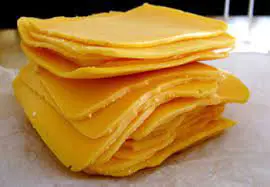
The burgers you find in fast food restaurants are mass produced in slaughterhouses across the country. In these slaughterhouses, the pieces of beef that eventually become ground meat are all mass-processed.

In other words, the ground meat in your burger does not come from a single cow. According to McDonald’s in the UK, the average McDonald’s burger contains meat from over 100 different cows.

Wrapping up

How many burgers in a cow

Determining how many burgers a cow contains is not easy, as there are many variables that affect this number. The size of the cow at slaughter, the final weight of the beef in the package, and how you divide the beef into ground meat and steak all affect what you get at the end.

I think most people who view this page want an approximate naswer. So, roughly speaking, the average cow produces about 800 burgers and 150 steaks, but this can vary greatly depending on the factors mentioned above. Hopefully, you have got all your answers about how many burgerrs in a cow.