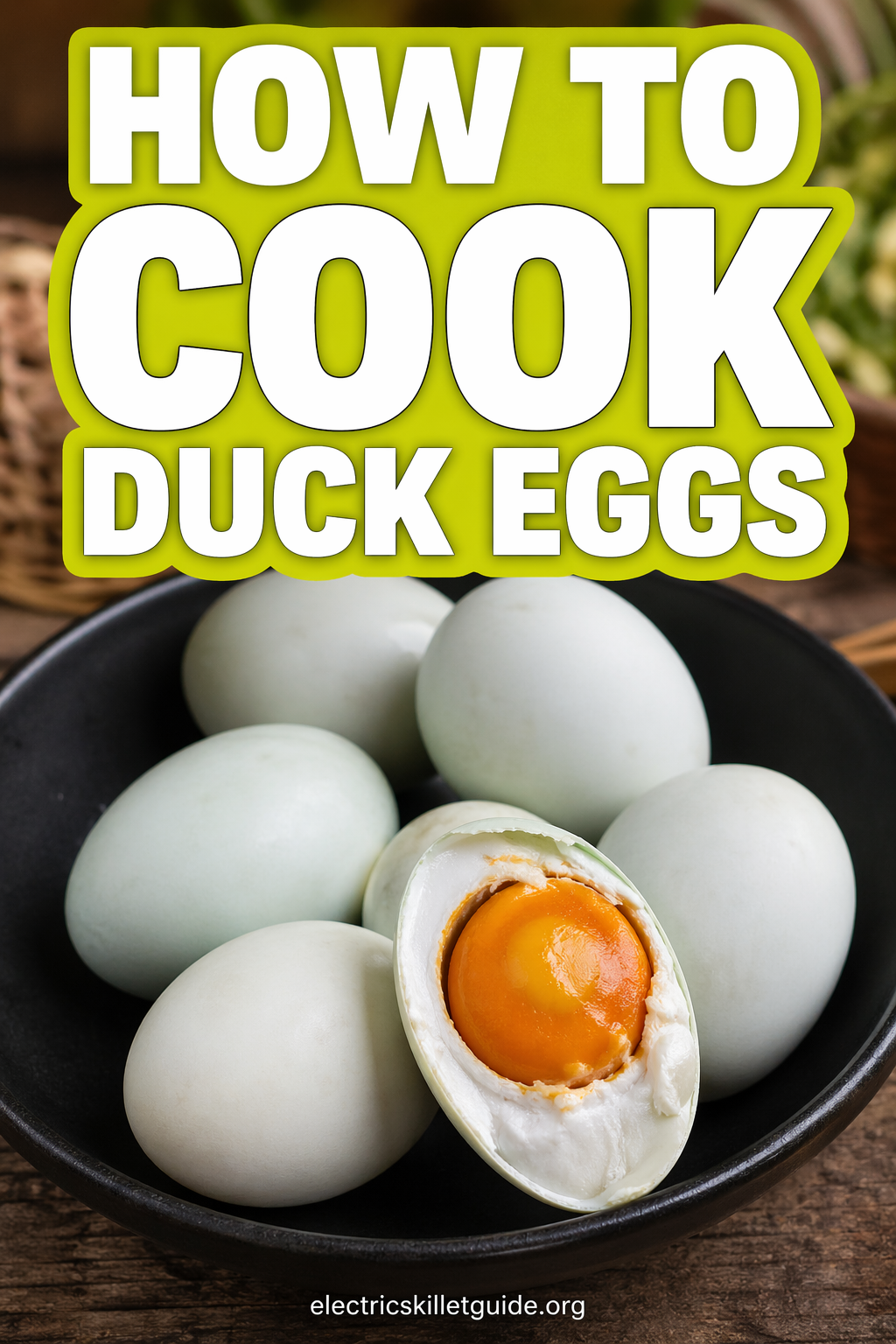
How to Cook Duck Eggs
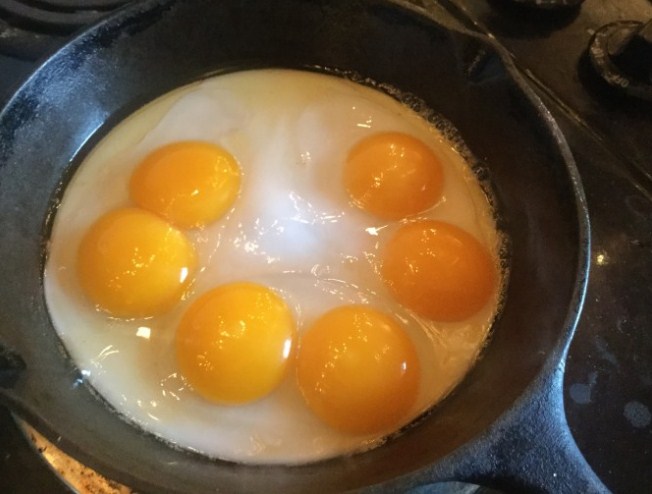
How to cook duck eggs? I am sure this must be the question hovering in your mind for quite some time, and this is why you are here. I’ll be honest with you—when someone first handed me a duck egg, I didn’t immediately think “great, breakfast.” I kind of just stood there with it for a second, turning it in my hand like that might somehow help. It felt heavier than I expected, which threw me off more than it should have. And the shell—pale, slightly blue-green—looked unfamiliar enough that I hesitated.
For a moment I genuinely wondered if I needed to look something up before cooking it. Which, in hindsight, is a bit dramatic. It’s still just an egg.
So yeah, the obvious question: do you cook it the same way as a chicken egg? I figured yes, but also wasn’t completely sure. Turns out, it’s mostly the same—but those “small” differences end up mattering more than you expect.
Once you notice them, though, things click. Duck eggs stop feeling unusual and start feeling like… a better option sometimes. Not always. But often enough that you’ll keep coming back to them.
Whether you’re frying one for breakfast, mixing it into pasta dough, or using it in baking, duck eggs bring a richness that’s hard to ignore. It’s one of those things you don’t fully get until you try it—and then regular eggs feel a bit plain. Still good. Just… less interesting.
Why You’ll Love This Recipe
Duck eggs have more yolk than white. You’ll see it right away when you crack one—it spreads differently in the pan. At first I didn’t think it would matter much, but it does. Quite a bit, actually.
More yolk means more fat, and that usually translates into more flavor. Scrambled eggs come out creamier, fried eggs feel richer, omelettes have a bit more weight to them. Not heavy exactly, just fuller.
That said—and I learned this the slightly annoying way—the whites can get rubbery if you cook them too fast. It’s not hard to avoid, but it happens if you’re not paying attention.
They’re also higher in protein and omega-3s, plus some extra B vitamins. I don’t really think about that while cooking, if I’m being honest, but it’s nice to know it’s there.
And baking… this is where duck eggs surprised me the most. They’re slightly more alkaline, which somehow helps cakes rise better and cookies turn out chewier. I’ve read the explanation before, but I won’t pretend I remember it perfectly. I just know the results are better.
Ingredients
Here’s what you’ll need to cook duck eggs in a skillet—which is how I usually make them because it’s simple and doesn’t require much planning:
2 duck eggs (fresh is better, room temperature if you remember)
1 tablespoon unsalted butter (or duck fat, if you want to lean into it)
Salt and black pepper
Fresh herbs—chives, thyme, parsley, whatever you have lying around
Bread for serving, ideally something crusty
Optional, but worth trying at least once:
A pinch of smoked paprika
A drizzle of hot honey
Flaky sea salt
That’s really it. Duck eggs don’t need much help. If anything, adding too many extras can make things feel a bit overdone.
Step-by-Step Instructions
Step 1: Let the eggs come to room temperature.
Take them out of the fridge about 15–20 minutes before cooking. If you forget, it’s fine—I forget sometimes too. Just means they might cook a bit unevenly. The whites set faster while the yolk takes its time.
Step 2: Heat your skillet properly.
Use a cast iron or stainless steel pan over medium-low heat. I know it sounds repetitive, but duck eggs don’t like high heat. I tried rushing it once and ended up with edges that were crispy in a weird way—not the good kind.
Add butter and let it melt completely. When it starts foaming gently, you’re good. If it’s aggressively sizzling, it’s probably too hot. Lower it slightly.
Step 3: Crack the egg carefully.
Duck eggshells are thicker, so you’ll need a firmer tap. The first time I did it, I underestimated that and had to try twice, which felt unnecessary.
Cracking into a small bowl first helps. I don’t always do it, but when I skip it, that’s usually when I regret it.
Step 4: Slide the egg into the skillet.
Let it cook without touching it too much. Around 3–4 minutes gives you a runny yolk. Closer to 5–6 if you want it more set.
At some point, spoon a little butter over the top. It helps cook the yolk gently. I ignored this step early on—no real reason—and the difference is noticeable.
Step 5: Season and serve.
Add salt at the end. If you add it too early, the whites can get watery. I didn’t believe that at first, but yeah—it happens.
Finish with pepper, herbs, maybe flaky salt. Then serve immediately. These eggs don’t really hold well once they’re done.
Cooking Tips
A few things I’ve picked up, mostly from small mistakes:
Keep the heat low. I know I keep saying it, but it’s the one thing that consistently matters.
Butter works better than oil. Olive oil is fine, but butter just feels right here. Hard to explain why exactly.
Watch the whites. They might look set but still be slightly translucent near the yolk. Give it another minute if needed. Or not—it depends how you like it.
Fresh eggs help more than I expected. Duck eggs from a local source taste noticeably better. I didn’t think I’d care that much, but I do.
Substitutions & Variations
No butter? You can use ghee, duck fat, or avocado oil. Coconut oil… I mean, it works, but the flavor feels a bit off here. Just my opinion.
If you want scrambled eggs, whisk two duck eggs with a splash of milk or cream, add salt and pepper, and cook on very low heat. Stir constantly. They turn out really creamy—almost too rich, but not quite.
Hard-boiled duck eggs take about 12–13 minutes, then straight into cold water. They’re great sliced over noodles or rice.
Poached duck eggs work well too. The thicker whites help them hold together. Add a bit of vinegar and keep the water just below boiling.
Baked eggs—like in a tomato-based dish—are also worth trying. The yolk adds this richness that’s hard to describe properly. You just notice it when it’s there.
What to Serve With It
Duck eggs are rich, so pairing them with lighter or sharper flavors helps balance things out.
For breakfast or brunch:
Sourdough toast with butter (yes, more butter)
Sautéed mushrooms and spinach
Roasted tomatoes
A simple arugula salad with lemon
For lunch or dinner:
Grains like farro or barley with roasted vegetables
Pasta with olive oil and cheese
Rice porridge with scallions and sesame oil
Avocado toast—obviously
Drinks depend on the mood. Coffee works. A light white wine if it’s a slower meal. Or just water with lemon, which is probably the sensible option.
Storage & Reheating
Raw duck eggs last about 5–6 weeks in the fridge. Store them pointed side down—it supposedly helps keep the yolk centered. I picked that up from a farmer once and just stuck with it.
Cooked duck eggs are best eaten fresh. Fried or poached ones don’t reheat well—the texture changes in a way that’s hard to fix. Scrambled eggs can be reheated gently, but they lose some of their creaminess.
Hard-boiled ones keep for about a week if unpeeled.
Why This Recipe Actually Works
It mostly comes down to fat content. Duck eggs have more fat than chicken eggs, both in the yolk and the white. That extra fat is what gives them their richer flavor and texture.
But here’s the thing—if you cook them too fast, you lose that advantage. The texture breaks before the flavor really develops. So low heat, a bit of patience… that’s really the whole idea.
It’s simple, but also easy to mess up if you rush.
Small Changes That Made a Big Difference
Switching from butter to duck fat once made a noticeable difference. The flavor got deeper—almost a bit intense. Not something I do every time, but worth trying.
Using flaky salt instead of regular salt also changes things more than you’d expect. The texture, mostly.
And cracking the egg into a bowl first? That small step saved me from ruining a few eggs with shell pieces. Not dramatic, just annoying when it happens.
If I Were Making This Again Tomorrow
I’d stick with butter, keep the heat low, and cook for about four minutes for that soft yolk. Serve it on sourdough, maybe with something fresh on the side.
And I’d make two eggs. One never feels like enough. I keep thinking it will be, but it isn’t.
What I Skip When I’m Short on Time
The herbs and finishing salt. They’re nice, but not essential.
I also sometimes skip bringing the eggs to room temperature. If I do, I just lower the heat and cook them a bit longer. It’s not perfect, but it works.
FAQ
Do duck eggs taste different from chicken eggs?
Yes, but not dramatically. They’re richer and a bit creamier. Most people just think of them as a stronger version of a regular egg.
Are duck eggs safe to eat?
Yes. Treat them like any other egg—buy from a good source, store them properly, cook them well. Some people with chicken egg allergies can tolerate duck eggs, but not always.
Why are duck eggs more expensive?
Ducks lay fewer eggs, and they’re not farmed as widely. So supply is lower.
Can I use duck eggs in baking?
Yes. One duck egg replaces one chicken egg in most recipes. You’ll usually get better rise and richer texture.
Where do I buy duck eggs?
Farmer’s markets are a good place to start. Some specialty stores carry them too. Once you find a source, you’ll probably stick with it.
How do I know if a duck egg is fresh?
Put it in water. If it sinks, it’s fresh. If it floats, don’t use it.
Conclusion
Learning how to cook duck eggs isn’t complicated, but it does require a slight shift. Lower heat, a bit more patience, and not rushing things—that’s most of it.
Once you get used to them, they stop feeling unusual and start feeling like a solid option. Not for everything, but definitely for certain dishes.
Try it when you’re not in a hurry. Keep it simple—just butter, an egg, and some toast. See how it turns out. You might end up liking it more than you expected.
Loved this recipe? Save it for later, share it with someone who enjoys cooking, or leave a comment—I do read them, even if I don’t always reply.