How Long To Bake Salmon At 400? Top Tips!

baking salmon

How Long To Bake Salmon At 400?

How Long To Bake Salmon At 400

How long to bake salmon at 400? If this question is hovering in your mind and you want a quick and authentic answer, you should go through this blog post which will give you all the answers you want. Now read on.

The method of cooking salmon at 400°C is important to you since cooking salmon isn’t so simple as you might think. For salmon, you’ll need the right cooking method and precise cooking, so you will get a soft and moist flavor, but retain the flavor of fresh salmon fillets.

It was first introduced over two hundred years ago, salmon is an extremely well-known dishes in the world due to its delicious taste. With salmon fillets you can make a variety of recipes to provide your family with food or to delight your guests.

Let’s take a look here to learn the importance of cooking salmon at high temperatures, so that salmon can be cooked to the highest degree of taste.

How Long To Bake Salmon At 400?

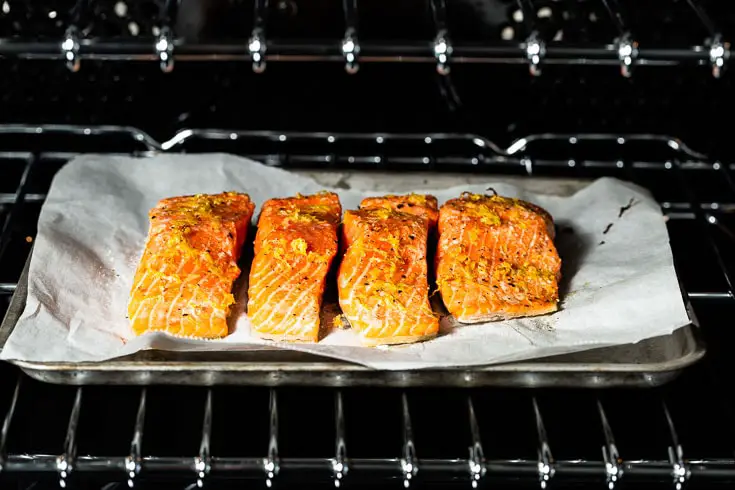
How long it takes to bake salmon depends on the thickness as well as the dimension of cut fish. It could take as long as 15 minutes to have them cooked completely for standard salmon fillets.

If you are cooking your salmon in papillote, allow them to bake for about 10 to 15 minutes, based on the way you intend serving it.

Another method to cook salmon is by searing and roasting using cast-iron pans and an oven. It’s best to cook between 1 to 13 mins in order to get salmon cooked. Grilling, roasting and grilling in foil and cooking salmon with an air fryer will require different cooking times.

Is cooked salmon a healthy Recipe?

Salmon is regarded as a healthy food because it is high levels of vitamin B12, protein and iron, as well as omega-3 fat acids, as well as vitamin D. This makes it the perfect recipe for children.

Salmon is rich in nutrients and can aid in the development of bones and boost the health of your cognitive and cardiovascular systems.

While salmon is famous around the globe to be eaten raw in sushi or sashimi, it doesn’t mean you can make use of any salmon fillets you want to consume raw. Unsuitable handling techniques can lead to the growth of bacteria in raw salmon.

Because of this raw salmon is not suitable for women who are expecting, have impaired immune systems, infant children and even the elderly.

Salmon appears to be among the most nutritious fish species in the world and has many health benefits. Check out this video to learn more about:

What is the most delicious salmon to eat?

Selecting salmon is a challenging task since you have to have the knowledge or expertise to pick fresh and competent salmon fillets. Additionally, the taste of salmon is based upon its quality and freshness. Follow me for the most delicious salmon you’ve ever had!

Which one do you prefer, wild Or Farmed Salmon?

If you’re given a choice between wild and farmed salmon, which one should you pick and why? This is an important question and I am going to tell you how to choose the most suitable option for your food.

Fresh Wild Salted Salmon Fresh

Wild salmon is lower fat levels and a higher in color intensity.

Wild Salmon

What are they? pink salmon King salmon Sockeye, Coho, silver salmon.

What do they eat to ensure their survival?  Capelin, Atlantic herring Barracudina, sand lance and lanternfish

Flesh Color

Pink salmon: pale pink

King salmon is soft, delicate, and melts in your mouth

Sockeye: orange to deep red

Copper River Sockeye: natural deep red

Coho from red to orange

Texture

Pink salmon with soft texture and tiny flake

King salmon with a rich meaty flavor with a rich, fatty consistency

Sockeye: medium and firm flake

Copper River Sockeye: a firm texture

Coho is extremely dense and hard

The availability

Pink salmon from July to September:

King salmon: May through September

Sockeye: May through August

Copper River Sockeye: Early May through June

Coho From June through September

Taste

Pink salmon: not too fishy and a little sweet

King Salmon: with a touch of sweetness

Sockeye is a natural and fishy taste

Copper River Sockeye: rich and sweet and.

Coho has a mild salmon flavor

Nutritional Values: Fewer calories and less calories than farmed salmon

Price

Rare and costly

The most sought-after: Chinook and King Salmon

Farmed Salmon

What are they? Atlantic salmon Arctic char, genetically modified salmon.

What do they eat to survive? Pellets made from fish oil or  sam

Color of Flesh

Atlantic salmon from light to white

Arctic Char: pink, but change to white after cooking

Texture

Atlantic salmon: medium-firm texture, with large flake

Arctic Char is a meaty texture, with tiny particles

The availability

Atlantic salmon: All-year-round

Arctic Char: All-year-round

Taste

Atlantic salmon has a milder taste than wild salmon

Arctic Char: rich and delicious flavor

Nutritional values: Colors are lighter and contains less fat

Price: More abundant and more affordable. There are a variety of salmon available, including fresh and raised in farms. The wild salmon varieties that are usually served as your meals are made up of King salmon (pink salmon), pink salmon the copper river coho and sockeye.

The two most frequently used farmed salmon species are Atlantic salmon and Arctic Char salmon.

Wild salmon can be caught using nets or lines and are found in the wild, and consume smaller fish, while farmed salmon are raised on farms and fed pellets that are made from smaller fish, chicken feathers that have been ground up or chicken litter.

This is why certain theories suggest that salmon raised on farms can be unhealthy for your health, with many contaminants or biological wastes in the water in which they reside.

Living in two distinct settings, both the wild as well as farmed salmon can give distinct advantages with regard to flavor, texture, color and availability.

The wild and the farmed varieties of salmon possess distinct colors in which you can recognize them quickly. Wild salmon is lighter in color, has fewer calories, and is less fat-laden than those raised on farms.

The color of the flesh of wild salmon can range from deep red to orange and the color of the farmed salmon ranges between pink and orange, and is frequently transforms into white after cooking.

For flavor and texture the texture of wild salmon is more robust as compared to farmed salmon’s However, the farmed salmon is milder and denser. In addition the fact that wild salmon is soft and meaty. The farmed salmon is creamy and soft flavor.

In another way Wild salmon is caught during certain times of the year. For instance, if you’d like to consume King salmon, I have to buy it from May until September, while farmed salmon can be purchased all year long.

Price-wise wild salmon is more expensive than other varieties of farm-raised salmon, because the farm-raised salmon is much more abundant as compared to wild caught salmon.

In short, regardless of which, you choose the wild, or farmed variety of salmon, be sure to verify the source for superior products.

How Long To Bake Salmon At 400

Fresh Or Frozen Salmon?

Fresh is always superior to frozen, however, in certain instances the difference between frozen and fresh isn’t a big deal anymore since you must select salmon by its appearance and flavor. A good raw salmon will be vibrant rather than being pale.

Another thing to remember is not to pick any fish that appears dry or has a brown hue instead of pink and red shades.

If you opt to use frozen salmon, be sure to verify the shelf life of the salmon that you bought and remember to remove it from the freezer 15 minutes prior to cooking. After you’ve purchased salmon, simply chop them into smaller pieces that cook faster and then marinate them quickly.

There are people who aren’t interested in eating skin of salmon and then removing it of fillets. However, salmon skin is an extremely abundant in nutrients and minerals in salmon. So, if thinking about whether or not you should take a bite of salmon skin and flesh, the answer is an overwhelming “Yes.”

How Long To Cook Salmon at 400°F?

Read on to learn the best way to cook your salmon in the best methods. There are three ways to cook your salmon: roasting, baking on parchment, baking grill, cooking, frying using an air fryer or pan-frying.

Before beginning making your plans, you are recommended to calculate the amount of salmon you will need to cook based on the amount of salmon one consumes. This will ensure that you don’t end up overcooking.  In the end, it’s not enjoyable when the main dish ends before everyone is satisfied.

How Long To Bake Salmon At 400

Method 1. Searing and Roasting

The steps listed below will assist you in cooking salmon to your satisfaction and comfort. If you like eating salmon fillets that have crispy edges, but with a juicy center. This method is the ideal option for you.

Salmon Fish Lemons Fresh

The salmon you cook and seared is naturally attractive and appears more delectable.

Step 1: Preheat the cast-iron skillet to 400 ° F.

Step 2: you must marinate salmon in the mix of seasonings. If you’re a beginner I would suggest this recipe. Melt butter and lemon juice. Top the salmon fillets by adding crushed garlic and salt and black pepper that has been cracked to enhance the flavor of the fish. Finally, put lemon slices on top of the fish fillets for flavor.

Step 3: In the cast iron skillet, melt butter that is not salted The melting butter gives the salmon fillets a golden brown exterior but a moist and spongy texture. Put the salmon fillets on the plate with their skins down.

Step 4: Cook the fillets over high heat for 3 minutes. Pour melty butter over the fillets once they cook.

Step 5: Put the skillet to your oven to cook for 8-10 minutes prior to serving.

Note: To ensure a more crisp skin, you must put the fillets on top of some flour.

Method 2. Roasting

Baking or roasting salmon fillets is a simple method for you to prepare your dinner menu and you’ll be able to finish the meal in less than 20 minutes.

Salmon Lemon Rosemary Vegetables

The roasting of salmon can make your salmon more flavorful and attractive.

Step 1: Heat the oven until it reaches 400 F prior to cooking for 5-to-10 minutes dependent on the type of oven you have.

Step 2: Fill the fillets of salmon in any spices you like, and then place into the oven to cook for approximately 12 minutes for medium-cooked. You will be able to determine the length to cook the salmon, based upon the size of your salmon.

A good rule of thumb is that you should allow 4 to 6 minutes for each additional half inch. Four minutes is ideal for those who enjoy having salmon served with a unique side, and 6 minutes will ensure that your salmon is cooked to perfection.

Method 3: En Papillote (Salmon In Parchment)

This technique is similar to roasting salmon but the foil support or a parchment packet can make the salmon pieces more adaptable.

Salmon En Papillote Lemon

In the parchment, cooking salmon preserves the juice and makes it more tangy.

Step 1: Heat the oven to 400°F.

Step 2: After sprinkling seasonings on the salmon, cover them in parchment or foil and then place them on a pan.

Step 3: Place the salmon in the oven, and bake until it is cooked The time can vary from 10 – 15 minutes. The water of wrapper will help make the salmon cooked and moist.

Note: Using this cooking method, you may add vegetables and fresh herbs alongside the salmon to enhance the flavor.

The amazing Parchment-baked Salmon is even more delicious than you imagine. Watch in the following video

Method 4: Grilling The Foil

Another method you can use to cook salmon at 400°F is by grilling them using foil. Grilling salmon can result in fillets that are smoky and deep in flavors, and also give them a more seasoned marinade to enjoy.

Step 1. Preparing your oven and heating it to 400F.

Step 2. The salmon filets are then sealed by securing them with some spices with an aluminum foil.

Step 3. Grill the salmon for between 14 and 18 minutes, until the most thick pieces are cooked according to how you would like. If the salmon is very large it is necessary to add additional time and vice versa.

Method 5: Use an Air Fryer To Cook Salmon

A salmon cooked in an air fryer can make it flakier and more delicious. The salmon fillets are succulent and sweet using this method. Are you uncertain if aluminum foil works to air fryers? You don’t have to worry, for this method, you do not have the aluminum foil to be wrapped around salmon fillets.

Step 1. The salmon should be seasoned with basic spices. If you are looking for a keto-friendly air-fryer recipe, I recommend opting for butter and garlic, which will enhance your salmon’s flavor and preserve its moisture.

Step 2. The cooking time will differ based on the kinds of air fryer models you are using. If you’re using an oven-based air fryer, 10 to 15 minutes of cooking at 400F would be the ideal time. A minimum of 12 minutes is a reasonable time for an air fryer with a basket. Naturally, the more thick the salmon the more time it will take.

Method 6: Pan Frying

Pan-frying can be the most convenient method to cook salmon at a high temperature, with a crispy skin and a crisp surface. In this recipe it is recommended to keep the skin of the salmon for the best outcome.

The general rule is that cook your skin side of the salmon for up to one minute at 425F. Then, reduce the temperature to 400F, and then continue cooking until the salmon is cooked.

Common Mistakes Cookers Make When Cooking Salmon

It is impossible to avoid making mistakes in cooking It is best to be aware of them and attentive when cooking and preparing process. Let’s look at what the errors are.

Purchasing bad Salmon: Selecting the best salmon is believed to be one of the most crucial steps to make the perfect recipe. The salmon must be fresh, or stored in a suitable way to maintain a fresh flavor when cooked.

Defrosting Salmon the wrong way: The process of thawing salmon with excessive heat can result in an overcooked fish. Therefore, it is better to freeze frozen salmon and defrost them by letting them sit overnight in the refrigerator or putting them under running cold water and seal the bag.

Removing the pin Bones: Inadvertently removing the bones of salmon or deboning it in the wrong manners can damage the surface of the salmon and its texture. Use pliers with a clean needle to take out the bone in a breeze.

Cooking too long: The salmon fillets dry out and lose flavor, setting off an alarm when the cooking process.

Salting salmon fillets before bringing them to the oven Adding Salt too Early:  because the salt is typically employed to keep fish fresh and if you add it too soon, can cause your fresh fish to lose its flavor.

Turning the Salmon Fillets Many times: It is best to protect the fillets throughout cooking and refrain from turning them several times in order to create stunning. Additionally, your salmon should cook best when cooked at very high temperatures, which will cause it to become opaque.

How Do You Know If Your Salmon Has Been cooked?

There are several methods and signs that will let you know when salmon has been cooked. Based on these signals you will know when you should stop cooking, as cooking salmon too long can cause them to lose flavor and moisture.

Salmon fillets are cooked when their flesh turns transparent. You can flake them easily. Simply use a fork bend the fish in order to determine the degree of doneness.

Another method to verify that the salmon fillets are cooked is to use the probe thermometer. The salmon fillets are ready for consumption once their internal temperature has risen between 110degF and 145degF, or between 43degC and 63degC in accordance with the level of doneness you’d like them to be.

There are some of you who are obsessed with taking in medium, rare or even well-done. Here are some points to note between three varieties of salmon. When internal fillets are hotter than temperatures of 145degF or 63degC the fillets will dry out.

When To Remove Salmon From The Heat?

The section before will tell you how to tell if your salmon is cooked. However, it doesn’t mean you need to take the salmon fillets come off the oven when they reach the desired temperature.

Once you remove the salmon off the stove and cook them, they will continue cooking in the oven with the heat still inside, which results in increasing temperature of the inside, regardless of whether you remove them.

The temperature can rise between 10degF and 15degF. So, before your internal temperature is at your desired state, allow salmon to escape.

If you’re planning to store some cooked salmon in the refrigerator to be used for later meals it is essential to keep track of the shelf-life for prepared salmon when it is stored in the refrigerator. In most cases, you’ll only have a couple of days to enjoy cooked salmon once you have stored it in the refrigerator.

What can you serve with cooked Salmon?

The best side dishes will increase the deliciousness of the meal Here are some recipes that are highly recommended to serve with your salmon that you’ve cooked.

Amazing Wines to Pair with Sausages that have been cooked

If you like wine that are a bit more expensive, here are some top-quality wines to go well with salmon baked dishes: Marsanne, Viognier, White Rioja, White Pinot Noir, White Burgundy, and oak-aged Chardonnay.

Drinking a glass of vino on the side of salmon cooked and vegetables can ensure that your meal is perfect!

Pouring White Wine

White wine can enhance your meal!

Side dishes that can be cooked with Salmon

The side dishes determine the stage your salmon cooked at. So I’ll suggest some great sides to enhance the salmon’s flavor.

  1. Buttery Garlic Green Beans

Garlic Green Beans are a simple and delicious side dish that is quick and simple to prepare. Green beans are cooked by frying garlic until they are tender and topped with lemon.

Pan-fried salmon fillets the green beans recipe can be a great option, as cooked green beans, spiced with butter and garlic are juicy and soft. Alongside salmon, this recipe will increase the taste and will also add a sense of savoriness to the entire dinner.

Green beans are a little sweet, salty, and buttery, which add flavor to your food items. Making the salmon with green beans is easy and easy. Consider these recipes when you’re in a hurry.

  1. Roasted Parmesan Potatoes

Roasted potatoes and parmesan cheese give you a recipe serving alongside cooked salmon. Salmon is flavored with basic spices to keep the flavor of its natural ingredients; therefore, I believe it’s best to serve with side dishes due to the saltiness, and little bit of sweetness and bitterness to enhance the flavor.

Additionally cooked salmon is soft and juicy. Combining it with medium-firm potato should be a great option.

Enjoy your salmon that you have cooked with this delicious and easy potato dish.

  1. Lemon Butter Broccolini

Broccolini is a fresh broccoli that has a naturally sweet and crispy texture. In terms of nutrition broccoli is also an incredibly nutritious vegetable that can provide your body with an excellent source of protein, fiber as well as minerals.

Broccolini is spiced with lemon, butter, and other spices to make an incredibly flavorful and tangy dish served with cooked salmon.

  1. Noodle Salads

The recipe is out of an Asian country, this noodle salad is sure to impress you by its flavor, great texture and color. The salad is flavored by fresh spices and herbs. It is packed with various vegetables to provide a healthy and nutritious dish.

The refreshing and tasty salad when combined with cooked salmon can create a balanced, delicious dinner.

  1. Roasted Brussels Sprouts

The Brussels sprouts that are easy to roast make a simple delicious, flavorful, and versatile food item that will go well with any of your winter or autumn dishes. Budgetbytes.com

As with other vegetables roasting brussels sprouts don’t require much flavoring, but its flavor and flavor combination with a simple marinade will still make recipes that are crunchy and have delicious flavor.

Cooking brussels sprouts isn’t a lot of work; the only thing you need to do is cut the brussels sprouts and spice them up with salt and olive oil and cooking them with the oven in around 20 to 25 minutes.

Use this great idea for a side dish to brighten the salmon dinner!

Additional Tips For Baking Salmon

I’ll share some helpful tips to avoid mistakes so that you can cook salmon correctly. Learn the best ways to cook salmon right now!

Use foil to cover salmon fillets so that you don’t overcook and retain flavor and moisture from the fish.

Marinate the salmon fillets in simple seasonings such as salt and pepper to create amazing recipes.

If you place the salmon in the oven leave them to cool The fillets that are turned over many times can ruin the stunning appeal of the salmon’s flesh.

Time for cooking should be recorded attentively. Make sure to check your fish at between baking to prevent overcooking.

Wrapping up

So, how long to bake salmon at 400? This article provides the entire information you need to cook salmon at 400° F. If you’ve got any ideas for improving the process you would like to share, let me know. I’m sure that all this information will stand you in goo stead when you decide to prepare a delicious salmon dish. Now go cooking!


Does Grape Juice Go Bad? 

Does Grape Juice Go Bad? 

Does Grape Juice Go Bad? 

In this blog post, I will try to address the question “does grape juice go bad?” through a detailed study of the grape juice and how it can be stored, how long it is going to last, as well as how to find out if grape juice is bad along with some important safety guidelines with regard to grape juice.

What is Grape Juice?

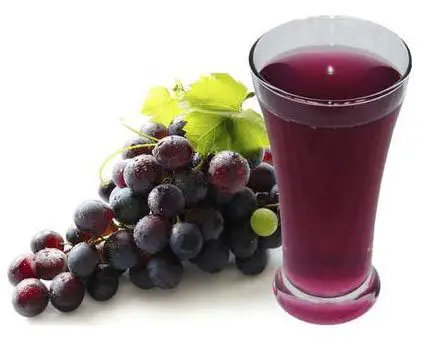
The grape juice can be described as the pure liquid extract of grapes .It has a deep, purple color as well as a sour fruity flavor. It is made using the grapes (though red wine requires white varieties).The most popular varieties are white, red and pink.

It is a nutritious alternative to drinks like soda or fruit juices since it is free of added sugar artificial flavors, artificial flavorings, or artificial colors.

It’s high in nutrients like vitamin C which provides your immune system with the boost it requires in cold weather.

What’s the best part? It’s simple to find and tastes fantastic.

This kind of juice typically is a great choice for salads or for a meal accompaniment.

If you’re in search of an alternative that is healthy to drinks that are popular, such as soda or fruit juices and grape juice, then this is the ideal choice.

This kind of juice generally tastes fantastic and is great with salads to make a great accompanying dish to dinner.

It is available in most grocery stores (though certain national chains do not have these drinks) therefore be sure to confirm before purchasing on a different retailer’s website, when time permits.

If you’re not sure, there are different kinds of products available on sites like Amazon Groceries that can be delivered to your doorstep in two days, some even on within the same day.

How to Make Grape Juice at Home?

Making your own grape juice is as simple and easy to make as it is.

All you need is freshly picked grapes in a container or bowl with Ice cubes (optional) as well as water and sugar.

The only item that might be an additional expense for this project would be an juicer if you do not already have one within your home.

There are ways to extract the juice from grapes without the need for a juicer.

The most common method is making use of a bowl or pot and frozen cubes.

Place the grapes in an uniform layer over the container, then cover it with water, sprinkle with sugar if you like (I would recommend it) Then, add some ice cubes in the bottom to provide insulation.

The next day, you’ll consume grape juice.

All you have to do is to strain the remainder from the mixture , and then relax and.

Method 2 is simpler than using all the utensils, because we’re not making juice this time.  Dip a portion of each grape in boiling water and then eat the whole grapes.

You’ll get around 90% juice that is freshly squeezed in this manner with no additional effort needed.

The process may take some time to make the juice, but it’s a lot simpler.

So, does grape juice go bad?

If the juice of grapes isn’t stored in a proper manner, it could be spoiled. Grape juice’s texture, flavor and smell could change due to microbial or chemical processes that make it appear unpleasant. Store the grape juice away from direct light or heat to extend the shelf life.

How do you keep grape juice in a safe place?

Fresh grape juice can be stored in jars that have lids that are tight for 5 to 7 days in the fridge. If you let the juice out excessively long time, it may begin to ferment. Freeze freshly squeezed grape juice putting it in an airtight freezer bag that has an opening and sealing it.

The grape juice should remain in a cool dry place. If you keep your juice under the sunlight, heat caused by the sun could result in the temperature of your juice fluctuating. This encourages the development of molds and bacteria which can reduce the shelf life of the juice.

The juice of your grapes is best kept in the refrigerator to prolong its shelf life. The process of fermentation slows down. If the juice of grapes is stored within the fridge, it has low chance of fungal or bacterial development, so the chance of spoilage is extremely low.

How long does grape juice last?

The shelf time of Grape juice depends on the way it is produced and stored. You can store your freshly prepared juice in the refrigerator for up to 2 days. If it is frozen, it could last for up to one year in freezer. Once sealed, the processed grape juice retains its freshness for up to a month after the expiration date.

When stored in the refrigerator open, the grape juice can last for about a month. There is no change in taste, and there is no fungal growth. The juice of the grape is frozen and has the longest shelf-life which can last up to one full year within the freezer. Once it has been thawed at ambient temperature, it maintains the same flavor, aroma and texture

The juice container that you have strained should be kept in the refrigerator for between 24 and 48 hours to allow it to cool. Remove the juice of the grape from the refrigerator once the time is right to serve it, but be mindful not to disturb accumulation of water at the surface of the pot.

Does grape juice go bad if it is not refrigerated?

When stored at room temperatures, unopened grape juice that has been purchased without refrigeration is likely to maintain its highest quality for up to 18-24 months following the date that is printed on the container, however it should be in good condition after that.

How can you tell whether grape juice is harmful?

If grape juice isn’t kept properly, it could quickly get spoiled. It is important to be aware of the warning signs for bad grape juice to ensure that you don’t mistakenly consume it. The bad grape juice displays the following symptoms and signs which prompt you to throw away the juice of your grapes.

Fermentation is taking place in the spoiled grape juice. There is the odor of vinegar. The bad grape juice is instantly detectable.

The stunning purple color of the sour wine juice fades away to a dark brown. It’s not pretty and you’ll be reluctant to eat it.

If you open the bottle of bad wine, you could notice bubbles and fizziness due to the fermentation.

A puffy and moist carton of grape juice with a bad smell signifies that there’s an issue with the grape juice you drink. It’s time to stop drinking the grape juice you drink. Consuming it for a long time could cause serious health issues.

Following the freezing process and then thawed How long will wine last?

It is possible to liquefy the grapes and stored in the refrigerator is able to be kept for up to 5 days prior to being consumed. However any grape juice that’s been microwaved or chilled water should be consumed as soon as it is available.

Can you freeze your grape juice?

The quantity of grape juice can be kept in the freezer in the event that there’s no way you could use it within the course of a month. It is possible to put the entire grape juice into an airtight container and freeze it. You can also freeze the grape juice by using Ice cube tray.

Transfer them into ziplock bags later. The grape juice cubes are easier to used since you can place directly into sparkling soda or sparkling water. Also, you can reduce the amount of grape juice by heating it and then put them in a freezer. The juice will still be delicious.

Food Security Tips on Grape Juice

In this article, we’ll share some tips for grape juice and tricks we’ve come across in the kitchen over the years.

  1. Don’t Discard the Grape Skin:

The grape juice that has the skins of the grapes left could be contaminated with wild yeast. If it is left unsupervised for an extended time, even the tiny amount of grape juice stored is enough to begin fermenting. The result is that the aged grape juice could begin to ferment and transform into wine.

  1. Drink the Juice as Soon as Possible

The scent and flavor of grape juice may preserve for lengthy period of time when it is frozen. The nutrients in the drink can be broken down. The lower temperature isn’t effective for preserving nutrients like minerals and vitamins. We recommend drinking your juice in a couple of days.

  1. Using Ascorbic Acid

Spraying your grapes with acidic ascorbic can be a viable but controversial method to preserve it. The acid helps to preserve the longevity of the juice. It is found within canned foods, juice from fruits cereals, frozen fruits for the majority of the time.

  1. Don’t Keep Grape Juice at Room Temperature

It’s generally recommended to defrost the frozen bottles of grape juice prior to drinking the contents. Be aware that the juice of a grape thawed can be spoiled in just an hour if stored at room temperature.

Wrapping up

In this blog post, I’ve answered the question “does grape juice go bad?” through a comprehensive study of the grape juice, mentioning ways you can store it and the changes that take place after it goes bad, along with a few tips on how to make grape juice.

How To Reheat Garlic Bread?

Reheating garlic

How To Reheat Garlic Bread?

How To Reheat Garlic Bread?

How to reheat garlic bread? Is this what you are looking for? If the answer is yes, you should not go anywhere else. For one thing, in this blog post, I am going to deal with this topic in detail. Read on if you are interested.

Garlic bread is delicious with a variety of dishes. From pastas to stews, as well as soups, this tasty and simple to make bread can make any meal a celebration. What if you’ve cooked too much of it and still left over garlic bread?

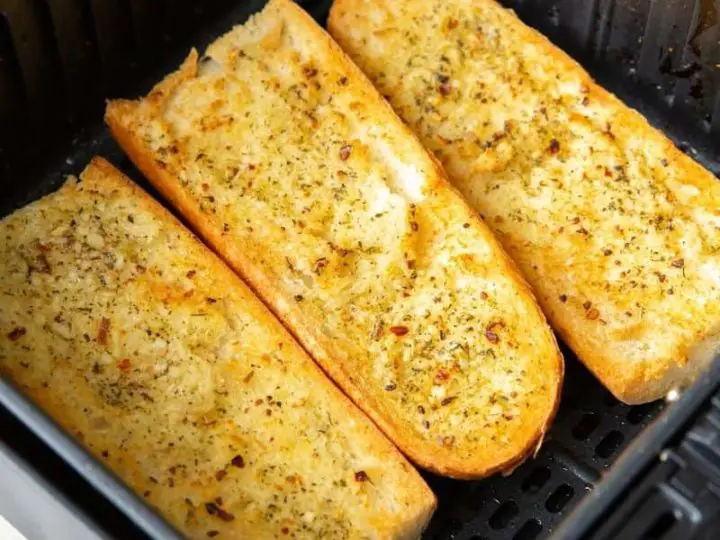
How can you reheat garlic bread? The best method of reheating garlic bread would be to bake it up in an oven. Simply wrap the bread in foil, and bake it in the oven to bake for about 10 minutes. Alternately, you can make use of the microwave to heat it quickly or on the stovetop should you require it to remain somewhat soft.

This article is written for all garlic-bread lovers who are looking to know how to cook garlic bread so that they don’t lose the chance of enjoying  it until the very last drop.

Can You Reheat Garlic Bread?

Many people enjoy garlic bread so much that they can even consume it cold. However, the majority of people will say that warm garlic bread is more delicious.

The idea of having garlic bread leftover is not common, especially since there are a few people who do not like garlic bread. Serve it alongside stews, soups, pasta, or drinking a glass of wine. It’s delicious!

If you’ve got leftover garlic bread, or you want to bake a loaf ahead in order to have it ready before dinner, you can warm it up as needed.

The process of reheating garlic bread will not affect the taste or texture of the bread if it’s done right.

The Best Way to Reheat Garlic Bread

There are many methods to cook garlic bread. They are all simple and fast. So, garlic bread that has been reheated can complement your dinner without spending a lot of time and effort in preparing it.

Garlic bread can be reheated in the following manner:

  • Bake in the oven to 350 degrees F for 10 minutes
  • In the microwave for 10 seconds increments
  • Cook on the stove for approximately 5-10 mins on low heat.

First Method: Reheat Garlic Bread in the Oven

Reheating garlic bread in an oven is the ideal method to do it. It can restore the original flavor of bread, making it crispy and nice.

The process of warming the bread in the oven will take some extra duration than the other ways of heating do. But, the outcome is definitely worth it.

This is a step-by-step instruction for heating baked garlic in the oven.

Pre-heat the oven. Get it 350 degF (175 degC) hot.

If you’ve got leftover garlic bread that you cut into loafs or slices put it with aluminum foil.

Place it on the baking pan or the wire rack.

Place the bread to bake for between 10 and 15 minutes, depending on the bread’s size or slices.

Check out the bread and make sure the bread is heated properly. If not, place it back into the oven for a few more minutes.

Another way of heating the bread in the oven is by sprinkling it with water and then placing it into the oven. In this scenario the bread must be covered loosely with foil.

Second Method: Use Your Microwave To Reheat Garlic Bread

Microwaving is the most efficient method to warm garlic bread. But, it’s only appropriate if you plan to consume the bread straight away. Once the garlic bread that you microwave is cooling, it becomes difficult and nearly unpalatable.

Microwave garlic bread slices in the microwave for no more that 10 secs.

You might be tempted to put your bread on the stove for longer to make those extra hot toasts with garlic that are infused with heat. You might even consider keeping it in the fridge as you set the food.

Don’t do it! The bread will be too difficult to consume.

Third Method: Reheat Garlic Bread on Your Stovetop

If, for any reason, you aren’t able to utilize the oven to warm the garlic bread, another method is to cook it on the stovetop to create an evenly heated bread.

This technique is best for those times when you don’t want your bread to become extremely crisp. It’s a great option for garlic bread that’s been sitting at the store for a few days, and is quite hard and dry.

Here’s how you can heat garlic bread over the stove:

Wrap the bread in aluminum foil. This ensures that the bread cooks evenly.

Select a dish that can comfortably accommodate bread. The smaller the pan, the more compact it is.

Put the loaf of bread into the pot , and cover it with the lid. The lid should be placed well on the pan. This will allow it to heat up much faster.

Place the pot on the stove at the lowest possible heat. The lower heat will be more efficient in warming food slowly and equally.

The bread should rest on the stove for approximately 5 minutes. The time can vary based on the bread’s size.

Make sure that the bread has been evenly heated or if it requires additional time in the oven.

If you think that the bread is in need of being reheated for a few more minutes, return it to the pan. Reheat alternate sides to get the best results.

How to Reheat Frozen Garlic Bread

If you have a loaf of garlic bread that has been frozen which has been baked, you can use the oven to heat it.

Place the bread that has been frozen in the oven. Do not wrap the bread in foil. Bake the bread with garlic that has been frozen at a temperature of about 20 minutes, keeping it at 300 degrees F.

For slices of garlic bread that that have been frozen, the process of reheating is the following.

Preheat the oven to 425degF.

Lay the already-made slice of garlic bread onto the baking tray. Make sure that the buttered sides of the slices are in the direction of the sun.

Be sure to watch the bread. It is necessary that the bread should be baked for approximately 5 minutes.

The broil setting should be turned on for a few minutes until the bread is crisp.

Cut the slices off after the butter has completely melting.

Related Questions

How to Make Reheated Garlic Bread More Fun?

Garlic bread can be delicious alongside a variety of dishes or on its own. It is a nutritious breakfast, lunch or dinner option for genuine garlic bread lovers.

As good as it is there’s no reason to not play with garlic bread leftovers and create different combinations.

For a zingy flavor

Cheesy Garlic Bread

to the garlic bread you have left add some cheese grated and place into the oven. While the bread cooks it will melt the cheese. And the perfect garlic-cheesy bread is waiting for you.

You can make use of any cheese you like that melts. Mozzarella and cheddar work perfect for garlic bread.

Toppings For Garlic Bread

Place grated mozzarella cheese on cold garlic bread slices and then add olives or slices of pepperoni. These garlic bread-based mini pizzas can be a great meal or lunch served with a mixed salad for a touch of freshness.

Toast garlic bread slices left over by baking them in the oven, or cooking on stove top with a pan. Serve scrambled eggs on the top of your garlic bread. This is an amazing breakfast on toast!

How to Store Garlic Bread?

If you’re still not finished with the garlic bread and you’d like to reheat it for dinner the next day, ensure that you keep it in a safe place. Making sure it is stored in the proper conditions guarantees that you will have perfect garlic bread when you reheat it.

Two ways that you can keep garlic bread in the refrigerator.

  1. Store Garlic Bread On the Counter

There’s no reason to store garlic bread that is not finished in the refrigerator. The bread being stored in the refrigerator can cause it to become stale.

The best method to keep the bread fresh for a couple of days is to wrap the bread in aluminum foil. Do not place your bread into airtight bags or containers because it could become too wet.

A properly packaged garlic bread can last well in the refrigerator for up to 3-4 days.

  1. Store Garlic Bread In the Freezer

If you’re looking to prolong the shelf life of the garlic bread that you have left, the best way to do this is to store it in a freezer.

The benefits of freezing bread, rather that refrigerating the bread. If stored in the freezer, the bread will last for approximately 3 months or even longer in the case of temperatures below 0 degrees F.

We all are aware that food’s quality is diminished if it sits longer than it should in the fridge. The sooner you can eat your garlic bread, the more delicious. Let’s face it how can you enjoy a warm meal without garlic bread when you know that it’s from your refrigerator?

To keep garlic bread in the freezer, cover it with plastic wrap. To ensure that no air can get into the bread, cover it in foil as well.

It is important to note that regardless of the method you decide to use for storing garlic bread, there’s one thing you must remember. Do not put hot garlic bread in containers or bags made of plastic.

The bread’s warmth can cause condensation. The bread will be destroyed and the chances of having garlic bread left over when you make a stew or soup will vanish.

Wrapping up

So, how to reheat garlic bread? The most efficient method to heat left-over garlic bread is by using an oven to cook it. This is without doubt the method that will yield the best outcomes. If you’re not able to devote a lot of time, you could consider a microwave for a backup plan.

How many Slices In a Loaf Of Bread?

bread slices

How many slices are in one loaf of bread? Any idea? If not, go through this blog post dealing with it if you’re interested.

how many slices in a loaf of bread

Quick Answer:

There are between 9 and 32 slices of bread inside the loaf, which is contingent on the bakery that makes bread, as well as the main reason for the loaf, and the texture and nature of the loaf or, more simply, the kind of bread being used.

Today, you can get a huge 16-inch loaf that has 14 slices of bread per container . A medium 10 inch loaf that has the possibility of 21 slices in a container.

A quick trip to your nearest grocery store is the simplest method of confirming this. The number of bread slices is completely dependent on the bakery that makes the loaf.

However, you can expect to see anywhere from 16 to 28 bread pieces in a container, since they’re often used to establish loose standard. However, it’s possible to see a different amount of slices per package.

To begin with, the purchase of a loaf of bread should be an easy job, but it’s not as simple as it may appear.

When trying to figure out how much bread you’ll need over the specified time , it is important to know how much bread you’ll get in one loaf of bread.

The issue is that the different breads aren’t exactly identical. There are some loaves that are made with more slices, and loaves that are thinner.

Specialty loaves generally are smaller than regular sandwich loaf. The loaves that are made at home could also include a different amount of slices.

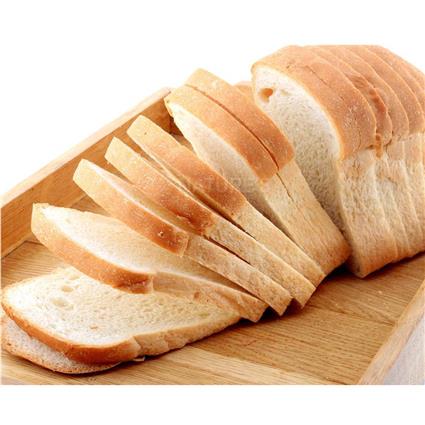
How many slices in a loaf of bread? A typical store-bought loaf of bread can yield between 20-24 slices bread in one package. The number of slices that come from the bread loaf does depend on many aspects, such as the bread type as well as the brand of bread and the thickness of bread slices they are.

In this article, I am going to  walk you on a complete description of the number bread slices that are inside the loaf.

I will also  talk about the average numbers and variations between different kinds and varieties of bread, as well as differences you may discover among various brands. There’s a lot to learn about this topic.

Follow us to find out the number of slices that are contained in a bread loaf!

How Many Slices Are in a Loaf of Bread – The Breakdown

Here’s your typical number to help you get started, but we’ll then go deep into these specifics.

If you purchase a normal piece of sandwich bread, you can expect to receive 20-24 slices.

It’s for a typical sandwich loaf. Therefore, the quantity could be different. This valid if only you’re just picking an entire loaf of sandwich bread from the store and you’re looking for an accurate estimation.

Of course, this amount can vary according to certain situations, such as the how thick the bread is.

For instance the loaf of Texas toast loaf will likely be more like 16 slices, rather than 20-24 slices.

The reason for this number not being precise is that not all bread is made in the same way. Certain brands produce their bread differently, and the slices could also be made differently. There are numerous variables that affect the amount of slices.

This is why we will dissect it for you and discuss different kinds of bread in general. Remember that these numbers might not be exact, but they will get you near enough.

Homemade Bread

There’s nothing more delicious than freshly baked bread.

Whether you use a bread maker or you make traditional homemade bread, there is just something comforting and delicious–especially if you get to enjoy a slice while it’s still warm. It can make our mouths weep just contemplating it!

Bread made at home is a more distinct than buying bread from the supermarket. The bread is more dense and more heavy. It’s still possible to make sandwiches with it or any other food you want, however you won’t likely make 20-24 slices of it.

The bread size of homemade bread can differ however the typical loaf of homemade bread weighs around 2 pounds.

Certain machines permit you to create smaller and bigger quantities which means that the amount can differ by a few slices based on the size of the loaf you created.

Also, you can determine what thickness your slices are, so keep in mind that the way you slice could have an impact on the amount of slices you’ll get at the final result.

In an average, you’ll likely get about 12 slices out of a 2-pound loaf of bread made from scratch.

The general rule is that cutting homemade bread is a procedure which you’re probably observing the bread and every slice will not come out exactly identical. This is fine, because that’s part of the enjoyment of eating homemade bread.

French Bread

French bread can be described as a bakery speciality and is not the typical loaf. It is also possible to purchase similar breads from your local bakery, which are longer in shape.

The options are available in many varieties, but be aware that if your purchase bread from deli which is large and wide, you could possibly connect this information to the loaves too.

We’re not able to cover every kind of bread sold in delis here, otherwise we’d be there all day long.

Although we specifically mentioned French breads, it is important to be aware that there are various types of bread available in the deli that have similar in lengths, so the notion ought to be the same in essence.

The general rule suggested is to cut French bread into pieces of about 1-ounce size. It can be difficult if you weigh each slice.

French breads are both skinny and long in its nature. Therefore, they can be slightly thicker slices , but they don’t need to be.

Other varieties of deli bread similar in length might have a thinner consistency than French bread, however the thickness will be the same, giving an equal amount of slices.

Traditional Sandwich Loaf

If you’re out at the grocery store picking up the most popular sandwich loaf of wheat or white bread, they’re typically similar across all breads, and across all the brands.

You can find generic brands, like Wonder, Nature’s Own, Sara Lee and many more.

It’s difficult to say they’re all identical, but what you can be sure of is that the traditional loaf of wheat or white sandwich bread is likely to look pretty similar, perhaps with all the various brands available.

When we talk about wheat in these sandwich loaves, we’re not talking about whole wheat. These are generally special loaves.

We’re talking about the sleeve of sandwich bread that you can pick wheat or white, and they’re similar in lengths.

For these particular loaves of bread, you’ll notice the presence of 26-28 slices most of the time.

Many experts would say that you could have only 20-24 slices but what we’ve discovered is that the basic white sandwich loaf typically contains a few slices when compared to different varieties of loafs.

The average sandwich loaf weighs around 20 ounces the total weight.

They’re usually not cut in a thick layer and don’t break apart when cut in this way because the process and production of the bread make the bread less likely break like different breads available.

This is just scratching the top of the line. If you take a look at the entire range of grocery stores and the many brands they carry, you’ll discover that there are over 200 brands of sandwich bread available in the U.S. alone.

Although experts claim that the majority of sandwich breads comprise 26-28 slices, our research revealed that very few brands contain that many slices. This is why we have listed some of them in this article.

  • Sara Lee – 22 slices
  • Nature’s Own- 22 slices
  • Wonder – 24 slices
  • Fantastic Value -24 slices
  • Market Pantry- 22 slices
  • Rudolph’s- 24 slices
  • Dempsters- 22 slices
  • Greenhouse- 17 slices

You will see that each one of them except for Greenhouse falls within the 20-24 range, so this figure is more reliable and accurate.

Another thing to take into consideration when it comes to sandwich bread is that certain brands come with size of loaf that is a bit smaller too. They have about 6-8 slices less than your typical sleeve of sandwich bread.

Artisan Or Specialty Breads

When you browse through the bread aisles at your local grocery shop, you’ll see some breads with specialties or breads made by artisans. They aren’t your typical breads like white sandwich bread.

Brands such as Nature’s Own, Sara Lee, Dave’s Killer Bread, and many more are available on offer, but you can also discover other brands that are specialized. The particular brands may be quite extravagant.

Oats are among the options, as well as multi-grains and other specialty items. Sara Lee even has a range of toasting breads which has cinnamon raisin as well as cinnamon swirl varieties.

These breads tend to be bigger than the traditional sandwich breads in terms of size. Bread slices appear pretty similar but may be a bit larger or thicker.

What you’ll notice is that these loaves are shorter than the standard sandwich loaf. This is why you will find less slices inside the loaf.

In the majority of cases the artisanal and specialty loaves are likely to have the size of 16-20 bread slices inside the loaf.

Here are some examples. Dave’s Killer Bread is known for its specialty breads and generally healthier breads. Their breads contain 17 slices.

If you buy one of Sara Lee or Nature’s Own in this specific category, you’ll receive approximately 17 slices of these as well.

They will differ, but they generally fall within this range , and this amount at the least provides you with  an idea of what you could think of as a loaf that has.

Sourdough Bread

Another popular bread type which you can buy or make is the sourdough loaf. It is speciality bread, however it is still in another category than the specialty breads and artisan breads we discussed earlier.

Due to the way sourdough bread is created it weighs slightly more than conventional bread slices.

This is due to the fact that sourdough contains gaps and hollows that allow for an airspace within the bread. Therefore, your slice is likely to appear roughly similar in size.

Another aspect to be aware of with Sourdough bread is that it may be prone to break or fall apart in the event that it’s not cut sufficiently thick.

This is why you must plan to cut the bread sourdough to around 1/2-inch per slice. If you’re buying sourdough bread it could already be cut as such.

Also, they are cut slightly thicker in order to avoid issues with crumbling, as the bread is famous for its hollow spaces as well as a distinctive texture.

It’s a good idea maintain the bread sturdier and ready to go to ensure that it doesn’t break when you hold it.

Sourdough bread is distinctive due to its fermentation process that is the reason it got its name, sourdough. This is what creates these hollow spaces as the bread is soaked in carbon dioxide while it is fermenting.

In the average, a normal loaf of bread made from sourdough should produce approximately 24 slices. This can vary slightly based the method you use to make your loaves and the size of the loaf you have made, but this is the standard expectation.

It is an adaptation of a loaf of sourdough bread, which weighs around 36 grams and includes slices that measure about 1/2 1 inch thick.

Rye Bread

The final bread we’ll talk about is Rye bread. It’s also a specialty bread, but it does not always belong in the artisan or specialty bread categories.

It is an extremely dense bread, which is why it’s cut thinly, however the loaf could be a bit short in comparison to sandwich loaves.

In this regard that rye bread is a staple food item, it will yield around 24 slices in a typical loaf. This is due to the fact that this bread is cut thinly, but not so that it will break or break.

Rye bread is extremely dense and slightly heavy , so it is durable and a small amount can go a long way.

Related Questions

This guide will help understand the number of slices of bread that are contained in a loaf of bread and this can be a useful source.

We want to ensure that, although you may not have the exact amount of bread slices, you can get an estimate of the number depending on the kind of bread you’re making or buying.

In the meantime, we encourage you to look over the following section of questions and answers for more information that could help you.

How many buns are contained in one pack?

If you purchase hamburger buns or hot dogs generally, they come with 8 buns per package. This is the typical packaging sizing.

Similar to other bread products, you’ll be able to get larger packs, and you might be able purchase boxes of 12 instead of the standard 8.

How many sandwiches can you make with one loaf?

The number of sandwiches can be made with one loaf of bread will be contingent on the bread’s size with the standard sandwich bread making between 8 and 10 sandwiches. A loaf of 800g is, however is enough bread to create at most 14-16 sandwiches.

Which side should I cut my bread?

Different bread loaves offer different ways of slicing; it depends on the form and shape of the loaf. For flat-topped loaves, it’s advised to place the bread on its side. which allows the knife to cut through the crust at an angle to avoid crumbling. This can also avoid situations where the bread may squish because of the force needed to cut through the crusty portion.

When working with bread that is round it is best to first cut it across the middle to create two equally-sized semi-circles. After that, work on each half by cutting across the edges until you reach your preferred size slices.

Wrapping up

So, how many slices are in a loaf of bread? A standard loaf of bread for sandwiches is made up of about 20 to 24 slices of bread not including the final pieces (often known as”heels”). Breads with specialties include Texas toast, sourdough, and multi-grain contain about 16-18 slices. Bread slices that are thin have around 26 slices. Hopefully, this blog post will give you a lot of authentic information about bread slices and help you to clear all confusions you may be having.


Do Bananas Have Seeds?

banana seeds

Do bananas Have Seeds?

Do bananas Have Seeds?

Do bananas have seeds? Are you aware that the average person eats more than twenty pounds of fruit in a year? Surprised? You might be confused by many questions related to bananas, and the answers might not be clear to you as well. Read this article to find out the truth.

Bananas are healthy and delicious snacks that we need to peel to consume. However, did you think about what makes them a fruit? Bananas are considered to be a fruit because they contain seeds of the plant they originate from. You might not have paid enough attention to the seeds of a banana, but they actually contain seeds!

The banana seeds aren’t very large They appear concealed. However, this wasn’t always the case. Humans have had a significant impact on genetic breeding for bananas, and consequently they have created the bananas “new” design and flavor.

Are bananas seeded? Yes, bananas do have seeds. But, current commercial bananas are genetically bred , and in reality, they are not cultivated from seeds. Seeds can be observed but they are unable to aid in the reproduction of bananas. Wild bananas have visible seeds that are larger and may help in the development of a new fruit plant, if it’s created by the parent plant.

Why Commercial Bananas Don’t Have Seeds

As we mentioned earlier there are seeds in bananas however the genetic alteration process performed by humans has resulted in an fruit that has transformed seeds into an afterthought. Commercially produced bananas won’t contain large seeds the fruit. Why?

When they discovered that plants couldn’t produce seeds, farmers harvested the leaves from the plants to discover that seeds were not required for the cultivation of bananas. Commercially grown bananas are specially cultivated for consumption, making sense for seeds to like to be kept out of.

The reason why seedless bananas are not edible is related to their genetic imbalance. The modern day banana is triploid, which means it has three sets of the chromosomes. Instead of having just one set of chromosomes for each parent, the fruit gets one set of chromosomes originating from one parent plant, and two sets of chromosomes from other plant parent.

Bananas are asexually bred. It is also known as parthenocarpy. The development of bananas that are not fertilized creates the fruit without seeds.

There are numerous benefits of “seedless” bananas because of this. Commercial bananas, such as those that you buy from the local grocery store are more flavorful and sweet. Additionally, the absence of seeds or tiny seeds allow for a more enjoyable consumption experience and better interaction with people. This has resulted in bananas with an extended shelf and post-shelf time.

While you might be able to spot seeds when cutting through in the middle of commercially grown banana, their role has become no longer needed. In the present time of the life of a banana, it’s main purpose is to be appealing to the eye for consumption by humans and not reproduce.

Do Wild Bananas Have Seeds?

It’s difficult to find wild bananas that can be eaten. They are usually located in remote regions around the globe, such as the valleys or forests. If you do discover an uncultivated banana plant you’ll be amazed by the beauty of it. The wild banana plant has larger leaves that extend upwards with uniform. The root of the plant is constructed stronger and stronger than a commercial banana plant.

Yes, wild bananas can be considered to be a fruit and they contain seeds. When compared to commercially produced bananas, wild bananas contain larger seeds, and look different from the regular bananas we purchase and consume at the supermarket.

Wild bananas are larger in seeds, but they may not be as appealing as regular bananas we’re all used to. In some instances, these bananas contain more seeds than an food-grade bananas!

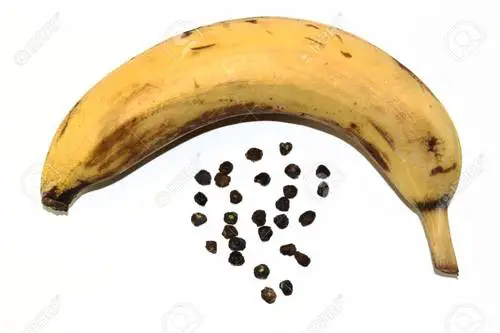
As you can see in the image as shown below, the wild varieties of bananas contain seeds that are as big as peas!

But the wild banana plants are vital since they reproduce from their mother plants. Also, the seeds are able to reproduce and grow.

Wild bananas can be located near forests all over the globe. Due to the natural habitats of these areas wild bananas, they tend to form in unusual forms and dimensions. The peels of these fruit don’t have the same glow we’re all accustomed to.

Can You Eat Banana Seeds?

If you come across the seeds of a banana You might be wondering whether the seeds are safe to digest. You can indeed take banana seeds in a healthy way. Banana seeds, whether in ripeness or not aren’t poisonous. However wild bananas are thought to be to be almost unpalatable when they yield an abundance of pea-sized hard seeds. Although wild bananas might still be suitable for consumption but it’s almost impossible and therefore not worth it.

Large seeds in wild bananas are typically smaller and likely to have more seeds than the flesh that is edible. Bananas with seeds are generally considered to be inedible due to the fact that they are so difficult to chew and take in!

Another issue with eating the seeds of a banana is the they consume a lot of space inside the banana. This could make it difficult to consume the pulp or flesh.

Can You Eat Wild Bananas?

Can you consume wild bananas? Yes you can consume wild bananas. The nature and the location of those wild bananas a few can be very tasty to eat, and contain almost none seeds at all.

A common myth of wild-butterfly bananas is that they contain seeds. That is not the case.

A well-known type of wild banana is located within Costa Rica, where they are known as “baby bananas”. They ripen quickly and are absolutely delicious! As a kid I never had doubts about eating these delicious treats in the wild.

Babies bananas are also referred in the form of “Lady Fingers” are thicker and more sweet than normal bananas. Most of the time, when you encounter baby bananas you’ll notice their bright yellow hue. The smaller dots or freckles are an indication they are in good condition and ready to be eaten.

But, there are times when the fruits can be edible but you shouldn’t consume the banana in the event that the plant was exposed to pesticides and birds or insects. It’s unnecessary to consume harmful bacteria that are from the plant that is not known. Test a handful of bananas at toward the upper part of the plant are suggested prior to deciding whether or not to eat them.

Where are the banana’s seeds?

It’s an interesting topic. In reality, the answer will depend on what type of banana you are looking for. Yes, that’s correct.

Technically speaking, Banana is one of two varieties, at a minimum in terms of generalization. They include Diploids as well as Triploids. It’s not difficult to comprehend.

Diploids or Diploid bananas are a type of fruit that is easily cut into pieces longitudinally along the length. If you press the banana, it will split into two parts that are nearly equal at the middle. You’re probably not familiar with this kind of banana. The majority of wild varieties of bananas are Diploids. The diploid banana has a larger and larger amount of seeds. Seeds of the diploid banana are situated close to the center, but may take up the majority of space at times.

Triploid banana is similar to the one described above, however it has three parts, instead of just two. The majority of modern bananas including the Cavendish varieties are triploid. They are free of seeds, or even a tiny seeds that are sterile. The seeds are small and there are very few in the middle of the triploids.

What number of seeds do bananas have?

The number of seeds found in Cavendish bananas is approximately 6 seeds. The seeds are usually unnoticeable. We eat them seeds without worrying or being aware that they exist.

However the modern varieties of bananas could contain seeds that range from 3 to 15 seeds in a single fruit. According to recent research, it has been observed that a typical banana believed to contain the number of seeds that are in each bunch. This is not a lot when contrasted with 20-30 seeds per fruit in wild bananas.

Are there black seeds in bananas inside?

In most cases, the bananas do have black seeds within their hulls. Sometimes, the seeds are so small, they are not noticed. In other instances, you may find a huge black, round seeds inside the banana. Based on the shape as well as the quality and type of the banana, its seeds could be brown, black or even transparent in color.

What is a seed of a banana called? The banana seed is known as the banana seed and nothing more. There is a truth to it there isn’t any specific name for this , therefore, I am sorry. There are some who call it’s a gymnosperm however, it’s does not specifically refer to Banana seeds. It’s a seed, so consider it an ‘egg. It’s not necessary to think about technical names and all.

How big are the seeds of a banana?

This is something you must be aware of. Certain banana seeds are larger that black pepper. It was awe-inspiring until I discovered it myself. Based on the findings of the science of the world and my personal knowledge, I’m able to state that a banana seed could grow to as large in size as 0.7cm in diameter, and smaller than 0.1 millimeters or, in some cases, even smaller.

Banana seeds are believed to be round, but believe me, they’re not. at least not always. The shape of a Banana seed could be circular, round or spherical. It can also be elliptical, s flat or pointed. The differences in shape are the result of differences in genetic structure and , in particular, the varieties of bananas.

Why Don’t Some Bananas Have Seeds?

Yes, mostly they do. Bananas do have seeds. But, the question remains pertinent because there are certain  varieties  of bananas, such as the Cavendish variety,  are hardly a source of seeds. We think of them as seedless. In some ways, this is the case to a certain extent. What is the possibility of this or how is it feasible?

In the field of science, we all have discovered that, at the very least, I’m sure you’ve learned the fact that plants produce fruits to nourish, safeguard, and produce seeds. It is a necessity for every plant to live and continue to produce. Seeds are the most important product of sexual reproduction within the kingdom of plants. Without seeds, the plant will not exist or at best not likely to last for a long time.

Nature isn’t usually supportive of this kind of changes. The planters wanted to develop an alternative variety of bananas that only contain the pulp or flesh but with no fruits. This idea has led to the creation of modern hybridized crops , such as Cavendish bananas.

Today, with all the changes the bananas are no longer able to fight against the emergence of new fungi or plant viruses. They are not able to develop a natural immunity against these diseases. It is only possible through sexual reproduction. Sexual reproduction isn’t feasible without seeds. If we do not support these varieties of modified bananas with inducing immunity, then they’ll surely disappear in the near future. Researchers are currently working on creating more sustainable and immune kinds of banana. If we don’t have one that has desirable characteristics they are in danger. That’s why our most loved natural desert, Banana.

Before you leave, you must be sure to read How to cultivate Chili Pepper plants faster from seeds.

Wrapping up

So, do bananas have seeds? Yes, bananas are full of seeds, but we sometimes ignore the seeds. It’s always good to be aware of what we eat. It’s about our health and our tastes. Today’s question is what are your thoughts on the seeds found in the banana?

Bananas are seeded, however modern commercially-grown bananas are genetically bred to stop the growth of seeds.

Commercial bananas are the most popular fruit we consume, and are usually the only option at the local supermarket.

Wild bananas are seeded and, if they are derived from the mother plant the seeds could be used to reproduce.

Banana seeds are edible in small amounts, particularly considering the tiny seeds that are found within commercially produced bananas. Wild bananas contain larger seeds, and aren’t worthy of eating.

The fact that seeds can be found in wild bananas  does not necessarily mean that all wild bananas contain seeds. The nature and the source can be a significant factor in determining whether that particular type of banana is suitable for consumption by humans.

Can you Eat Raw Broccoli?

Can you Eat Raw Broccoli?

Can you Eat Raw Broccoli?

 Can you eat raw broccoli? If you are interested in knowing more about this subject, you should go through this blog post that exclusively deals with it.

High in vitamins, fiber, and antioxidants, broccoli has been dubbed one of the most healthy food items for a healthy diet. Like cabbage and cauliflower broccoli is low in calories, and packs a significant amount of nutrients per serving. If consumed in an overall diet, broccoli can be a shield against heart disease as well as Type 2 diabetes and other chronic diseases. It also will fill you up fast and makes eating clean significantly simpler.

Why should you eat raw broccoli?

Broccoli’s content of sulforaphane is the main reason for its benefits for health. According to a study in 2018 released in Oncotarget, Sulforaphane has displayed anti-cancer properties. The natural substance has been proven to block the growth of cancerous colorectal cells and signaling, while also preventing it from spreading to other parts of the body.

Another study, published in the Journal of Functional Foods in 2015, found that sulforaphane reduces inflammation and the oxidative stress. Because of its anti-inflammatory and antioxidant properties, it can aid in reducing the effects of obesity-induced inflammation on the system as well as guard against heart disease, and assist with the management of acute lung injuries.

According to a study from 2015 published in Antioxidants and Redox Signaling eating three to five portions of cruciferous vegetables each week can reduce the risk of cancer by as much as 40 percent. In contrast to anti-cancer medications, sulforaphane eliminates cancerous cells, without causing harm to healthy tissues and cells.

Broccoli Nutrition Facts

Broccoli is also a great supply of Vitamin A as well as vitamin C, Vitamin K manganese, calcium and folate. One cup contains 30.9 calories and contains 135 percent or all the RDA of Vitamin C and fourteen percent of RDA of folate, and eight percent of manganese and the RDA for potassium. Additionally, it contains 2.4 milligrams of fiber that’s about 9 percent of daily recommended daily intake for adults.

Lutein and zeaxanthin are two powerful antioxidants found that are found in broccoli, can prevent the appearance of eye diseases related to age, such as cataracts and macular degeneration.

The vegetable also contains the antioxidant kaempferol which helps to fight free radicals, guards against cancer, and decreases inflammation. Additionally, research has connected cruciferous vegetables with lower risks in breast cancer.

Rich in vitamin K and calcium, raw broccoli is a great source of vitamin K and calcium. It keeps your bones strong and can help prevent fractures, according to the National Osteoporosis Foundation.

Vitamin C is one of its richest nutrients increases collagen production and reduces the process of aging, which helps maintain your complexion youthful. Vitamin C also helps prevent the creation of free radicals and neutralizes their negative effects on your tissues and cells.

Cooked Broccoli vs Raw Broccoli

Once you’ve learned that broccoli can benefit your health, you might be wondering if it is better to eat the vegetable raw or boil it before eating. According to the Dairy Council of California, boiling can destroy the majority of the nutrients found in the vegetable. Microwaving, steaming, roasting and stir-frying on the other hand keep a large portion of the nutrients in this vegetable.

Let’s consider vitamin C as an example. According to a research study published at the University of Illinois at Urbana, 150 grams of freshly cut broccoli has 117.7 mg vitamin C. The same portion of cooked broccoli has 117.3 milligrams of the vitamin. Microwaving can reduce broccoli’s vitamin-C amount by 63.6 grams. Should you choose to boil it, you’ll only have 85.6 milligrams of vitamin C remaining.

The research mentioned above suggests that steaming has negative effect on broccoli’s glucose levels. Microwaving and boiling however result in leaching and the breakdown of the glucosinolates.

Additionally, it is believed the steaming of broccoli over 3 to 4 minutes boosts the production of sulforaphane. Researchers have also observed that adding mustard seeds in powdered form to the cooked broccoli increases the levels of sulforaphane in broccoli, so you may want to test this method.

It appears to be the best way to consume this vegetable. Besides, steamed broccoli goes gentle on your digestive system.

Is Raw Broccoli safe?

Raw broccoli is safe to the majority of people and won’t cause allergic reactions. However, it can cause blood thinners to become unresponsive because of its high concentration of Vitamin K. Similar is the case for kale, spinach, asparagus Chard, as well as Brussels sprouts.

If you are suffering from IBS, also known as irritable bowel syndrome (IBS) or suffer from an irritable stomach It is recommended to eat cooked broccoli. Cruciferous vegetables are known for their capacity to cause gas, bloating and stomach discomfort, particularly for those suffering from IBS. In other circumstances, they’re a great choice for people who are healthy. To be in good health be mindful of your portion sizes.

Explore your kitchen and include broccoli in your favorite food items. Mix it in with greens and pasta Use it in eggs, blend the steamed broccoli, or blend it into smoothies.

Wrapping up

So, can you eat raw broccoli? As I’ve previously mentioned, the answer obviously is yes. Broccoli has often occupied an upper place among “superfoods” checklists. This is due to the fact that it is a great source of sulforaphane, which is a chemical believed to fight cancer by stimulating your body’s cleansing enzymes.

According to research published in The Journal of Agricultural and Food Chemistry Raw broccoli is much more of this valuable nutritional value than cooked.

In a tiny study, in which men were offered 1 cup of broccoli cooked or raw, the people who ate raw broccoli had a greater absorption of sulforaphane and in greater quantities compared to those who had it cooked.

These findings add to the increasing evidence linking the consumption of cruciferous veggies like broccoli and kale as well as cauliflower to lower cancer rates.

Bottom line: If you enjoy broccoli, it’s best to eat it raw because it’s healthier. If you prefer cooking it, then boil it to cook, but let it remain crispy.

How to Reheat Casserole: Top Tips And Tricks

How to Reheat Casserole?

How to Reheat Casserole?


A casserole is a simple dish to prepare and requires only a few steps. It’s also packed with great ingredients such as meat, cheese sauces, pasta, and cheese making it a favorite of the family.

If you’ve ever prepared the perfect casserole but had leftovers, don’t worry! It’s possible to heat leftover casseroles, while making sure it’s tasty. But how to reheat casserole? Read on to learn more.

How to reheat casserole without drying it out?

To successfully heat the casserole, use a pan with a lid tightly fitting and an oven. it can take 20-30 minutes at 325 degrees F. You can also utilize a microwave, a toaster oven or stovetop. Most effective results are achieved by warming it up to temperatures at room temperature. Additionally, make sure the food is distributed evenly to ensure uniform heating.

The casseroles that are sold in stores usually have specific instructions for heating and some can be heated right away when frozen. However, homemade casseroles aren’t usually equipped with heat guidelines. The most effective method to heat one will depend on the size of portions and the kind of casserole. However, it is best to follow some common rules to follow to stop your dish that has been reheated from drying out.

Reheating Casseroles: Top Tips and Tricks

Whatever the kind of casserole or the method used to heat it, there are a couple of essential points to remember.

How To Store Casseroles Properly

Casseroles are simple to make ahead and are able to be stored in the refrigerator for a couple of days. It is typical for the casserole to be kept within the freezer. Whatever the location you decide to put it in storage, you’ll need to keep certain things in your mind.

Cool it quickly. It must be cool within two hours prior to putting it into the refrigerator or freezer. If your house is warm it is necessary to transfer the casserole to an area cooler to chill while covering it. If you plan keep it stored in portions sizes, make sure to divide it today to speed up down the process of cooling. Food is also cooler in containers that are shallower.

Be sure that the casserole is sealed tightly before placing the casserole in your refrigerator or freezer. In the absence of this, it could result in the dish to become dry or suffer freezer burn and could result in a loss of flavor.

Defrost the Casserole Before Reheating

If you’ve stored an item inside a freezer for a while, the dish should be completely defrosted prior to being heated. It is not recommended to use homemade casseroles to be heated from frozen.

If the food isn’t properly defrosted, you could end up with cold and soggy areas with burned or overdone edges. Unskillful defrosting may cause the top layer of a casserole becoming hot, while the bottom is frozen.

The best method of defrosting the casserole is to place it in the refrigerator the evening before you intend to take it out to eat. If you’re not in a position to do this, there are options for defrosting for microwaves of all kinds. Some microwaves however, do better than others on this option. In addition, microwaves generally provide more efficient results when using smaller amounts.

Reheating At Room Temperature

If you want to reheat the casserole, be sure to remove it from the refrigerator and let it sit for up to one hour. This is not just limiting the amount of time it can be placed in the microwave, oven, or microwave. It is also more secure on the baking pan. Even cast iron becomes cranky when exposed to an electrical shock. (Also cracked glass or Pyrex can be a terrible seasoning to any dish.)

Remember: Reheating is Not Recooking

Be aware that when you reheat the casserole, you’re heating it again instead of making it again. Re-cooking it can lose its flavor and could dry it out or make it burn.

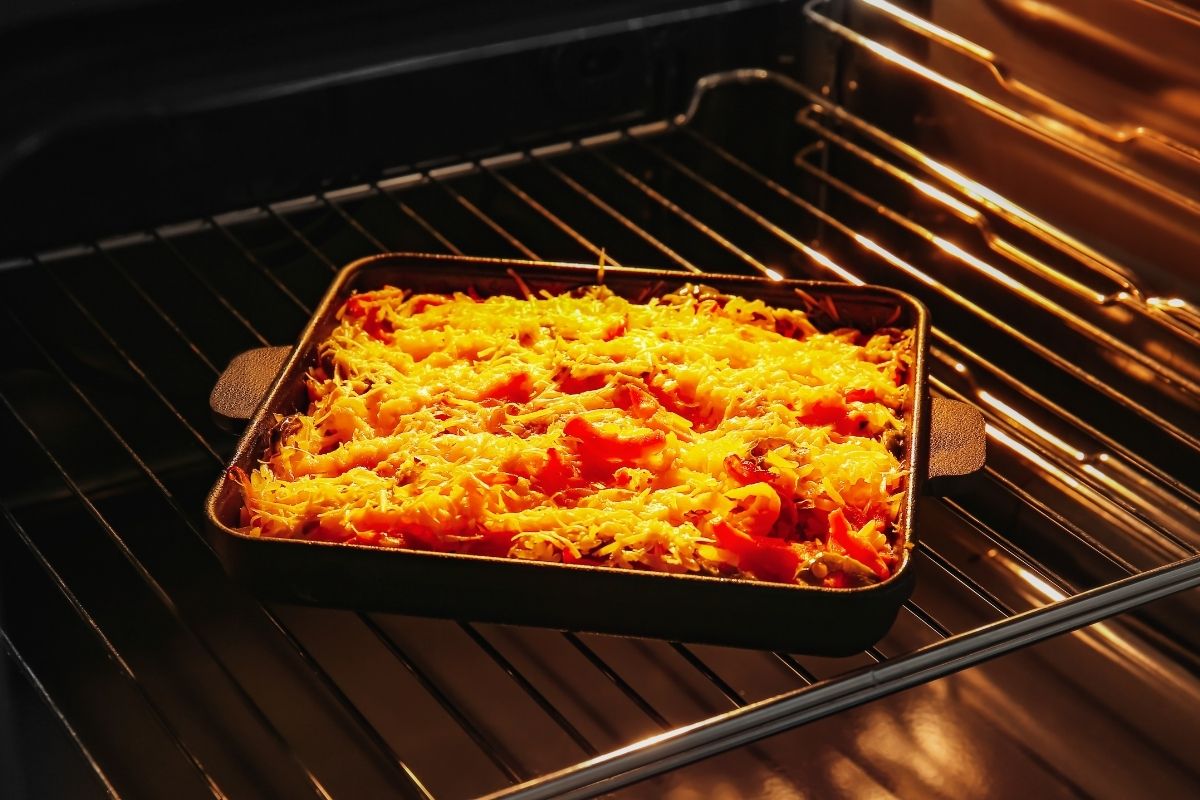
How to Reheat Casseroles in the Oven?

The oven is a great method of warming many casseroles. Even those that are more similar than stew (or are stews) generally work best in the oven since the heat encircles the dish. If a stew-like dish (or simply stew) is heated on the stove it is important to look for the possibility of burning the bottom of the dish and also try to stop the food from coming to a boiling point.

Preheat at 350 F (176 C).

Make sure that your casserole is placed in a oven-safe dish that is oven-safe. If you don’t, move it to a dish that is oven-safe.

If the casserole can be cut into pieces Do this right now, because it can cut down the time of reheating.

Be sure that the casserole evenly spread across your baking dish. This will ensure that the casserole is evenly heated.

The casserole should be covered with foil. If you don’t have bread-based dishes the covering can make them watery. Many people poke the foil multiple times in order to create vents. Some bakers place a baking test on top of a rack to form a “shield” so the bread casserole doesn’t get brown but doesn’t “steam” and become soggy.

Place the hot oven into the oven.

Make sure to check it every 10 minutes.

Mix the casserole in the middle of heating, if it’s one that can be stirred.

You should remove foil as soon as you feel you’re five to ten minutes away from finished.

If you want your tops to become crisp and some of the crunch has disappeared then switch to the broiler towards the end. It’ll only take only a few minutes to get back the crunch.

Take it off when you are done. The typical time for reheating is between 20 and 30 minutes. However, it is contingent upon the kind of dish, the density and its overall dimensions. Some may take more than 45 minutes.

If you own an oven thermometer then you should aim for the casserole to reach 165 F (74 C) in the middle.

How to Reheat Casserole in the Microwave?

The only option is the option of heating your food in the microwave. If you’re heating just one portion, the microwave can be significantly more effective than an oven.

Make sure that the casserole is placed in a microwave-safe dish.

Be sure to ensure that the portion is evenly distributed to ensure an even cooking.

Remove the lid but put a damp towel (not plastic wrap) over the food. The moist towel will prevent drying out the food.

In two minutes, heat it and test. If it needs to be heated for longer you can increase it by 30 seconds.

If the casserole is able to be stirred, then do it every time you look at it.

If you are satisfied with the result however you would like it to be a little crisper, put it in the oven or in a toaster oven to bake for couple of minutes, if readily available.

How to Reheat Casserole in a Toaster Oven?

Toaster ovens are a fantastic alternative to microwaves for reheating small portions. They are less likely to make your food soggy. They are ideal for casseroles with fritted or breaded pieces, or bread bases.

Make sure that your casserole is stored in a toaster oven-proof dish.

Turn on the heat not more than 350 F (176 C).

Cover with foil to stop the foil from drying.

Remove foil whenever you think it’s about time.

How to Reheat Casserole on the Stove?

A large pan, such as one called a Dutch oven is ideal for casseroles that look more like curries, stews, or chilis. Make sure to use a gentle heat and plenty of stirring. Keep in mind that you are heating it and not cooking it for the second time and while a light simmer is acceptable but you don’t want or require boiling (ruins taste).

Rice pasta, noodles, and noodle-based casseroles also work as long as they’re those which can be stirred. You may have to add some liquid to the dish (stock gravy, milk or even water). There is a lot of stirring to prevent burns and keep in mind that there shouldn’t be any flames and there should be no boiling.

Double boilers are ideal for foods that could easily be burned, like potato mash and heavy sauces. But, you’ll need to stir often to ensure that it is evenly heated and does not lose the consistency (separating or becoming clumpy).

Reheating the casserole in a convention oven

Convection ovens are oven that has a fan. It can cook food exactly the same way. Place food items in an enclosed pot, preferably with having a lid that is fitted or a container covered by aluminum foil. Make use of the lower temperature, 250degF to offset the effect of the force of the fan over the pot. Reheating time is contingent on the amount of water in the pot.

Reheating Casserole in an air fryer

An air-fryer can be an excellent option to prepare delicious cooked food, but it’s definitely not the most suitable device for soups, stews and other gravy-based meals. It’s not just a matter of ruining the food you cook by this method, but you can cause an electric shock!

Reheating Casserole in a Slow Cooker

It is not advised to cook leftovers in the slow cooker. However, you can serve dishes that have been reheated in the warm slow cooker.

Simply heat on the stovetop, in the oven or in the microwave before making sure to place the warm dish into the slow cooker.

Utilize an instant-read thermometer to ensure that the food’s temperature in the safe limit of 140 degrees Fahrenheit.

Wrapping up

So, how to reheat casserole? Well, they are a popular choice for many due to the fact that they offer all the advantages of cooking at home without hassle. Casseroles can be prepared in many methods and, based on your personal preferences there is a method to be more effective than the other. If you’ve been seeking an excuse to cook more casseroles or even start planning them today, I am sure that these tips will help you a lot!

How Long Does Chili Last In The Fridge? 

chili

How long Does chili last in the Fridge? 

how long does chili last in the fridge

In this blog post, I will try to address the question “how long does chili last in the fridge” by providing an in-depth review of the shelf life of chili stored in the refrigerator. Additionally,  I am going to going explore ways to determine when chili is going bad and provide practical tips on how we can extend the longevity of chili.

The word chili is derived from  the word ‘chili con carne” or “chili con carne’. It is the same as chili with meat dish in Spanish and it is is a product of Texas.

Chili is among those winter-time meals that are often prepared in huge quantities. The huge amounts mean that, unless you’re serving a large group of people, some of it will surely be destined for the refrigerator. If you’re confused about the shelf-life of your tasty chili in the refrigerator You don’t have to worry since we’ve got your back and will inform you in full detail concerning “how long does chili last in the fridge”.

So , without further ado, let’s jump into the topic and learn more about it.

How long does chili last in the fridge?

Chili is able to last up to an entire week within the refrigerator with no significant changes in taste or texture. Chili made from the meat product has less of a duration than chili made without meat since the latter is the same shelf-life like meat products.

So the chili that has meat inside can last for 3-4 days without degradation. Therefore, it is suggested to consume the chili in this time period and consume it after heating it thoroughly in the microwave to make sure food safety.

Does chili go bad?

How long will chili last and whether or not it’ll become stale is dependent mostly on–

  • How you how to store it
  • When and where you store it

The most effective method is to keep it in airtight bags, or containers within 2 hours following the time it has been cooked to ensure that there are any chance of any growth of microorganisms on it.

What is the process of making chili?

Chili is a rich source of seasonings as well as meat, preferably beef, which is its place as the principal ingredient in the dish. But different types of meat could also be used. It is cooked using tomatoes, beans onion, chili powder garlic, jalapenos and cinnamon, and cumin. However, the selection of seasonings mostly depends on the specific location and the preference of the people.

How can you tell if chili is bad?

It is possible to tell the old chili from the new one using your sense of scent and visual. The chili that is cooked and has gone bad will possess an unpleasant smell. Additionally, if you notice an appearance of mold or the color is off, this suggests that the chili is bad. A slimy texture is also a sign towards the fact that the chili is old. Thus, it is important to be alert for these indicators.

Another thing to bear to keep in mind that when the chili smells nice however, that does not suggest the chili is safe for you to eat since some microorganisms responsible for foodborne illnesses do not cause an obvious difference in the way they smell or appear.

I don’t recommend to taste a chili that has an unpleasant smell, however if you’re courageous (and foolish) enough to take the risk and you do, then you’ll notice a difference in the flavor and the texture aged chili. The chili will also be off-flavor.

Tips for maximizing the shelf life of chili

To extend the shelf life of chili, while also maintaining the freshness and quality chill the chili rapidly in airtight containers.

Chili cooked in the oven can last 3-4 days in the refrigerator in a matter of minutes if properly stored.

Microscopic organisms grow rapidly when temperatures are between 40 degrees and 140 degF. Therefore, the chili cooked should be disposed of if you leave it out for more than two hours at room temperature.

If you wish to extend the shelf-life of the chili, then it is best to put it in within an airtight container. Furthermore, the chili that is frozen at 0 degrees Celsius will be suitable for long period of time.

Keep chili in small, shallow containers to ensure that it can be quickly chilled.

How Can You Tell If Canned Chili Is Spoiled?

\It is possible to determine if the canned chili is deteriorating prior to opening it. The chili can that has affected by leaks, bloated or has a large amount of damage is not recommended to be opened. It could cause damages to seals. The cause of bloating cans is an excessive growth of bacteria inside the can.

It is safe to eat the container in the event that it’s in good shape ( exactly as it was financed in the shop).

What Could Happen If You Eat Expired Chili?

It’s all about the kind of chili you are using and whether it was canned or was opened. Avoid eating food that is expired. Here are some facts:

It is not important if the can was sealed, and not opened. The chili can be kept for at least five years before becoming stale. If there is no evidence of loss of flavor, canned chili will last for a minimum of three to five years.

There is a chance that you will get E.coli, E.perfringens, or botulism in canned chili left open. Chili could pose a threat to your health as it is a meat-based. Food poisoning is a possibility and this could cause the death of your loved ones.

Consumers of rotten chili can experience stomach discomforts. The pathogen that causes the symptoms the symptoms can range between an hour and several weeks.

It is possible to be required to be admitted to the hospital if you suffer from food poisoning after eating chili made at home. E.coli Look at me!

How Long Does Chili Last In The Fridge?

Chili is among the most loved dishes in America. It’s the most loved meal for cowboys, and is an excellent option for any time during the day. If you’re similar to me, chili can be more than you and your family could consume in one night. There’s always leftovers. However, it’s up to discussion how long they’ll last.

Chili made with meat can be eaten in 3-4 days. Chili made with beans lasts for up to 4-5 days. If you store your chili in the original container, it could last for up to seven days. Since it’s less prone to bacterial growth and fungus, chili made of vegetarian ingredients can be stored in the refrigerator for seven days.

Even if you’ve got an immune system that is strong and a healthy digestive system the chili that is been spoiled can be serious danger in your overall health. This article will help ensure your family’s safety from an emergency visit to the ER.

How Should You Store Chili In Your Fridge?

Knowing the length of time chili can last in your refrigerator is vital. It is also crucial to be aware of what you can do to preserve it safely. Here are some guidelines to ensure your child’s safety and tasty for all the time you can.

Before you start thinking about storage, make sure that the chili is correctly cooked. The chili must be cooked at a temperature of 160 degrees Fahrenheit. There is a chance of contracting an E.coli disease from your chili.

Maintain your chili at the temperature of room for not more than two hours. Temperatures between 40 and 140 degrees is when the rate of growth of bacteria can increase rapidly. Studies have shown that food items exposed to room temperatures for more than 2 or 3 hours could cause food poisoning.

Be sure to use appropriate containers. Store the chili inside an airtight container, such like a baggie, Tupperware or another plastic. Before storing your chili, ensure that it’s sealed properly. Containers that are not airtight or covered can increase the risk of exposure to bacteria.

Does Refrigerating Your Chili Change Its Flavor?

Chili tastes better the following day, if you’ve heard it. This is due to the use of jalapenos and others hot spices. Capsaicin is added to chili when chili cooks for a longer time.

For those who enjoy spicy foods, prepare to give a kick to your taste senses. Chili retains more flavor when it is stored in the refrigerator over night.

Can You Freeze Chili?

It’s a fantastic way to extend the shelf time-to-use of chili. Chili can be frozen for as long as one month before having to be thrown away. Make sure you freeze the chili in a container which is at least one inch bigger than the chili’s capacity. This will ensure that your child will not expand when it’s cold.

Transfer the chili into the refrigerator over the course of a few hours. Then, heat it and consume it. It is recommended to cook the chili at 160 degrees prior to eating it.

Wrapping up

In this quick guide, we tackled to the query “how long does chili last in the fridge” by providing an in-depth look at the shelf time of chili in the refrigerator. Additionally, we covered ways to know if the chili is rotten and practical tips on how to extend the shelf longevity of chili.


How Long Do Cooked Veggies Last in The Fridge?

cooked veggies

How long do cooked veggies last in The fridge?

how long do cooked veggies last in the fridge

How long do cooked veggies last in the fridge? Any idea? If you don’t, you should go through this post since it will give you all the necessary information about it.

If you’re cooking the meal at home for your family members, it’s easy to miss the amount of food you’ll have to prepare to ensure everyone is fed. The majority of the time we underestimate the amount of food that needs to be cooked. We end up with a lot of food leftovers which includes the leftover vegetables that were cooked. Knowing how long cooked vegetables last in the fridge could help you avoid wasting tons of food, and ensure that you don’t be eating food that is rotten.

In this article, we’ll examine how long you can keep cooked food at ambient temperatures, inside the refrigerator as well as in the freezer. Yes, I know you are looking for an exact answer to this question as well: How long do cooked veggies last in the fridge?

Is it safe to eat leftover cooked vegetables that you have cooked?

If you choose to keep the cooked vegetables you have left in the refrigerator it is possible to keep them for up to four days if stored properly. The exact number of time the cooked vegetables can be safe to eat is contingent upon the specific vegetable. However, 4 days is the standard number of time during which cooked vegetables are safe to consume.

How you keep your cooked leftovers is crucial which could also be the key to ensuring that they last as long as is possible. If you keep your veggies within an airtight container inside the refrigerator, then there is a an excellent chance of ensuring that the cooked veggies will last for the whole four days.

Can you eat cooked vegetables after a week?

We suggest that you keep your cooked vegetables for up to 4 days but no more.

After 4 days, they will begin to deteriorate. It is possible that they are unsafe to eat them. Be sure to look for indications that cooked vegetables have gone bad prior to eating the vegetables.

What happens if you eat the leftovers of a cooked vegetable?

If you haven’t properly stored the cooked vegetables there is a possibility that they’ll spoil.

There are two types of bacteria that grow in cooked food items. The first type is known as pathogenic bacteria while the second type is known as spoilage bacteria. Both kinds of bacteria develop quickly and multiply more quickly when cooked food items. This may happen when the cooked vegetables begin to lose scent, altering appearance and texture, and can even growing mold.

If you eat cooked veggies that have gone bad, you may fall sick from food poisoning. Food poisoning can cause extremely serious health issues and symptoms like nausea as well as vomiting, diarrhea and stomach discomfort.

How long will cooked vegetables last in the freezer?

It is possible to freeze cooked vegetables. This is the most efficient method of storing them for an extended period of time. The vegetables that you cook will be safe to consume and of excellent condition if you choose to freeze them for as long as you properly freeze them.

It is best to place any food you cook and intend to freeze in an airtight container. This will ensure that none of the moisture or oxygen gets into the food. If your veggies aren’t secured, they might grow mold. They may also begin to decline in quality once you freeze them.

Freezing is the ideal method to preserve them in case you don’t plan to consume them within over the course of a week. If you can freeze veggies that you have cooked, they will last for 9 months with the help of the freezer. We suggest eating your cooked veggies within three months after freezing. The vegetables begin losing their quality after 3 months.

How long will cooked vegetables last at room temperature?

The expiry dates of cooked vegetables can change when they’ve been stored at room temperature longer than 2 hours.

In certain kitchens, cooked veggies can be safe for two days at temperatures of room temperature. However, this is contingent on the temperature in the kitchen.

If it’s summer the kitchen is likely to become hotter. The temperature in the kitchen will rise to levels similar to the winter. It is not a great time to put cooked food in the room to be stored. The most dangerous zone for cooked vegetables placed out at room temperatures is between 40° Fahrenheit or 140°F. If your cooked veggies sit between these temperatures for any amount of time, they could begin to develop harmful bacteria.

Can you eat cooked vegetables the next day?

The short answer is yes, it is possible to eat leftover cooked veggies the following day, if only they’ve been properly kept in the fridge.

Because they’ve been properly stored in the fridge One day after the vegetables are cooked is not enough for harmful bacteria to develop on the vegetables. If you’ve stored prepared vegetables inside a sealed container, they are usually able to last from 3 to 4 days before they begin to go bad. If you’ve put lentils or beans in your refrigerator and properly stored they will last for until 7 days prior to going bad.

Cooked vegetables can last up to 4 Days in the Fridge

If you have cooked vegetables left over, there is no reason to be concerned. They can be safely stored and use them at your own pace.

If you store cooked vegetables correctly, you will be able to ensure that they remain fresh for up to 4 days after having been cooked. If you intend to make use of them in a short period of time, you can put these in the refrigerator. By doing this, they can last for as long as 9 months.

It is essential that regardless of where you keep your cooked food items, it is stored in an airtight container. This will ensure that oxygen doesn’t harm them.

The shelf-life of cooked vegetables is approximately one year.

On the countertop in your kitchen, cooked vegetables can last for hours to days, depending on the temperature in the kitchen. In summer, when the temperatures are higher in the room the vegetables will be in the fridge for a few minutes, whereas during winter when temperatures are moderate it is possible to last for days or more.

How can you store properly the cooked vegetables?

If you’ve cooked a substantial portion of your vegetables with the intention to use them in the days ahead, and also preserving them in a proper manner if there are some leftovers, it will surely help in avoiding the waste of food items and money.

If you’re sure you’ll be able to use your cooked vegetables in the next few days, place the vegetables in an airtight bag and put your vegetables in the freezer.

Storing the cooked veggies will allow you to enjoy them up to seven days, but bear in mind that the veggies that have a higher amount of water like cucumbers as well as tomatoes lose quality and flavor faster than those with lower water content like potatoes and garlic.

If you intend to store prepared vegetables for months the first thing to do is divide the cooked vegetables into equal smaller portions. This is essential because, if you’ll need to use the veggies you’ve stored you will be able to defrost the amount you need without affecting the entire inventory.

The cooked vegetables should be placed in an airtight bag or plastic bags that are reusable and store their contents in the refrigerator. When the temperature is at a minimum the vegetables can be kept for a long time, however their quality can begin to decline after about 2 months dependent on the kind of cooked vegetables.

Other Vegetable FAQs

Are cooked vegetables rotten?

If you’ve not properly stored your cooked vegetables, they may get rotten. To fully comprehend this fact it is necessary to understand the concept of bacteria as well as its various types first. Two kinds of bacteria can be found with food preparation and storage when it is spoiled: the pathogenic bacteria as well as the spoilage bacteria.

The pathogenic bacteria develop in a greater rate when cooked food is consumed without producing any unpleasant smell or color change of the food or a change in how the food is cooked. If your food gets affected by these bacteria, you’re more likely to becoming a sufferer of food poisoning since there is no odd item in the food you have stored.

However, the spoilage bacteria develop at a much lower temperature, and can cause the food to spoil with visible indicators such as unpleasant odor, changes in color, as well as changes in texture.

Evidence that cooked vegetables are bad

Mold

If you suspect any form of mold development it is evident that the vegetable is going bad. Avoid eating any vegetables that are moldy at all times as there could be the development of secondary bacteria which can cause you to get very sick.

Color

If the vegetables don’t seem to be showing their true colors, it’s not safe to eat them. Take a careful look at the vegetables that you store and ensure that all of the ingredients are identical in color at the time they cooked. If not, it’s best to throw out any cooked veggies.

Texture

The texture and taste of your stored vegetables has drastically changed , and they appear to appear slimy, don’t consume them since they are now rotten.

Smell

The smell of rottenness or unappetizing taste of the stored and cooked vegetables is a surely a clear warning to throw away the veggies. For one thing,  it’s much better to throw them away instead of wasting your time and money in eating something that might make you sick.

Wrapping up

How Long Do Cooked Veggies Last in The Fridge?

In this short guide, I’ve addressed this question “How long will cooked veggies last in the fridge?”, and also provided the answers to issues such as how to properly store cooked vegetables and also how cooked vegetables go bad. Hope all this information will help you a lot when you think of doing some delicious vegetable dishes at home.

How Much Does a Gallon of Honey Weigh?

weight of one gallon of honey

How much does a gallon of honey weigh? Do you have any clue? Honey is a unique product because it’s not uniform. There are a variety of honey types and they weigh differently as well as differ in volumes. Also, regardless of whether you choose to sell your honey in a bottle, or to cut chunks of raw combs filled with honey, there’ll be some rules you should be following.

As a rule of thumb, the honey weighs 12 lbs per gallon. However, the density, the water content, quality, and, of course, the different varieties in honey are all variables that could cause minor differences in the density of honey. This, in turn, could affect the weight of honey per gallon.

Therefore, the most efficient method is to use the scale and weigh honey in order to calculate the actual weight.

Honey weighing should be easy when you know the procedure. This article will help you help you answer any question you might have regarding the honey’s weight.

Two types of Gallons

The first thing to do is this. When you talk about the gallon size, this perplexing measure of quantity or the amount of space that something occupies confuses people. A gallon of water, milk and paint are always exactly the exact quantity of liquid; however it won’t weigh the same.

What is the reason? This is because US gallon sizes differ in comparison to the Imperial gallon. For the United States, a gallon equals 128 fluid ounces. It is also called 3.785 milliliters. For the United Kingdom, and places like Canada and other Caribbean countries, one gallon equals 4.546 milliliters.

However, there’s more. A gallon is multiple meanings within the United States because the United States also uses the measurement of dry ingredients.

Dry gallons in the United States measures 4.404 liters. This means that the fluid gallon is 14.1 percent lower that the dry gallon and the imperial fluid gallon is 3.2 percent bigger.

We’re sure you’re already feeling dizzy because of the ‘gallon-themed extravaganza. We chose to make use of American gallon sizes to maintain the same standard of knowledge throughout this post.

Is weight really necessary for honey packaging?

Alongside the process of determining the weight of honey which is different from the milliliter amount and is legally required by the US Food and Drug Administration to calculate the net weight of the product being offered for sale.

Both in pounds/ounces along with the weight in grams of metric measurement should be displayed at the very bottom of the label.

It is also crucial to mention the country of the honey’s origin in relation to honey.

Then, in South Africa, there have recently been inquiries into the quality of honey when it became apparent that honey products advertised in the name of pure honey had been mixed with syrup and water.

This issue is one that is universal. Honey from a single source is typically more reliable than honey that comes from many nations.

Better yet, you can support the local beekeeper who can provide you with unfiltered and raw honey.

How do you define honey density and why does it vary?

The density is different between kinds of honey. If one gallon (3.79 Liters) of honey is very dense, it could weigh higher than one gallon honey that is less dense.

Why does the honey density really matter? Why should you bother about it?

The density is often a most telling indicator of how pure honey is. It is vital since it is the determinant of the amount of chemicals contained in the honey. Thus, honey that is denser is basically cleaner and even purer than other types of honey.

A tiny drop of honey that is pure remains on your finger, while honey that is contaminated is likely to spread and spill out. You are also able to test the purity using the help of a glass of water.

Pure honey sinks once placed in the glass.

Another method of determining the purity of honey is by testing it with flame. When you place a lighter in pure honey and then strike it, it’ll ignite.

Heating honey may also offer answers since honey that has been contaminated can be bubbly or foamy when heated. Pure honey is able to caramelize rapidly.

Factors affecting the weight of Honey

There are a variety of aspects that affect the amount of honey consumed. Here are some of these:

  • Moisture Content
  • Temperature
  • Monofloral Honey Vs Polyfloral
  • The Method of Storing Honey
  • The Pureness Of The Honey
  1. Moisture Content

The moisture content of honey influences how much weight the product will have. The more moisture content the greater the weight.

Raw honey’s content in moisture is optimal at less than 14%. High-quality honey should be treated with less that 20 percent water content, but ideally 17-18 percent.

It is measured by an instrument called a refractometer that weighs the amount of a liquid like honey through the reflection of light. To ensure the most accurate outcomes, it is essential to ensure that your instruments are properly calibrated.

The honey’s water content is due to the moisture content in the air. It will decrease over time as bees perform their work. It can affect the ability for the honey to remain fresh and prevent fermentation. This is the reason it’s not advisable to collect your honey too late.

Different honey varieties have different moisture levels.

For instance clover honey is known to have an average moisture content that is 23% which is fine, but other honeys will begin to ferment when the measurement is reached.

Methods to eliminate moisture are to use a humidifier or the use of a fan in a smaller space.

  1. Temperature

The heat is another element that affects the quality and weight the honey you purchase. It may have an impact on the enzymes and flavor, color, and aroma of honey.

Since temperatures vary throughout the year, honey weight will also fluctuate. It can also differ across regions.

In the summer heat it is common to find greater humidity throughout the atmosphere, which leads to the accumulation of moisture in honey.

Heating honey can also be an option to eliminate moisture. However, of course it can affect the quality of honey if temperatures get to a high level. The temperatures inside hives stay around 35 ° Celsius. We’ve written an extensive article on how bees keep this temperature throughout winter. The article is entitled How Can Bees Keep Warm During Winter?

  1. Monofloral Honey Vs Polyfloral Honey

Like the name implies, the monofloral honey originates from one flower source. It is also referred to as different honey. The polyfloral honey is derived from a variety of sources of flowers. The flavor appearance, color, texture and density can be distinct between the seasons and places.

But, while less than polyfloral flowers the same flowers may differ from season to another. Monofloral honey may vary in scent, color and also in density. The main reason for this is the amount of rainfall. If the rainfall is insufficient, then less honey will be produced, and usually, they possess a stronger flavor.

In general the monofloral honey is more homogeneous in density and consequently weight. However, polyfloral honey can differ in density and weight depending on regions and seasons.

You might be surprised at how many honey varieties are available. If you’re interested, take a look at this article we’ve written: 13 Honey Types You Should Explore.

  1. The Method of Storing Honey

The manner in which honey is stored influences not just the quality of honey, but also the amount of it.

The most effective method to store honey is to store it in an airtight glass jar or container away from direct sunlight.

In the event that moisture enters into containers that aren’t airtight can cause additional moisture to seep into the container. Place it in a place with a steady temperature or it could change the color.

  1. The Pureness Of The Honey

The quality of honey is crucial in determining the quality of honey.

Honey that is dense and more pure than honey with added chemicals or more water is less pure and usually lighter because of the lower density.

Pure honey won’t run through your fingers, however, when other components like syrup or and water, the honey could turn fluid.

As previously mentioned there are many tests, such as the flame test, or using an empty glass to determine the quality of honey.

It is also important to be confident in the local beekeeper. You can ensure that the honey that you are purchasing isn’t contaminated. Always inquire whether the honey you are purchasing is unfiltered and raw.

Different honey weights per Gallon by honey variety

Based on their origins in temperatures, their origin, the humidity in the air and of course the different kinds of honey bees, various kinds of honey will have slight differences in weight.

The average honey is expected to be close to twelve pounds for a gallon however it could vary a bit.

A gallon of honey could weigh considerably lesser, or more, than other materials, because the density is different.

Do you realize that one of the densest materials on the market is mercury? It’s thirteen times denser than water.

Here we examine other substances that are fun to use in everyday life and then compare how much each weighs with the honey weight for each US gallon.

Wrapping Up

So, how much does a gallon of honey weigh?

There are many variables that affect the amount of honey that is consumed. Since it is a natural substance its density will vary according to the water content, purity, as well as the kind of flower that the honey was made from.

While different honey types will differ in weight for each gallon of honey, most pure honey is approximately 12 pounds per gallon.

Since the weight of honey may differ, it’s ideal to purchase or sell your honey according to weight and not by the quantity.

Can You Eat Cooked Shrimp Cold? 

cooked shrimp

Can You Eat Cooked Shrimp Cold? 

can you eat cooked shrimp cold

Can you eat cooked shrimp cold? Shrimp can be consumed hot and cooked or cooked, and later chilled, such as in a salad of shrimp. Before we begin cooking, the shrimp needs to be defrosted. How you remove them from the freezer can affect the final texture. Allow to rest for 10-20 minutes, after which the shrimp will be fully defrosted but still cold.

Can you eat cooked leftover shrimp? If cooked shrimp is refrigerated, it is able to be consumed for up 3-to-4 days from the date being cooked. Then, it must be removed from the kitchen. It is recommended to refrigerate the cooked shrimp immediately after it has been cooled and not later than two hours following cooking.

Can you eat frozen shrimp once cooked? If properly stored, the cooked shrimp will last between 3 and 4-days in the fridge. Shrimp that have been cooked and chilled in the fridge may be stored for another up to 3-4 days when stored in the refrigerator prior cooking. Shrimp that has been frozen in the microwave or cold water must be consumed immediately.

Can you consume refrigerated cooked shrimp? The shrimp that has been cooked can be stored in the refrigerator at least 3 to 4 days. Flour can be kept for as long as 6 months in a room at temperature since the higher temperatures can create a welcoming environment for bugs and mold.

Are you prone to getting sick from taking cold seafood?

Vibrio (or Vibrio vulnificus) is a marine bacterium that can be found in sea animals. It can cause human illness with vibriosis, a disease. It is possible to contract the germ through taking raw seafood or eating it uncooked. You can also be infected when a wound is touched by raw or undercooked fish or its juices.

How do you heat cooked shrimp?

It is possible to reheat your shrimp using a microwave, skillet, or steamer. To cook your shrimp in the microwave, put your seafood in an oven-safe dish then cover it, and cook for about one to two minutes.

Does grilling shrimp taste good?

Yes, shrimp cooked can be kept for up three days inside the refrigerator! We were trying to find ways to make the most of it.

Can you eat cold fried shrimp?

If you start to smell something fishy and sour emanating from your microwave, turn off the heat immediately, and apply your thumb to the cooked shrimp. If the outside is hot, it’s done and ready to be eaten! If it’s cold, you can warm it for a couple of minutes.

What do badly-cooked shrimp taste like?

 Foul odor

Fresh shrimp should not have any bad smell. Ammonia smells are created by bacteria that are growing on the shrimp, and it is likely to cause food poisoning. The shrimp that is cooked and has been rotten will emit an unpleasant sour smell.

Are shrimp safe to store over the course of a night in the refrigerator?

Fresh shrimp, shelled or not, remains fresh in the refrigerator for 2 to 3 days. Be sure that your refrigerator is at least 40°F or less, and then place the shrimp in the bottom part of your fridge which is where the temperatures are the coldest.

Can I reheat shrimp?

Do you know how to reheat shrimp? Yes, you can cook shrimp. It is best to cook it on the stove or oven but you can utilize a steamer, or microwave, when you follow the correct steps. These options, however do not offer the best options for shrimp that have been breaded, because they can cause a mess in the texture.

How long can cooked seafood be stored in the refrigerator?

The fish that is cooked and the other seafood can be stored in the refrigerator for 3 until 4 days. The effect of refrigeration is to slow down but not hinder the growth of bacteria. So, it’s crucial to consume food within the timeframe that is recommended before it spoils or becomes hazardous.

Can you get sick by eating old shrimp?

The condition may become fatal if you consume excessive amounts of damaged shrimp. Shrimps naturally have tiny bacteria that have to be destroyed by cooking them properly. If kept raw and not properly handled then the parasites and bacteria begin to build up within the fish, leading to contamination.

At what temperature does shrimp get fully cooked?

Temperature: The temperature of fully baked shrimp will be 120 degrees F. This is merely to give you a reference point — very few home cooks are likely to use an oven thermometer for these small decapods and it’s certainly not required. However, issues with shrimp’s doneness are a bit difficult to understand.

Does shrimp work well to treat a cold?

Shellfish like oysters, crabs, and shrimps are well-known for their high content of selenium, which is a mineral as well as an antioxidant It can assist to maintain a healthy immune system as well as prevent cell damage. It also helps prevent chronic illnesses like cancer and heart disease.

What kind of illness can you expect due to bad quality shrimp?

Food poisoning is a frequent illness that can be caused by eating contaminated food items. The symptoms can include stomach cramps, vomiting diarrhea, and fever. In reality, more than 90 percent of cases of food poisoning result from Salmonella, E. coli, Vibrio, or Bacillus and are present in shrimp that is raw.

Why is my shrimp sour like ammonia?

Cooking can produce an unpleasant smell which indicates that the food is spoilt. Don’t confuse the smell of ammonia and the taste of iodine. It does not have anything to do with spoilage. Shrimps that feed on certain organisms may produce a unique Iodine-like flavor.

Do I have to reheat the shrimp for the next day?

It is possible to safely heat seafood for up to four days after it is cooked. Seafood dishes that contain onions or garlic may taste better after the second time. The only issue with the process of reheating fish is the fact that they may dry out and develop an unpleasant fishy scent.

Is it safe to heat seafood in the microwave?

Making use of the microwave is an easy and safe way to warm the shrimp that has been cooked by placing the shrimp in the microwave, and then heat the shrimp on high for one minute increments until they’re hot all the way.

How do you cook pre-cooked frozen shrimp?

In general, defrost the shrimp, take off the tail, if you wish, and wipe it dry prior to putting it in a salad dish or hot food dish. Because the shrimp is cooked, all it takes is just a few minutes in a hot pan to heat. Always serve warm with butter, oil, or sauce in order to maintain the shrimp in a moist state.

Can you eat shrimp when they are a week old?

Once the shrimp have been purchased, they can be kept refrigerated for up to two days. The “sell-by” day on the package could expire in the time of storage. However, the shrimp remain safe following the sell-by date provided they are properly stored.

How many times can you cook shrimp?

Be sure to keep it safe and only heat your prawns a few times.

If there are still cooked prawns that have not been eaten, it’s time to throw them away. Prawns can be reheated by using a microwave, oven or even the stovetop.

Do you need to rinse shrimp that you have cooked?

Do you have to wash cooked shrimp? Clean shrimp can be cleaned when they’re still raw or have been cooked. Here are some tips to clean prior to cooking such as stir-fries, pasta dishes as well as Shrimp Fattyas. Clean after cooking: Shrimp salad, Seafood Pasta Salad.

Do you need to cook already cooked shrimp?

Since the shrimp are cooked, you don’t need to heat them up to a specified internal temperature to ensure the safety of your food. Sauté the shrimp until the surface begin to turn golden brown. Make a simple sauce in the same pan as the shrimp are cooking to your preference, if you want.

Can you eat cold shrimp?

It’s fine to consume chilled shrimp, such as a shrimp cocktail, so long that the shrimp have been cooked well prior to cooking. It’s the temperature at which shrimp are cooked at the end of it has been cooked is what counts. After the shrimp is cooked, you can cool it to make refreshing cocktails.

What is the best way to eat precooked shrimp?

4 Delicious Methods to Make Use of Shrimp Precooked to make a quick and easy meal

  • Mix it into a salad bowl or grain bowl.
  • Add soup to it (hot or cold).
  • Create spring rolls and wraps of lettuce.
  • Make a large quantity of cold noodles and pasta dishes.

How do you cook frozen shrimp that you have pre-cooked?

In general, you should defrost the shrimp, take off the tail if you want and then dry it before adding it to an appetizer or hot meal. Since the shrimp has already been cooked, all it takes is just a few moments in hot pan to heat. Always keep warm by adding butter, oil, or sauce in order to maintain the shrimp in a moist state.

Do you prepare cooked shrimp in pans?

Do you prepare cooked shrimp over the stove? Instructions Prepare 1 tablespoon of olive oil inside a big pan at medium-low temperature. Place shrimp in a bowl with a mixing spoon and rub it with the seasoning mixture. Add the shrimp into the pan that is hot and fry for 2 minutes per side, rotating once halfway until the shrimp is cooked through and cooked to perfection.

Are you allowed to consume refrigerated, cooked shrimp?

Refrigeration: In the event that the cooked shrimp is refrigerated it is safe to eat for three or four days after it has been cooked. Then, it must be removed from the kitchen. It is recommended to refrigerate the cooked shrimp when it is cool, but not more than two hours from cooking.

How do you cook freshly cooked shrimp?

Follow these steps:

  • Preheat oven to 300 degrees Fahrenheit.
  • Sprinkle or coat the shrimp pieces with butter or olive oil.
  • Wrap the shrimps that will be cooked in an aluminum foil (loosely). …
  • Lay the foil on an oven tray. Place them in an oven.
  • Heat for approximately 15 minutes.
  • Remove the oven from the baking pan and let cool.

How long should you cook shrimp that has been precooked?

What is the time to cook shrimp that you have already cooked? The shrimp should be cooked for 2 to 3 minutes both sides, flipping at mid-way. Based upon the size the shrimp and the amount of shrimp to cook in your pan, it should generally take between 4 and 6 minutes. Finally, transfer the shrimp to an serving dish.

What can you do to fix frozen shrimp that has been cooked?

Shrimp cooked in frozen could be added boiling pasta at the end of the minute of cooking. They are then drain along with the pasta. It’s ready to be tossed in your preferred sauce. Try adding frozen shrimp to an Asian-inspired spicy stir fry. Simply add them in the last few minutes or so of cooking time to heat the shrimp up.

Are you able to cook precooked freeze-dried shrimp using the microwave?

Utilizing the microwave is an easy and safe method of heating up cooked shrimp. Place the shrimp in the microwave, and then heat them up to high, in one-minute increments until they’re hot all the way.

What are the best ways to use frozen shrimp that have been cooked?

The frozen cooked shrimp are a great addition to boiling pasta in the final second of cooking. It is then drain along with the pasta. It’s ready to be tossed in the sauce you prefer. Try adding the frozen shrimp to spiced Asian-inspired stir fry. Simply add them in the last few minutes or so of cooking time to cook the shrimp up.

Wrapping up

So, can you eat cooked shrimp cold?

Yes, you can, if the shrimp that has been cooked was properly refrigerated. It can  be eaten for up to 3-to-4 days following the time it has been cooked. After that, it needs to be removed from the kitchen. The shrimp should be refrigerated when it is cool, but not after two hours following cooking.


How Long Can Cookie Dough Sit Out?

cookie dough

How Long Can Cookie Dough Sit Out before it goes Bad?

how long can cookie dough sit out

Nothing can compare with the scent of freshly-baked cookies that come out of the oven. If you’re making your own the cookies yourself, they may require several trays to transport all these delicious stuff in the oven to bake. What can you do with dough that you don’t need right now? And surely the question you would like to ask now is: how long can cookie dough sit out before it goes bad?

Cookie dough can be left out for between two and four hours at temperatures of room temperature. Once it is at the time, you can wrap it in plastic and place it in the freezer or refrigerator.

The main ingredients in your cookie dough include butter and eggs and both require refrigeration in order to avoid the dough from becoming spoiled and potentially leading to illness.

How Long Can Cookie Dough Sit Out Before it Goes Bad?

You might be thinking that the two-to-four-hour duration is dependent on the ingredients. There are certain things to keep in mind when baking cookies that contain eggs, you should keep the same time regardless of the type of cookies you’re baking.

A period of two to four hours applies to cookies that are left out on the table at room temperatures. If your surroundings are particularly hot (such as outdoors) then you might have to keep the dough for cookies in a refrigerator sooner.

It is recommended to place any dough left over directly in the freezer or fridge immediately after you’ve finished baking cookies. If you’re baking cookies in several batches, keep any remaining dough in the refrigerator as you are waiting.

The main thing to look for could be food poisoning if put out your cookie dough over a prolonged period. Bacteria can form on the surface of food items when they are left at the counter specifically things such as cookie dough. Baking might not be enough to get rid of these bacteria, leading to stomach discomfort and illness, as opposed to delicious cookies.

What are the Bacteria that can cause Food Poisoning?

Certain bacteria that may cause food poisoning are also fond to live on foods’ surfaces such as raw cookie dough. The two most prevalent ones are Salmonella (found within eggs) and Escherichia coli or E. coli (found in flour). Ingestion of raw cookie dough, or letting cookie dough sit out could allow these bacteria to multiply in food items and eventually cause you to become sick.

Perishable Ingredients in Cookies Dough

Which are the best loved cookies in America? Chocolate chip cookies are top of the list. Other favorite cookies comprise sugar cookie, M&M Cookies, as well as peanut butter cookie. Each recipe contains eggs, which are among the most perishable ingredients found in cookie dough.

If the cookie dough you are making is made using eggs, it’s particularly important to properly store it. This is also true for cookies made using flour. The best method to ensure that your cookies don’t become rotten is to treat each cookie dough recipe with the same care and then store the dough in the refrigerator for 2 to 4 hours.

How To Store Cookie Dough

To store cookie dough:

Make a big log or ball.

In cellophane, or the reusable wrap for storage

Place it in the refrigerator in a cool place, where it can be kept for up to 4 days. It will become harder which is great for cutting cookies. If you’re creating drop-shaped cookies you may remove the dough from the fridge and let it soften for about 15-30 minutes prior to baking.

It is possible to store the raw Cookie dough frozen for two months.

Tips: Save individual portions of dough for cookies in the freezer. Spread the raw dough on the pan, and then put it in the freezer for between two and four hours. After the cookies are frozen, you can put them in a freezer-safe storage bag to be stored in the freezer. If you’re looking for cookies the only thing you need to do is pick them up and bake!

How do you determine if the cookie dough is still fresh?

A quick visual test will usually suffice to confirm that the dough is in good condition. The signs of discoloration and mold are obvious signs that the dough needs to be removed. If the dough is solid in parts, or if it has an unpleasant, rancid scent throw it out also.

Cookies can be made in just a few steps with inexpensive ingredients, therefore it’s not worth putting your health at risk over it. Even if you’re strapped for time and prefer to use prepared dough from the store however, you can purchase the dough for a fairly affordable cost.

Can chilling cookie dough make a difference to the final product?

The addition of uncooked dough directly to the fridge is the best method to ensure food safety and also for baking delicious cookies. Though you may think of mixing cookies and cook immediately by chilling it, making the dough chilled will certainly improve the end result of your baked products.

How can cooling the dough improve its performance?

  1. Enhances flavor

The time you give the cookie dough in the fridge allows for the dough to be broken down to basic building blocks. This includes the simplest carbs (sugar). Sugar adds flavor to the dough and gives it sweetness.

The mix also gets dry, which might not be like a good thing. Actually, it can help to enhance the flavor and flavor of ingredients!

  1. Controls dough spread

When you cool the dough for cookies, you allow time for butter or other fats to set. The fat will keep its shape longer because it takes much longer for it to melt. It is the result that will be a cake that keeps its shape more effectively and does not expand out like a pancake that has been flattened. If cookies that are very flat are your preferred, then begin cooking the dough when it is warm.

  1. Improves texture

When the dough gets cool (and it dries completely) the sugars increase, making a more chewy texture, with crisp exterior. The most sought-after cookie for many!

Instead of putting your cookie dough on the kitchen counter for an hour as you’re distracted by your chores, kids or your favorite TV show take it out and put the delicious mixture into the refrigerator. Most people will prefer the final result of chilled dough is likely to be the most preferred.

Homemade vs. Store-Bought

If you bake cookies from scratch, you can determine precisely what ingredients are used in them, and you can be alert. Most cookie doughs made from pre-made doughs include an ingredient list printed on their packaging, so you know for certain whether they’re made from dairy or eggs. If you’re unsure it is, make sure to treat it as though it was made from dairy and eggs. This can help avoid food poisoning and possible allergens.

How Long Does Cookie Dough Fresh at Room Temperature?

If you bake cookies, any dough left uncooked will remain in the preparation bowl as your first cookie batch is baked and cooling. Unless you’re operating a walk-in refrigerator which means the dough for cookies is sitting at temperatures of room temperature. The dough for cookies can be left in the room for anywhere from two to four hours. However, the quicker you can store it in the refrigerator, the more efficient.

Tips: Spread the extra dough for cookies on an additional baking sheet. After the first batch is baked and cooling, put the second tray in the oven for baking.

How To Store Raw Dough?

When you have reached the conclusion of your two-to-four-hour period, you’ll have to keep any dough that is not used in the freezer or refrigerator. Depending on when you’ll plan to bake cookies, it might be better to store them in the refrigerator, or keep them over the long haul inside the freezer.

The best method of storing the cookie dough is to seal it to ensure freshness. It is possible to put the dough in airtight containers, covering them in cellophane or placing the dough in an airtight freezer container. If you decide to put cookie dough into bags, be sure that you press all the air before sealing.

Does Cookie Dough Work if It’s Left Out All Night?

When you’re in a baking (and eating) exuberance, you may overlook that you have leftover cookie dough. If it’s left to sit out for an extended period of time does it remain safe to consume? Unfortunately, no. Cookies left out over night is certainly out longer than the recommended 2 to 4 hours. It must be thrown away.

Making your cookie tray in one go and keeping the leftovers in the freezer or fridge is a great method to avoid forgetting the dough in the fridge overnight.

Storing Baked Cookies

After you’ve made cookies, you don’t have to take similar precautions to avoid food poisoning. Cookies can be kept in a cool, dry place but they must be wrapped in plastic or sealed to ensure their freshness. Cookies can be stored in the fridge for them to stay fresh longer.

Tip: Put a slice of bread inside the airtight container and add the cookies. Cookies will absorb moisture of the bread, making them more soft over time.

How Long Will Cookie Dough Last if it is not refrigerated?

In the refrigerator cookies can last for two to four hours before being at risk of becoming stale. It will differ based on the temperature in your space, with higher temperatures causing the cookie dough to spoil quicker. If you’re not sure you’re in the right place, keep to the 2-hour duration for dough that is not refrigerated.

Food poisoning from cookies Dough

Infections after eating cookies could be a possibility and the chance of getting sick increases the longer you let cookies out. If you consume cookie dough that’s become rotten, you may be ill with food poisoning. Although it’s not usually dangerous, food poisoning is sure to affect your plans for fun.

The Bacteria That Are Harmful in Cookie Dough

If you keep cookie dough for longer than the suggested maximum of 2 to 4 hours, it could be a home for bacteria that can cause food poisoning. There are some specific culprits that could be identified in cookie dough when it becomes rotten.

It is recommended to store your dough in the refrigerator within 2 hours of making it is the most effective method to safeguard yourself from the bacteria that cause the symptoms of food poisoning that accompany the symptoms.

Salmonella enterica and Escherichia coli in Wheat Flour

The same bacteria can be present in a variety of ingredients that make up cookie dough. This is why it is best to avoid the consumption of raw dough, unless specifically designed to be eaten without baking. As per the Center for Disease Control, these bacteria can be destroyed during the baking process so long as the raw dough was stored in a safe manner.

What happens if you contract Food poisoning from Cookie Dough?

If you eat cookies that are contaminated or dough for cookies you may feel effects of food poisoning.

  • Stomach upset
  • Stomach cramps
  • Nausea or vomiting
  • Diarrhea
  • Fever

Sometimes these bacteria can cause infection that can be dangerous or grave. However, every person has different experiences. Some people can get over such slight sickness easily, while people may become severely sick. If you’re lucky enough to get a slight infection from food, it’s still less fun than eating the perfectly safe cookie.

Food poisoning may be light and relatively brief-lived (just an hour or two) or last for several days. Food poisoning is usually cured in its own time when the food that is poisonous passes through your digestive tract.The biggest threat to your health is getting dehydrated. If you have a fever that exceeds 105 F or you are unable to keep any liquids within your body, then it’s time to consult your physician to be checked.

Consuming raw cookie Dough

It’s tempting to eat the raw cookie dough while baking. The dough hasn’t been in the oven for more than two hours therefore you’re safe you think? It is not recommended to consume cookie dough that is raw. Certain ingredients can result in food poisoning. Eggs that are raw can be contaminated with salmonella, as I have already mentioned, and eating raw cookie dough could transmit harmful bacteria to your body.

If you’re craving for cookies that are raw, search a product advertised for eating raw. They can be found at the dairy aisle of the supermarket and are usually refrigerated. They’re typically egg-free and have special-treated flour that makes them free from any harmful bacteria.

Cookies Dough Recipes

Apart from traditional cutout or drop cookies, you can create exciting cookies from cookie dough.

Cookie Pizza Bake: is a large cookie on the bottom of the pizza pan. Serve with yogurt and slices of fruit. Serve in triangle pizza slices for a fun variation on pizza.

Ice cream sandwiches: Prepare cookies as normal and then apply ice cream to one of the cookies. Then, top it with another cookie and then enjoy!

Cookie Dough Ice cream: Stir your favorite raw cookie dough to vanilla Ice Cream. Make sure that you make use of cookie dough that has been intended to be eaten in raw form.

Cookie Dough Brownies:  If you’re stuck between a cookie and brownie. Why not have both? Mix brownie dough and cookie dough batter to create a delicious and delicious baked dessert.

Frequently asked questions

Do edible cookie doughs have to be stored in a refrigerator?

The edible cookie dough shouldn’t be kept in the refrigerator for more than 2 hours. The storing of food that is perishable at temperatures of 40 to 140F for more than two hours increases the risk of illness resulting due to the growth of bacteria.

Does cookie taste remain acceptable if it’s left out over night?

Cookie dough that’s been left out for a night shouldn’t be eaten in its raw state. If the ingredients aren’t degraded, cooking the dough thoroughly can kill any bacteria.

Wrapping up

Cookie dough is able to sit for up to 4 hours before it begins to go bad. It’s recommended to follow this advice for all cookie doughs, whether homemade or purchased from a store, however you must be especially careful with dough that is made with flour or eggs. If you happen to get food poisoning due to cookie dough, wait until the symptoms go away and keep an eye on yourself for dehydration.

Make sure you take extra care the next time you bake, and enjoy cookies, not battling an upset stomach.

Cookie dough is simple to make and isn’t too costly to buy from the supermarket, so don’t be taking any chances. If you’re not sure, throw it away.

Are you ready to get to work at the table? Explore your creativity by making these delicious chocolate chip cookies that everyone would drool over and ask for more!


Are Ramekins Oven Safe?

Are Ramekins Oven Safe?

Are Ramekins Oven Safe? 

Are Ramekins Oven Safe?

Are ramekins oven safe? This is the question people often ask in food-and –kitchen related forums. To determine the extent to which your dish or bowl is oven-safe, it is necessary to search for an Oven-Safe symbol below. The types of oven safe include metals like cast iron and stainless steel. Avoid items that have non-metal components, such as handles made of wood or plastic.

Are all porcelain ramekins oven safe?

Ramekins were introduced to American kitchens as an ingenuous choice to serve creme Brulée and custards in individual portions, like flan. Made of tough ceramics, tempering glass porcelain or melamine the ramekins are oven dishwasher-, microwave-,safe for freezers and ovens.

Do you bake using a ramekin?

Ramekins can be used for many classic desserts, like mousses, custards and mini baked cheesecakes. They are also ideal for baking fruit desserts in small portions like crisps or cobblers.

How to tell if a bowl is oven safe?

Find bowls identified as oven-safe when buying cookware or dinnerware. If the packaging does not explicitly state it’s oven-safe and oven safe, you should look for a picture on the side of the dish.

At What temperature does ceramics crack?

Some oven-safe ceramics only be able to handle a certain temperature amount, which raises the problem of “at what temperature will ceramic break?” While many ceramics can withstand temperatures of up to 3000 degrees F but they can also be susceptible to sudden changes in temperature.

Can you bake with ceramic?

Let’s address this issue right now. Ceramic can be used into the oven however not always. Ceramic dishes are the only ones are safe to put into the oven are ones that are labeled as oven-safe. This means they are able to endure temperature fluctuations, and won’t be damaged in an oven that is preheated.

Can porcelain go in the oven?

Porcelain is a good fit for the refrigerator, oven, and microwave ovens easily and it can even go under the broiler without second thought. Why? because porcelain can be fired to higher temperatures than other ceramics.

Can Target Ramekins be used in the oven?

It’s great for everything. It is also perfect for making tiny cakes that are single serving in the microwave or a regular oven.

How hot can you bake in a Ramekin?

If ceramic ramekins have broiler safety and oven-safe, they will be safe up to 550°F. If they are marked oven-safe, which most ceramic ramekins do, the highest temperature can be set at 500 degrees. The manufacturer may vary according to the maximum temperatures that the ceramic ramekins can handle.

What else can I make use of instead of ramekin?

Substitutes for Ramekins It is possible to use 6 ounces, square or round form quiche dish or flan. OR you can mix all of the ingredients in a large dish, such as a shallow casserole, or any other baking dish.

What size ramekin is the most useful?

As we mentioned previously the most popular and flexible size is the ramekin with six ounces. Other sizes that are popular include 1 to 2 grams between three and five ounces between seven and nine pounds and 10-12 grams.

What is the ideal size of ramekin?

Three to five ounces ramekins are small but they are able to be used for things that aren’t condiments. Ramekins of this size are ideal for mini-desserts and to serve as sample platters. If you only want to purchase the same size, a 6-ounce Ramekin is likely to be the most suitable choice for any purpose.

What pans are suitable to go in the oven?

Cast iron, stainless steel copper, cast iron, and carbon steel frying pans boast the highest oven safety ratings, with an average temperature of 500 degrees F. Non-stick pans are oven safe for temperatures of up to 450degF. Non-stick pans coated with the PTFE (Teflon) coatings should not be used in ovens at temperatures higher than 500degF.

Can Microwavable bowls be used in the oven?

The microwave safe plastic containers and plates have been tested and are safe to the use of microwave ovens. The dishes or containers that are melted can ruin the food, the container itself as well as the oven. do not use them in conventional ovens.

Can Aluminum foil be used in the oven?

“To prevent heating damage to your oven We do not recommend making use of foil made from aluminum to be used to line on the inside of the oven. Instead, we suggest that you place a piece of aluminum foil that is heavy duty on the oven rack below the casserole or pie that you’re baking. The foil will collect drips prior to they make it to the bottom of the oven.”.

Can you put ceramic clay in the oven?

Since kitchen ovens are able to only reach certain temperatures, it’s recommended to select clay that is fired at a lower temperatures (around 120 degrees Celsius). Don’t over-fire the clay using the oven because it could get too hard and fragile.

Why is my ceramic cracking?

Cracks generally result from stress in the clay. There is always a certain amount of stress in the clay due to its shrinking when it dries. It also shrinks when it’s fired and also expands and shrinks when fired. Sometimes the strain becomes too great for clay to handle, and it breaks.

Why do ceramic baking dishes crack?

The fine cracks in the top layer of a dish’s glaze are called “crazing.” When you own a brand new dish you know was created using safe glazes, then you can still use the dish. Certain dishes from the past have trace levels of lead and other heavy metals. They may leach into food via the smudged surface.

How high can a glass get in the oven?

High Temps Pyrex cookware is intended to withstand baking, however it can’t be used at temperatures higher than 425 degrees. That means for recipes that require higher temperatures it is recommended to use pans made of metal.

Which one is better for baking in glass or in metal?

Metal bakeware can stand up to greater temperature than glass making it suitable for food items that bake for a brief amount of time and at an elevated temperature which includes baked goods like cakes, cookies, biscuits muffins, breads, and cakes.

Do you bake for longer in a glass pan?

Since glass is an insulator rather than a conductor it takes a long time to heat up however, once it’s hot, it keeps that heat for a longer period of time. (Some bakers recommend cutting down the temperature of the oven by 25 degrees when baking with glass to prevent this.

What are oven safety guidelines?

Oven-Safe indicates that the item is able to stand temperatures up to 500 degrees F (260degC) within an oven for prolonged time without melting or getting damaged. A lot of cookware has both purposes, being utilized on the stovetop as well as inside the oven. Benefits are realized by the flavor, cleaning as well as time.

Safety Considerations For Ramekins

Most cooks prepare meals in advance and then place the ramekins into the freezer to use later. When the ramekins are taken from their freezers and put in the oven, the ramekins usually break due to the extreme temperature fluctuations.

To prevent this from happening, let the ramekins thaw and get to room temperature prior to placing them into the oven to bake. In certain instances the manufacturer may suggest placing the ramekins into warm water prior to baking. This helps the ramekins adapt to warmer temperatures and stops cracking when baking.

Do not pour cold water through an ramekin that is hot to allow it to cool faster. The sudden temperature drop will cause it to crack or break. Do not place a ramekin over the flame, as it can heat up or burn the bottom and cause damage to the ramekin. Avoid using ramekins near flames. They’re not meant to be used for cooking or camping. Flames that are open can result in uneven heat distribution, which could break the ramekin.

Many companies sell ramekins constructed of plastic, which look similar to porcelain or ceramic designs. They were designed to be used for food preparation as well as portion control and for snacks. Don’t use them in the oven, no matter what!

Materials For Ramekins

Since ramekins are used for a variety of purposes They are made of different materials, based on the purpose they are used for:

Aluminum

It is a fairly flexible, lightweight malleable, ductile and malleable material that has a look that ranges from dull gray to silvery depending on the roughness of the surface. It is not magnetic and doesn’t readily ignite.

Golden aluminum foil cup for cupcake baking

CHECK ON AMAZON

Aluminum is a very popular material for baking and cooking since it is a good conduction of heat. It is quick to heat up and cooks evenly for excellent baking.

Melamine

It is a tough, lightweight , and hard thermosetting plastic. Melamine is utilized as an ideal, hygienic and long-lasting alternative to china since it is almost invulnerable to the harsh requirements of regular usage.

Melamine Smooth Ramekins are oven-safe

CHECK ON AMAZON

In addition to being nearly indestructible, it is resistant to scratching and staining. It is resistant to heat and dishwasher safe.

Alumina

Enriched is a crockery item that has the ingredient Alumina. Alumina is an aluminum oxide which is added to clay to increase its strength. It is more expensive than regular porcelain, however it’s generally less expensive that bone china which is why it can be used in lieu of bone china.

Porcelain

It is a material made of ceramic produced by heating the raw materials, mostly clay, in the form of Kaolin in a Kiln, to temperatures of between 1200° Celsius (2,192 degree Fahrenheit) and 1,400 degrees Celsius (2,552 degrees Fahrenheit).

White microwave – and oven-safe porcelain Ramekins

CHECK ON AMAZON

Porcelain is resistant against “thermal shock” that is the reason it is commonly used to make oven-safe tableware.

Stoneware

Stoneware is resistant to chipping and can be used in many different ways within the kitchen such as the refrigerator oven, microwave, and refrigerator. Stoneware is made from strong clay, which is then fired to the highest temperatures (about 2185°F) and turns to vitreous.

Vintage stoneware baking dish

CHECK ON AMAZON

They are known to be sturdy and durable, which makes it the perfect crockery set for everyday use.

Pyrex Glass Bakeware

Pyrex Bakeware Custard Cup

CHECK ON AMAZON

It is Pyrex glass bakeware has always been reliable, durable and secure. Pyrex glass bakeware is reinforced to improve its ability to withstand breakage that is caused by the impact of a sudden or uneven temperature.

Its resistance to heat (up 300 ° Celsius) lets you make use of it in the oven as well as the microwave. Its non-porous and stain-resistant characteristics ensure that your food items remain clean and clear for a long duration of.

Wrapping up

So, are ramekins oven safe? There are various types of Porcelain ramekins, a variety of types of materials, and different features that are heat-resistant as well. In this article, I think I’ve answered the most- frequently asked question people generally ask, “are ramekins oven safe”? The porcelain ramekins mentioned above are ideal for you in the event you make a buying decision.


Dutch Oven Vs Stock Pot: Which Should You Buy?

Dutch Oven Vs Stock Pot: Which Should You Buy?

Dutch oven vs Stock pot

Dutch Oven Vs Stock Pot–What’s the fuss about? If you’re looking to buy new kitchenware, I am sure you would get into a thinking mode: what are the similarities and differences between a Dutch oven and a stock pot? Do you require both? Is one good enough to replace another?

If you’re wondering about this kind of questions, you’ve arrived at the right spot. In this article I will be comparing them to determine what similarities and exist between them.

For starters the Dutch ovens as well as stock pots are among the most commonly utilized cookware pieces. They share a lot of similarities; however, they differ in some important ways and are suitable for various cooking styles. In this article, we’ll look at the characteristics of each and how you can utilize them for.

Dutch Oven And The Stock Pot –The Differences

Dutch ovens as well as stock pans are highly versatile pieces of cookware for the kitchen. They are used in a variety different ways however there are some basic differences between them.

The first step is to provide you with an overview of the basics, and after that, we’ll go deeper into the meaning of these differences on a practical level.

Dutch Oven Vs Stock Pot

What is a Dutch Oven?

Dutch ovens are durable cast iron, versatile cookware. A lot of them are coated with enamel, making them non-stick.

The pots are made of heavy-duty materials and distribute heat evenly across the vast area and come with lids that help to keep in moisture.

They can be moved directly from the stovetop to an oven that is preheated and can be used on an open flame. The only place where you should never, ever utilize your Dutch oven is the microwave.

If they’re coated with enamel it is possible to clean them with your dishwasher, based on the recommendations of the manufacturer, but you don’t need to.

There is nothing that sticks to enamel and they clean amazingly effortlessly. Non-coated Dutch ovens should be maintained in the same manner as an iron skillet by using regular seasonings to guard against rust and maintain the cooking surface smooth and non-stick. surface.

Dutch ovens are nearly indestructible and are able to cook virtually everything, including bread.

What does a Dutch oven look like?

A Dutch oven resembles the size of a heavy, thick pot with a lid that is constructed from the same material. They are available in a range of sizes and shapes. They appear to be a hybrid between an oven dish and a huge stock pot.

They are generally oval or round and are tall enough to hold adequate amount of liquid, but not as tall as stock pots. The sides are never taller that the bottom.

The majority of Dutch ovens come with sturdy handles that are on the opposite side of the pot they are essential as even empty, these ovens are extremely heavy.

You require sturdy handles to spread the weight of the food you’re cooking. This will make the transport as secure as is possible.

The lid is made with the same materials as the oven, ensuring an even heat distribution and cooking. The lid also allows it to function in the similar places where the pot can be utilized including the oven, to the campfire.

In the event that lids are made of glass as is the norm in a casserole dish for instance, they wouldn’t be nearly as secure.

What is Dutch Oven Made of?

Dutch ovens are made from cast iron. Cast iron is weathered, durable and is among the oldest materials to make cookware due to the strength and durability, as well as high-quality energy retention, distribution and heat storage.

Contemporary Dutch ovens are typically equipped with an enamel coating. It’s stylish and practical. The coated Dutch oven doesn’t require to be dried out, so cleaning is simple. And it’s equally robust and durable as the stock pot.

It is not a problem to remove enamel from the surface so cleaning up is fast and simple, and sometimes dishwasher-friendly.

The primary drawback to selecting an enamel-coated Dutch is the fact that you’re not able to cook over an open flame. If you’re planning to take your cookware to the campsite and later take it back to your kitchen, choose iron that has been seasoned instead.

Dutch Oven vs Stock Pot

What is a Stock Pot?

stock pot

The stock pot is also classic pieces of cookware. They were initially designed to be large and durable enough to create an enormous amount in soup stocks.

Stock pots feature high, straight sides that let in plenty of liquid, but also give you plenty of room stirring your soup.

The sides can be at least as long as what is the width of the base.

They have two handles. The ability to grip the opposite side of your stockpot is more secure when you are transporting large pots filled with hot liquid around your kitchen.

The bigger handles get, the more you’ll be in a position to swiftly and easily grasp the handles.

Be aware that you could be grabbing them with oven mitts , or similar items that need extra room to hold the extra volume.

Certain stock pots come that have a flared lip around the inside of the rim. This is extremely useful when pouring a thick and full pot of broth or soup.

What is the Stock Pot made of?

Stock pots are made to store a significant amount of liquid, so they must be extremely sturdy. Liquid itself is a lot of weight however, which is why the most effective stock pots contribute the least amount of weight as is possible.

The lighter metals, like stainless steel or aluminum, are the most popular substances to use in stock pots. Stainless steel is among the most commonly used metals for cookware and stock pots aren’t an any exception.

It’s durable, lightweight and reasonably priced. It doesn’t react with food as do other metals, meaning you’ll know that there aren’t any harmful chemicals leaked through your foods.

However, it’s not the most reliable conductor of heat metal. Aluminum is, however is able to conduct heat well, however it’s much more brittle and therefore less strong and less durable.

To compensate for this, aluminum stockpots are usually coated with anodizing. This treatment enhances the toughness and non-stick properties of aluminum.

Stock pots are also hybrids of stainless steel and aluminum and bring out the best features of both metals to create an extremely strong pot that can also conduct heat efficiently.

There are also stock pots, made of stainless steel and aluminum which have been coated in enamel. This makes the pots stronger making them extremely non-stick and improves their heat tolerance which allows them to be used at higher temperatures.

In addition, they’re fashionable, and they come in a variety of colors.

Additionally, stock pots have lids. Most lids are made of the same metal that the pot is but you can typically discover lids made of glass.

Glass lids are as efficient as lids made of metal However, they also have the advantage of being transparent so that it is possible to see the cooking process and not needing lift the lid in order to let the steam out.

What Size Pot of Stock Pot Do I need?

There are various sizes of stockpots and selecting the one that is suitable for your home is dependent on the way you intend on making use of it.

A lot of stock pots are sold in sets ranging from 6 to 16 qts, however it’s not difficult to locate a pot that can hold 30 or 60 cubic inches if your kitchen can handle it.

The bigger the stock pot will be, the more batches of stock you’ll be able create in a single attempt however, you must ensure that the pot you select is suitable for the stovetop.

There are a few other aspects to be aware of, aside from the capacity of the pot. The majority of stock pots are narrow and tall and are designed to reduce the loss of water, which is crucial in soup and stock.

To generate heating throughout the whole space it is also important to ensure that the bottom of the pot is strong enough to keep the soup from boiling during cooking for long periods of duration.

Dutch Oven Vs Stock Pot: Substitutes

Dutch ovens, as well as pots for stock are durable robust pieces of cookware from the past which may be deserving of a spot in your kitchen, however, do you really require both? Do you have a way to substitute one for the other?

The purchase of multiple cooking appliances isn’t always the best choice, no matter if it’s to do with finances or space constraints, or just the desire for minimalistic tastes.

There are a myriad of recipes that permit you to switch one cooking dish for another however, knowing how each performs under pressure could assist you in making purchasing decision more effectively.

What if I used a Dutch oven instead of a stock Pot?

In the majority of instances, if the recipe requires cooking ingredients in a stock pan or a Dutch oven, you can make use of the Dutch oven in place.

The only area where the Dutch oven isn’t the best is when it comes to quick cooking. The heavy metal takes longer to warm up in the beginning. Once it’s the metal is hot, it will remain in a constant and even temperature for longer than stock pots.

The enamel coated Dutch ovens tend to be adaptable in the kitchen, since they can cook just about anything. Cast iron that is seasoned is more sensitive to acidic foods including rich tomato bases and wine sauces.

They are a possibility in a pinch, but they can reduce the flavor quicker when you don’t have the enameled Dutch oven. You’ll be required to give it some extra attention following this kind of cooking task.

It’s important to keep in mind it is true that Dutch ovens are typically heavy. You can cook a massive amount of soup stock in the large Dutch oven however, it’s significantly more difficult to move as well as pour than employed a lighter stock pot.

Can I use a Stock Pot instead Of a Dutch Oven?

Replacing the Dutch oven using a stock pot isn’t as simple or efficient as working in reverse order. Dutch ovens can be more flexible over stock pans in a variety of ways.
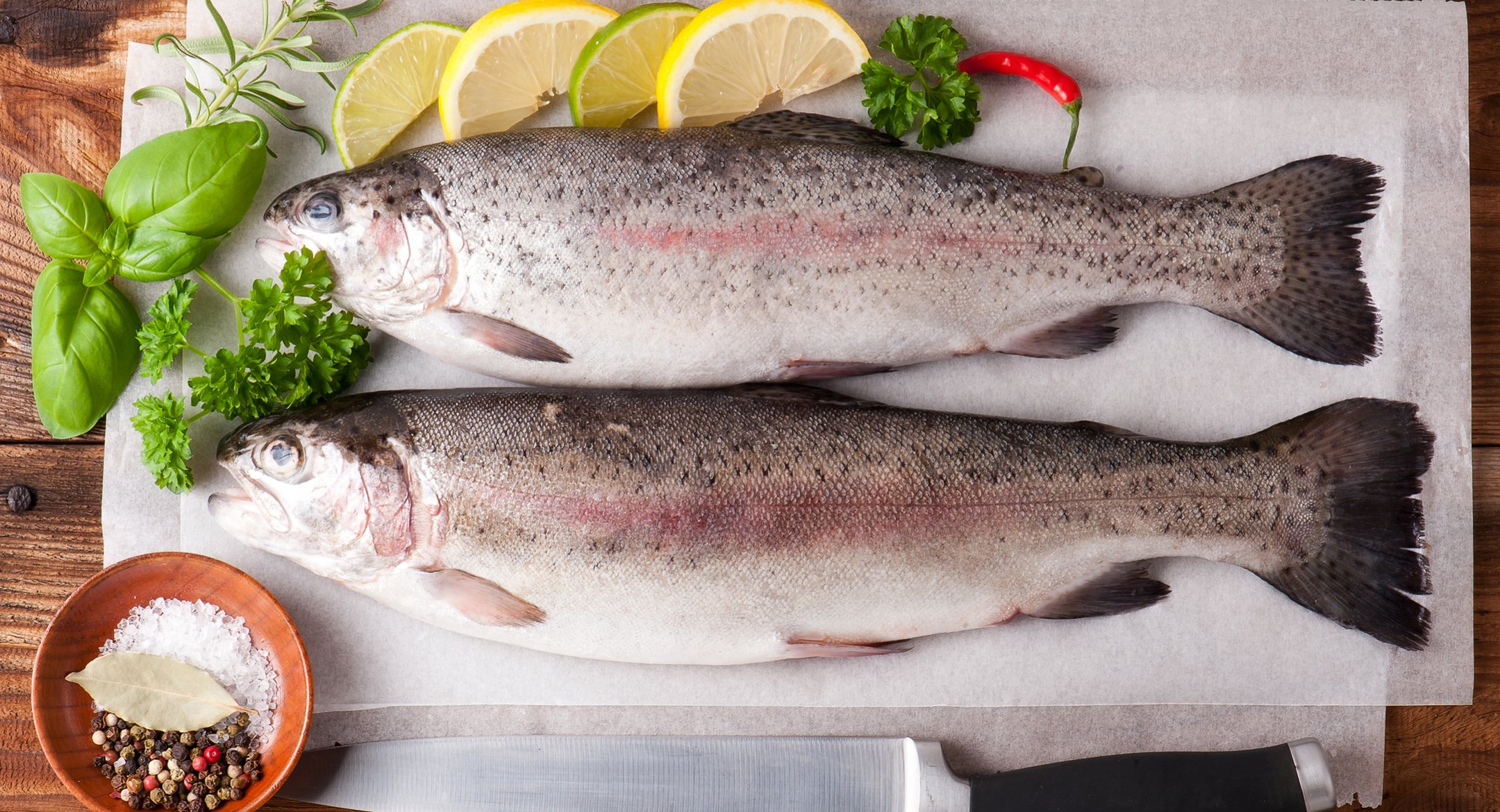
If your recipe requires you to switch from the oven to the stove and in reverse, it’s not recommended to make use of a stock pot instead.

If you’re grilling or exploring the thrilling camping cooking world making use of the Dutch oven can be a superior option than stock pots.

If but, cooking solely be on the stove You may discover that you can make your dish just as quickly by using a stock pot or, at times, more easily.

If you don’t own a Dutch oven or a slow cooker, a crock pot is better options to a stock pot. Dutch ovens are also comparable to braisers.

However, if you insist on using a stock cooker rather than a Dutch oven, generally you’ll need to select a lower temperature. Stock pots don’t have the same thickness as Dutch ovens and can be more efficient in heating. It is also possible to monitor the liquid frequently.

If you’ve learned that you can swap Dutch ovens as well as stockpots with one another in a variety of scenarios, let’s look at an in-depth look at the purpose each piece of cookware can be used for.

Uses Of Stock Pot

Stock pots are ideal for stock, naturally. They can withstand high temperatures but also help limit evaporative loss to minimum, making them perfect to speed up heating as well as long simmering.

Stock pots are fantastic to use when you are making:

  • Massive quantities of soup, broth or stock
  • Boiling huge quantities of water to make huge chunks of meat or huge portions of pasta
  • Recipes that require an enormous amount of liquid to cook will require draining quickly
  • Large quantities of sauce
  • Foods that can be blanched

Uses Of Dutch Ovens 

Dutch ovens, as I’ve already discussed, are a great option for a wide range of uses. However, their weight could be an advantage or a drawback. They’re ideal for cooking and heating evenly but they aren’t the most compact.

If you own one, you can use the Dutch oven to cook:

  • Anything that requires moving away from stove-tops to ovens or the reverse
  • Slow-cooking and braising, as well as roasting
  • Any dish that requires moisture to remain moist for a prolonged period of time is crucial.

If you’re looking for the best recipes to get the most out of your brand new Dutch oven, here’s another article with the best Dutch oven cookbooks that are waiting for you!

Deep-Frying

Are you able to deep-fry in a stock pan? Do you have the ability to cook inside a Dutch oven?

If you like a crispy food item on occasion but don’t need a dedicated deep-fryer occupying space in your kitchen cupboard You can use an old Dutch oven or your trusty stock pot however with slightly uneven outcomes.

The Dutch oven is the perfect one to deep fry. It is made of a strong bottom that will not be damaged by the hot oil. It will also maintain constant heat after it has reached the ideal temperature.

Enameled Dutch ovens can be cleaned of oil effortlessly, and seasoned pans will also improve with use. Stock pots can heat the oil quicker however, they tend to be more difficult to keep at temperatures.

It is possible that your food cooks too quickly , and later, when you lower the temperature the food cooks much too slow. The oil could cause discoloration on the surface or cause a buildup of oil within your stockpot.

If you’re faced with a decision to make, go with the Dutch oven each time. If you only have an empty stock pan, it can work , but you’ll have be a bit more vigilant and cautious.

Cooking with Stock Pot

Stock pots are ideal for dishes that require lots of liquid. If, for instance, you’re making a stock it is necessary to pour in a large amount of liquid to make the amount you require. Traditional pots won’t have enough capacity as a dutch-oven is going to be difficult to carry and lift.

A stock pot is able to be used to handle extreme heat when boiling your water or making stock for a long period of time It’s secure. Glass lids help you monitor the temperature of the liquid so that it doesn’t become too hot. Vents within the lid permit excess moisture to evaporate while keeping the bulk of it in for ideal cooking atmosphere.

Pick a stock pan if you’re:

  • Simmering soups for a large number of guests
  • Making homemade broths and stocks
  • It is necessary to boil larger meat pieces for meals, but you’ll be storing the liquid to use in the dish.
  • Any dish that cooks requires you to remove the liquid quickly and efficiently

Cooking in a Dutch Oven

Dutch ovens are great tools for all kinds of purposes. Their robust materials produce an even heat which helps cut through tough pieces of meat, slow stews and add a unique taste to vegetables. It is possible to get amazing results from meat without boiling the meat to death as the stockpot. They can also be cooked on the stove and inside the oven.

Dutch ovens don’t require much heat, so you should start by setting the heat to low on your stove top. Let the Dutch oven to warm up for a minimum of ten minutes or so to create an even cooking space. Increase the heat gradually and allow the oven to heat up again until you’ve reached the ideal temperature.

You should use a Dutch oven if:

  • You require a multi-functional kitchen tool that can be used in a variety of ways
  • Often cook using less than ideal cuts of meat
  • Cook meals which require shifting from the stovetop to oven
  • You want to cook your food low and slow.

Wrapping up

Dutch oven vs stock pot

So, Dutch oven vs Stock pot–so which one should you buy? Let us think about the  issue once again. Contrary to a Dutch oven, a lot of stock pots aren’t suited to be used in ovens or even the ones advertised as oven safe might not be suitable for prolonged use in the oven.

Excessive exposure to temperature fluctuations could cause them to warp or deform them. Just a little bit of warping is annoying in the event that your lid for your stock pot is no longer fitting correctly after just a few times of use.

Cast iron can be a robust and sturdy material buying a few good pieces like the Double Dutch pan and oven, and they will have a collection of items you can keep for the rest of your life.

Pots with a non-stick coating might make them unsuitable for use in ovens over a long period of time because the coating can be damaged or begin flake off of the bottom, and this could cause food contamination.

While there’s some crossover between the different types of cooking that these two types of cookware are suitable for, it’s recommended to select the one that is best suited for your job at hand. And should you need to switch one cookware item for the other, you must keep in mind what you are going to cook as well as the tips to prevent damages to the appliances or cookware or culinary accidents that might prove hazardous.


How To Separate Frozen Chicken? All That You Need To Know!

separating frozen chicken

How To Separate Frozen Chicken 

How To Separate Frozen Chicken 

How to separate frozen chicken? Is this what you want to know? Frozen chicken is a great way to keep the chicken longer. The problem is in how to separate it from the freezer. It will be difficult to separate frozen chicken if you don’t have the right skills. Read on to learn more.

You may notice that the chicken in your freezer looks like one big block of ice when you remove it from the freezer. If you don’t know how to properly separate the chicken pieces, it can be very tiring.

How do you separate frozen chicken? Frozen chicken can easily be separated by placing it under warm or cold water. Cold water is fast and safe for separating frozen chicken.

Continue reading to learn more about how to freeze chicken.

Is it possible to separate frozen chicken without thawing?

A knife can be used to cut the frozen chicken. This method can be dangerous because the knife could cause injury or cut your fingers. It can also be time-consuming.

You can also place the pieces of chicken in a zip-lock bags and smash it on a hard surface. This may or may not work.

We recommend that you first freeze the chicken, then separate it with a butter knife.

A band saw or a meat saw are the most common tools used by people who need to quickly separate frozen chicken without it thawing.

Four Different Ways To Separate Frozen Chicken

There are four main ways to separate frozen chicken. You can choose from any of the options, depending on how convenient and efficient you are.

Method 1: Using A Microwave

You can defrost and separate frozen chicken in a microwave if you are short on time. It’s fast and easy to get your chicken separated.

Here’s how to use a microwave for separating frozen chicken.

Modify the Microwave Settings

Place the Frozen Chicken in the Microwave: The timer should be set for approximately 10 seconds.

Verify if the Chicken is Thawed: After 10 seconds, remove the chicken and check if it is thawed enough to be broken into pieces. If it’s, remove it. You can microwave it again for another 10 seconds.

Take out the Chicken: After the chicken has thawed, you can take it out and cut the pieces with a butter knife or your hands.

This allows you to quickly and easily separate frozen chicken with a microwave.

The Pros of Using This Method

  • A microwave can be used to separate frozen chicken
  • Very quick process
  • Convenient

Cons of using this method

The main drawback to using a microwave is:

This could lead to an increase in bacteria in your chicken. It is best to use the chicken immediately after it has been thawed and separated.

Some parts might be slightly overcooked. There is always the risk of overcooking certain parts of the chicken.

Method 2: Use cold water

If time is not a problem, you can use cold water to thaw and separate frozen chicken. This is safer than using the microwave method, and it does the job well of separating the chicken.

Here are some ways to use cold water for separating frozen chicken.

You will need to first get the frozen chicken. Then, place it under cold water for approximately 5-10 minutes. You can also place the larger batch of chicken in a blocked sink if you need it.

You can check the ice between your chicken by using a butter knife. You can do this by inserting a butter knife into the chicken. You can also try to separate it if it is able to penetrate.

Turn the Butter Knife. Once the butter knife penetrates the chicken, turn it around to separate the pieces.

To avoid injury, we recommend using rubber gloves to hold the frozen chicken.

The Pros of Using This Method

Separating frozen chicken with cold water has many benefits, including:

  • As long as the temperature doesn’t rise, it is safe.
  • It’s faster than other methods.

The Cons of This Method

This method can be difficult for larger batches of chicken.

Method 3: Hot Water

This method is great if you don’t have access to a microwave and need to quickly thaw frozen chicken.

Experts don’t recommend this method as it can lead to bacterial growth and chicken being overcooked.

You can still use hot water safely.

To prevent hot water from entering the chicken, first pack it in an airtight bag or ziplock bag.

To heat water, use a kettle To check the temperature, use a thermometer.

Pour water into a bowl. When the water has reached 140°F, add it to a bowl. To separate the chicken pieces, place the chicken packet in the bowl.

Take the chicken out and separate it. If it has not, the ice should be melted. If it has, check the packet of chicken and take it out.

Separate the Chicken Pieces: You have two options to remove the pieces of chicken.

This allows you to use hot water to separate frozen chicken.

The Pros of Using This Method

  • Cold water is slower than hot
  • Keeps the chicken’s flavor intact, unlike in the microwave

Cons of using this method

  • Could cause an increase in bacteria in chickens
  • FDA has not approved the method.

Method 4: Using A Refrigerator

If you have the time, freezing the chicken in the fridge before you separate it is the best method to do so.

This method is capable of quickly thawing large quantities of chicken and can be used to separate them. Heat is not a risk factor for bacterial multiplication.

Here are the steps:

Check the Temperature of Your Refrigerator: First, determine whether the fridge is at 35degF (or 40degF). It may take longer if it is 35degF.

Keep the Chicken in the Fridge: To let the chicken thaw, place it in the refrigerator. It can take up to one to two days, depending on the temperature of your refrigerator.

Finally, Check and Separate: Make sure the chicken is not thawed. Take it out of the fridge and easily separate it!

It is best to keep the frozen chicken in the refrigerator at least a day before you plan on using it/separating it.

The Pros of Using This Method

This method has many benefits:

  • It is safe and simple to freeze the chicken block again
  • There is no risk of bacterial multiplication

Cons of using this method:

Some cons to this method include:

  • It takes a lot of effort
  • A slight loss in texture

Is it possible to cook chicken without separating the pieces?

If you don’t want to separate the chicken, you can cook it whole.

Keep in mind, however, that cooking time can increase 50% from the original time. Frozen chicken can take 65-70 minutes, while chicken may take approximately 45 minutes to cook.

To check the temperature of the frozen block of chicken when you are cooking it, use a meat thermometer.

You should inspect the thickest portion of the chicken. The chicken is done when it reaches 165°F.

You should not separate frozen chicken

You may not want to eat certain foods while you are separating and thawing the frozen chicken. These items can cause the chicken to lose its texture and taste. These things can also render the chicken unfit to be consumed.

These are just a few of the things you should be aware of:

When you separate chicken with hot water, make sure the water doesn’t get into the packaging. This could lead to the chicken becoming stale or even causing it to become contaminated.

While the chicken is in the microwave, make sure you check it every 10 seconds. The chicken may dry out if it is left in the microwave for too long.

If there is water on the surface of the chicken, don’t freeze it. Freezer burns can cause a change of taste.

How to prevent chicken from sticking together?

It’s possible to freeze chicken so that it doesn’t stick together or cause problems when trying to separate it.

Two tips are available for this:

  • Separately store chicken pieces in separate containers or zip-lock bags
  • Place the pieces on a baking sheet and freeze them. Place all the pieces in a larger container/bag.

Can you refreeze thawed chicken?

After you have separated the desired chicken pieces, you might wonder if it is possible to refreeze the thawed bird again.

It all depends on how you thaw it.

It is safe to refreeze chicken that has been thawed in the refrigerator for at least two days. Chicken that has been thawed in the microwave or water should not be refrigerated.

If there are still ice crystals on the chicken, you can refreeze it.

Avoid Thawing and Use the Quicker Way to Separate Your Frozen Chicken

If you don’t have the time or patience to wait, forget about thawing. You might not be able to thaw. I tried other methods. These tricks can be risky, so I’m going to warn you.

Place the chicken in a plastic bag. The bag can be thrown or hit on a hard surface. Ice can be quickly broken down, so when the bag is hit, the ice between the chicken pieces’ joints also breaks apart.

You can also use a knife for separating the chicken. You should only partially thaw the chicken for this method. You run the risk of cutting your own fingers.

A band saw or a meat saw are good options for proper equipment. It is very dangerous. It is possible to handle it, but I do not recommend it to anyone who needs to separate large quantities of chicken at once.

There are some mistakes you should avoid when separating frozen chicken

We make mistakes when separating frozen chicken. This can lead to chicken harm. Let’s take a look at some of the mistakes that you should avoid.

Avoid freezing chicken with water on the surface. This can cause freezer burn and reduce your chicken’s flavor.

When using the microwave, be sure to check it every 10 seconds. As soon as you can, take the chicken out of the microwave to avoid drying out.

Use hot water only. It will cause bacteria to grow and cook your chicken.

How do you separate frozen chicken?

Because they are the most reliable and safest methods, cold water and refrigerator methods are the best. These methods will not dry or cook your chicken’s juice as hot water and microwave top-notch.

Can you thaw frozen chicken?

You can freeze thawed chicken. However, you should not do so in the following conditions.

If you have cooked the chicken, it can be fully defrosted.

You can refreeze the chicken again in two days if you have thawed it in the fridge.

You can safely refreeze chicken that is already partially defrosted.

The texture of chicken can be altered in the circumstances described above. There is nothing to be afraid of. It can decrease the quality, but it is still safe. However, it is best to not refrigerate the chicken.

Microwave defrosting

You can defrost in cold or hot water.

Here are some tips to stop chicken sticking together while frozen:

You may be wondering how you can avoid this troublesome issue. Here are some tips that will prevent your chicken from sticking together when it freezes.

Before freezing, remove any excess water.

Place the pieces of chicken on a baking sheet and let them freeze individually. Let them cool for several hours before they become solid. You can then store them in a bag with the chicken pieces, without tension.

To keep the pieces of chicken separate in the freezer, use foil wrapping or individual zip-top bags.

You can also store individual pieces of chicken in a Tupperware container.

You don’t have to separate the frozen chicken. You can then freeze it.

You can also cook frozen chicken if you don’t want to separate it by thawing. Don’t be too concerned about it.

This idea works well if you cook the whole chicken at once. It won’t work if you need to separate only a portion of the chicken. Let’s now learn how to cook frozen chicken.

Step 1: Begin your cooking process. Frozen chicken takes half the time to cook than fresh chicken.

Frozen chicken takes 45 minutes to prepare, while raw chicken can be prepared in 30 minutes.

Step 2: When you believe the chicken has been cooked, check the temperature of the meat. Take a thermometer to check the thickness of the chicken breast.

You can safely cook your chicken when the internal temperature reaches 160°F.

Some of the Most Frequently Asked Questions

Here are some frequently asked questions, along with their answers, to provide you with additional information.

Is it safe to separate the chicken in the microwave?

Yes, it’s safe. It is best to cook it right after it has thawed. It increases the chances of bacteria growing if you wait.

Can I let the chicken separate all day?

No. It is dangerous to leave the chicken out for too long. This is why it’s important to stop.

How much time does it take to separate chicken at room temperature?

It doesn’t matter how long it takes for chicken to be separated at room temperature. I don’t recommend it.

This is because chicken at room temperature is warm. This makes it ideal for bacteria growth. This will result in food safety being compromised.

Wrapping up

So, how to separate frozen chicken? I hope you have now got a fair understanding of ways and means to separate frozen chicken. If you are able to properly separate frozen chicken, then you can quickly meet your next urgent chicken need. Each of these methods is very simple. You don’t need any special equipment to use them. It is impossible to predict when or how these methods will prove useful.

To avoid messy situations, you should be familiar with all of the kitchen tricks. Let us know what method you prefer. However, I suggest trying each technique to determine which one is best for you. Start your experiment soon!

It can be a pain to separate frozen chicken, especially if it is time-sensitive. But with the right method, it is possible to do it in your own time and at your convenience.

For thawing and separating chicken, you can use hot water or a microwave. There are safety issues.

If you have the time, cold water is a better option. You can refrigerate the chicken and then thaw it if you have time for more than 2 to 3 days.


Top Disadvantages Of Cooking In Clay Pots

disadvantages of cooking in clay pots

Top Disadvantages Of Cooking In Clay Pots 

disadvantages of cooking in clay pots

What are the disadvantages of cooking in clay pots? Any idea? If not, then just go through this blog post where I have dealt with this topic in details for the benefit of my readers. Read on if you are interested.

Pottery is associated with the earliest civilizations. Since the beginning clay pots have played a significant role in shaping the food lifestyle of these countries.

Have you ever visited the kitchen of your grandmother? If yes you might have witnessed her cooking delicious meals using clay cookware. After tasting these delicious meals, you may be able to feel a sensation of magic.

There is a tendency to question the safety of clay cookware. What are the drawbacks to making meals in pots made of clay?

This article will inform you about the advantages and disadvantages of cooking in clay pots. Additionally, you will be able to acquire all the necessary information on how to select the best cookware for clay!

The top disadvantages of cooking in clay pots

The benefits of cooking with a clay cookware are greater than the disadvantages. But, it is important to know the main drawbacks of these pots.

Here are the top disadvantages of cooking in clay pots:

  1. Contamination

Thanks to the advancements in manufacturing techniques, the quality of clay pots is being compromised.

The clay cooking pan you’ll find in the market will contain an assortment of elements. Manufacturers produce these pots with clay from various areas of deposits. Thus, the transport will introduce foreign materials into the clay.

This could include the impurities, iron oxide and even trace amounts of metal. Certain of these substances are hazardous to your body’s health.

Clay pots that aren’t pure could contain elements which pose dangers to the human body. There are clay pots that claim to be 100% pure. But, when purchasing such pots, be sure to purchase them from a reliable brand.

  1. Porousness of Clay Pots

Contrary to ceramic cookware, one can’t clean clay pots similarly. Additionally, you can’t make use of soap to remove food particles. If you do this then soap will get into the pores, and remain there. And, your slow-cooked food might taste like soap!

Their porous construction could affect their performance. However, this didn’t appear to be a problem for more than millennia.

  1. Glazed Clay Pots Can Give Rise to Health Concerns

As we mentioned the clay is a naturally porous material. It could delay the cooking process, making it less effective. In certain instances cleaning a pot made of clay challenging. Therefore, industry professionals created the lead-based glaze technique.

Unglazed clay will maintain its original texture and give an authentic look. However, clay pots that are glazed guarantee a perfect cooking process and are more efficient.

It also makes the texture clean and easy to remove! But these glazes can produce a harmful adverse effect for your wellbeing.

Cooking in a shiny and appealing lead-glazed pan will expose you lead.

  1. Earthen Pots are Fragile

The clay pots are brittle and may crack when heated absorption. When slow cooking in your clay cooking pan, it is important to monitor the temperature.

In the event of uneven heat distribution, it will cause parts of the pot break. So, ensuring uniform temperature levels is essential! Therefore the cooking process in a clay pan can be exhausting due to its delicate nature.

You will need the patience to reduce or increase the temperature while cooking slowly.

  1. Flavor Problems in the Clayware

Clay pots are an iconic symbol of traditional flavors to food preparation. But cooking with clay could be a problem when you cook delicious curries.

The more flavors you add to your food, the greater the clay vessel will absorb. The spices will be absorbed into the pores and the clay will hold its essence. In addition, the porousness the pot plays part in the formation of the stains that curries leave behind.

After the flavor is settled in your cooking pot, it could affect the flavor of other recipes.

  1. Heat Absorption is Very High

Do you really want burning your fingers when cooking? No, absolutely not!

When using clay pots you could run the danger that your fingers will burn. This is why you must be extremely cautious when cooking your food. Furthermore, the pots are able to cool quickly. To ensure safety it is recommended to keep them far from your children.

Advantages of Cooking in Clay Pots

With all its drawbacks clay pots have many advantages in addition. What makes it safe to use clay cookware to cook in?

Let’s begin by discussing the health-related aspect of eating. The pure clay has a non-toxic nature meaning it doesn’t react with food items.

Even if this weren’t the situation, clay is stuffed with minerals like calcium and magnesium, in contrast to the chemicals and toxins that are found in cookware made of metal.

  1. Delicious Food

The food cooked in clay pots tastes better than other cooking pan.

Why? Because the moisture content in the foods is preserved. This results in food being more succulent and tender than traditional cooking.

It is unique in cooking with clay and assists in bringing the seasonings and spices more deeply into the food, providing it with that extra special taste.

  1. PH balance of food

The clay material is known for its alkaline properties. It balances the pH of food items by interfering with the acids present in food items.

The acidic food items like tomatoes are able to take on a natural sweetness and taste fantastic with clay cookware.

  1. Keep 100% Nutrition through food

Clay pots possess the distinctive property of keeping any steam or vapors that evaporate when cooking.

It aids in the retention of all nutrients in the food. It helps reduce the need for adding more water or oil.

  1. Less Oil:

A healthy, fat-free dinner is feasible when cooking with clay pots because they possess non-stick properties.

This can help reduce the amount of oil used during cooking in crock pots which results in a reduction in bad cholesterol, as well as slimmer waistlines.

  1. It retains heat for a longer period of time

Terracotta is not the best conductor of heat. However, the benefit is that the amount of heat that it conducts is ideal to cook food without burning or overheating under pressure.

  1. Uniform cooking

It is a porous material that lets heat and moisture flow evenly throughout the cookware during cooking unlike stainless steel cookware.

This innovative method of heat circulation assists in cooking meat and vegetables equally.

  1. Environmental benefits

Clay is an eco-friendly material, since it is entirely natural, inert and safe. If properly maintained the clay pots are able to last for a considerable period of time.

A Historical Trip to Clay Pots

Since the year 400 BC pottery is a craft that has been practiced in the industry of handicrafts. Humans from the prehistoric era discovered the strength of clay hardened by accident. Thus, they resulted in the making of robust containers which later developed into pots.

The form that was hardened of this pottery was durable enough to store water and food. The earthy appearance of the utensil was considered to be the most basic.

And then, came the age of ornamental elements that were carved into these pots!

In the past, Egyptians were the first users pottery made of clay. Additionally, the ancient Greeks believed that decorations made of clay as holy and attractive.

In the Middle Ages when people used clay and sand in order to make earthen clay pots for cooking. Since then, all over the world are using clay pots to create an exquisite aroma into their food.

Indians use these as “Handis or Matkas.” These pots are found everywhere within rural India.

The clay pots were used by the people who owned them because they neutralized the acidity levels in food items. This makes slow-cooked meals nutritious.

It is a unique ingredient that can assist in the cooking process. However, there are few drawbacks that weren’t evident until a few thousand years ago.

Choosing the Right Clay Pot

Are you considering purchasing clay cookware for your cooking endeavors? Be aware of these suggestions to ensure you purchase the highest clay pots.

  • Choose a clay-based pot from reputable business houses.
  • You must ensure that it is 100% pure clay (100% clay tag).
  • Testing the purity of the product prior to production is vital.
  • Select a clay pot that is unglazed to cook in.
  • Understand and analyze the various types of clay pots.

Understanding the Different Types of Clay Pots

When you do your research, you’ll see a range of clay pots on the market. Therefore, knowing the different varieties is essential.

Stoneware – A durable, tough material that is that is resistant to chipping and cracking. (Can endure extreme temperatures)

Earthenware – It is impure due to its soft permeable, earthy appearance. (Can stand up to low temperatures)

Porcelain– is made from the purest clay known as Kaolin. They are thermal or flameproof clays and microwave-resistant. (Can be able to withstand extremely high temperatures)

FAQs About cooking In Clay Pots

Are you looking for more information regarding clay pots? If you do, this section was specifically designed for you!

Are cooking with clay pots safe?

Yes! Cooking food using pure clay pots is secure. But the flavor may be different, and requires the proper supervision during cooking. Clay cookware is prone to overheating and could be risky if not cautious.

Does it make sense to cook in clay cooking pots?

Yes! Clay vessels are eco-friendly and can make food smell delicious. Additionally, they infuse the food with a variety of beneficial nutrients. These pots can preserve the oil content of foods, making them taste better and healthier.

Clay pots are great to steam, roast, braising, baking, and steaming!

Clay pots are unglazed or glazed. Which one should you pick?

If you choose to use a clay pot without glaze, it is a better choice to cook in. Glazed clay pots are infused with lead in the. When you heat them, they let the lead in the food you eat and turns it harmful.

What are the various types of clay used in making pots?

There are three kinds of clay pots you can select from:

  1. Stoneware
  2. Earthenware
  3. Porcelain

Can you check whether the clay pot is poisonous?

It is possible to add baking soda and water into the pot, and let it simmer. After a couple of minutes, shut off the source of heat. Therefore, allow the water to cool before tasting it.

If you experience a spongy or chemical smell in the water, the pot is not hygienic. Additionally, you might detect metals circulating within the waters.

What is the correct method to clean clay pots?

If you wash clay pots by using soap or a dishwasher that isn’t used regularly the soap will be absorbed into the clay pot. Instead, it is best to employ steaming hot clean water along with a scrubber to wash the clay pots thoroughly. If your clay vessel has difficult stains, then you can soak it in the mix of 1 to 4 tablespoons of baking soda, 1 tbsp vinegar, and water for a night. Baking soda can help in removing the smell of foul from the clay pot.

Can you cook food in clay cookware?

Yes, the clay cookware is safe to cook any kind of food. If you are careful about specific things like clay cookware can be temperature sensitive and can get very hot, easily break and break easily. and handle cookware with care and it’s the safest and most effective type of cookware to use in any kitchen. Pots made of clay can be used to cook, grill and browning, among others. It’s safe to place in the microwave as well as refrigerator.

Can you safely utilize ceramic or clay pots on gas cooktop?

Yes you can utilize clay pots with gas stoves. But, ensure that the clay is an unglazed clay pot made of natural clay. Based on the manufacturer, you may use an unglazed clay pot for the top of your cooking stove of gas, electrical stoves and ovens.

Wrapping up

So, I hope that after learning about the advantages and disadvantages of coking in clay pots, you will be able to decide whether you would like to buy them for your own cooking purposes.

Pots made of clay have been around for a long time. The ancient civilizations used them to cook, store food and for other functions. Additionally, it comes with unique attributes and benefits that blend into cooked meals.

However, the drawbacks of cooking in clay cookware are severe and sometimes quite annoying. Cooking in clay can keeps the food’s pH levels in check and ensures it is healthy. However, cooking in a pot that is not clean could have negative effects on your health.

Thus, choosing the purest clay regardless of its porosity is absolutely vital.

In this way, you’ll be able to find a clay pots and pans that are suitable for your needs and begin your culinary journey. The earthen pots will give your food a delicious scent and a traditional flavor.


Is Strawberry A Fruit Or Vegetable?

is strawberry fruit or vegetable

Is strawberry a fruit or vegetable?

Do you like strawberries? Yes, you will reply, but can you answer this simple question: is strawberry a fruit or vegetable?  You’re probably thinking of them in terms of a fruit just like the majority of people. However, the answer is not as simple as you think. For, the truth is that strawberries have much more to offer.

There is often a huge distinction between what’s commonly accepted and what’s scientifically exact.

Let’s get this mystery and discover the strawberry once and once and.

So is strawberry a fruit or vegetable?

Strawberries are fruits, but they’re barely so. This is really bizarre and we’ll need to learn something more about it.

However, strawberries aren’t vegetables. They are definitely not berries.

They’re a category in their own.

The most exact method to explain the strawberry (the juicy red parts) is to call it the seed receptacle.

The seeds that you see when looking at the “fruit” are the real fruit. The tiny, green pods that are fruit are actually called “achene”.

The red, fleshy portion is the middle that has been overgrown of the strawberry flower.

It functions the same way as a branch or vine from which other fruit would be hung.

It could be difficult to grasp, as we’ve imagined the strawberries as fruit throughout our lives.

Botany, however, doesn’t explain things like layman do, and we can’t play with science. Can we?

What Is a Fruit?

Although we typically categorize fruits and vegetables according to their sweetness or savory, there’s an actual botanical definition. When it comes down to defining the term “fruit” in a plant can be described as the mature ripe flowering ovary.

In most cases, it develops out of a flower and develops into the fruiting portion that grows on the plants. The ovaries of the plant contain seeds which are essential for this plant’s reproduction, and to create new plants.

A simple method to determine whether a particular food is a vegetable or fruit is to determine whether it is a seed-containing food. If it does, then the chances are that it’s technically going to be a berry.

Based on the definition of a fruit strawberries fit neatly into this category. They are a part of the flowering buds that is the plant of strawberries. They are covered with tiny seeds to aid in the growth of the next generation of strawberries.

What Is a Vegetable?

Vegetables are defined in a different way than fruit because they are comprised of many different components from the same plant. The best method to determine whether something is an herb is to not include it from being a fruit.

The stalks of vegetables can be such as rhubarb and celery. Also, there are vegetables that are leaves such as lettuces and cabbages.

A few of our favorites are tuber and root vegetables such as sweet potatoes, carrots and beets.

Other classifications of vegetables are asparagus which can be a stem, as well as flowers which include things such as Brussels sprouts, broccoli and cauliflower.

If you consider all these vegetables, none of them have seeds because you can find them in another section of the plant. The answer to the question of whether strawberries are vegetables is a definitive no.

What “Vegetables” Are Actually Fruits?

Although you might have thought whether strawberries are actually vegetables, you may not realize that based upon the above definitions, many of the most well-known vegetables actually are classified as fruits.

“Vegetables” that are actually fruits are as follows:

  • Avocados
  • Olives
  • Tomatoes
  • Cucumbers
  • Zucchini, among other summer squashes
  • Butternut squash and many other winter squashes\
  • Eggplants
  • All peppers
  • Okra

The common theme in these fruits disguised as veggies is the fact that they are laden with seeds.

If you’re ever in doubt about whether the food you eat is an edible or a fruit A common rule is the food has seeds that aid the plant to reproduce, then it’s an fruit.

What is the reason these fruits were even considered vegetables in the first beginning? The culinary definition is different and is not as precise as the botanical definition.

In time, “vegetable” came to be any edible plant that falls at the savory end the spectrum. The majority of people don’t use the terms “botanical” or “vegetable” in their daily lives or if you’re a professional botanist or gardener.

We all encounter terms used in the kitchen more frequently. This is the main reason it’s so bizarre to consider avocados, as an instance, as an actual fruit.

Are Strawberries a Berry?

Berries are any fruit with a lot of seeds like watermelons, lemons, tomatoes, and grapes.

Technically speaking, watermelons belong to an exclusive family of berries known as pepos. Other fruits that are part of this berry family are gourds and cucumbers.

Citrus fruits, such as lemons, limes and oranges are all classified as berries under the hesperidium family.

You might be surprised to discover that some what we call the berries like raspberries, blackberries and strawberries aren’t really berries.

They are referred to as aggregate fruits. This means they are composed of several smaller fruits.

If you think of a blackberry, you’ll notice that every one appears like a tiny bunch of grapes, in contrast to a complete berry. Blueberries and the cranberries both have one seed which is why they’re classified as botanical berries.

Are Strawberries Nuts?

Technically speaking, strawberries are an aggregate fruit that is composed of multiple fruits.

If you take a look at the strawberry, the fleshy red part is actually the swollen area that is the stem. The tiny green specks that appear on the fruit are actually classed as nuts!

But, because of their similarities to other berries, we tend to label them as such regardless of the scientific botanical classification of the strawberry as a nut that is actually is a fruit nut.

What is the minimum requirement to make strawberries an actual fruit?

The botanically only fruits if the seeds that are in the fleshy portion. This means that the fleshy portion is the casing/receptacle the seeds inside will grow into new plants if they are placed into the soil.

The strawberries currently are inside-out, as it were. The fruit is outside – the tiny seed-like green dots, and the red flesh that they are sitting in or on isn’t protecting the fruit.

The red, fleshy portion of the bloom is in fact its core called the perianth.

They’re basically hanging there as apples hang from the branches of a tree. But they’re laying on a cushion.

If strawberries were fruits which we’ve all heard of would mean that the seeds that are green from the outside should be the primary star and be inside that red flesh.

If you really want to be a bit more technical there would be no red flesh as that’s an equivalent to the vine or branch that holds the fruit.

The seeds that are green (achene) are actually the fruit. If you break them open and then look under a microscope, you’ll find an embryo inside.

Therefore, the actual fruit the strawberry is extremely small.

It is worth looking at the process of making a strawberry an adult, moving from a flower to a ‘fruit’ as things will become clearer.

What happens when a strawberry transforms from flower to “fruit”

As with any different plant species, strawberry appear as a kind of flower, but they mature before becoming fully.

This flower is usually adorned with 5 white petals. They also have an orange center – known as the perianth, which is where you can find the seeds for the future (that will later become the actual fruits).

As the strawberry matures the fleshy part of perianth grows, wrapping the seeds on the edges.

Take note of those thin lines of white that run from the middle to the edge and terminating at a seed of green.

That’s why, if you’ve ever seen an x-section of an strawberry, it will have this thin whitish line that runs from the middle to the edges of each strawberry.

Once it’s fully formed it’s still white, or slightly green. It will gradually but surely mature and change to bright red. Sun exposure is vital for this.

If you’ve ever purchased strawberries that were mostly red , but nevertheless had a white-topped the tops, then they’re probably not yet ripe.

There are white strawberries available for on sale, but they are white in the whole.

In essence, when you eat strawberries the majority of what we consume is actually fleshy perianth.

If this is news to you, then you may also be interested in knowing that the strawberries we know as are cultivated by man. They’re quite different from the ones you’d see in nature.

Strawberries are a man-made product.

Many fruits and vegetables are manufactured by man, such as apples, for example. Small tweaks have been implemented to increase yield and fruit size, taste, etc.

However, they are a form of experiment and also a tasty one.

The two species utilized to create modern strawberries were the typical North American, Fragaria virginiana and Fragaria Chiloensis, which were imported from Chile.

Gradually, strawberries were widely grown and improved by various cultivators in many countries.

The original wild strawberry, however, is still located in forest.

The strawberry’s original size was smaller and often found in forests. It’s still present at the very least, in European woodlands, and is truly a delicious and sweet fruit.

As for size they’re about half of the size of a olive. They are extremely small and they are soft, the seeds which are in the green of strawberries are red.

Related Questions

How to Freeze Strawberries?

If you’re looking to preserve the abundance of strawberries you have this summer to ensure that you enjoy a small slice of summer every day then freezing them is a good option.

How to store strawberries?

Clean and dry your strawberries.

Trim the green stem away from the top.

If you’d like to freeze them in whole form you can leave them in their natural state. If you’d like, you can cut them in half or quarters.

Place parchment paper on the surface of a plate or baking sheet.

Place the strawberries in one layer on the parchment lined sheet or plate.

Place the frozen strawberries in the freezer for 12-24 hrs.

When your strawberries have been frozen, you can put them in a freezer bag that is airtight bag.

The bag should be labeled with the dates and the contents so that you won’t forget when you freeze them.

Strawberries will remain fresh for about 12 months following being frozen.

Top  Ways to Use Summer Strawberries

With the abundant strawberries just in the near future, now is the perfect time to begin stocking up recipes to make the most of the abundance.

Here are some amazing ways to use strawberries:

Make our recipe for margarita-flavored strawberries

Cut them in quarters and incorporate them into your salad of choice.

Enjoy them fresh, dipped in yogurt or whipped cream.

Make them into fillings for pie. Combine them with rhubarb to create the perfect sweet and tart combo.

Place them in between two pieces of fresh biscuit, and then top it with some whip cream to make strawberry shortcake. Sprinkle it with icing sugar for an extra hint of sweetness.

Incorporate them into your favorite smoothie recipe.

Try drizzled with a balsamic reduction, and eating them with goat cheese as an elegant alternative to your usual platter of charcuterie.

You can cover them in chocolate for the perfect sweet treat. You can keep chocolate-covered strawberries in the freezer for future use!

Nutritional Benefits of the Strawberry

The heart-shaped design on the strawberries is the primary indication to the fact that it is great for you.

The strawberry is now one of the top fruits, with sales peaking around Wimbledon which is a time when everyone loves the classic strawberry and cream. It’s not just a tasty fruit.. The strawberries are brimming with nutrients, fiber and have particularly rich in antioxidants, known as polyphenols.

They’re low in sodium, fat-free, low-calorie, cholesterol-free food. They rank one of the 20 top fruits with antioxidant power and are an excellent source of manganese as well as potassium. A single serving – roughly eight strawberries – contains the same amount of vitamin C as an orange.

Wrapping up

So, is strawberry is a fruit or vegetable?

Strawberries are not vegetables. It is a fruit which comes from the flowering portion of the plant. They also contain seeds. In the case of vegetables, you’ll usually have stems, roots or leafy parts of the plant.

The seed that you can see when you examine a strawberry actually is the fruit. Small, green pods of fruit are known as “achenes”. The juicy, red part of the strawberry is located in center of flower. It is used as a stem or vine from which other fruits could develop.

They are used to flavor foods frequently, so that children become familiar with them right from the beginning.

If you decide to bring home some strawberries (although technically speaking, they’re not even considered berries), you do that because they look so appealing and delicious!

They certainly deserve to occupy a prominent place in our kitchens as well as in our hearts. They’re so popular and delightful that they’ve become an integral part of our lives thanks to their delicate taste and nutritional value.


What Does Trout Taste Like?

trout-taste

what does trout taste like


Different people have different ideas about how different foods taste like. This is the reason there are some who like certain food items while others might not like the same food that others drool over. There are a variety of species of fish that can be found across the globe and each has a distinct taste. Trout is one of the most popular varieties that people love to enjoy in the dinner table. But what does trout taste like?

Well, trout has a mild taste and a soft skin texture. The meat of trout has an intense “fish-like” flavor and splits into smaller pieces. Have you ever had the pleasure of tasting a piece of catfish or chicken? It’s the same flavor from trout.

In this article, I am going to examine the various opinions regarding the flavor of trout. This article will provide a discussion of what constitutes a trout and the taste of trout based on the type of habitats it uses. In addition, I would also discuss and distinguish between the flavor of trout and salmon.

What exactly is Trout?

Trout is among the species of fish that can be that can be found in fresh water. Scientifically speaking, it is part of the family of Salmonidae and the subfamily Salmoninae. Trout are found in a variety of environments from rivers to lakes, consequently, they have distinct designs and hues. Their habitat can affect their taste as well as the length of time they live.

Trout come from various species like Rainbow trout and brown trout Lake trout, Brook trout Gila trout golden trout Splake trout Apache trouts, bull trouts, cutthroat trout and so on. But, certain species of salmon may be mistaken for trout.

Trout is a staple of diet for centuries. The species of fish described above is quite bony but it’s a big chunk of tasty meat. They also are thought to have a significant nutritional value. The nutrients found in trout are Omega-3 and low-fats vitamins, proteins, and minerals like potassium. Do you not deserve to have a fish as a part of your daily diet?

What does Trout taste like?

A variety of opinions determine the flavor of this oily fish. As we have mentioned there are various kinds of trout, and they are flavored differently. This means that there isn’t a specific taste for trout.

Trout has a moderate flavor. It doesn’t have that distinct and strong flavor like fish or the deep taste that is similar to ordinary meat. A pink piece of meat made from trout that is cooked using the same recipe should not make you feel uncomfortable about trying it. Based on the chart of taste for fish trout has a soft texture.

But, the precise flavor of trout will be contingent on a variety of factors. A certain way to cook trout manner is important to different people. They might like it or totally avoid it.

They are:

The method of cooking used is smoking a trout, grilling it, steaming, baking, or roasting.

Is it frozen or fresh? Fresh trout has an improved taste than frozen trout.

Recipes: The different people will have their own choices of recipes for cooking their trout

The habitat in which it is found: Trout taken from freshwater can have a distinct taste compared to that of saltwater. Saltwater trout has a much richer flavor due to its large amounts of amino acids. It is also recognized that species that are raised for trout differ from wild ones.

To find out the true and natural flavor of trout, stay clear of adding flavoring spices. A basic recipe would consist of cooking oil and squeezed lemon juice and a pinch of salt for taste.

  1. What does Rainbow Trout Taste Like?

Rainbow is among the most popular kind of trout. It is a common food item in American families. But, don’t mistake this trout for Steelhead trout. Both are identical species. They similar in many ways however they do differ in their flavor. What is the taste of rainbow trout like?

In the preceding article we looked at the various factors that determine the flavor of trout. Rainbow trout isn’t an exception to these factors. As opposed to other varieties of trout, this one has a mild flavor.

It also has a tender meat texture that has the flavor of butter and sweetness. It isn’t a sour flavor on its own, but precisely the type of scent that are able to tell you’re eating fish. Many people believe that this type of trout tastes similar as nuts.

It’s a good choice for those who don’t like eating fish due to the smell. Rainbow trout can be a great part of your food.

  1. What does Steelhead Trout Taste Like?

As previously mentioned, Steelhead trout is very similar to rainbow trout and many people make the mistake of comparing the two. Additionally, it is similar to salmon and many people substitute it for salmon. One of the things they have in common is the texture and similar flavors. Let’s take a take a look at the taste that comes from Steelhead trout.

From various observations, this type of trout is known to have an astringent flavor and an odd texture. The taste is milder and like fresh oranges. It doesn’t also possess that fishy flavor.

But, steelhead trout that is raised on farms can be different in taste. In terms of texture, it’s a bit softer. It’s a tasty meal consumed in many households as a stand-alone dish or in salads and soups.

  1. What does Lake Trout taste like?

The majority of lakes are freshwater reservoirs; consequently, trout have habitat in these places. The taste of lake trout is different according to the freshness of the fish, the quality of skinning it’s skinned, the ingredients used, as well as the method used to cook it. In addition, the size of the fish can affect the taste; however, you will not be aware of it.

The majority of people believe that lake trout can be too oily and possess a “fishy” taste. It may be the case for certain species of trout. However, others might be different.

What’s the main difference? It is the depth that it grew from the coldest levels in the water, as well as the kind of water found in that lake.

The actual taste of the fish will depend on the individual’s perception and the experience that he/she might have had with the lake trout. The above mentioned factors are essential to determine the flavor you will get after cooking your trout.

  1. What does Sea Trout Taste Like?

The majority of sea trout originates from salty water. The majority of sea trout be different in flavor because of the large production of amino acids. It usually has a light-flavored, delicate texture and mild flavor.

But, like other trout species, they don’t possess a taste that is similar to fish. In cooking, it does not require a lot of seasoning. Its flesh is soft and smooth. It will surely help you create your ideal recipe.

As with other species of trout, the exact flavor of sea trout depends on the species the cooking method, freshness and the kind of water that the fish was taken from.

  1. Does Trout taste like Salmon?

Trout has a distinct flavor unlike salmon. They share a lot in common which make them difficult for many. Can you discern the differences between them before you have a taste? They usually have identical physical appearances and this has led to a lot of people misunderstand the difference between them. The main difference is the fact that they are distinct varieties.

It is more slender because of its distinctive flavor. Additionally, it is flaky and delicate flesh. The other side of the coin is that trout is flavorless with a subtle texture on the flesh. The mild flavor of trout makes it a breeze to spice and taste amazing with various ingredients.

The distinctness of trout is the flavor will alter based on the path they travel in the course of migration, which is part of their cycle. Steelhead or rainbow trout fish that migrates to salty water will cause an increased quantity of amino acids, thereby altering the flavor.

Both are believed as being rich in nutritious Omega 3 fatty acids. If you’re not familiar with eating these two kinds of fish, it is difficult to tell the difference, even if you try to taste. Some sellers have difficulties trying to identify the two fish, and they might mislead customers. Salomon is salmon, and trout refers to the trout, despite the similarity they have.

FAQs

Does Trout Taste like fish?

Trout is a light fish, which means you won’t feel any “fishy” flavor. If your trout is odd, there’s a great possibility that it’s gone bad.

What other fish species can be used in place of trout in your recipes?

The subtle taste from trout is what makes it an excellent option to use in recipes that require more flavorful fish, like salmon. You could try substituting the original recipe that calls for salmon by using your favorite piece of trout fillet.

How can you tell whether a piece of trout is actually fresh?

Fresh trout is semi-translucent, moist and hard texture. Fresh trout can be purchased whole and without heads. If the trout is cut up in small pieces, then it’s likely to be not fresh. If you’re worried about whether your fish is in good condition to consume (for example, when it’s been at the table for couple of days or you don’t know for sure how the time it’s been in the refrigerator) You should smell and taste it prior to eating it. If it has a foul flavor or smells bad it is not a good idea to take it in.

Does trout taste like tilapia?

The tilapia and the trout are both mild fish, which means they’ll have a similar flavor. Both are delicate in texture and are perfect for frying or grilling. The skin of either kind of fish isn’t recommended to be consumed.

Does trout have a better taste than salmon?

The taste of salmon can vary in accordance with the location it was caught from and the method of cooking it. Salmon has a richer flavor than trout due to its fat content that is higher; but unlike trout it’s not as exciting. Salmon can be prepared in a variety of ways because of its oily flesh.

Wrapping up

So, what does trout taste like? Well, different people have differing opinions on what the trout tastes like, I have delved into the different factors that impact the different tastes. Additionally, the particular species and life-cycle of trout is crucial in the quest to discover the right answer for what trout tastes like.

From a cooking perspective, cooked, smoked and fried trout appears to taste the best. A lot of people across the globe enjoy it this way.

The species that is the most sought-after by many because of preference can be described as the Brook Trout. Additionally, a large number prefer rainbow trout. They are cheap and easily accessible.

A significant portion of the population tends to be negative toward some freshwater trout species like those of Lake trout. But, a lot of freshwater trout, such as rainbow trouts, brook trout and cutthroat have been praised because of their delicious, savory flesh. They say they have a fish-like taste. Saltwater trout, such as the speckled trout, have an appropriate brand name in the market.

Trout create delicious recipes from the kitchen to restaurants. Many people like to mix diverse ingredients to produce various tastes. Trout is a treat that contains vital nutrients for your body.

Although trout are widely accessible at the market but you need to know the cooking process as well as where the trouts originate from, if you consider yourself a gourmet. Knowing these differences will not only keep you from eating a boring meal but also steer away from false expectation

Is Sugar Homogeneous Or Heterogeneous?

Is Sugar Homogeneous Or Heterogeneous?


Is sugar homogeneous or heterogeneous?  If you have no clue and you are looking for an authentic answer, you should not go anywhere as you will get all the information right here in this blog post.

Sugar is part of a group of molecules known as carbohydrates. They taste sweet. Carbohydrates give us energy and are necessary to maintain a balanced diet.

Water is an fluid that is polar. It is frequently used to dissolve solvents due to its characteristics of affordability and availability. Additionally, it is necessary to human survival.

This article we’ll learn about the properties of a mix made by mixing two substances–sugar and water, and determine its classification based on the degree of consistency in chemical composition.

Therefore, is sugar water heterogeneous, or homogeneous? It is an homogeneous substance because sugar completely dissolves in water. We can’t discern between liquid and solid phases. The sugar molecules get combined with water molecules to form a homogeneous mix.

The chemical name for table sugar, which commonly utilized at home, is sucrose.

Sucrose is a type of disaccharide as well as one unit of sucrose is composed of two monosaccharides namely fructose and glucose. The chemical formula for sugar is C12H22O11. It is extracted naturally in plants. It is biopolymer.

What is the reason why Sugar Water Homogeneous?

If sugar and water are combined sugar molecules disintegrate completely in water due to the fact that they are more attracted by water molecules than to one another.

It’s impossible to differentiate between water and sugar once sugar is completely dissolved.

One phase is the only one that can be observed when sugar solution is formed. The sugar solution is homogeneous.

What does sugar dissolves in water?

Dissolve is the term used to mean “to get incorporated”. In the event that we combine sugar and milk or water, the sugar dissolves in the liquid. This makes it sweet. It keeps its properties in the mix.

In a sugar crystal the sugar molecules remain together by the force of attraction between molecules (weak).

After they are added water, the crystals will first sink down to the bottom of the bowl in the event that we do not stir them. The reason is that intermolecular forces are not broken and the exposure to water has no effect. In this moment it’s a heterogeneous blend.

When you stir the mixture, the sugar crystals dissolve slowly. The sugar dissolves as it is dissolved into water.

In the event of mixing, sugar molecules are attracted by water molecules. Their attraction to water molecules is far higher than their attraction towards each the other.

Water molecules cut connections between sugar molecules as they cover them. Sugar is believed to dissolve because all sugar molecules are covered by water. We can’t differentiate between two different phases.

It takes energy for breaking the bond between sucrose molecules. The bonds that are formed in the end are able to compensate for the energy required to break pure solvent and bonding with solvent.

Sugar particles are found into the spaces between water molecules due to intermolecular forces that are lower in liquids than solids.

How do the molecular levels of sugar and salt appear when they are dissolved in water?

What is a Mixture?

A mixture occurs by mixing two pure materials combined so that they do not create bonds. The ingredients of a mix remain their properties and can be separated.

Mixtures are classified as

  1. Based on consistency in appearance and composition
  • Homogeneous mix
  • Heterogeneous mix
  1. Based on the size of the particle.
  • Solution
  • Suspension
  • Colloid

What is a homogeneous mixture?

“Homo” is a reference to the word “homo” refers to the same thing.

A homogeneous mixture occurs when the chemical composition and appearance are the same across. It is impossible to distinguish between different elements in a homogeneous mix. We can only see one phase.

Homogeneous mixtures are often mistaken for pure compounds, and are known as solutions.

We can’t get rid of the mix’s components through physical processes.

An example of this is that an alloy can be described as an unidirectional mixture of metals or other elements. It is made up composed of zinc and copper. it is difficult to differentiate copper and zinc in brass.

What is a Heterogeneous Mixture?

The term “hetero” refers to a variety of the opposite of what it means. A mixture is heterogeneous when the chemical composition and appearance do not match across. We can distinguish between various components.

We can observe two or more different phases. We can distinguish the constituents of a mixture using physical processes.

For instance, the mix of nails and sand is a heterogeneous blend that we can visually differentiate the sand and the nails.

Homogeneous mixes can be heterogeneous when they aren’t properly mixed.

Classification of mixtures are based upon the size of the particles.

Colloid- A colloid is a heterogeneous mix of small-sized particles. They are big enough for one to be seen, but not big enough to be able to settle or to be separated from the mixture.

For example, gelatin, homogenized milk, etc.

Suspension: A suspension is a heterogeneous combination of massive particles. The particles are big enough to be able to see them and settle or get filtered from the mix.

For example, you can sand paint, water, etc.

Solution – A solution is a homogeneous mix of tiny particles. These particles are tiny for us to be seen and are also tiny enough to not settle or filter from the mix.

For example, sugar solution, salt solution, etc.

What is the reason sugar solution is not a heterogeneous mix?

The sugar solution isn’t a homogeneous mix because we cannot observe water and crystals separately in the sugar water.

One phase can only be observed.

Any solution where one phase is considered is a homogeneous system.

How can we separate sugar from solution?

Sugar solution can be described as a mix and therefore we are able to sort the components. The sugar solution can be heated solution until the water molecules have left the solution.

The distillation process is employed to remove the sugar and water. This process allows various components of the mixture can be separated according to temperature of each ingredient in the mixture.

In the case of a liquid-solid mixture such as a sugar solution, we warm the solution to it reaches the point where the liquid is boiling. The liquid transforms into the form of vapor at this point and we are left with solid.

The sugar we use is a hygroscopic material that means it has the ability to absorb water from its surroundings. Sugar starts decomposing at around 180 degrees Celsius.

The process of making crystals of sugar that are pure is known as crystallization. The temperature needed for crystallization is significantly higher than the boiling point of water.

In this way, we can obtain sugar through heating the solution to the point where it is boiling. The solution is heated until the water molecules have been transformed into the form of vapor. The result is the pure crystals of sugar.

It is also possible to remove sugar from the solution through the process of evaporation which involves the transformation of liquid molecules into states of vapor.

The downside of using evaporated sugar is that we don’t get purified sugar in the final. The sugar that is derived is then charred.

Why is sugar solution homogeneous, while water and oil are heterogeneous?

Water and oil

The water is an polar liquid unlike oil, which is a non-polar liquid. The rule of thumb of the solubility of a liquid is “like dissolves just like.”

The sugar dissolves through breaking down the bonds that are formed between sugar molecules and pure water molecules.

Sugar (sucrose) oxygen is able to develop the negative charge of a small amount while hydrogen is charged with an inverse positive charge because of the bond formed between hydrogen and oxygen atoms (O-H bonds).

Sucrose is a polar molecule too. The positive and negative regions of the sucrose molecules that are polar are drawn by the water molecules with polarity which causes the sucrose molecules to disintegrate in water. This is due to the fact that sucrose in water forms a homogeneous mix

In order for oil to dissolve in water it needs to rupture the hydrogen bonds of water. This isn’t allowed since the bond formed in the future would not be stable and energy is not compensated.

So, polar water as well as non-polar oils cannot create a homogeneous solution.

Water and oil have different densities. Both are liquids, but it is possible to distinguish between the two types. Water can be separated from oil by using a separation funnel.

Therefore, water and oil create a heterogeneous mix.

Take a look at the article I wrote about is water and oil a heterogeneous blend.

Interesting Facts

The sugar’s solubility within water is greater at higher temperature.

When temperatures of the water rise, the kinetic energy of particles increase and they move at more speed.

Their interactions with sugar molecules are more frequent and faster, because they are able to interact with ever larger sugar molecules.

There is no increase in the volume of sugar added to water since sugar molecules are put into those spaces that water molecules leave.

Related Questions

Does saltwater constitute a homogeneous mix?

The salt water mentioned above is homogeneous since the salt that is dissolved is evenly distributed across the entire sample of saltwater. Sometimes it is easy to mistake the homogeneous mix with a pure substance since they’re identical.

What is a mix of sugar and salt called?

The mixture of sugar and salt is known as homogenous mix.

Are you sure that Salt an instance of heterogeneous mix?

Saltwater appears as if was one substance, even though it’s actually two elements: salt and water. It is a homogenous blend that is also known as it is a solution. Soil is made up of small pieces of various materials, which makes it a heterogeneous blend.

What is Salad a heterogeneous blend?

The explanation is that no salad is a homogeneous blend. A homogeneous mixture is uniformly compositing across the entire spectrum, similar to coffee or salty water. Thus salad can be described as a heterogeneous blend. Sand and Skittles are both examples of heterogeneous mix-ups.

Is mayonnaise a heterogeneous mixture?

Mayonnaise is a heterogeneous mix.

What is the reason mayonnaise is a heterogeneous mix?

As with the other components, mayonnaise is composed of small droplets of oil dispersed within a fluid medium. The path that leads between a point within one droplet to another outside of it has to traverse a boundary of a phase, which is why the mix is heterogeneous.

Is cement homogeneous, or heterogeneous?

Cement is a solid, homogeneous combination of calcium compound when mixed with sand, gravel, and water, it forms the heterogeneous concrete mixture which is one of the most significant building materials around the globe.

Is vinegar and water different or homogeneous?

Vinegar is a good example of a homogeneous blend of water and acetic acid. Heterogeneous is “different across.” Heterogeneous mix includes a large portion of components which differ from each the other.

Wrapping up

So, is sugar homogeneous and heterogeneous? It is a homogeneous solution. It’s also known as sugar solution.

We are unable to distinguish between water and sugar in sugar solutions.

Sugar dissolves in water since sugar molecules are more attracted by water. The attraction force of sugar molecules is less than that between two sugar molecules and a water molecule.

Sugar is separated from the sugar solution using distillation.

Water and oil form a heterogeneous combination because the oil is non-polar, while water is Polar. Oil is able to float on water since the density of the oil is lower than that of water.


Is Baking Soda a Pure Substance? 

baking powder

Is baking soda a pure substance or a mixture? Well, I am sure you have many questions on your mind. Let me address each one one at a time.

Leavening agents are utilized in small amounts, but they are the essential ingredient to create a rise and bond for the baked goods. Apart from yeast cream of tartar baking powder, and baking soda are also regarded as a leavening agent. The sodium bicarbonate (scientific) is an alkalic crystal powder that has transparent white color.

In order to activate the substance baking soda requires contact with a mix of acidic ingredients as well as liquid. When activated, it’ll create carbon dioxide particles that permit the baked goods to release air and make your batter into a light and fluffy. This is the reason baking soda is suggested for recipes that contain an acidic ingredient such as lemon juice, buttermilk, or sour cream.

Baking requires an understanding about the composition of the ingredients. Knowing what chemical components are present in your leavening ingredients will provide you a more precise idea of how to use these ingredients to meet your baking requirements. This can be accomplished by putting baking soda’s chemical composition. Chemical substances can be classified into four varieties:

  • pure element,
  • pure compound,
  • A mixture of elements or compounds
  • A mixture of properties and compounds.

When combined, they create the result of a mixture. The mixture can be homogeneous or heterogeneous based on the reaction of the different variants to one another.

Is Baking powder a Pure Ingredient or a Blend?

This way it is easy to discern the chemical properties of different leavening agents. Baking soda is one of them. it is considered to be a type of an undiluted compound. The mixture of sodium, carbon, hydrogen and oxygen molecules creates one homogenous substance, resulting in an undiluted substance. When a variety of components are mixed together, it’s known as the compound.

If the elements of four are combined they create the chemical reaction which produces one crystal that is white. This means that baking soda will remain its chemical compound even when it is the baking soda is combined with other compounds or crystals.

Baking powder can be described as a blended compound.

The baking soda result that is created by mixing baking soda, cream of tartar and cornstarch creates a homogeneous blend compound. This is why it is uniform in appearance (homogeneous) and does not bind the mixture. However the alkaline reacts with acids rapidly, and is possible to stabilize it by using the fillers such as cornstarch.

However, the singular properties of each compound won’t affect or alter the rest of the ingredient. Thus, another aspect about the blended mixture is the possibility of resulting in different results. For instance, suppose that the alkaline-acid ratio is not correctly followed. If that happens it could cause disruption to the mix quite quickly.

For leavening ingredients, baking soda is considered to be a complete ingredient since it includes two components: bases (baking soda) as well as acid (cream of tartar) to aid in allowing the product to increase in its volume. But, because acid and base react rapidly the buffer (cornstarch) is added to stop the mixture. Baking powders can be found in a single-acting as well as double-acting type, with the double-acting variety typically used in baking.

Does Baking Powder constitute a Homogeneous or Heterogeneous Mixture?

Baking powder is a leavening agent that is a alternative to baking soda. It is typically used in recipes that are acid-free since baking soda requires an acid companion to create an chemical reaction. Because baking soda has its base and acid that it releases carbon dioxide molecules.

This is the reason cakes made with baking powder need to be cooked right away to avoid their creation of one big crater in the middle of the baked item.

While baking powder can be described as a mixed compound but it still creates an homogenous mix, which is crucial to the baking requirements. If the mix is homogeneous and the elements are mixed, they form uniformity throughout the range of ingredients.

When baking with baking powder all three ingredients are in powder form, creating an even mixture. Homogenous mixes are vital in baking because they determine the proportion of food that is evenly distributed throughout the mixture.

Leavening agents should be thoroughly mixed to avoid the formation of speckles or large pieces left undistributed. Apart from reducing the leavening qualities of your dish they can also create a bitter, sour taste that could be unpleasant for the taste buds of anyone.

A further example of homogenous mixes that are used in baking is the following:

  • Sugar and water (syrup)
  • Food coloring and water
  • Saline solution
  • dry ingredients (flour leavening agent cocoa powder)
  • eggs and milk
  • pancake batter or crepe batter

Why baking Soda Isn’t Mixture?

In terms of science, baking soda can be classified as a an organic compound. That means that its component or compounds are evenly distributed across the whole space. Thus, this leavening agent cannot be considered to be a mixture, despite the composition of elements due to its homogenous characteristics.

As previously mentioned homogenous mixtures occur in which all the components or compounds create one appearance. This is different from what heterogeneous mixtures have because the composition displays every single visible aspect of various elements.

The bicarbonate sodium (general name: baking soda) is a byproduct of sodium that is formed by the interaction of oxygen, hydrogen in addition to carbon molecules. It produces white crystals with an aftertaste of bitterness. If it is combined by acid it breaks down the alkalic bonds, which result in carbon dioxide. Carbon dioxide is vital for baking as it allows for bread’s expansion.

When pastries and bread are thoroughly expanded they will develop air pockets within them. These air pockets indicate that carbon dioxide has been released into the bread. In addition to moisture, air helps to distribute the complicated mix of ingredients quickly. It creates a baked item with a more robust flavor profile when compared to the original design.

If baking soda isn’t an ingredient in a mix, then what is it? The answer is that baking soda is a type of the pure, homogenous chemical substance. For those with little chemistry knowledge it can be described to:

Baking soda can be described as a natural substance, which means it is made of natural components and substances that create an even appearance. This is why baking soda appears uniformly white and has a crystal shine.

Baking soda belongs to the category of chemical which means that it is composed of multiple elements. In addition, sodium bicarbonate is a chemical compound created through the mixing of sodium, hydrogen carbon, oxygen, and sodium.

Baking soda can be described as a homogeneous mixture that is, it is of a uniform dimensions and form. A homogeneous mixture is simpler to work with as it is possible to ensure that the ingredients are integrated equally without risk of chunks and clumps.

FAQs

Why isn’t Baking Soda a Mixture?

Baking soda is a substance composed of many different kinds of substance.

However, multiple materials aren’t the only thing that can be considered a mix.

To qualify as a mixture it must be composed of multiple substances. Furthermore, these substances have to be separated easily and typically keep their original properties.

If the substances are chemically linked to one another and are chemically bonded, then these materials are not able to be separated. It is usually a result of a type that involves chemical reactions.

Beach sand is an excellent illustration of a mix. There are typically multiple substances that are present in sand, like various kinds of mineral and rock. However, these materials are easily separated without the need of an chemical reaction.

Furthermore, the minerals keep their original properties of hardness, solubility in addition to their original internal shape. Not only that even if one of the materials was filtered out, such as all granite’s grains, sand would continue to be present.

Baking soda may also referred to by the name sodium bicarbonate. It is the chemical formula NaHCO3. It’s carbon, hydrogen, sodium and oxygen that are bonded together.

The sodium, hydrogen carbon, and oxygen are chemically bound to each other. They cannot be separated without chemical reactions.

The atoms that comprise baking soda are joined to one another in this way, they lose their initial physical properties. The hydrogen and oxygen do not exist in the natural state as gas and instead, they are solid.

Then, baking soda cannot exist if any of the ingredients which make it disappear. If you were to take all the sodium from the solution, you’d never be left with anything that could be akin to baking soda.

This is why baking soda isn’t considered as a mix.

Is Baking Soda A Compound?

Baking soda is thought to be a compound.

In the field of chemistry, a compound is considered a compound if it is composed of identical molecules made up from two or more components.

For instance, pure water is a compound. Water is comprised of molecules. Each of these molecules is made in identically, and has two hydrogens joined to one oxygen.

As with water baking soda is also composed of molecules.

Each one of them is made of the same material one sodium one carbon, hydrogen as well as three oxygen molecules.

Is Baking Soda a Pure Substance?

Baking soda is a natural substance.

Pure substances are substance made up of the same substance, throughout and consistently.

The substance could constitute an element or could be an element or a compound.

Because baking soda is comprised of a constant building block (the same chemical molecule that is repeated throughout) It is classified as a pure substance.

However, this isn’t a guarantee that the baking soda you buy at the market is a pure ingredient.

It’s pretty normal for commercial products intended to be used by the general public for sale to come with contaminants which help to make the item last for longer or function better.

For instance, it’s fairly common for powdered ingredients (like baking soda and salt) to be packed with an anti-caking agent.

In that scenario the baking soda commercially sold with the added ingredient would not be considered to be a “pure substance” according to what we know as a chemical term.

Is Baking Soda a Homogeneous Mixture?

Baking soda isn’t an homogeneous blend. The baking soda components are chemically linked to one their respective components, and they cannot be separated.

Is Baking Soda a Heterogeneous Mixture?

Baking soda isn’t a heterogeneous blend. Baking soda is composed of several ingredients, bonds that connect them create a compound rather than mixing.

Is Baking Soda An Element?

Baking soda does not count as an element. An element is a chemical that cannot be separated into simpler substances.